This trip had a shape to it, even if I didn’t recognize it right away.
It started strong, along the Kauri Coast.
Ended strong, in Coromandel.
And in between, I slowed down in the places I thought would matter most—and didn’t quite find what I was looking for.
That’s not a criticism. It’s just how it played out.
The Kauri Coast: Easy to Get Right
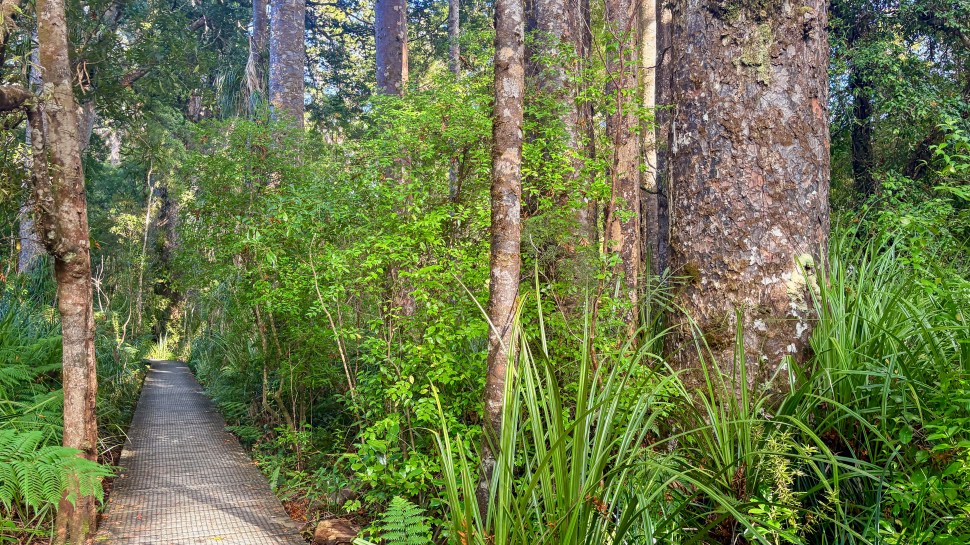
The first few days along the Kauri Coast were about as good as it gets.
The roads were quiet. The stops came naturally. And the mix of forest and coastline made it easy to move without feeling like you needed to be anywhere in particular.
There’s not much to improve on. If anything, I should have stayed longer.
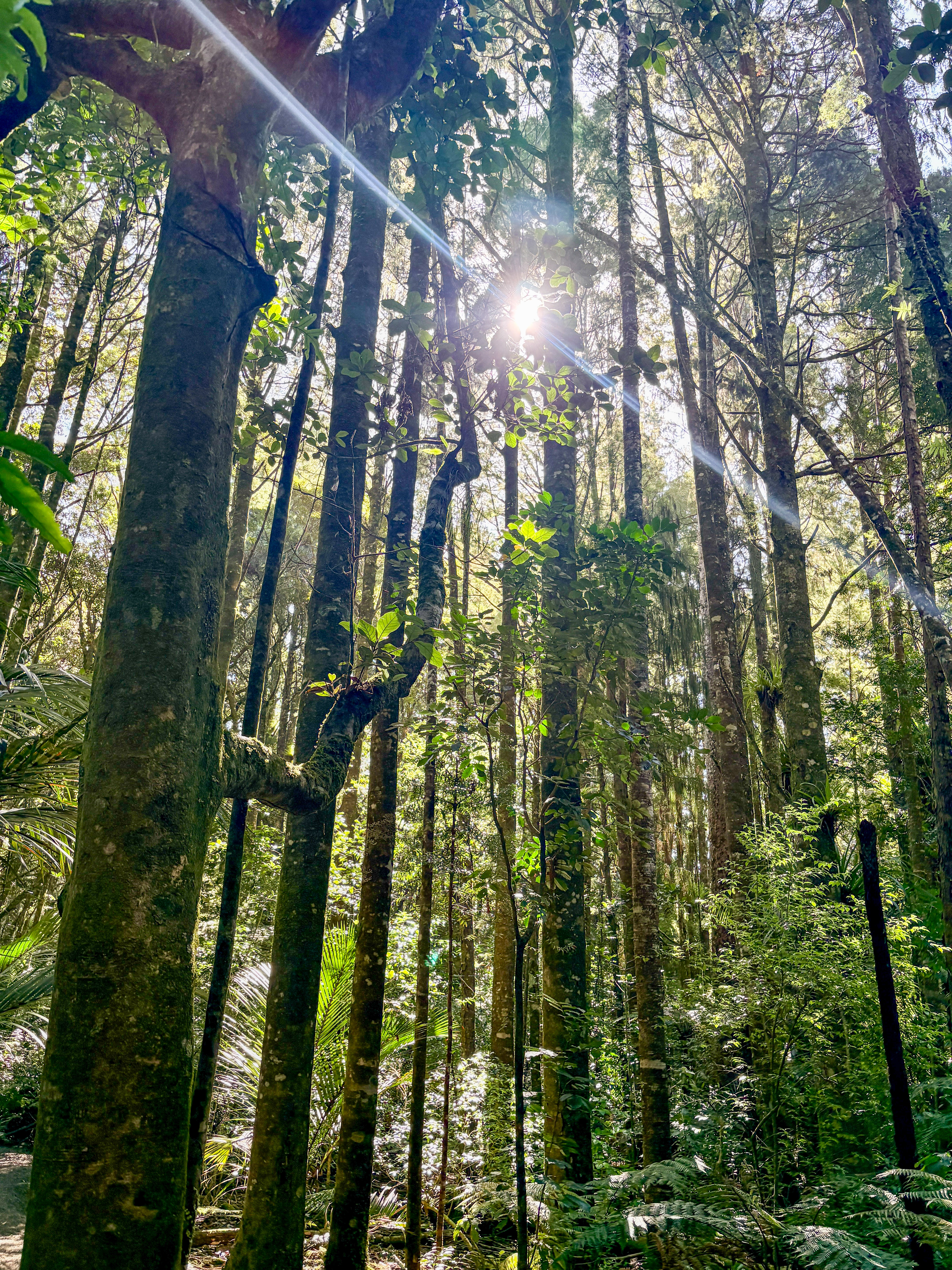
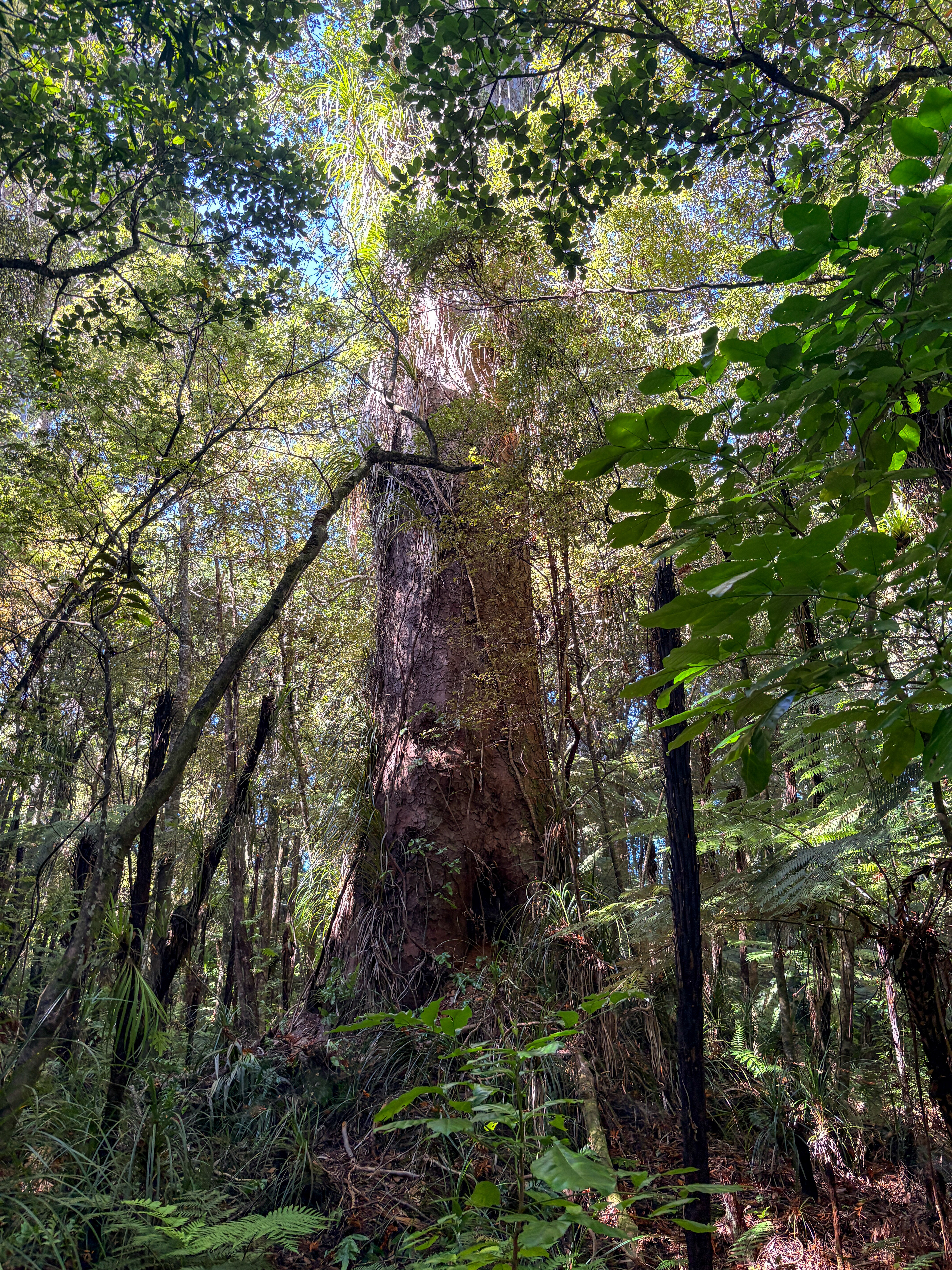
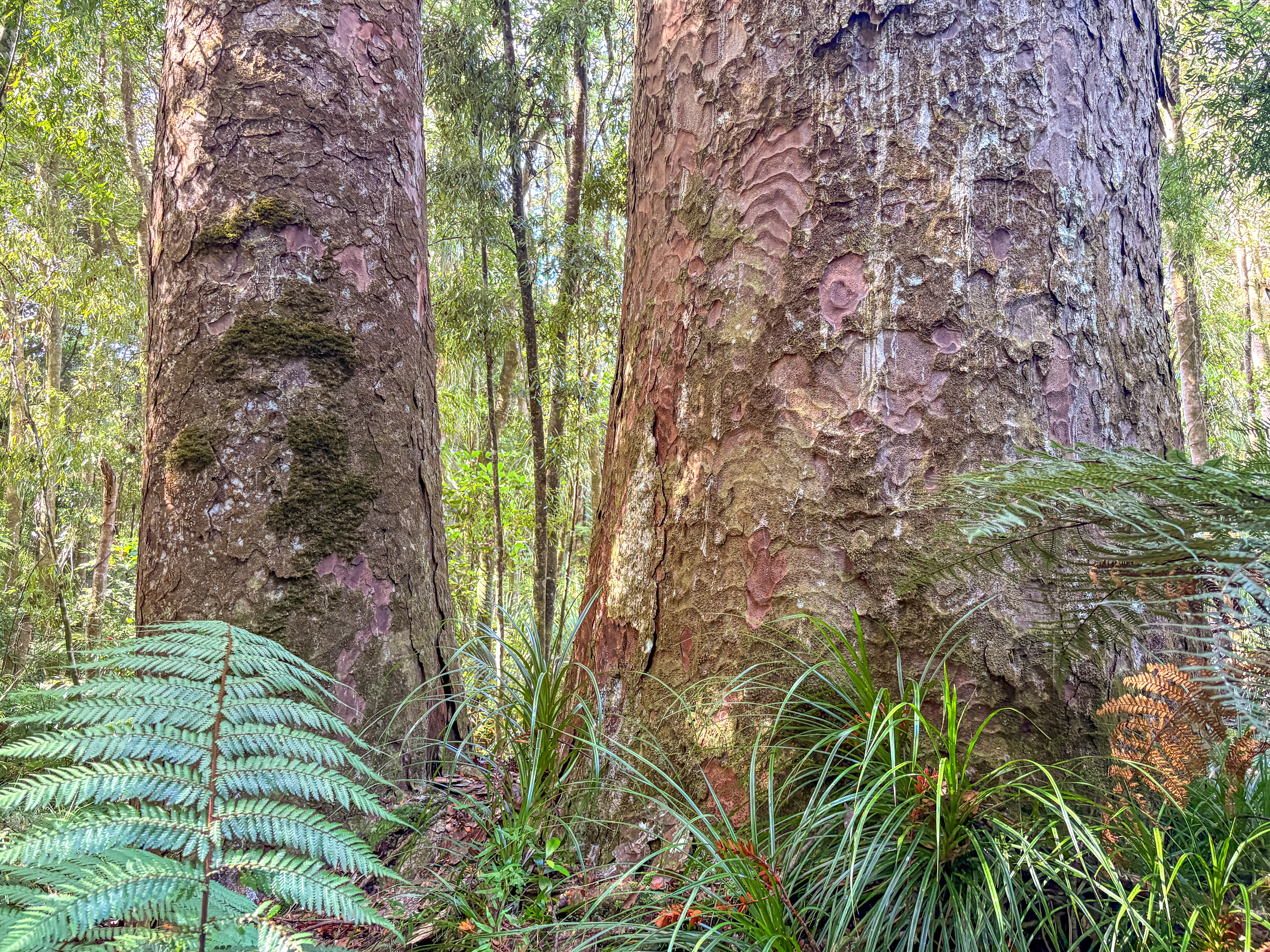
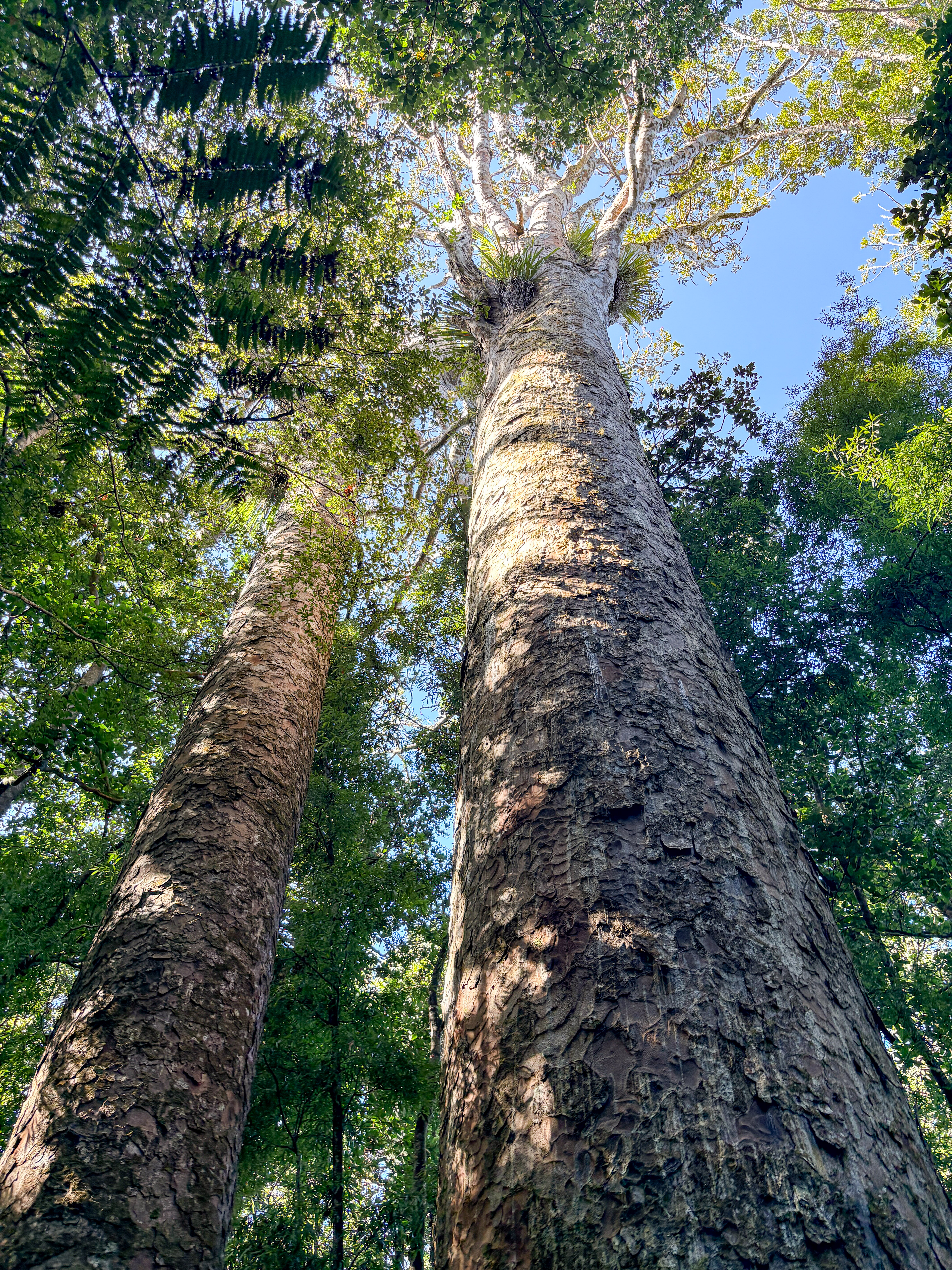
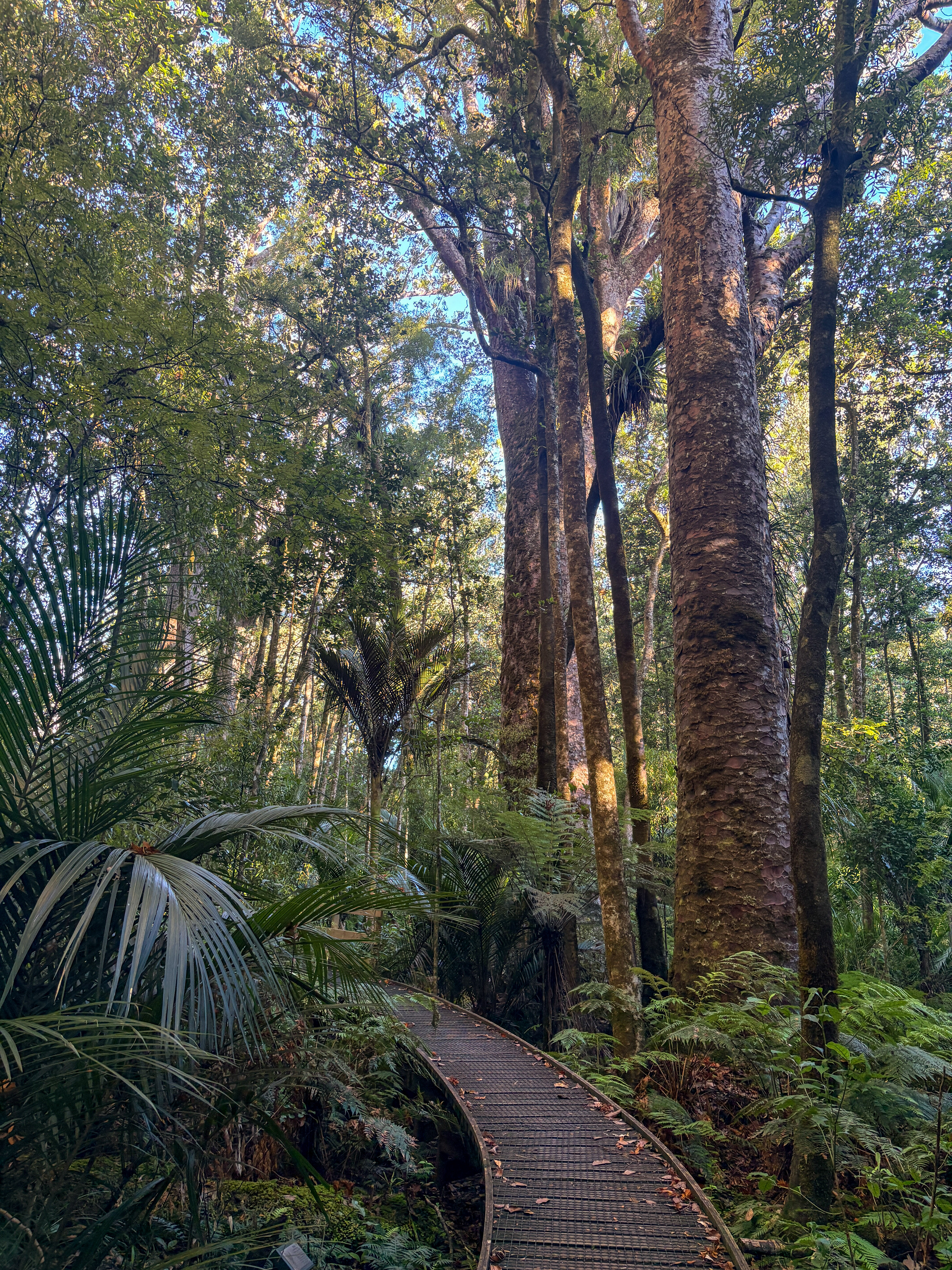
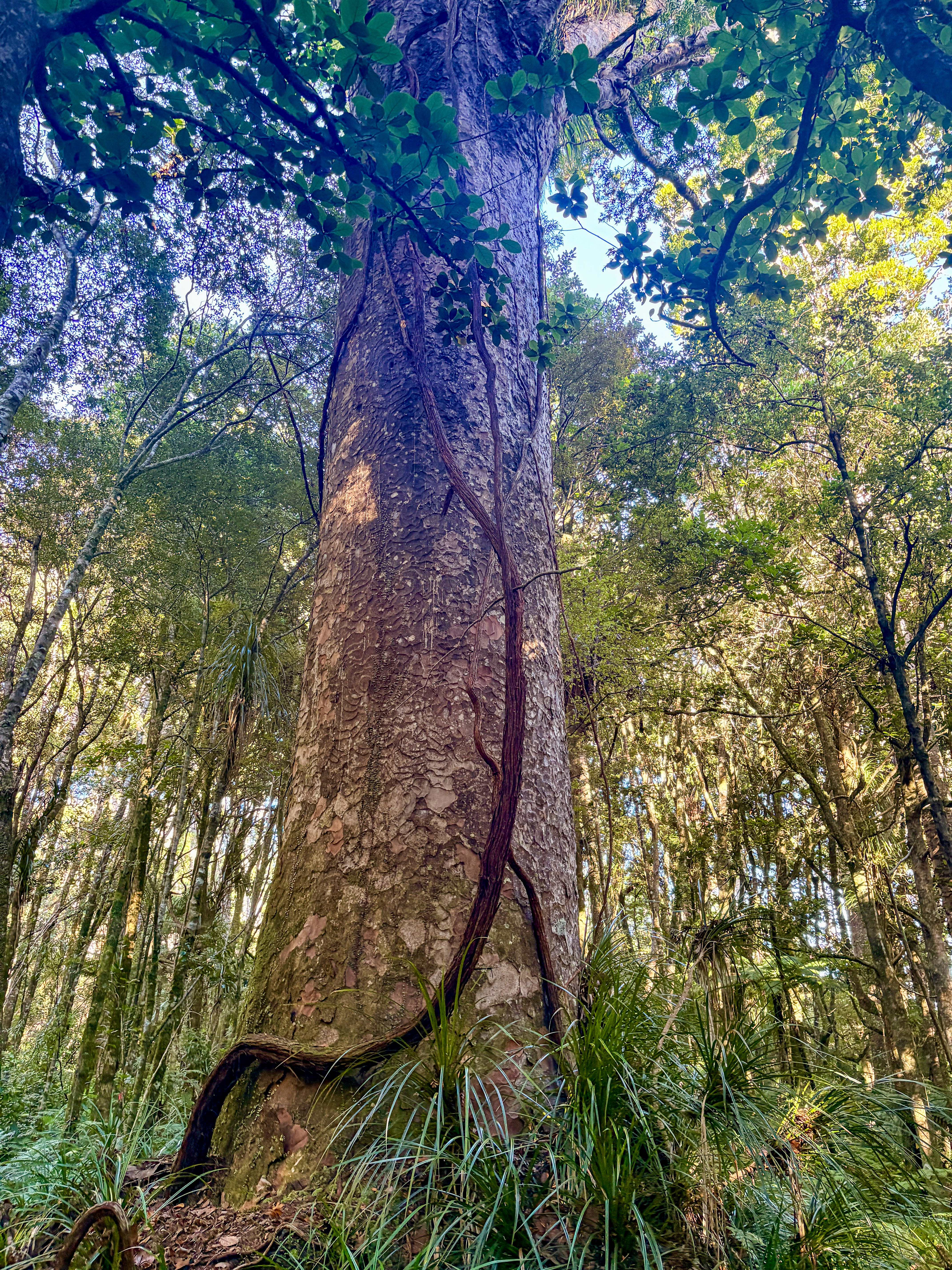
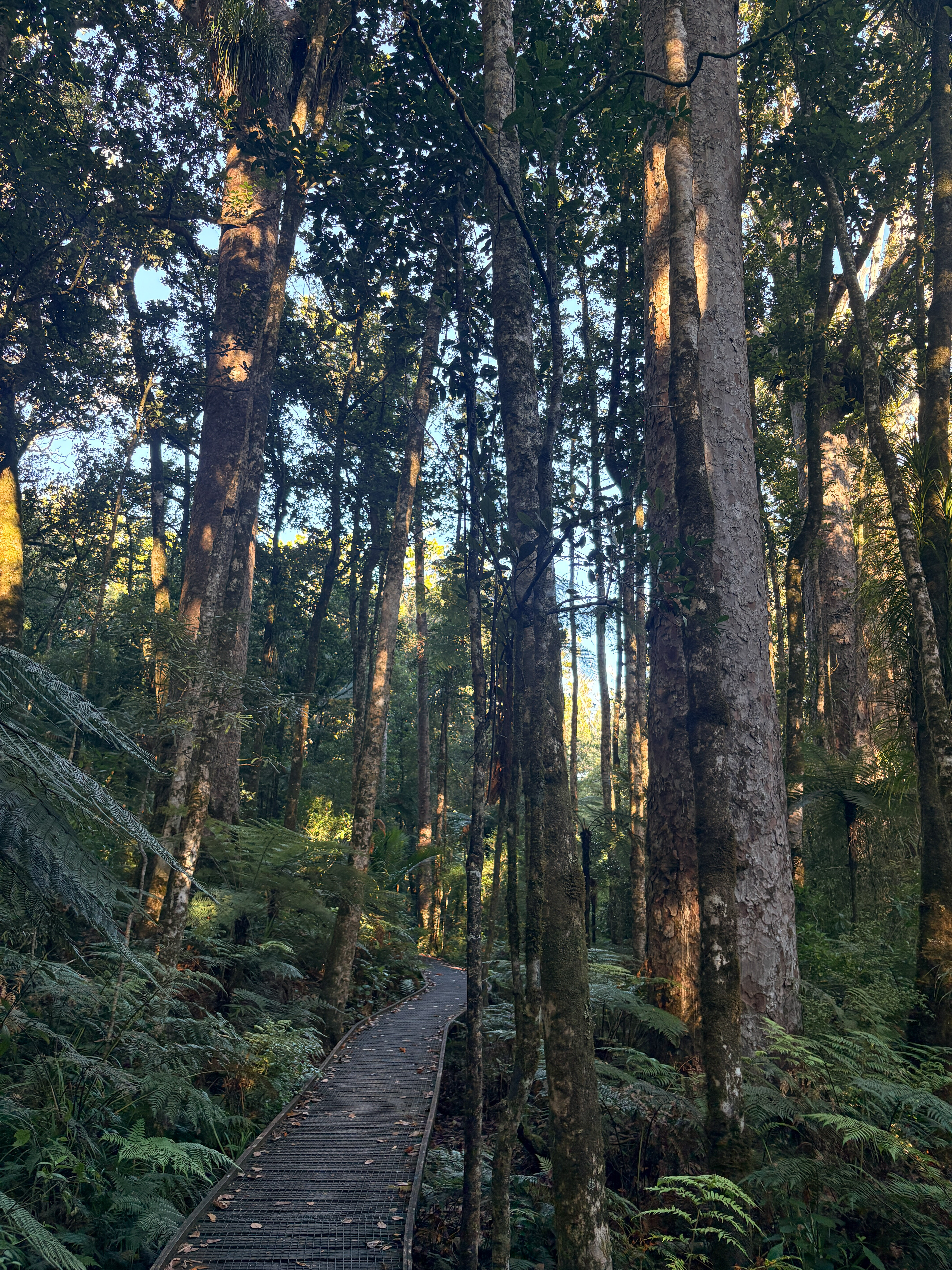
The kauri trees are the obvious highlight, but they still manage to surprise you. They don’t just feel big—they feel old in a way that makes everything else seem temporary.
Between those stops, I found myself pulling over for smaller things. Old equipment. Random structures. Places that didn’t need a reason.
It’s a simple rhythm, but it works:
- drive until something looks interesting
- stop
- move on when it doesn’t
The Middle: Slowing Down, But Not Quite Connecting
The middle of the trip was where things got a little less clear—not because I was moving too much, but because I slowed down in the places that seemed like they should click, and they didn’t quite.
Taranaki was one of those places.
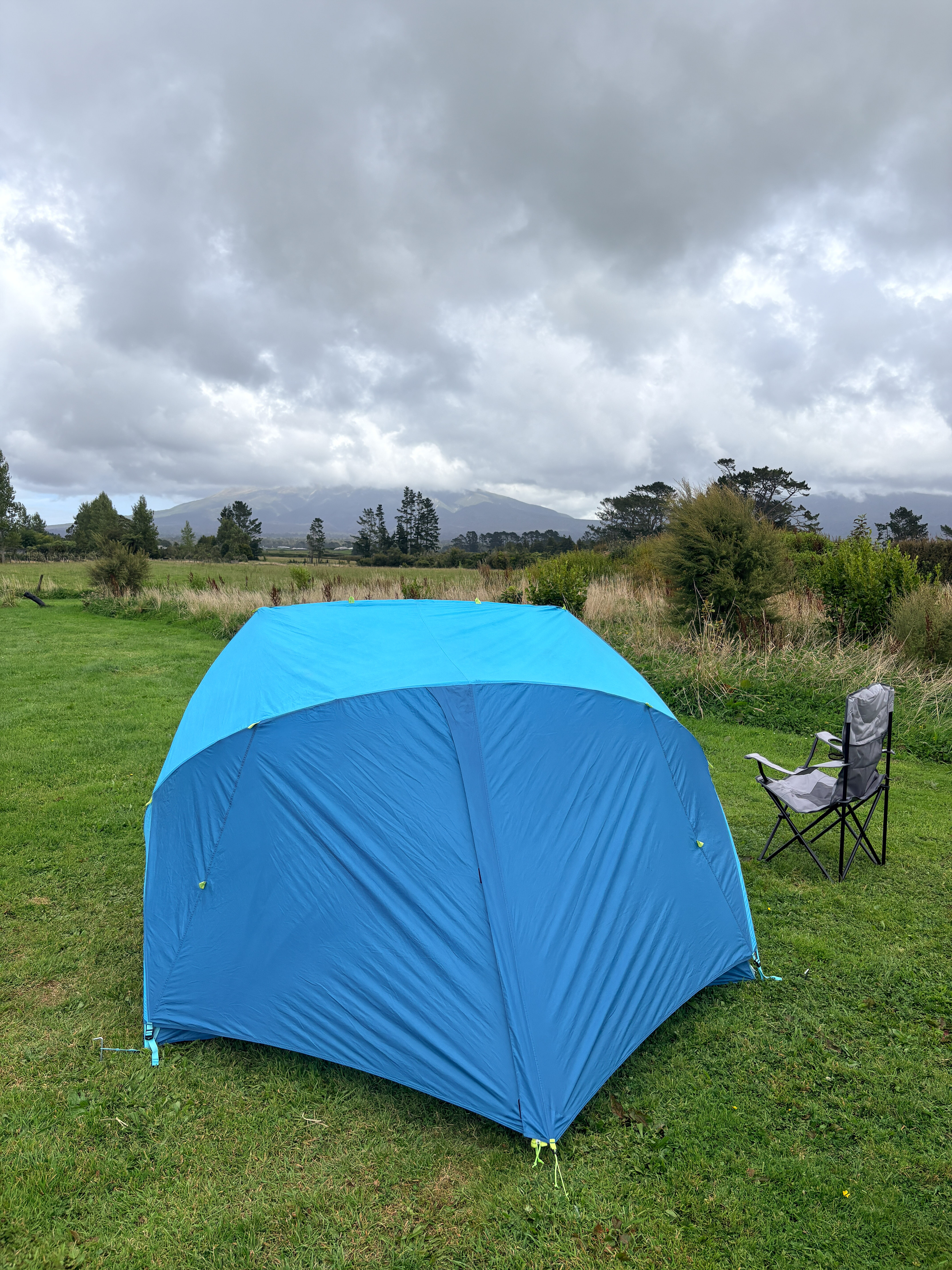
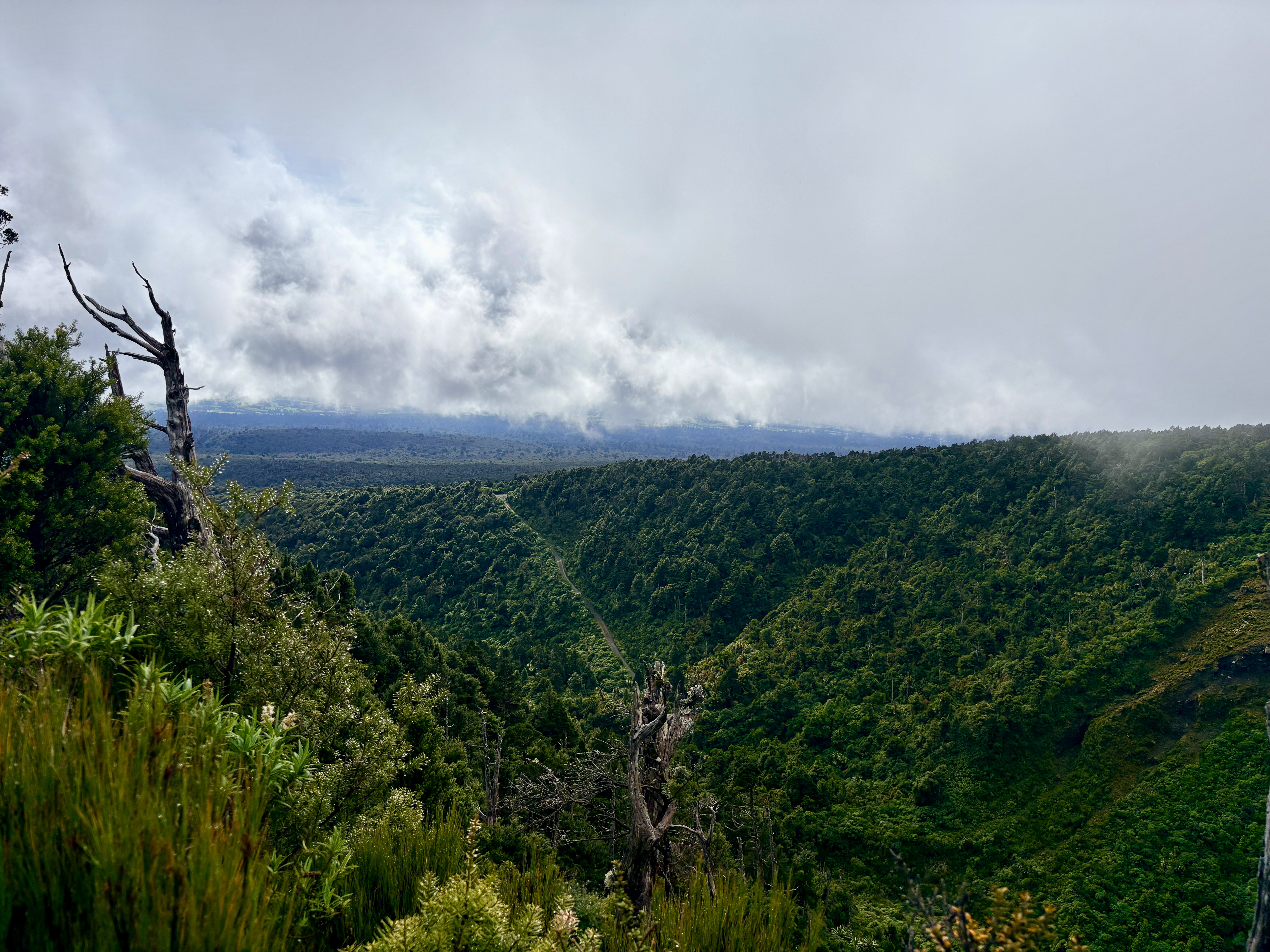
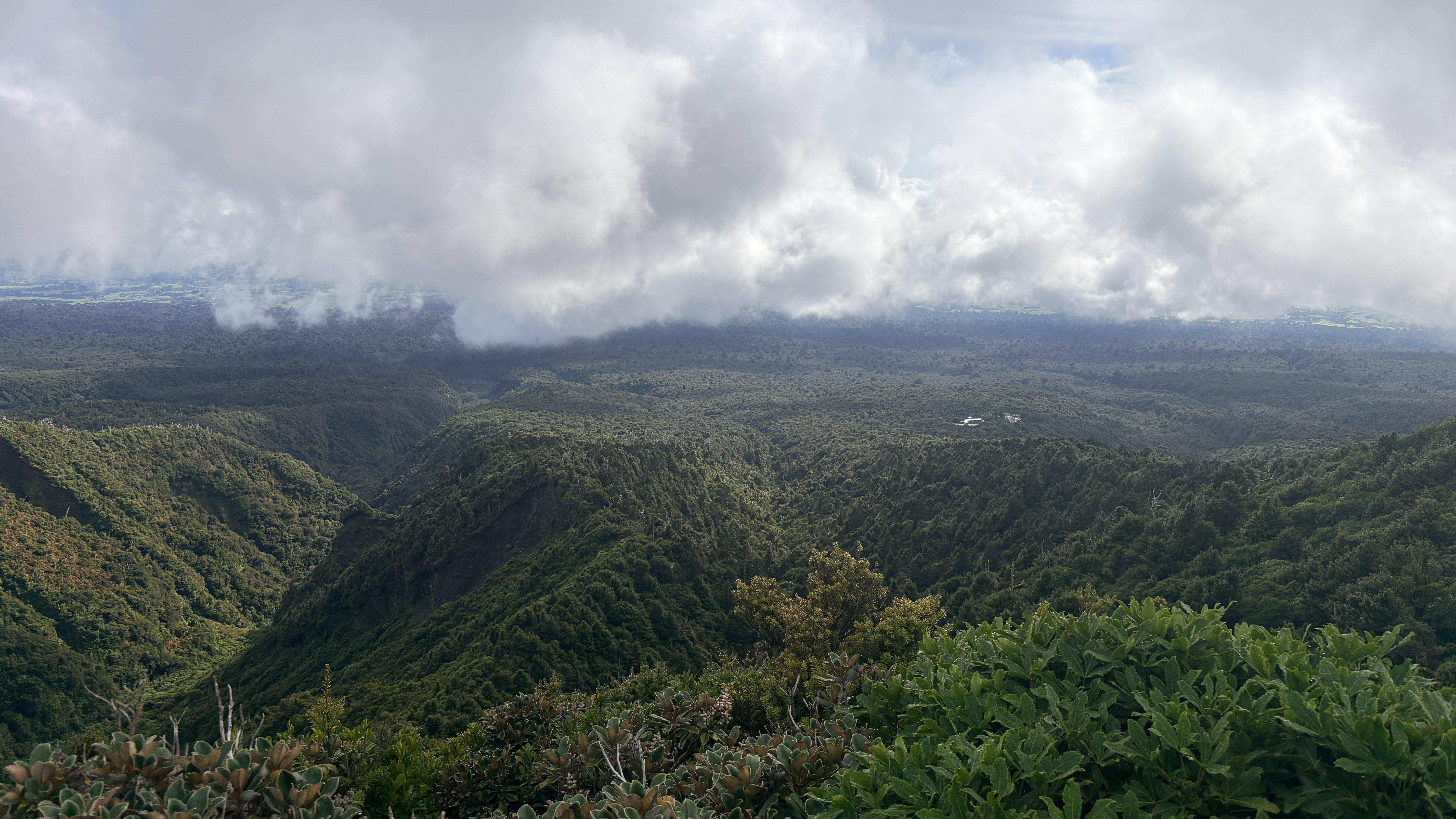
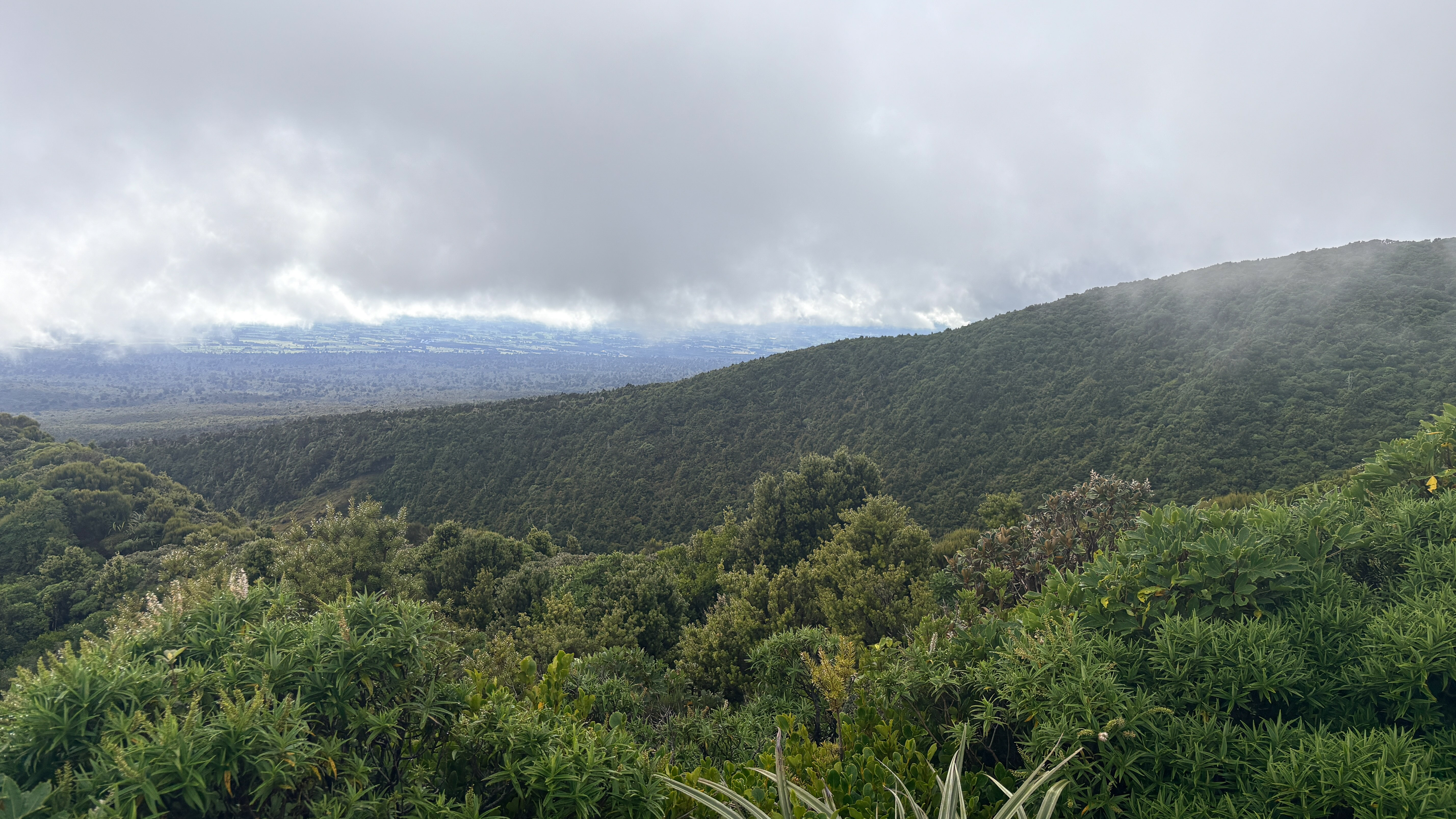
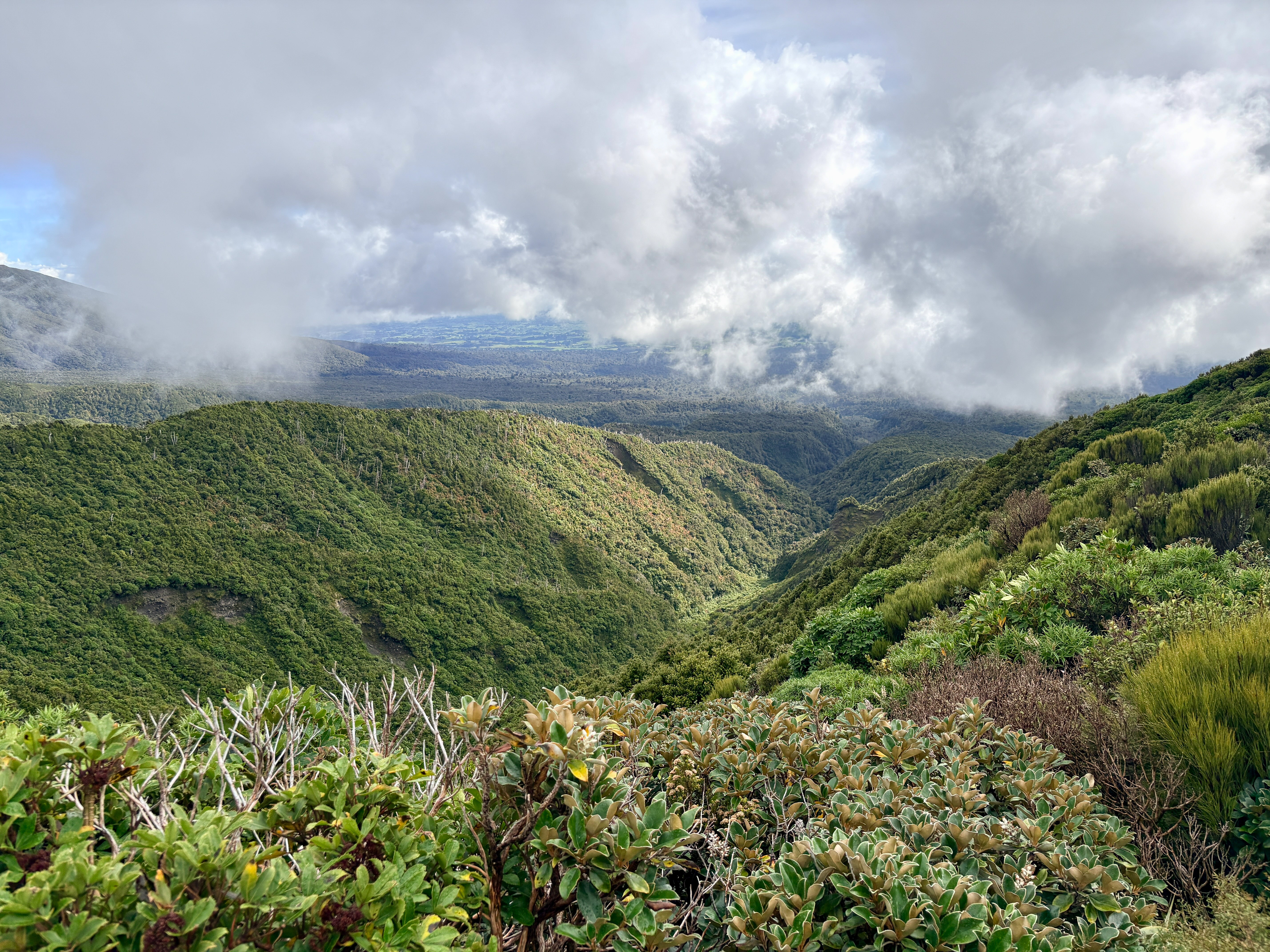
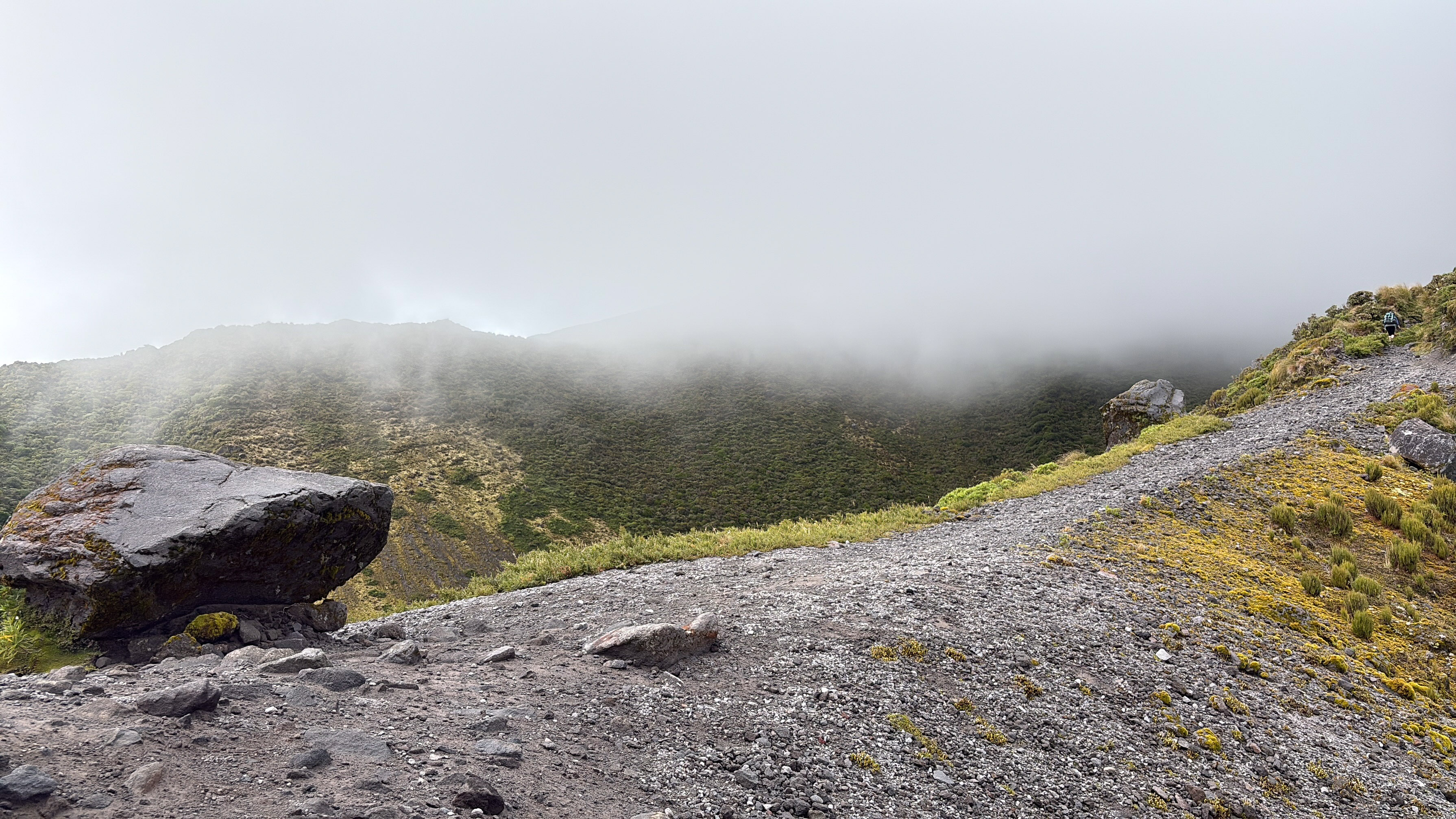
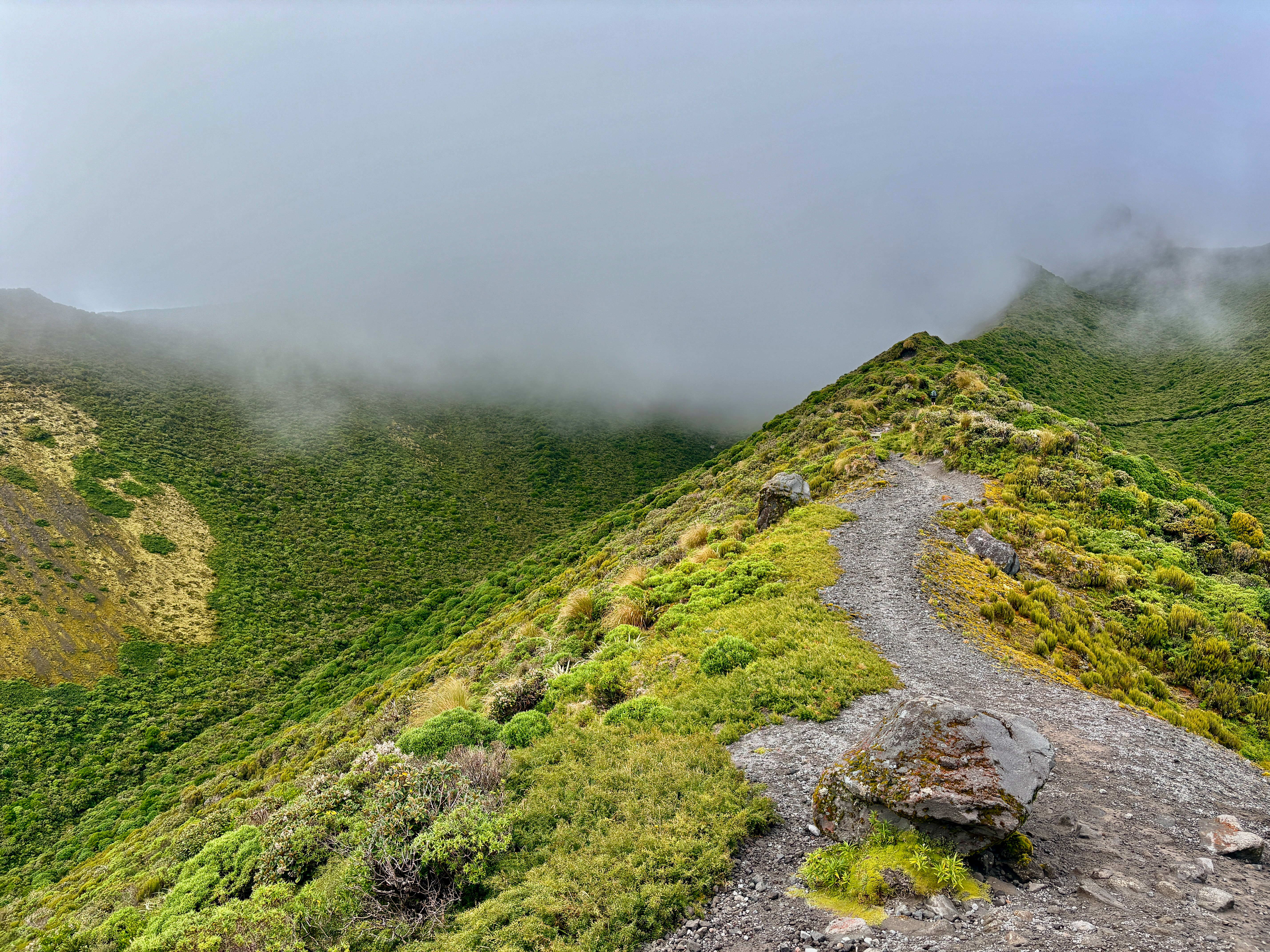
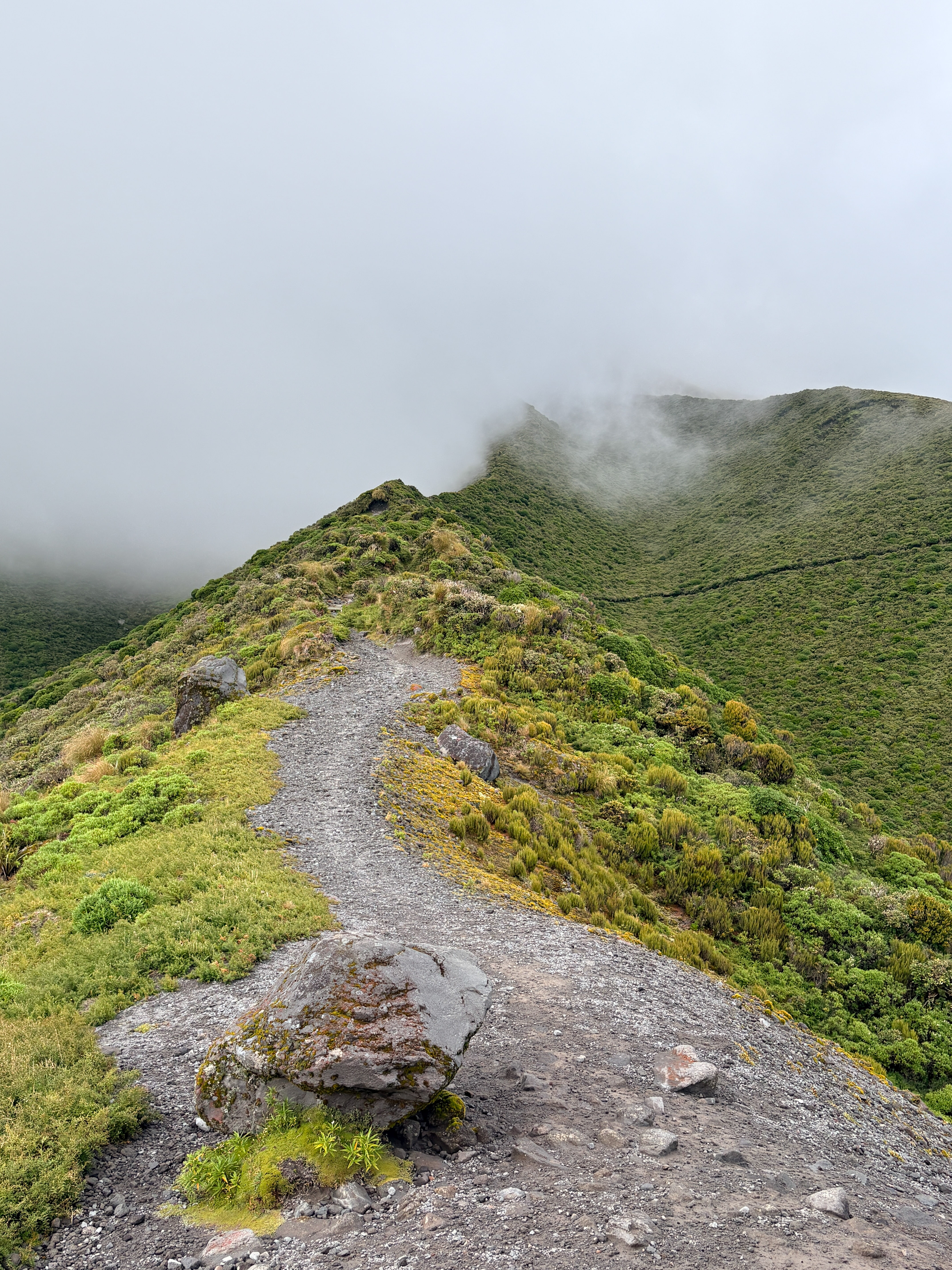
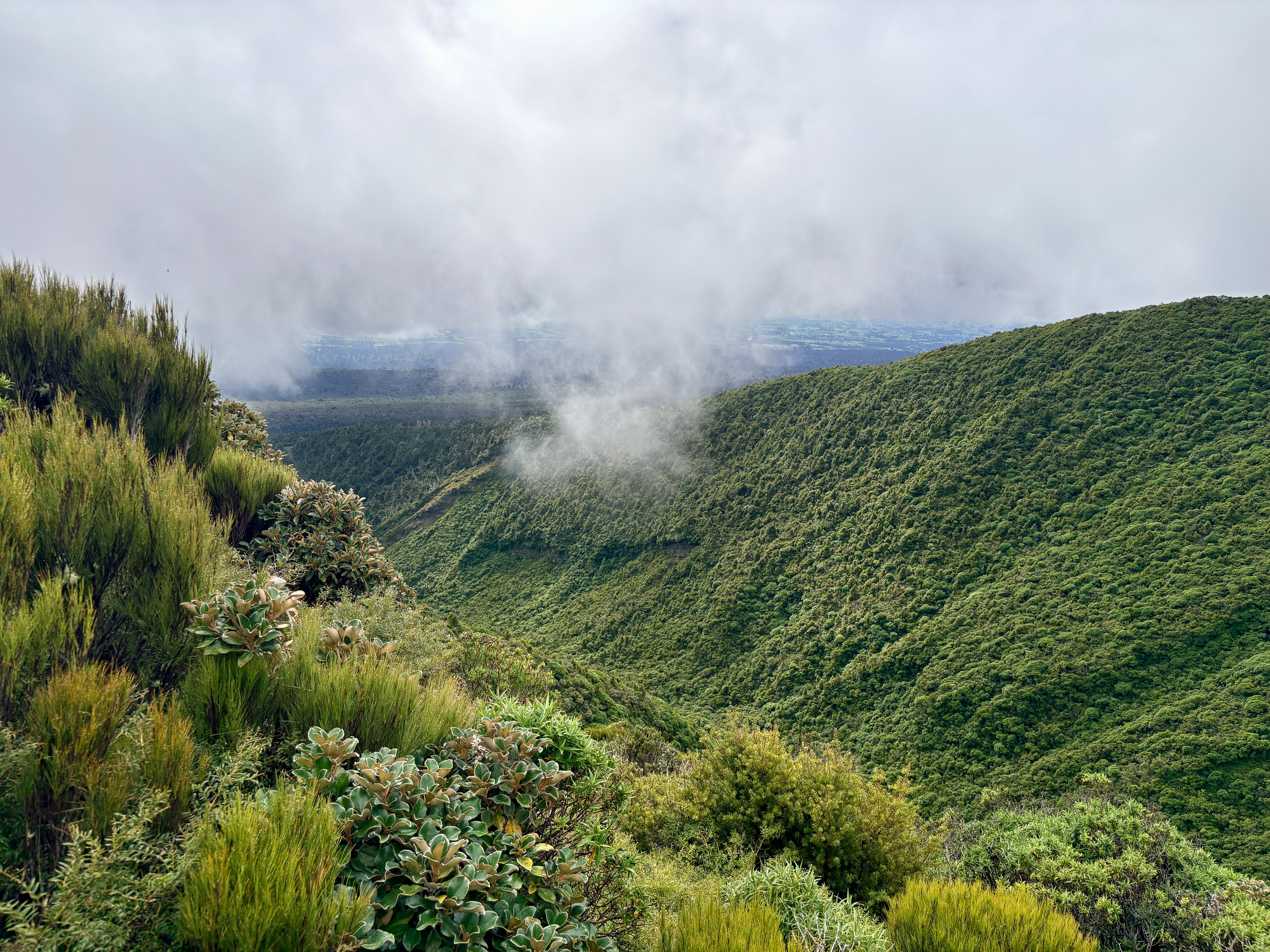
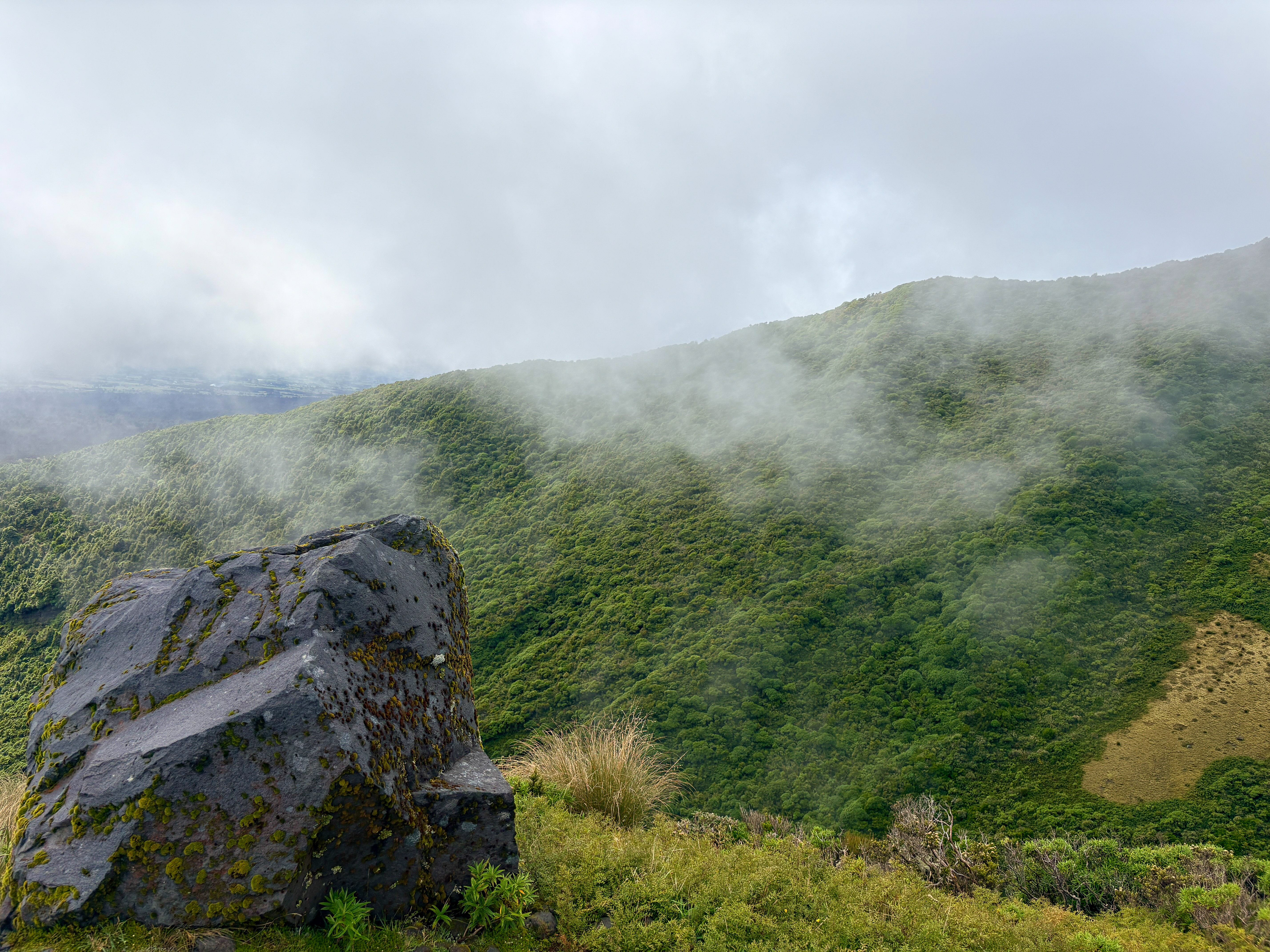
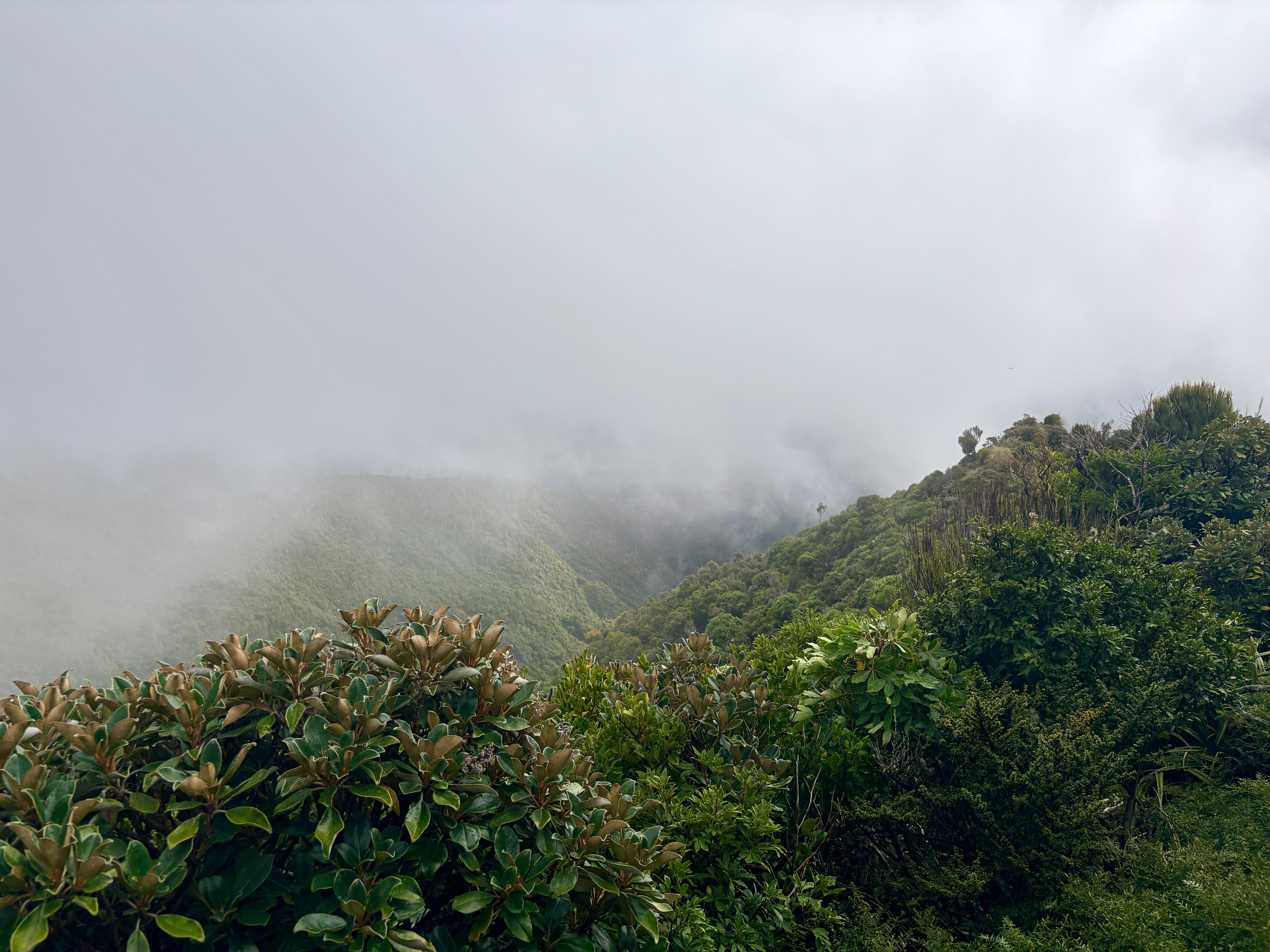
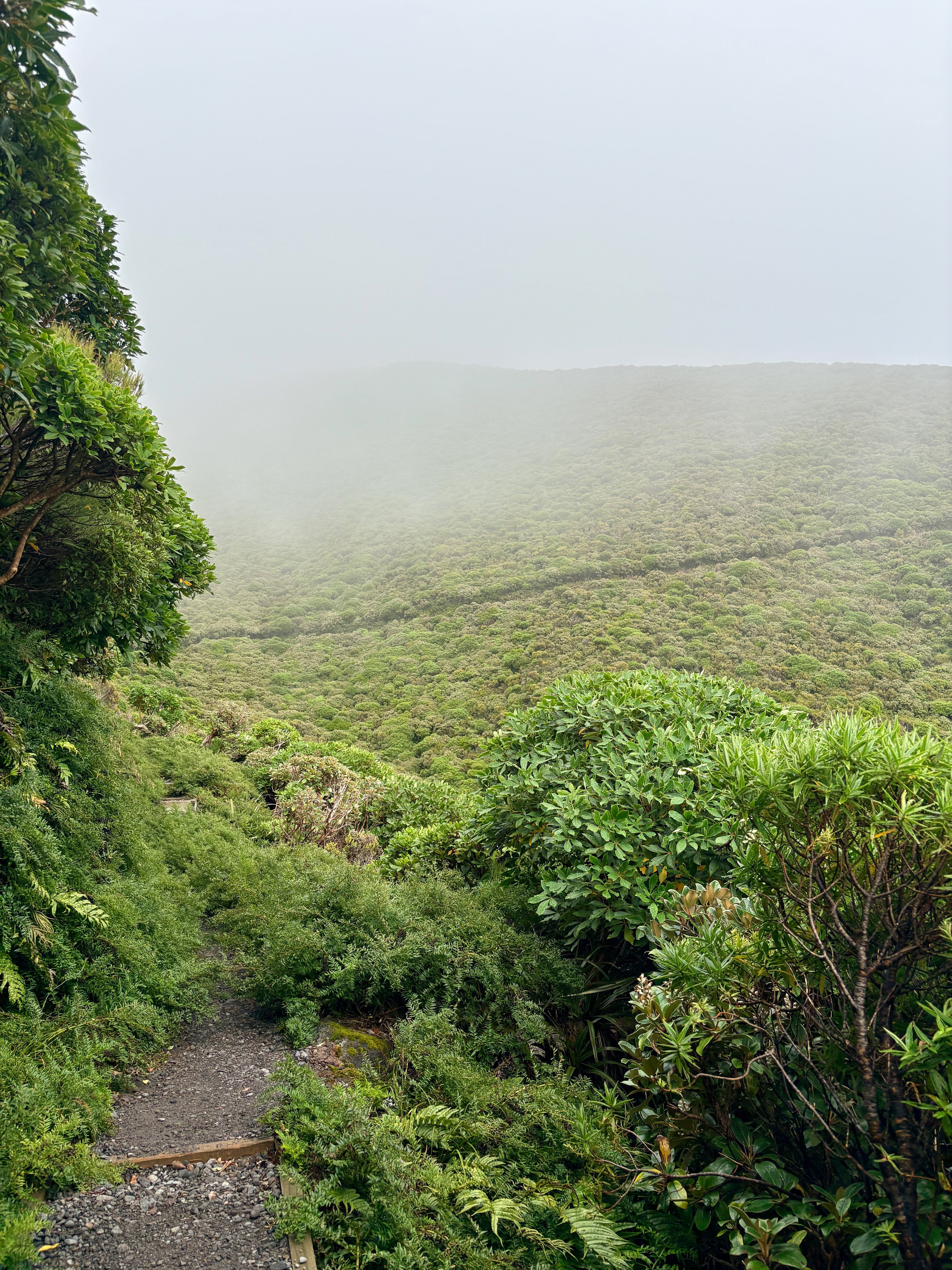
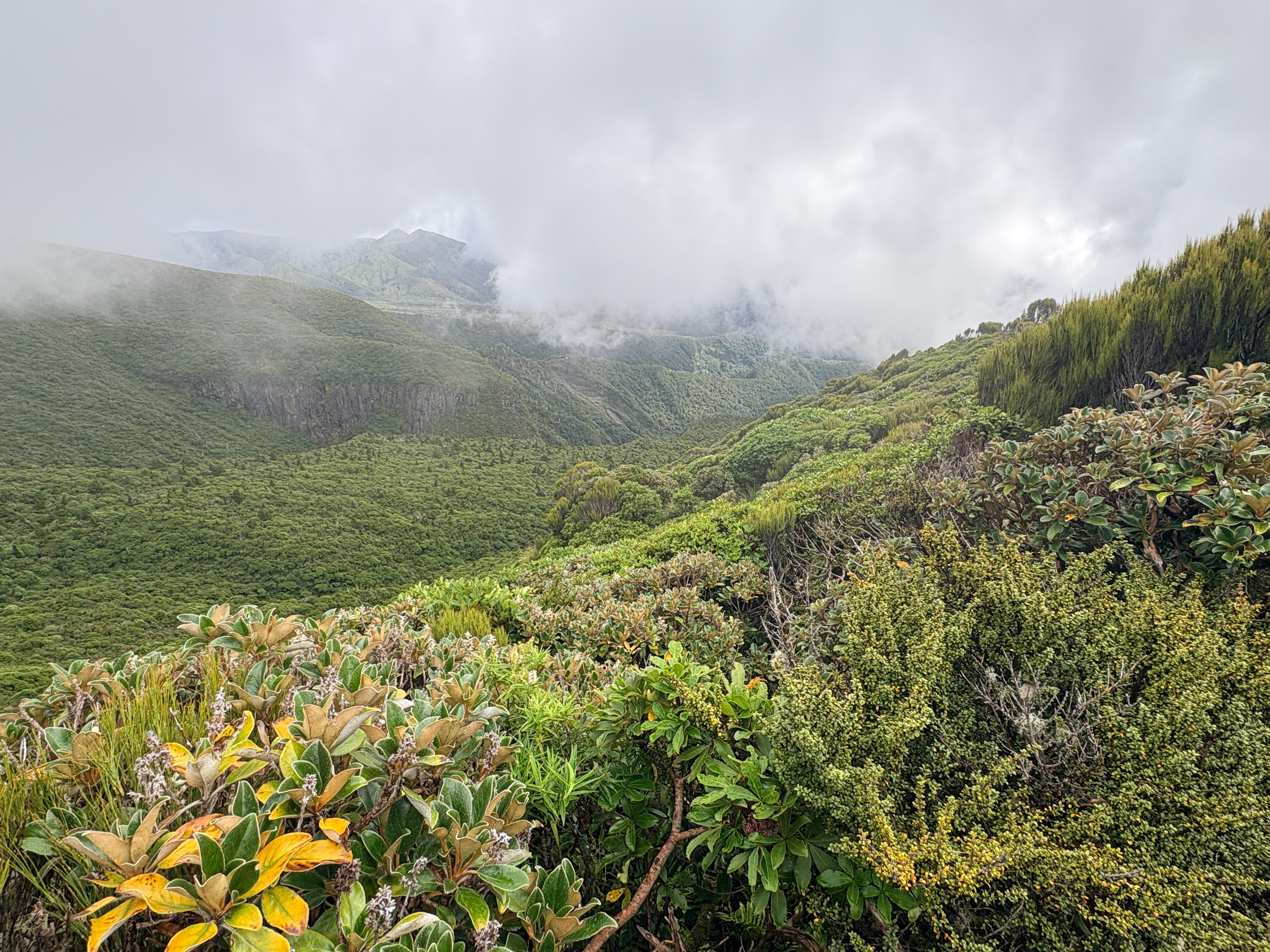
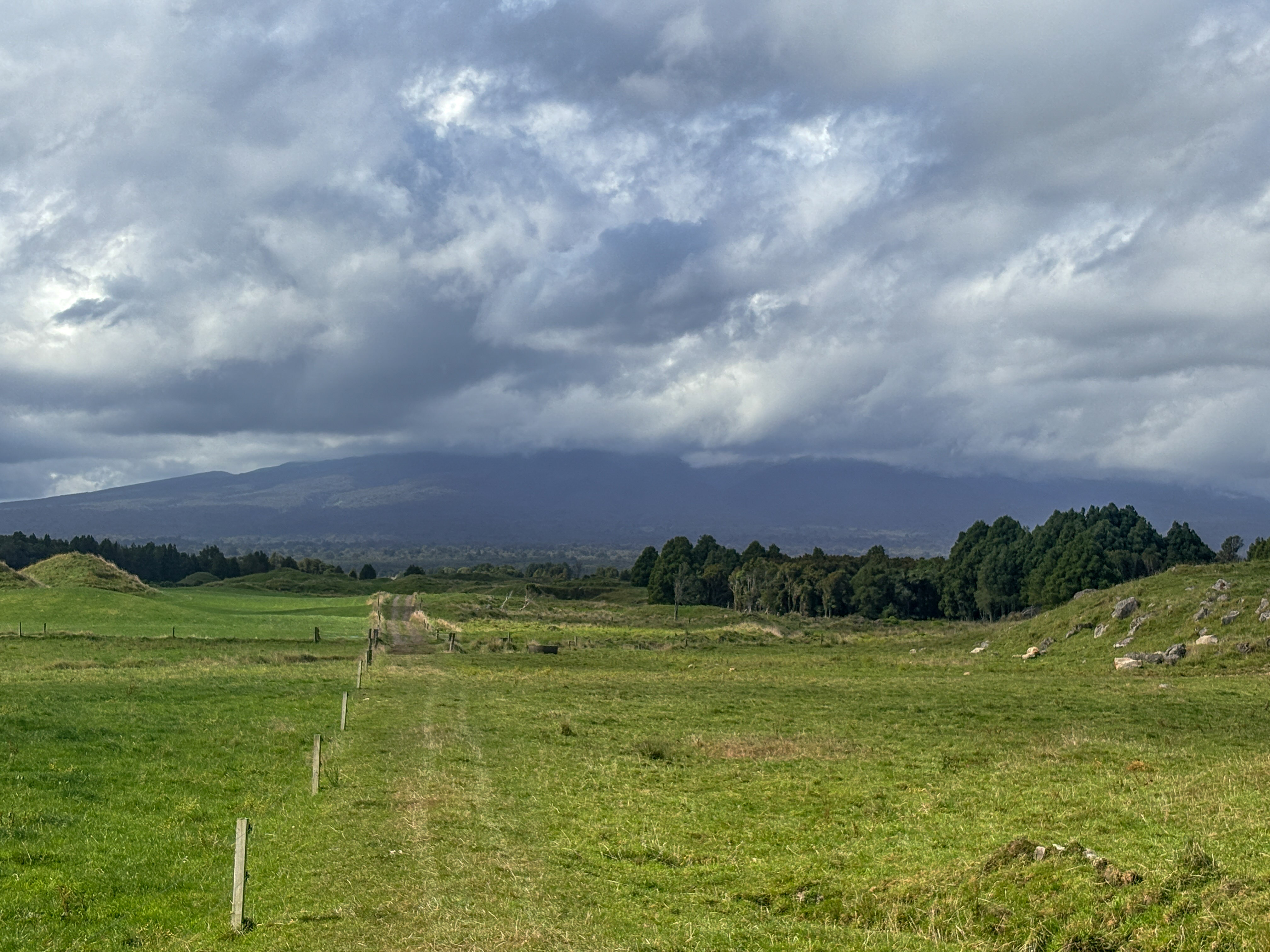
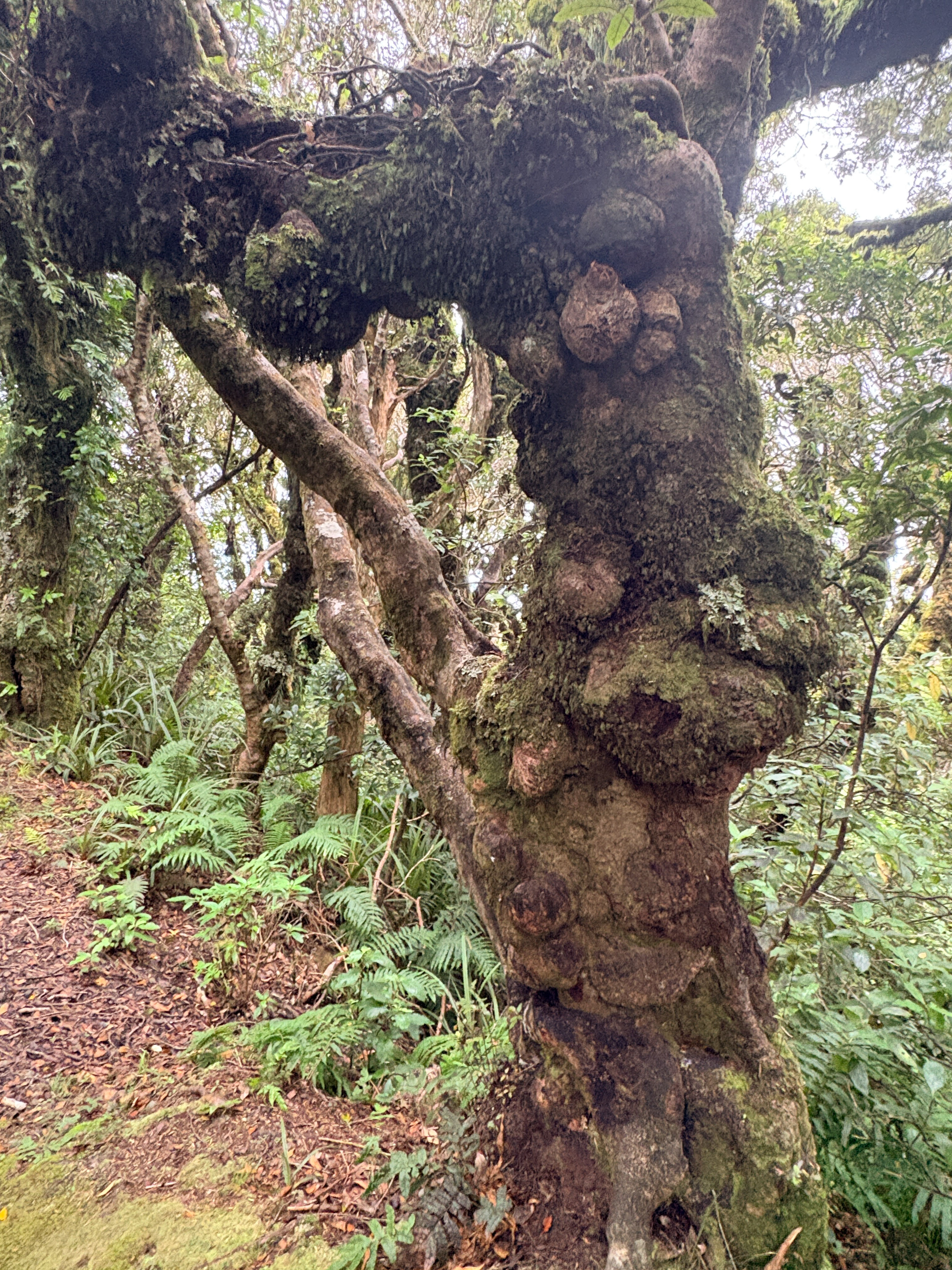
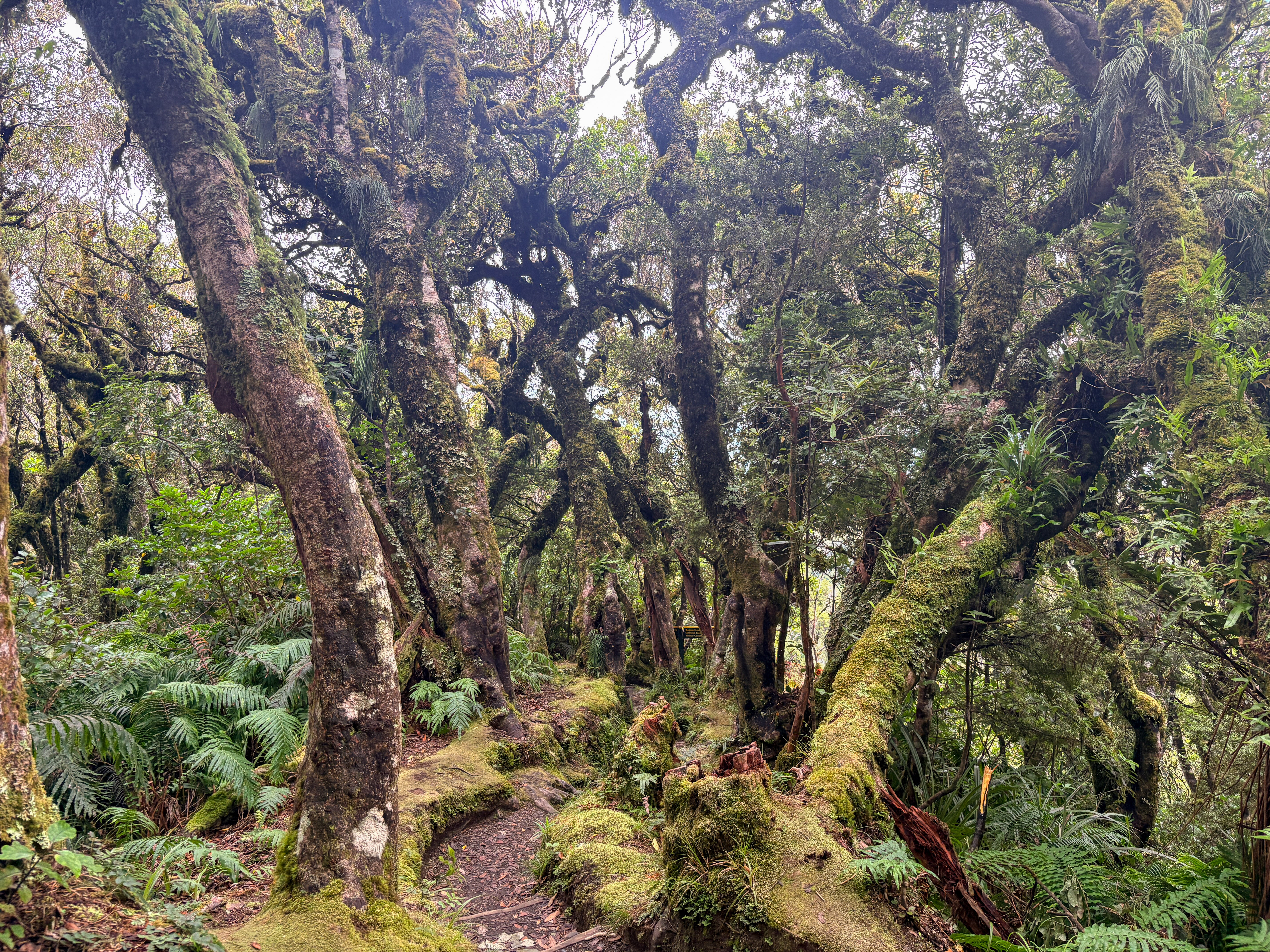
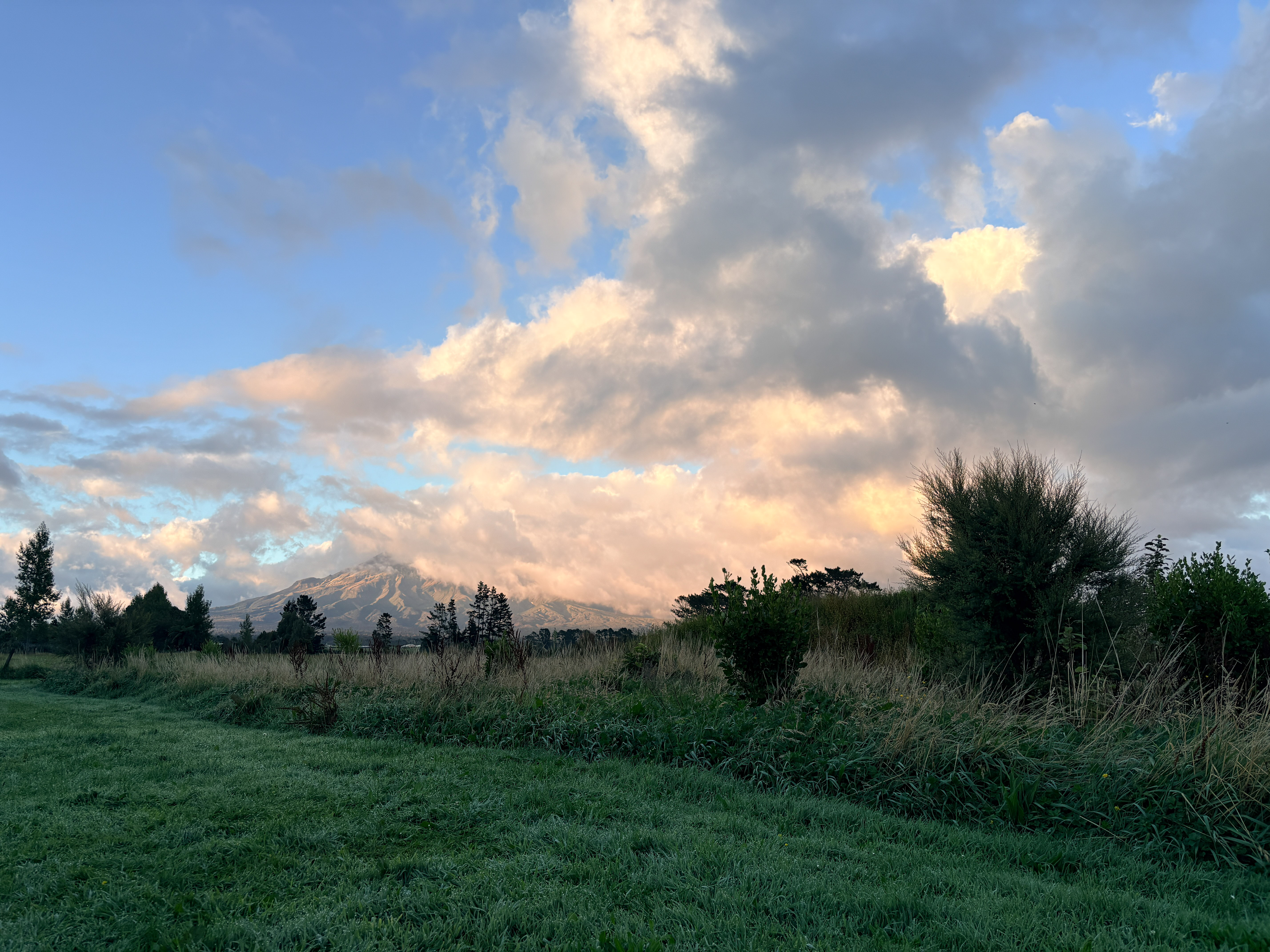
The mountain dominates everything, and on the right day, it’s incredible. I had a hike up in the clouds where it would appear and disappear depending on how the weather moved through. It’s the kind of setting where you don’t really control the outcome—you just wait and see what you get.
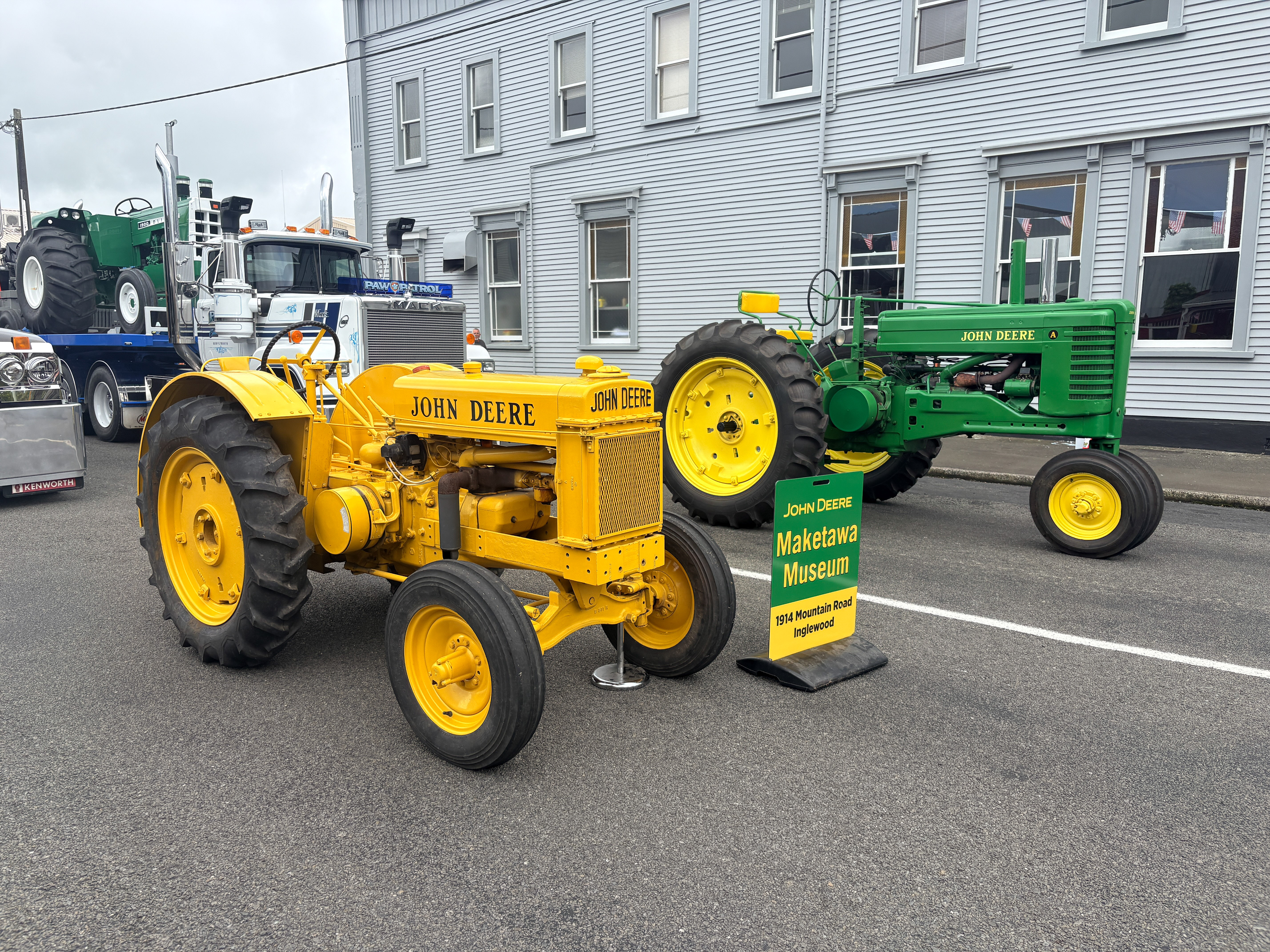
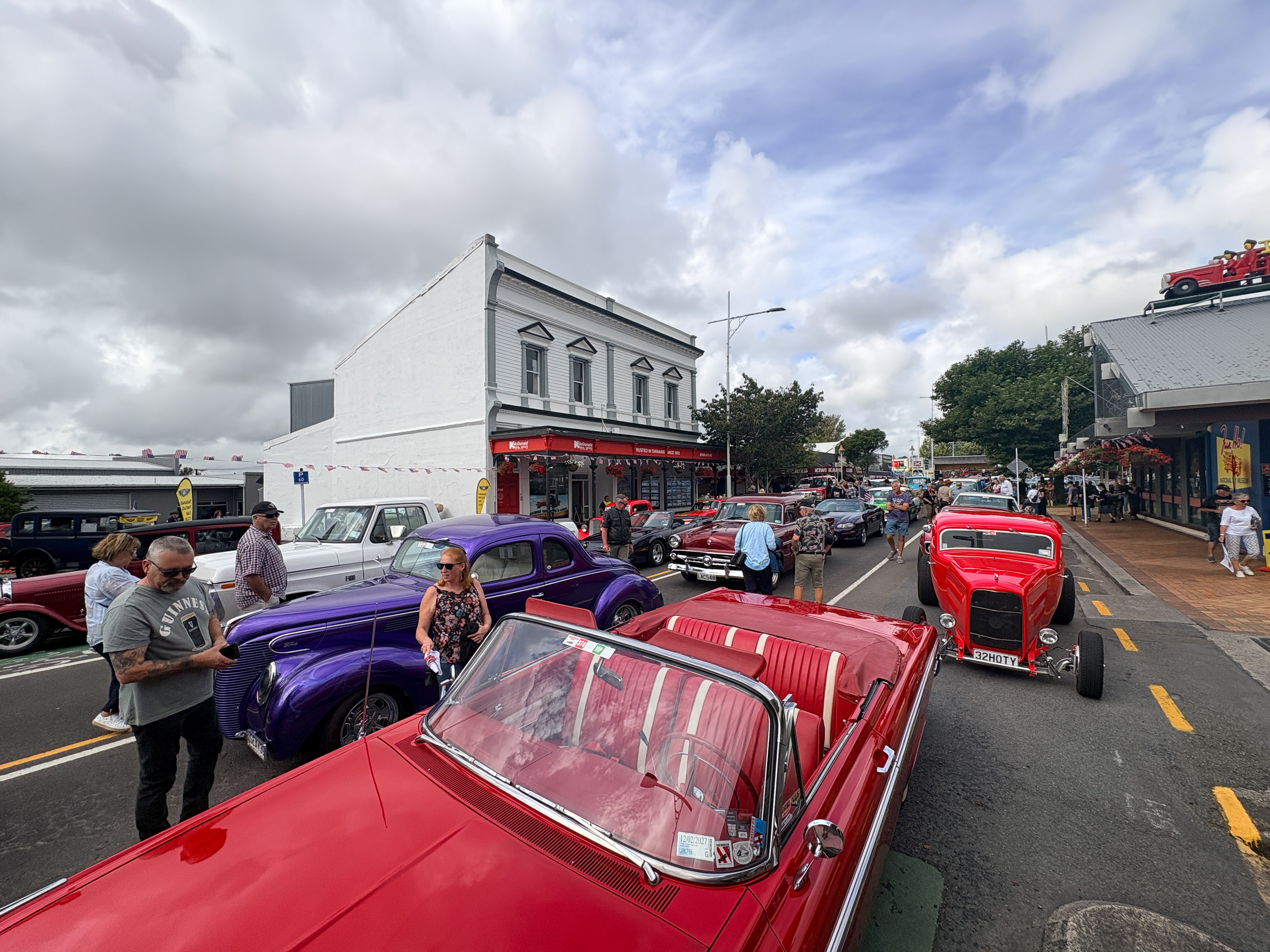
There was also more going on around it than I expected. A dirt track race. Americarna in town. Enough to give the place some character beyond just the landscape.
Tongariro was similar, but for different reasons.
The terrain is dramatic, but it’s also singular. Everything points back to the same features—the same peaks, the same volcanic landscape. It’s impressive, but after a bit, it started to feel like I was seeing variations of the same thing rather than discovering something new.
I slowed down in both places. I gave them time.
The bigger realization was that not every landscape fits the same style of travel. Wandering forests and quiet coastlines seem to amplify the experience of traveling alone. Big alpine landscapes, on the other hand, made me wish I had someone beside me to occasionally say, “Would you look at that?”
I tend to think of myself as pretty comfortable traveling solo, and most of the time that’s true. But this stretch of the trip felt different. The hikes were still great. The views were still there. It just felt like something was missing in how I was experiencing them.
The campsites didn’t help.
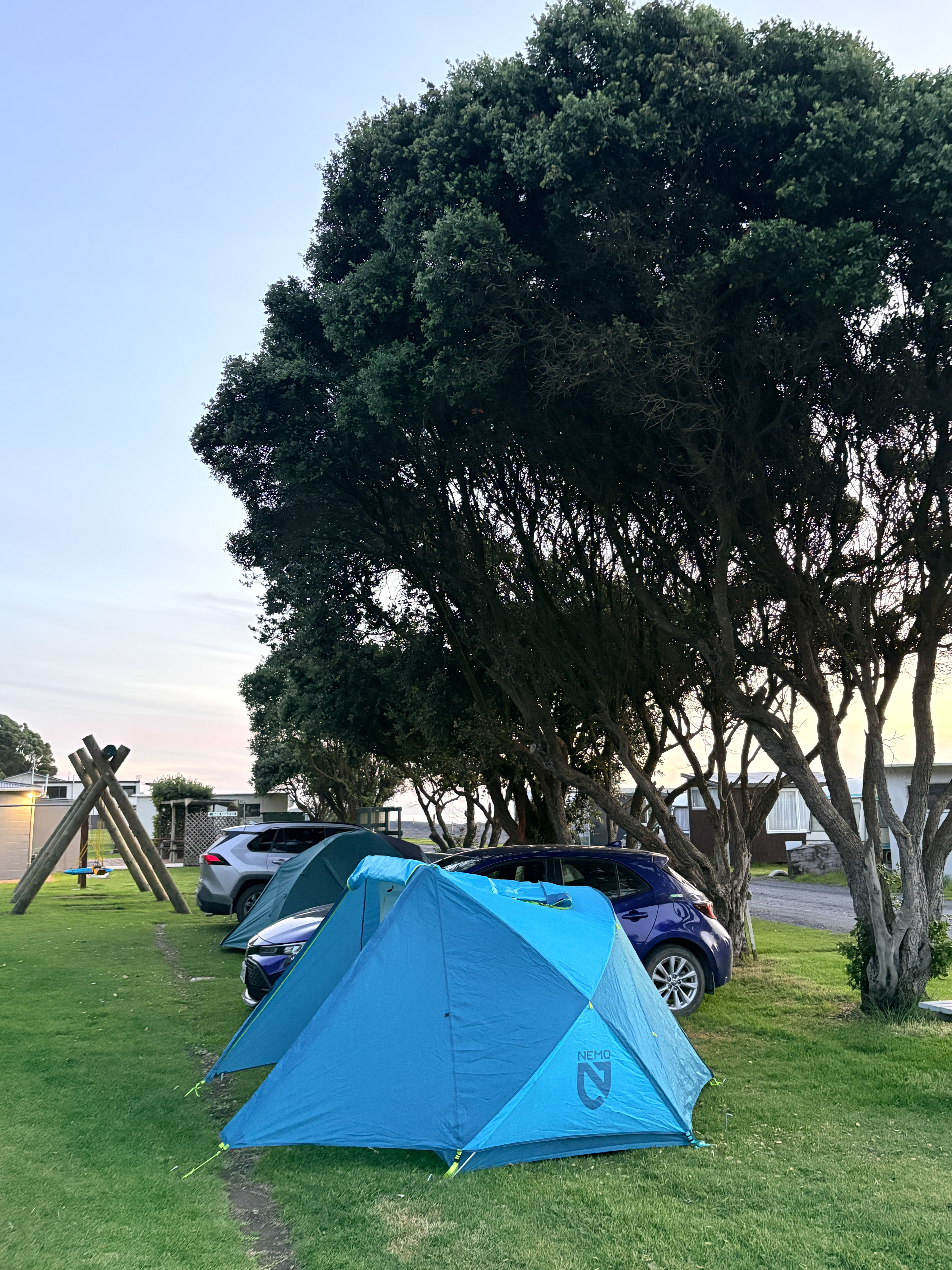
A few of them felt more like open fields than places you’d want to stay—cleared out, exposed, and not particularly connected to the surroundings. Functional, but not places you linger.
Looking back, I don’t think I was disappointed by Taranaki or Tongariro. I was learning that they weren’t the experiences I had come to New Zealand looking for this time.
There were still great hikes. Great views. Moments that would stand out on their own.
They just didn’t hit the way I had hoped.
Coromandel: Back to What Works
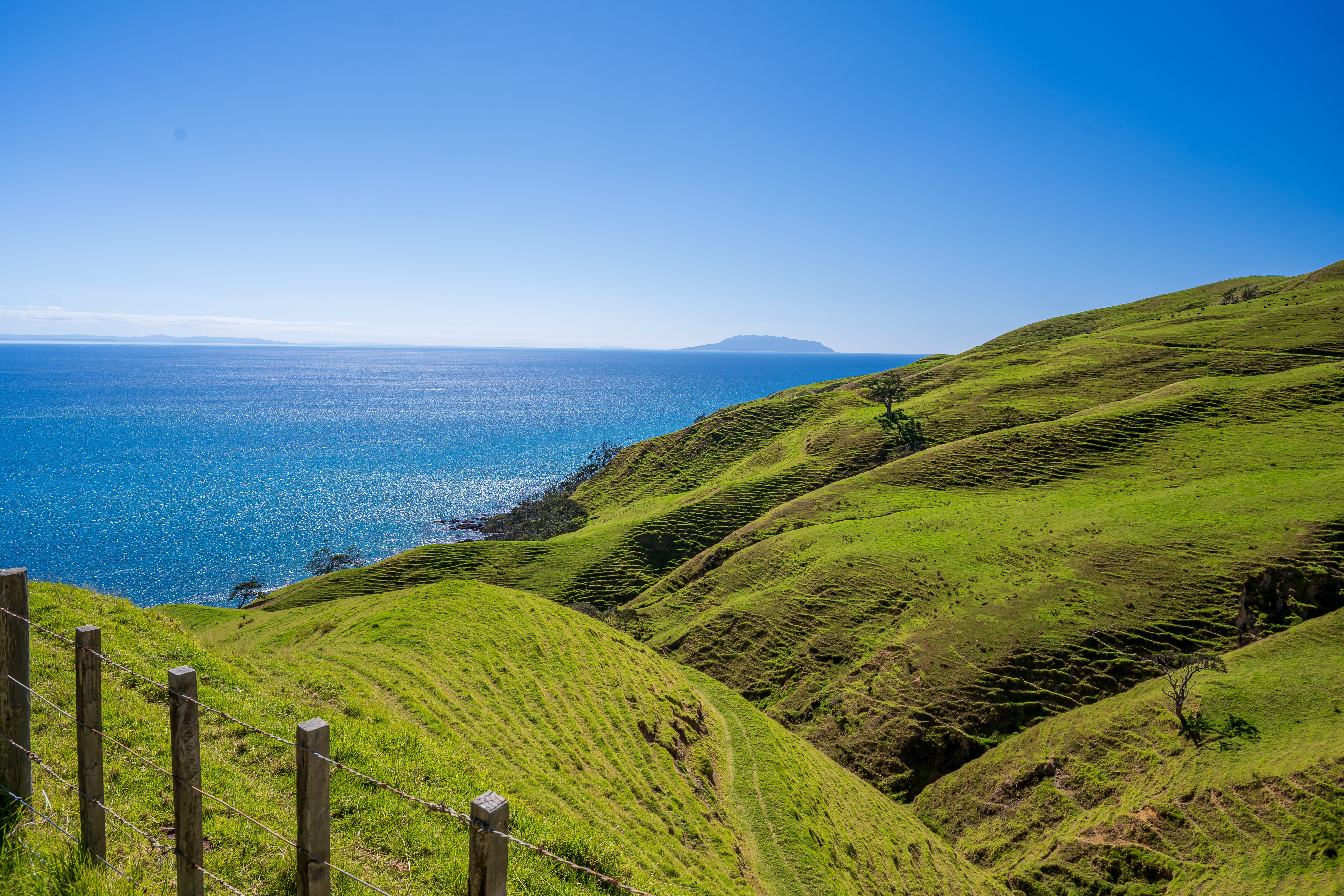
Coromandel brought it back.
The combination of coast, forest, and smaller-scale roads made it easy to settle into a place again. I wasn’t looking for the next stop—I was fine staying where I was.
That’s usually the difference.
I ended up spending several days there, which wasn’t part of any plan, but it made sense once I arrived.
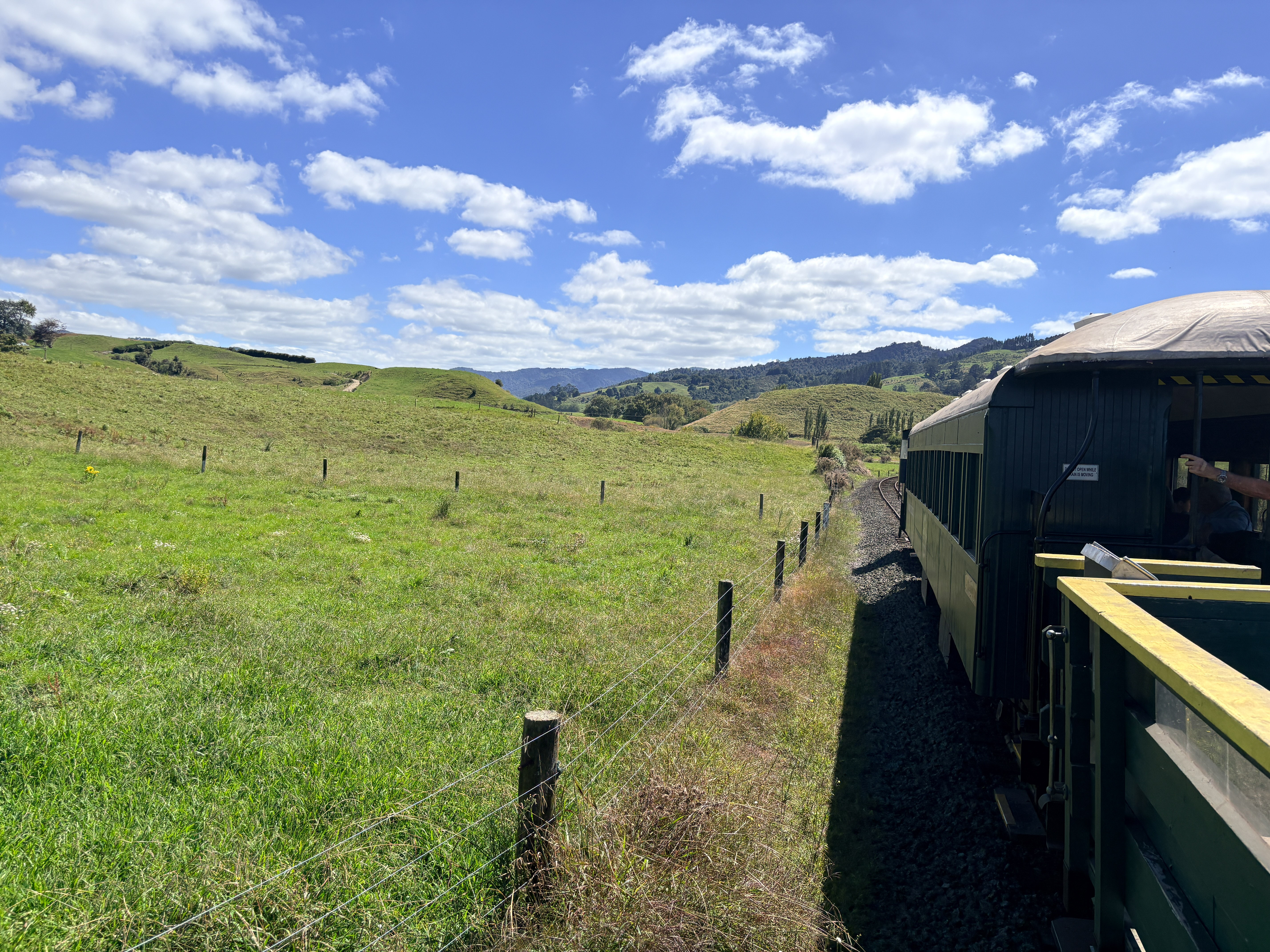
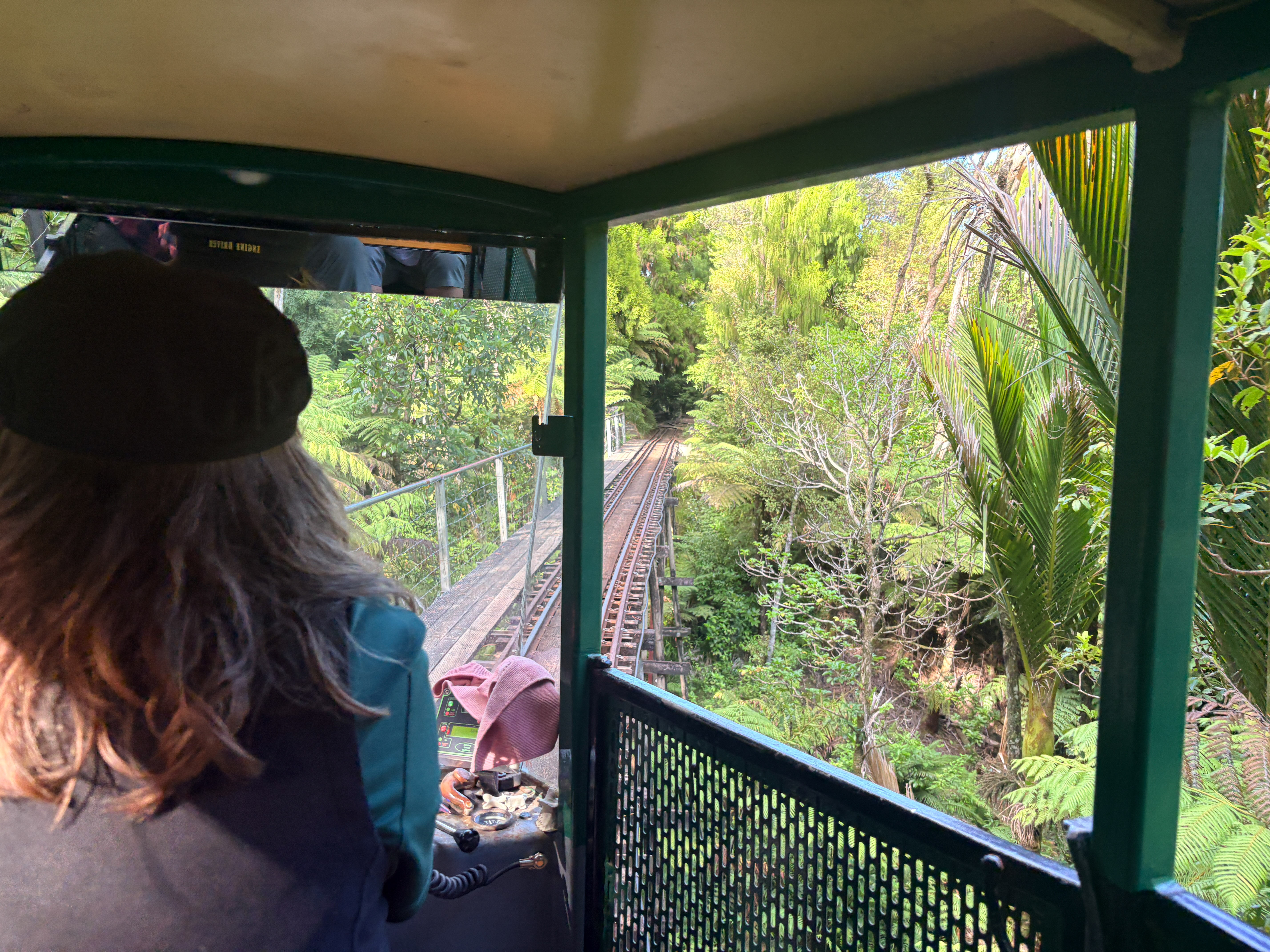
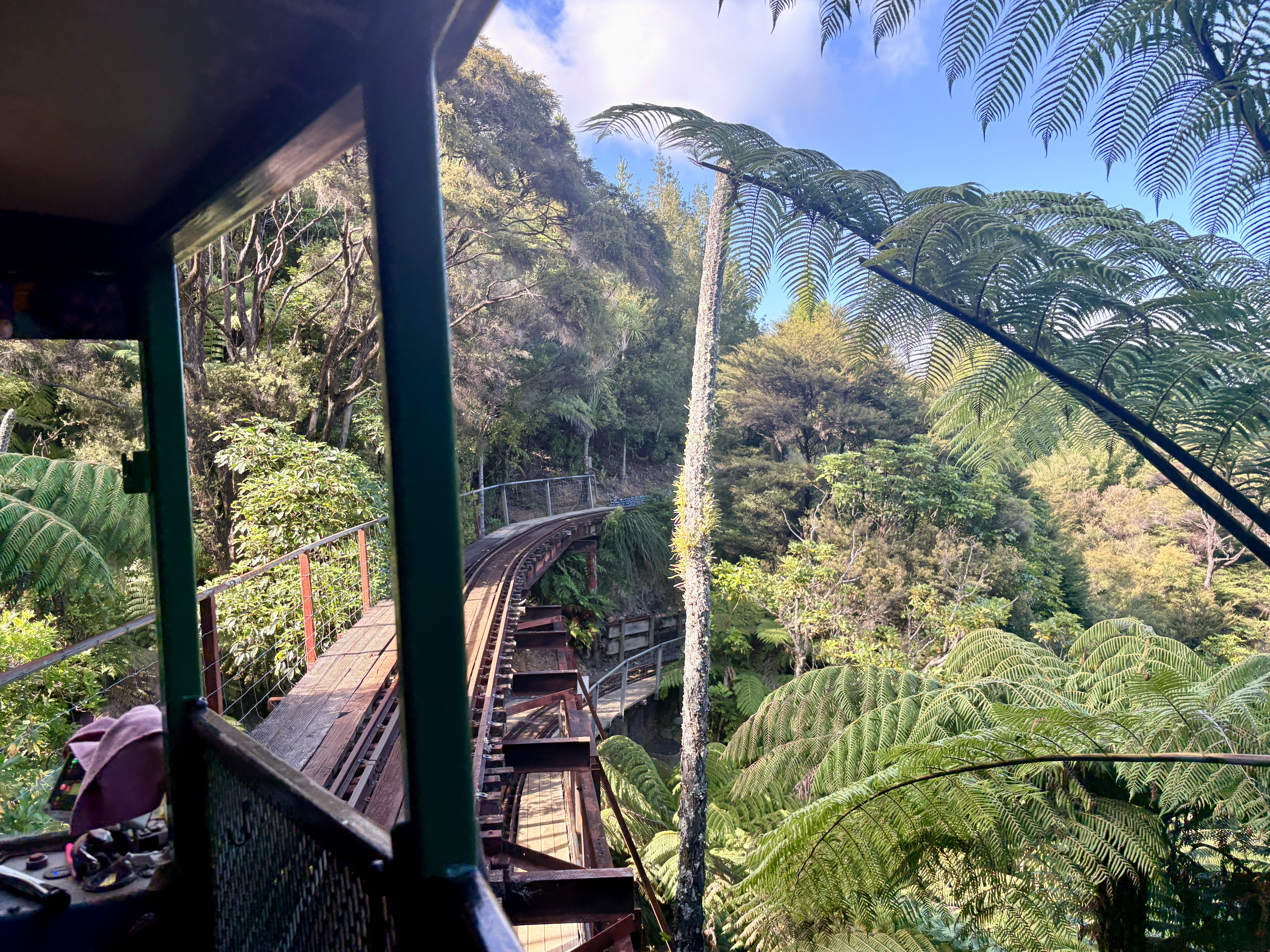
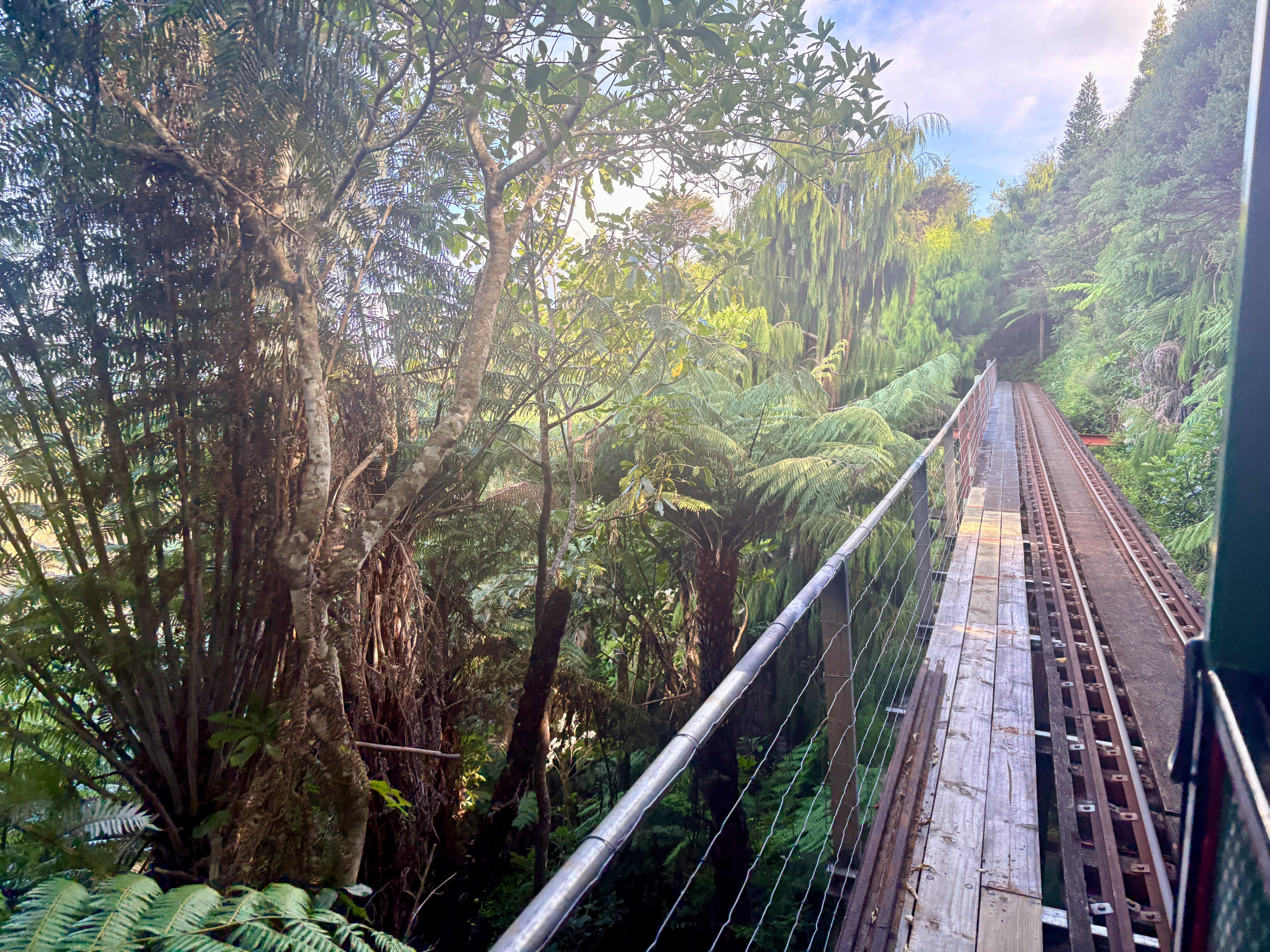
The stops felt connected again. The days had a natural flow. Even the smaller things—like the train ride through the forest—fit into the rhythm instead of feeling like a detour.
It’s not that Coromandel is better than the places in the middle.
It just fit how I wanted to travel.
The Kauri Coast worked because I didn’t overthink it.
The middle didn’t fully land, even though I gave it time.
Coromandel worked because I stopped trying to make it something else.
A Country That Plays the Long Game
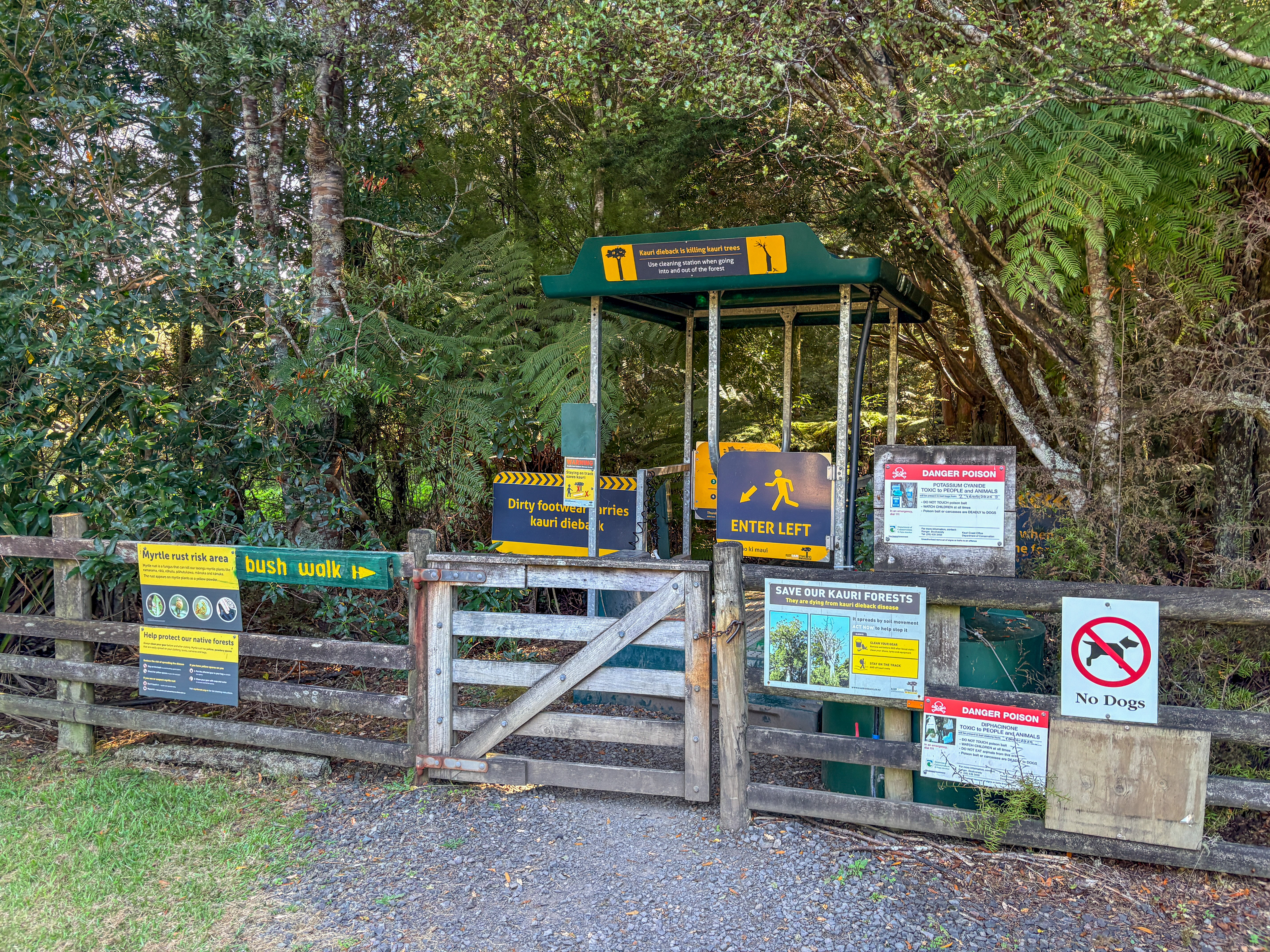
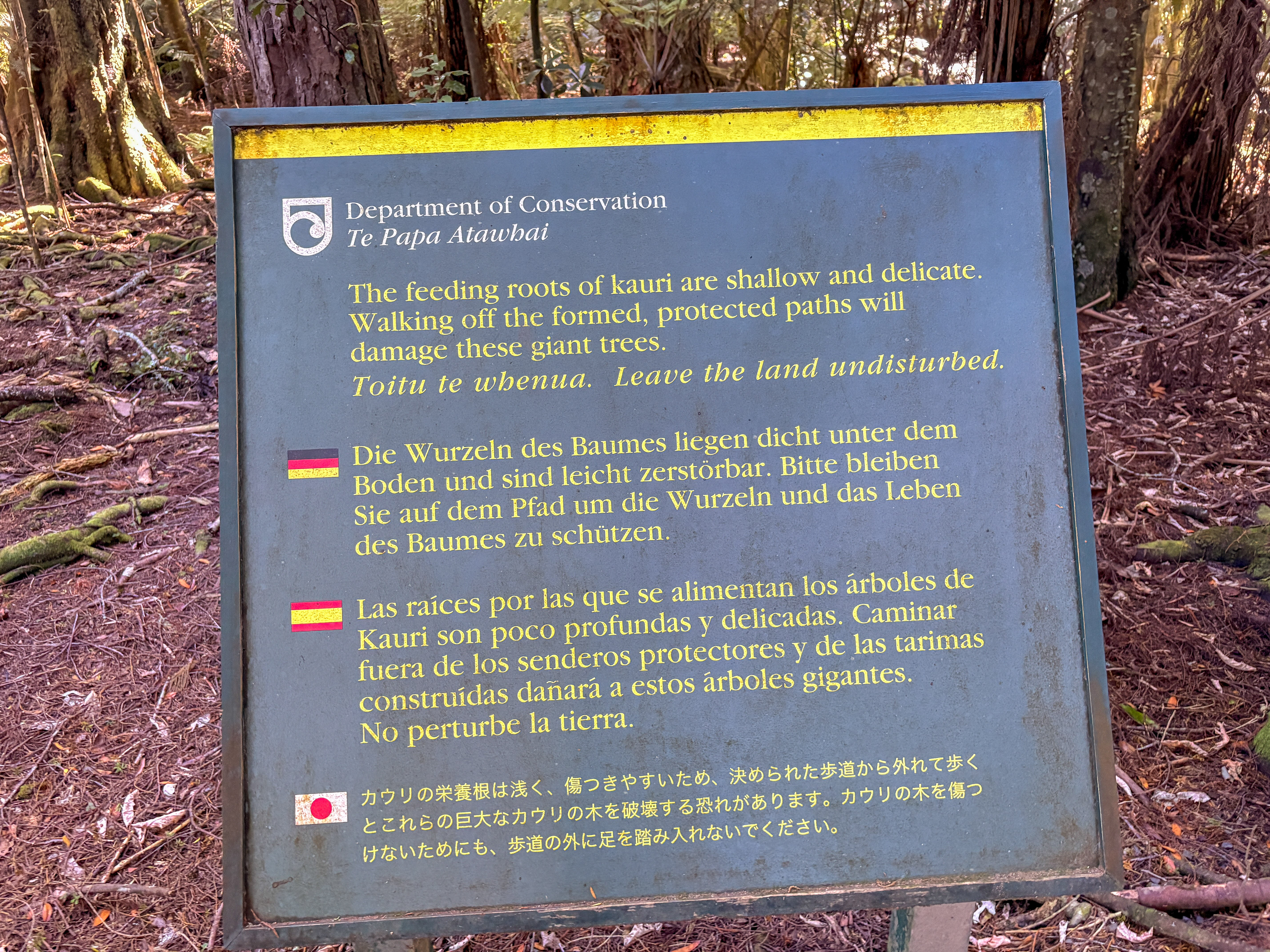
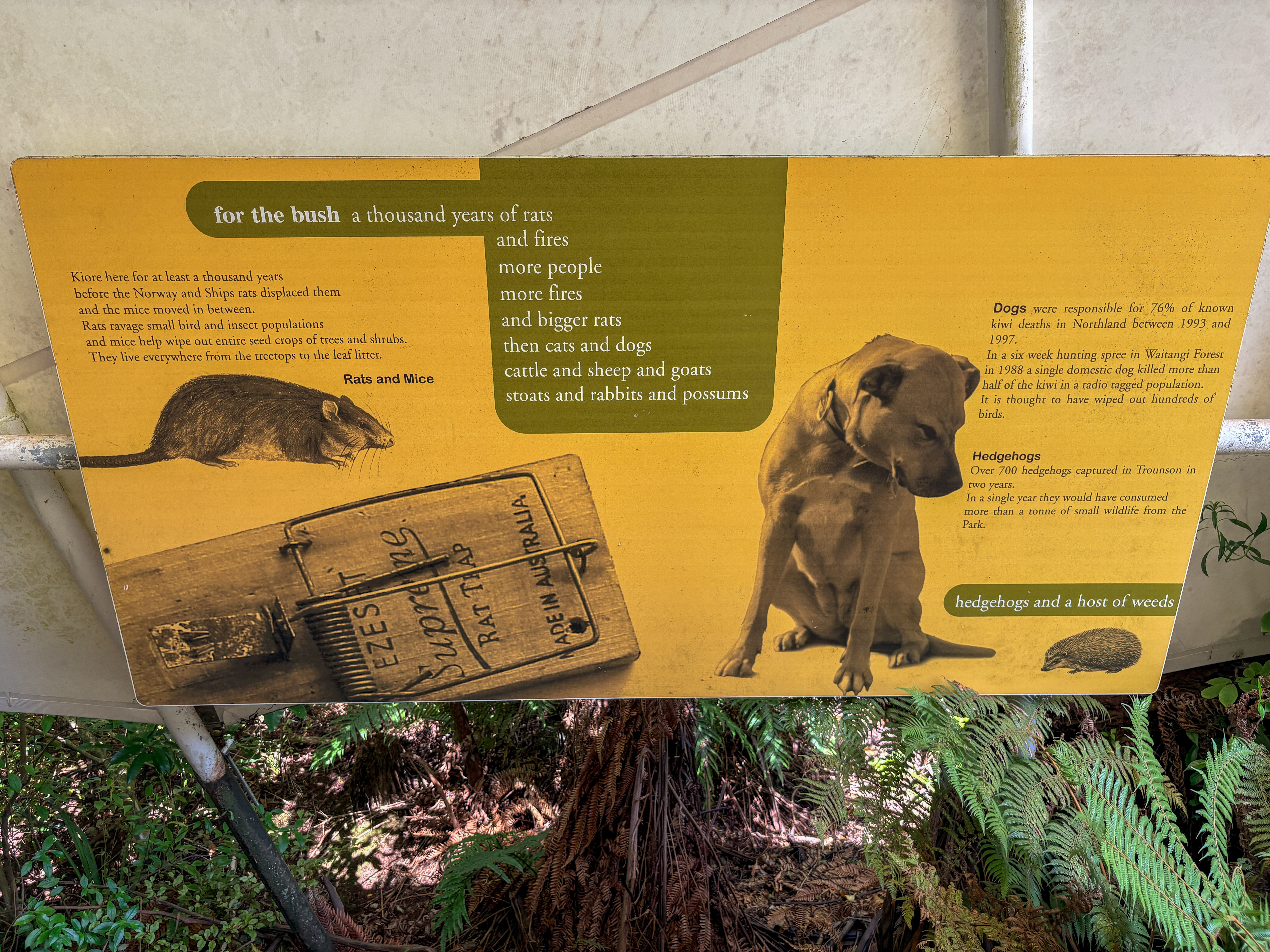
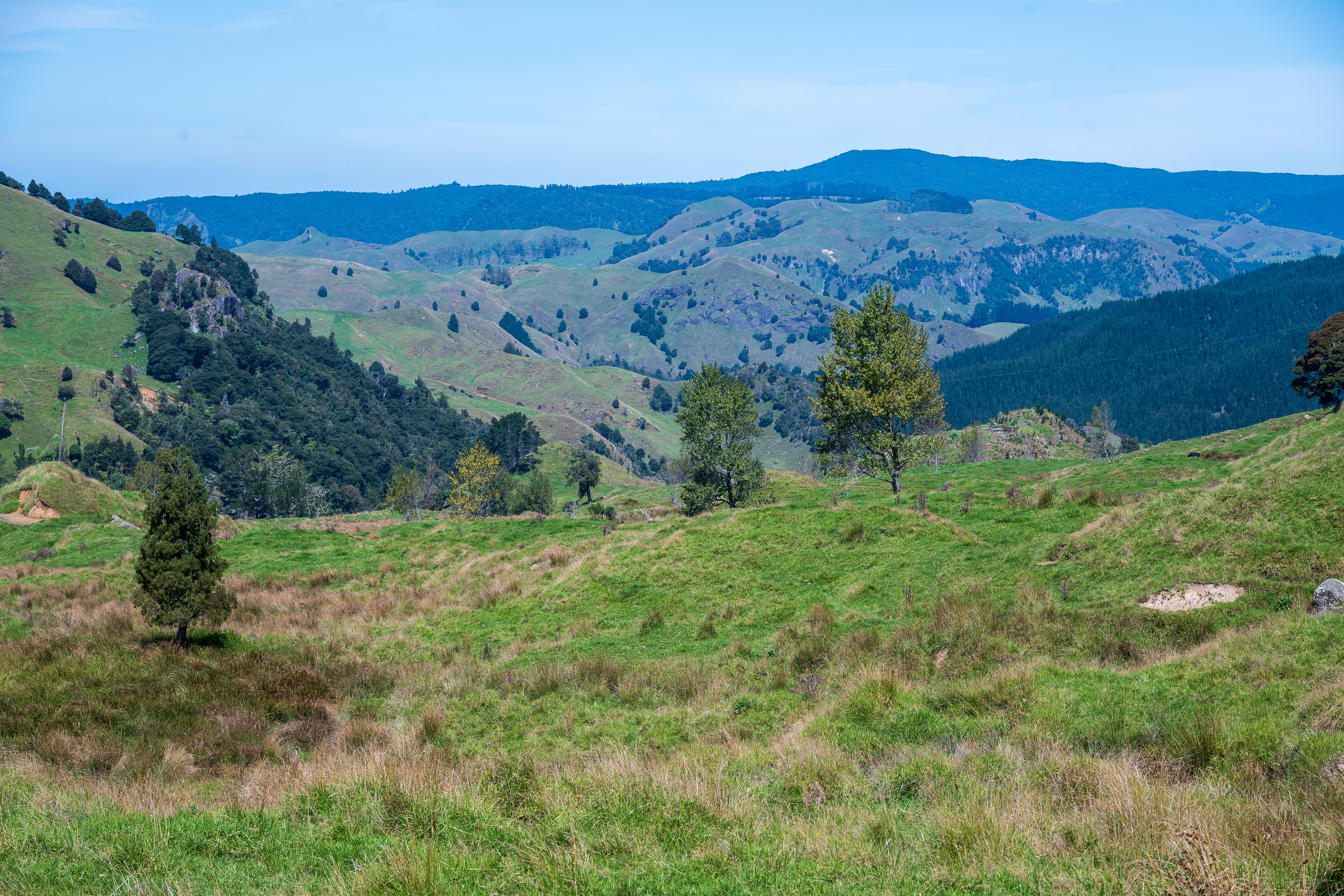
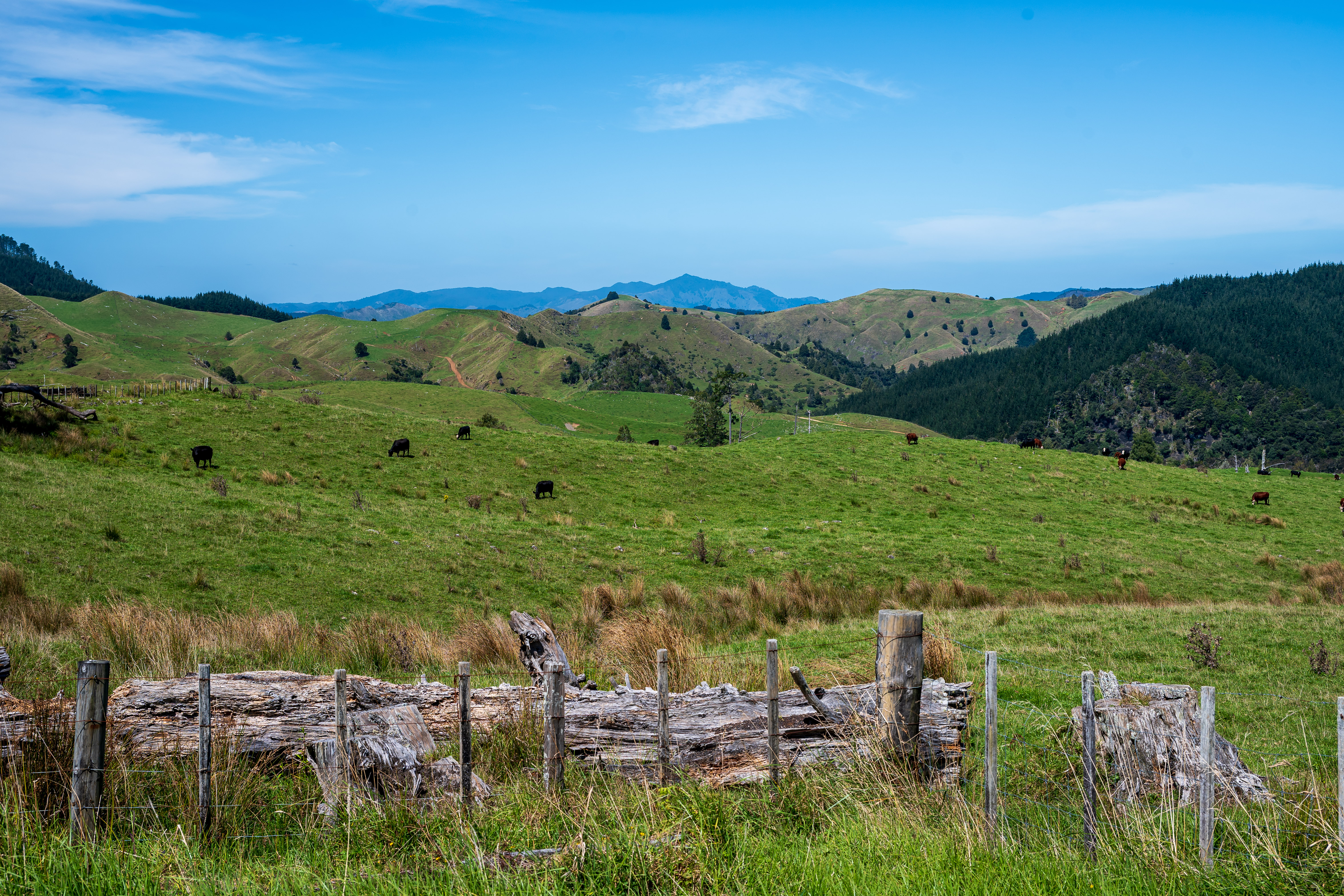
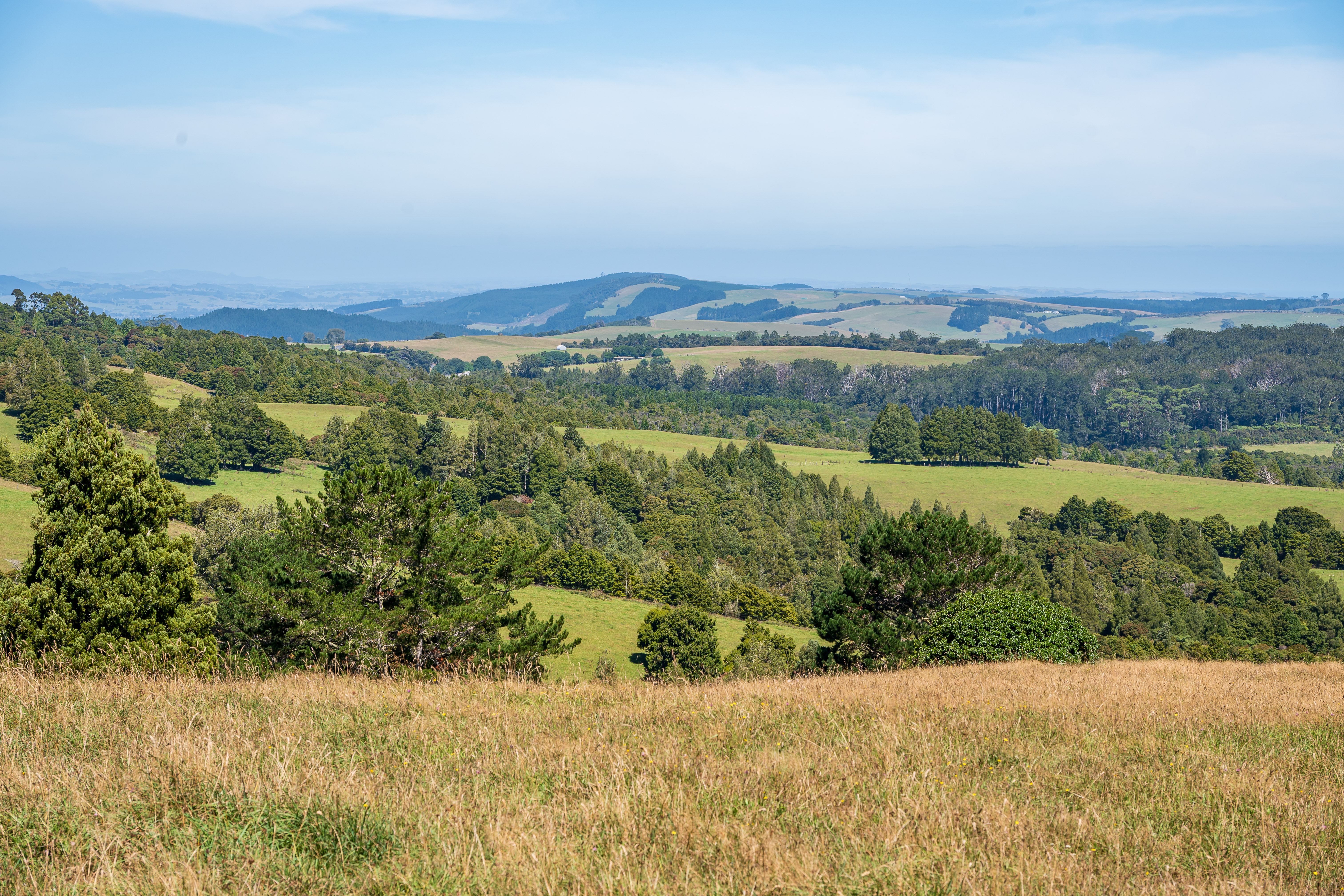
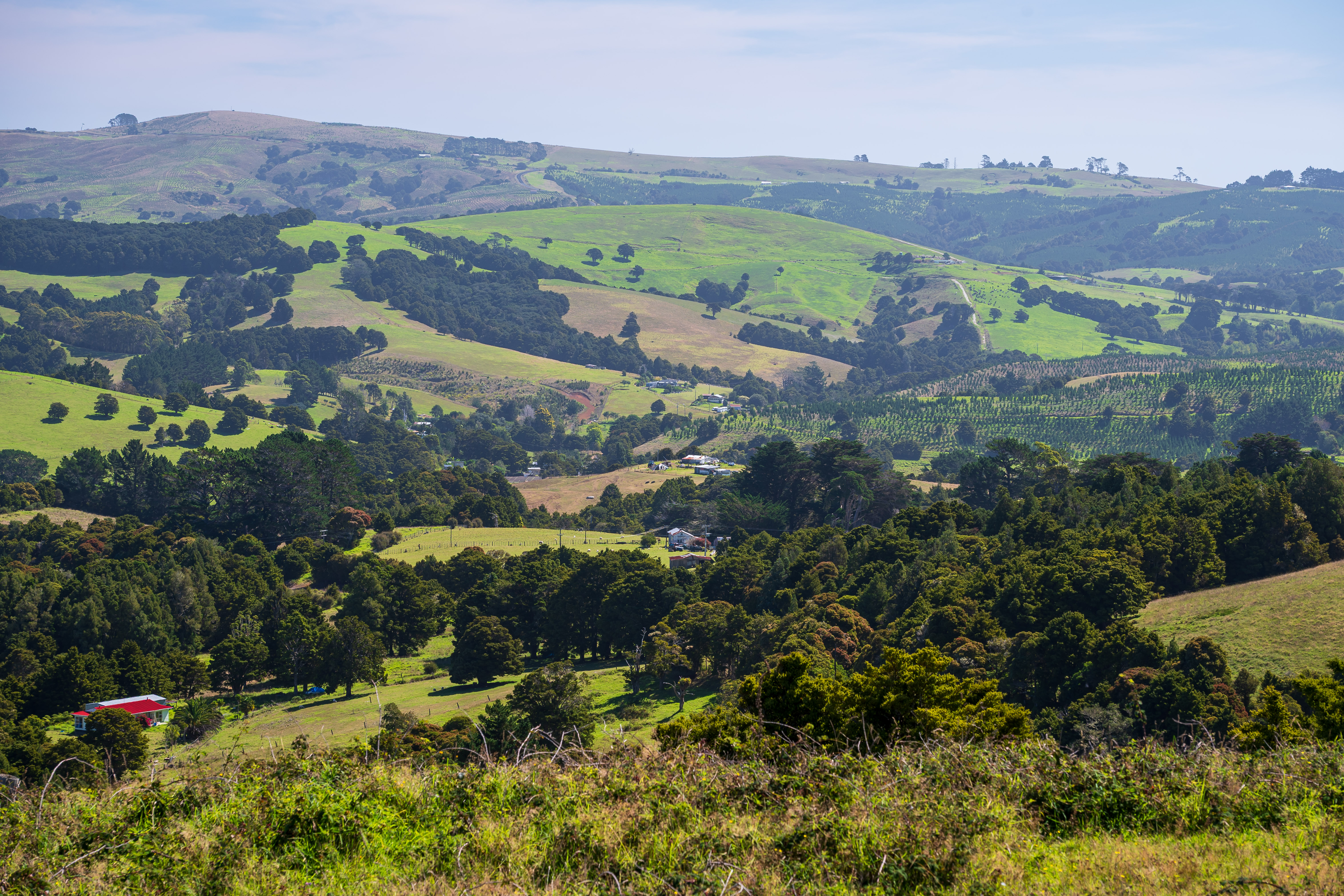
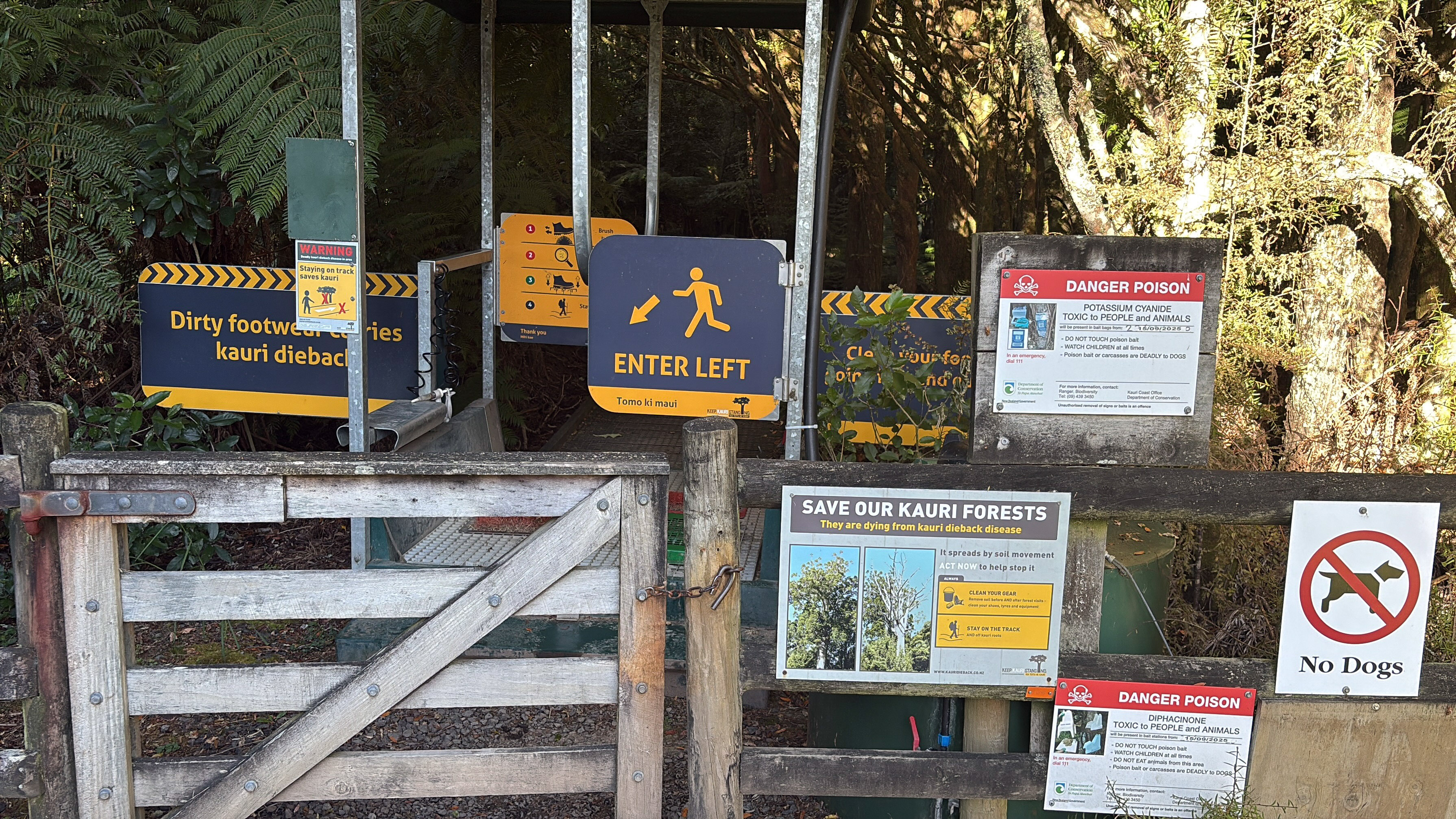
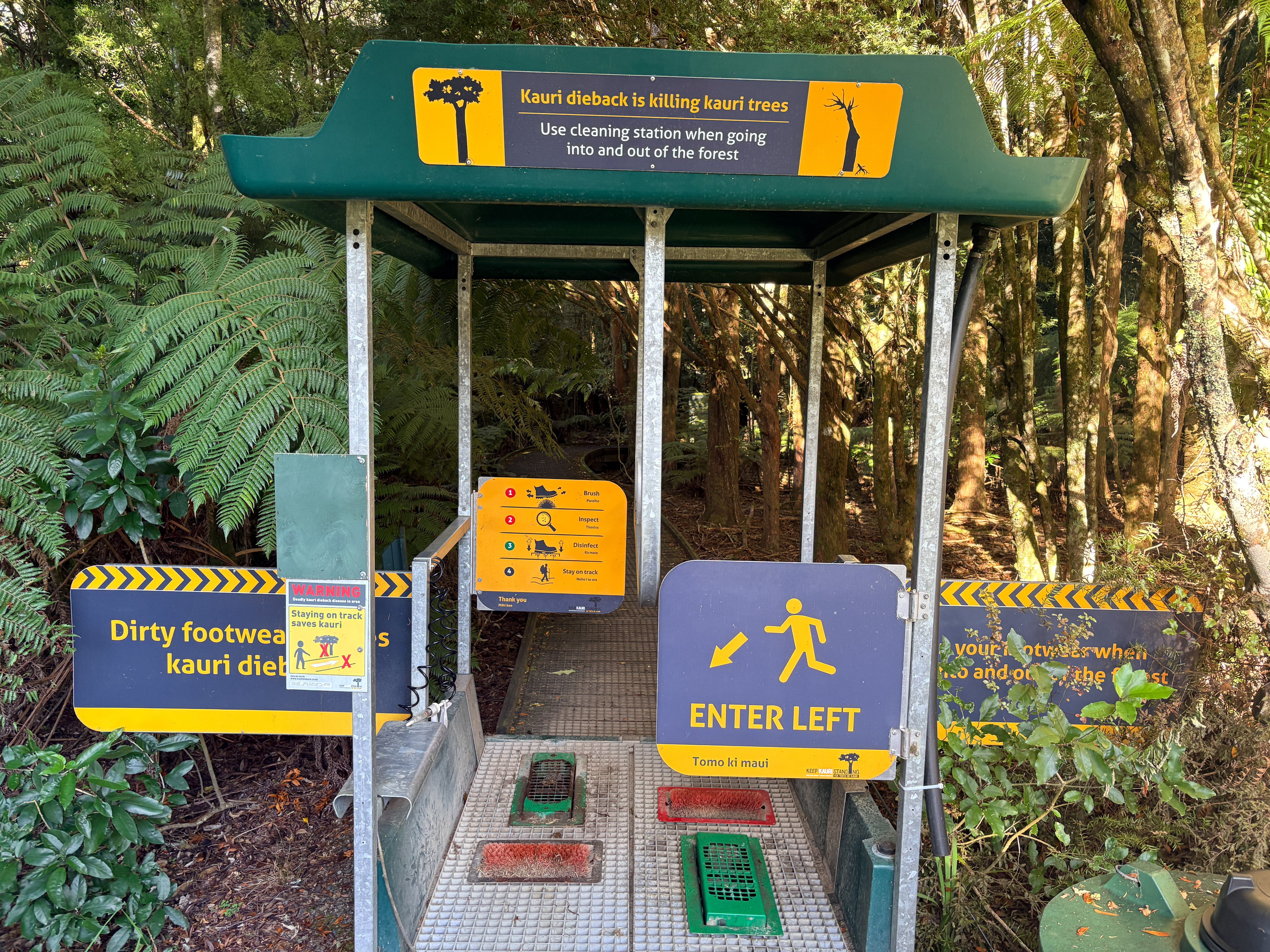
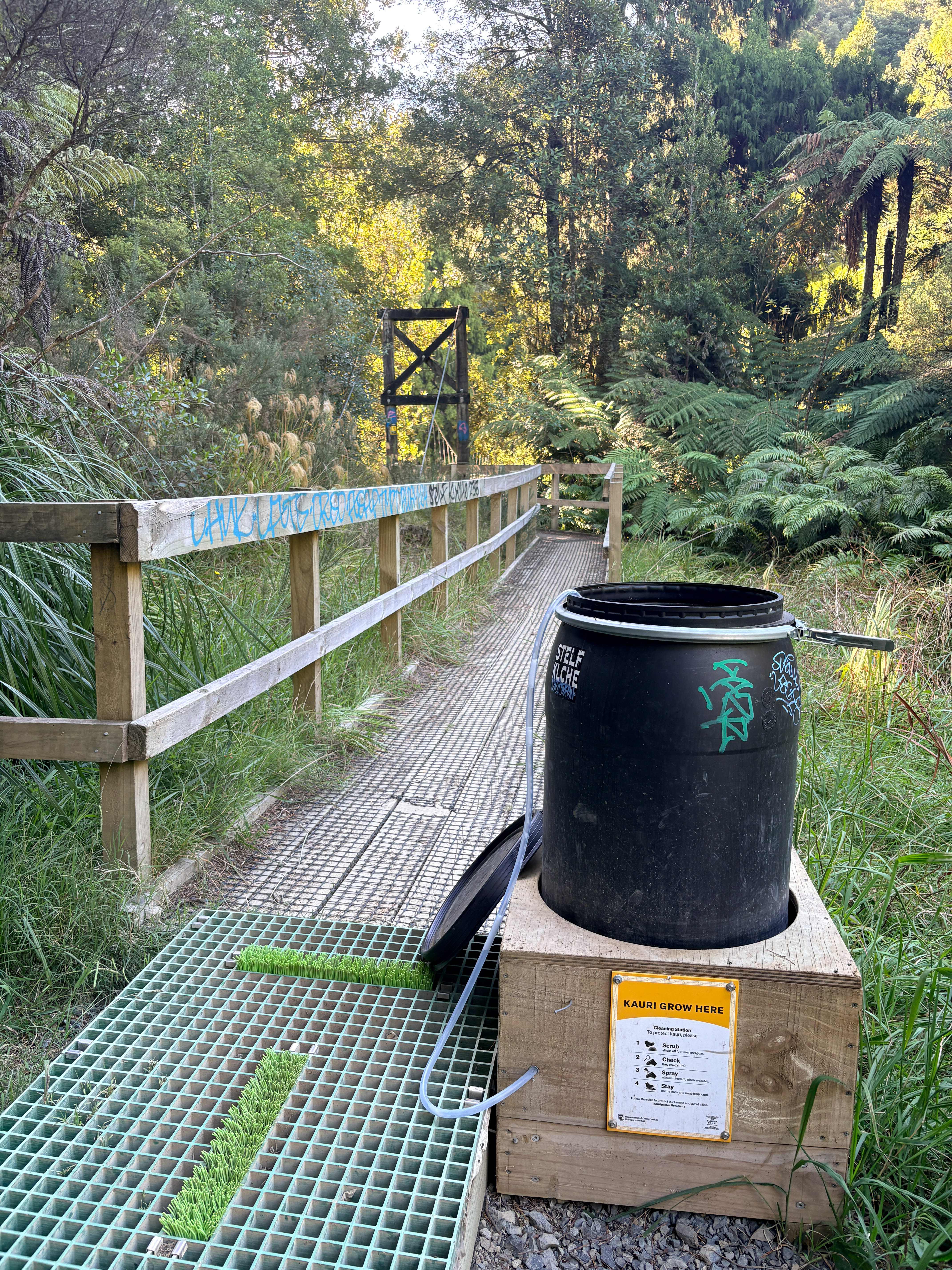
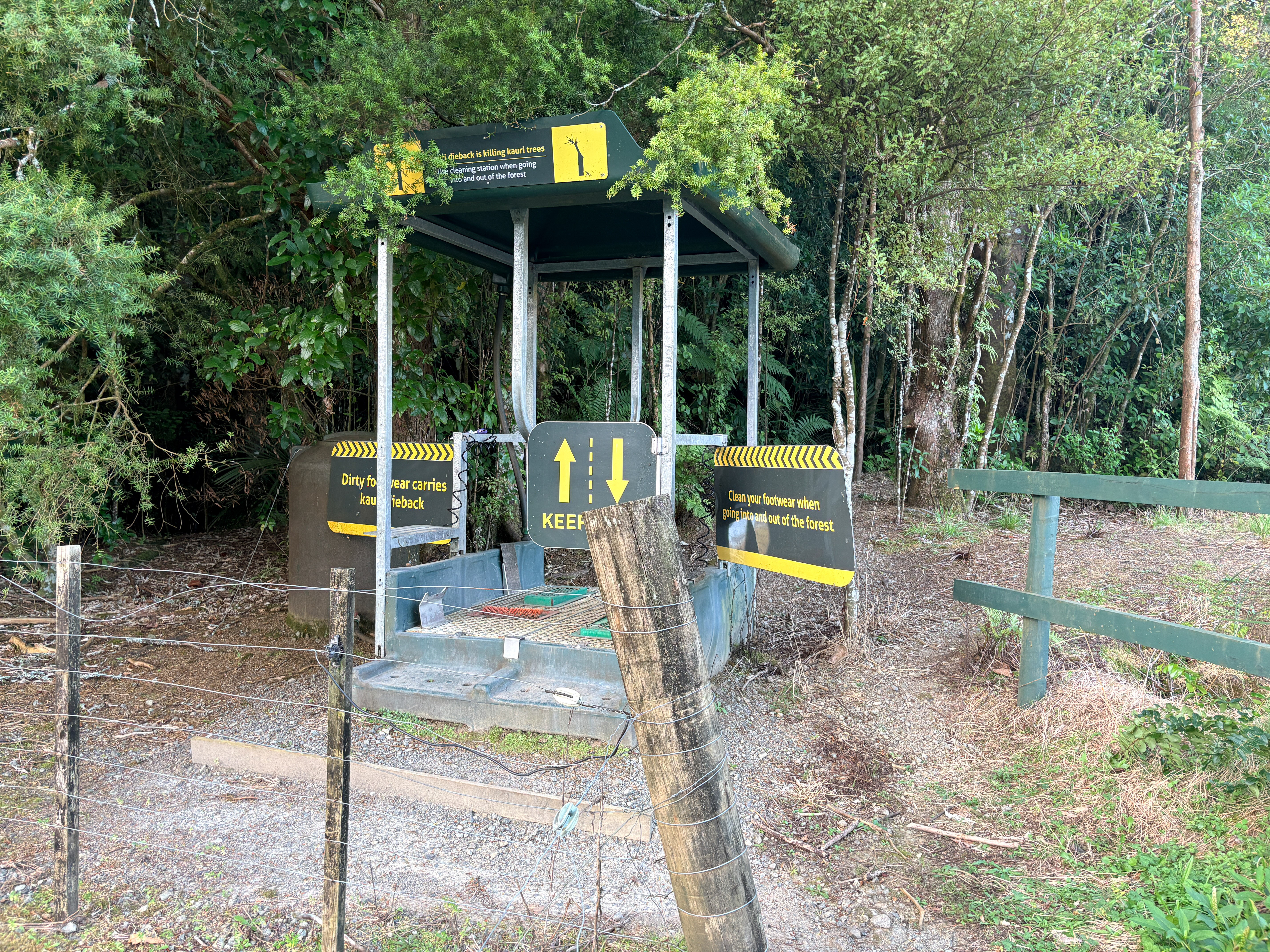
One thing you’ll notice sprinkled throughout the photos is an unusual number of signs, boot cleaning stations, and fenced-off areas. They aren’t there for decoration.
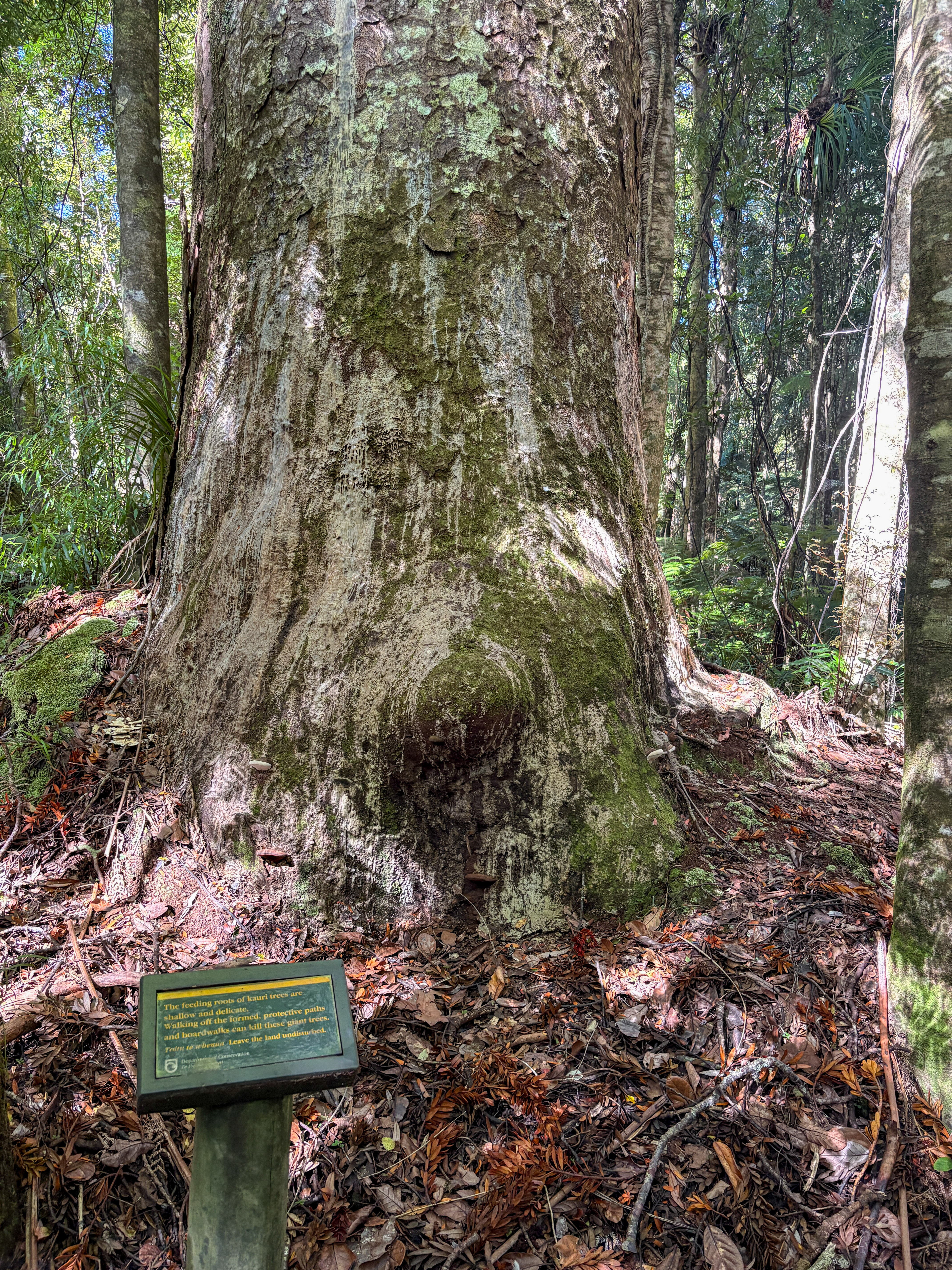
The giant kauri trees are under constant threat from kauri dieback disease, a soil-borne pathogen that can be carried from one forest to another on something as simple as a muddy hiking boot. Before entering many forests, hikers are asked—sometimes required—to scrub and disinfect their footwear. Trails are rerouted or closed when necessary, even if it means disappointing visitors.
At first it feels a little excessive.
Then you stand beneath a tree that may have already been alive when the Roman Empire was still centuries away, and the inconvenience starts to feel pretty trivial.
The same philosophy shows up all over New Zealand.
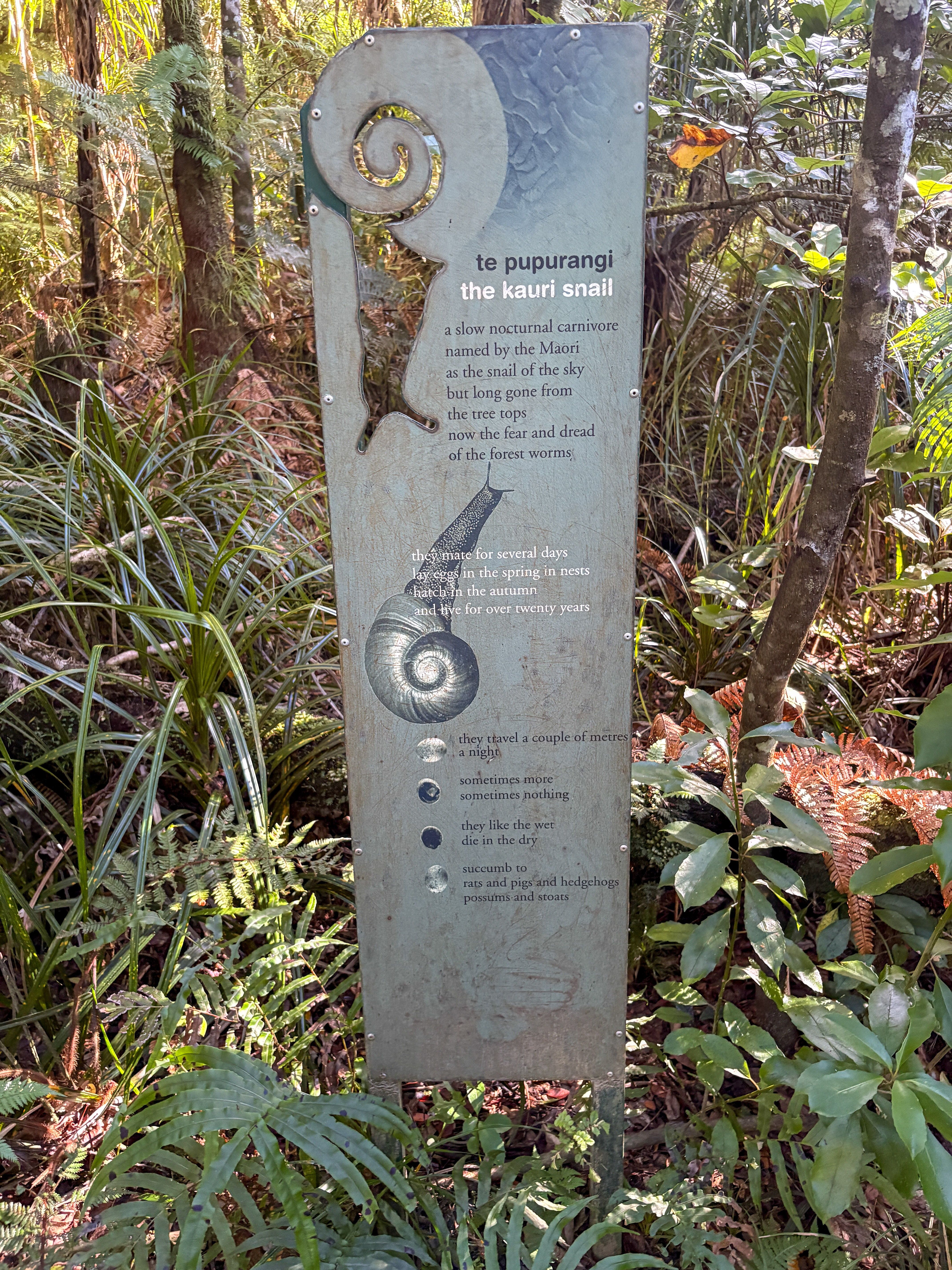
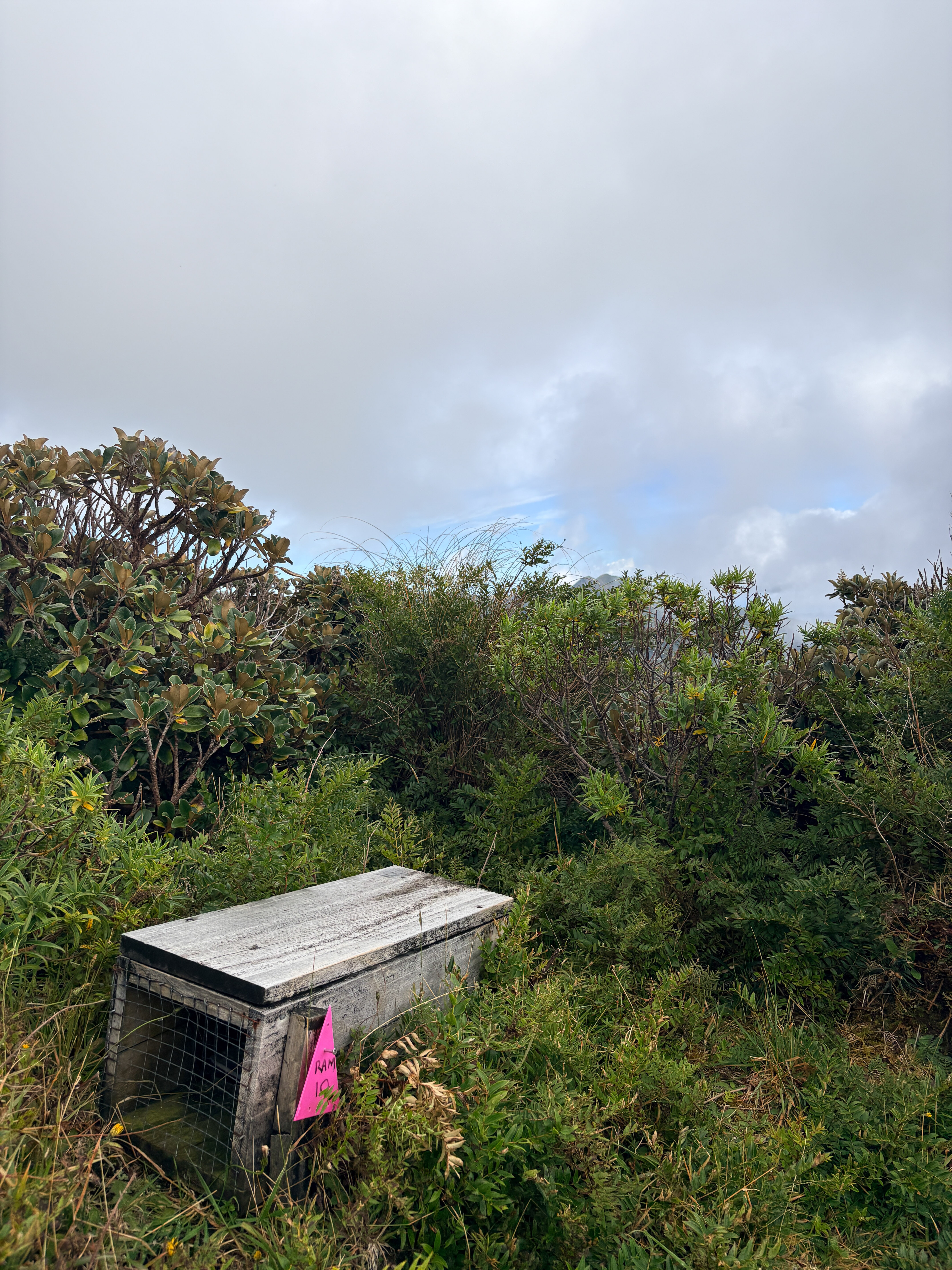
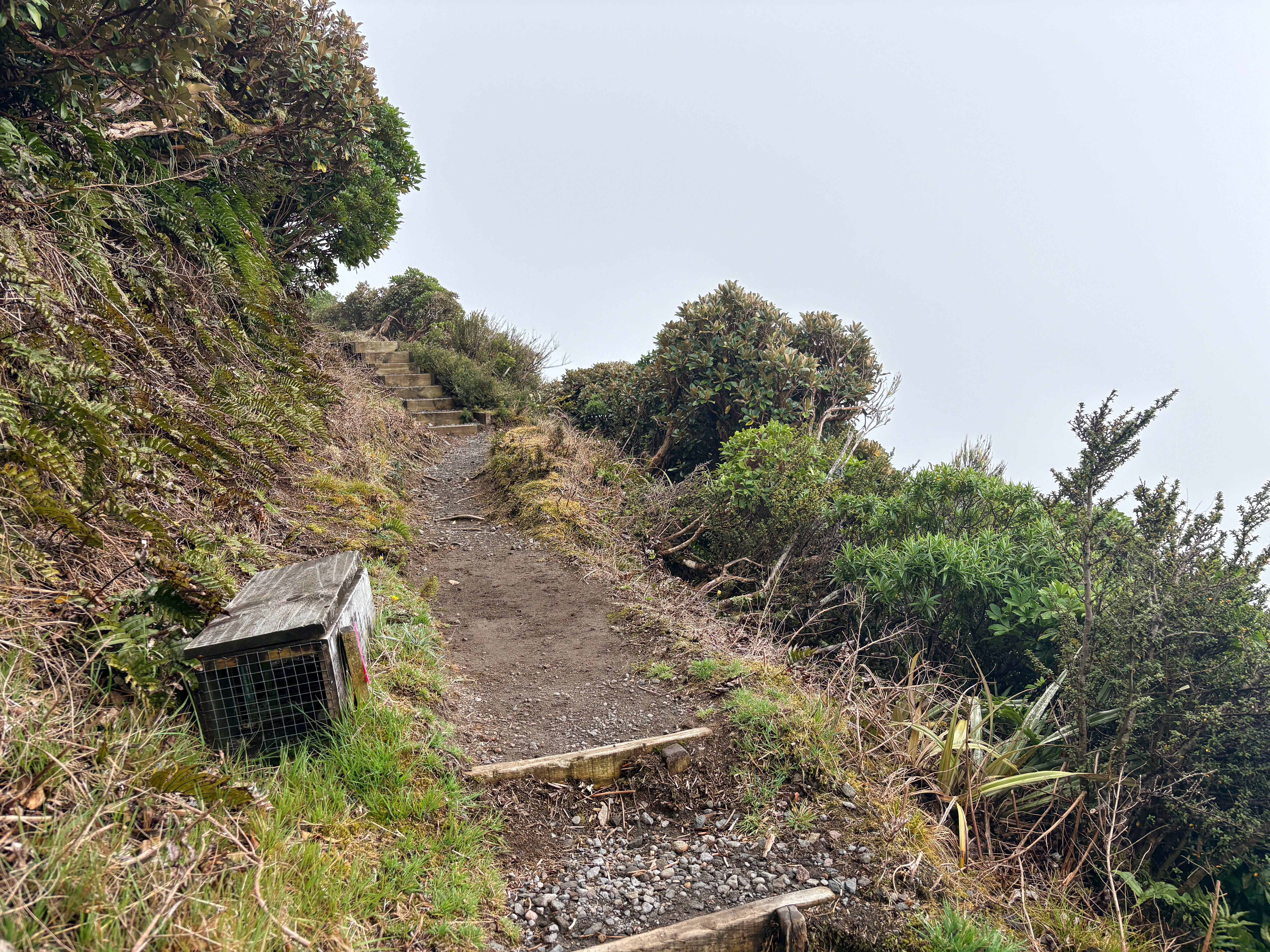
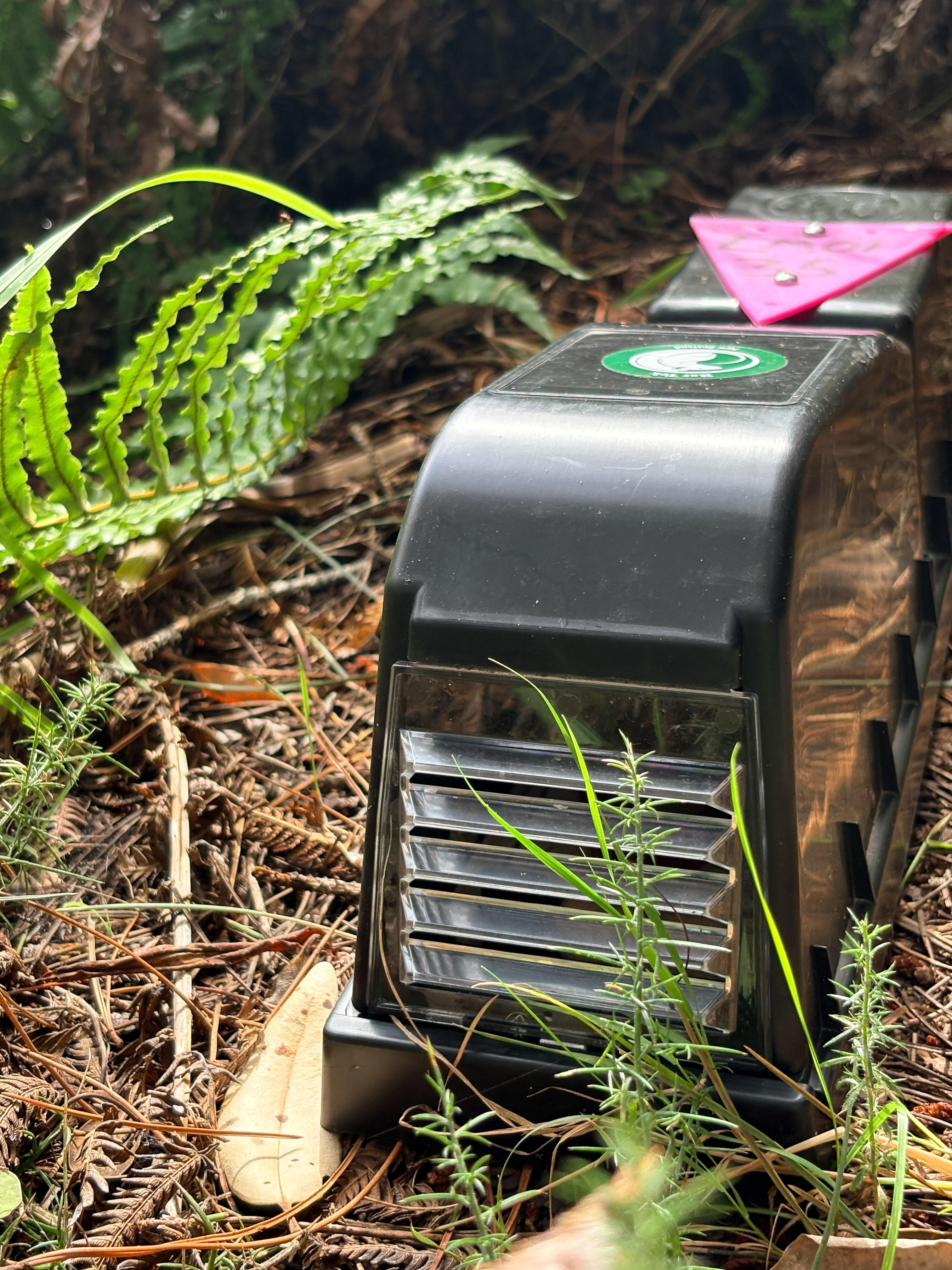
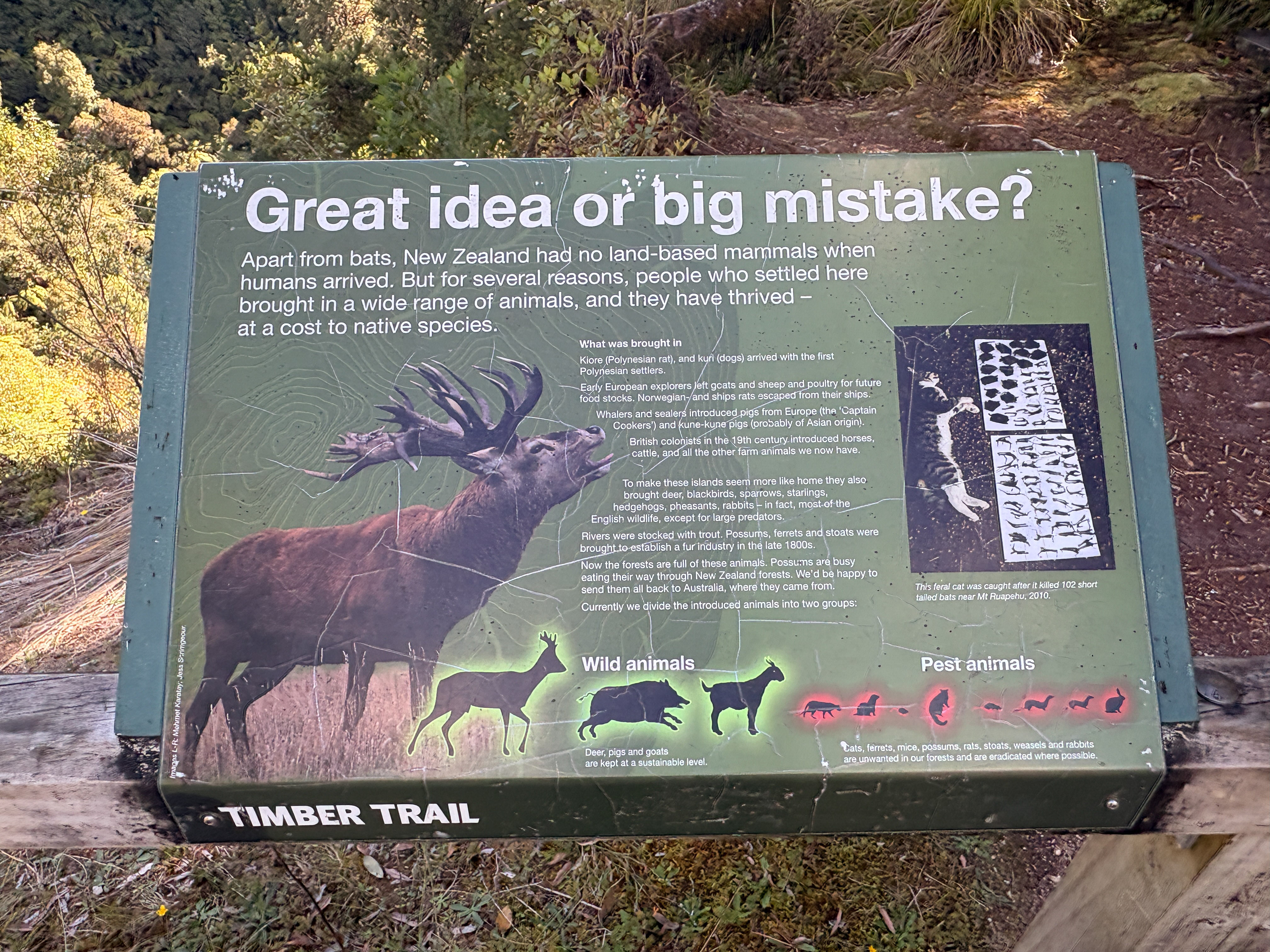
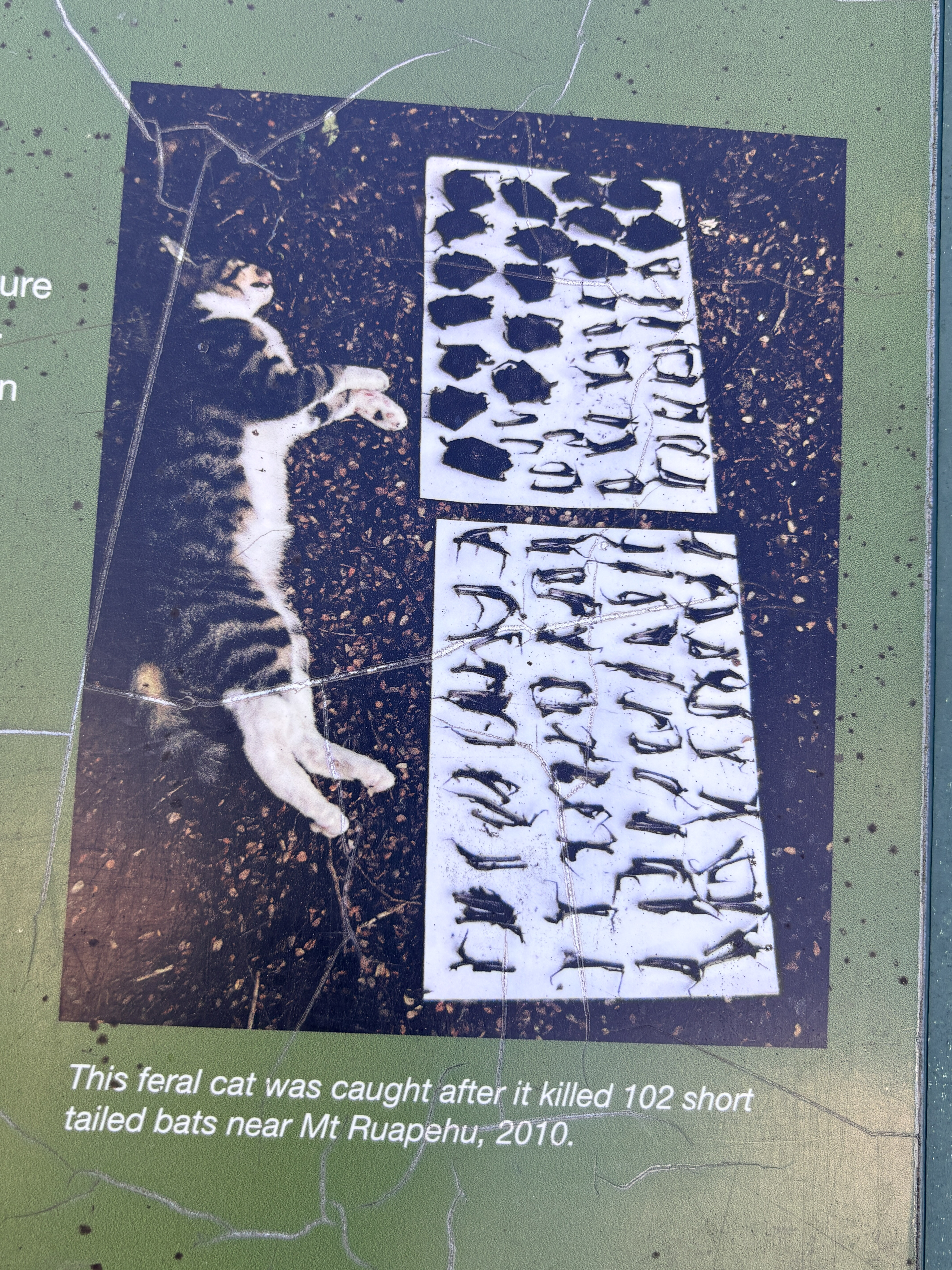
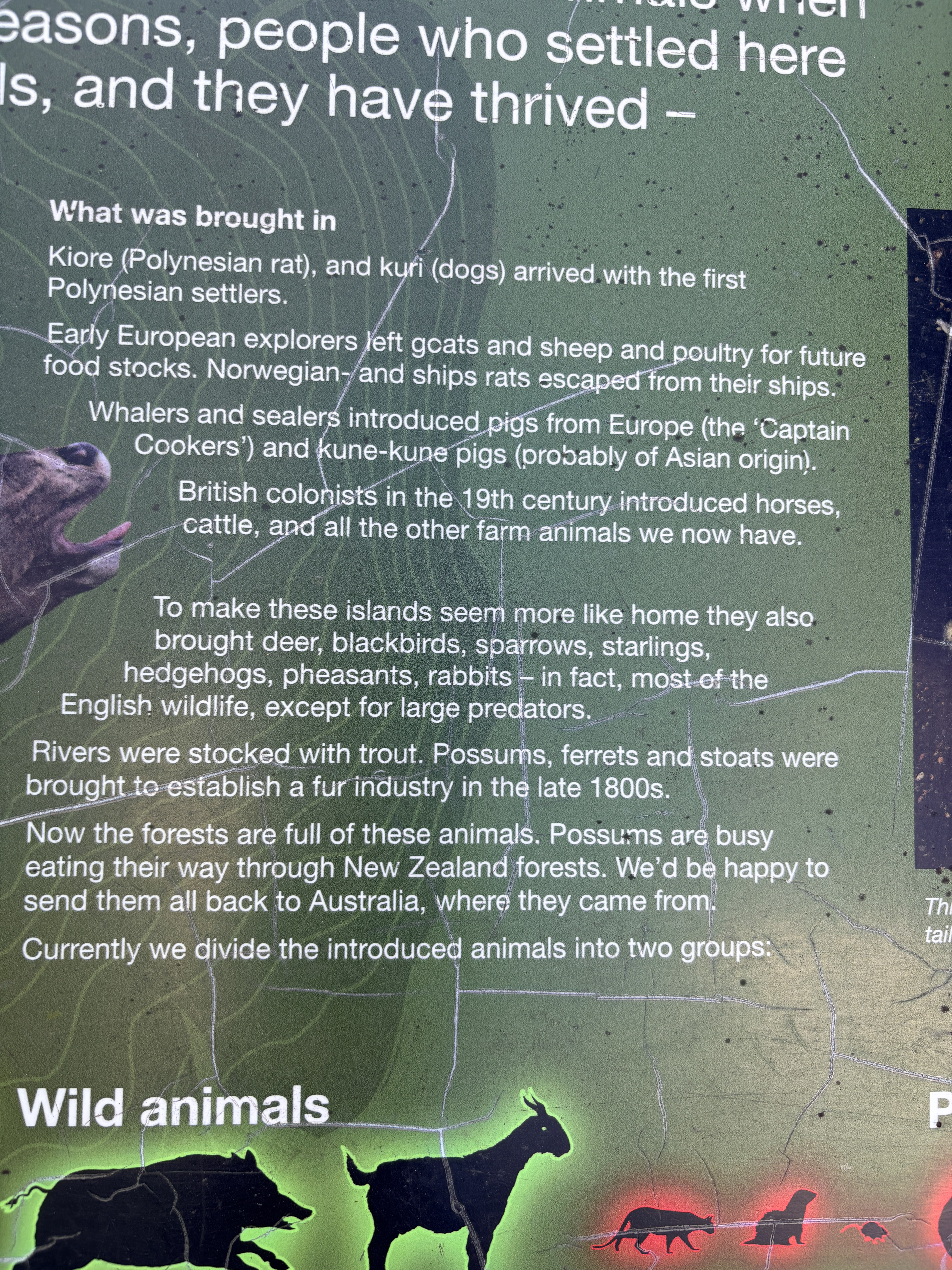
Predator Free 2050 is an ambitious effort to remove introduced predators like rats, stoats, and possums that threaten the country’s native birds and ecosystems. Along many trails I found trap boxes, monitoring stations, and volunteers quietly doing work that most visitors probably never notice. It isn’t flashy conservation. It’s patient, persistent, and measured in decades instead of seasons.
As someone involved in conservation work back home, I couldn’t help but admire the commitment. New Zealand doesn’t treat these efforts as side projects or symbolic gestures. They feel woven into everyday life. Visitors are simply expected to do their part. I hope that fifty years from now, visitors won’t think twice about cleaning their boots. They’ll simply do it because that’s how you visit a kauri forest.
It made me wonder what it would look like if we approached conservation with the same long view. Not just protecting what we have today, but making decisions that people fifty or a hundred years from now will quietly appreciate.
Like so much of New Zealand, it left me with as many ideas as photographs.
The Rest of The Story
The story above is how I remember this trip.
What follows is what actually happened.
The details matter—not because anyone else needs them, but because I know how quickly I’ll forget them. If you’re planning your own trip, you may find something useful here. If not, this section is mostly for future me.
The Kauri Coast
Day 1 (February 22)
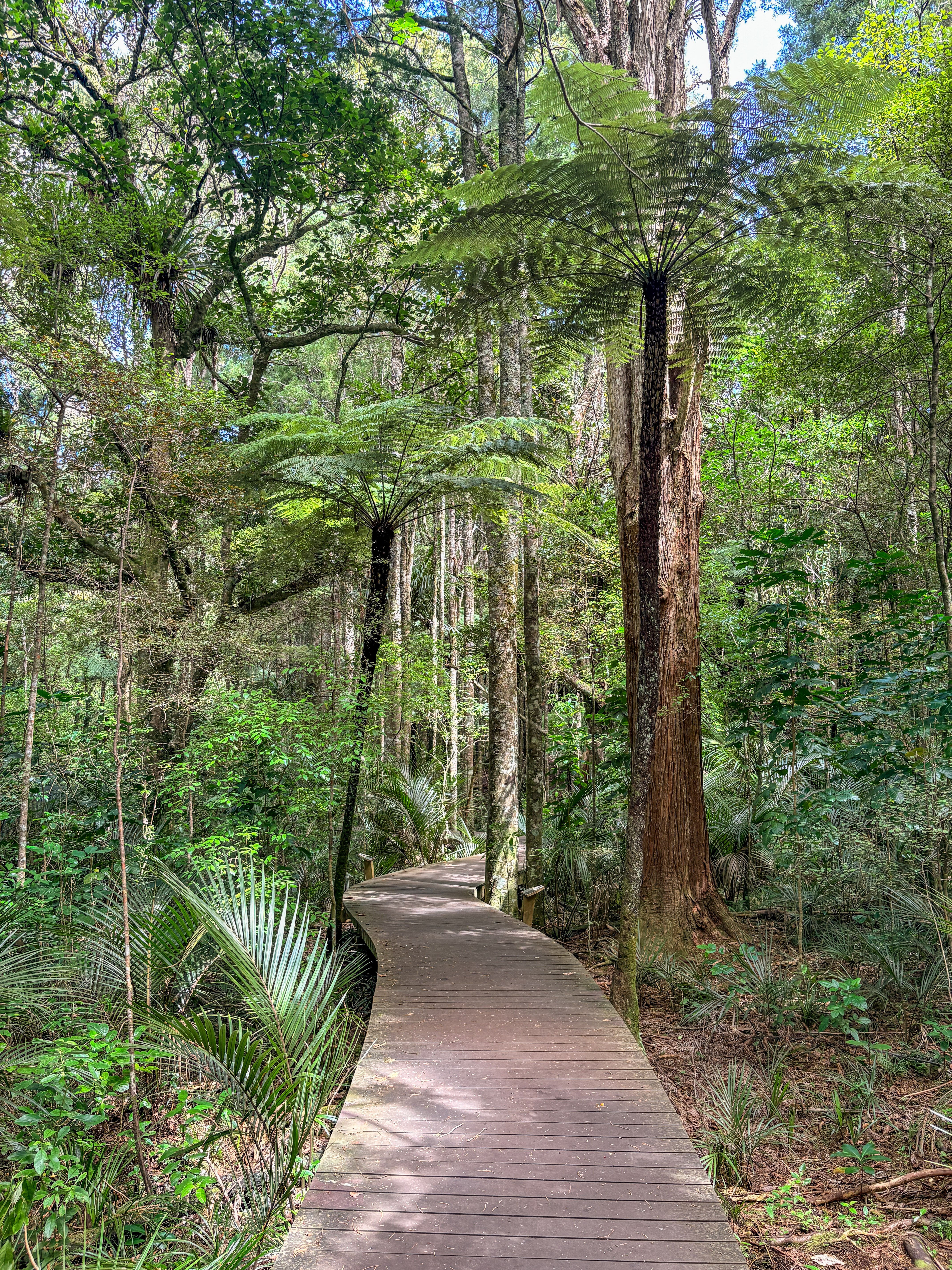
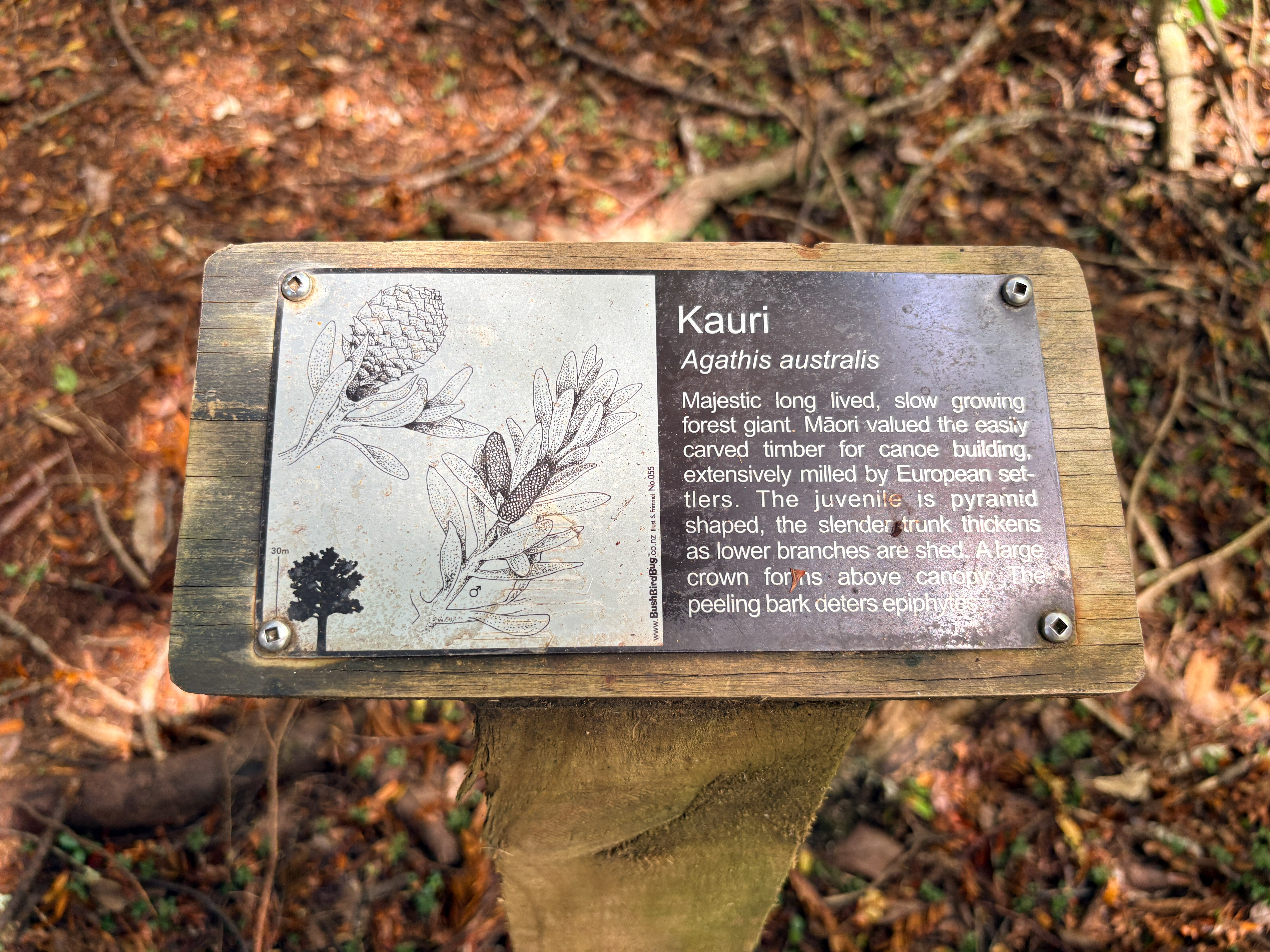
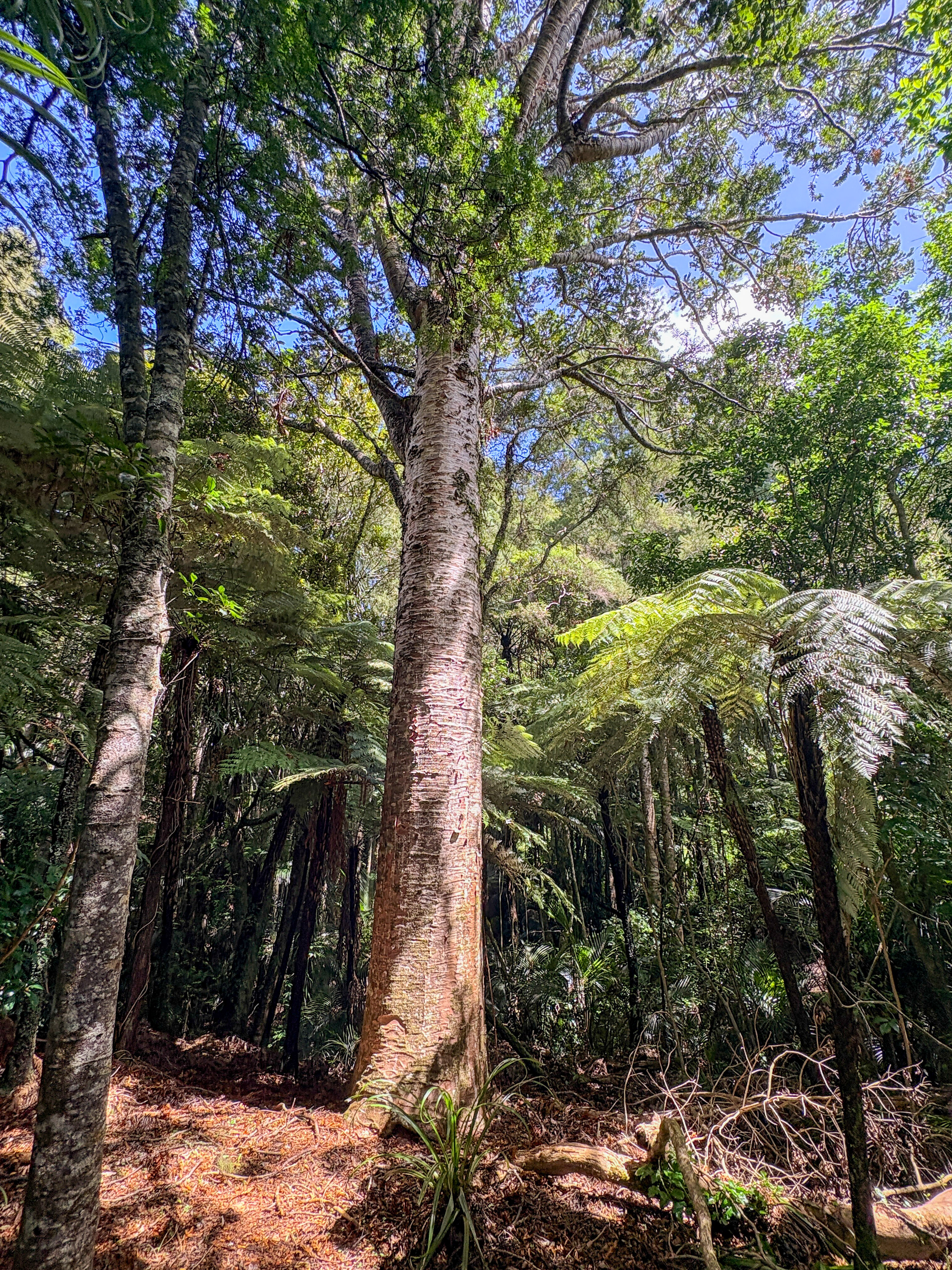
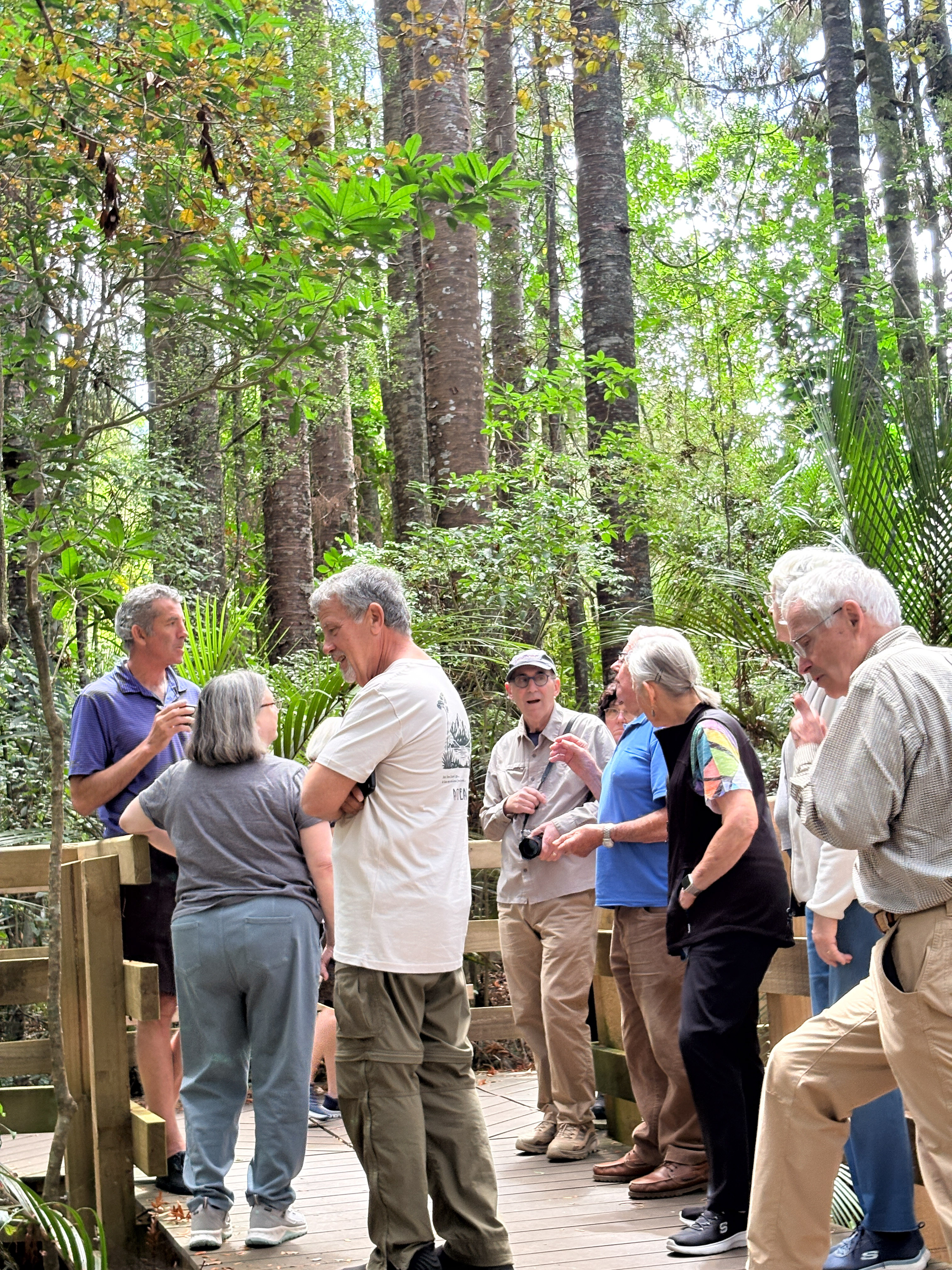
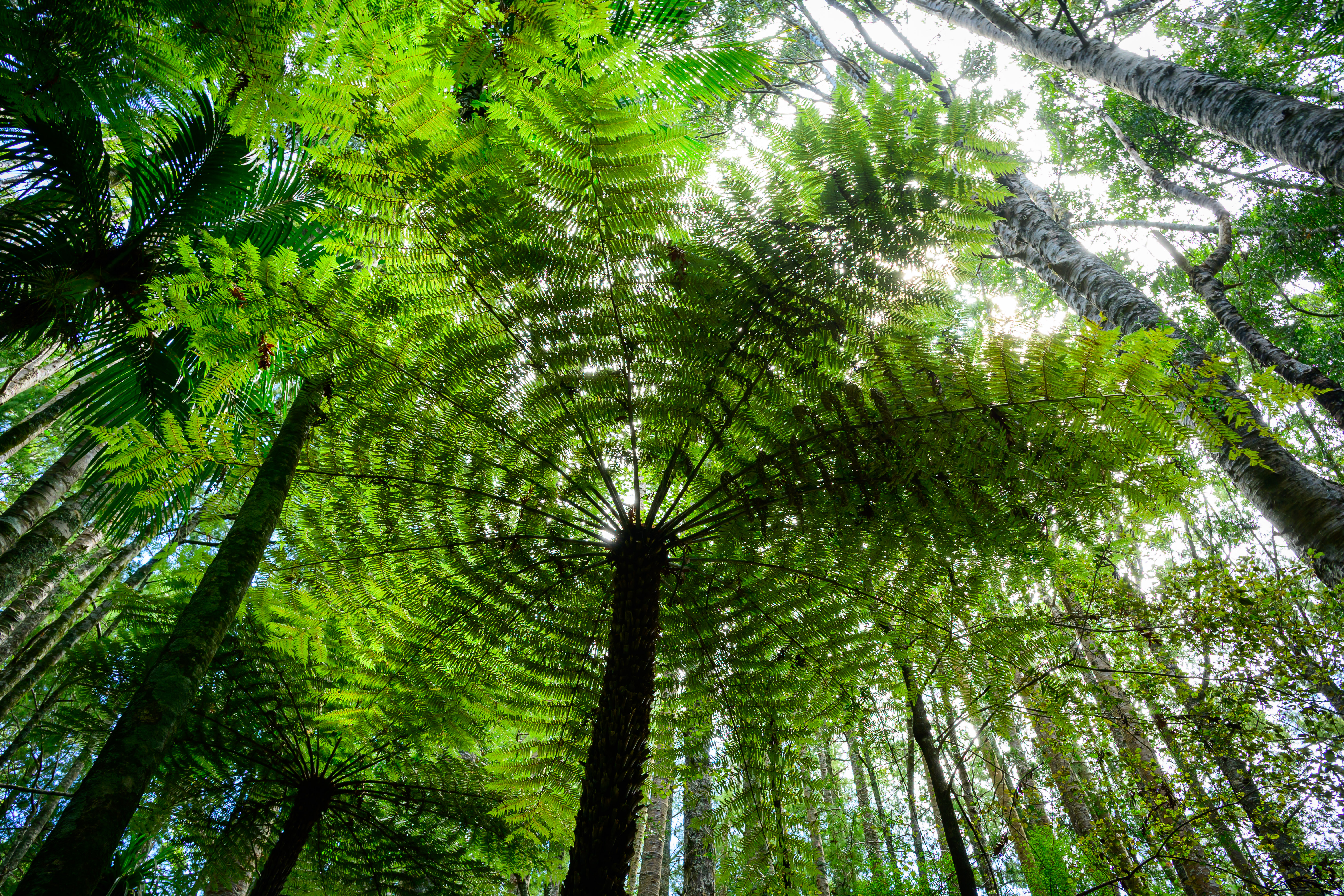
My first day back in New Zealand consisted of shopping and the start of my drive north. I made a stop at Parry Kauri Park on my my to Uretiti DOC Camp. I was inspired by a gentleman at the park who has been a caretaker there for 52 years, only two years less than I have been alive. I cannot aspire to that feat, but I hope I can have a similar impact somehow.
Day 2 (February 23)
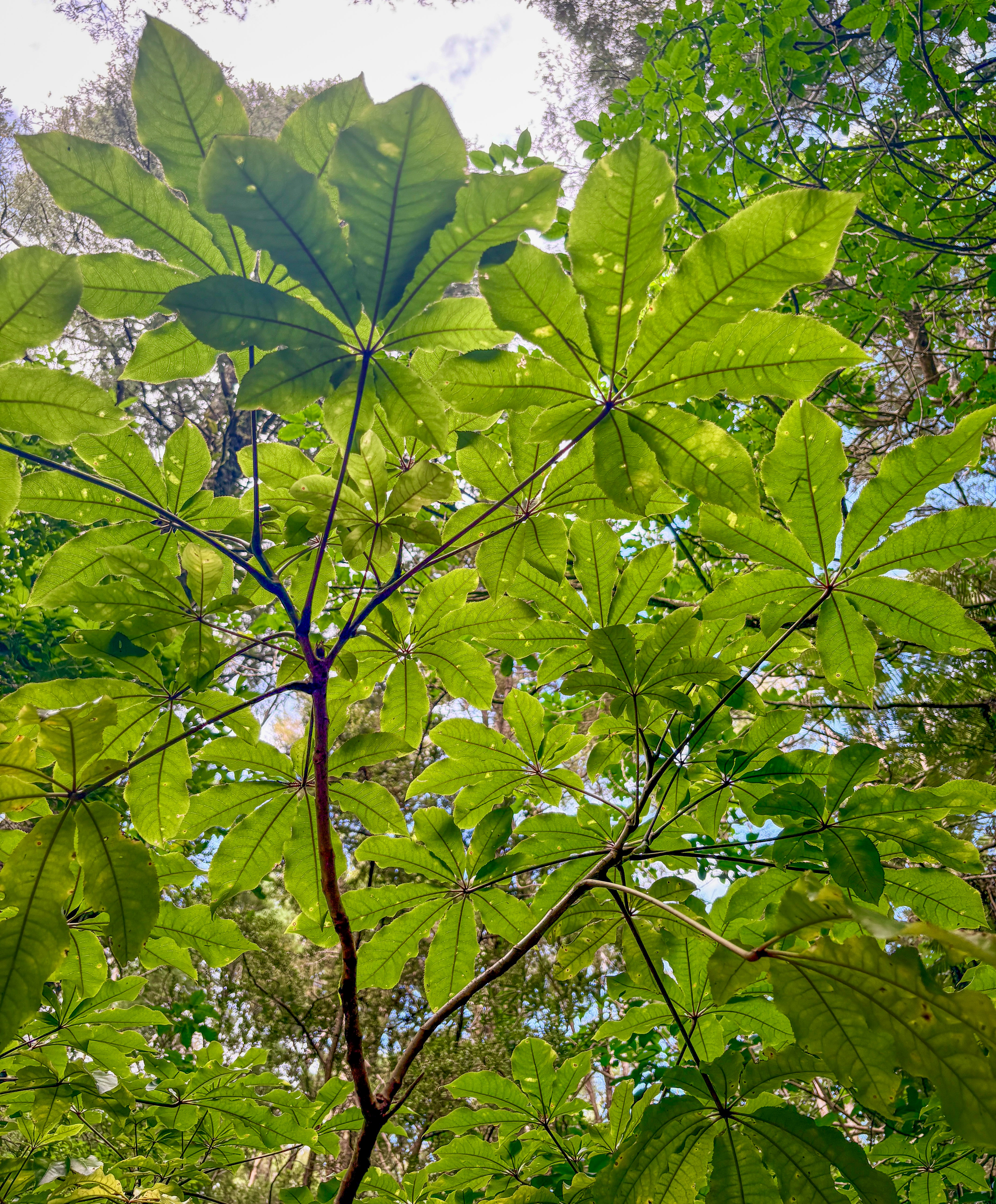
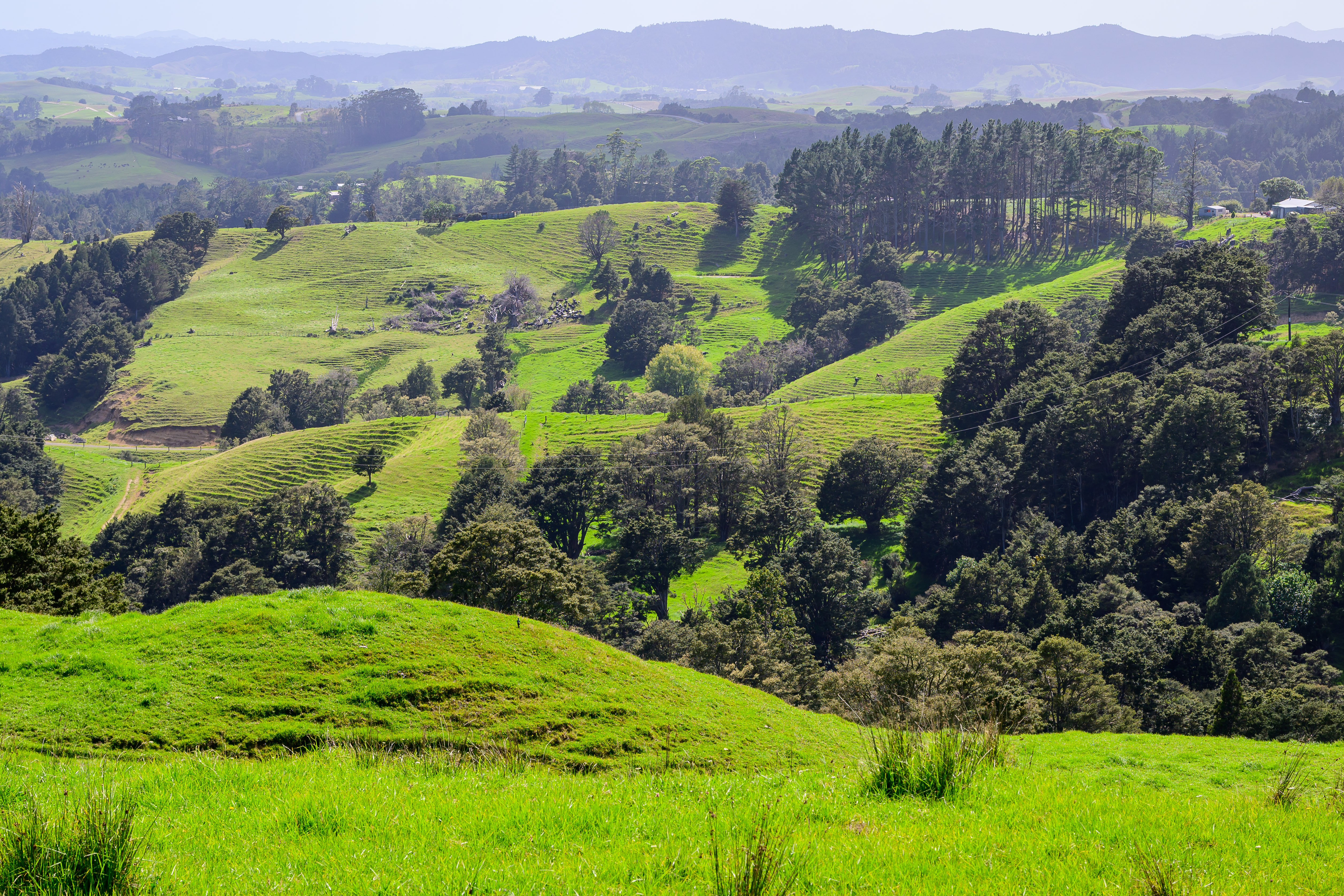
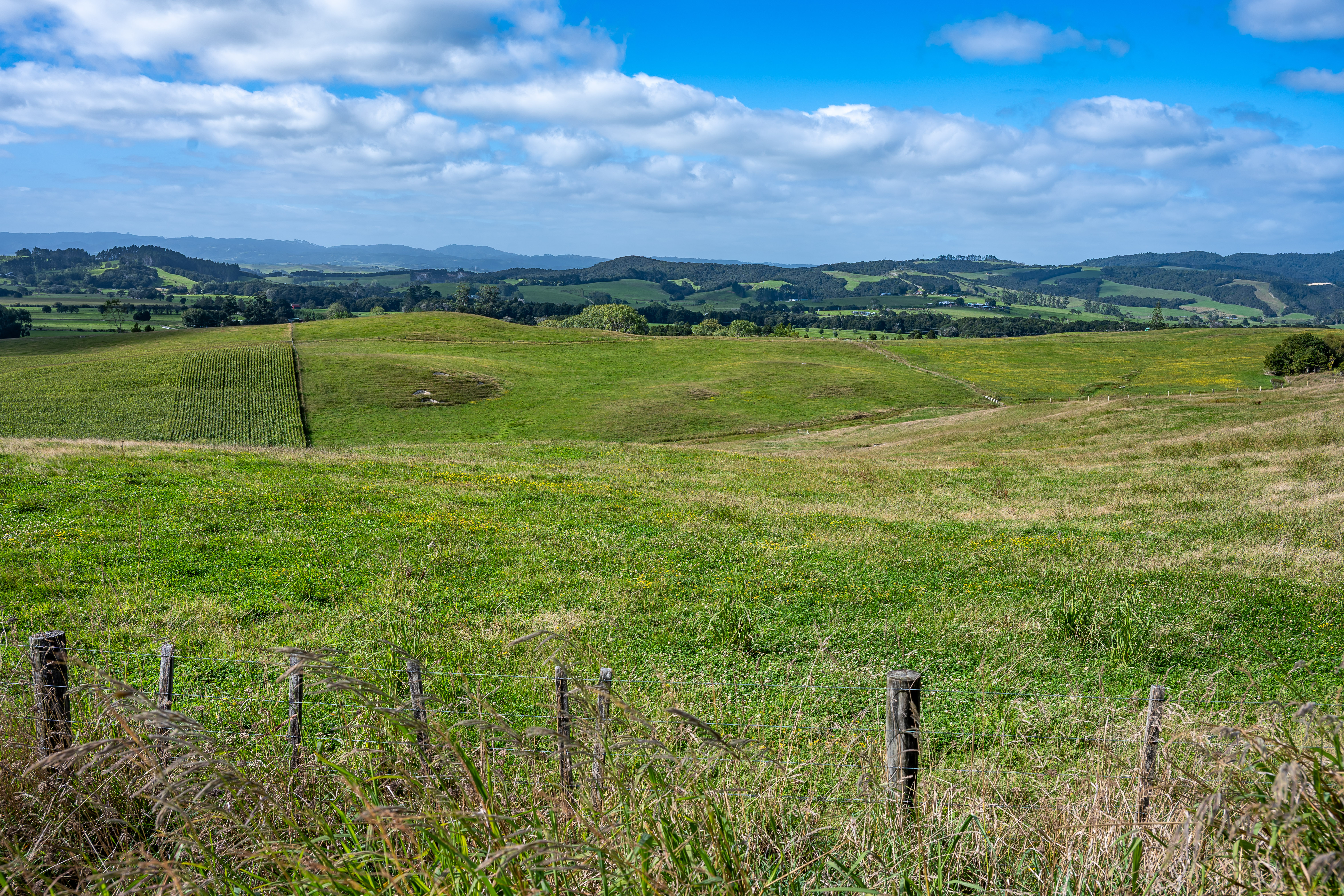
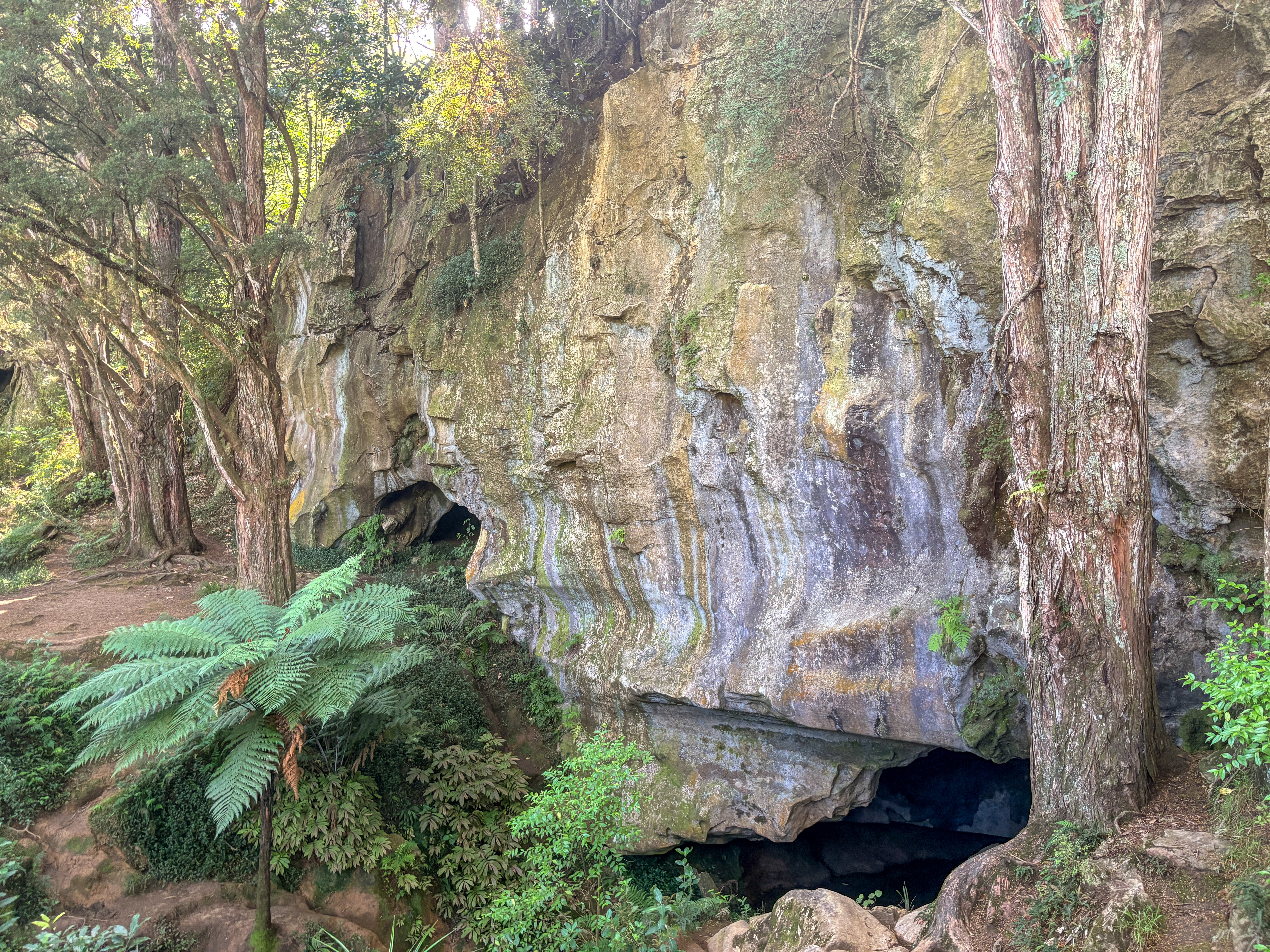
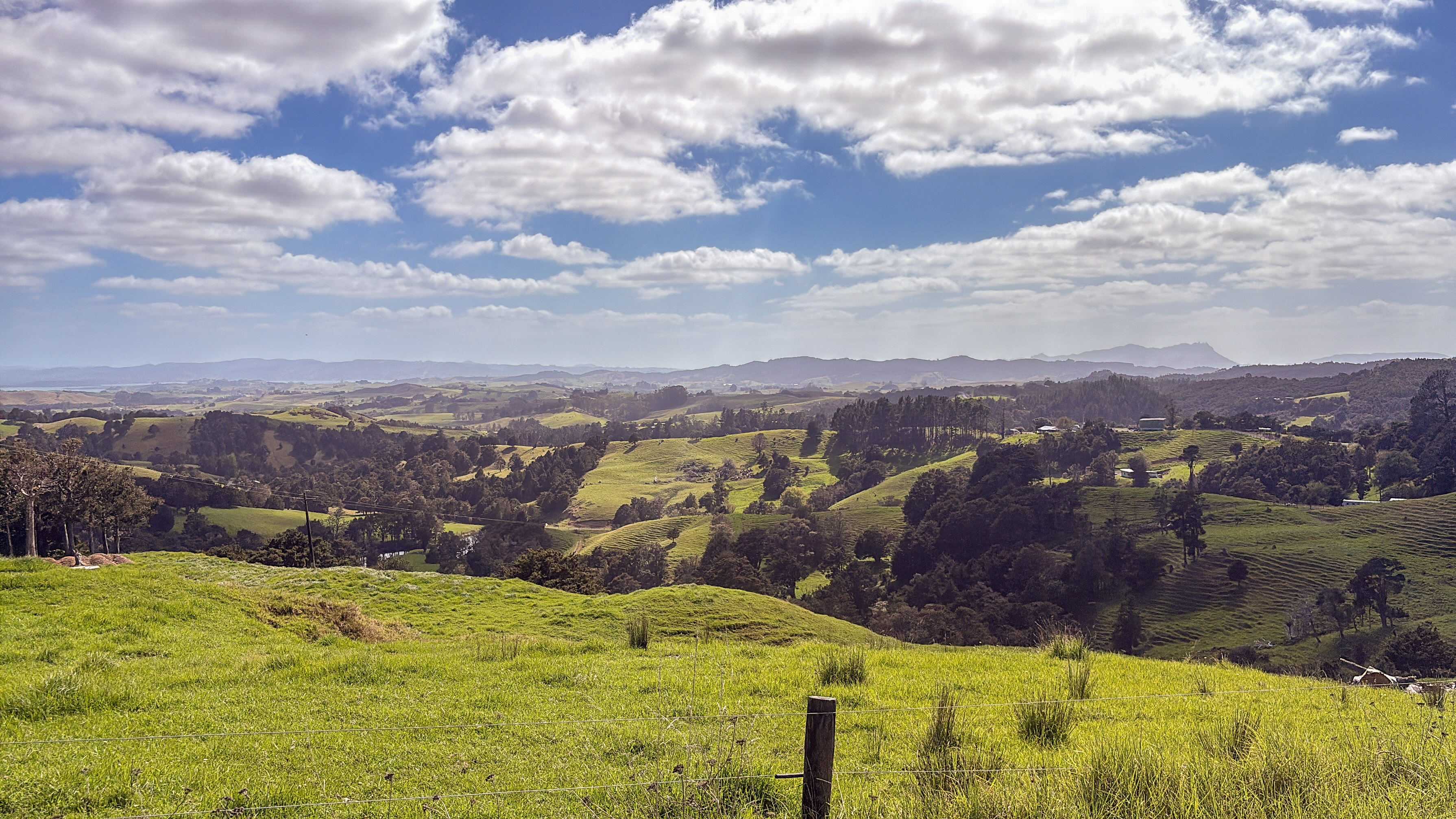
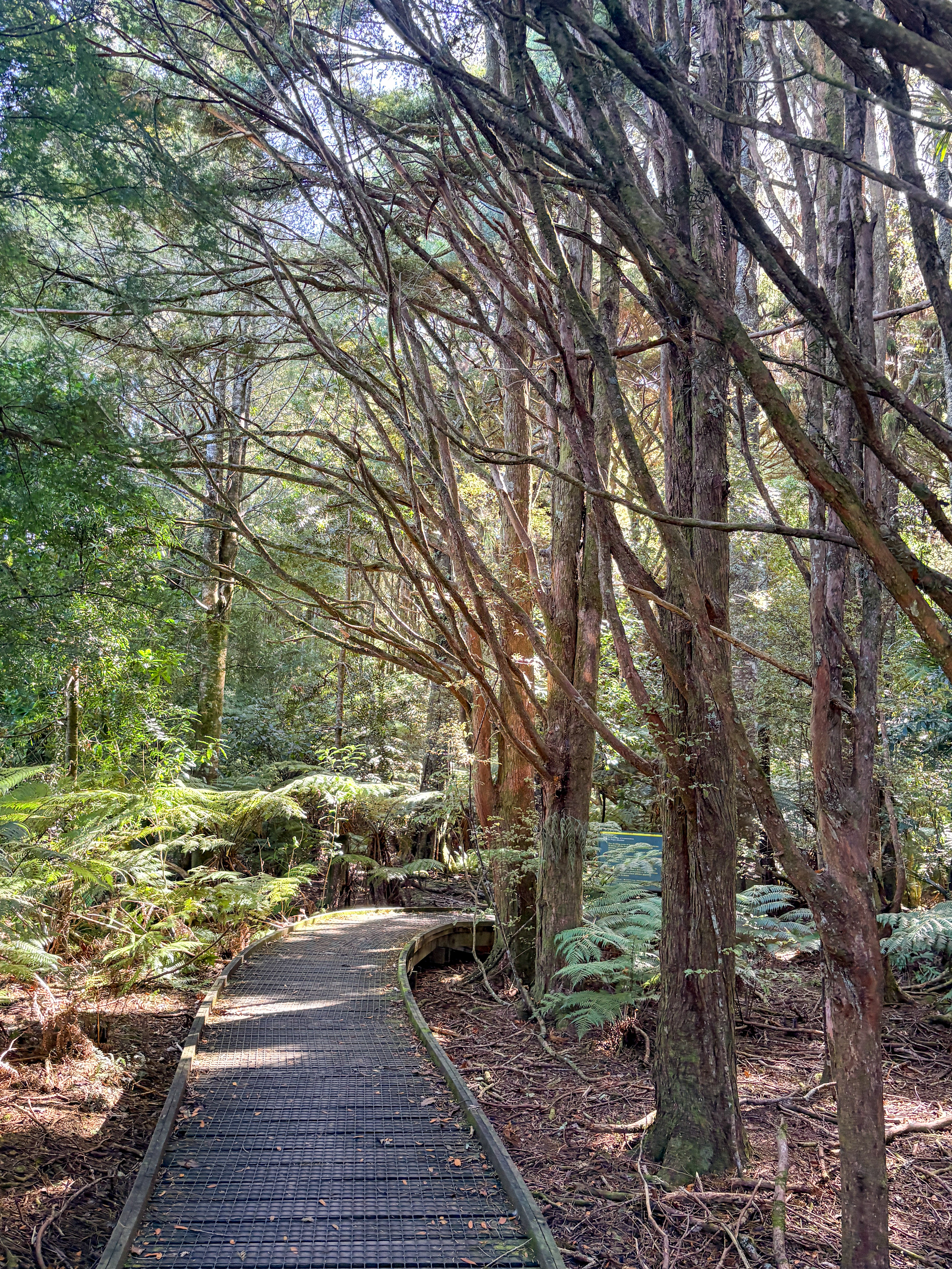
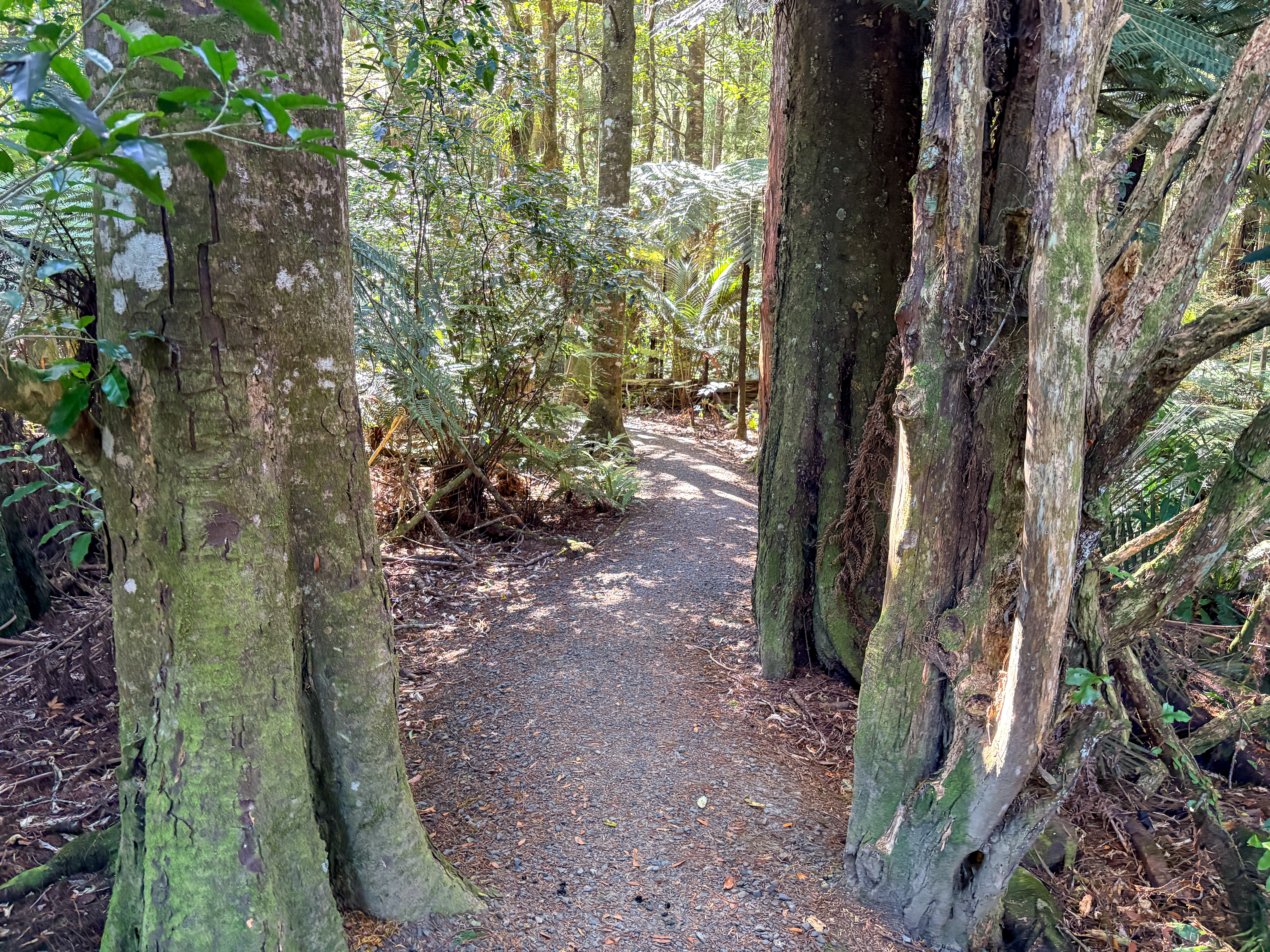
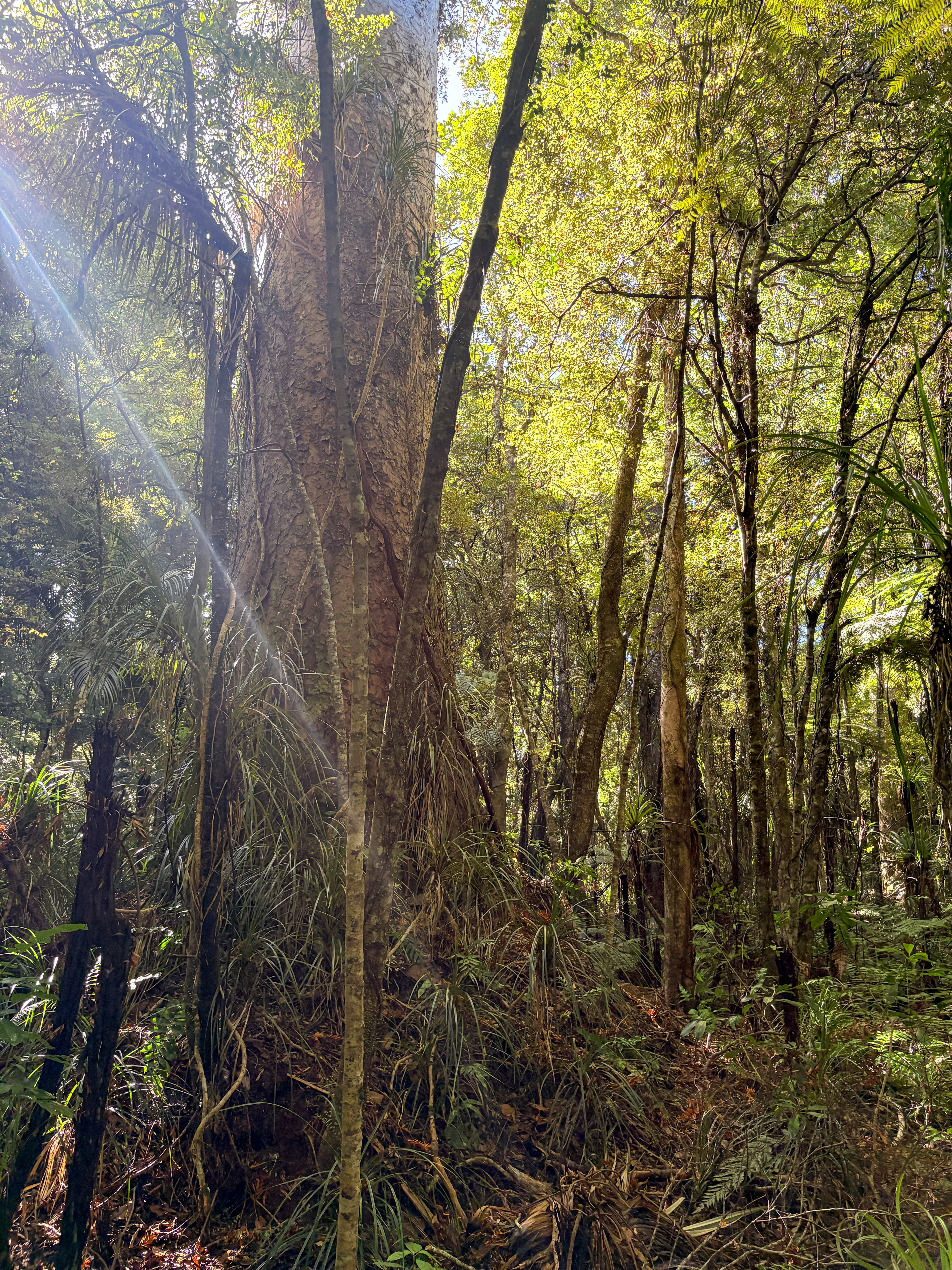
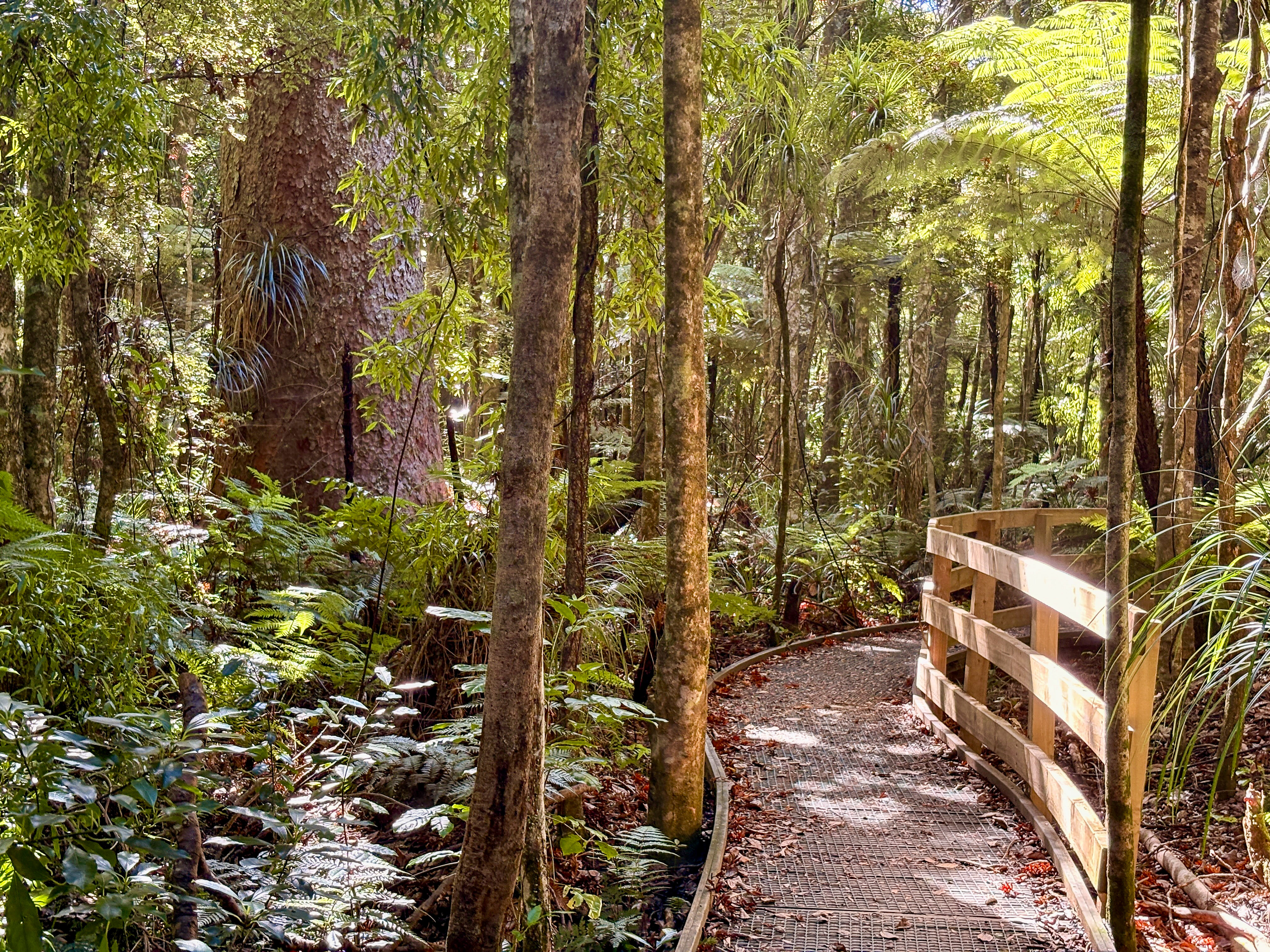
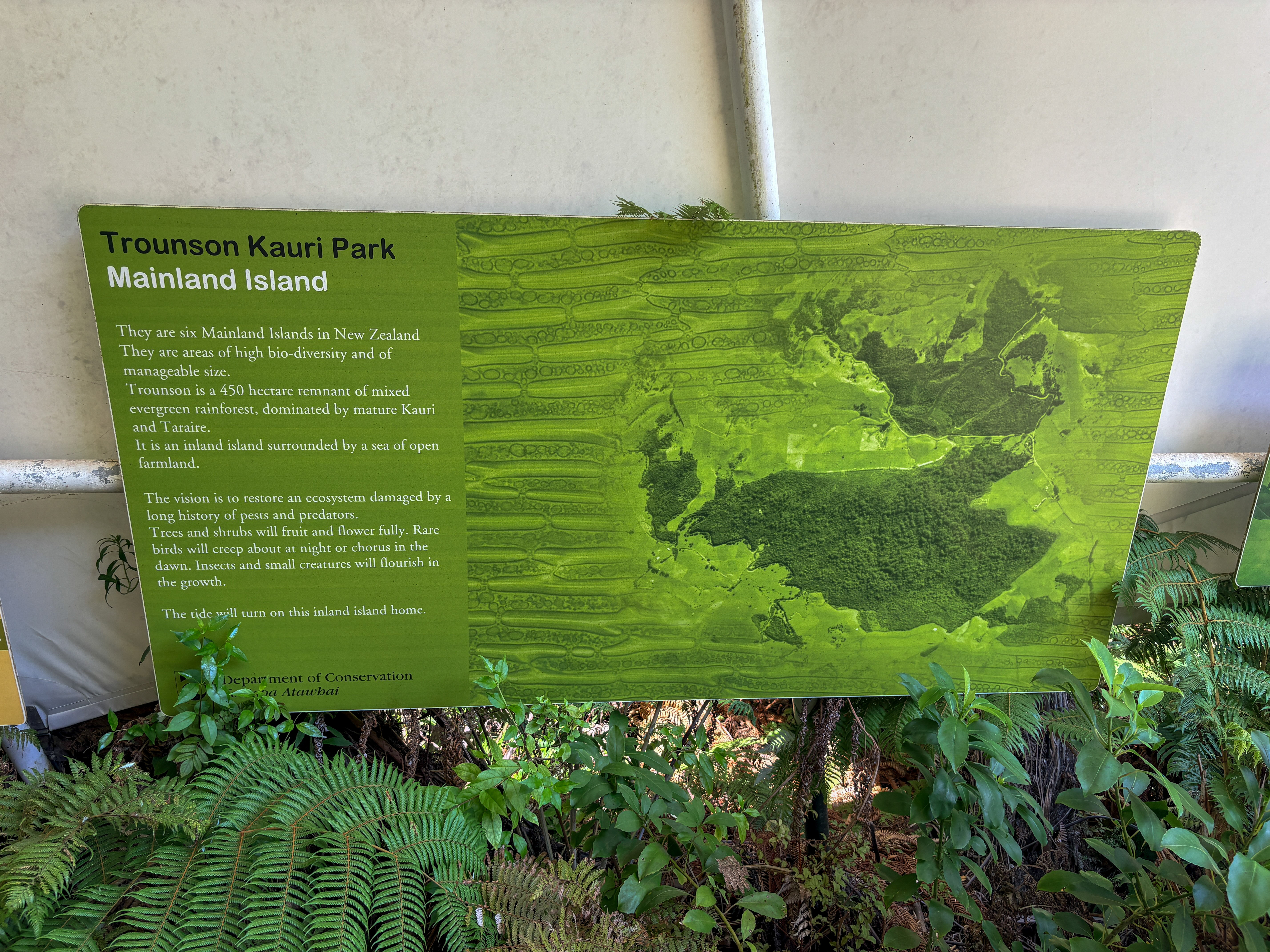
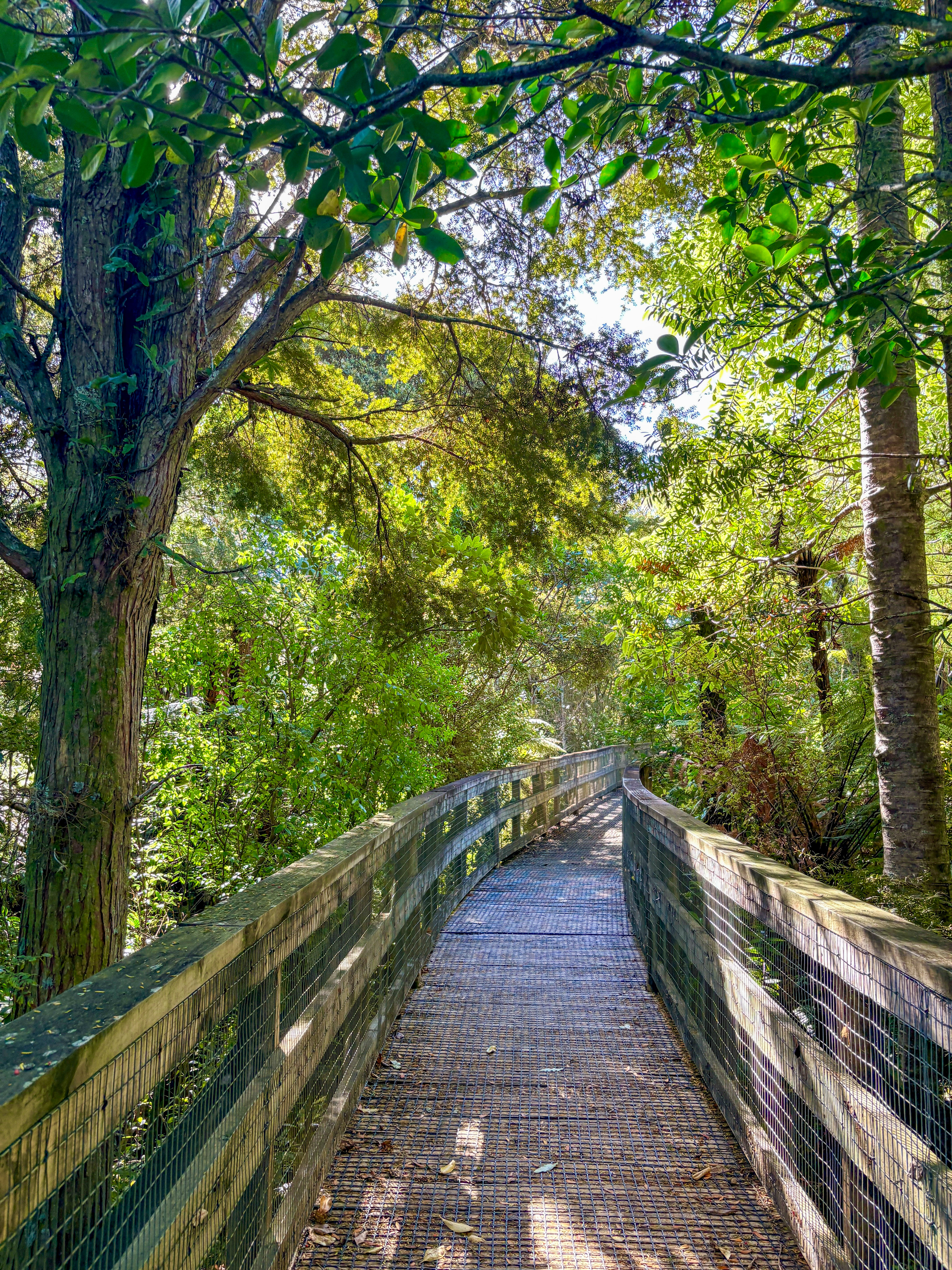
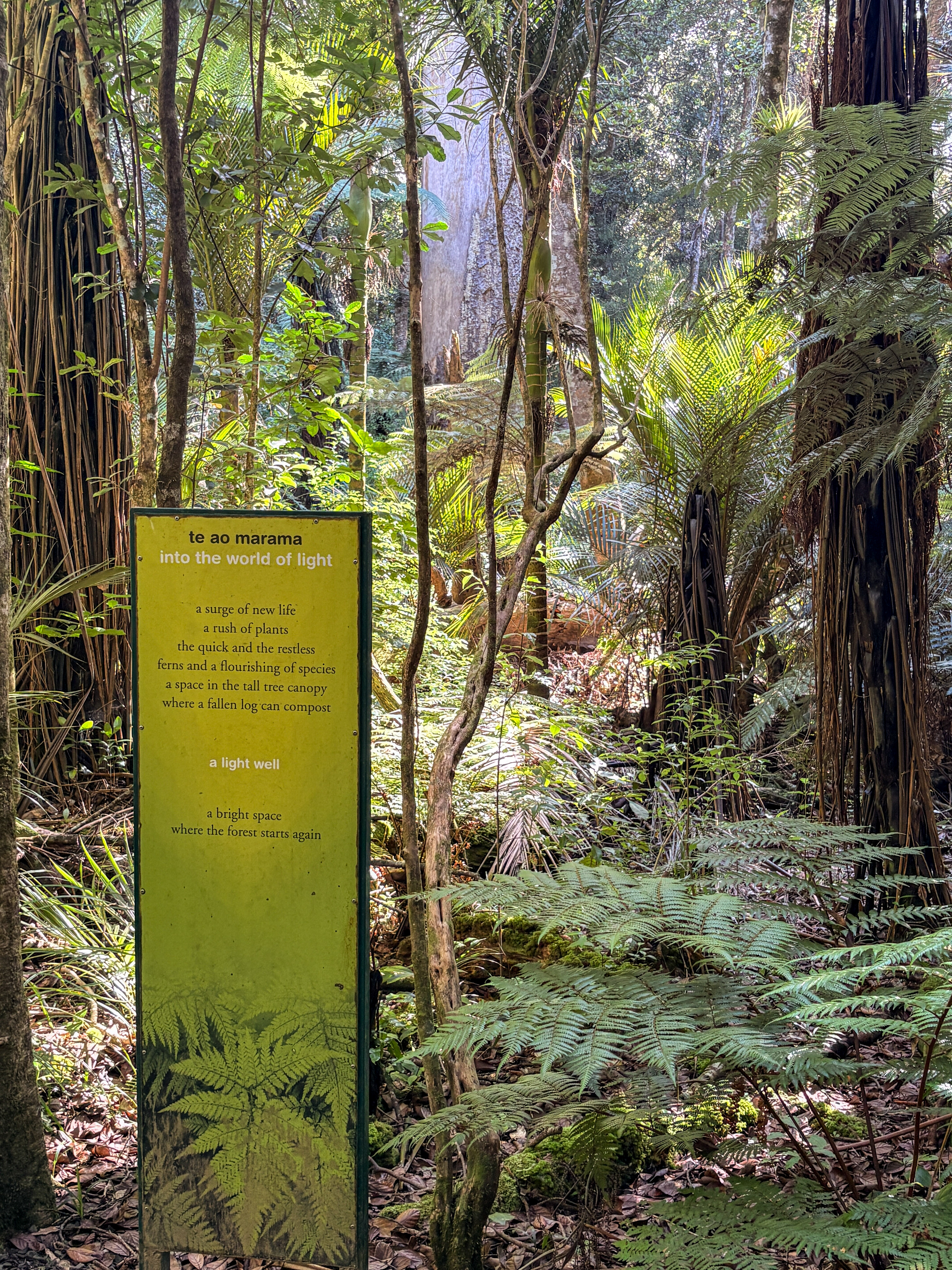
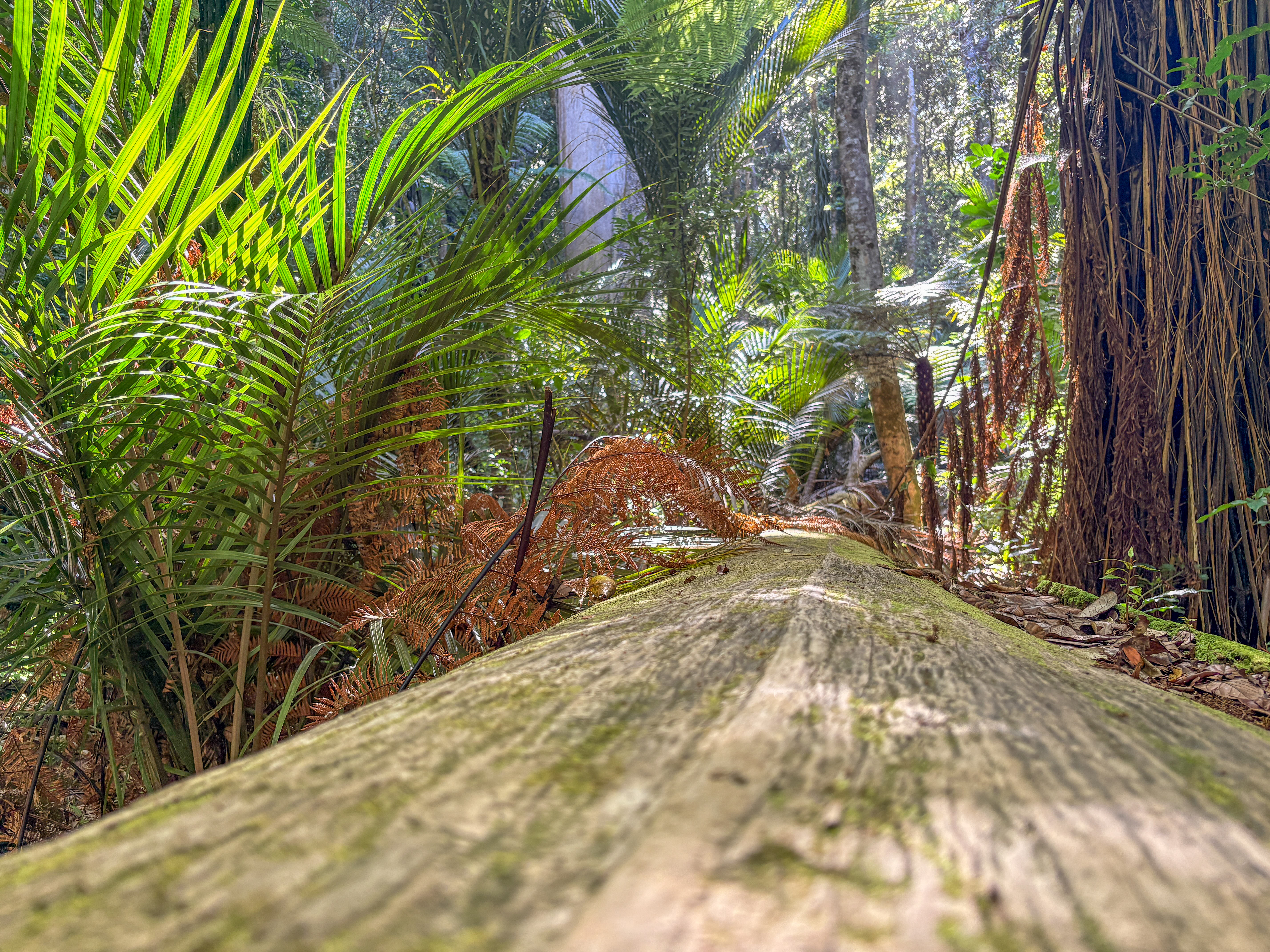
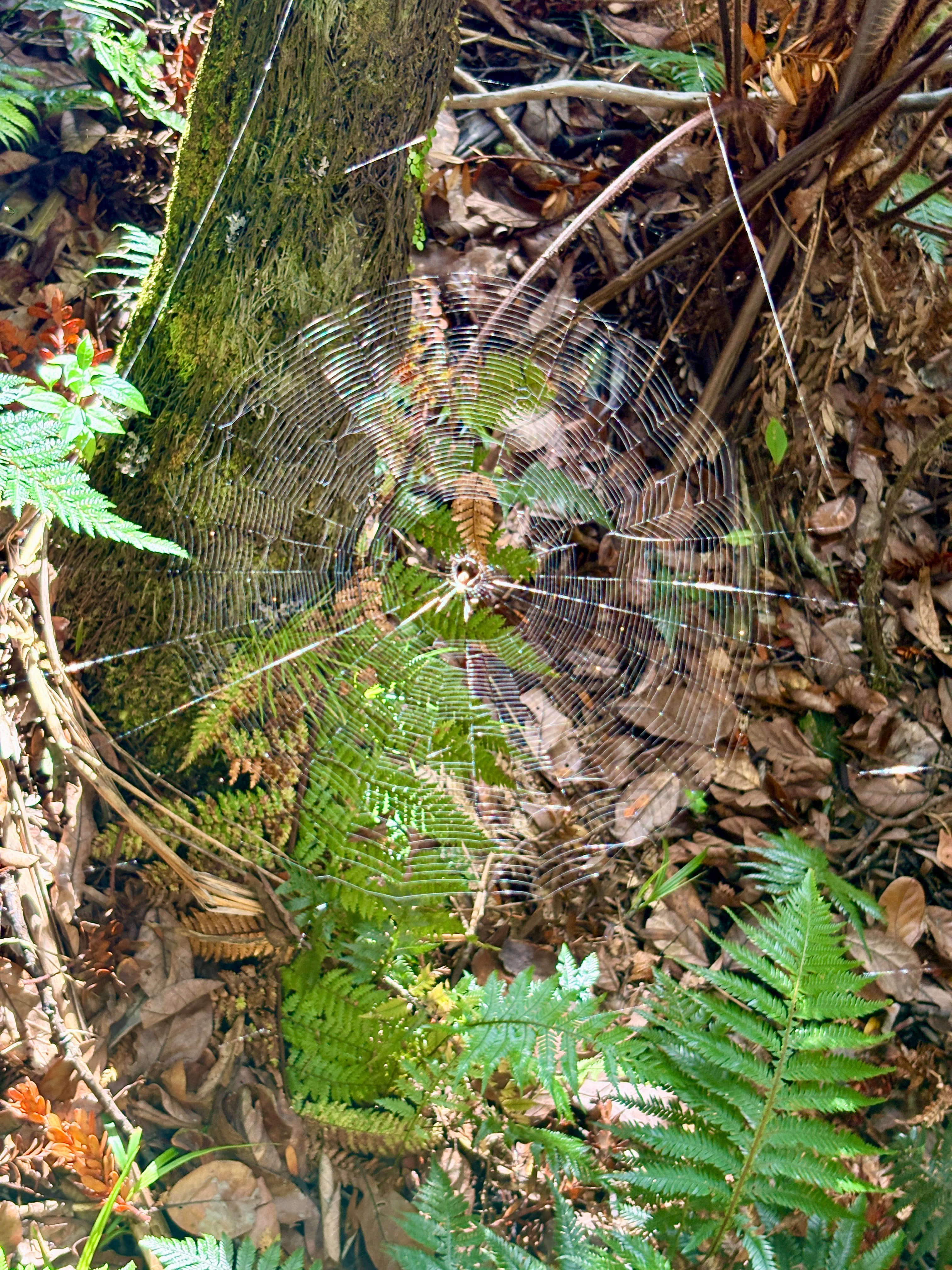
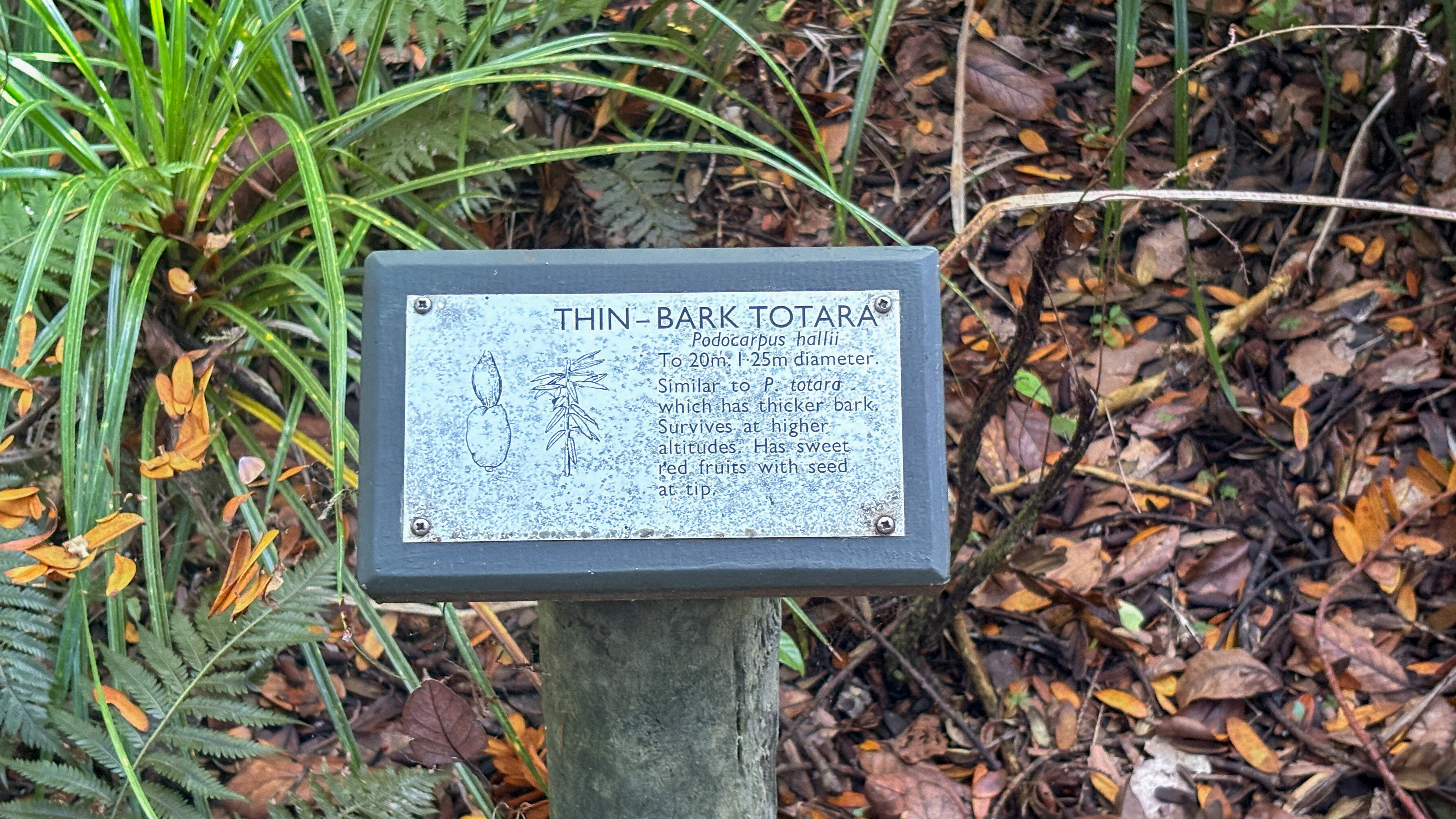
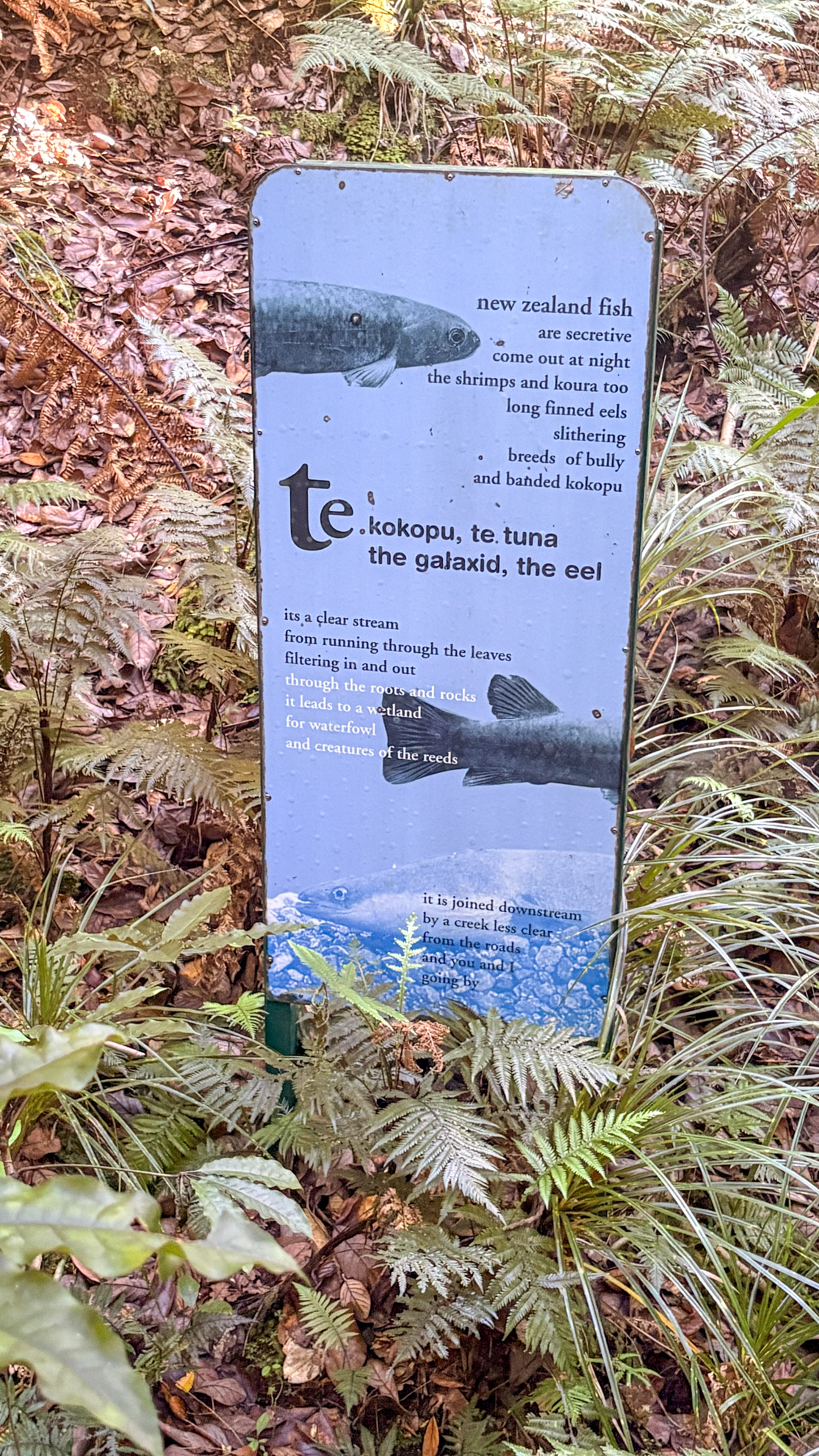
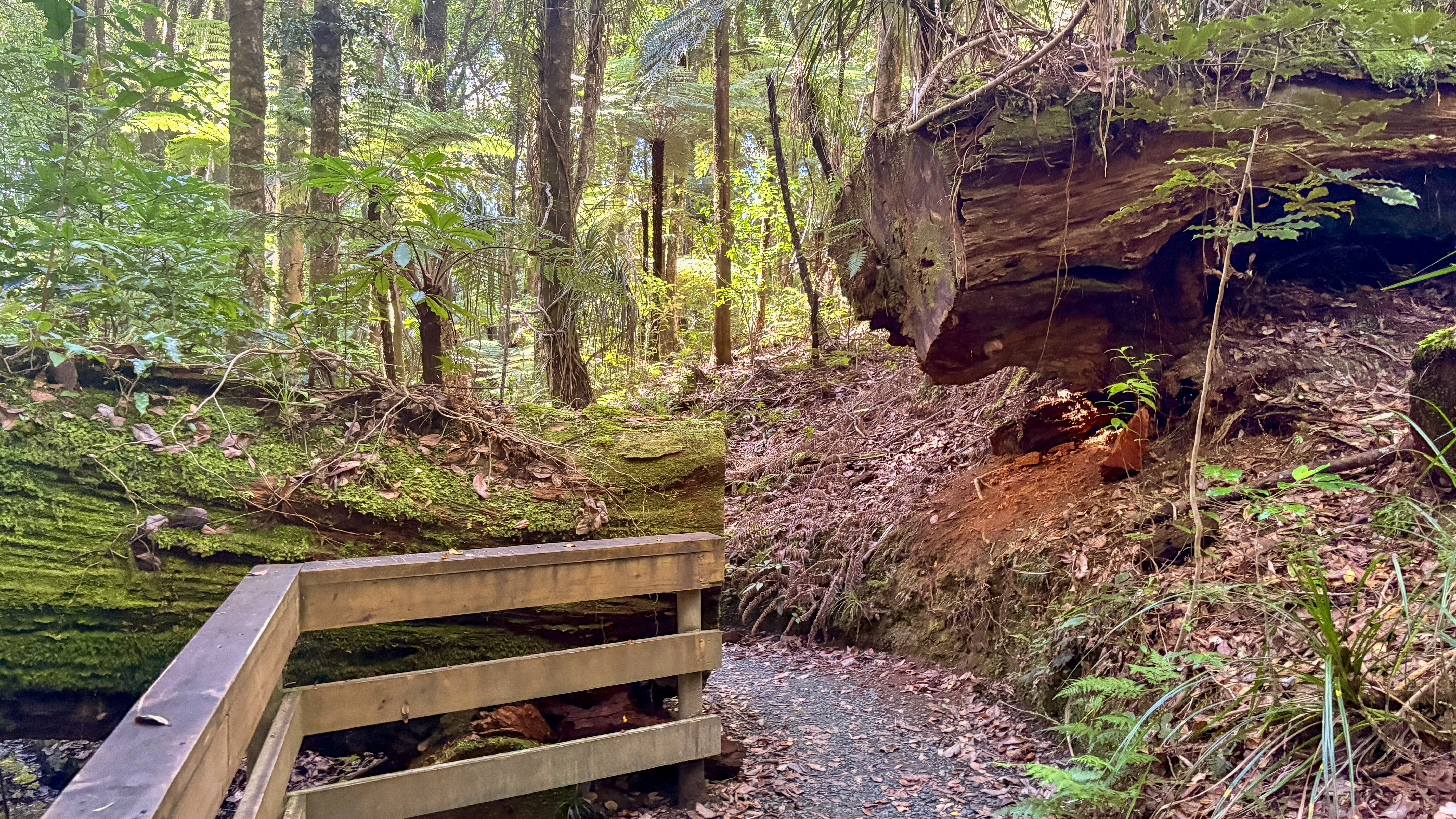
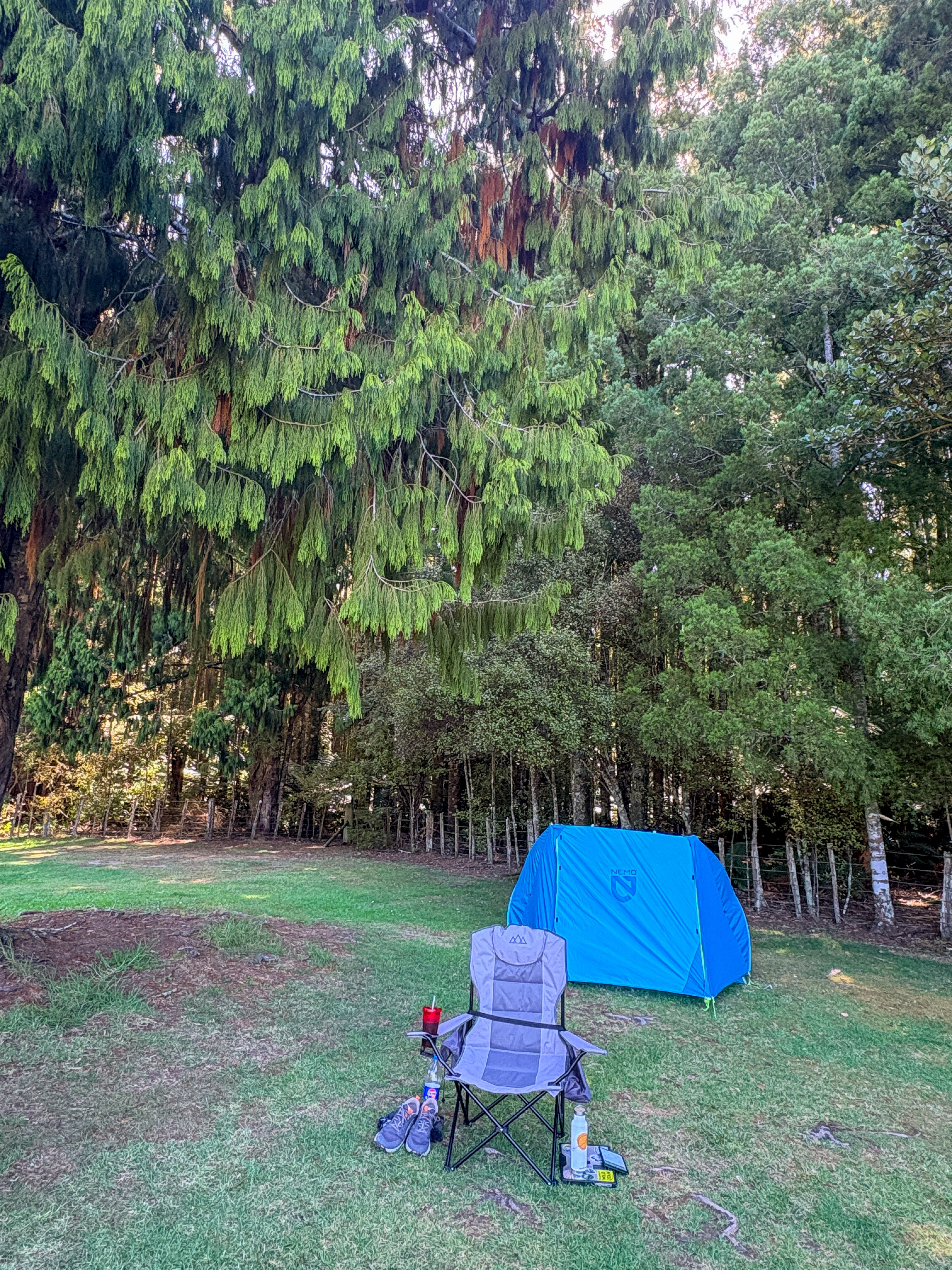
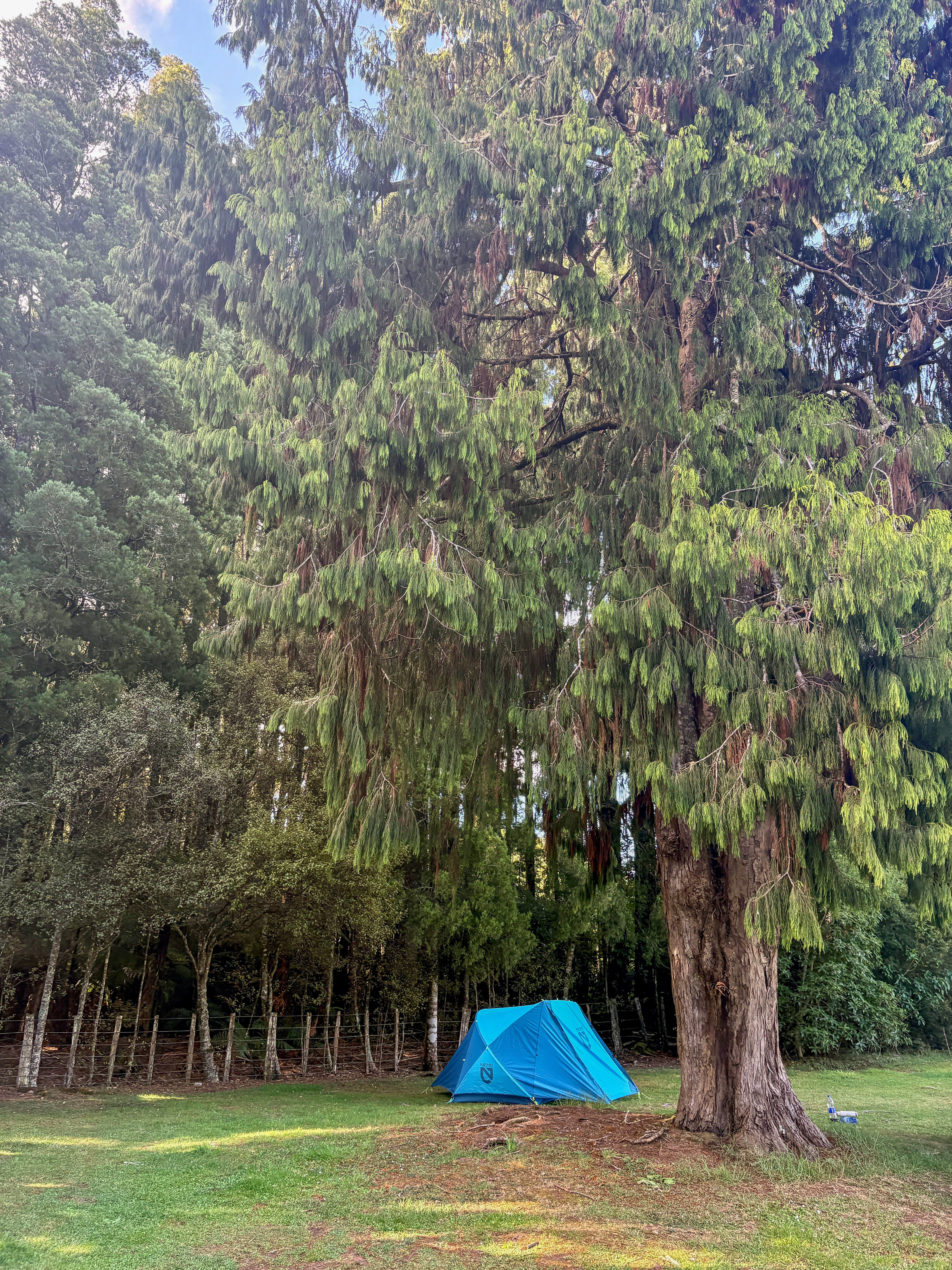
Day 2 found me feeling allergic to the east coast and all of its business, and thus I pointed the car inward toward more rural scenes. My resting spot was Trounson Kauri Park Campground, where I would spend two nights, and where I should have stayed longer. A magically peaceful place.
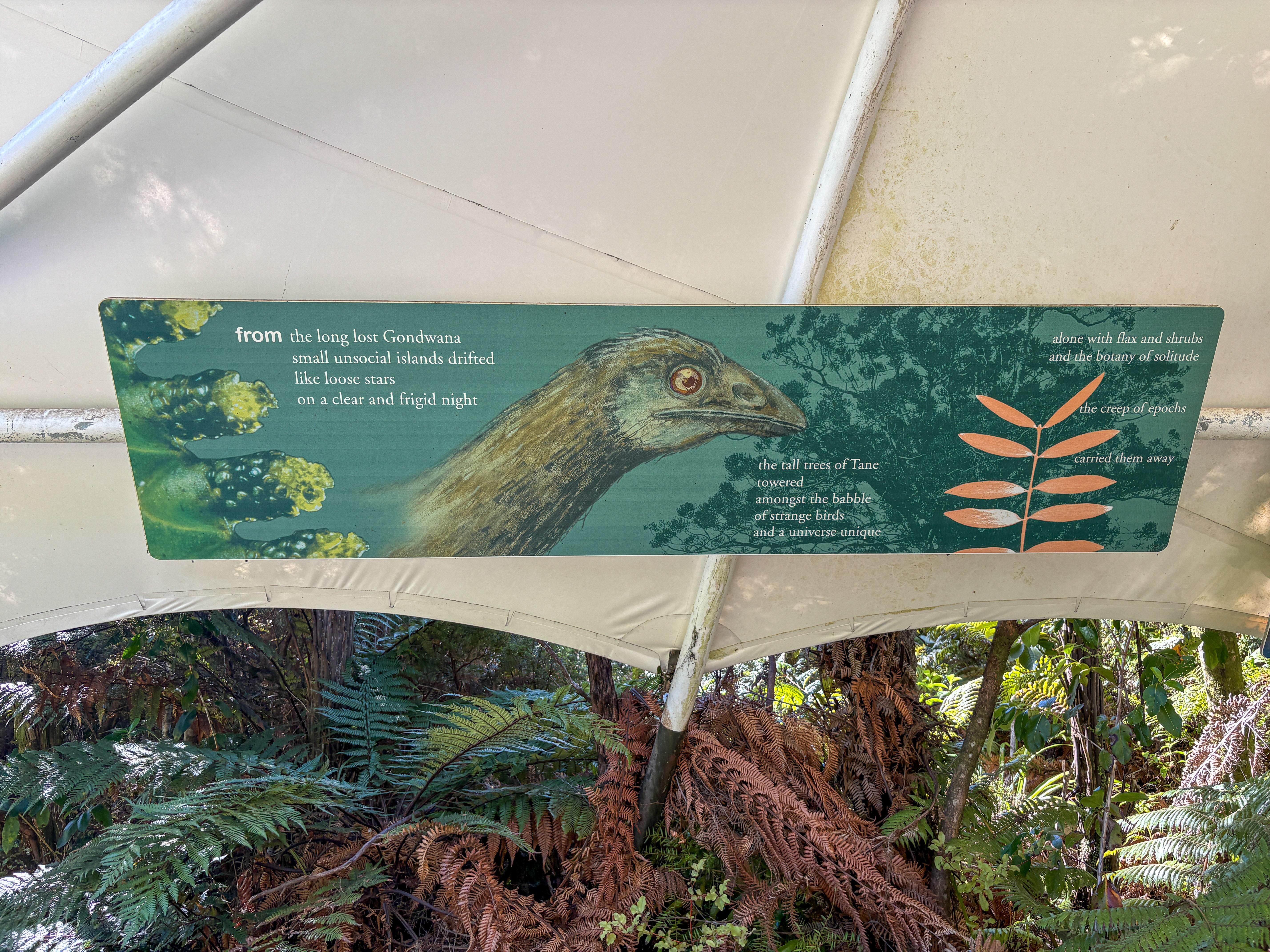
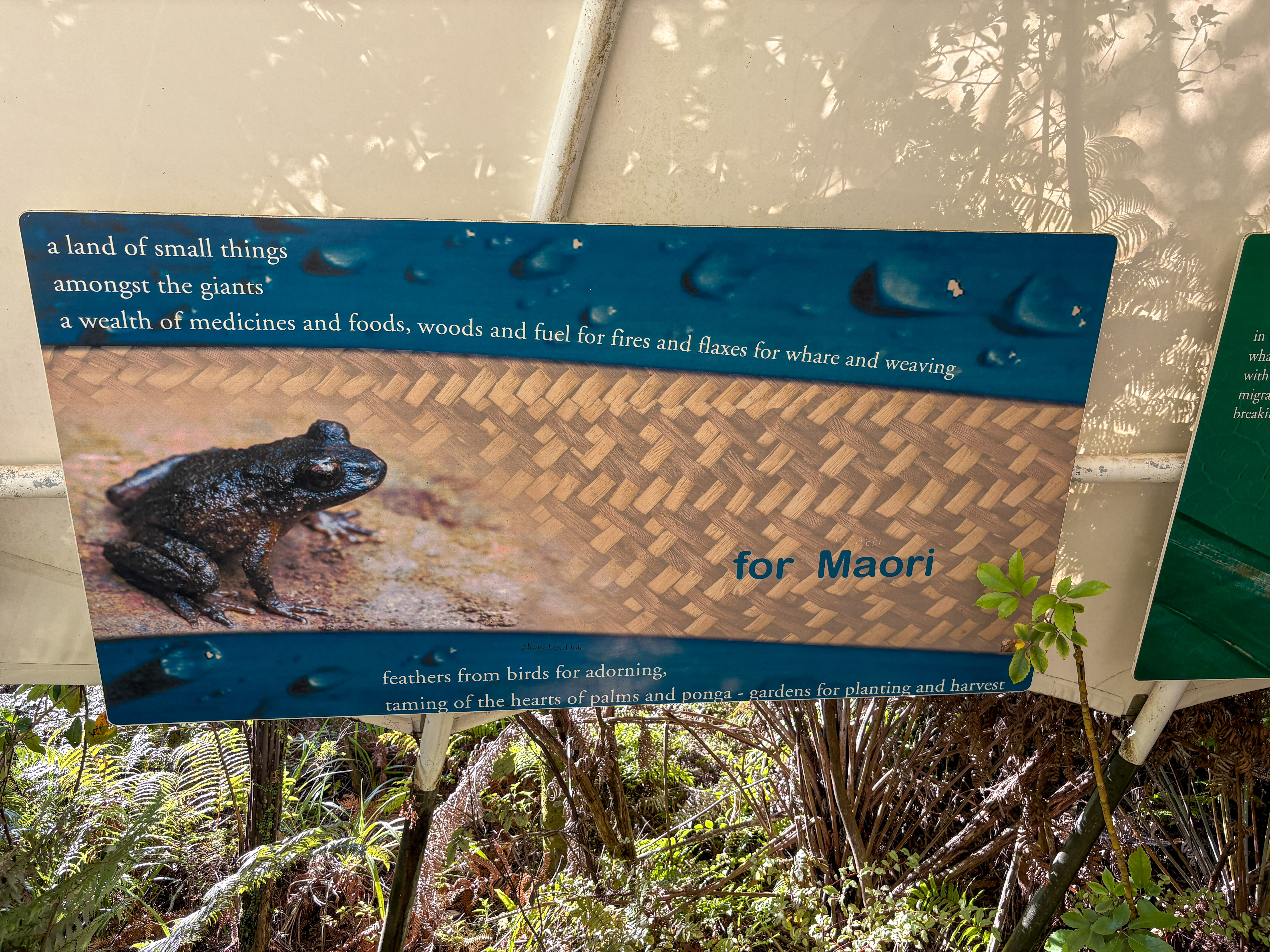
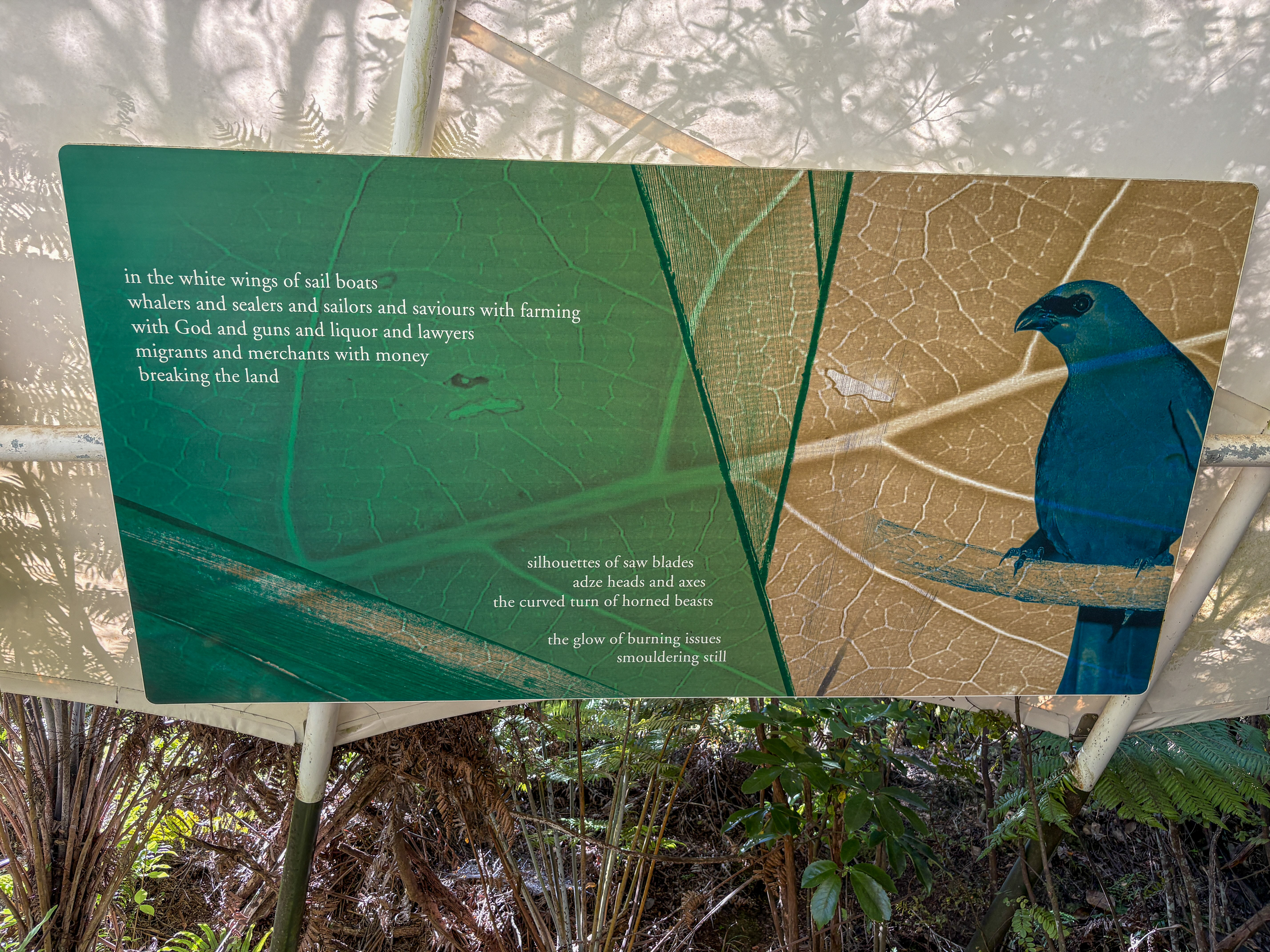
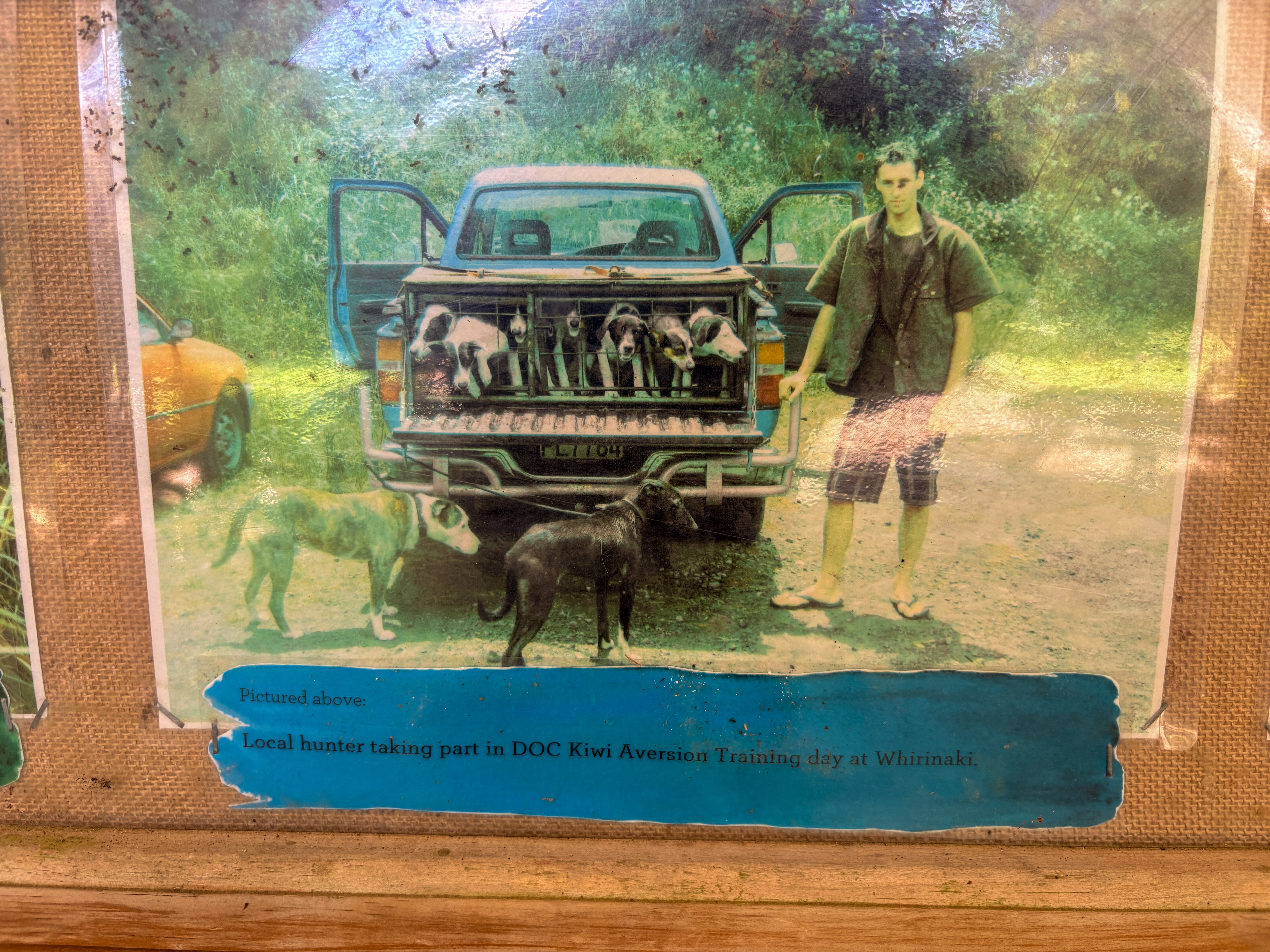
Day 3 (February 24)
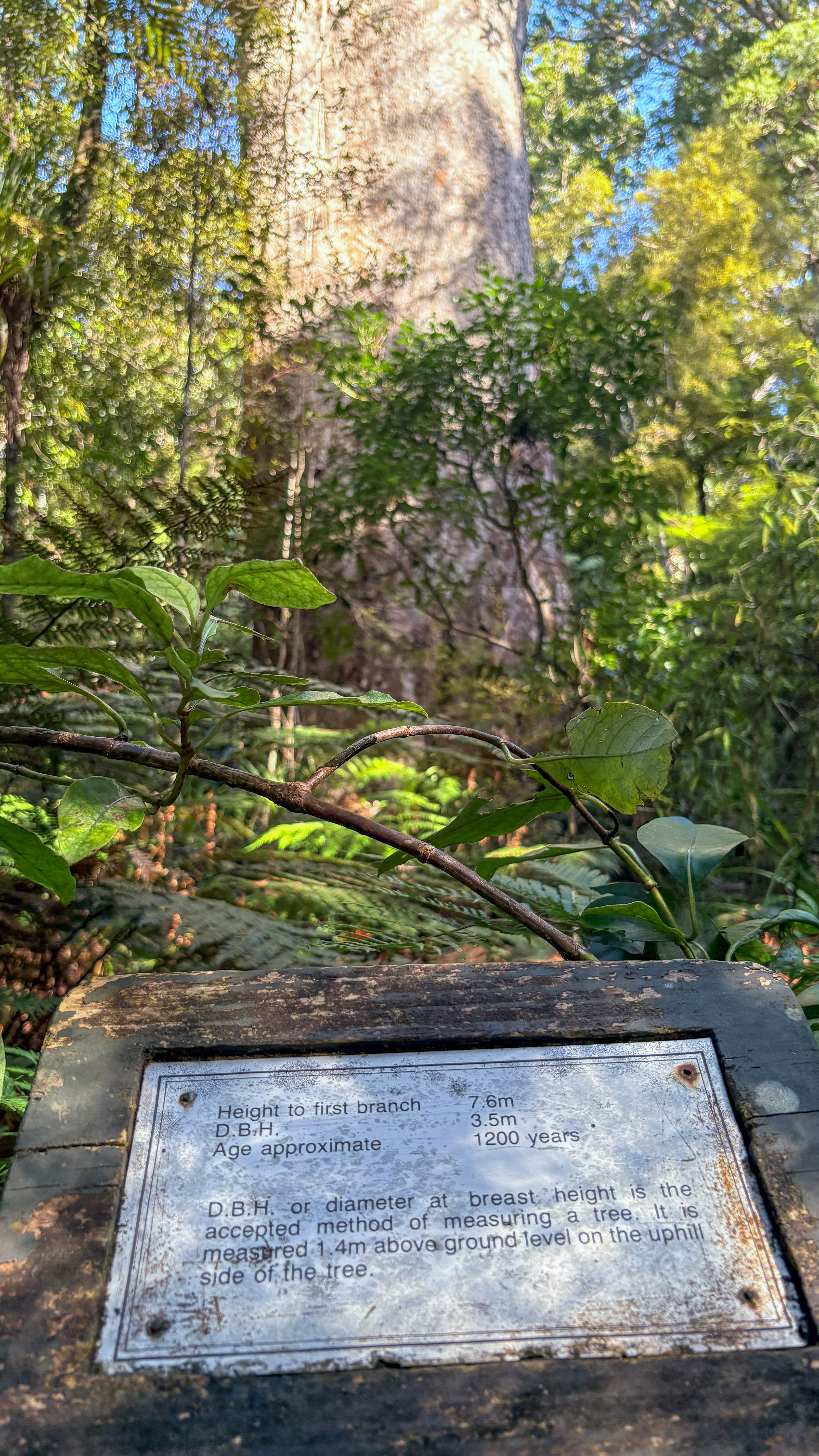
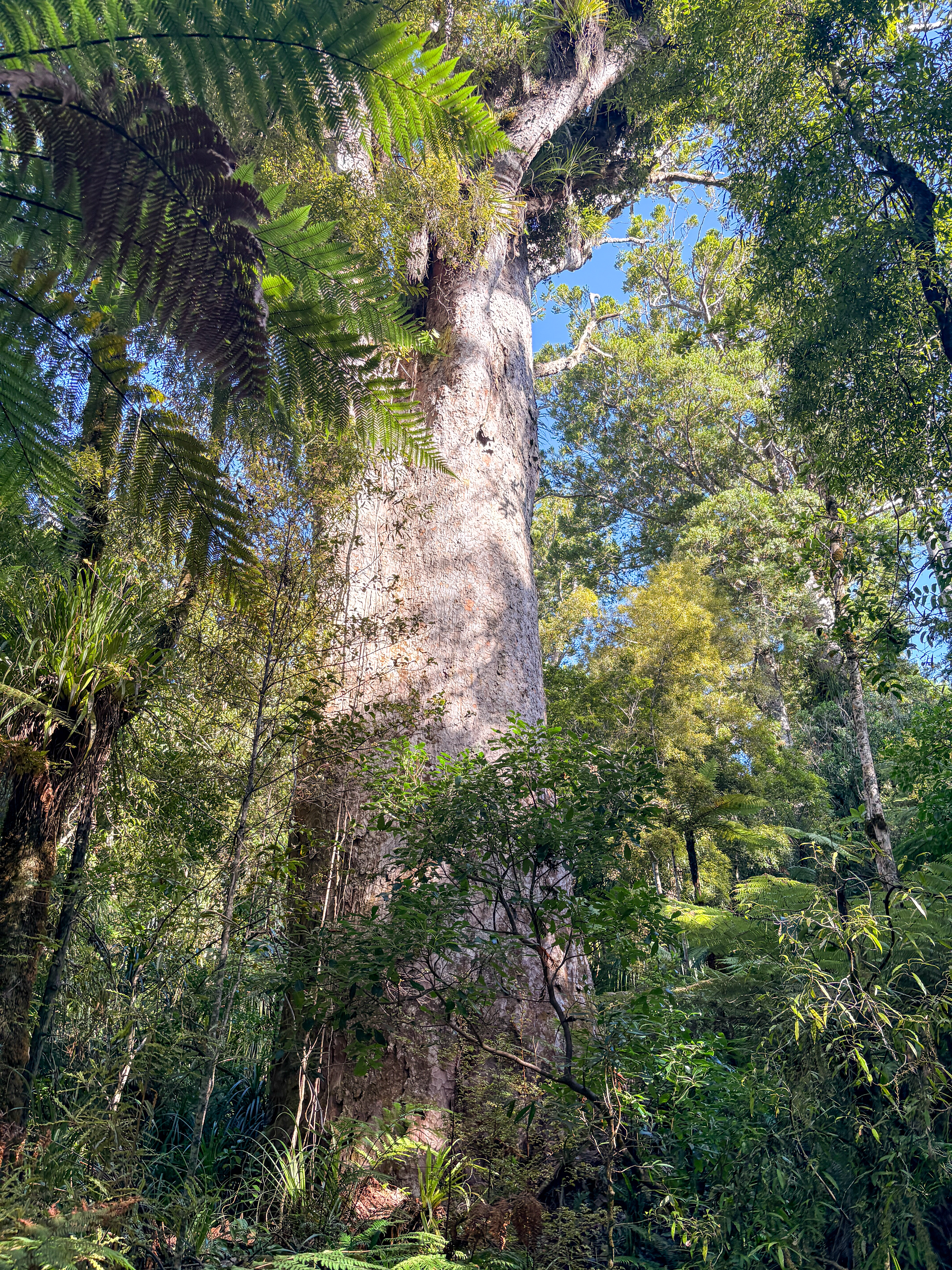
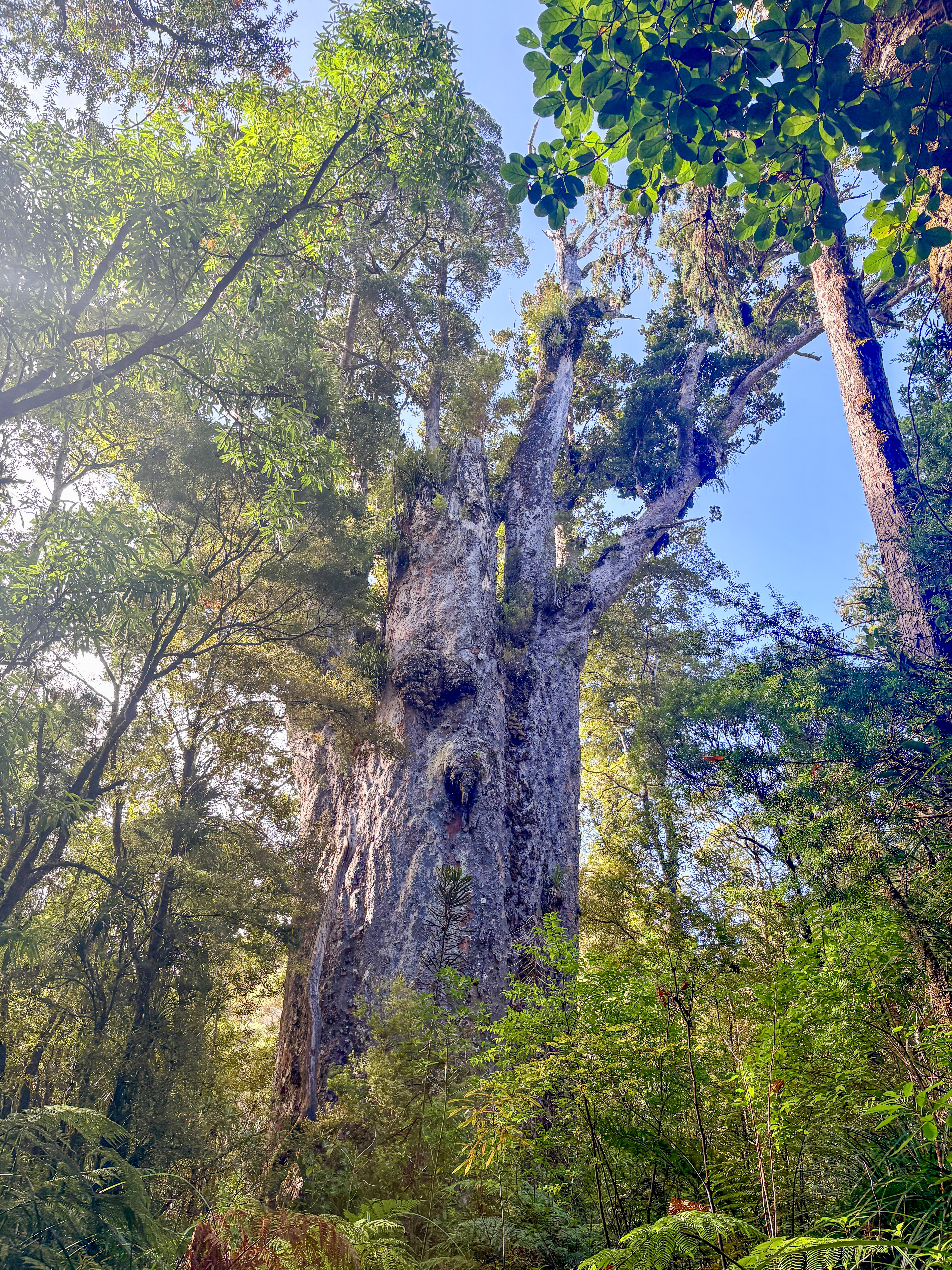
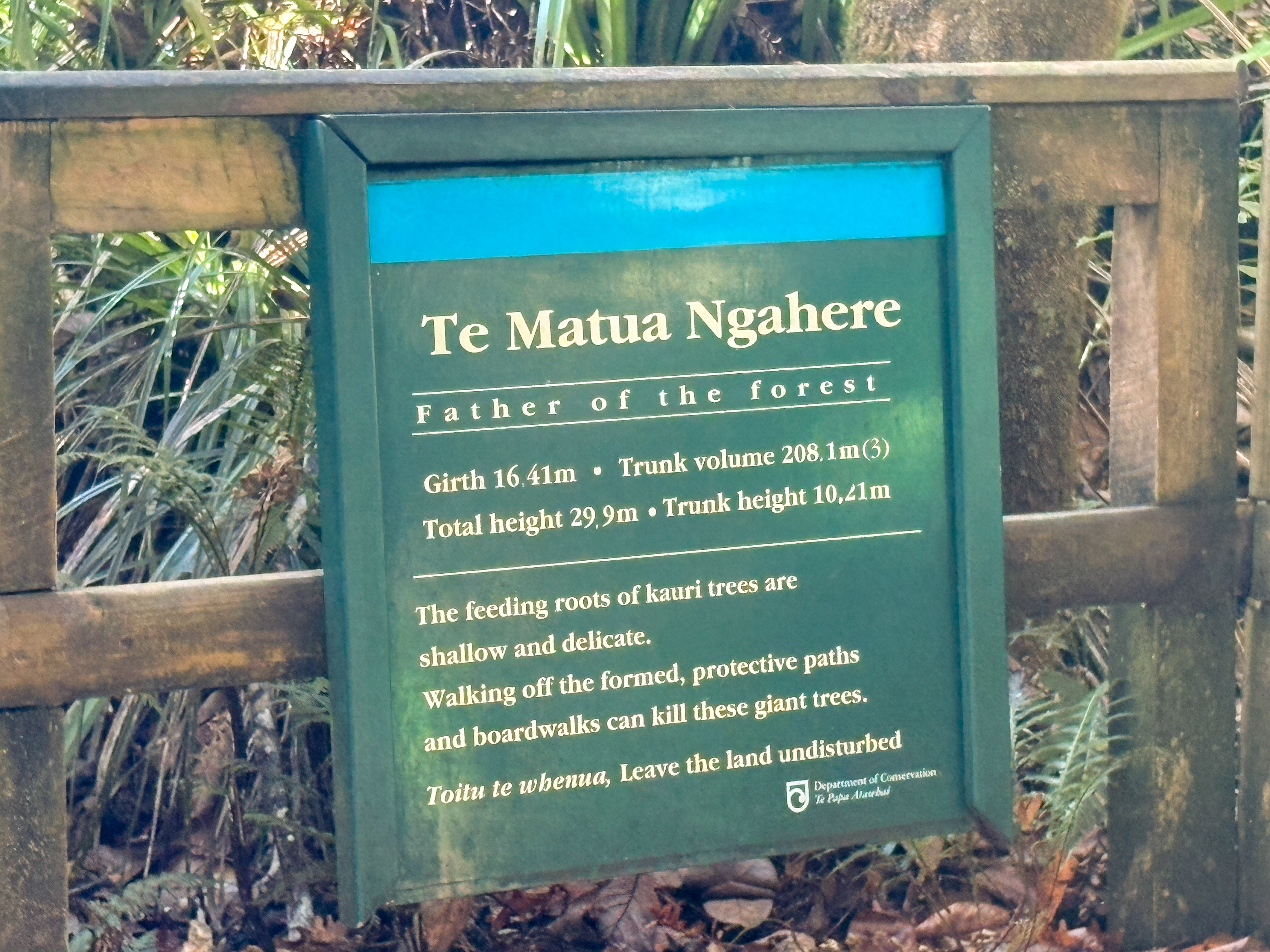
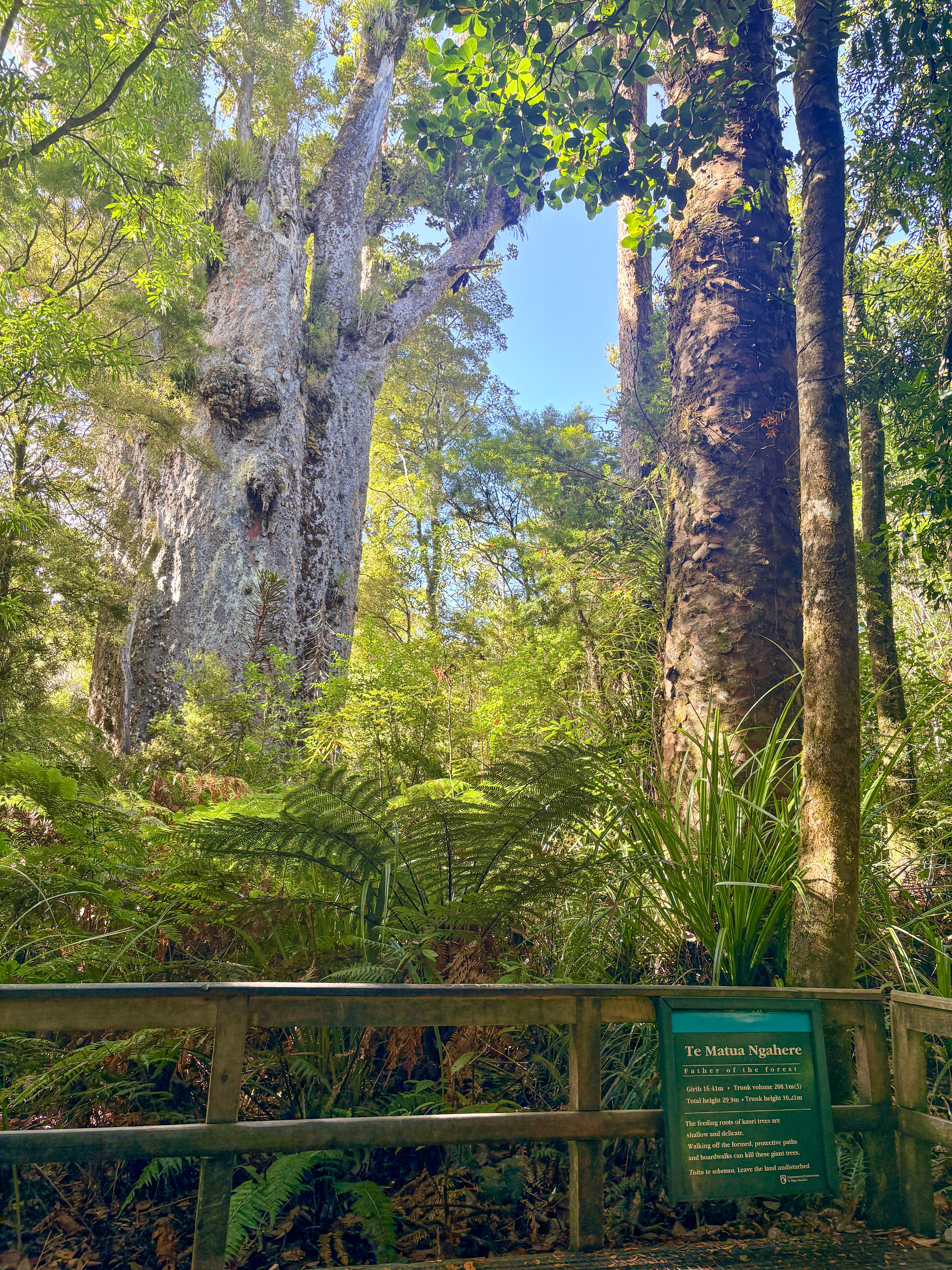
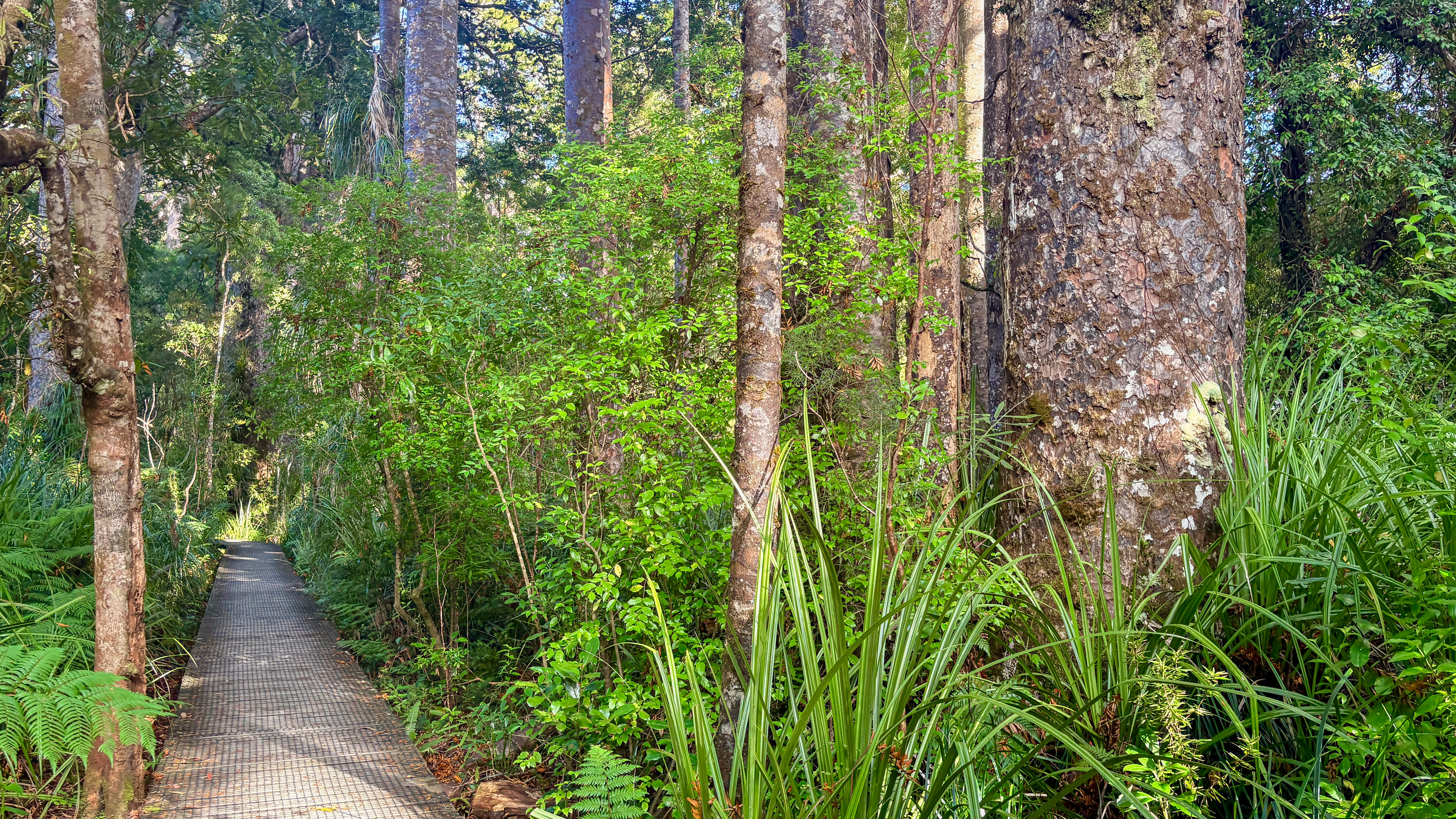
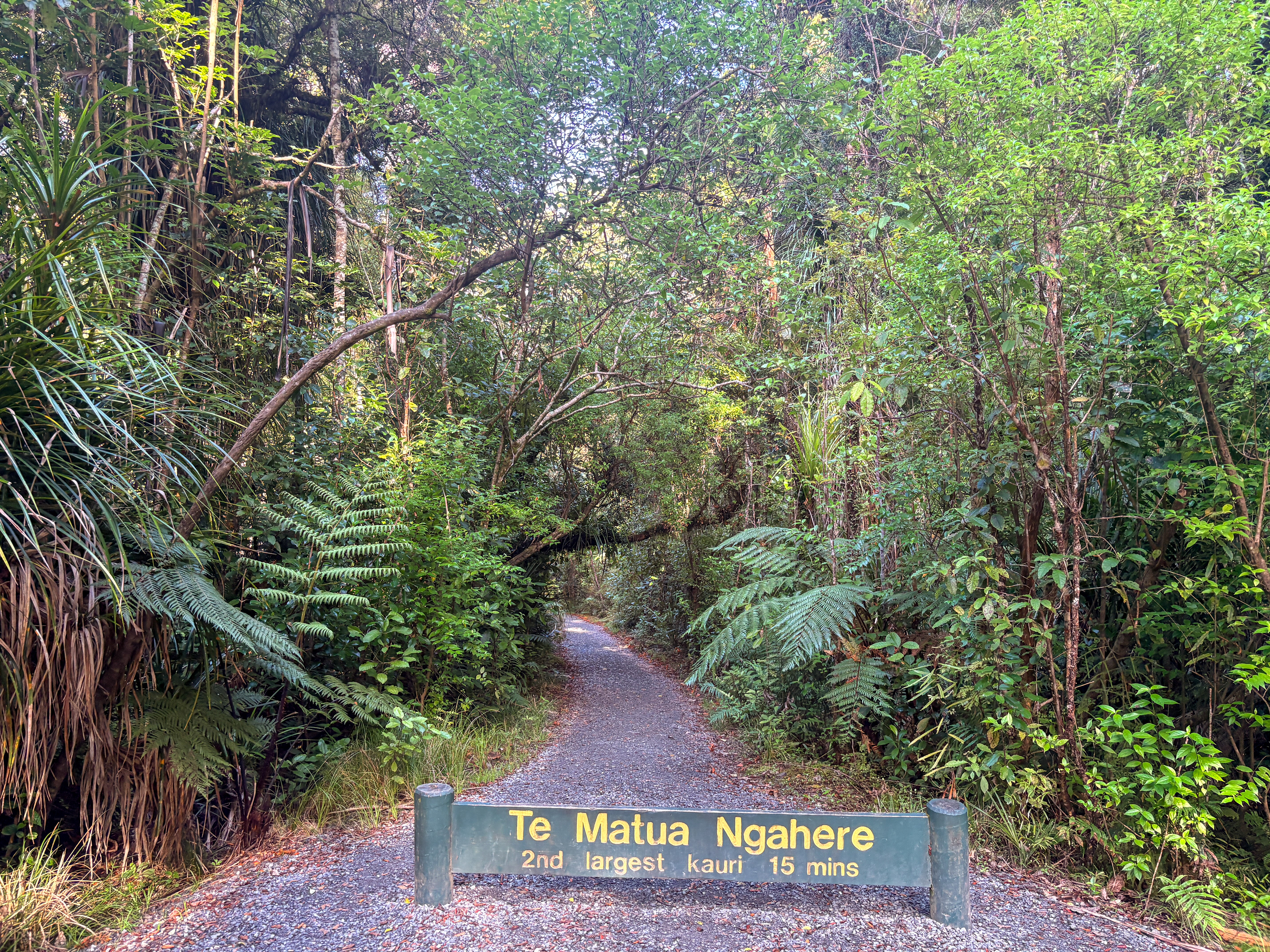
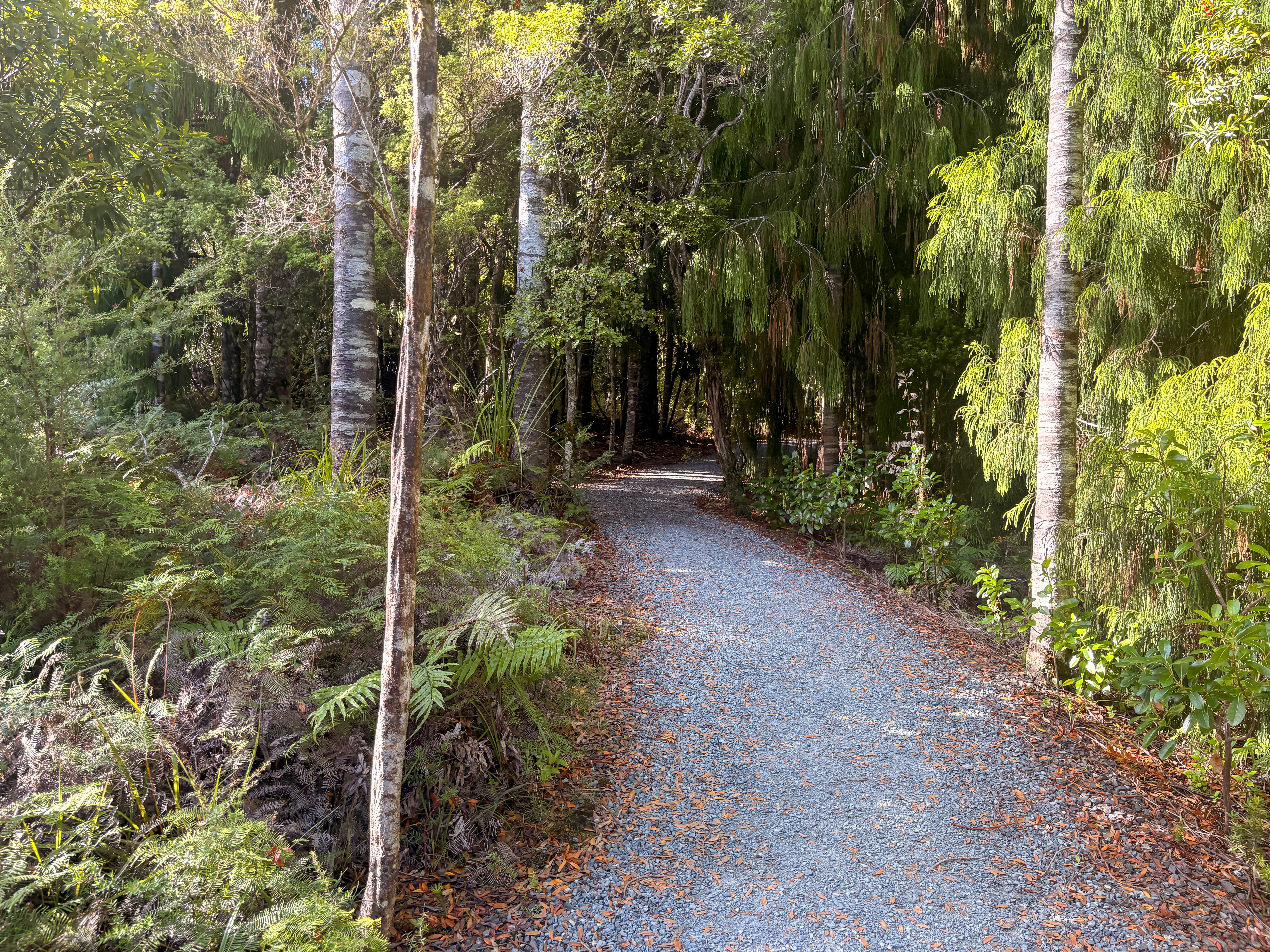
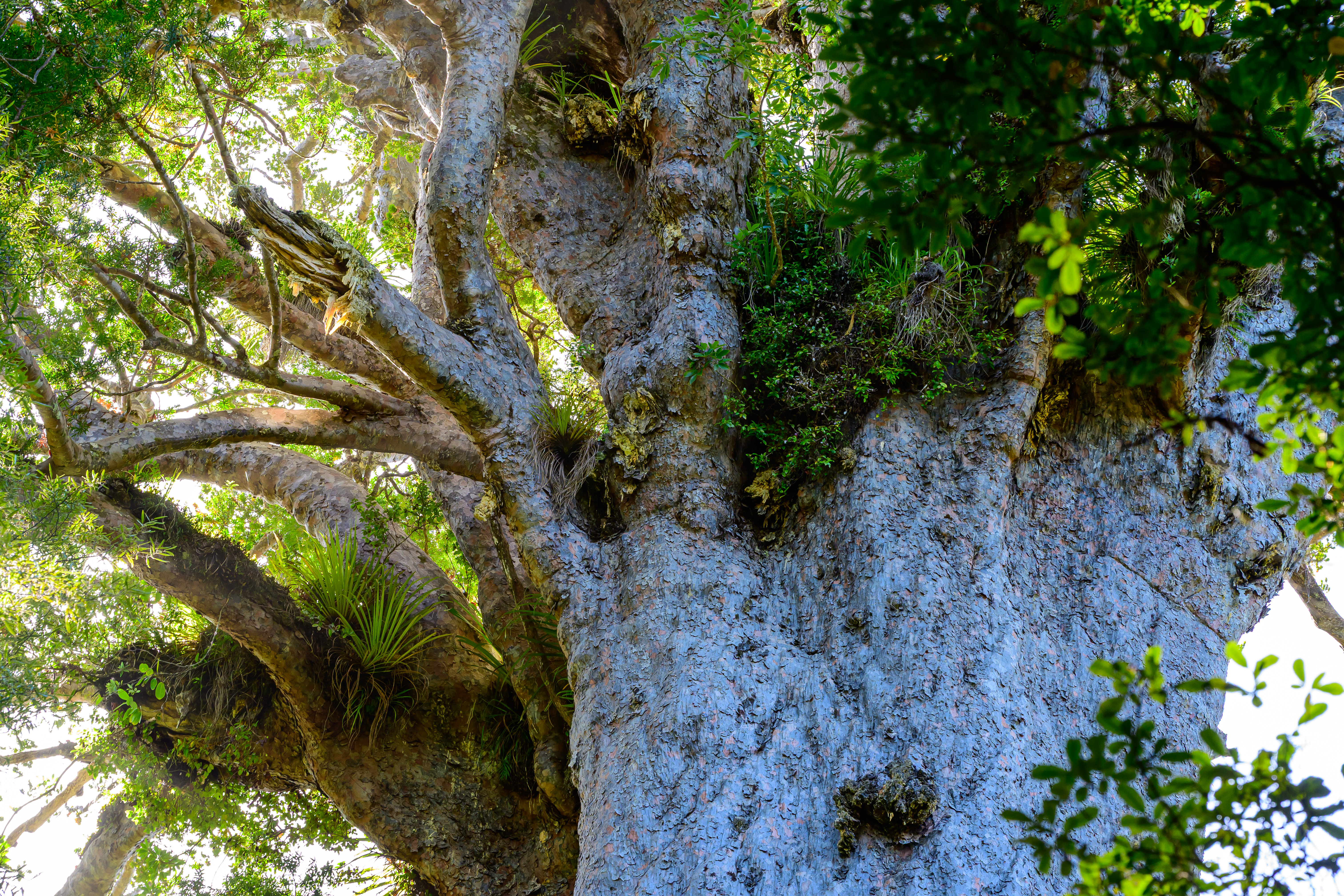
Today was a Kauri immersion day. First up was Te Matua Ngahere, Father of the Forest. Reaching about 100 feet high (reduced by a 2007 storm), and 54 feet around, it is truly an impressive tree to stand in the presence of. Its age is unknown, with estimates ranging from 1,200 to 4,000 years. It is the second largest Kauri tree in New Zealand.
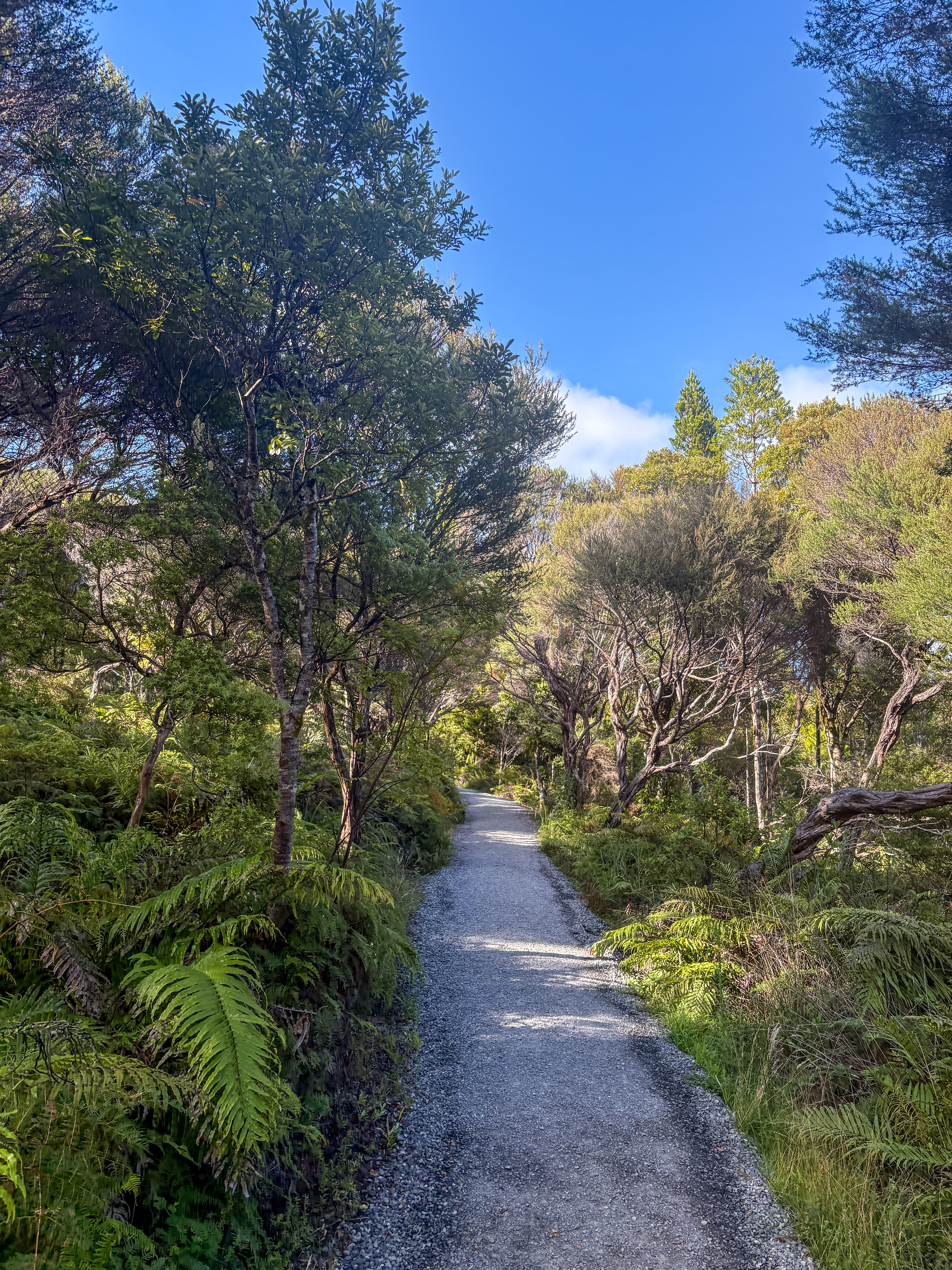
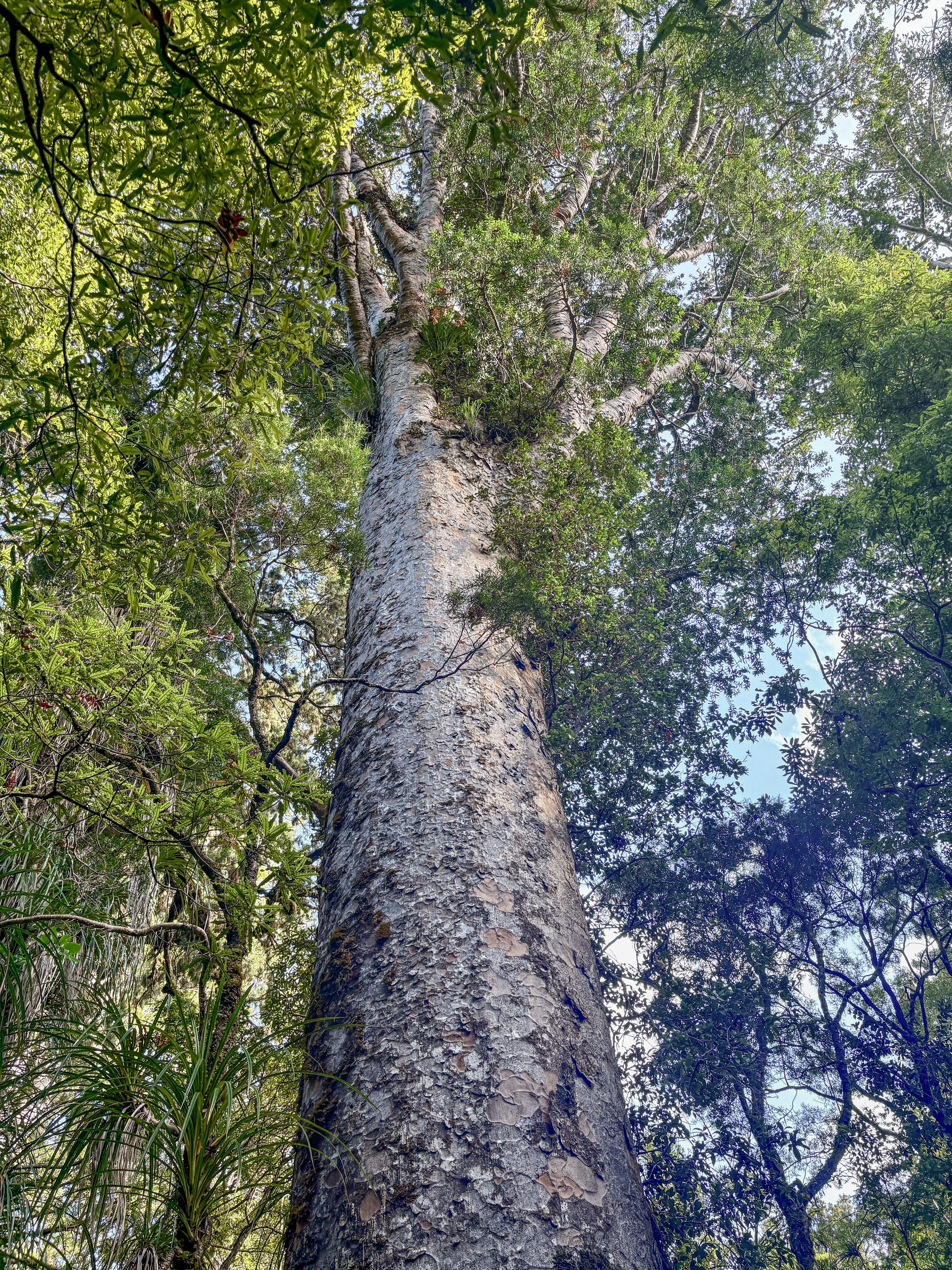
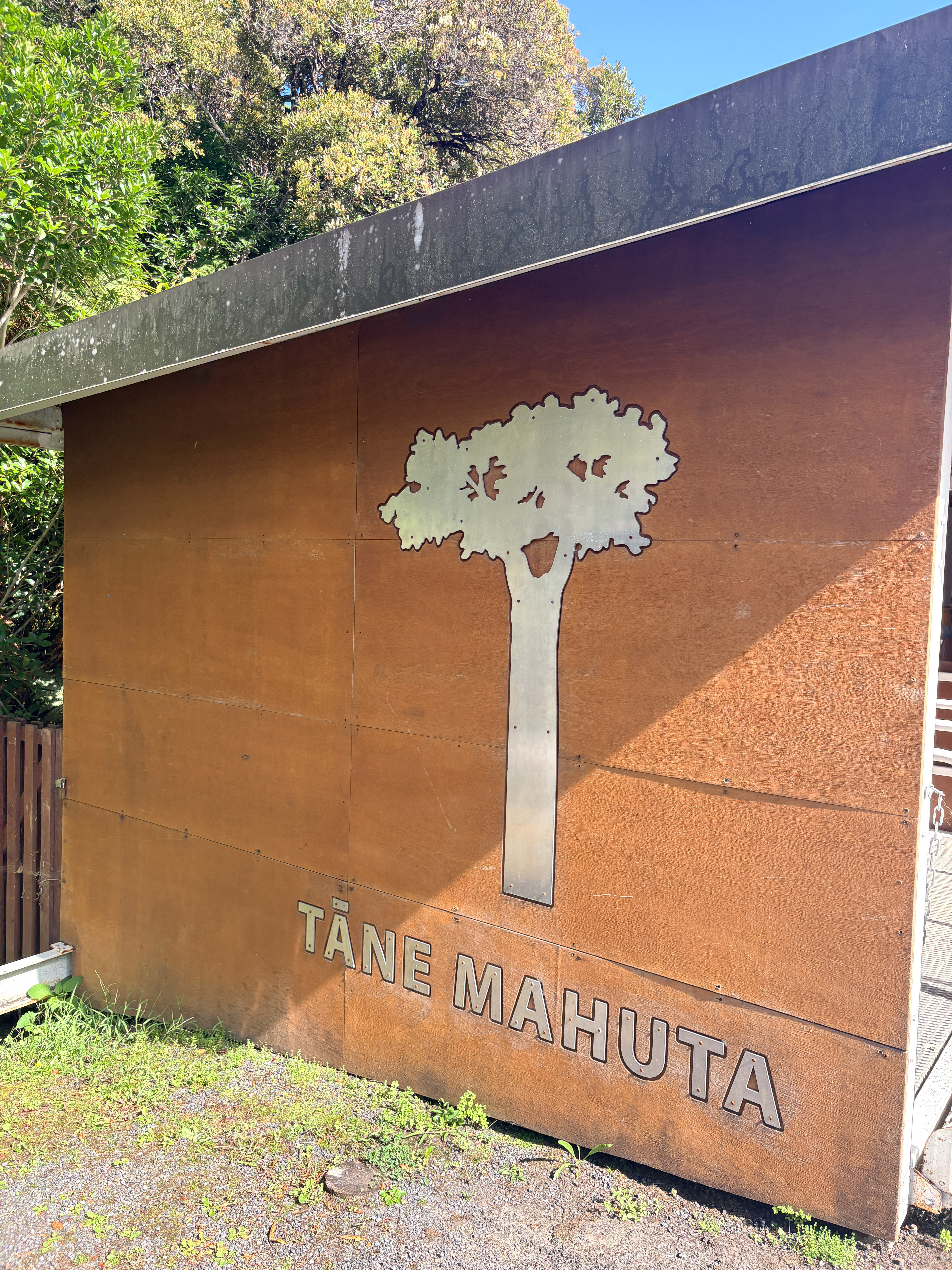
It would seem rude to visit the Father of the Forest and not pay respects to the Lord of the Forest, Tāne Mahuta. Standing nearly 150 feet tall, and 51 feet around, it is the largest Kauri tree. Both trees are sacred to the Maori people.
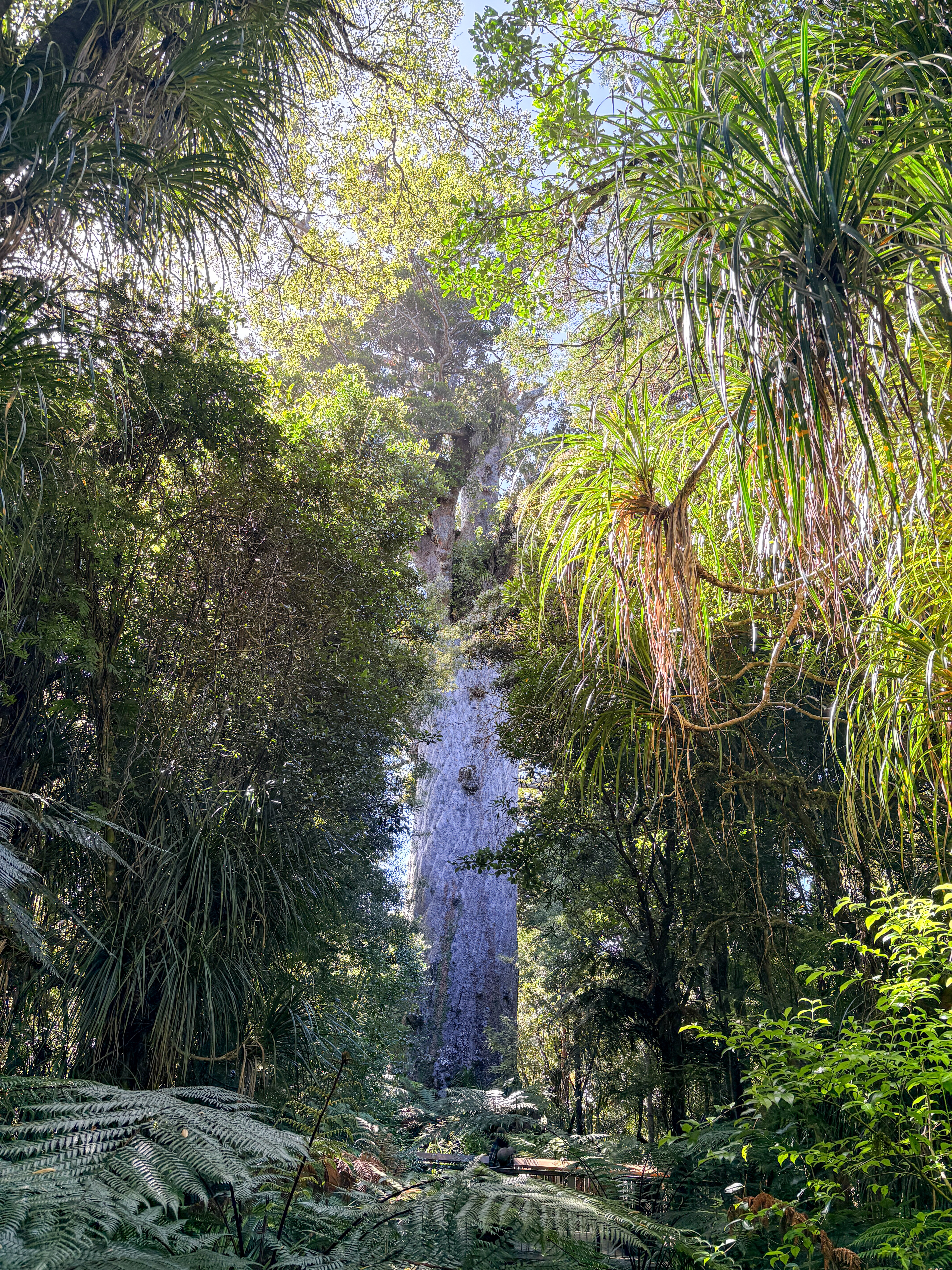
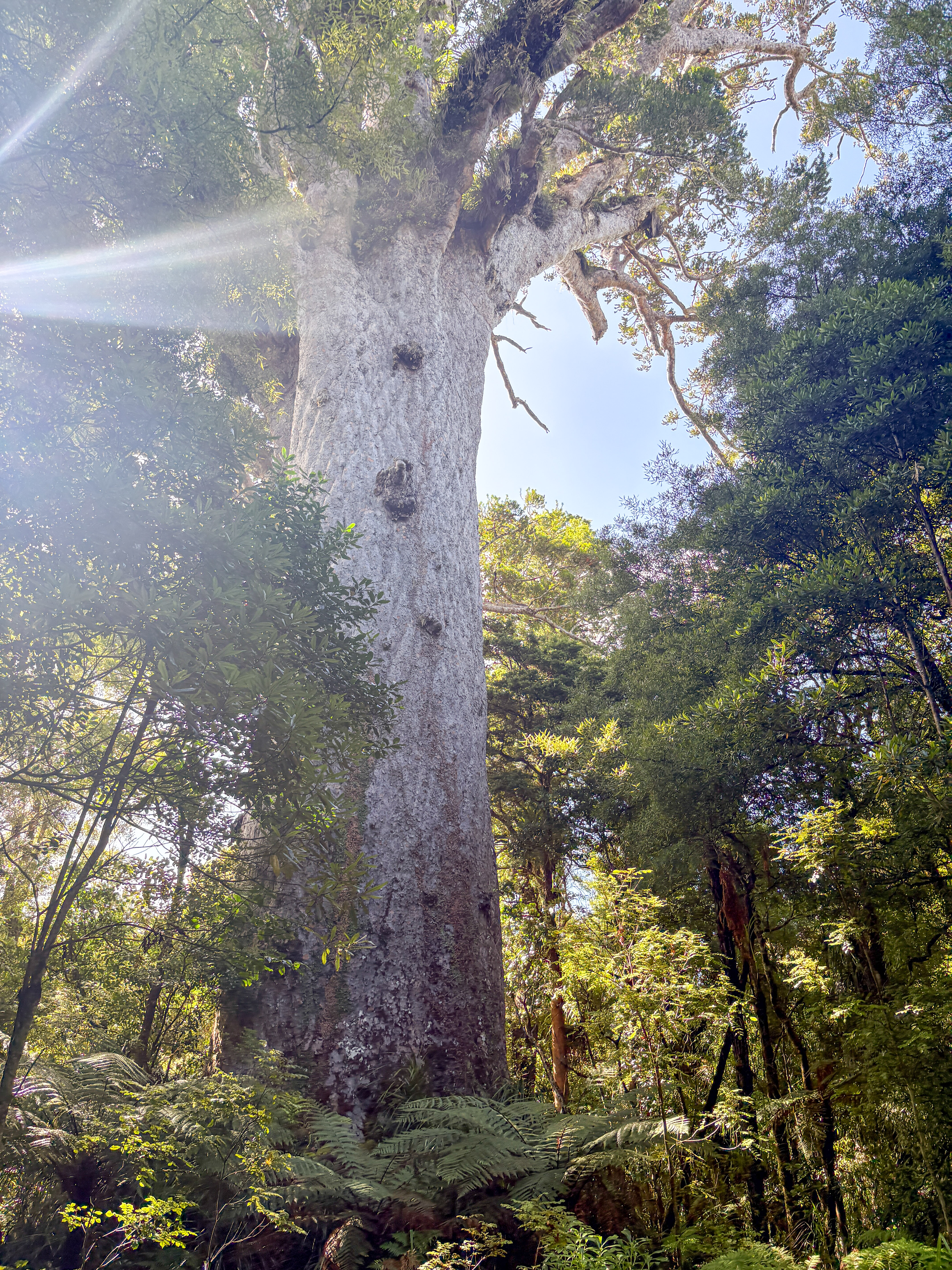
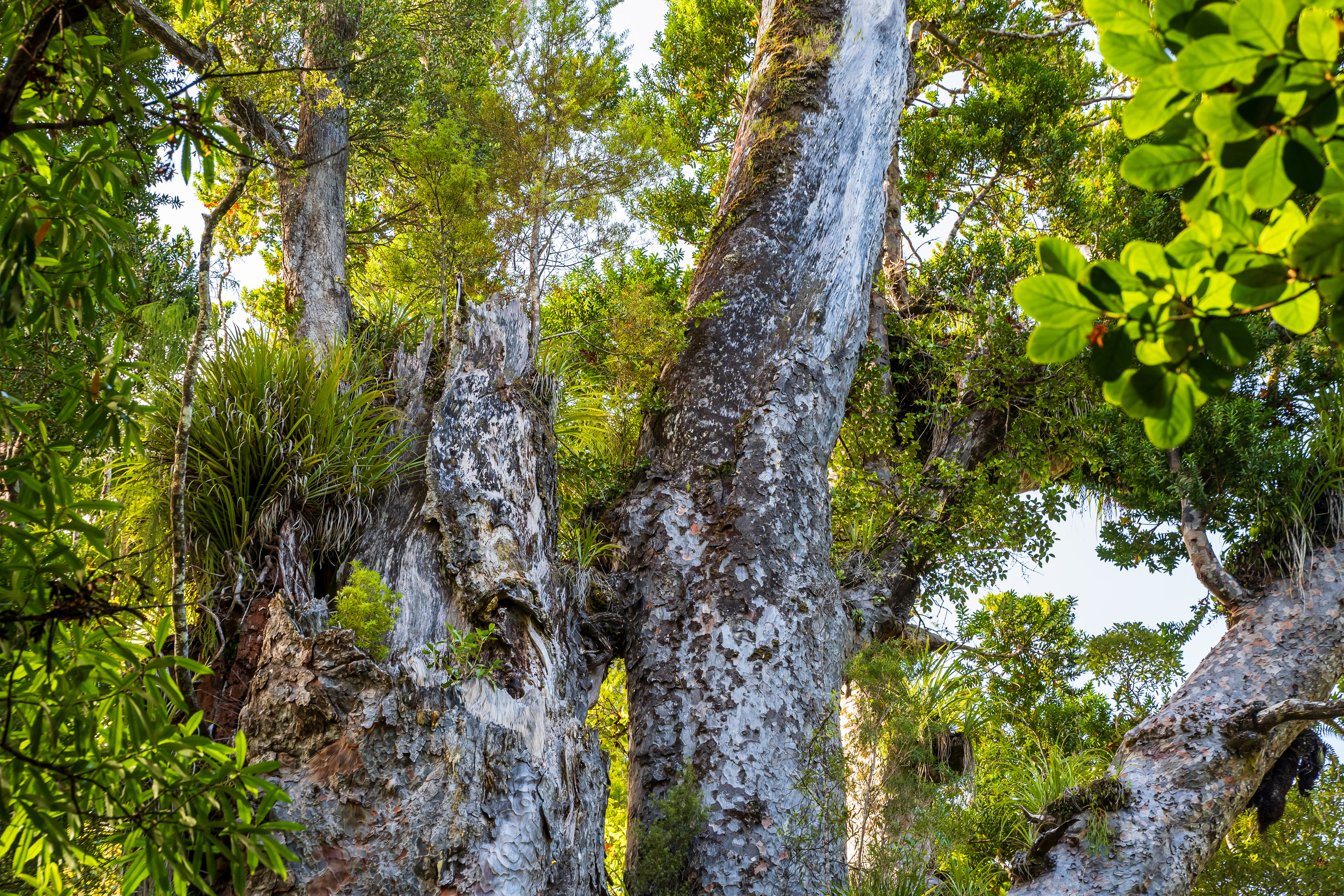
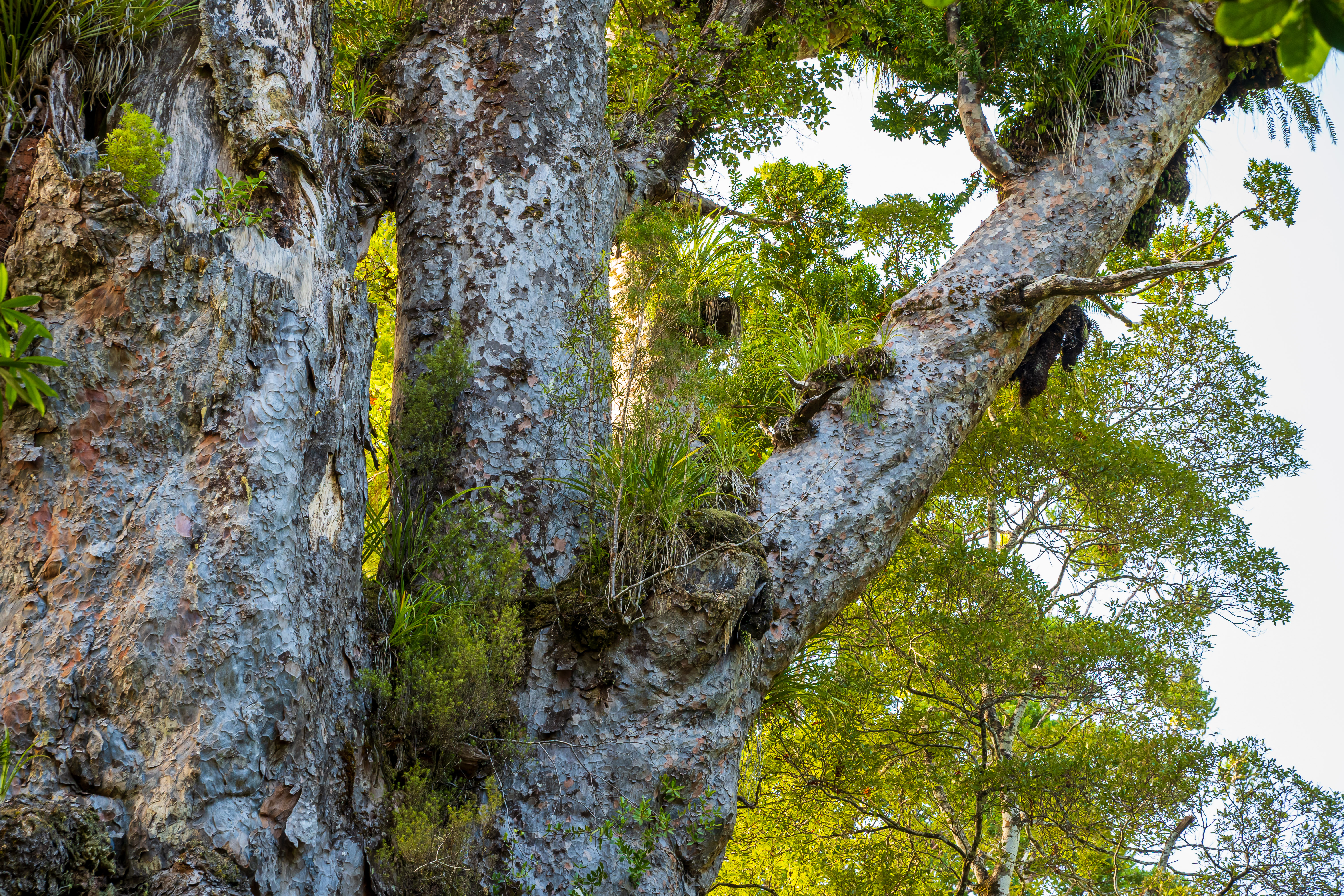
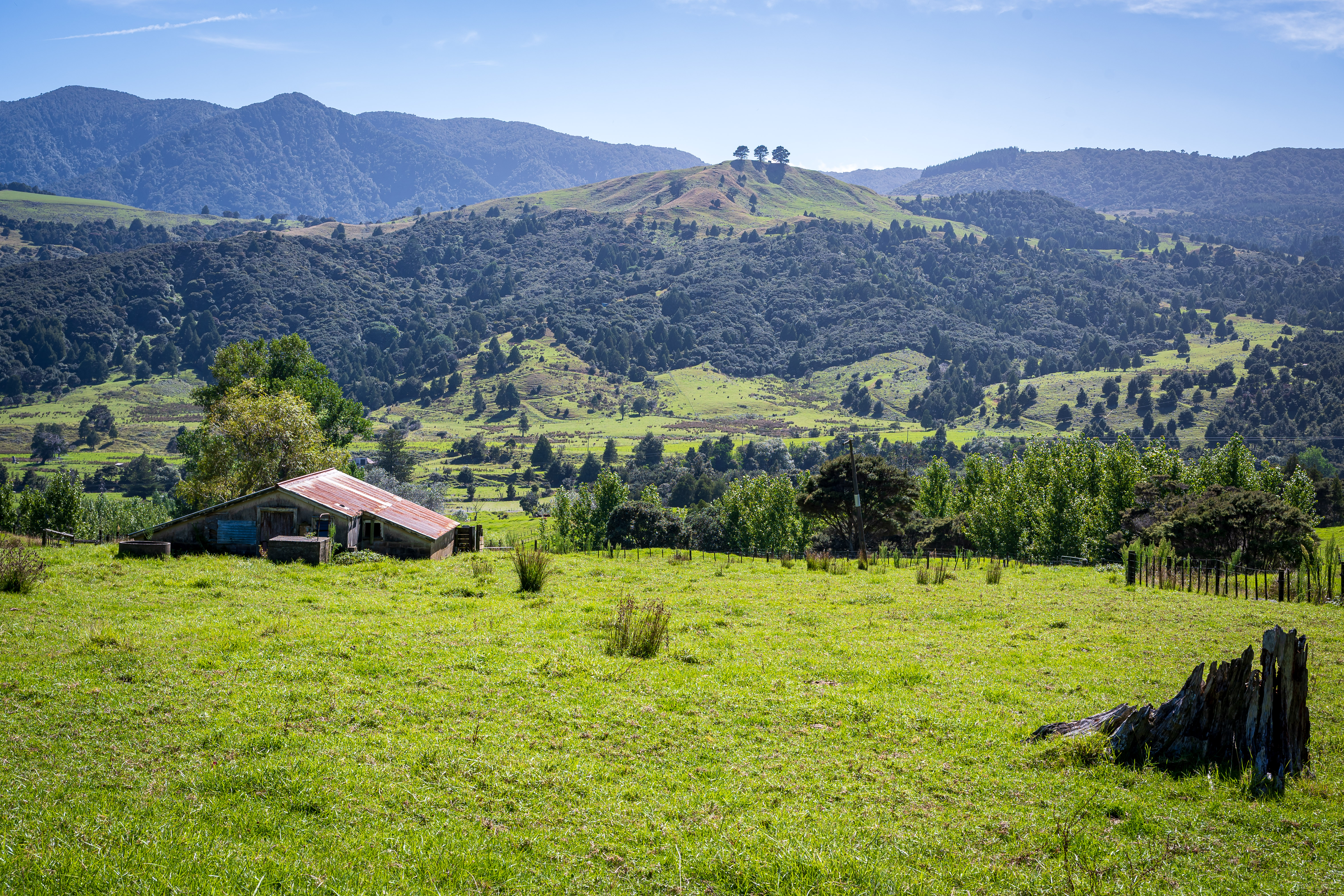
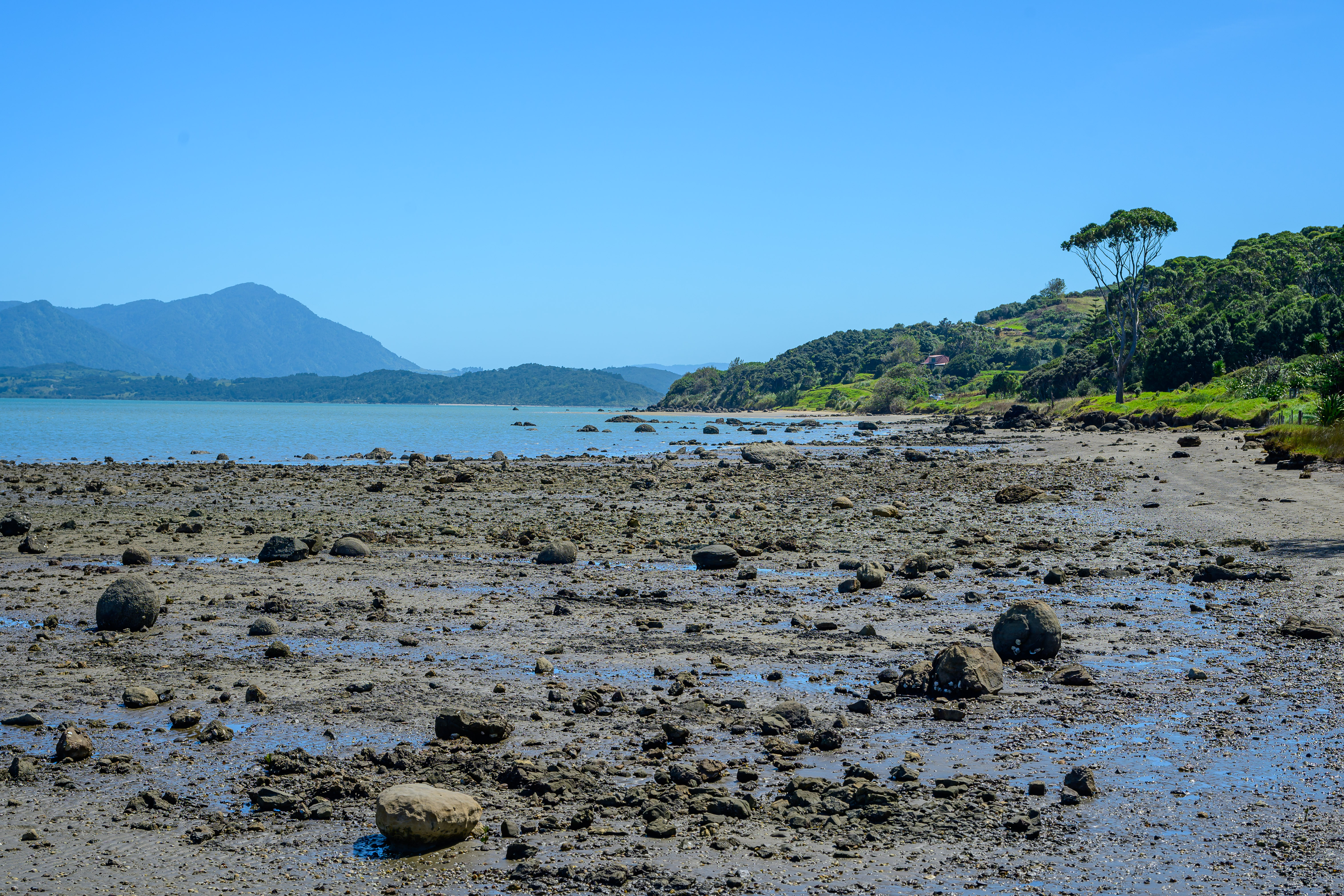
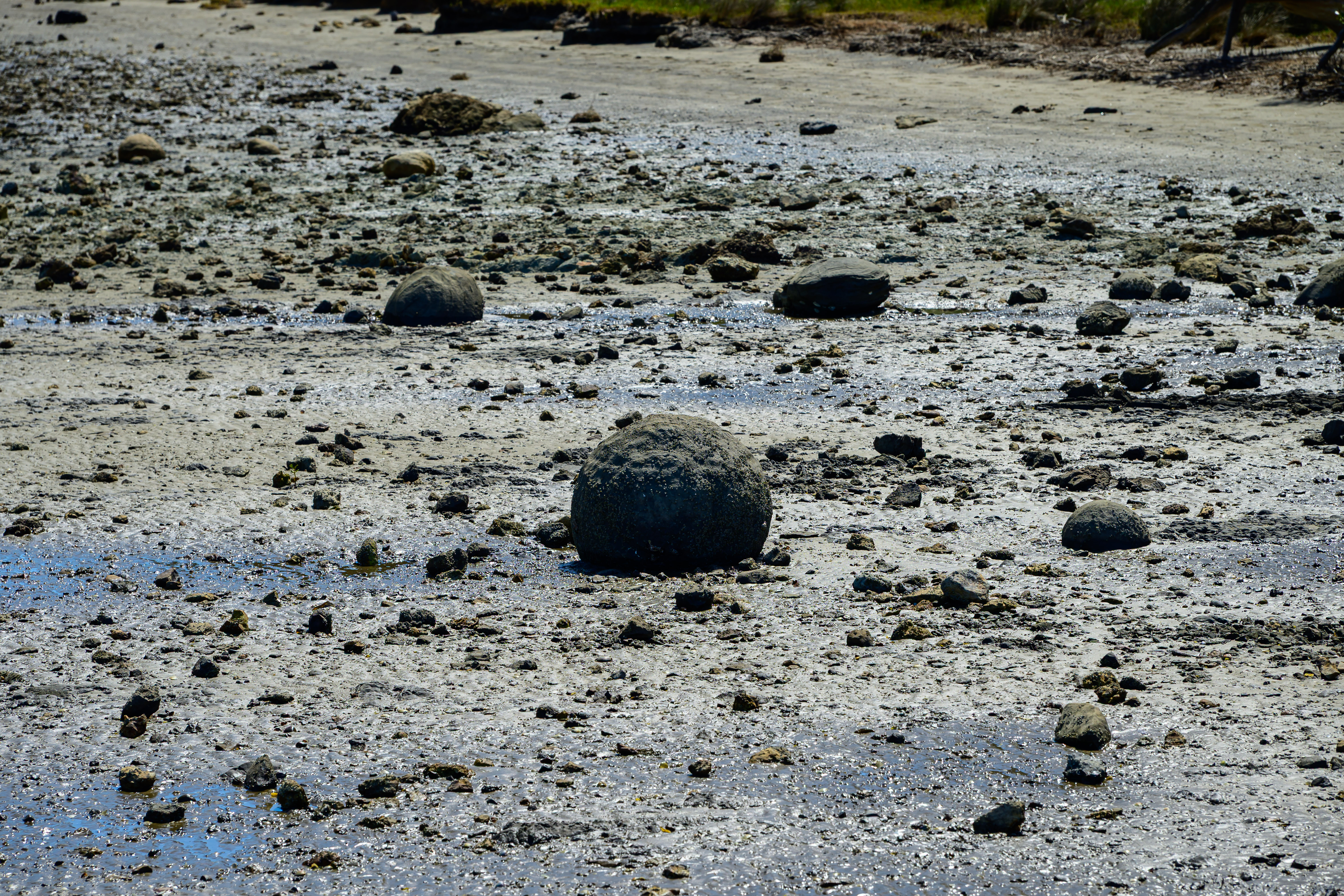
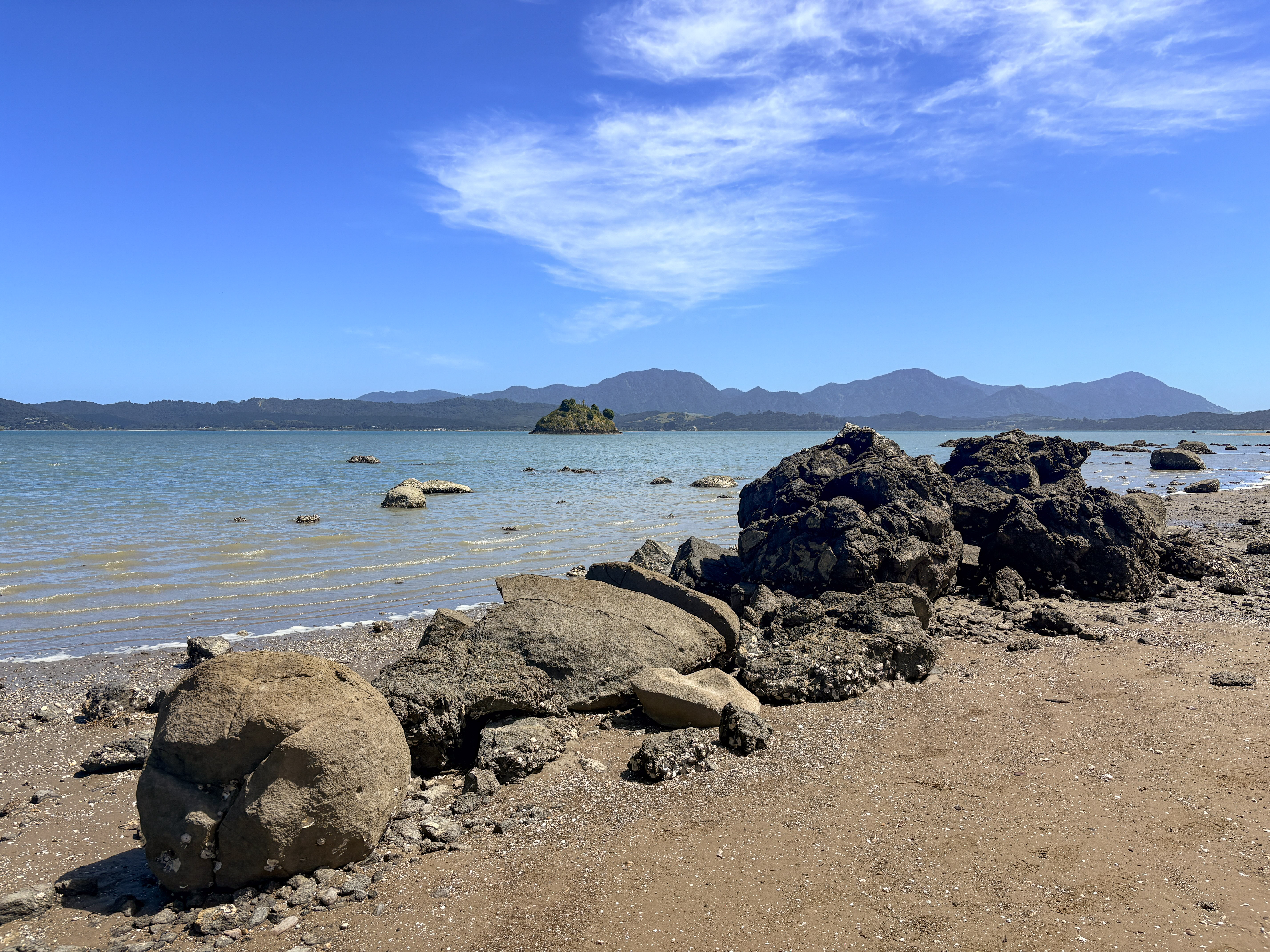
After some quiet time with the trees, I ventured west to the coast and to take in the Kouta Boulders. Perhaps not as impressive as suggested, but still neat to see. It was then back to enjoy a relaxing night at camp.
Day 4 (February 25)
Awake early, I enjoyed one last walk around the trails at Trounson. Such an amazing place, and I would come to regret leaving so soon. The campground is outstanding if quiet solitude among giant trees is your thing. It is mine.
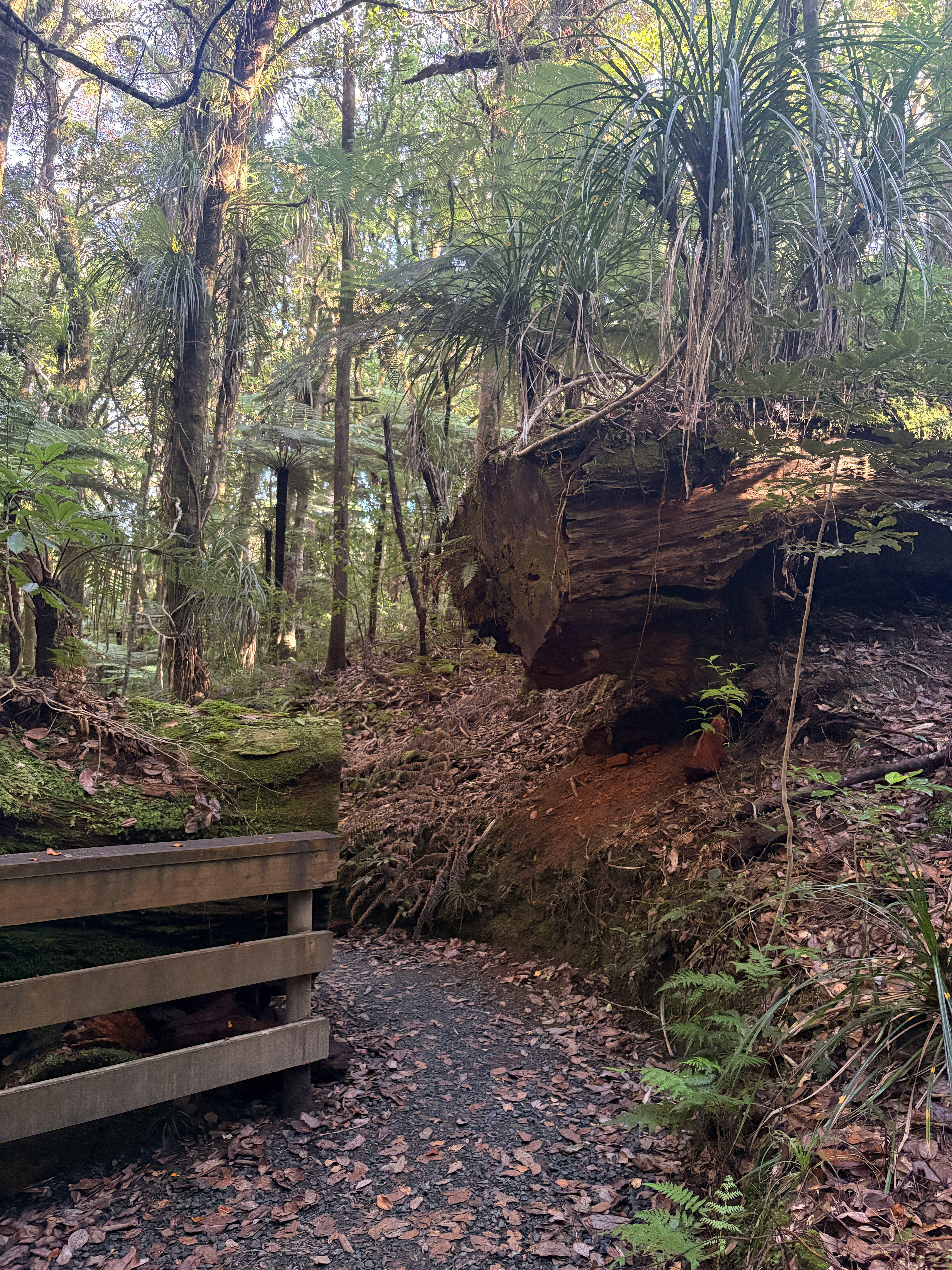
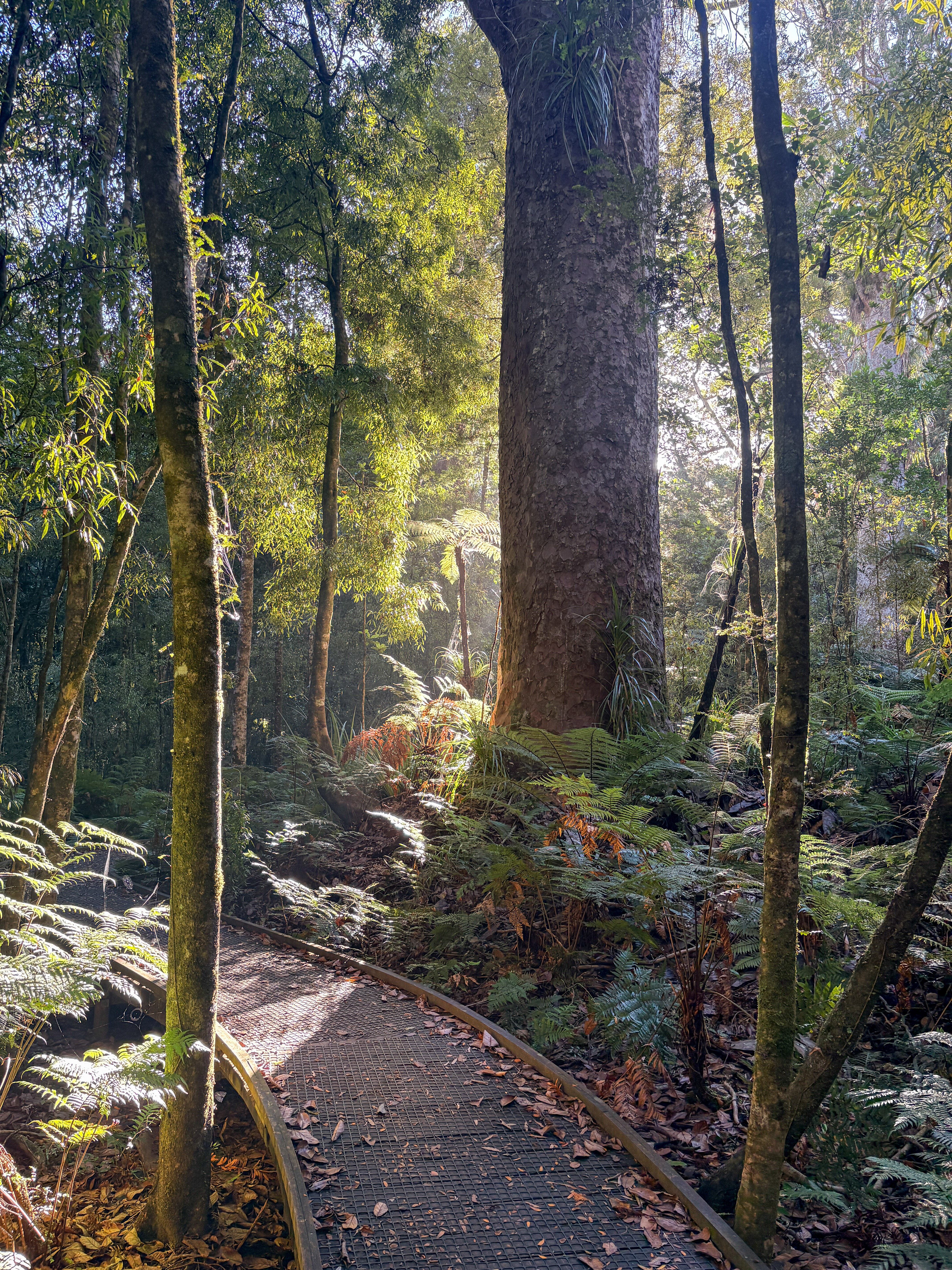
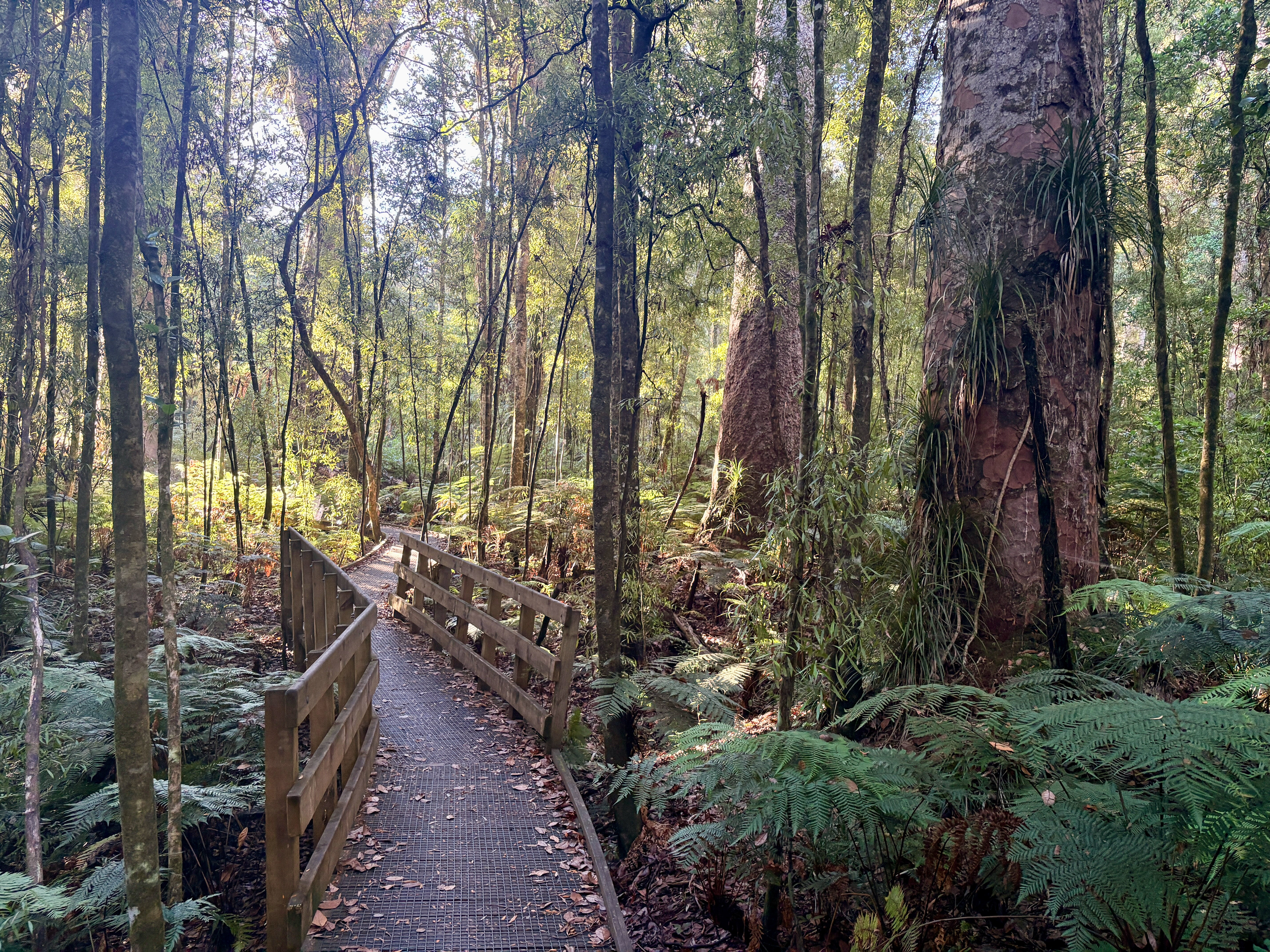
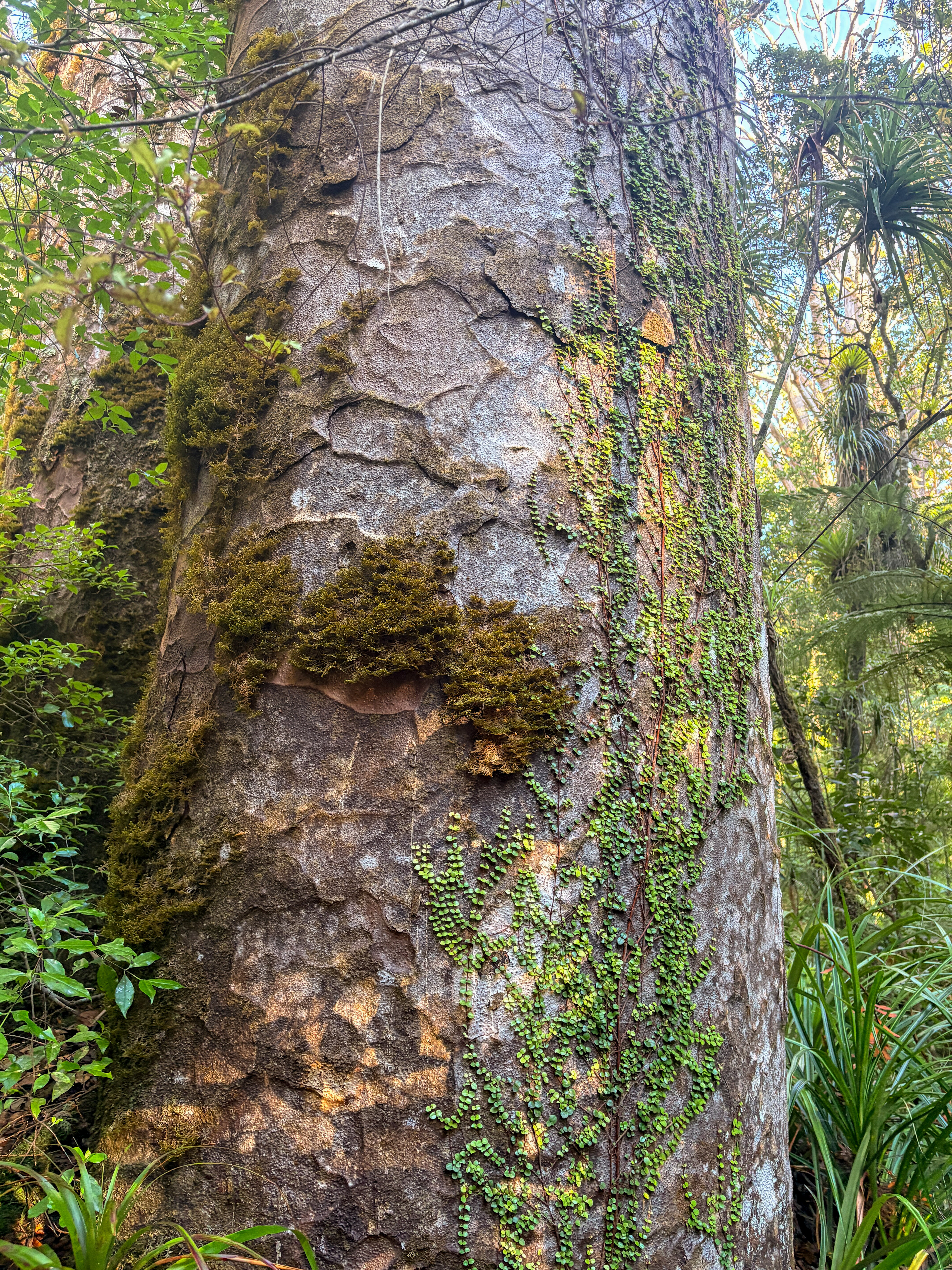
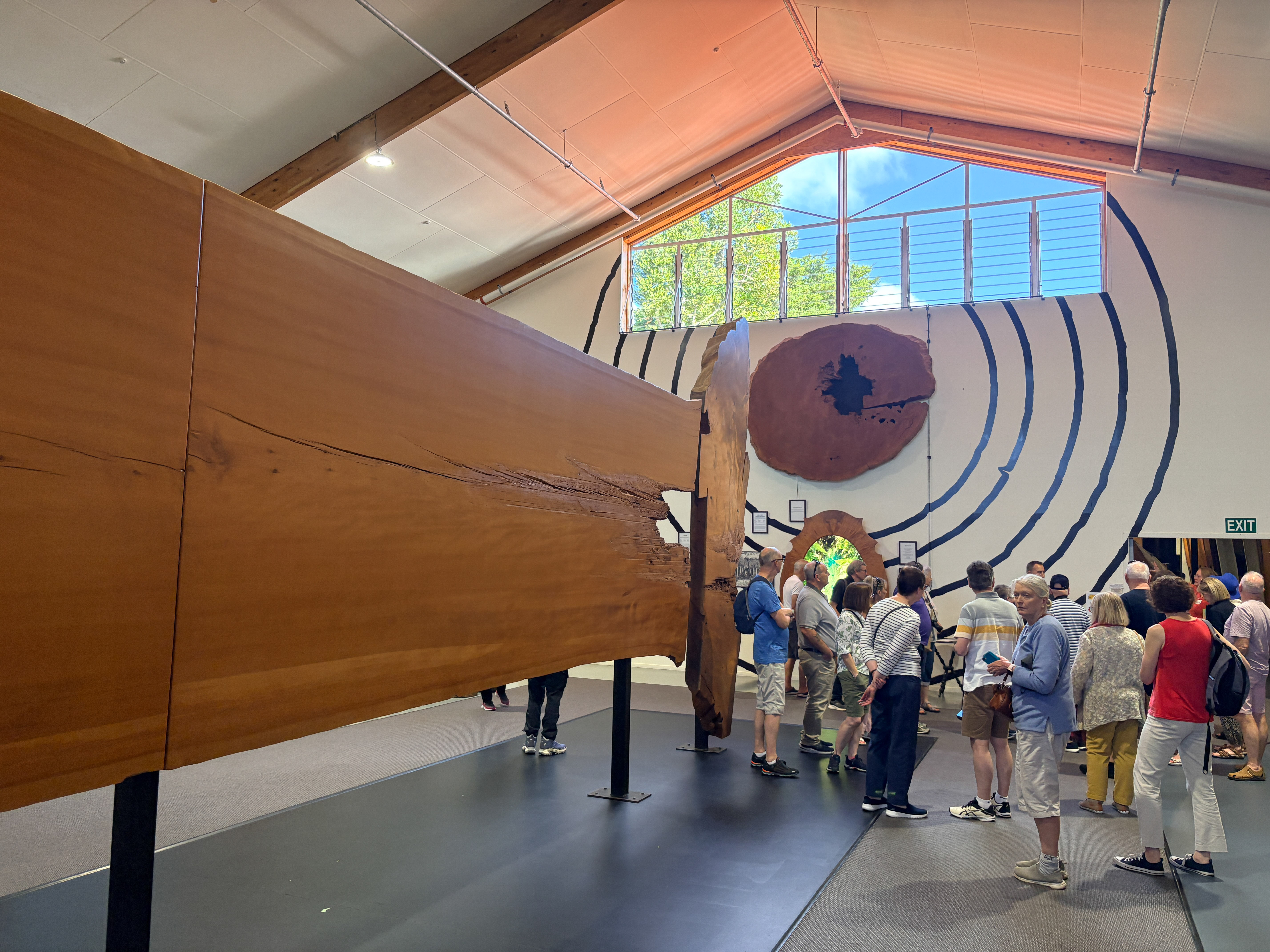
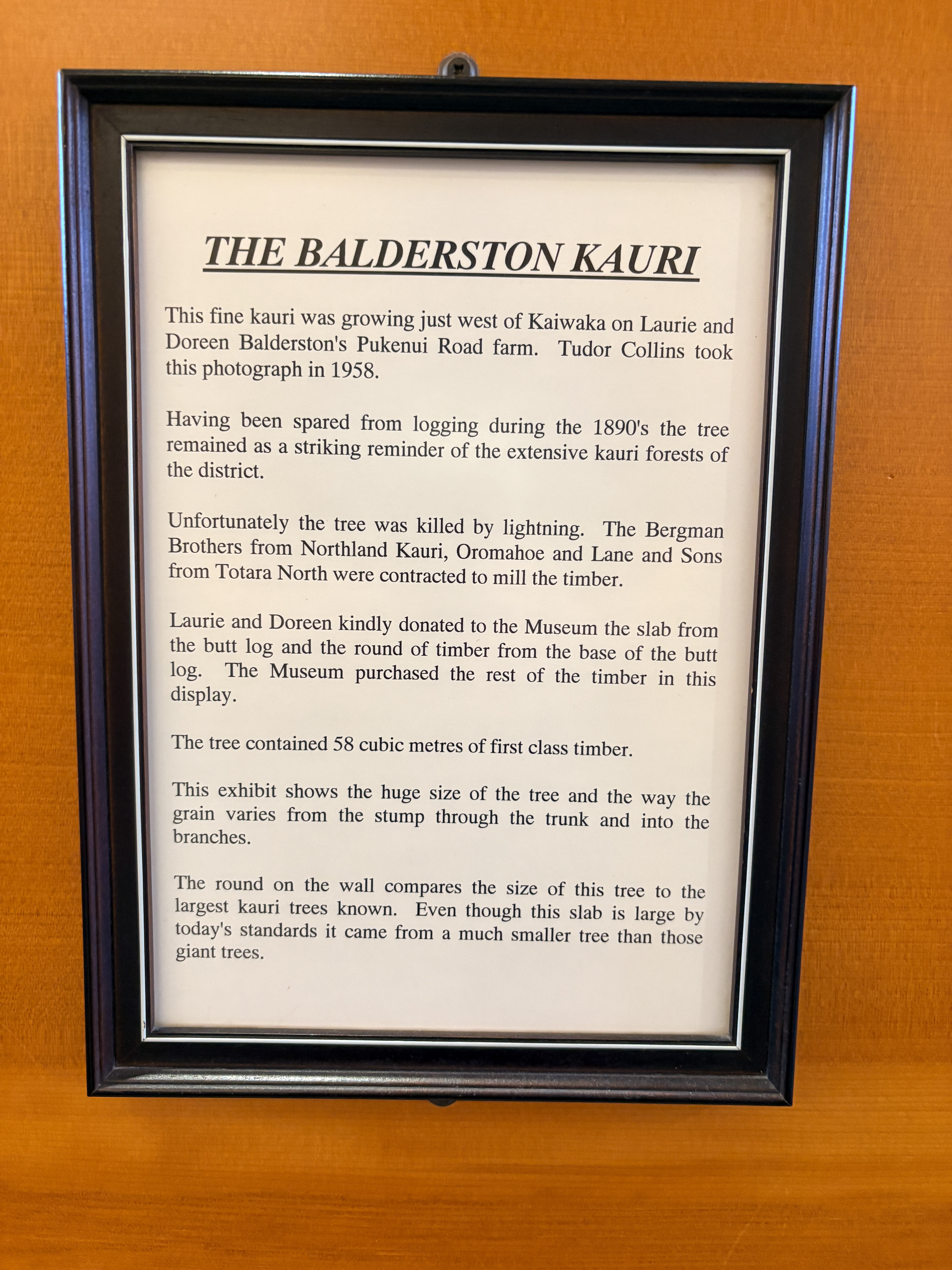
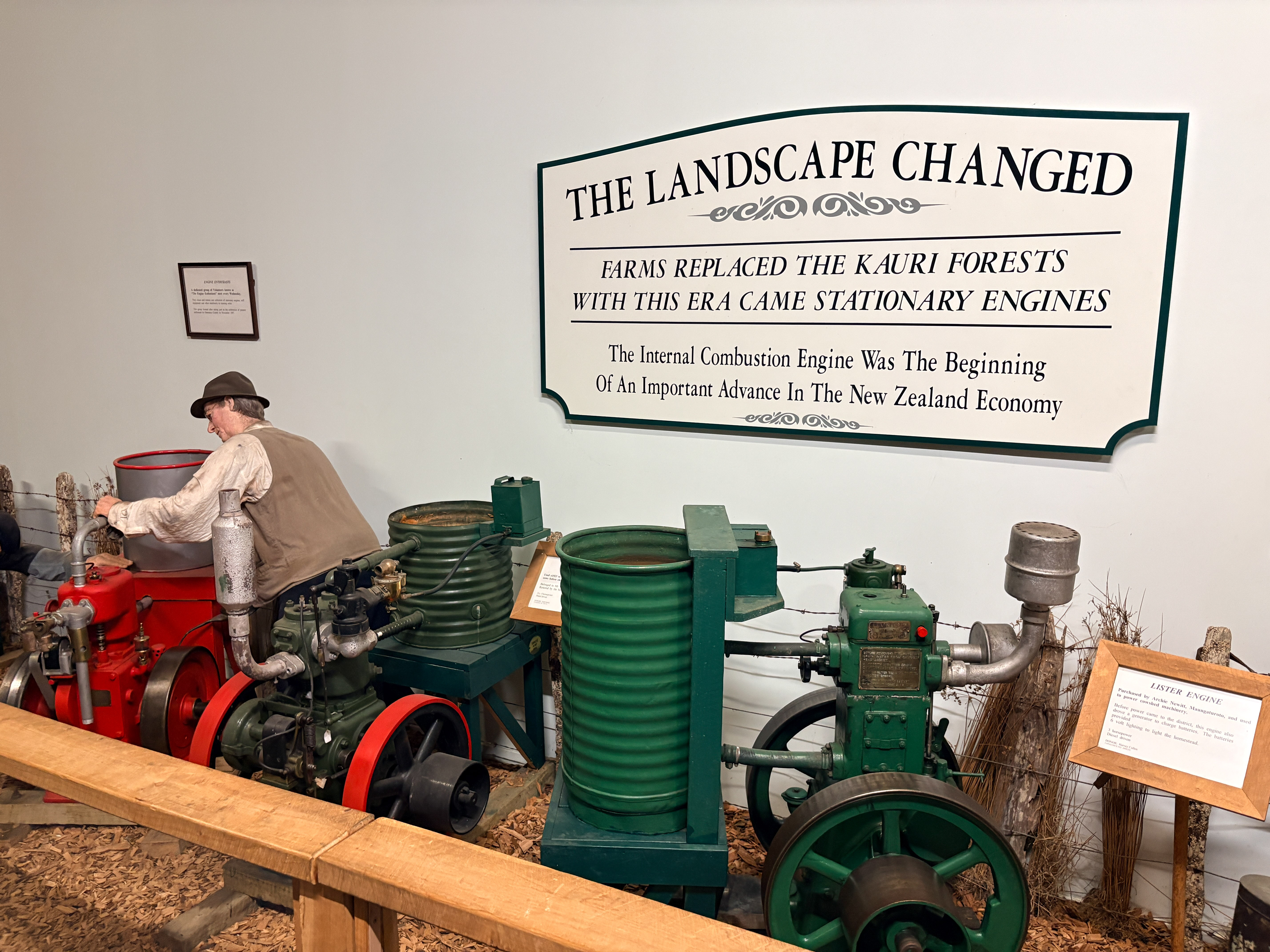
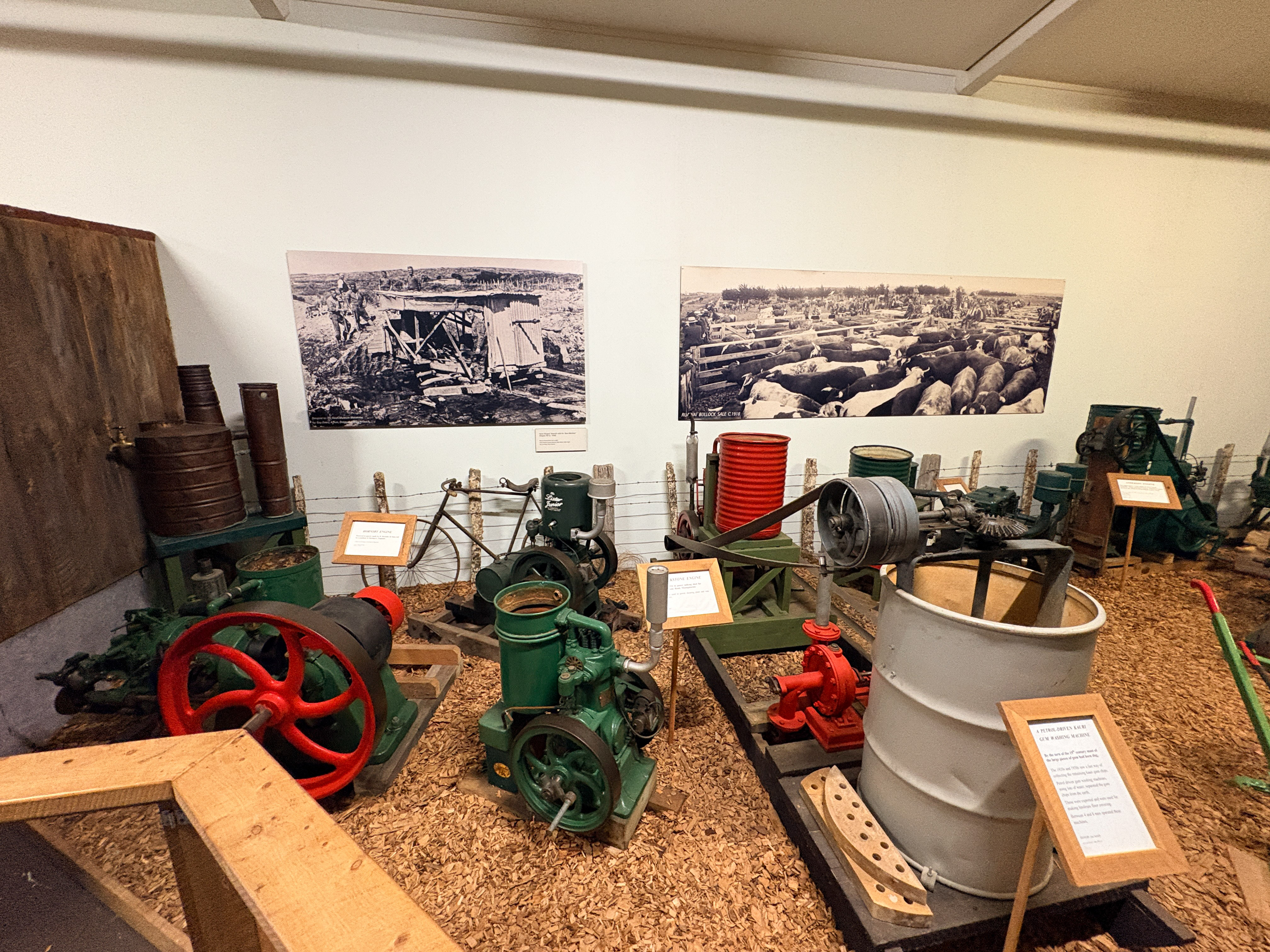
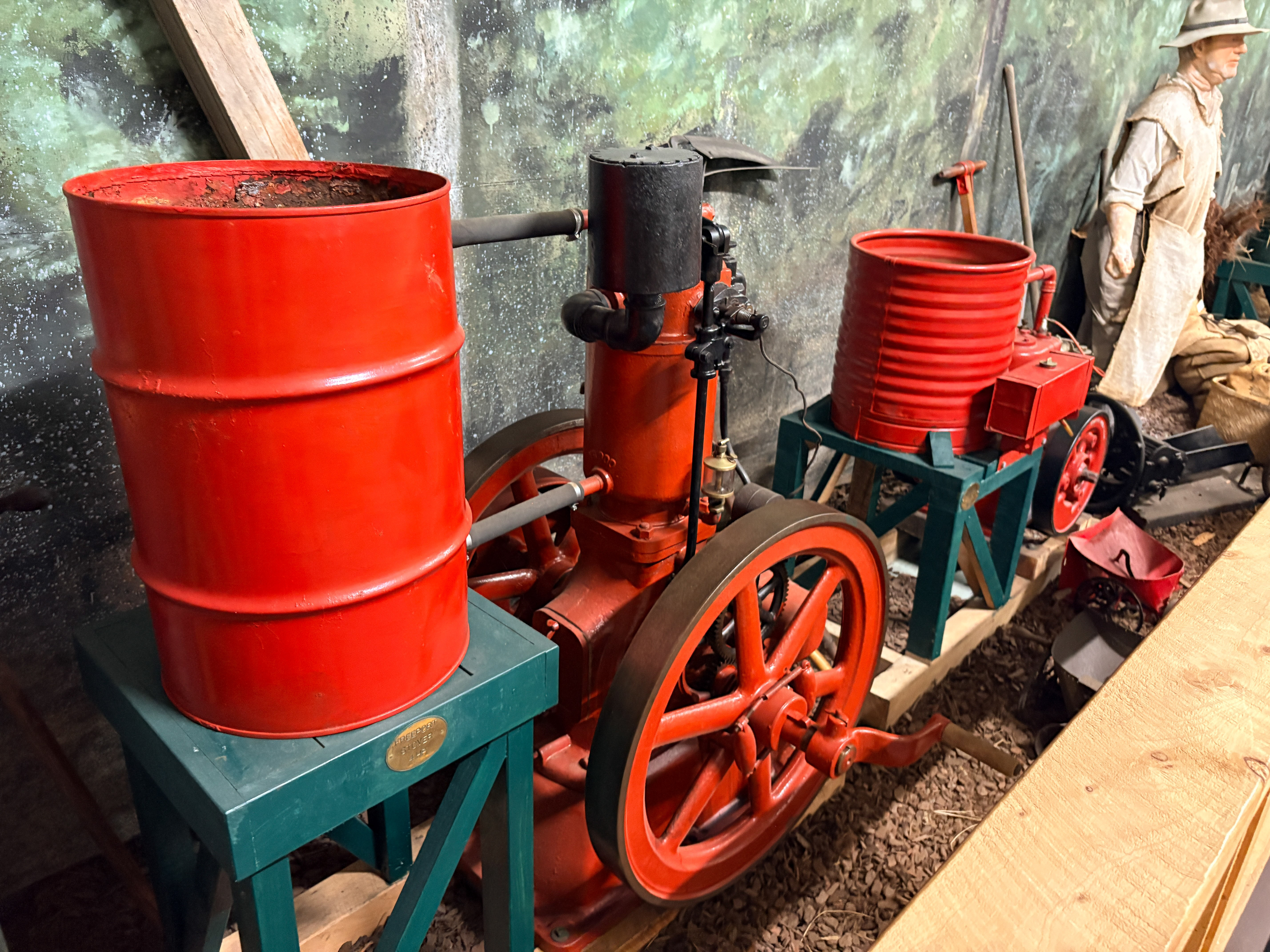
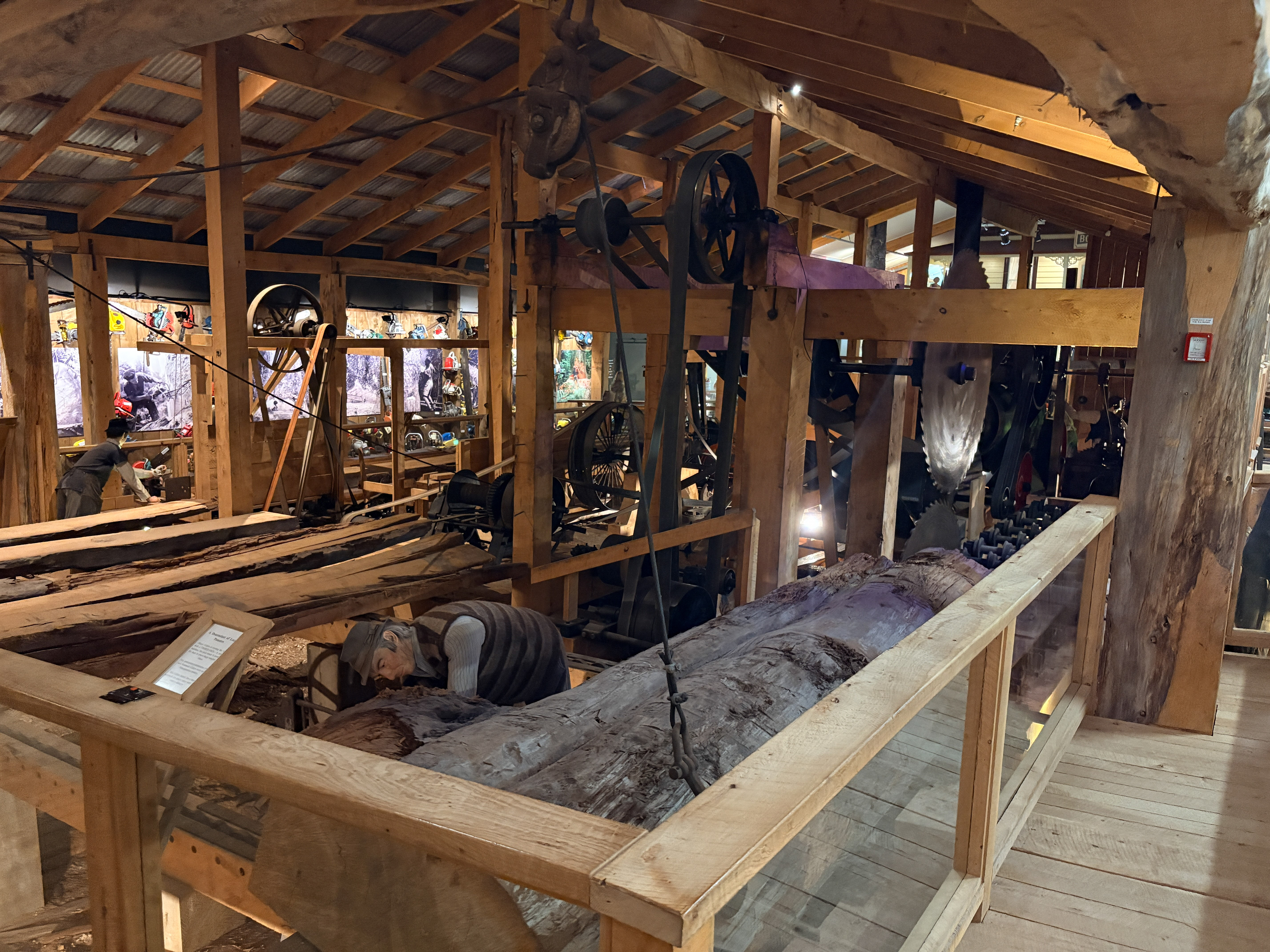
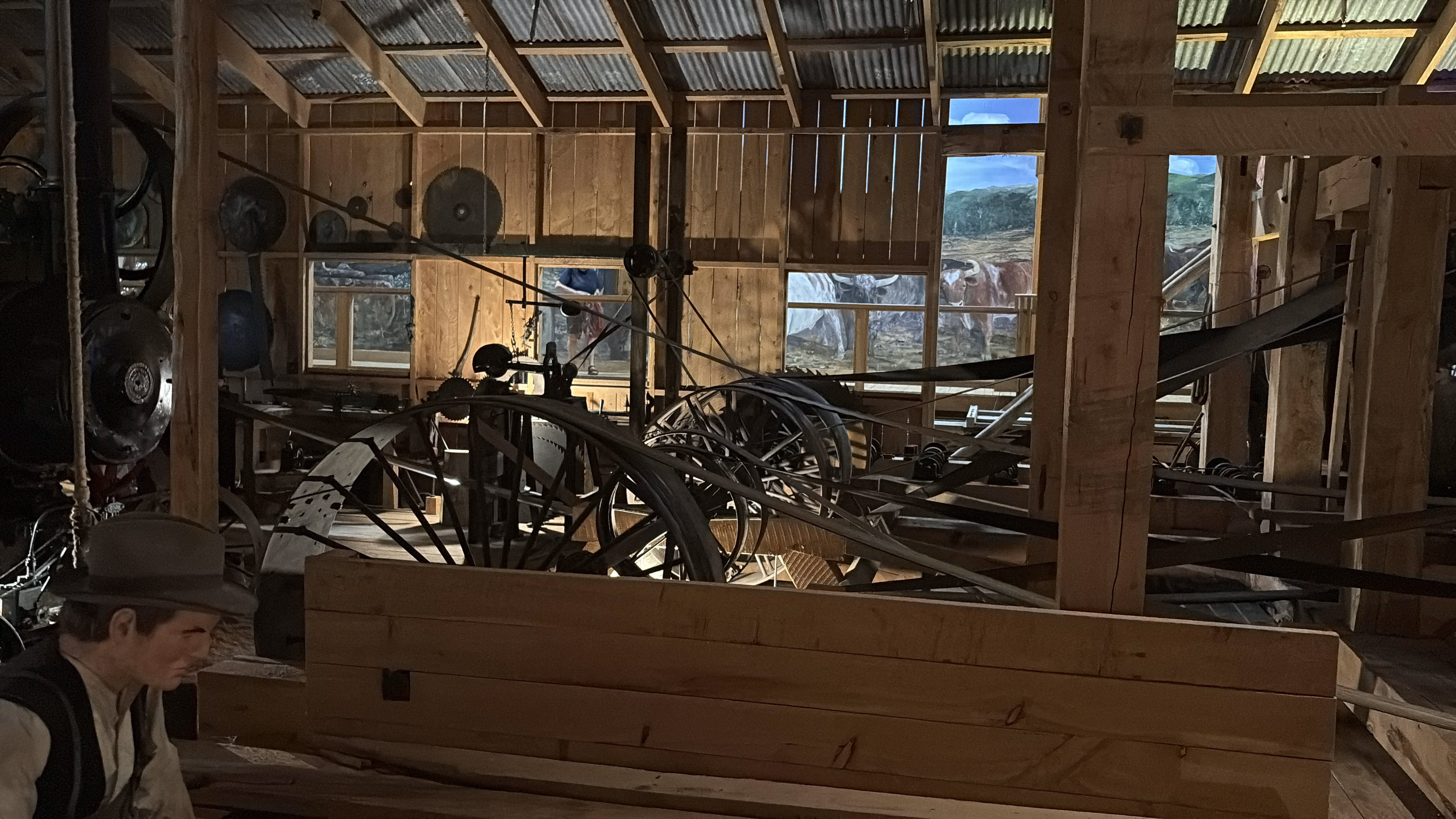
After the hike, I packed up camp and began my drive toward the south part of the North Island. Being awed by the trees, I was lured in by The Kauri Museum. I had assumed it would be a museum celebrating and honoring these impressive trees. Instead, it was a museum that honored and celebrated the industry and jobs the trees helped to create during the era of intense logging of the giant trees. Growing up with and still owning a few hit and miss engines, I was especially drawn to that part of the museum. While like most forests, I wished our species had taken greater care to preserve a sustainable forest, the achievements of the men and women who harvested the trees remains impressive as well.
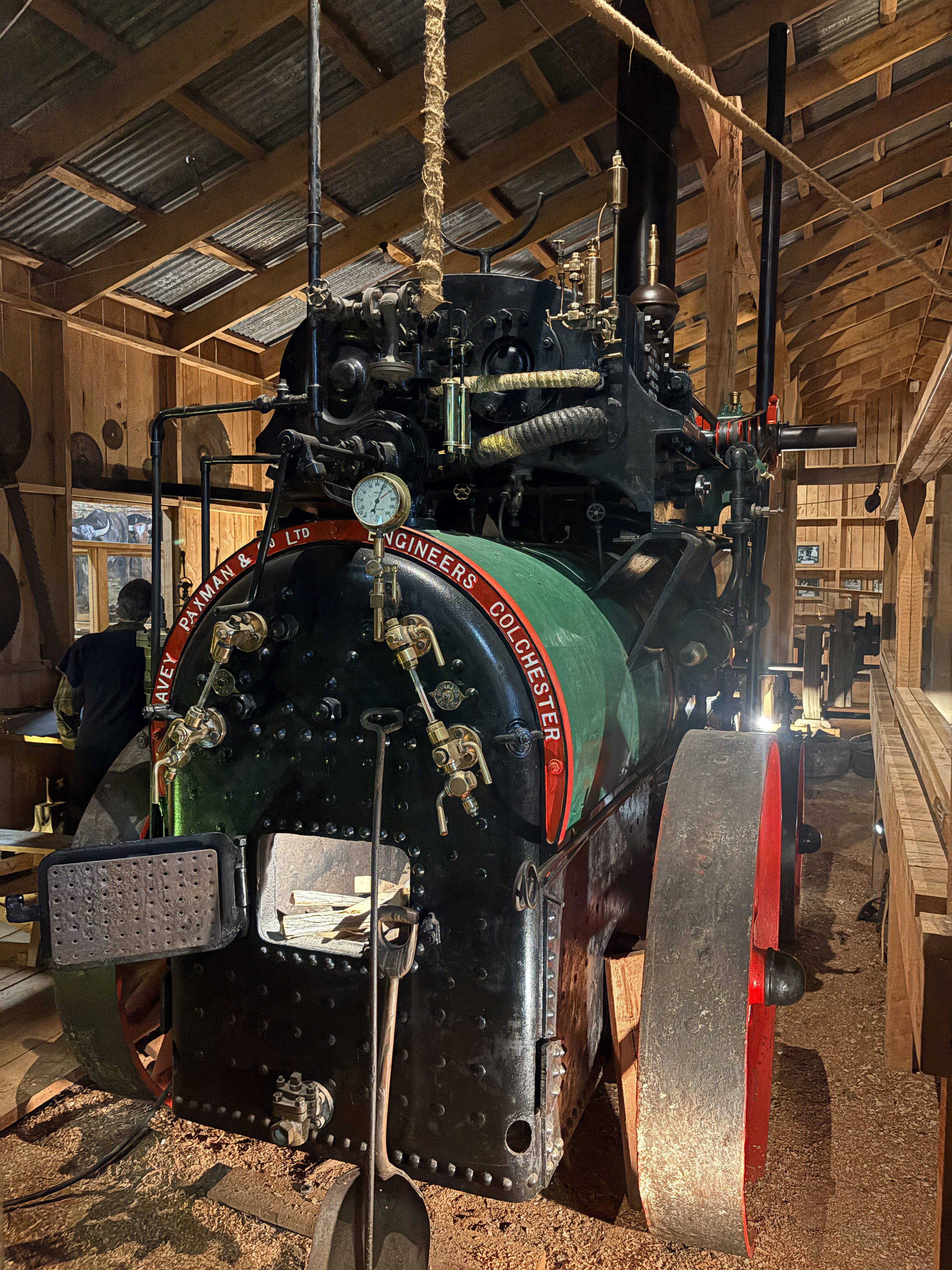
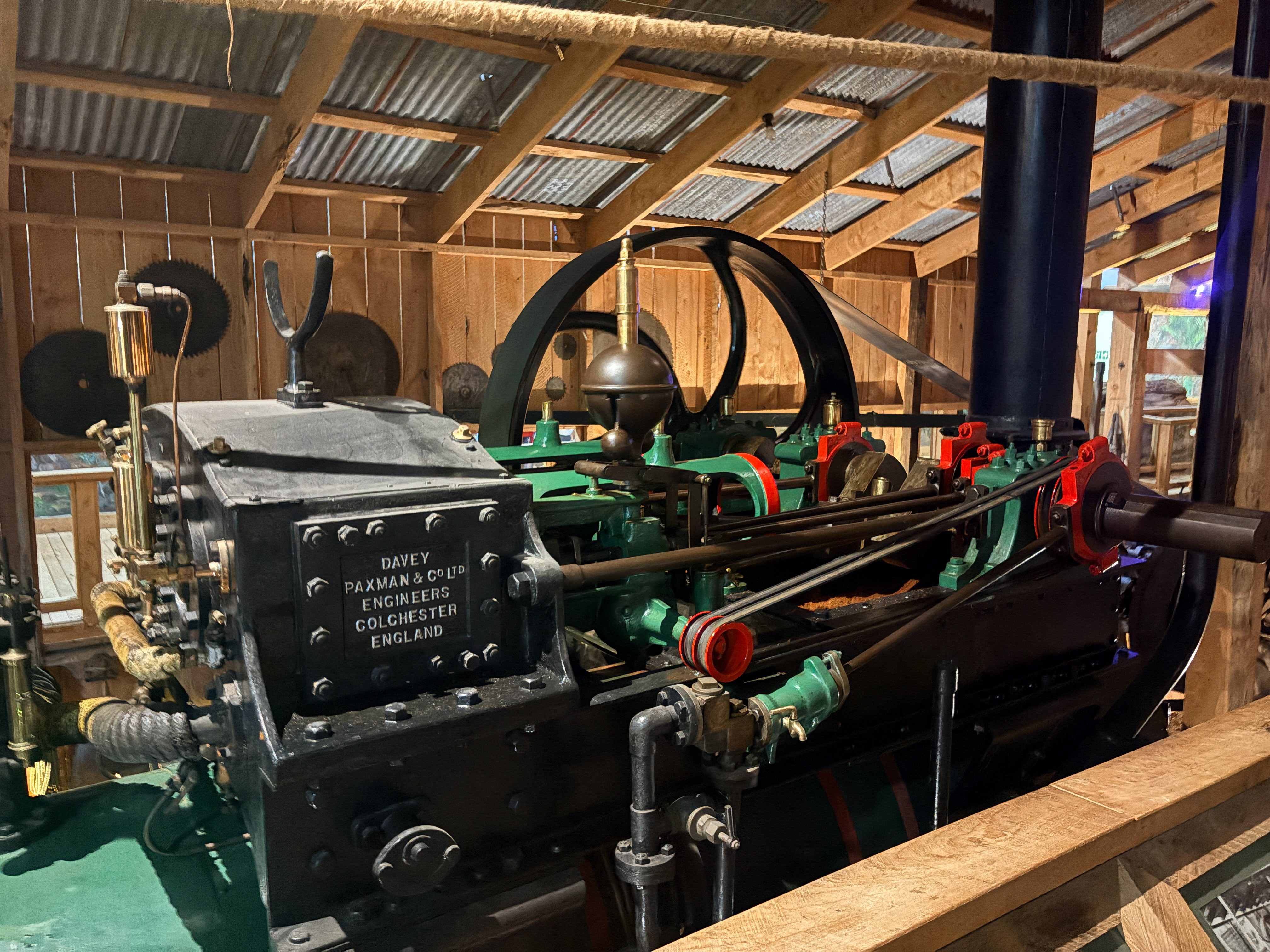
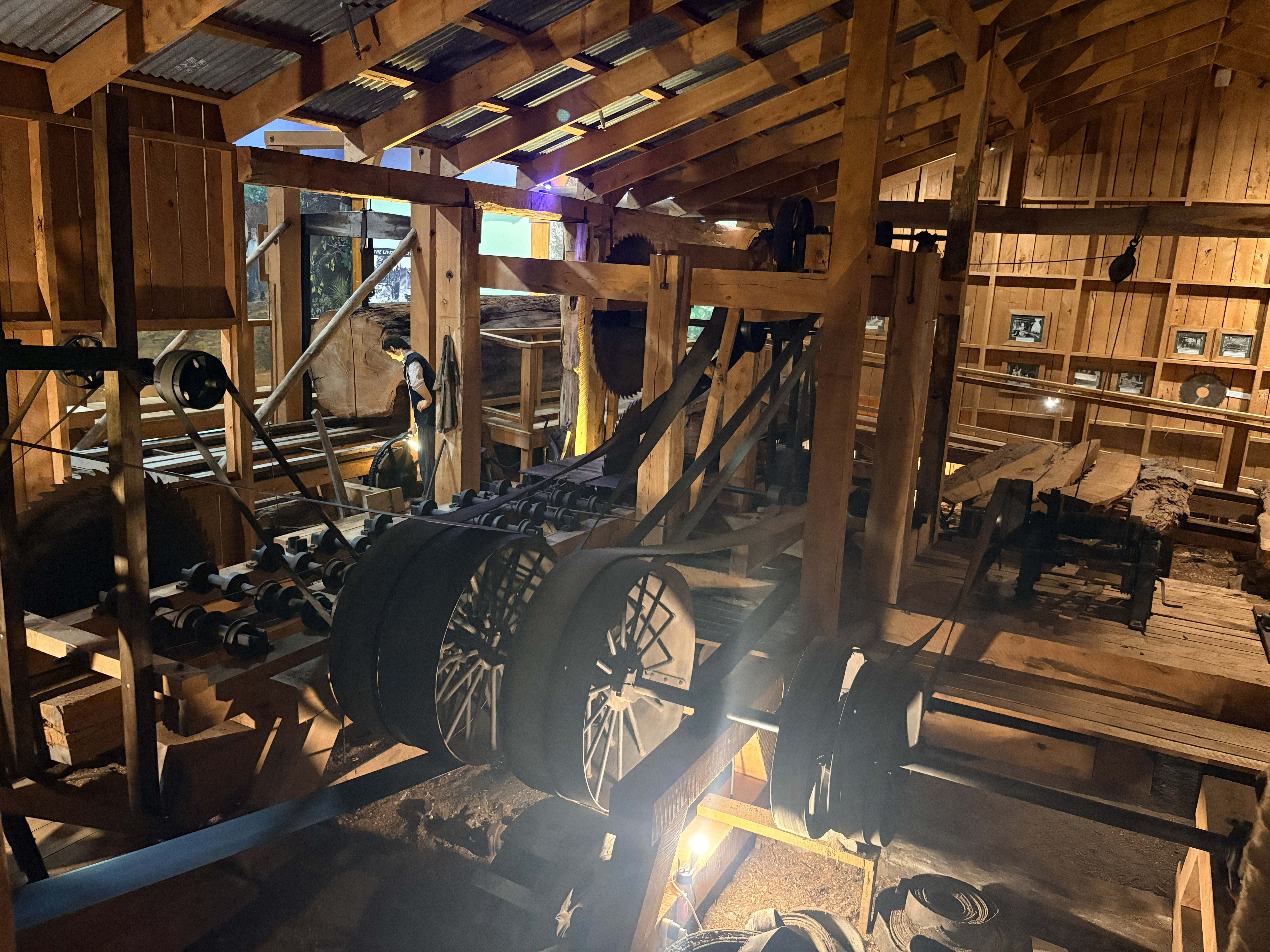
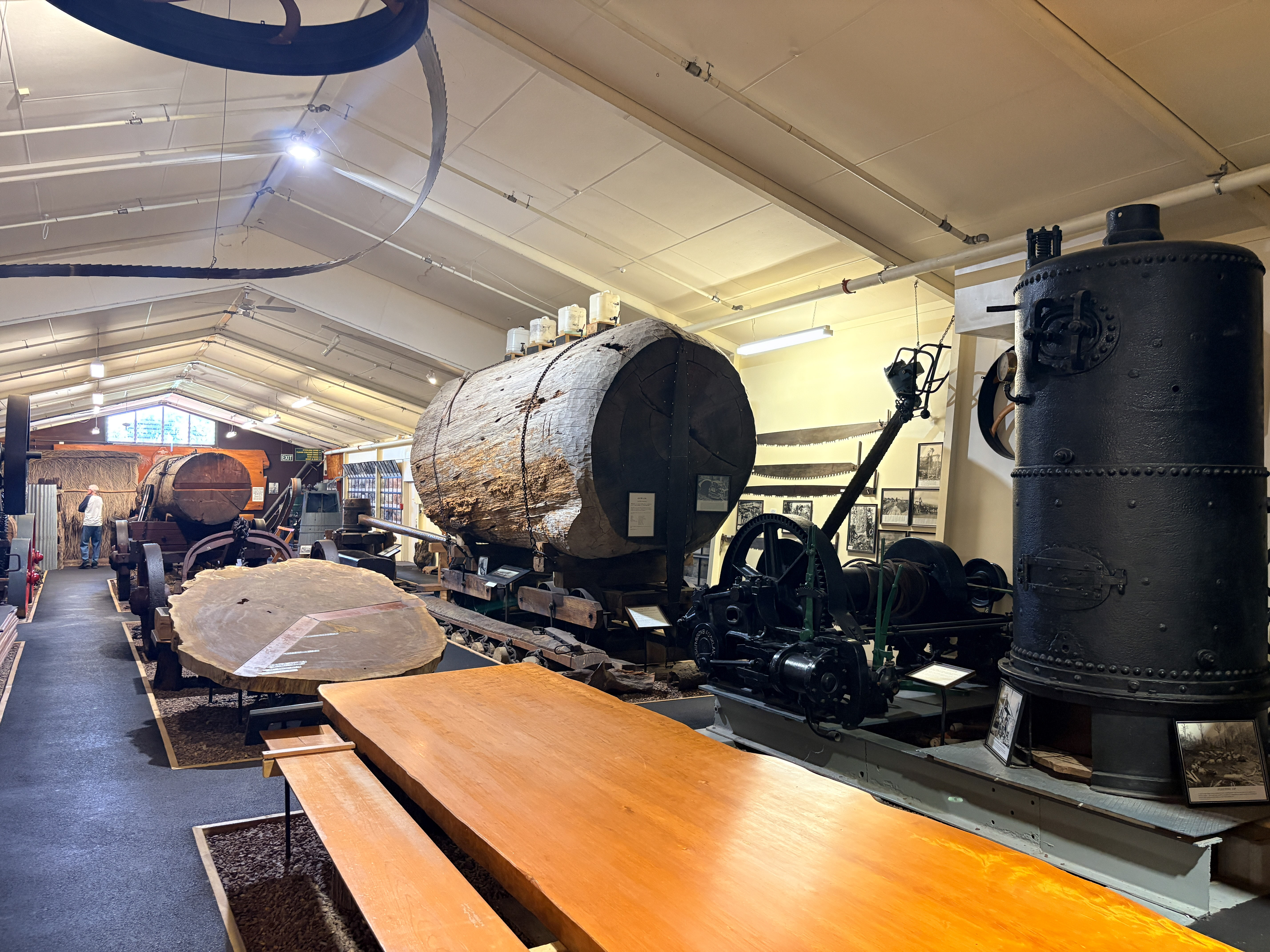
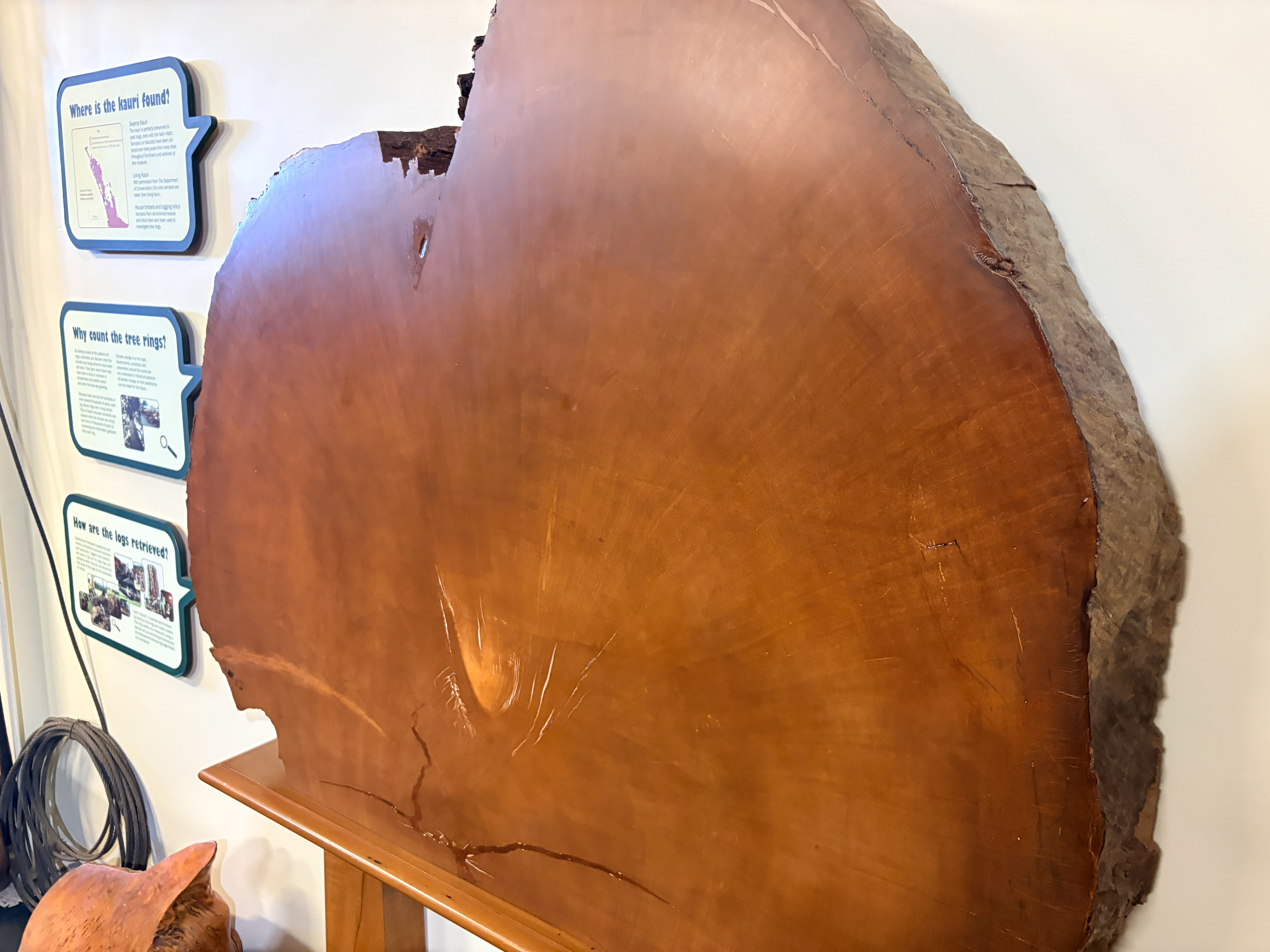
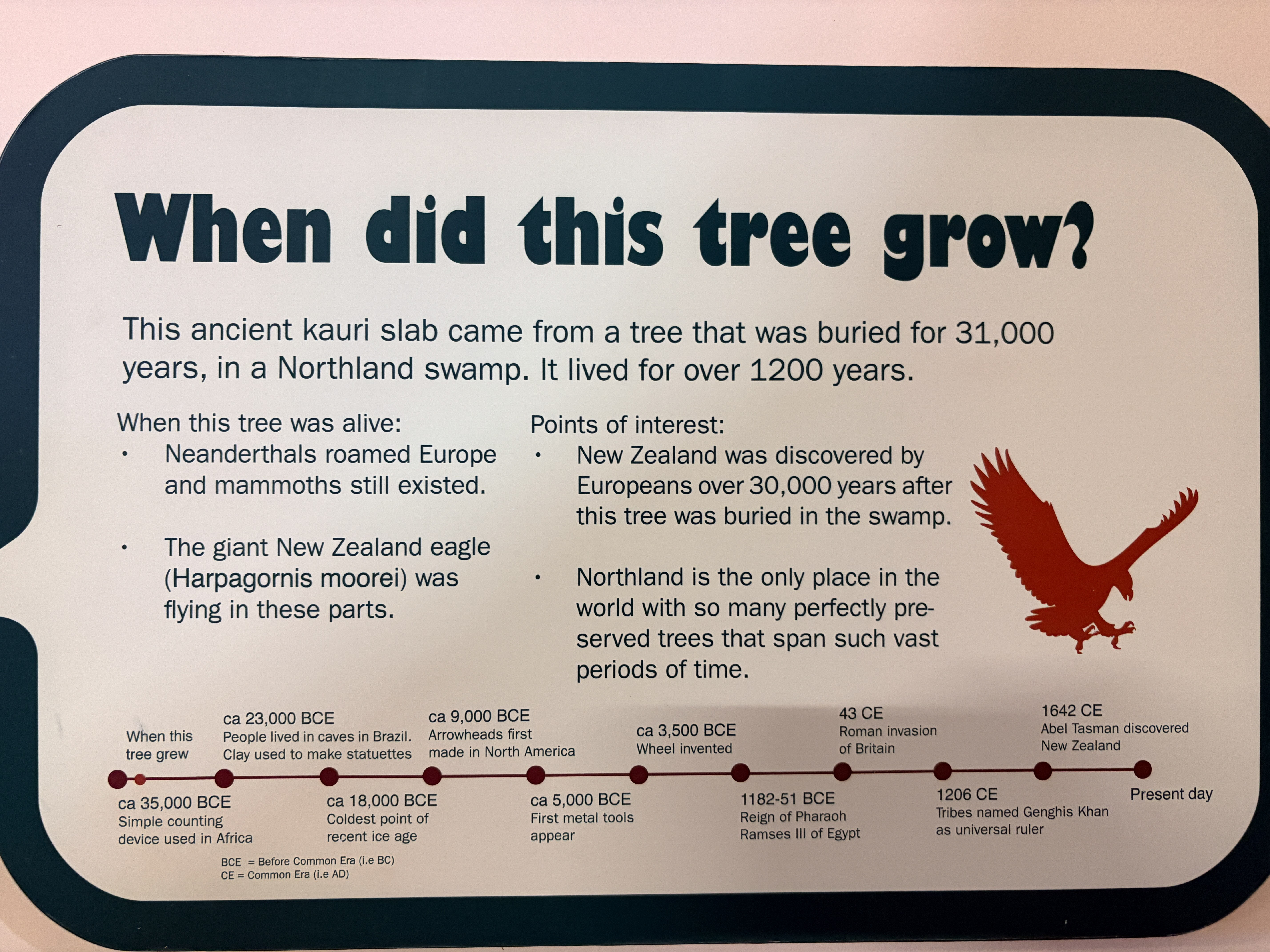
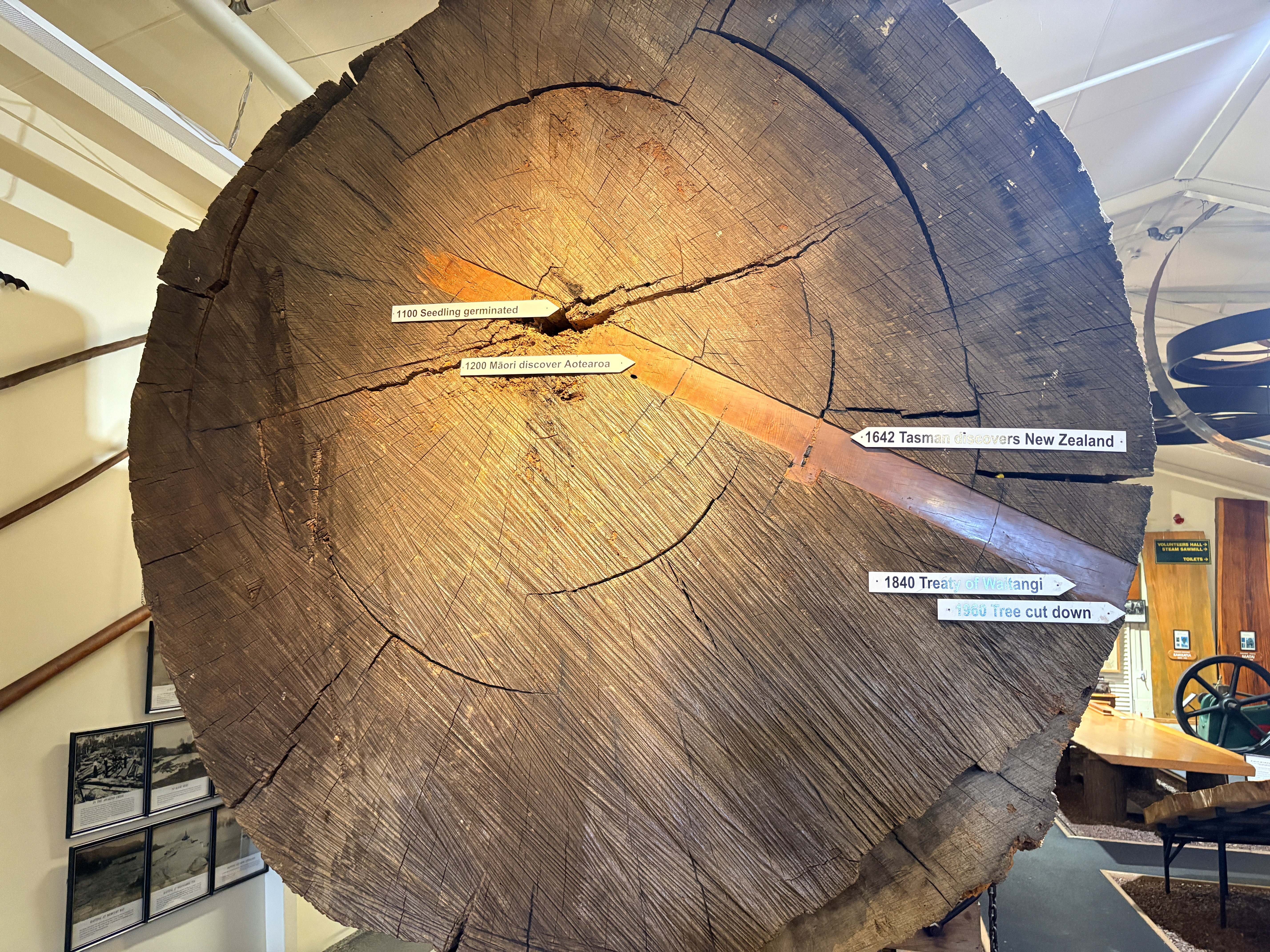
The next many hours were a power drive, ending in weariness at the Seaview Holiday Park just north of the Taranaki region along the west coast of the island. This park is more of a campground that people live at, but I found a spot and slept well.
Taranaki & a Slice of AmeriCaRna
Day 5 ( February 25)
This was a bit of an uninspired lazy day. Perhaps a week of travel catching up, perhaps the departure from quiet forests. After a slow start, I moved camp over to the North Egmont Retreat, an excellent private campground with a great view of Mount Taranaki, which is part of Egmont National Park.
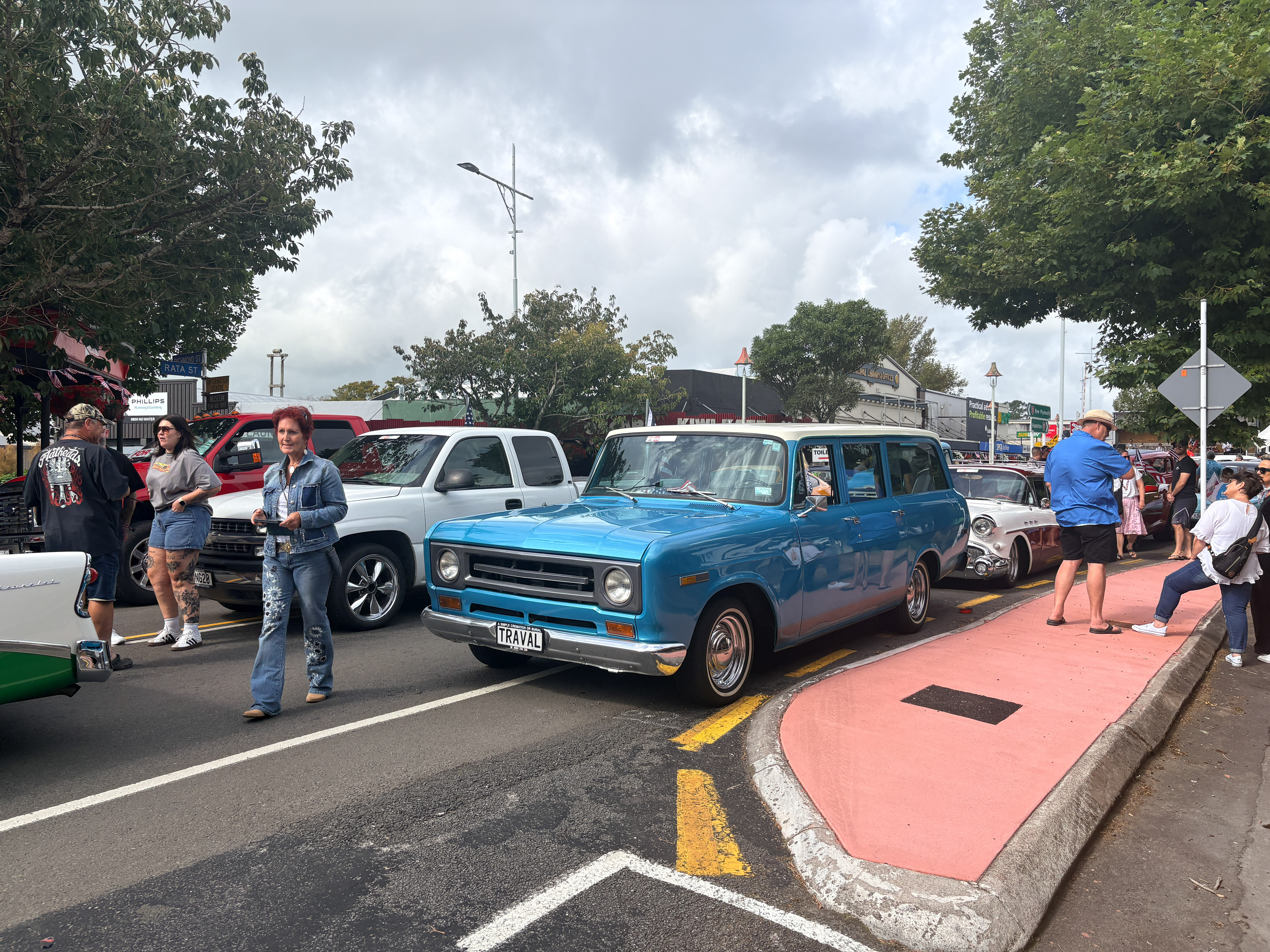
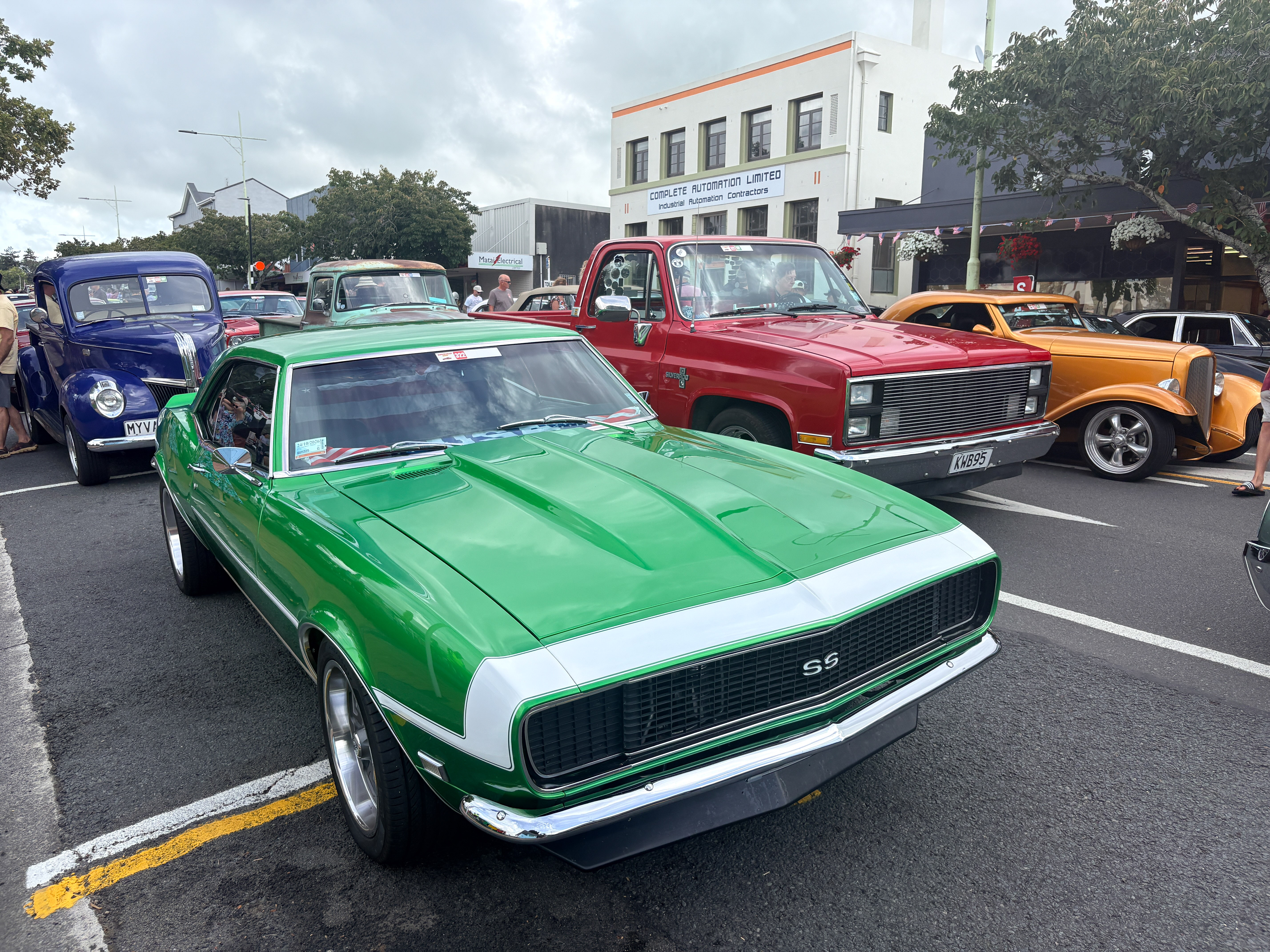
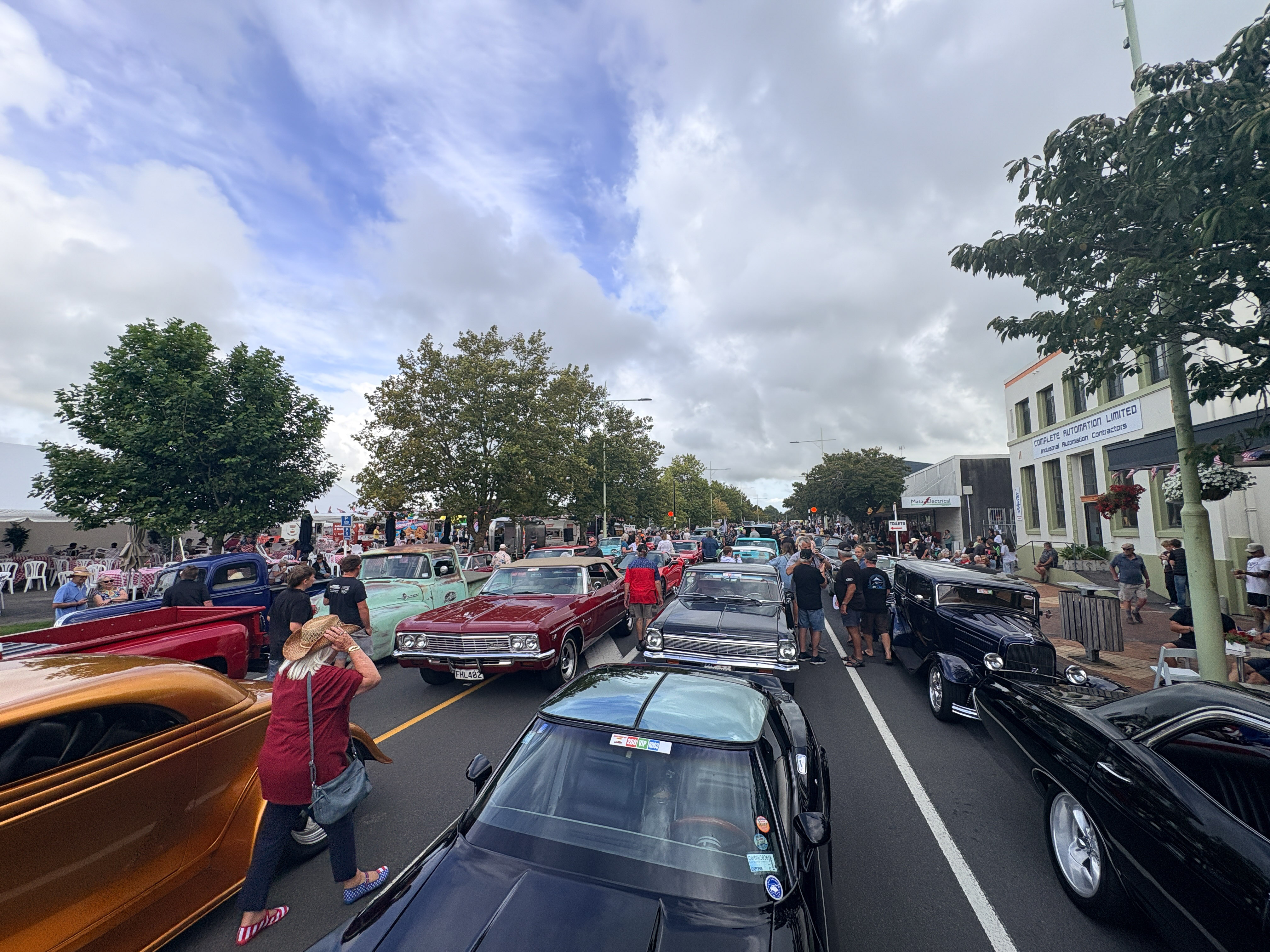
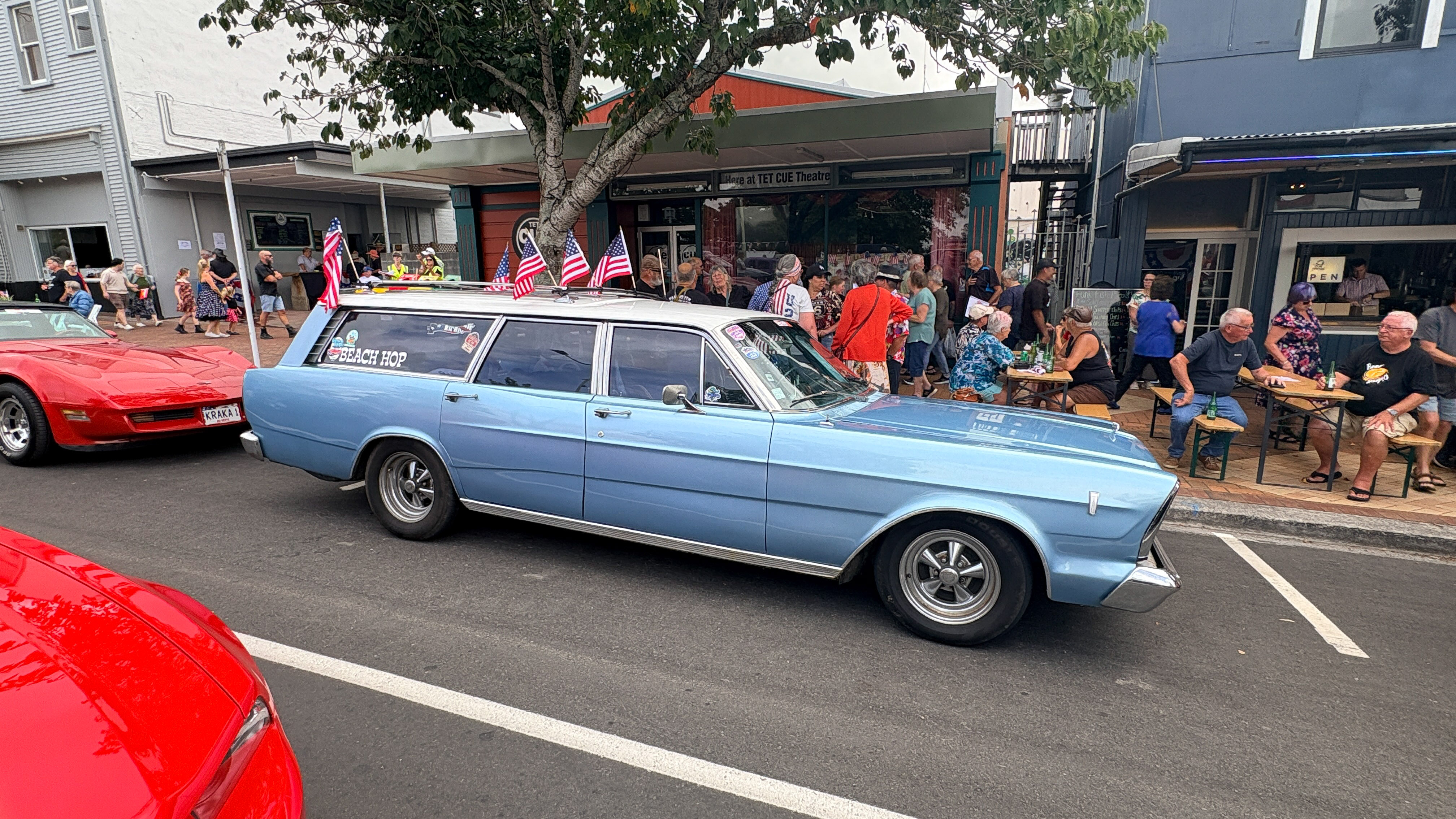
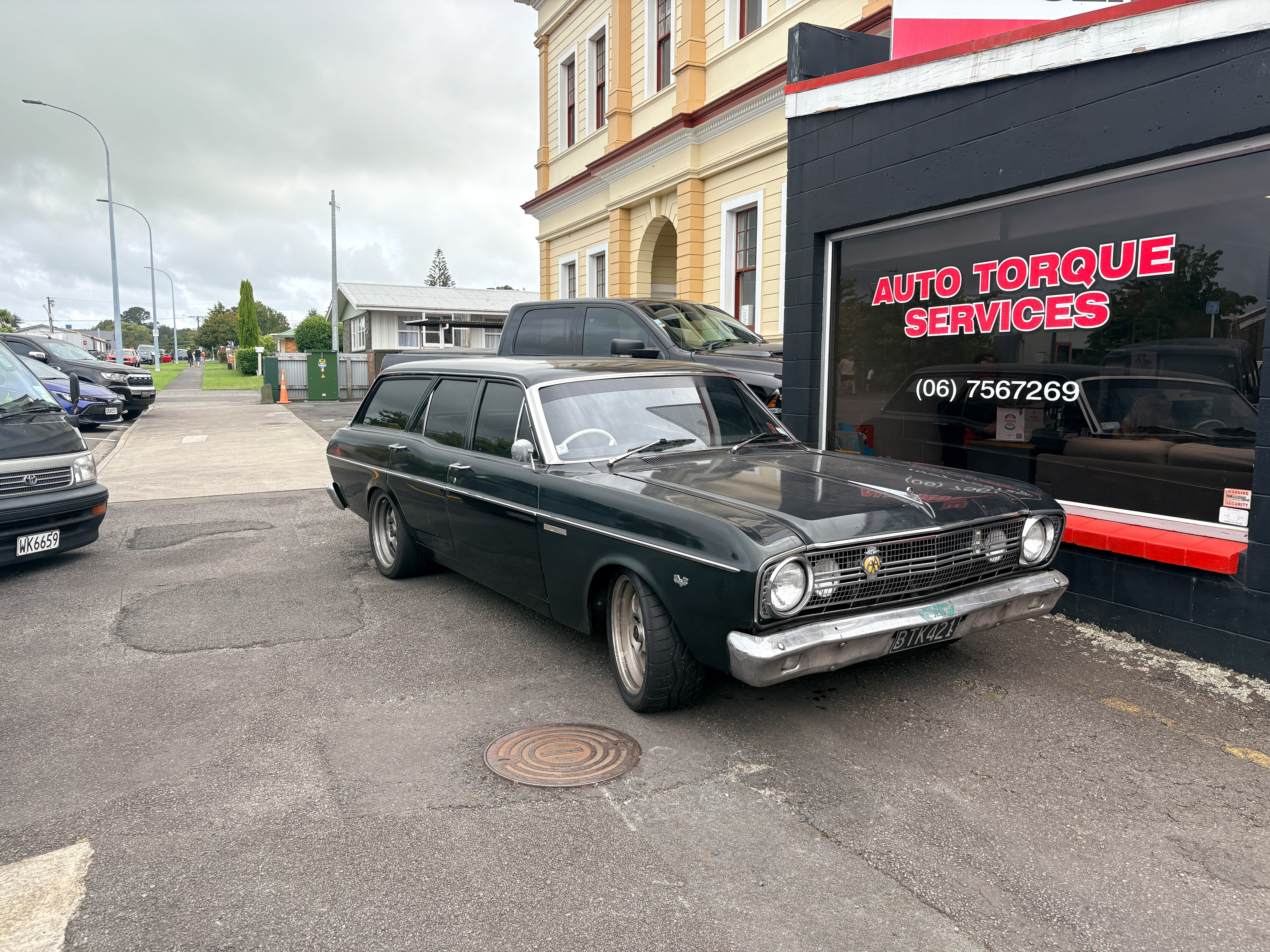
Given that we had just started a war, I was quite shocked to see American flags flying everywhere. Turns out, one of the larger tourist weekends of the year is the Americarna car show and cruise, which I stumbled upon in Inglewood. I ate a lazy dinner, caught up on some work, and made my way back to camp.
Day 6 (February 26)
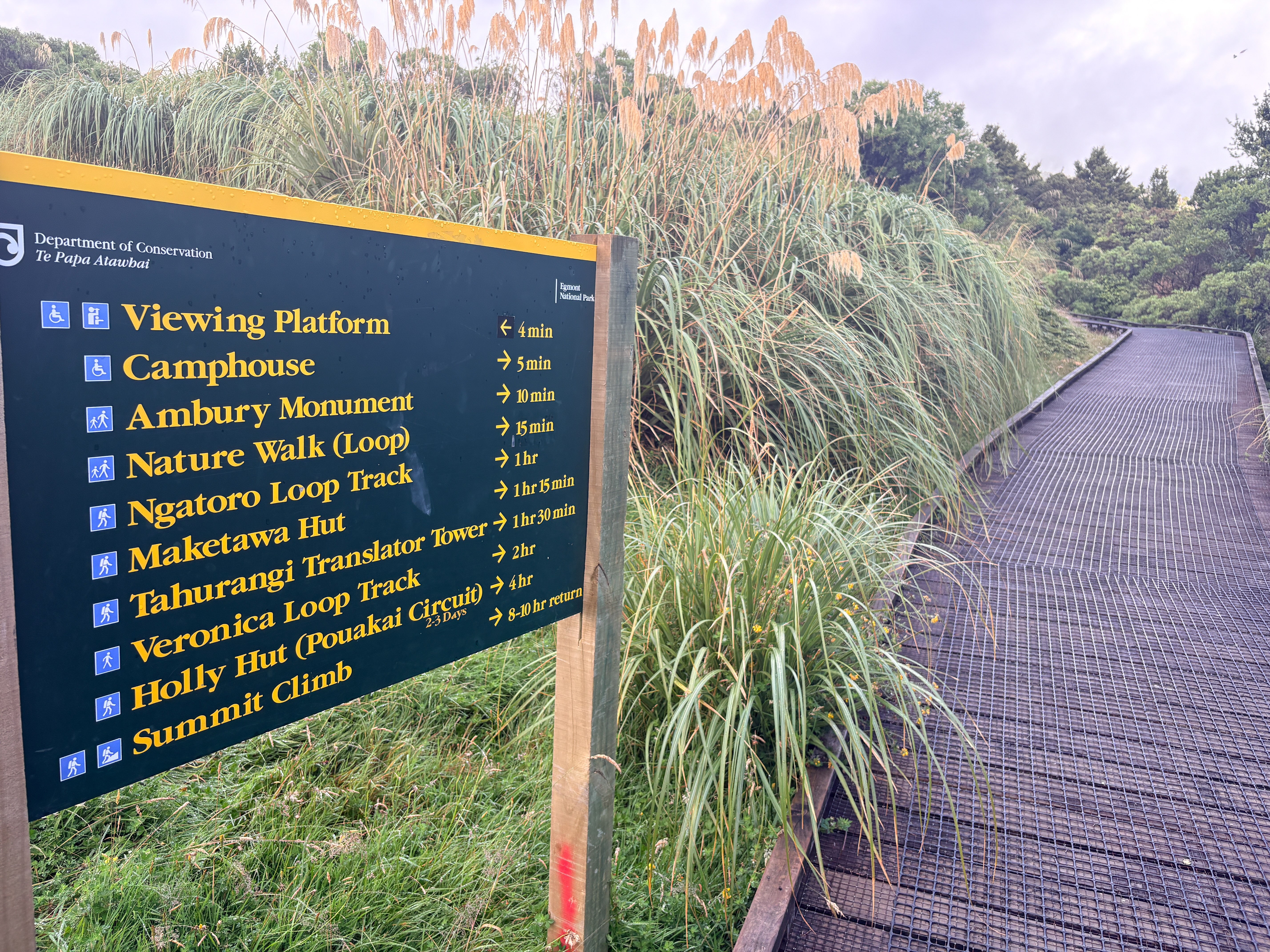
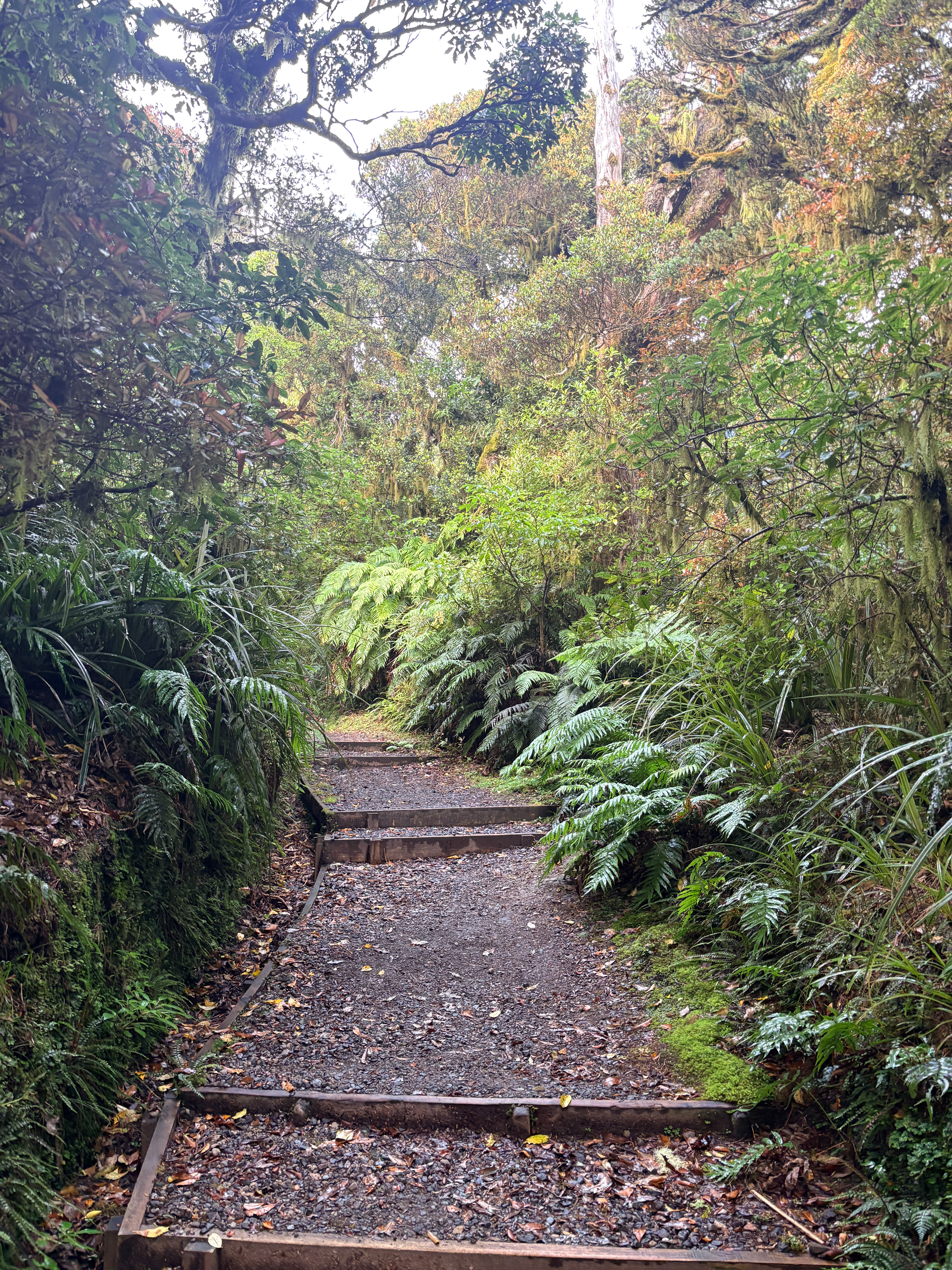
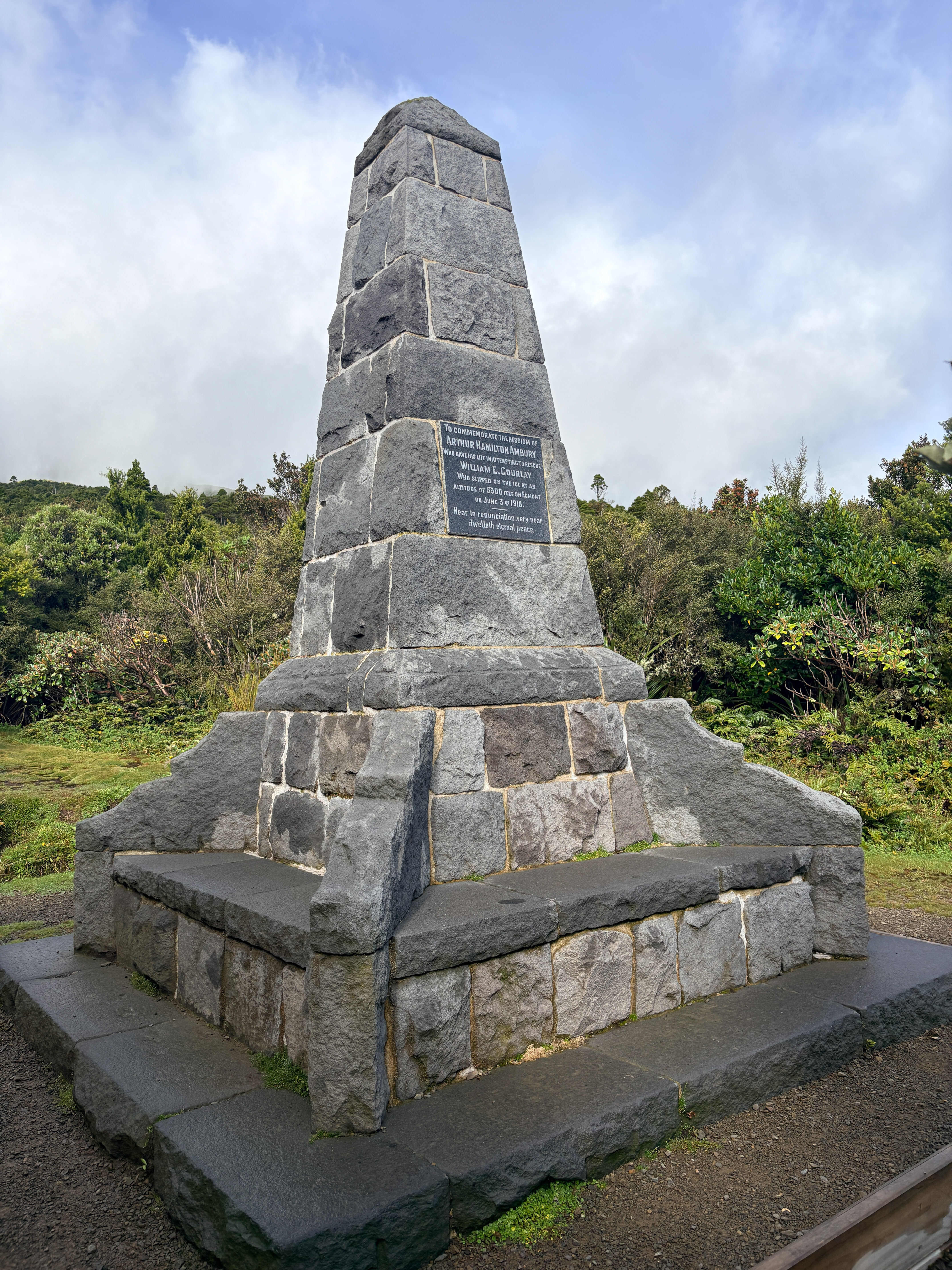
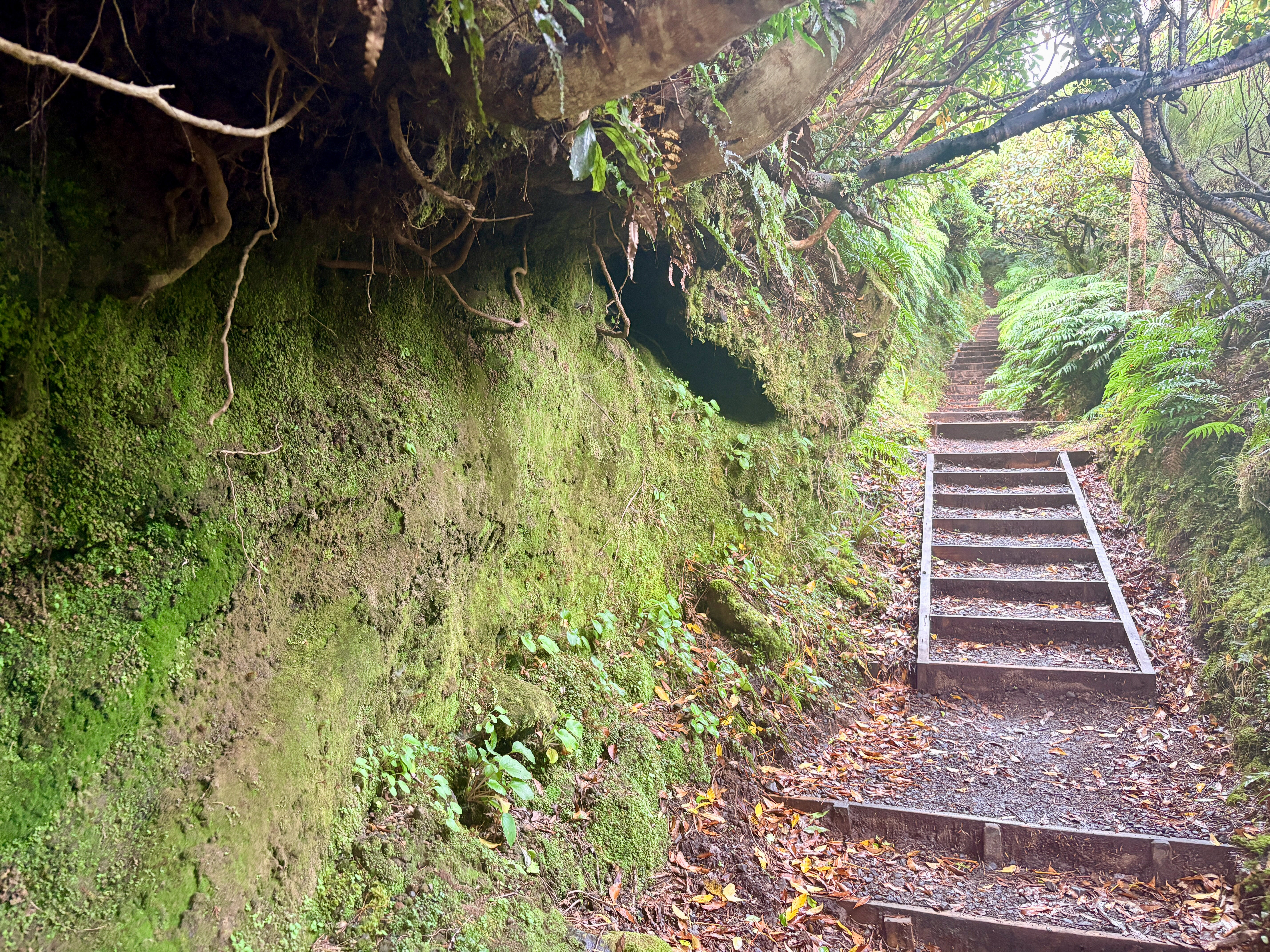
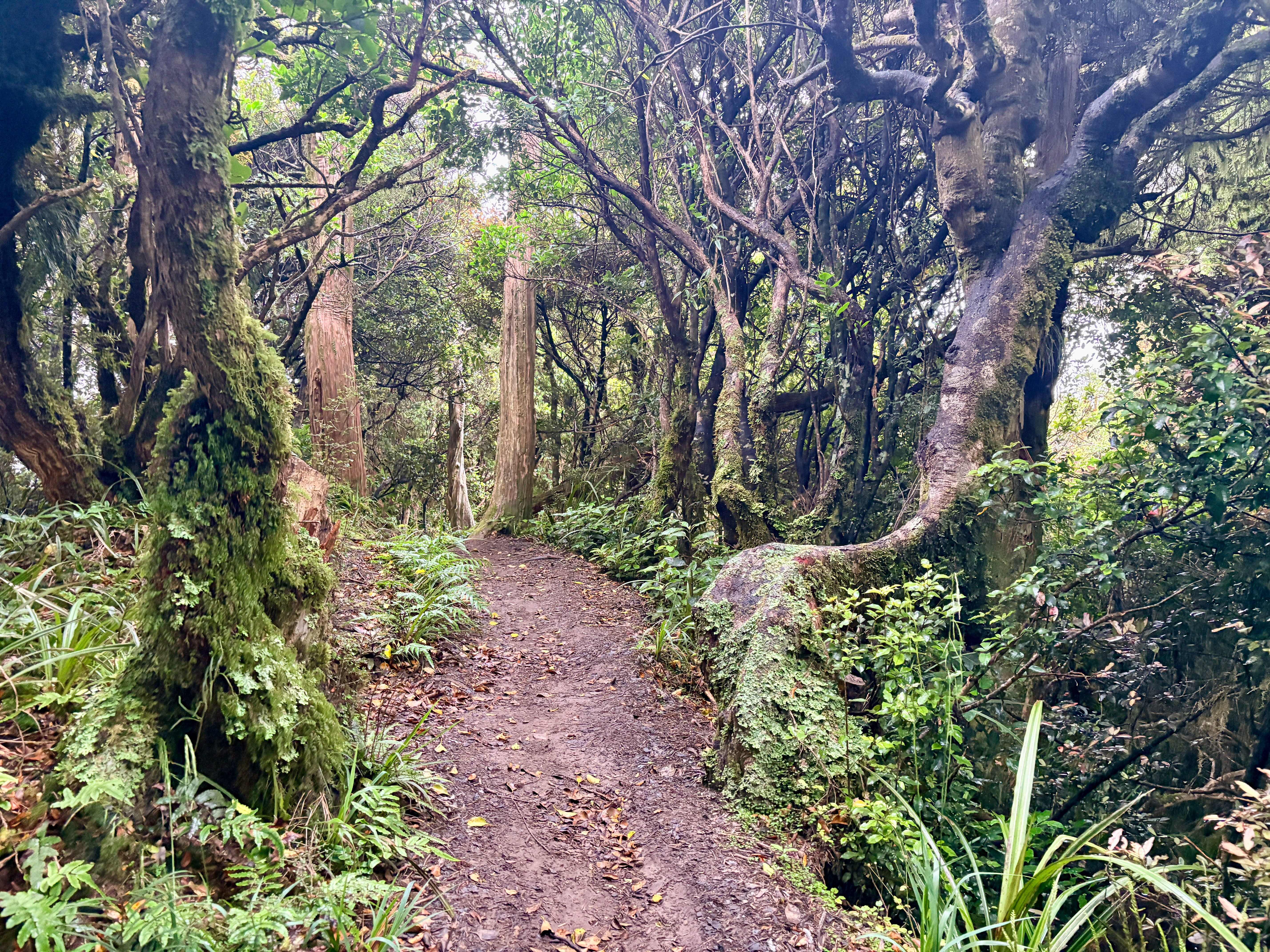
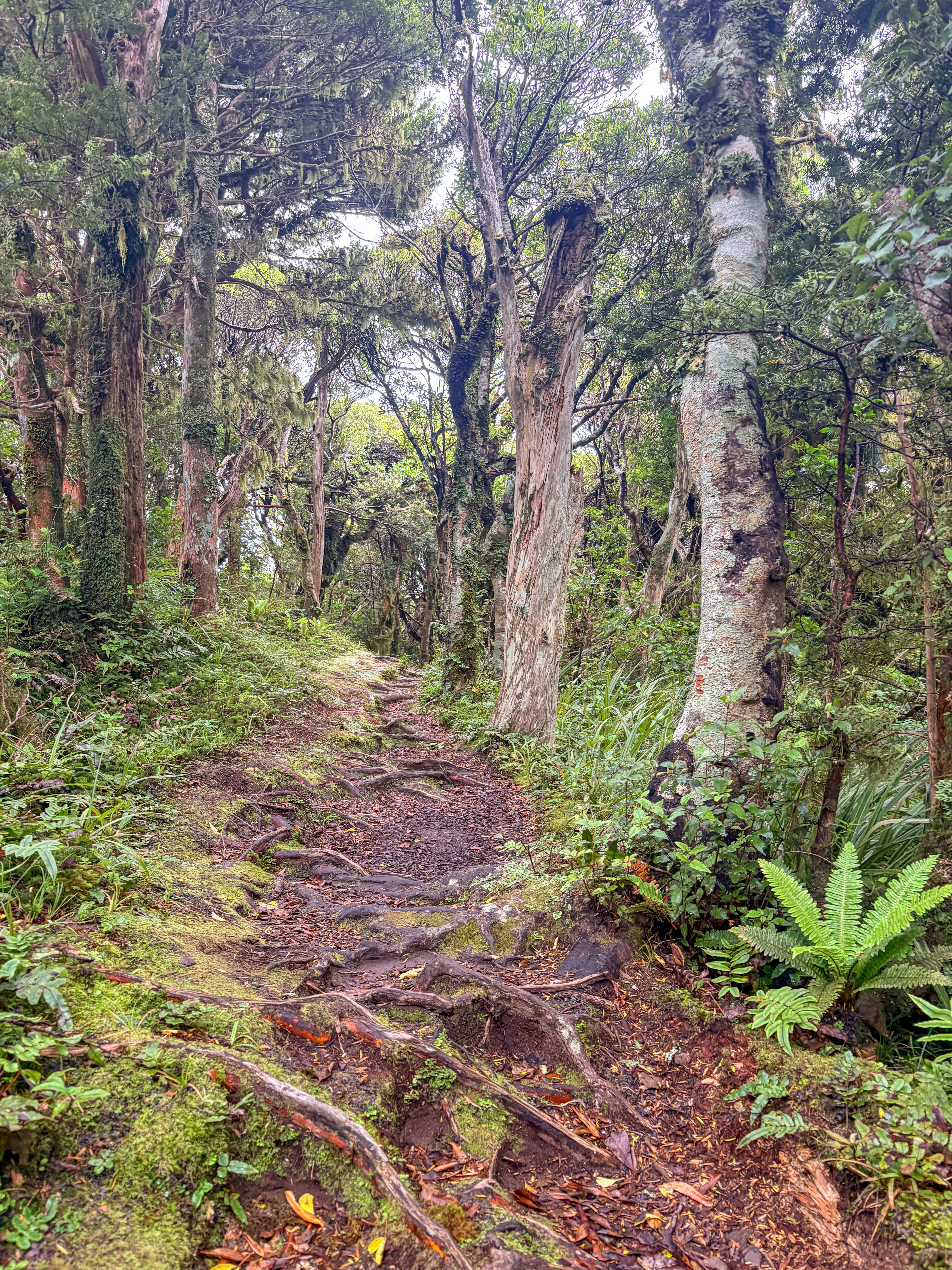
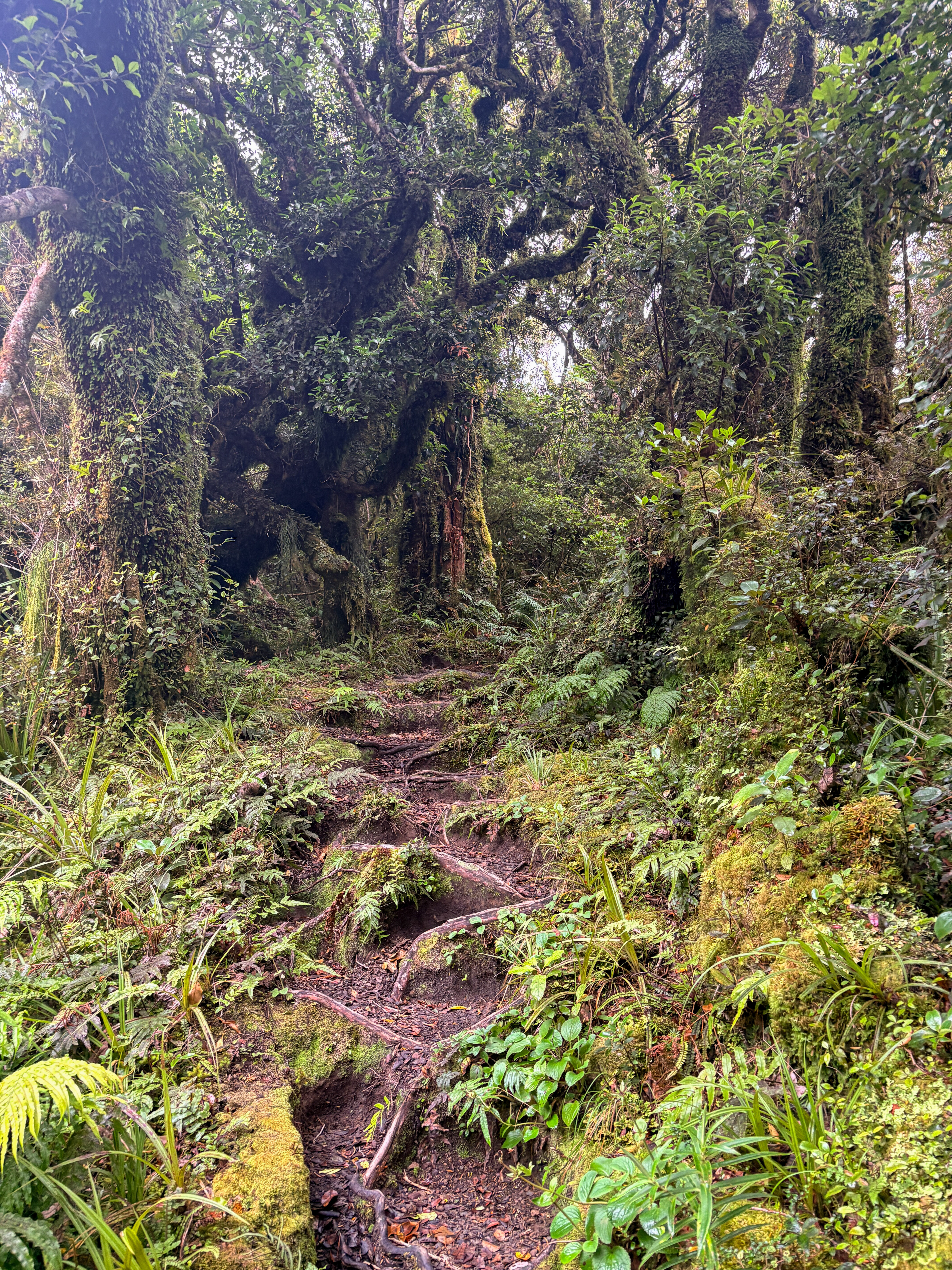
After a day where I had run our of steam, I was happy to get back out on the trails of Mount Taranaki. I hiked the Veronica Loop plus an out and back further up the mountain. Absolutely gorgeous! I wish I had brought a book, a chair, and lunch and stayed all day. The hike was 3 miles in 3 hours with 1,000′ of elevation gain. I especially loved hanging out at the edge of the clouds.
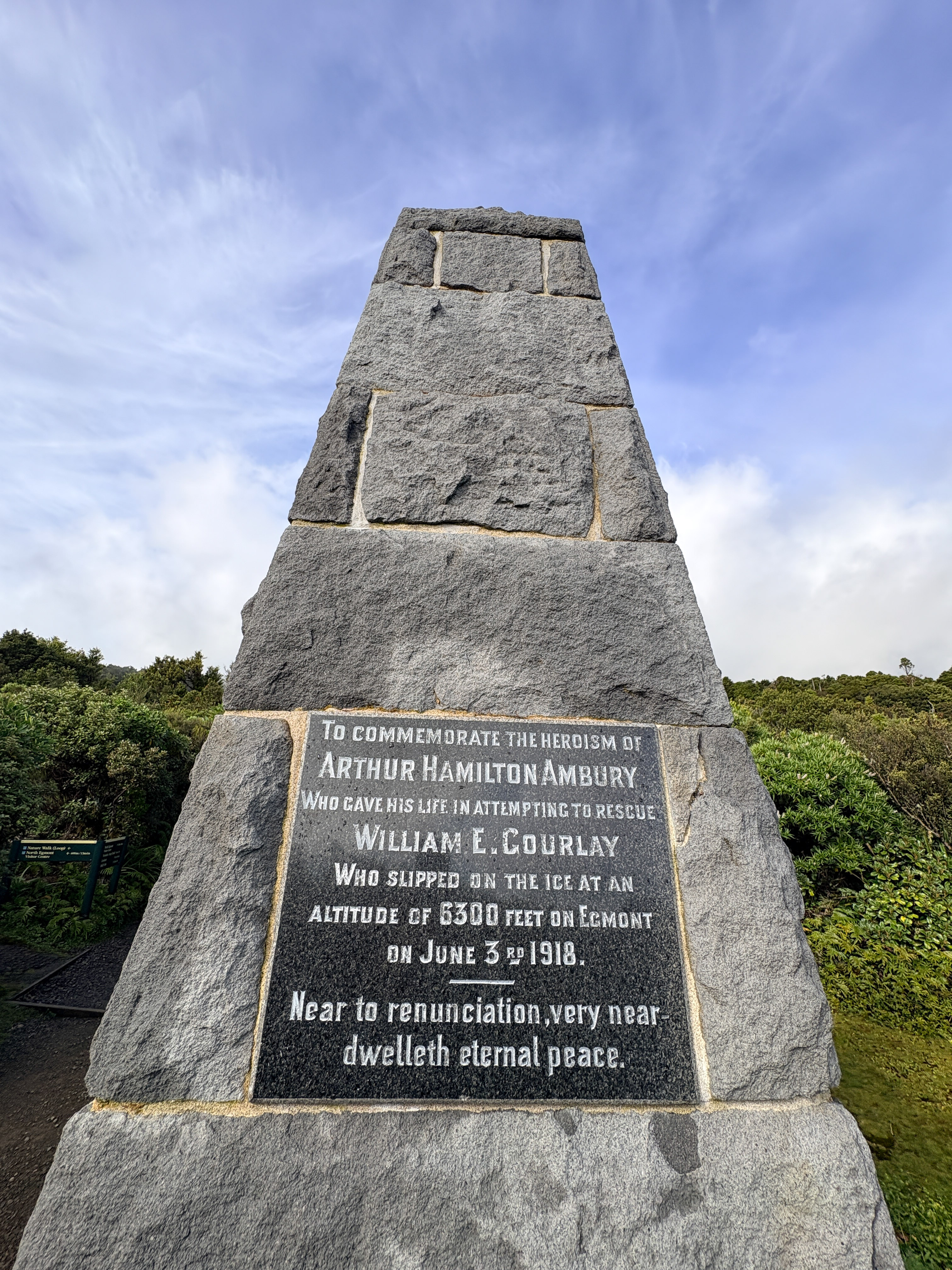
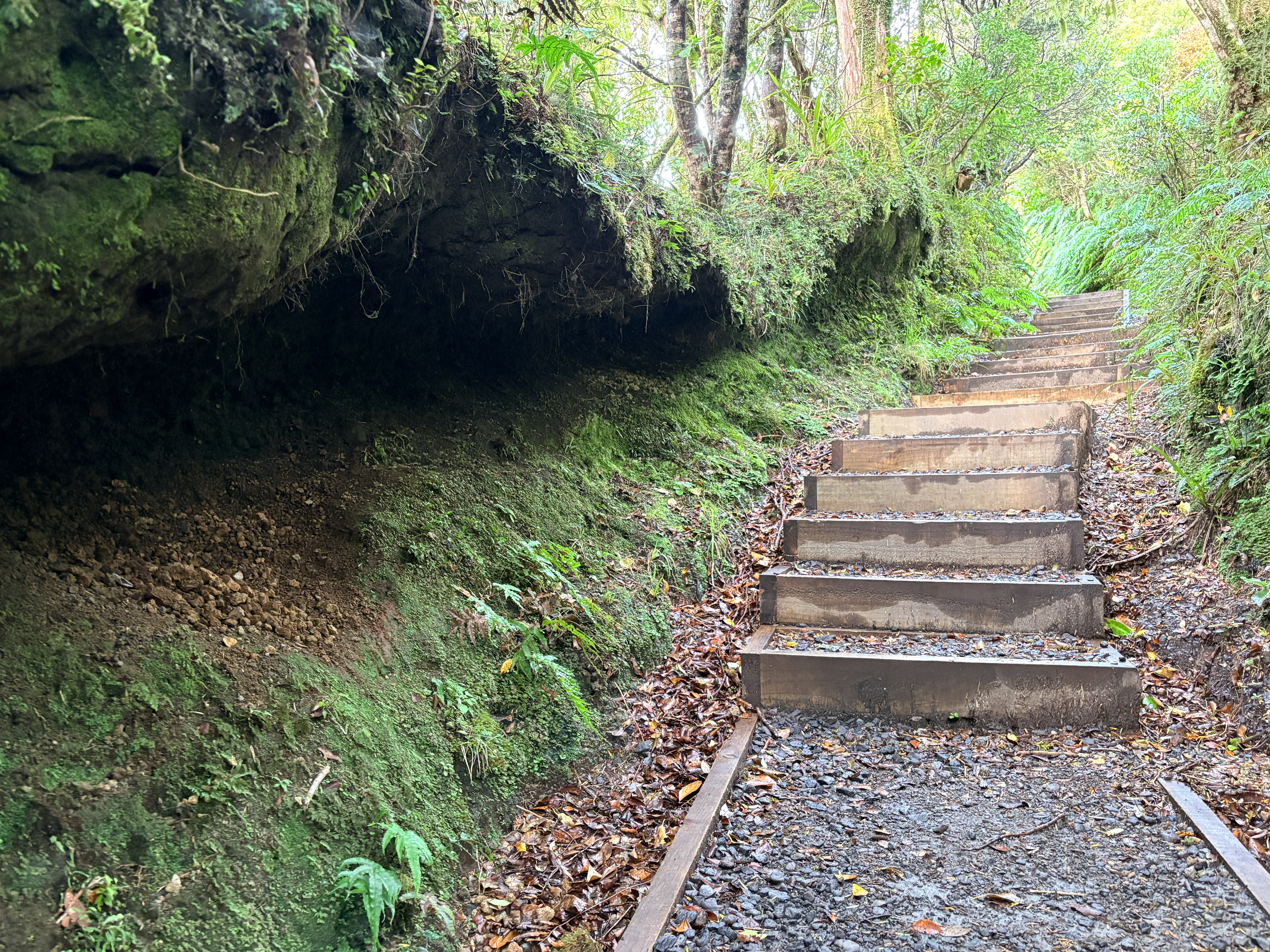
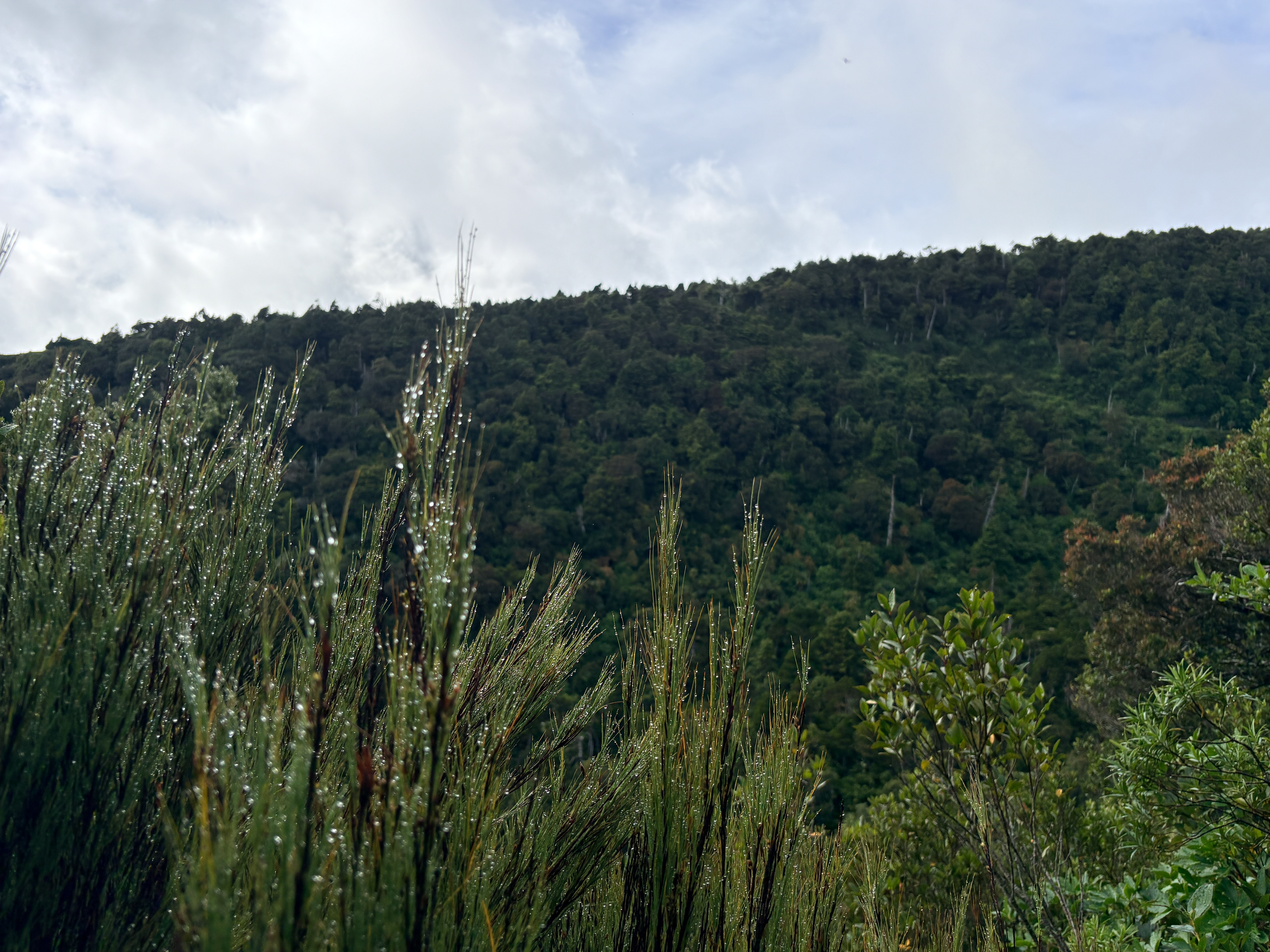
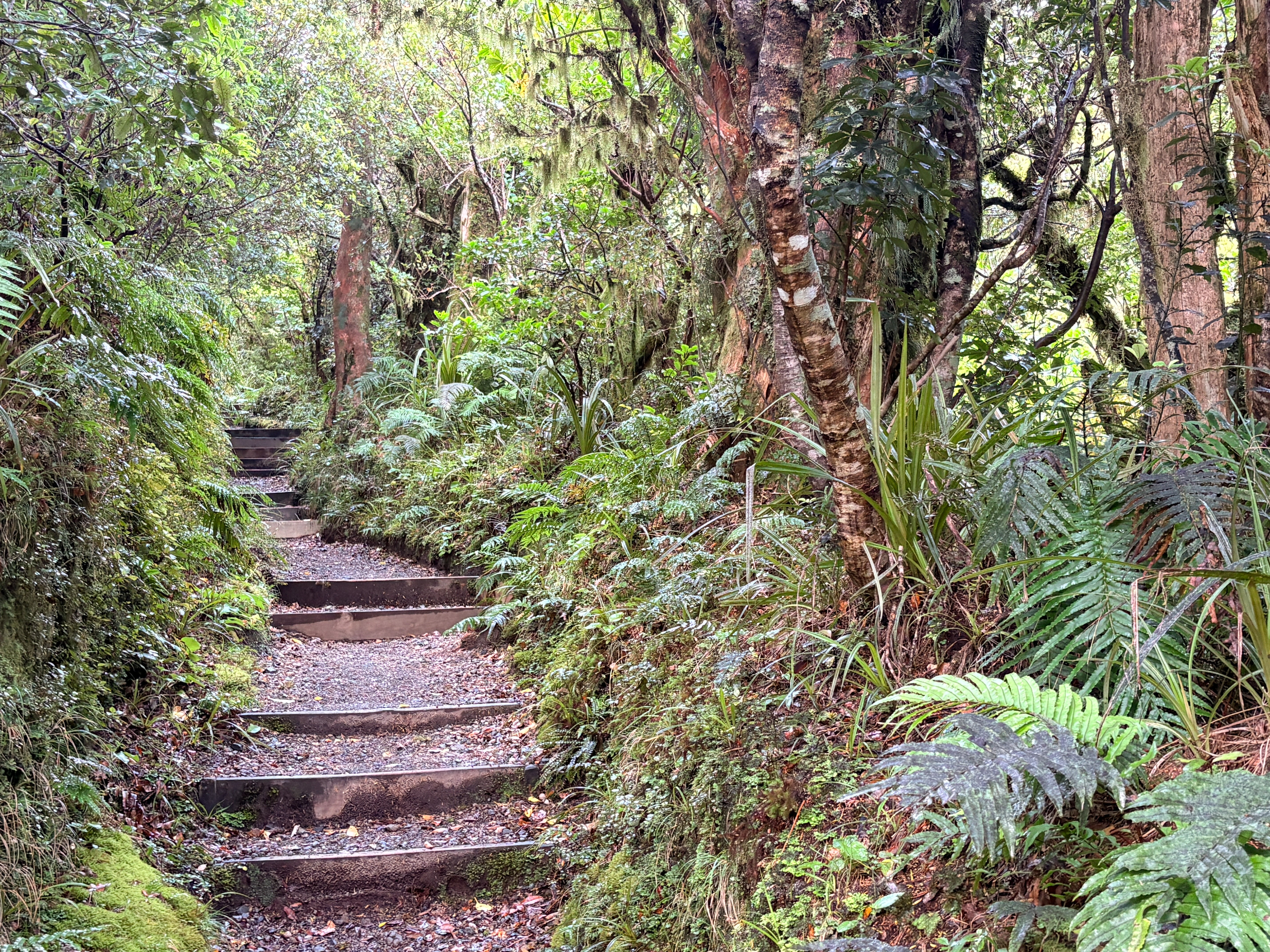
After my adventure, hiker hunger kicked in and I headed to town (New Plymouth) for lunch. My norm in New Zealand is Indian food as it seems to be everywhere, including New Plymouth, where there seemed to be an Indian restaurant ever 50 yards. I thought it best not to enter this one:

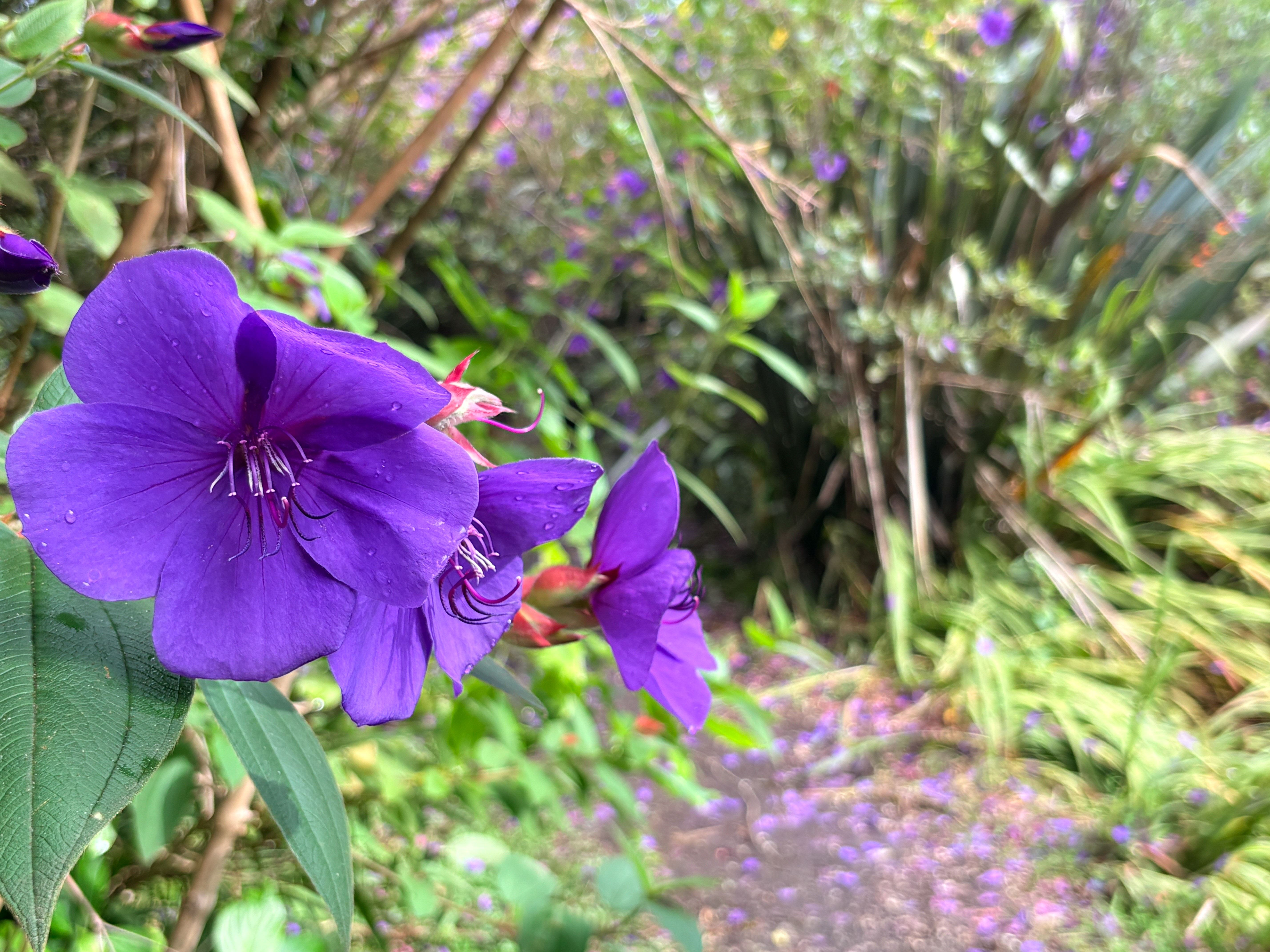
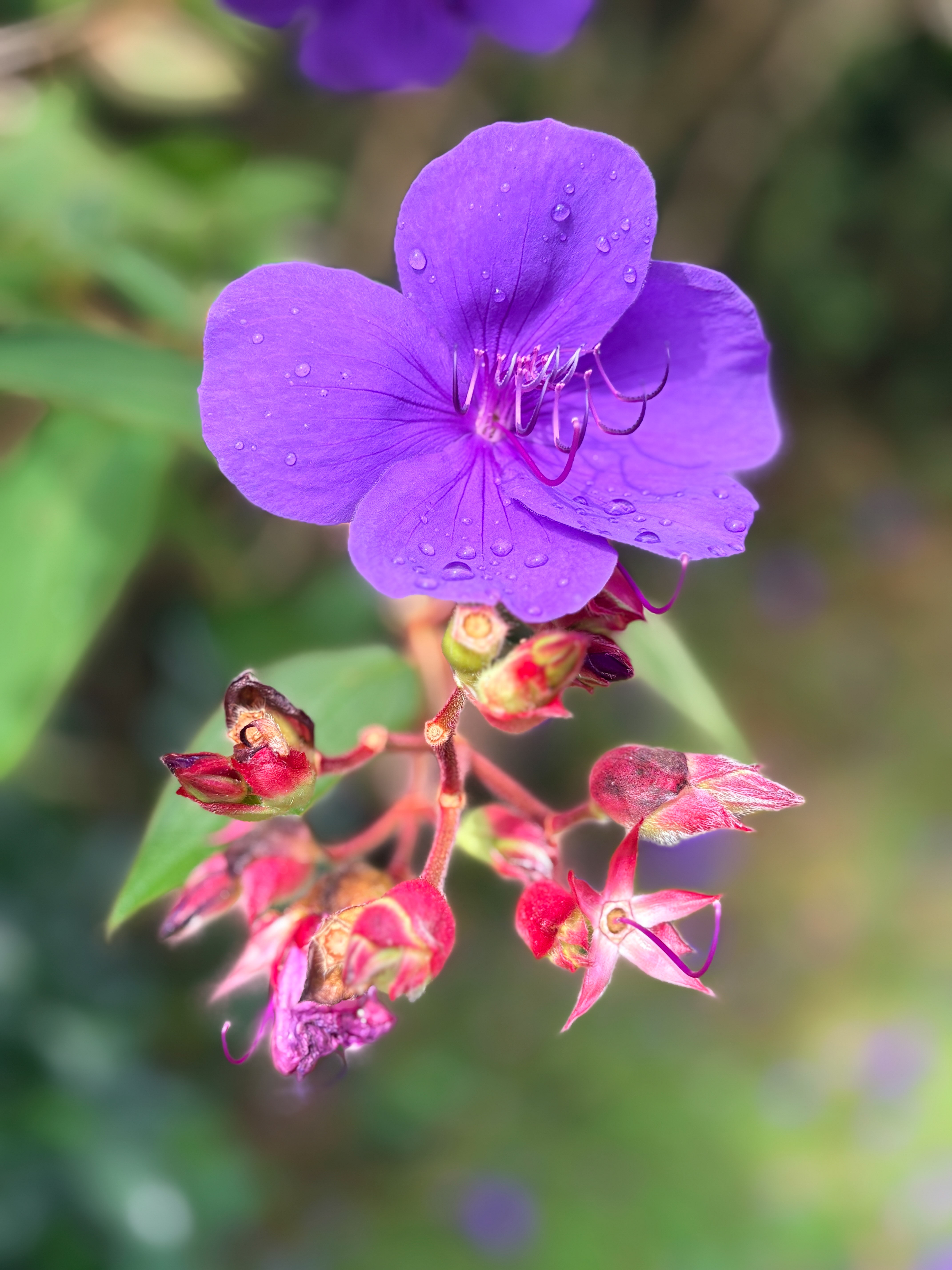
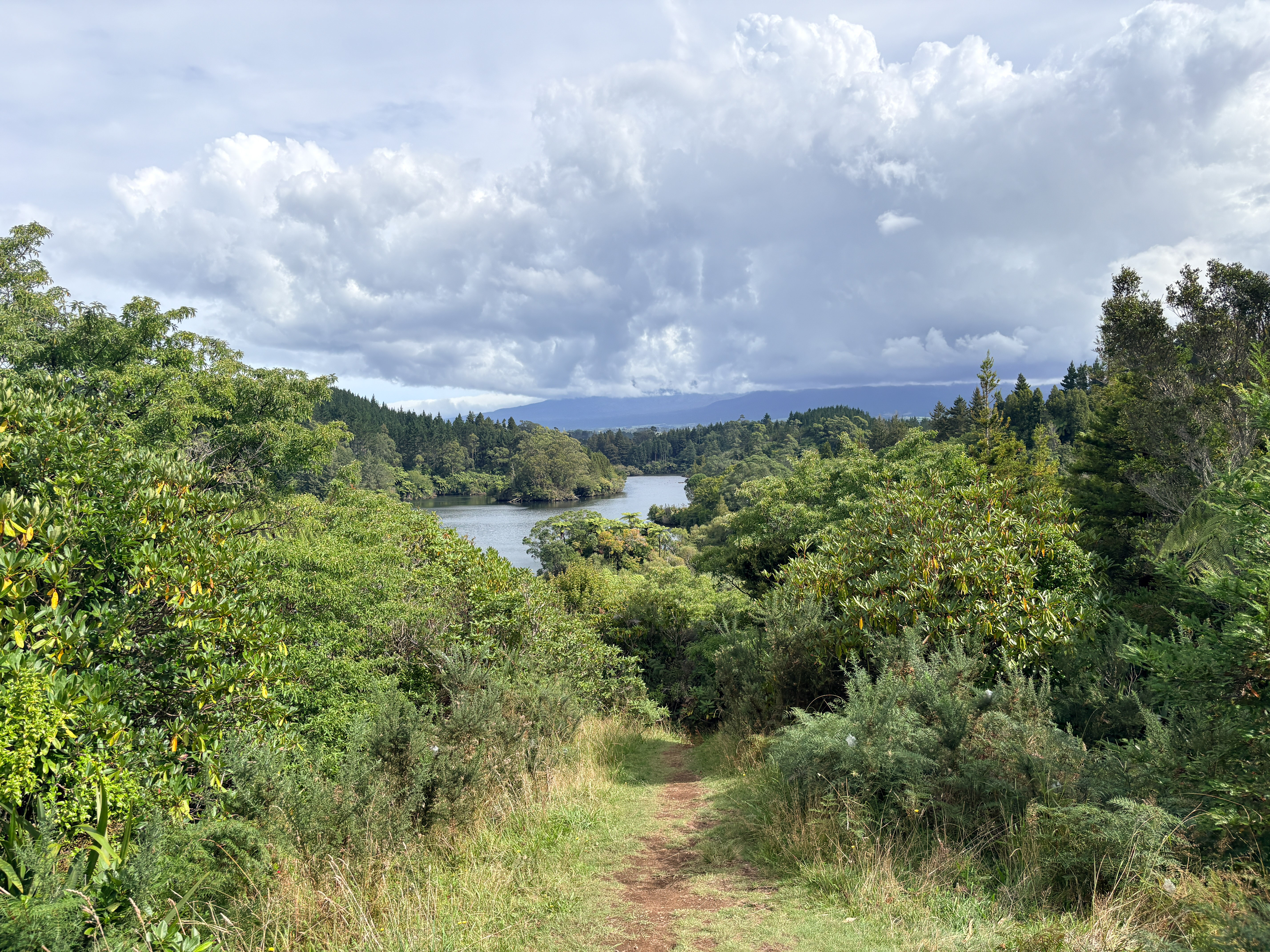
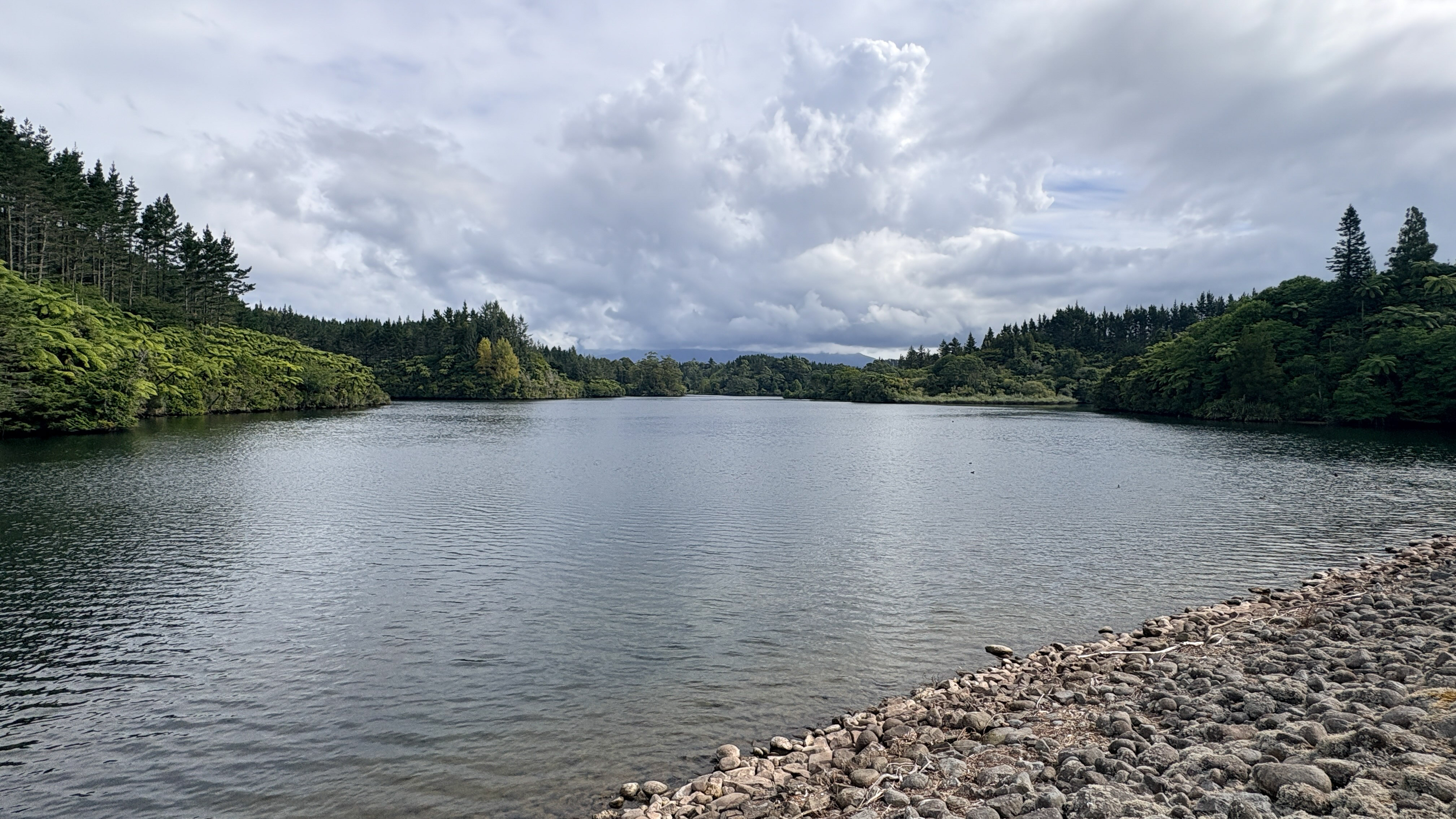
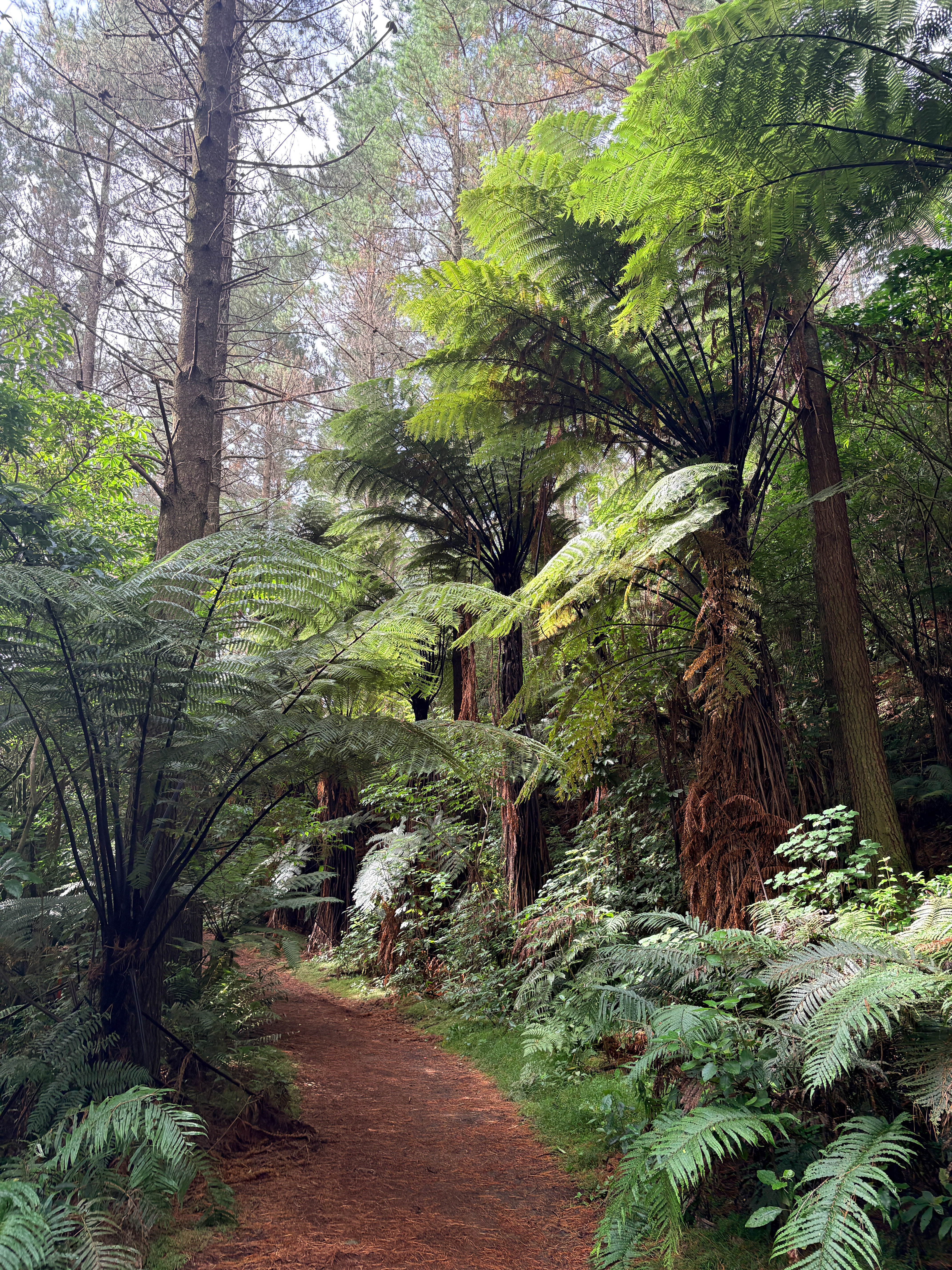
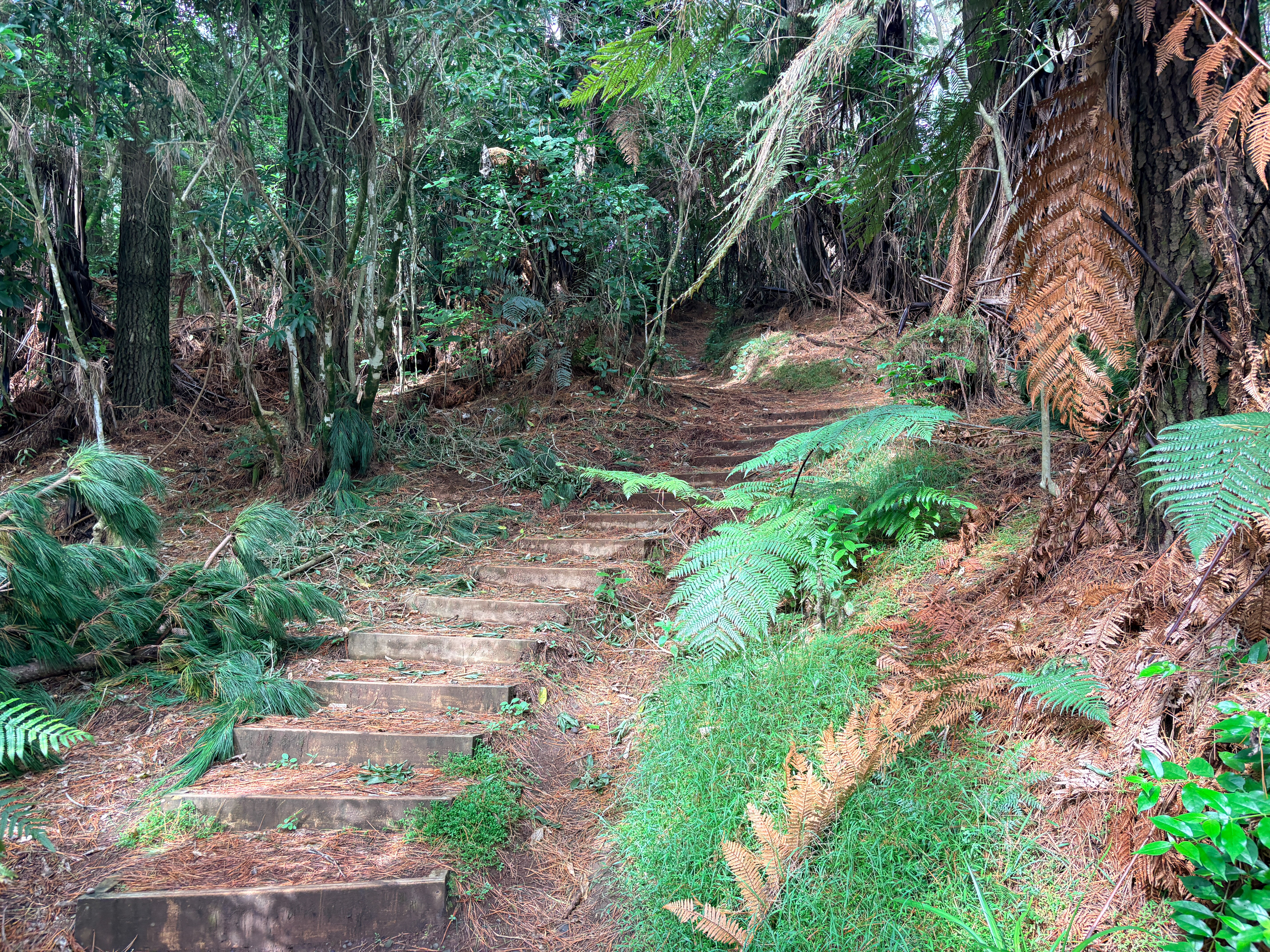
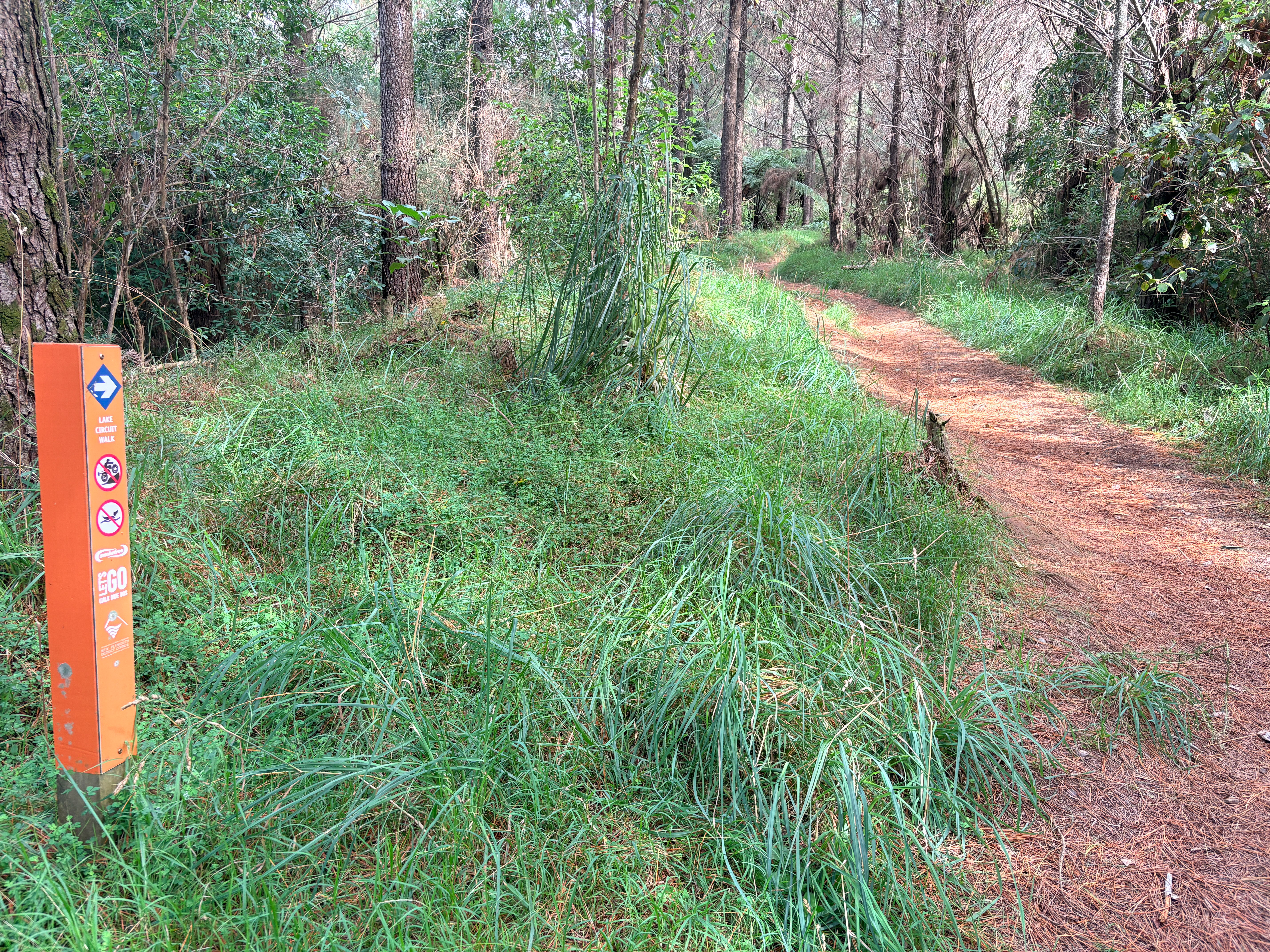
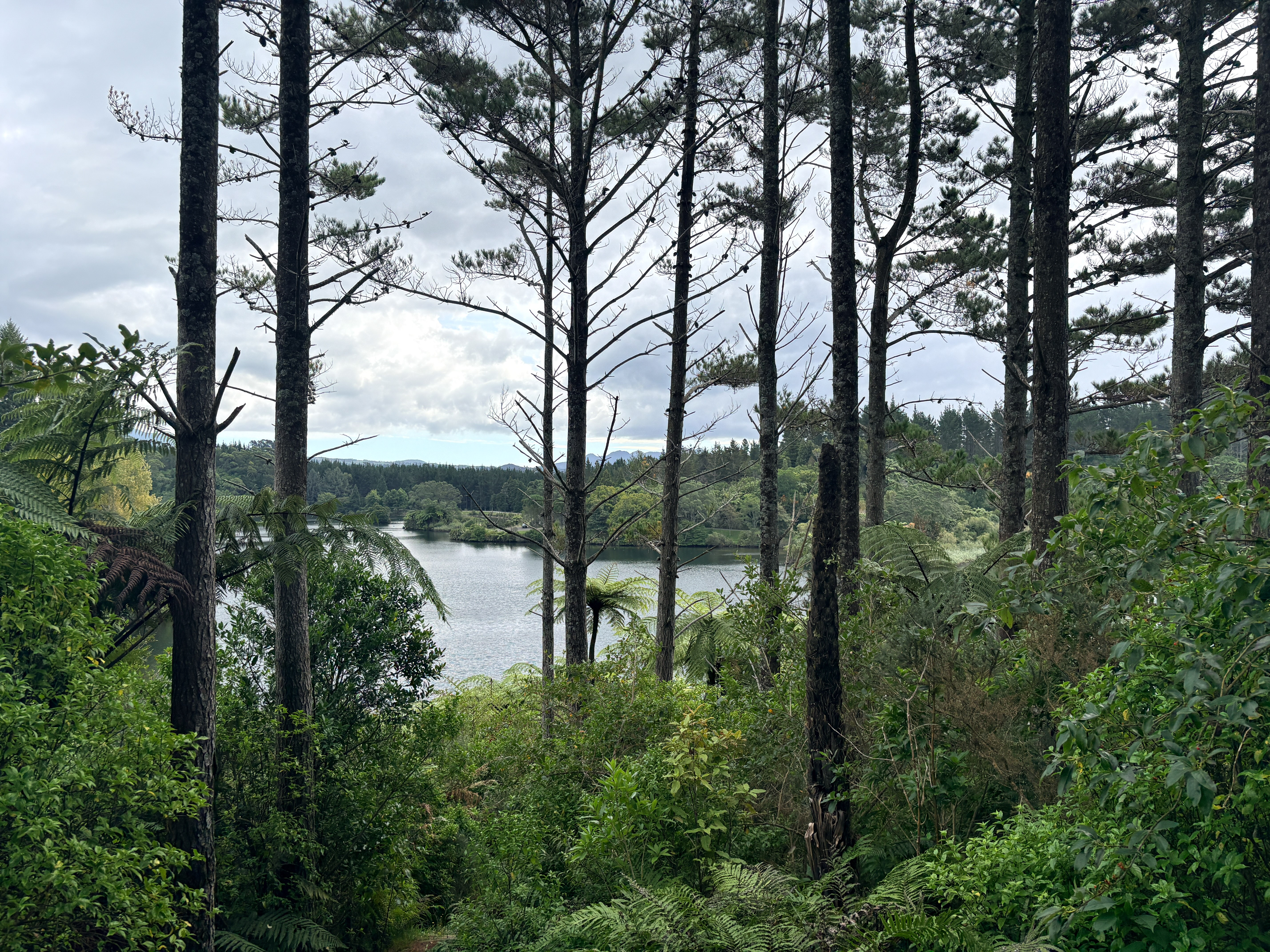
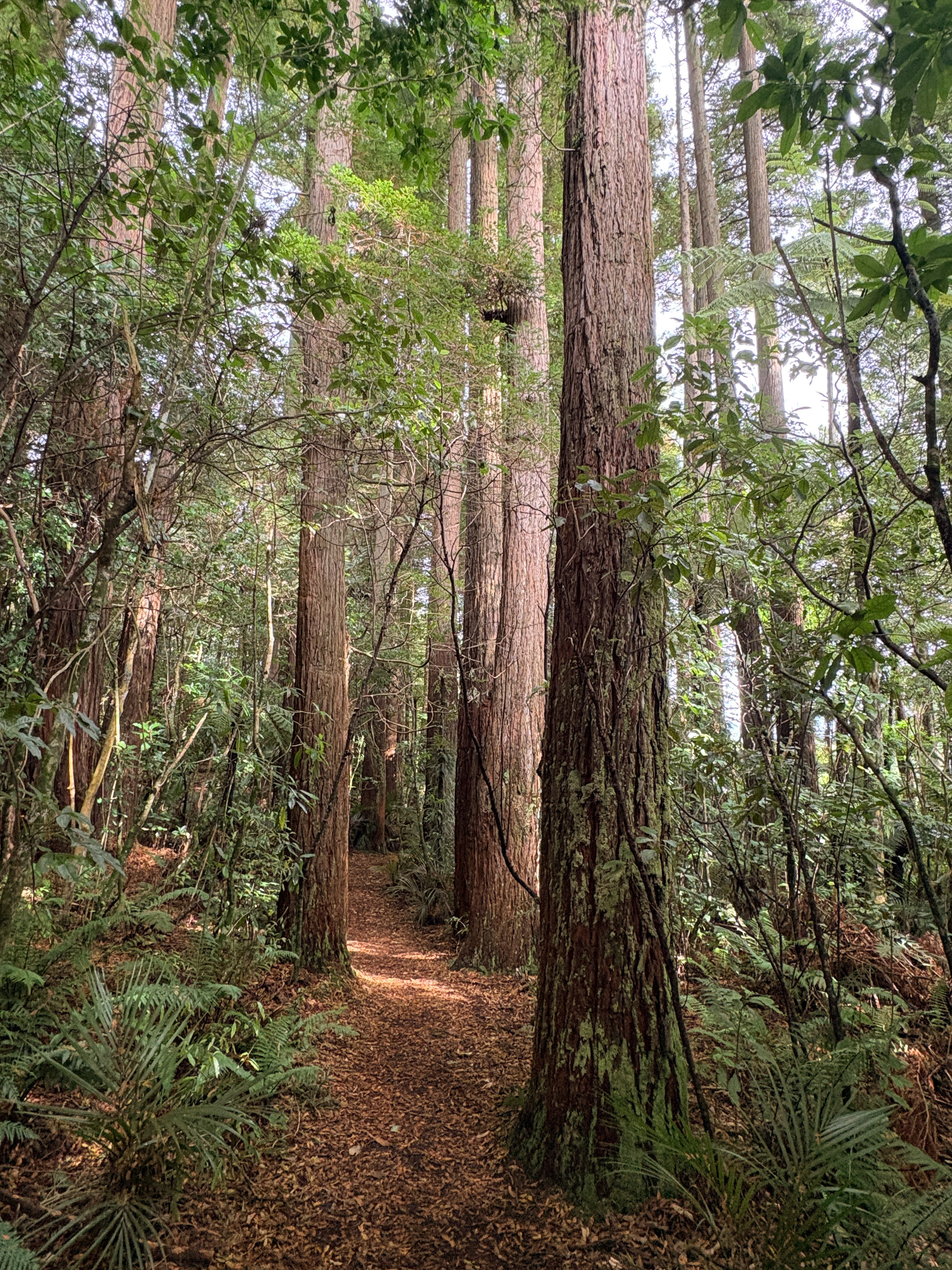
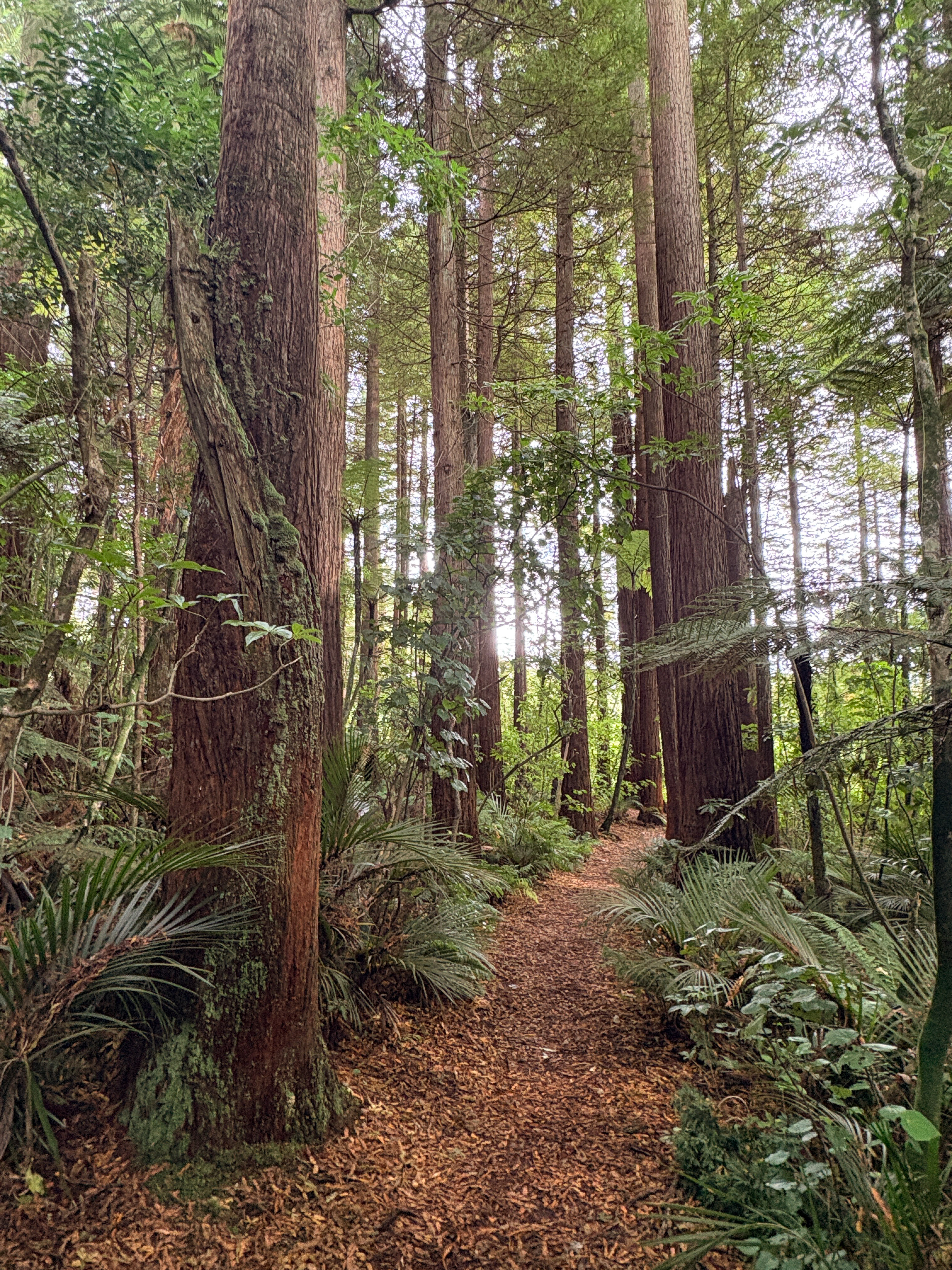
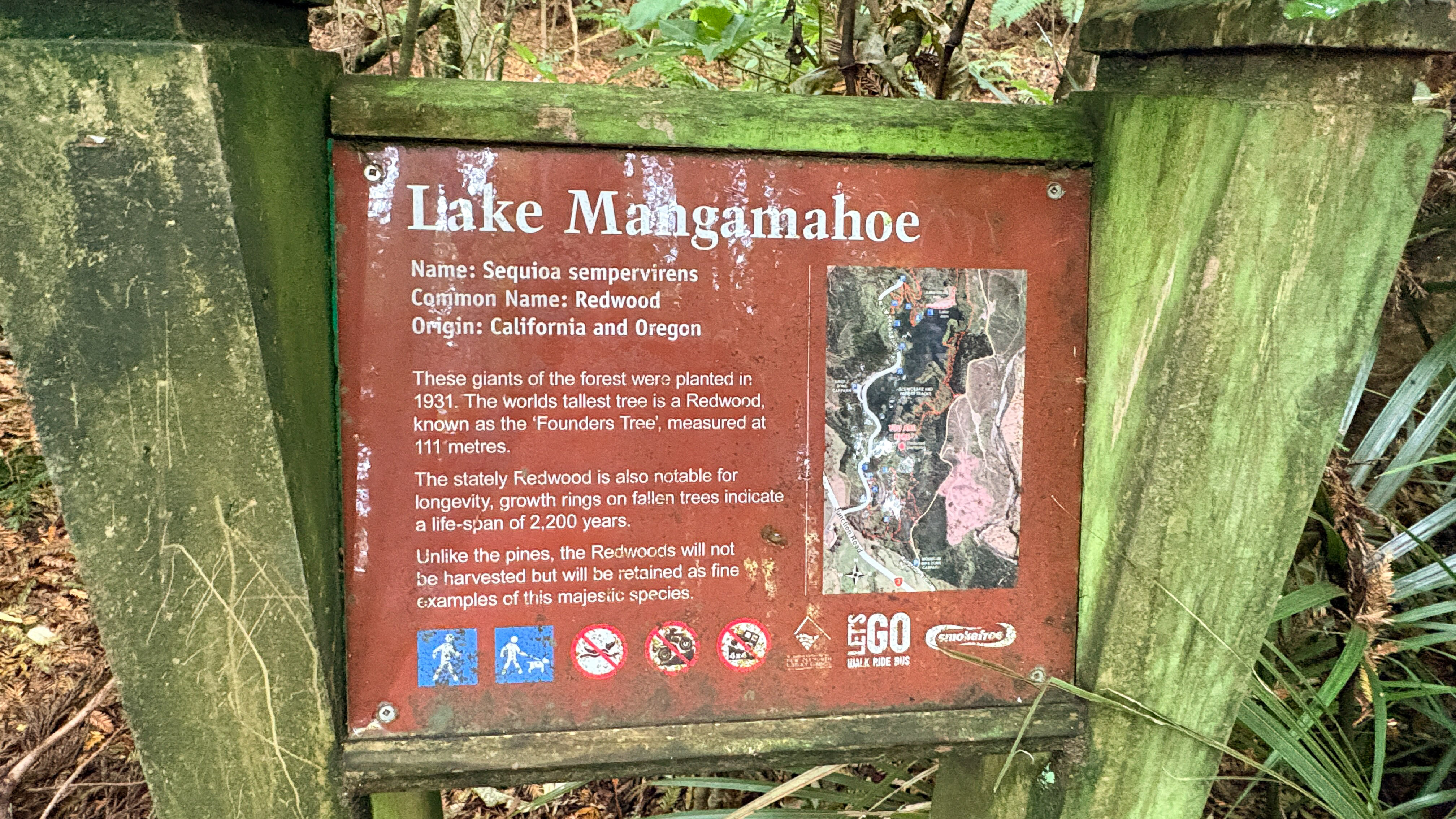
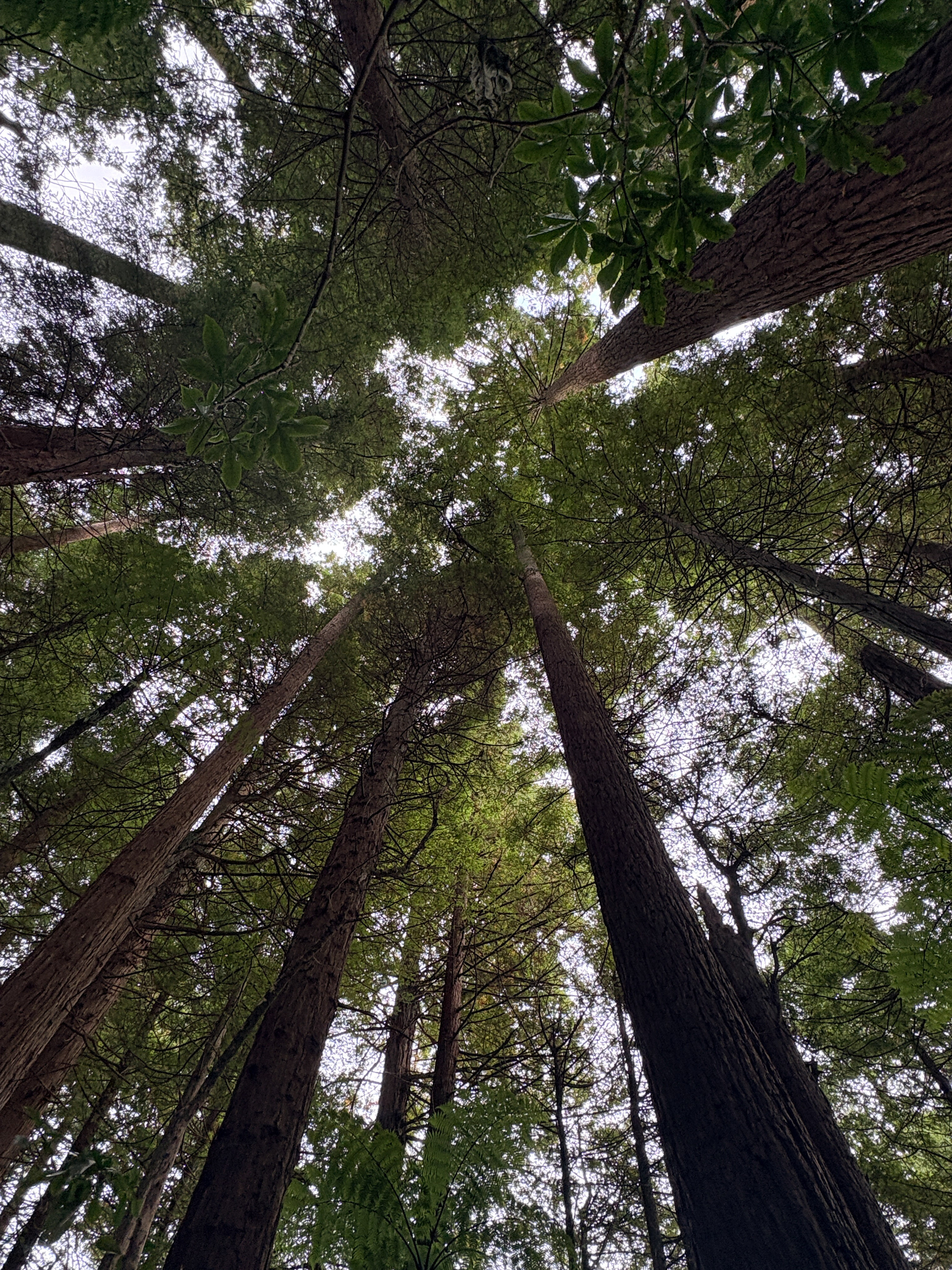
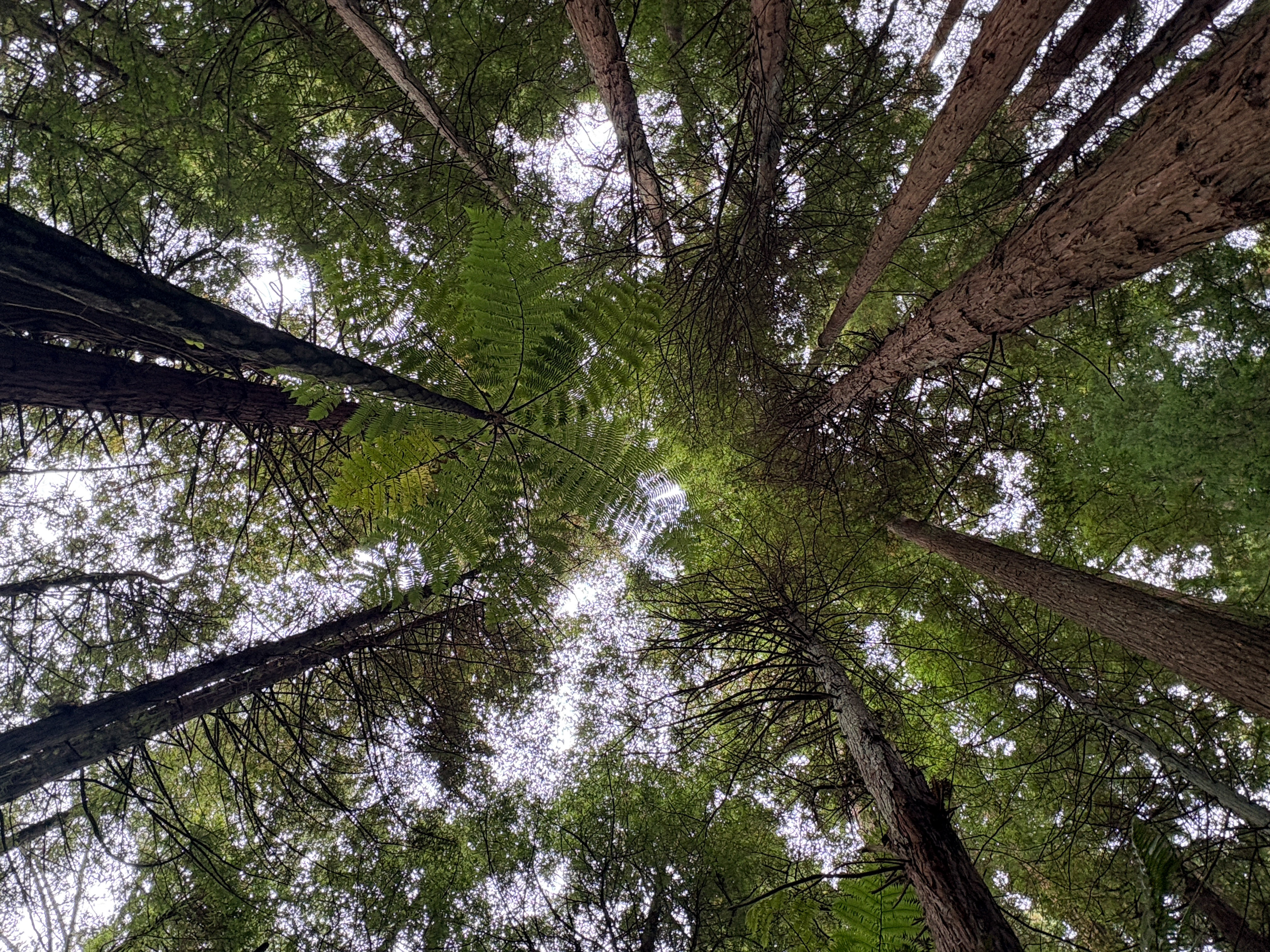
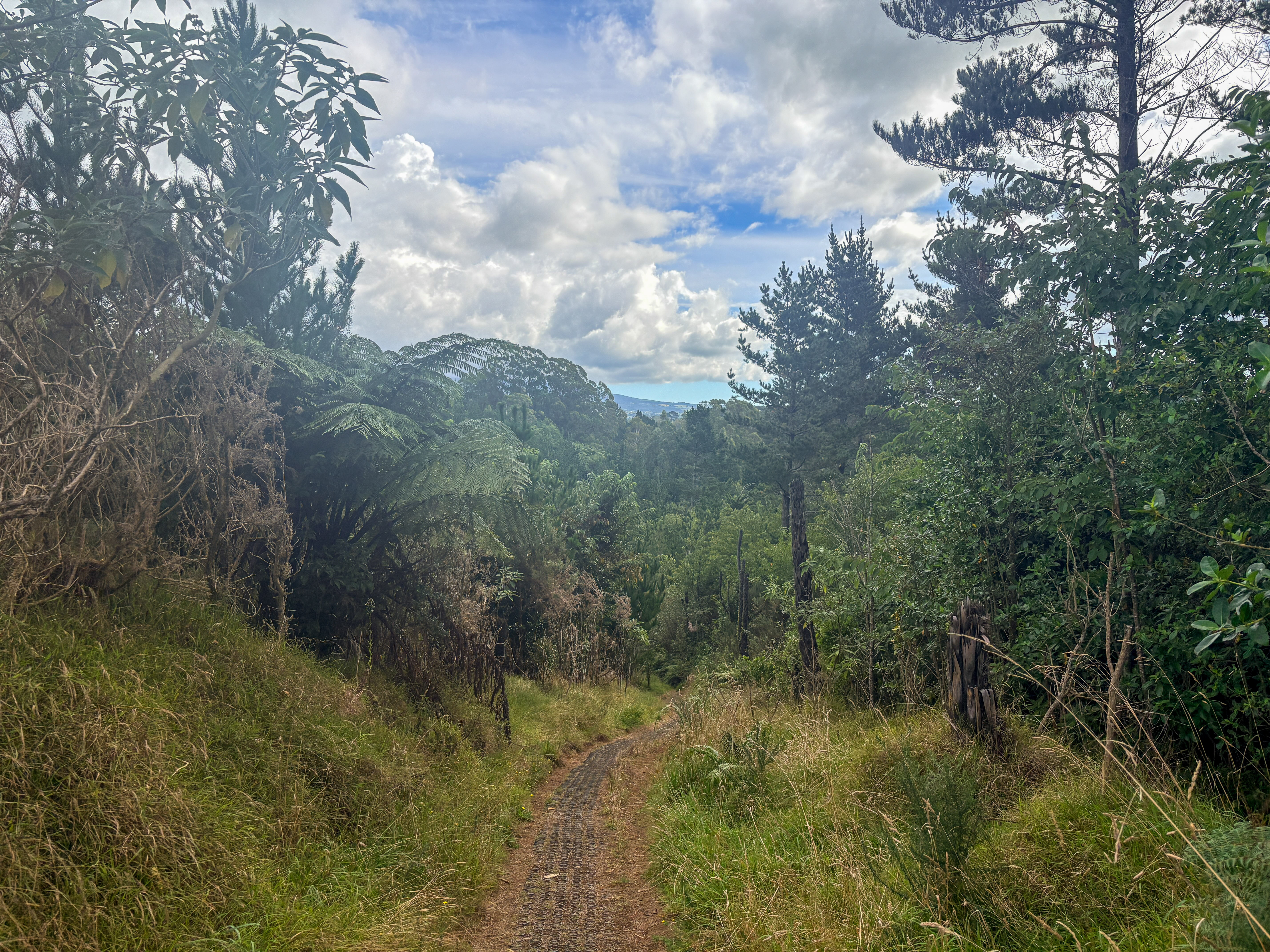
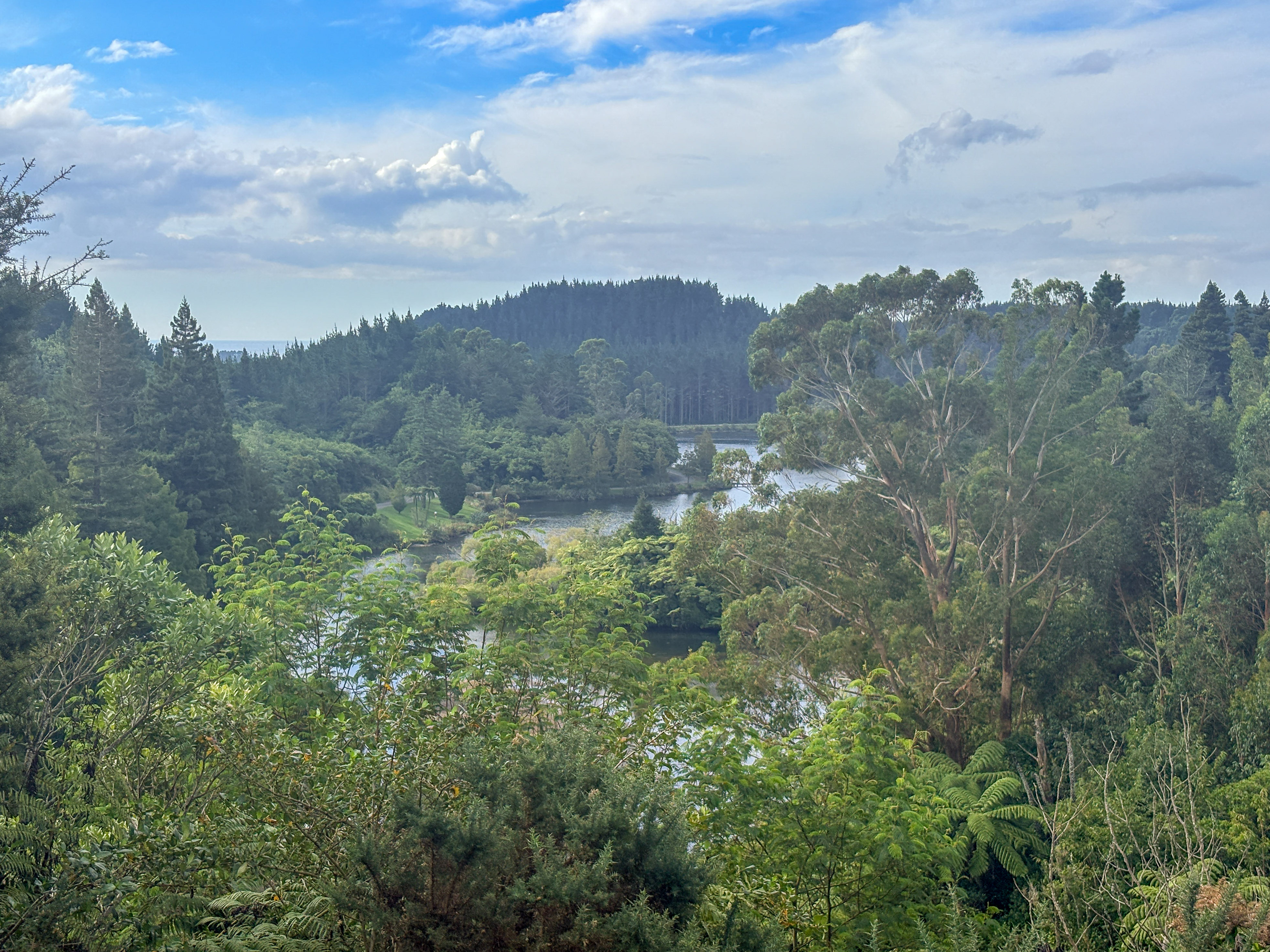
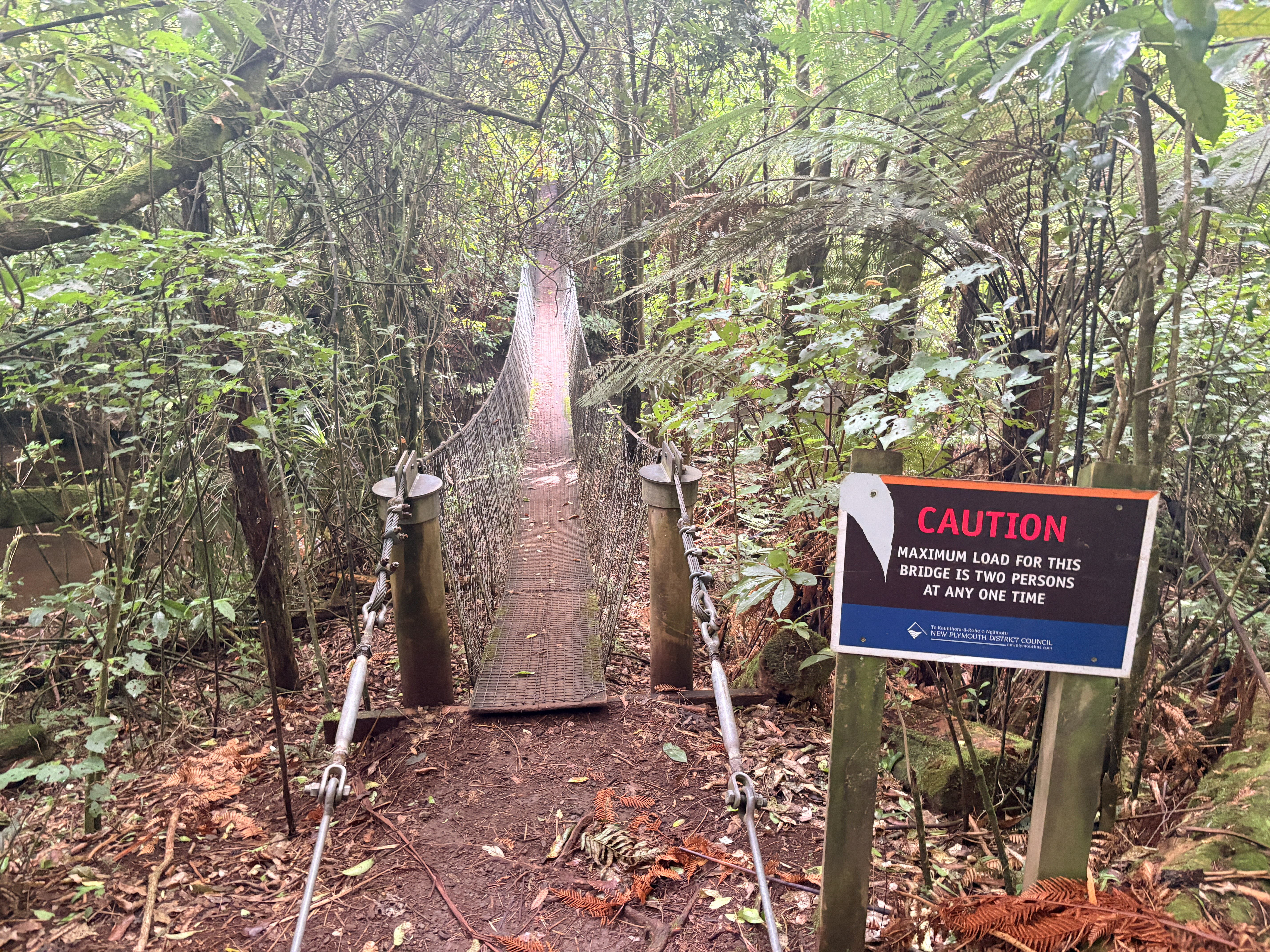
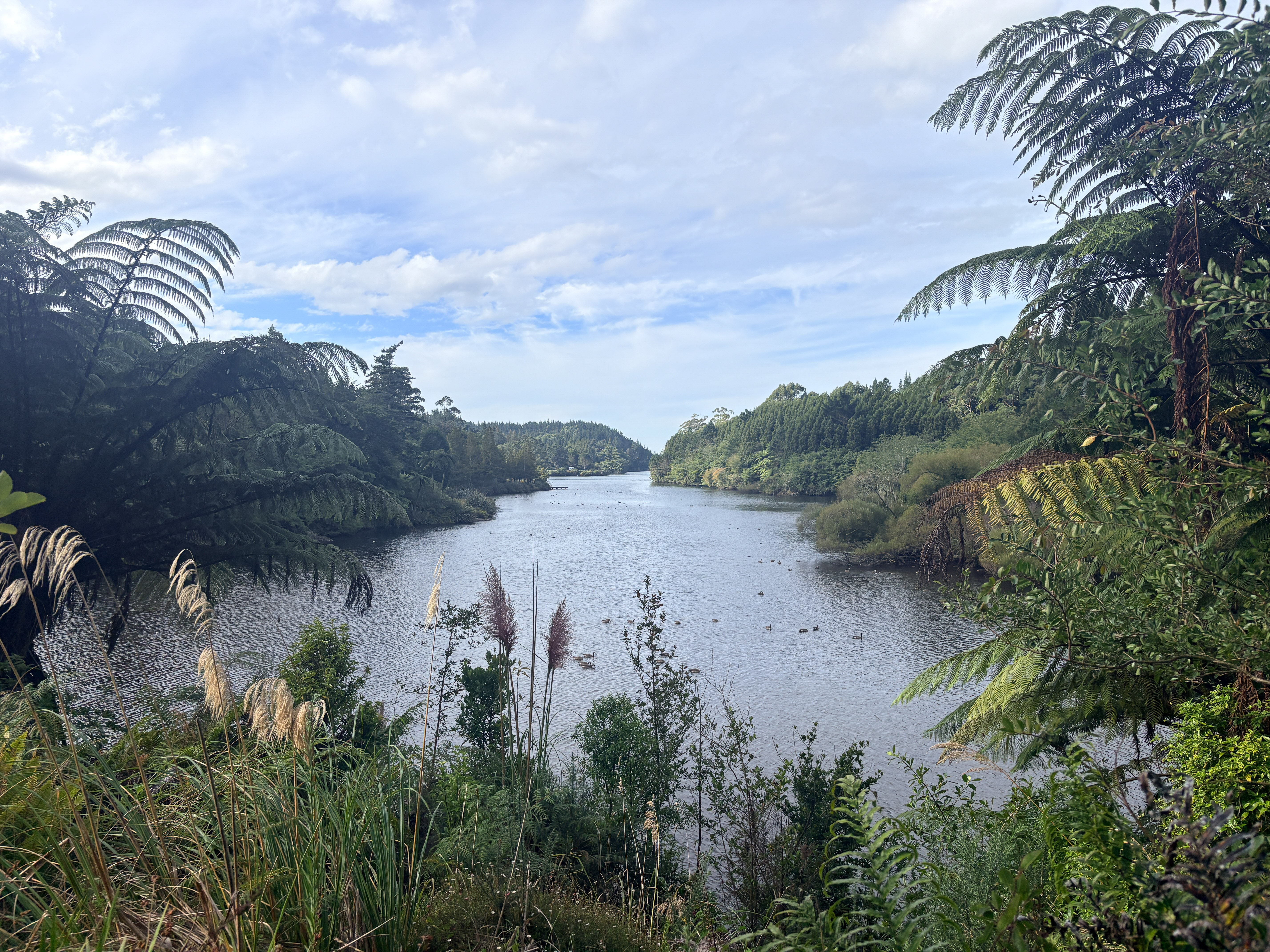
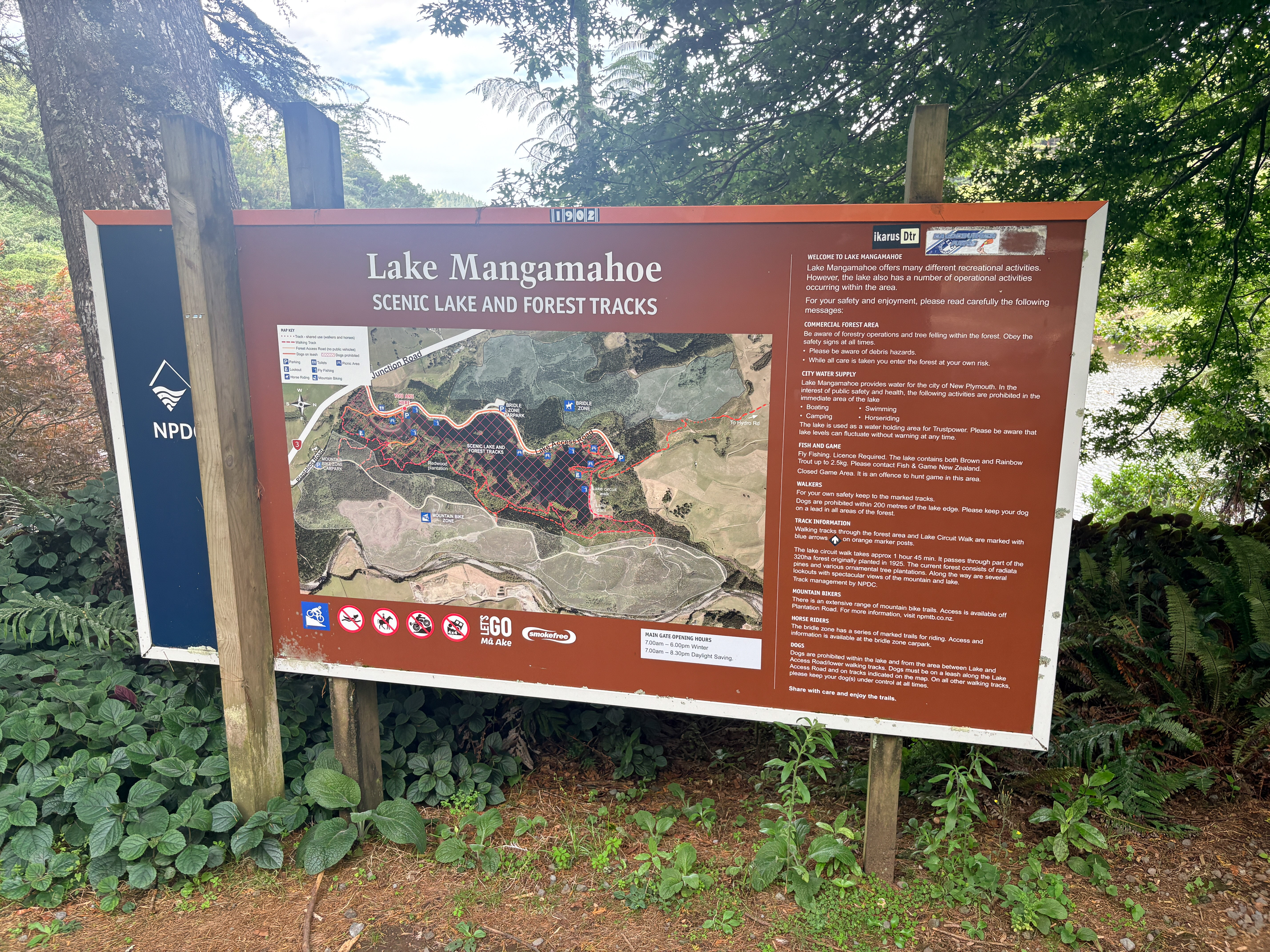
While I enjoyed lunch, I browsed AllTrails and decided upon my next hike, the loop around Lake Mangamahoe just outside of town.I did not look at the hike stats and expected an easy post-lunch loop around a lake, so I set of without water. Turns out half the loop climbs up and down a ridge. Better views but more thirst!
Day 7 (February 28)
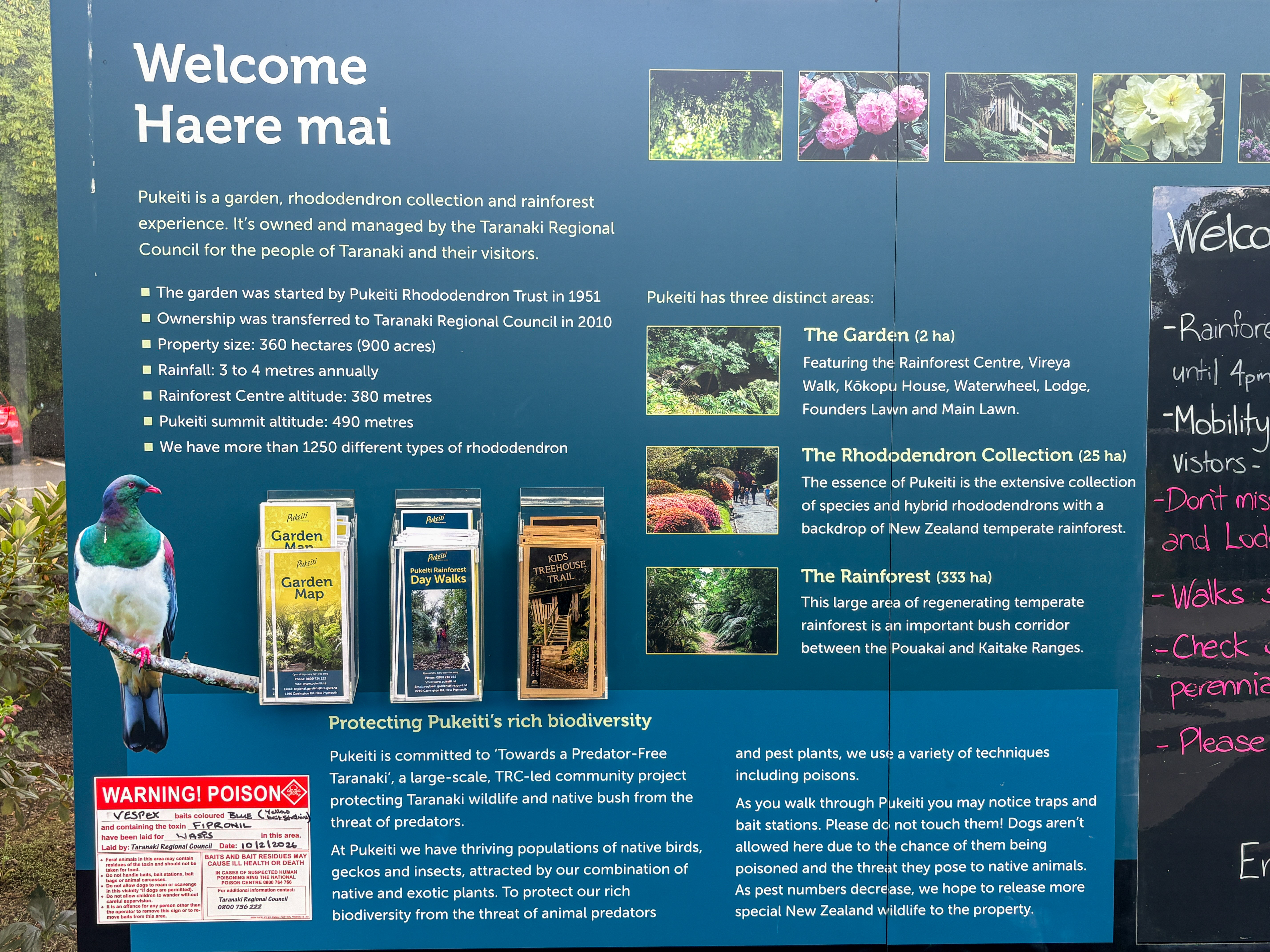
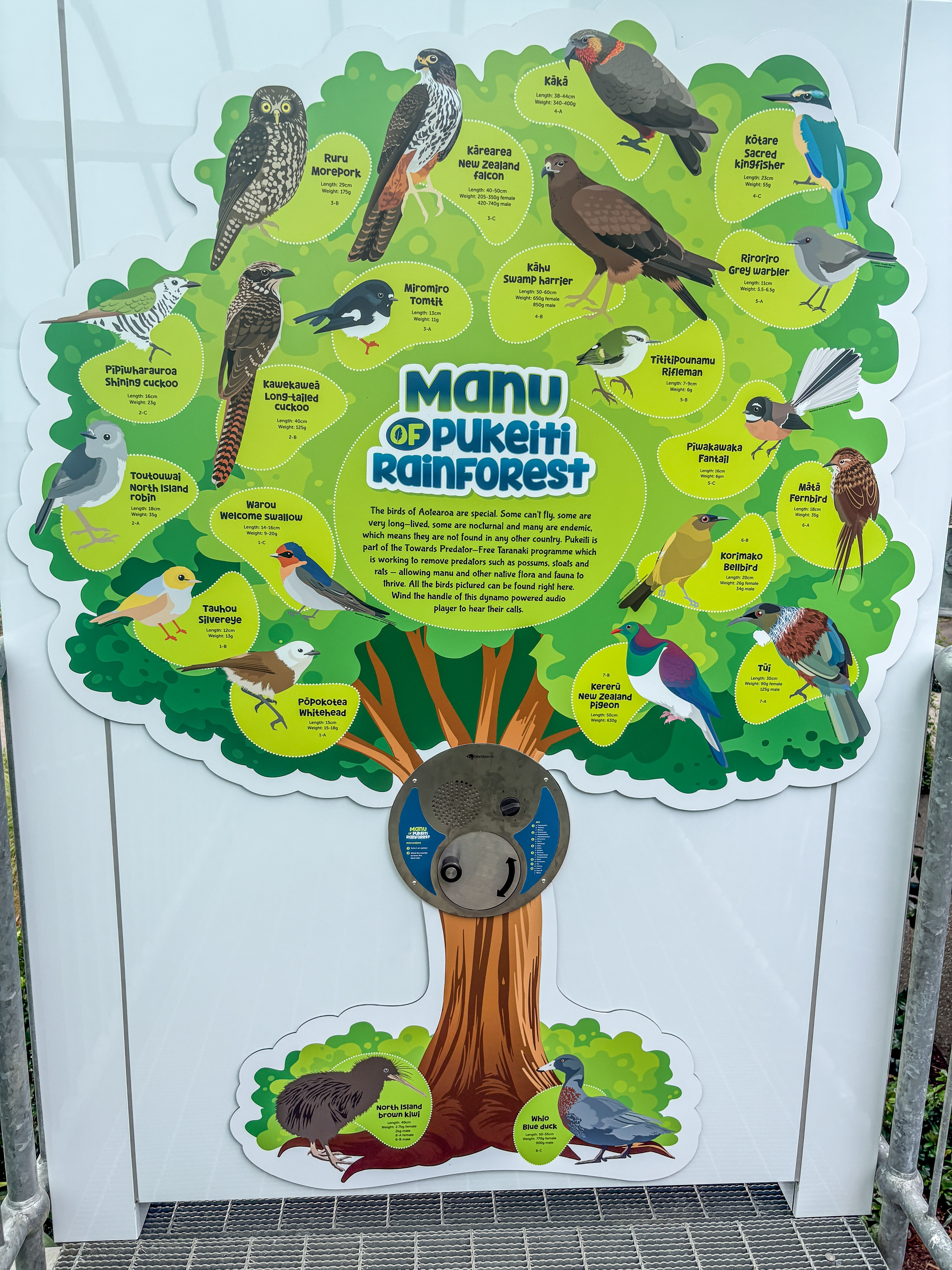
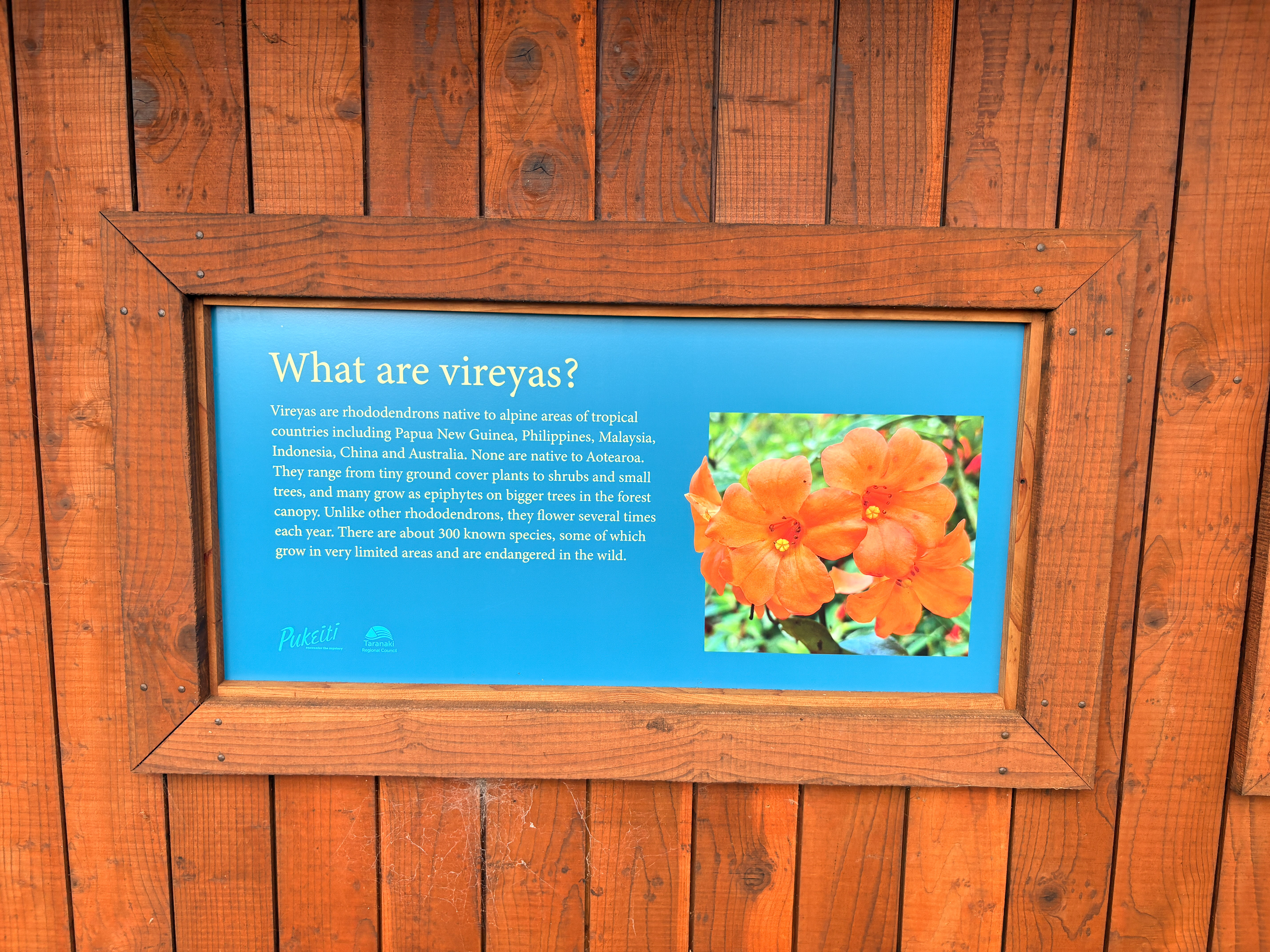
I started my day with a plate of fantastic fajitas in New Plymouth, where I got to see the Americarna displays rolling into town for the big show. I then dropped by the Pukeiti botanical gardens. Not quite wild nature, but still a good way to spend an hour.
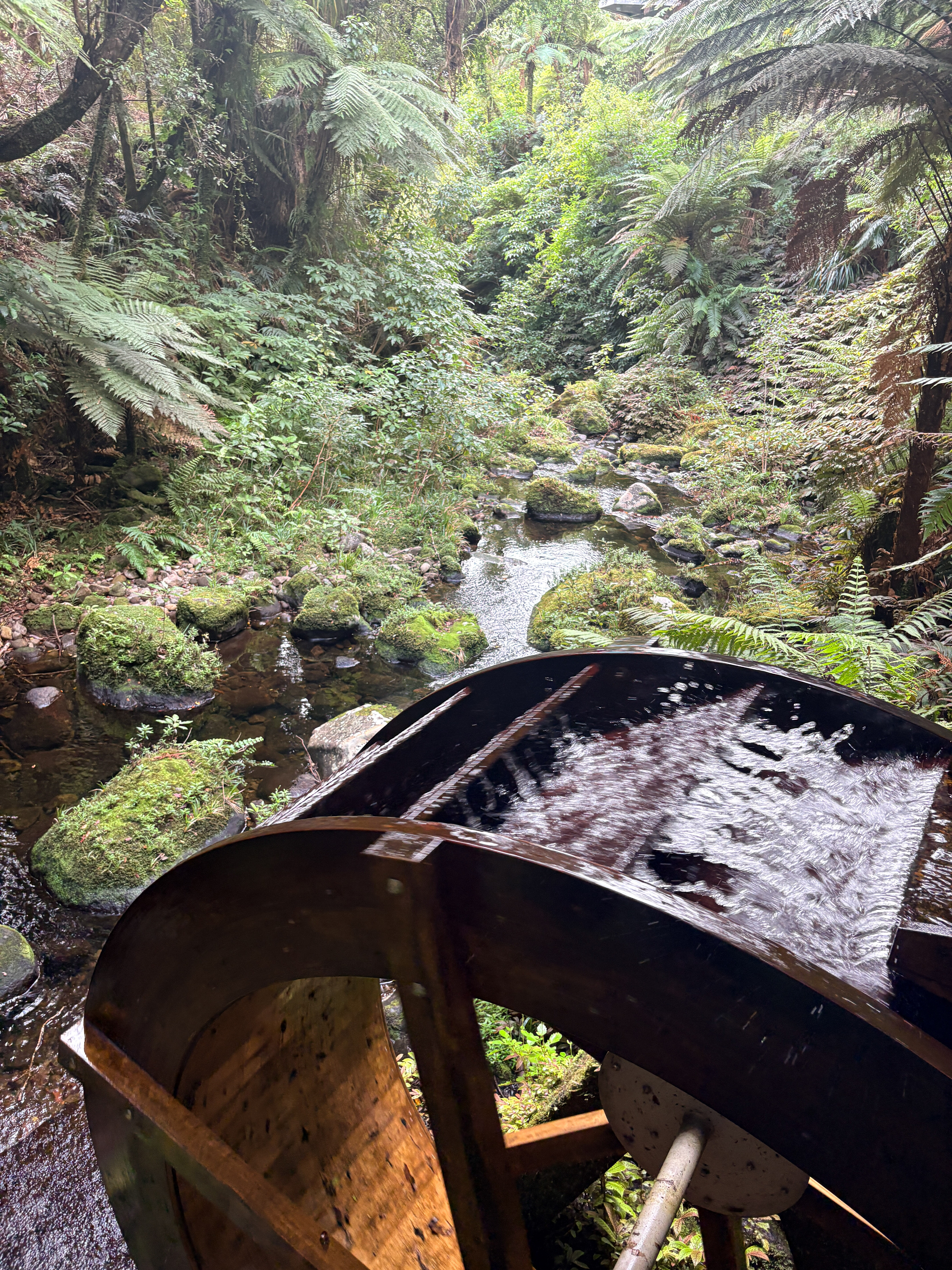
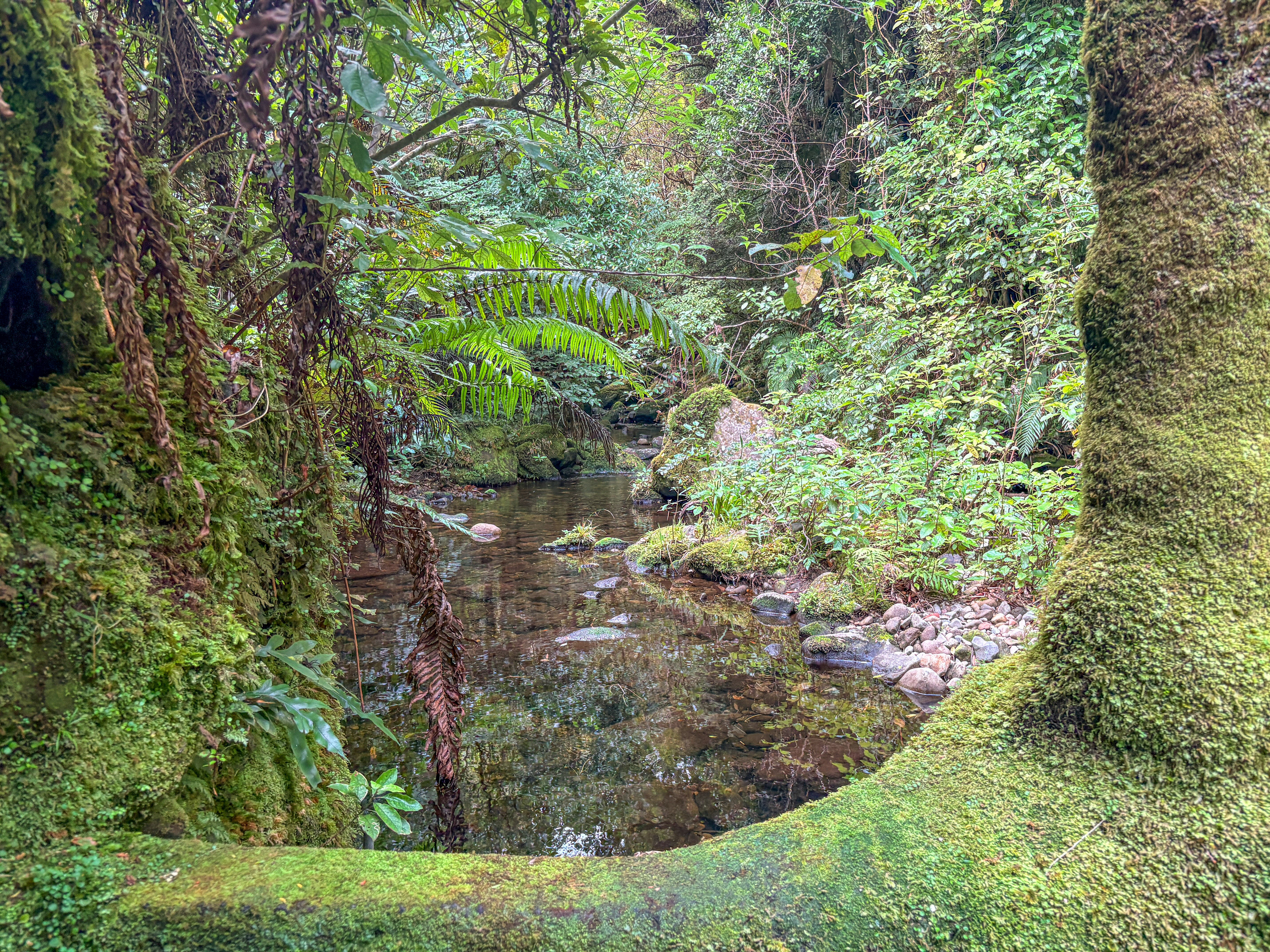
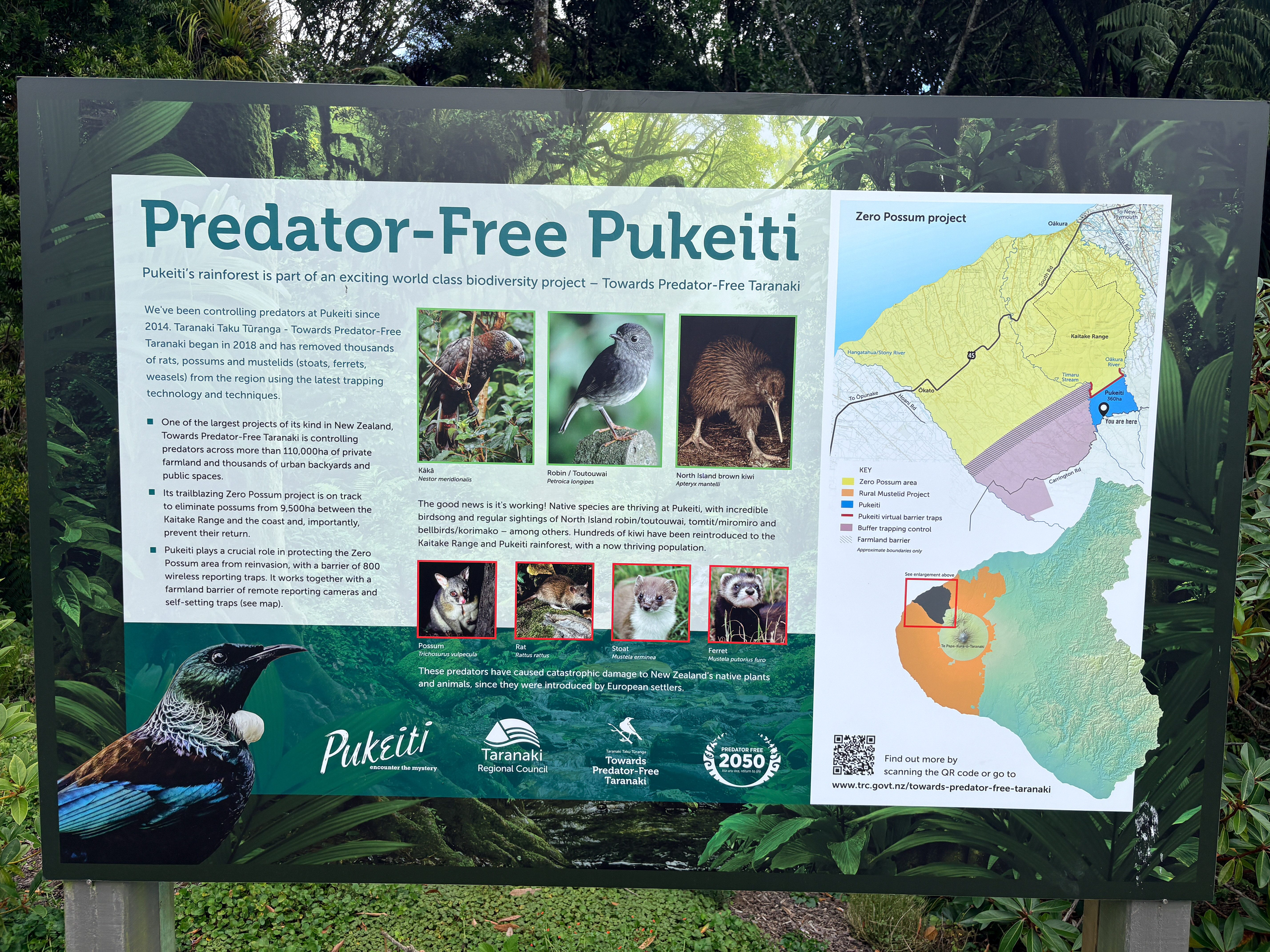
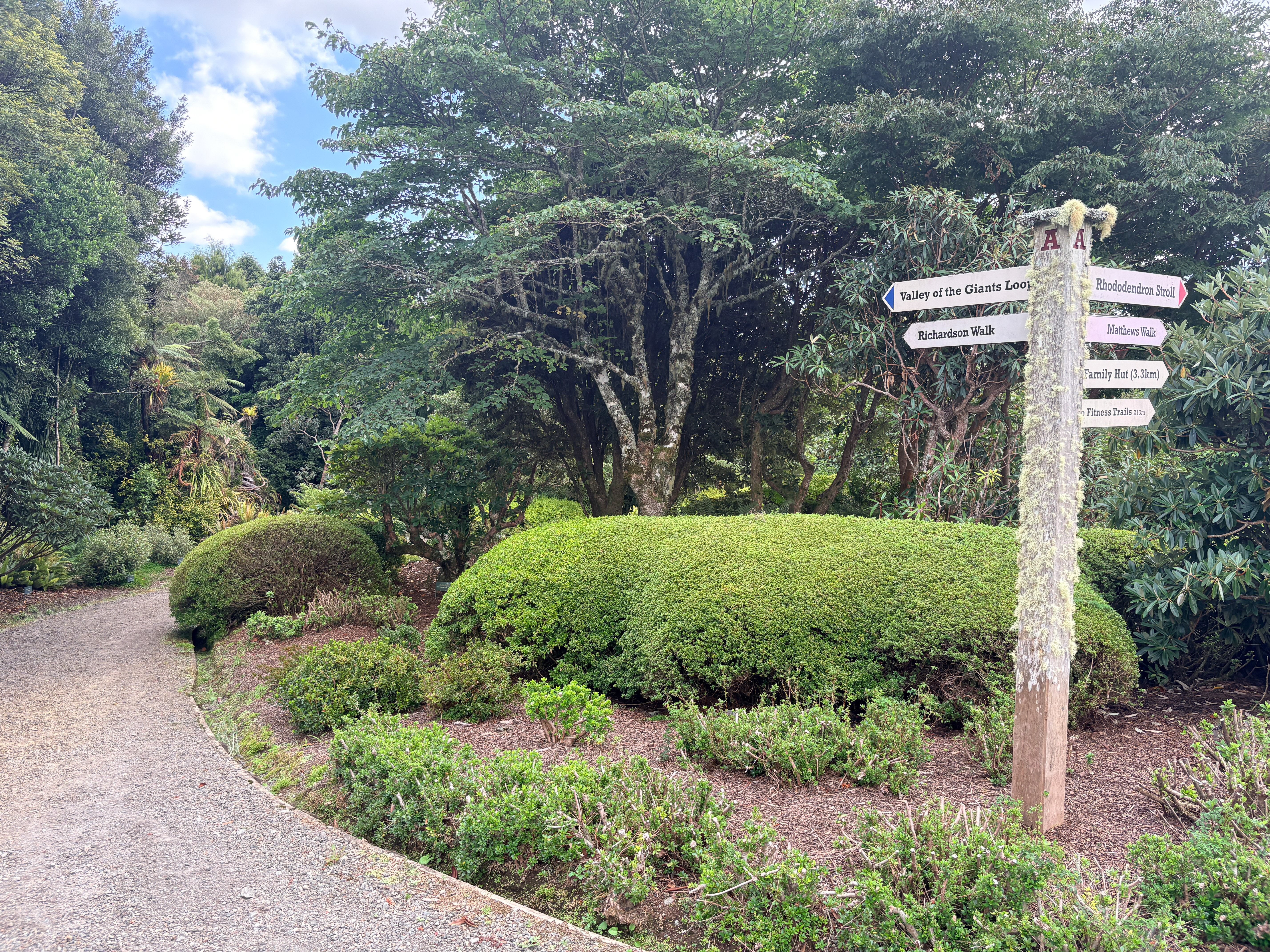
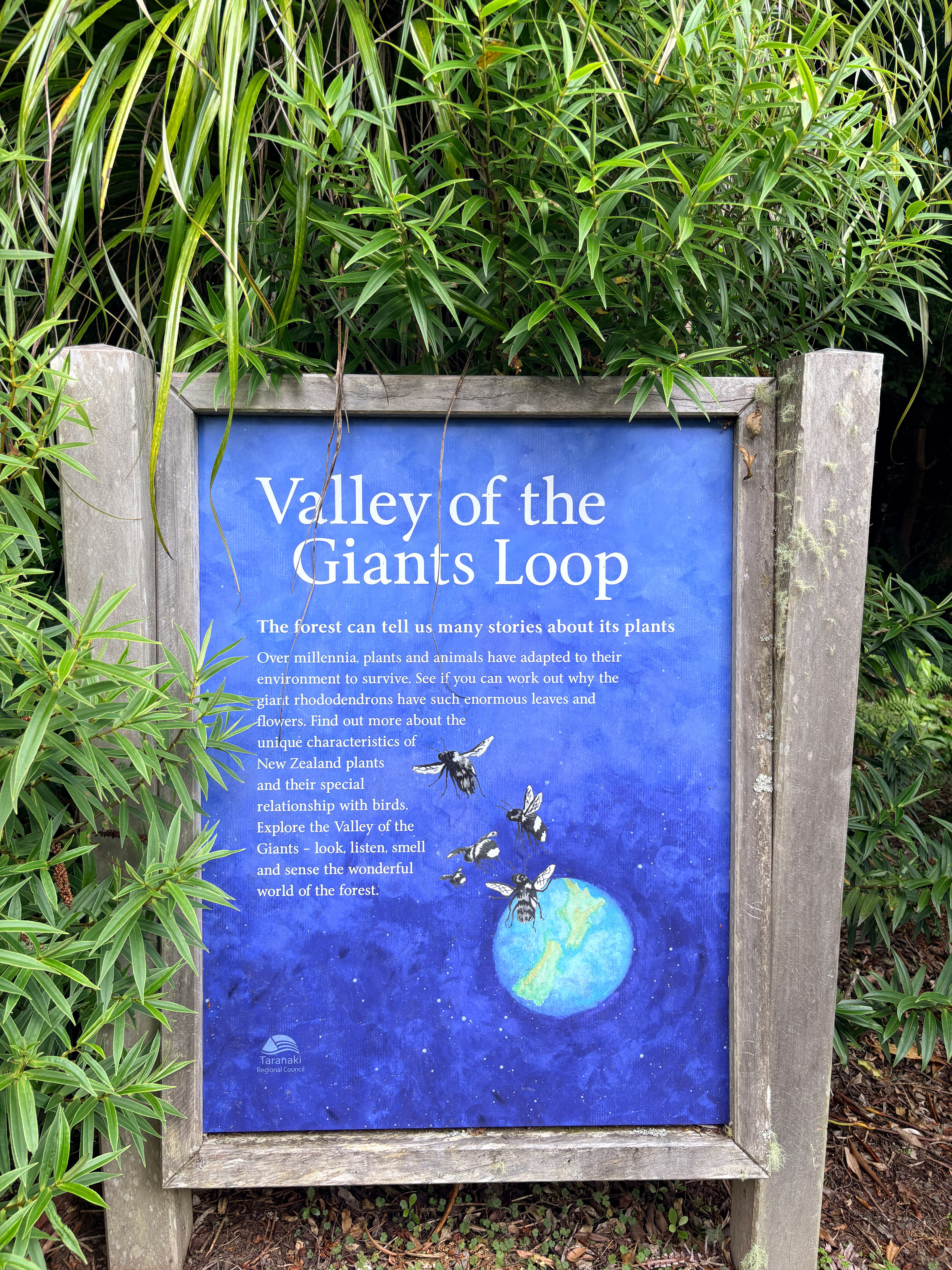
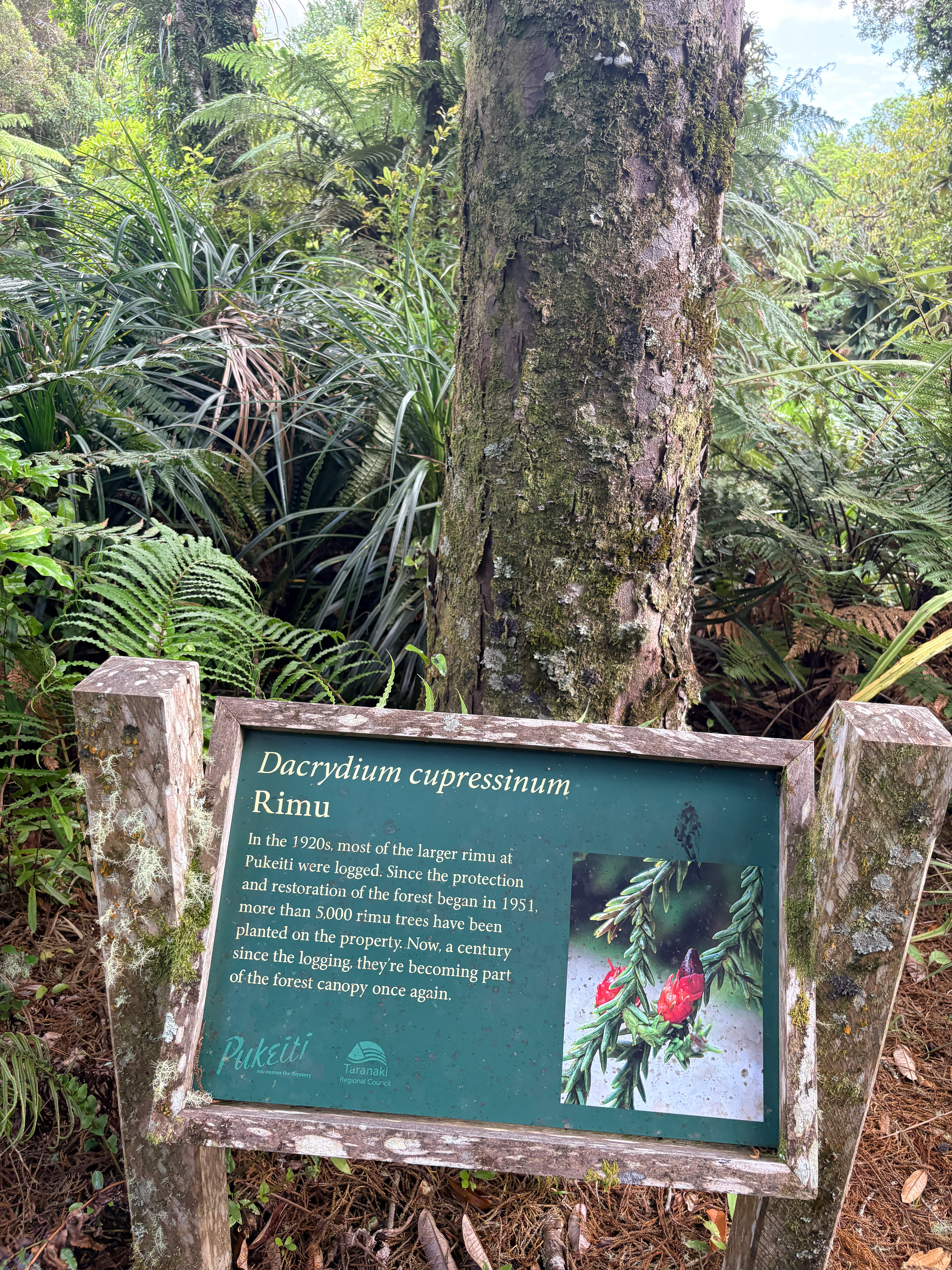
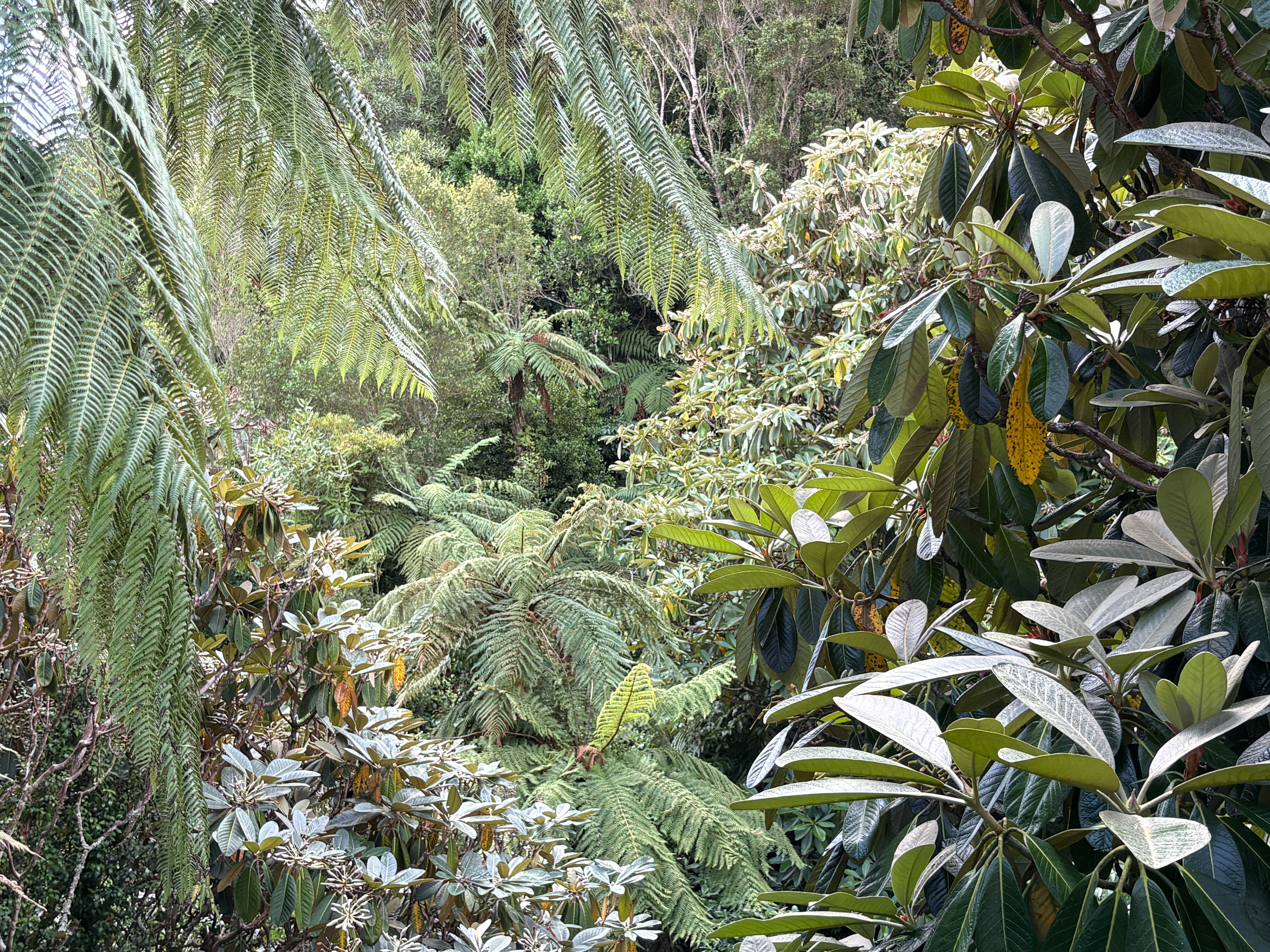
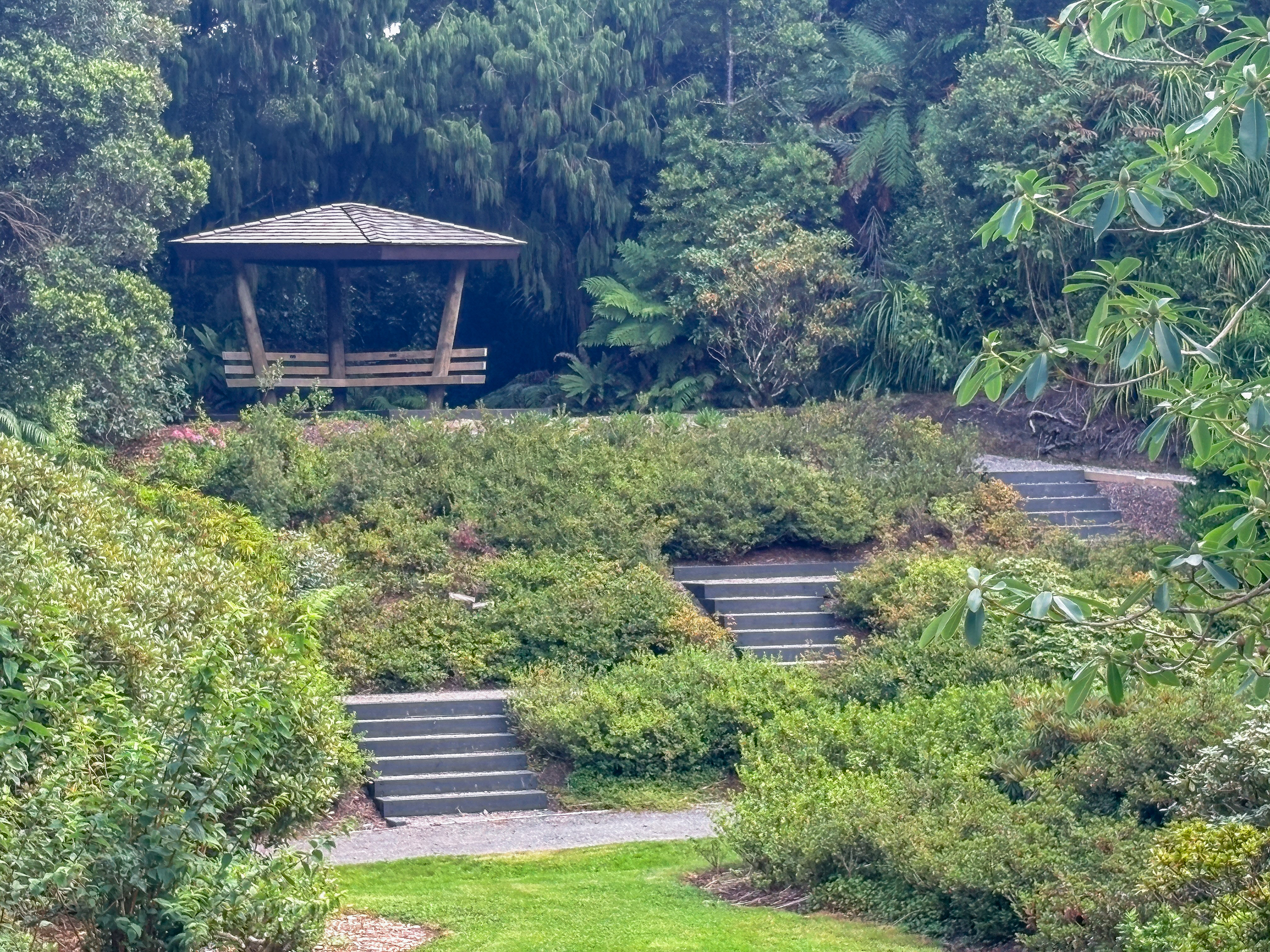
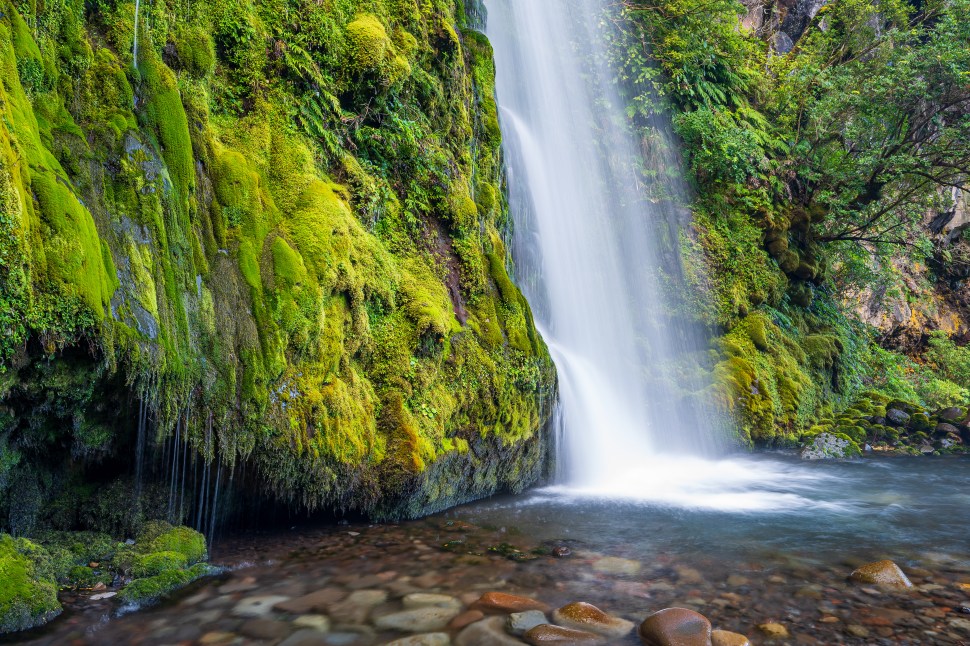
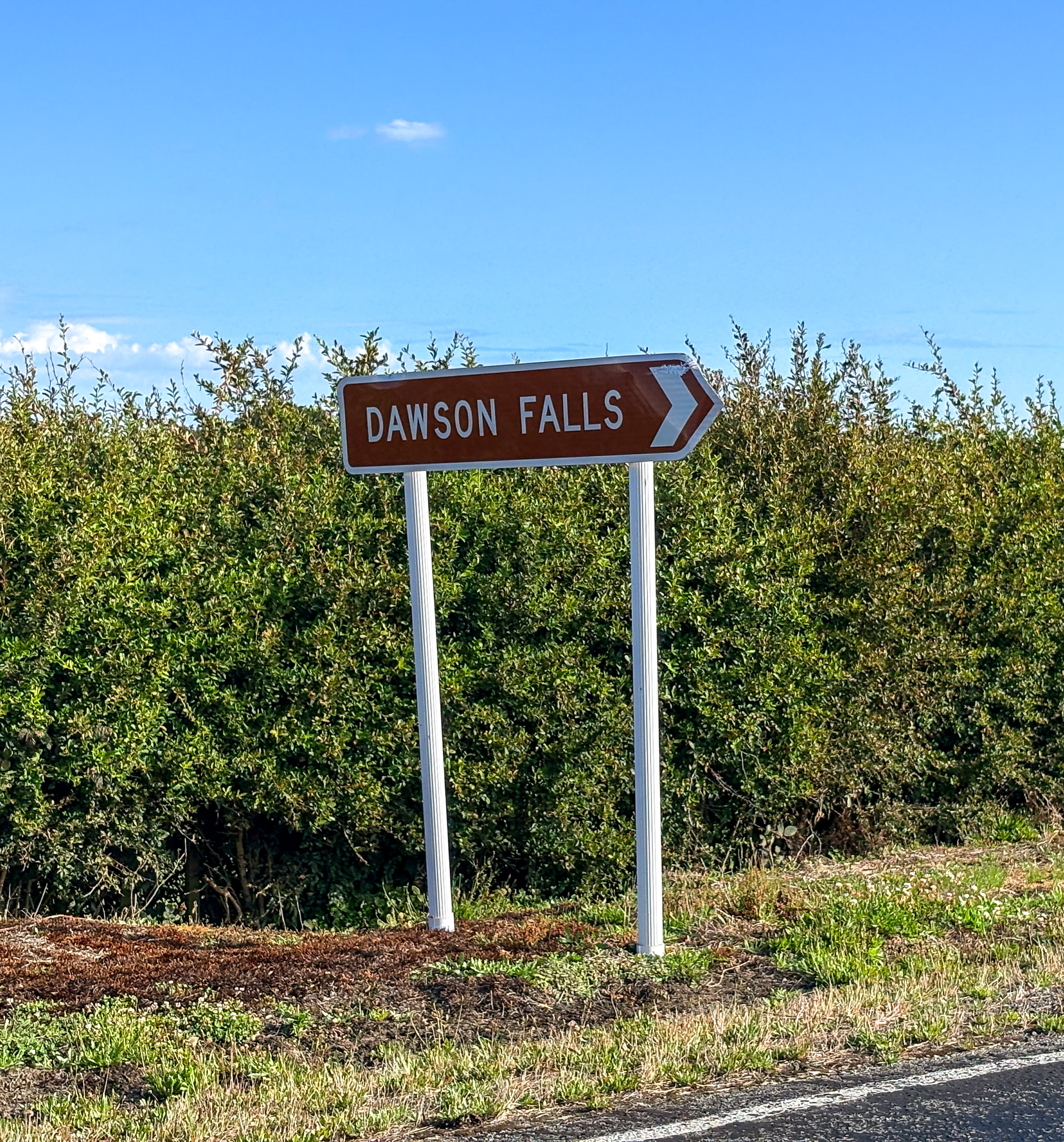
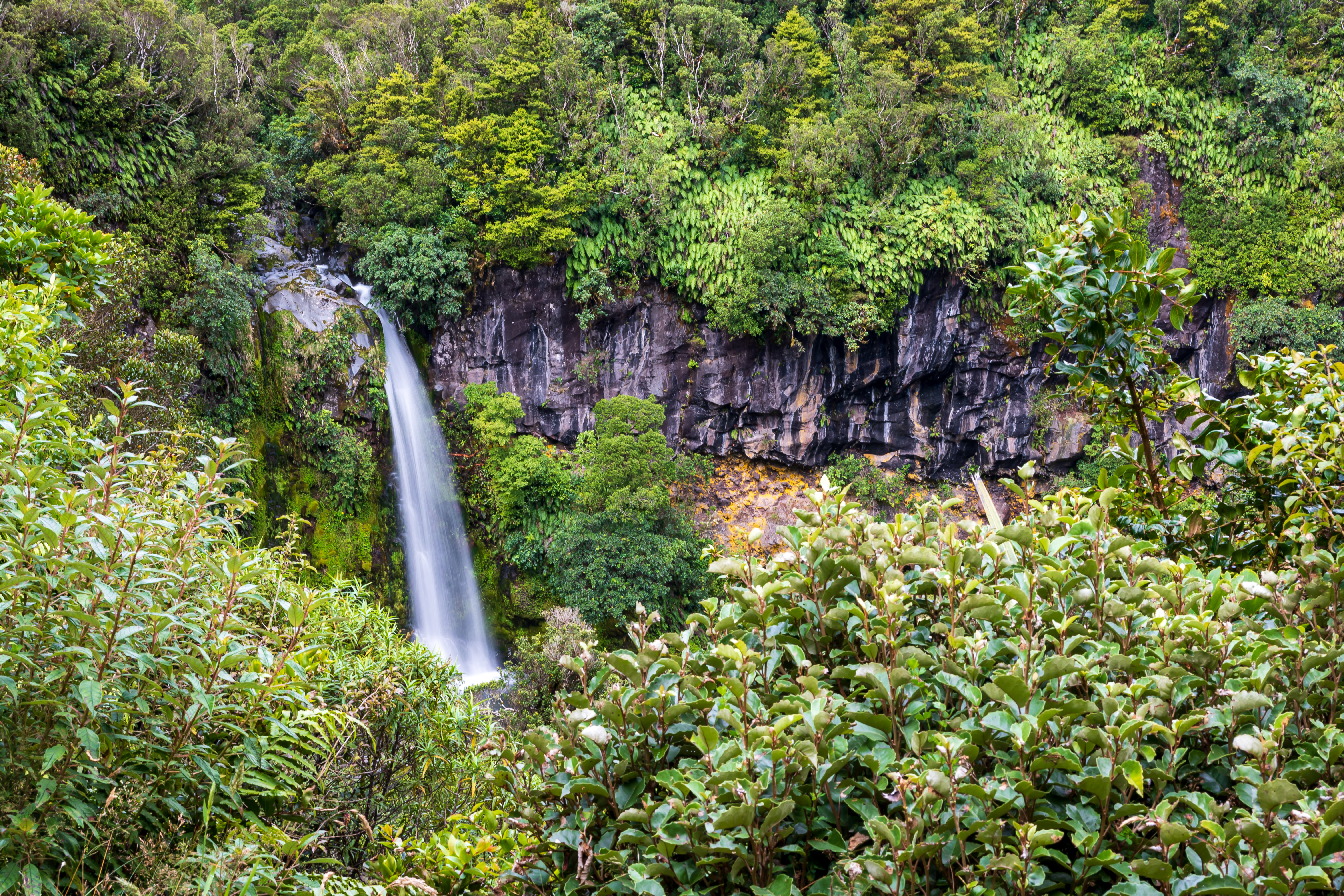
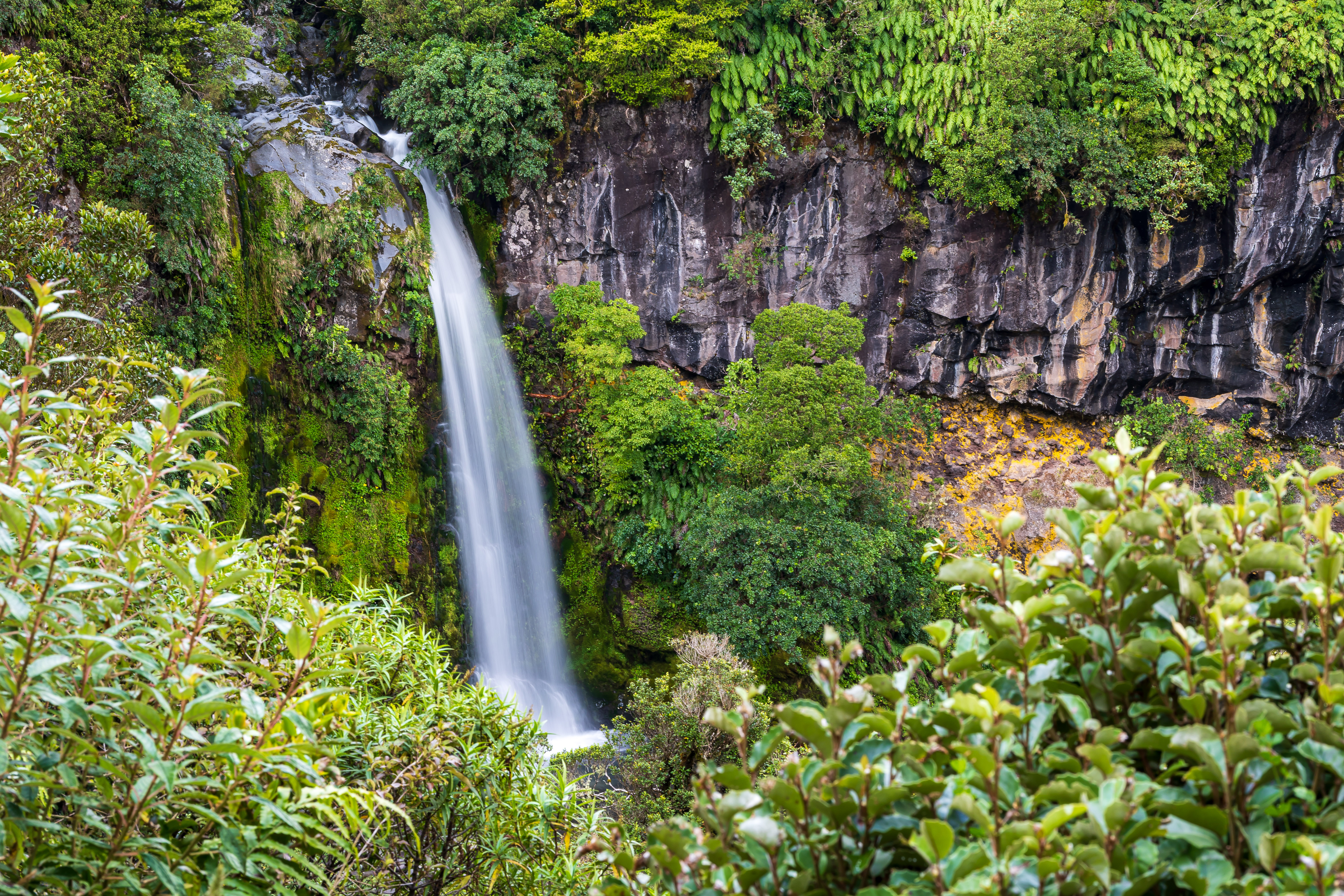
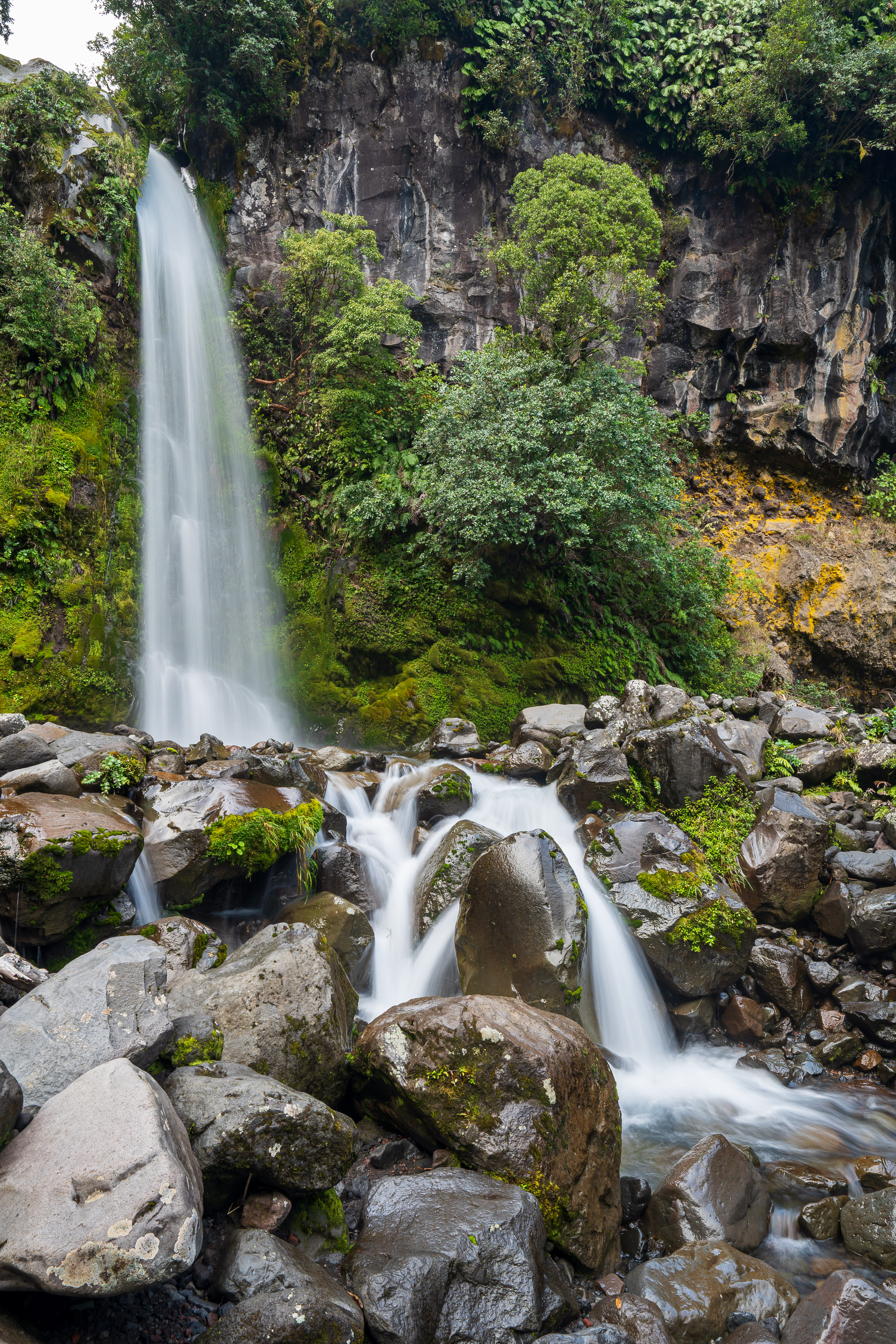
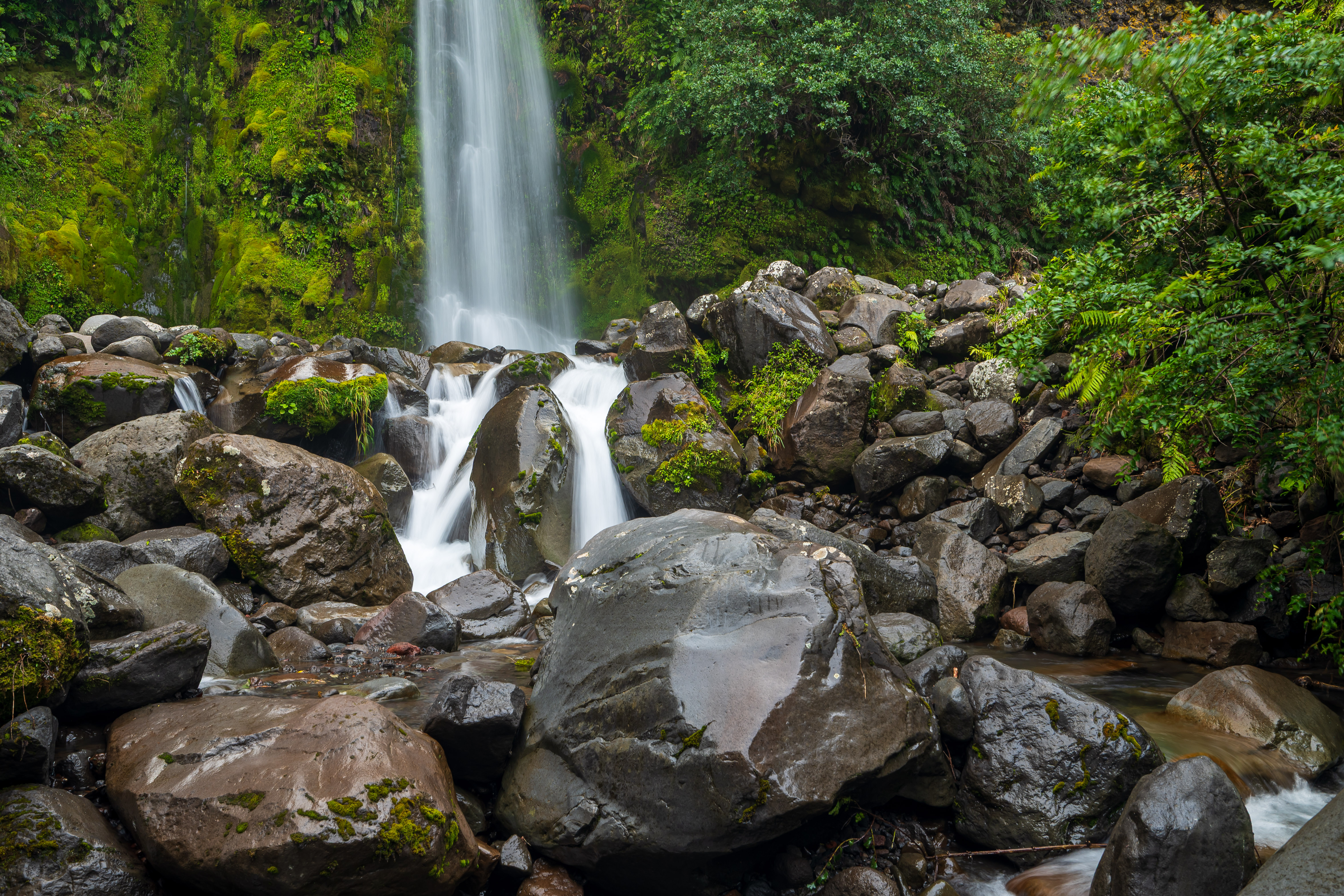
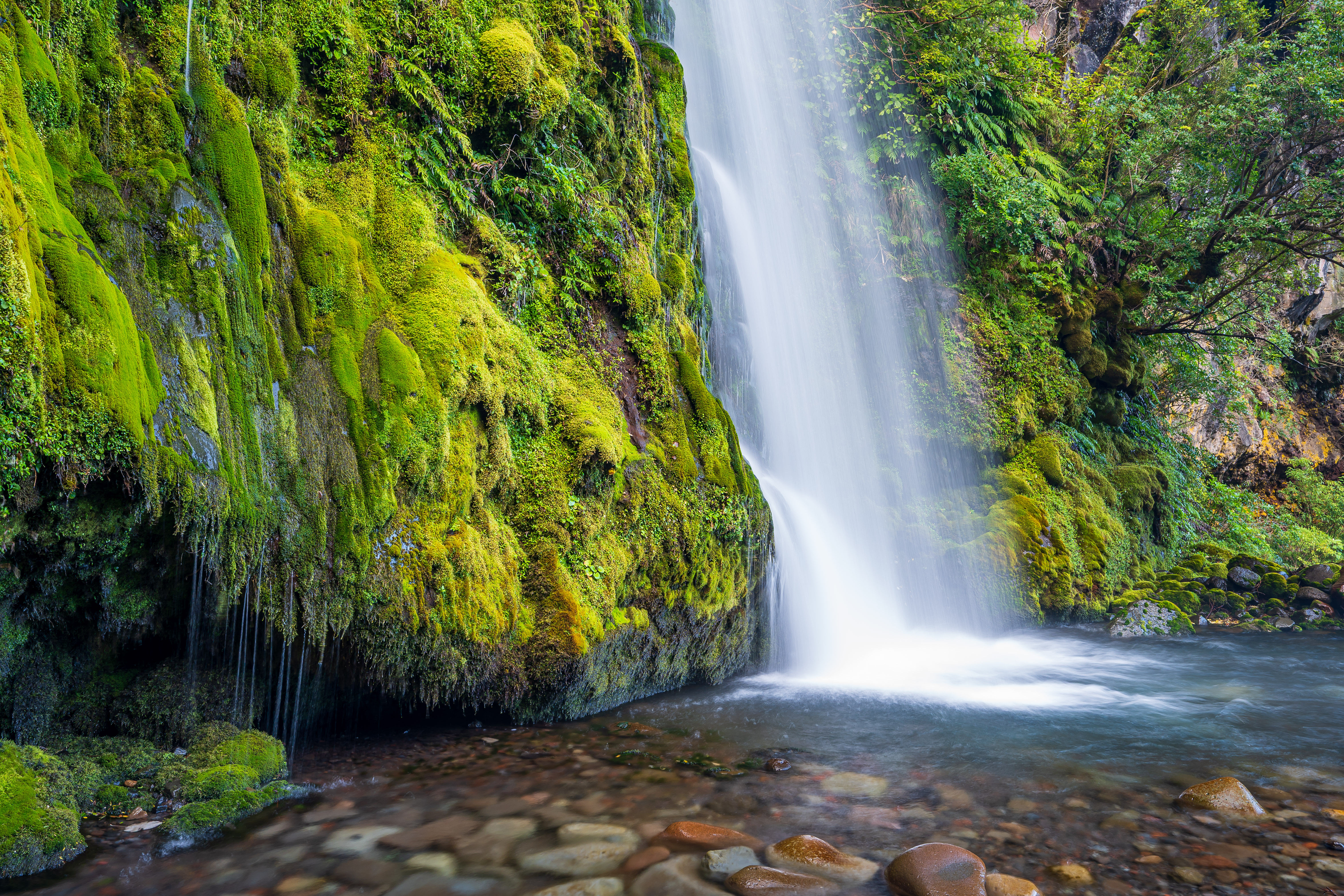
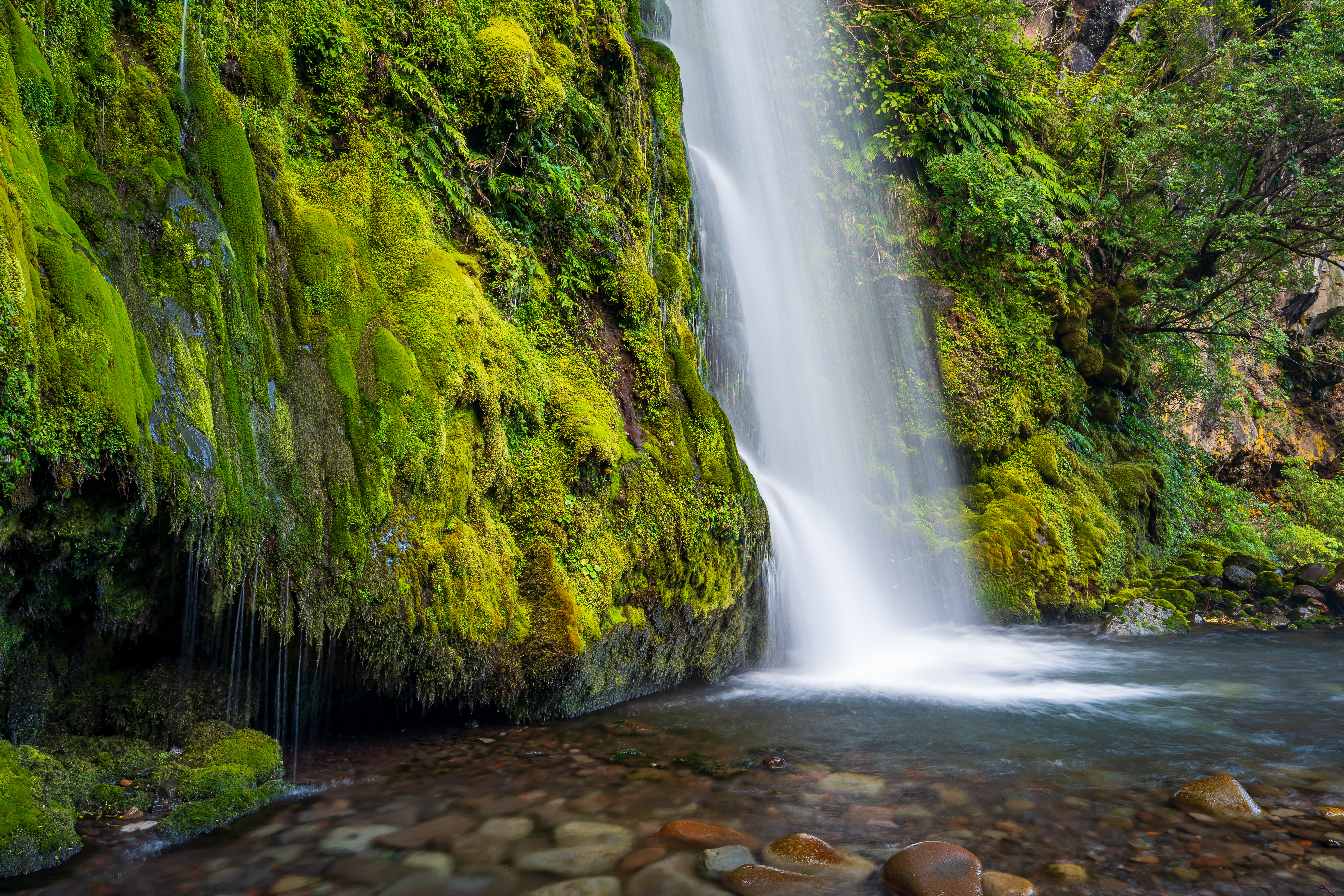
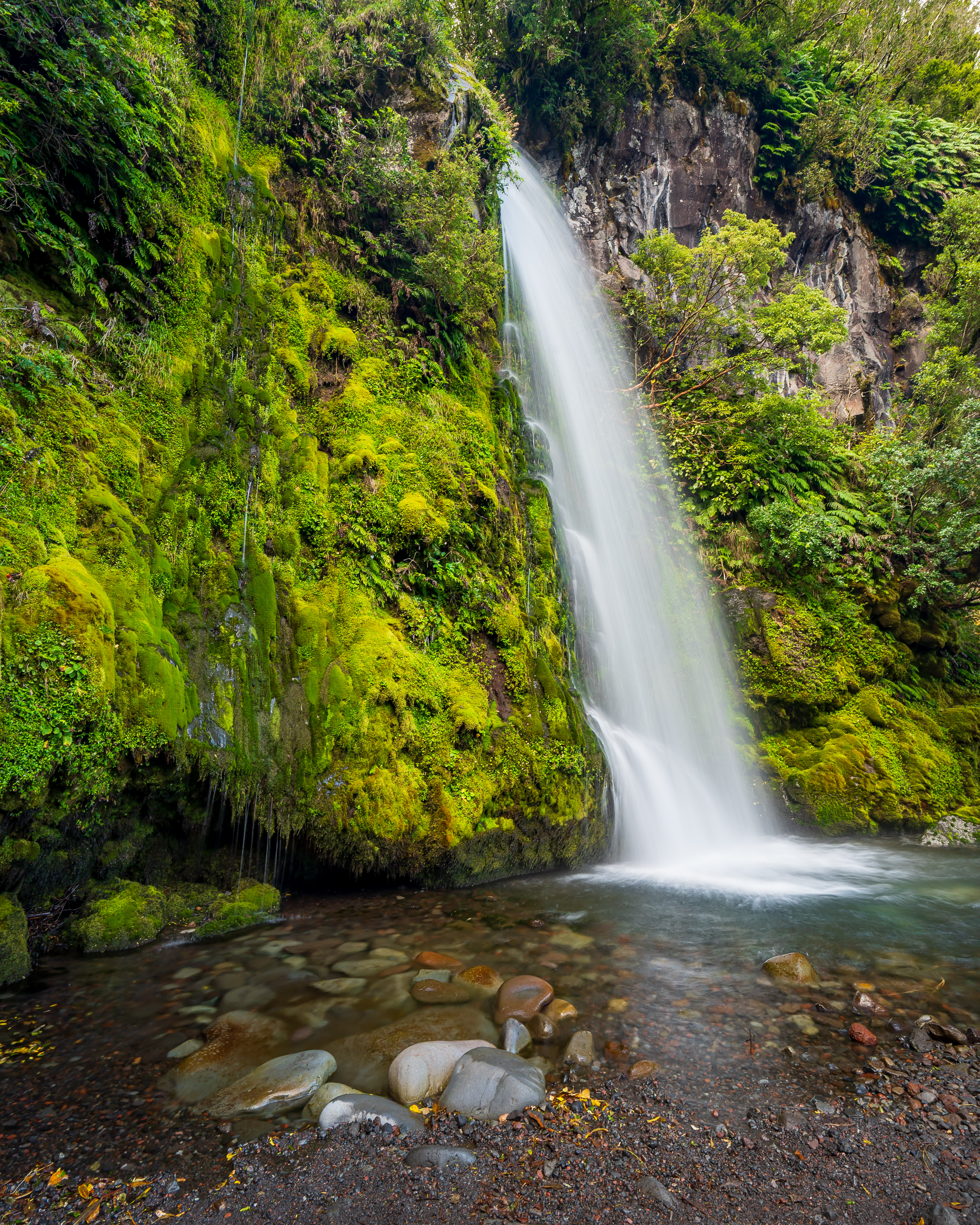
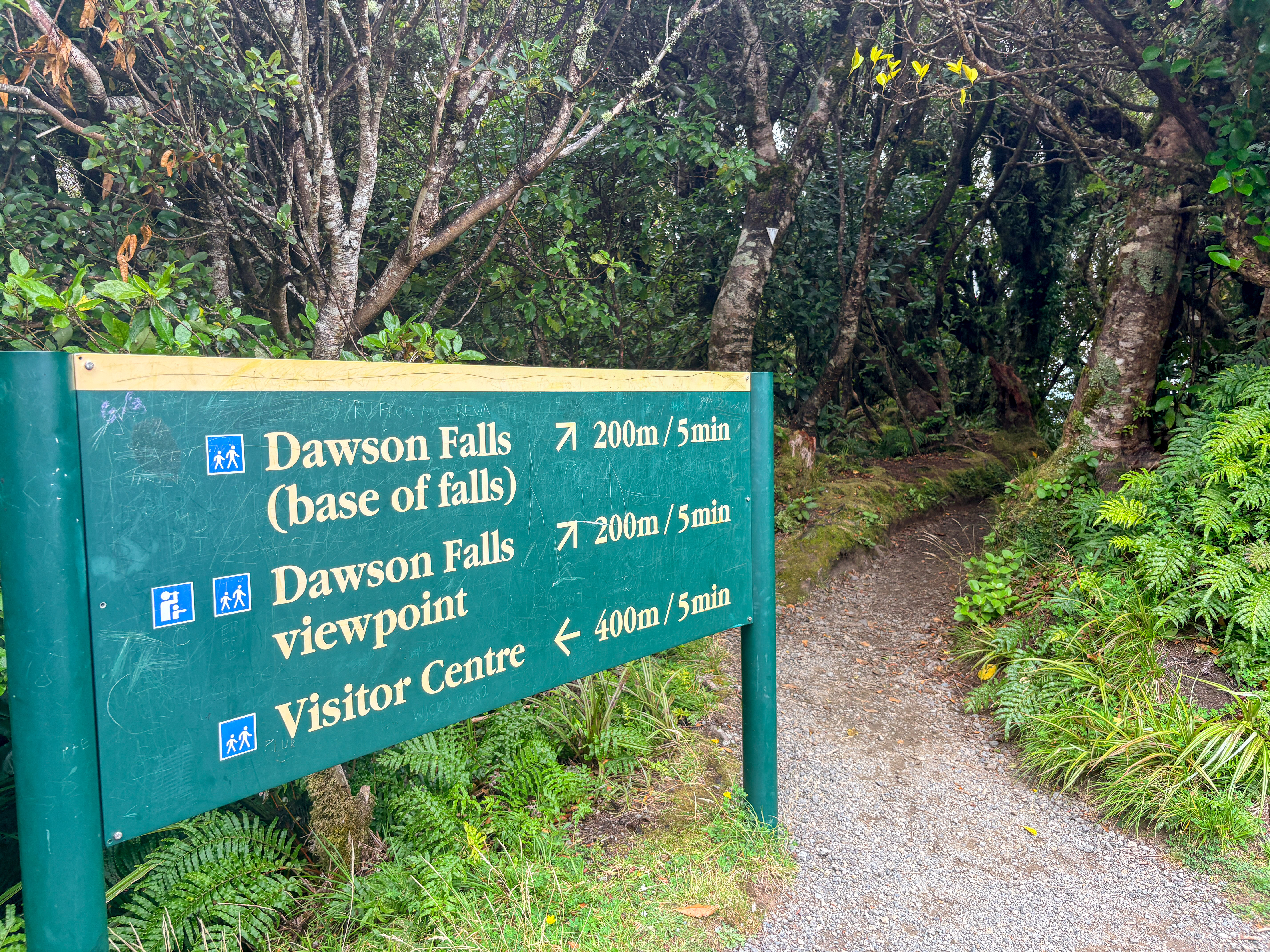
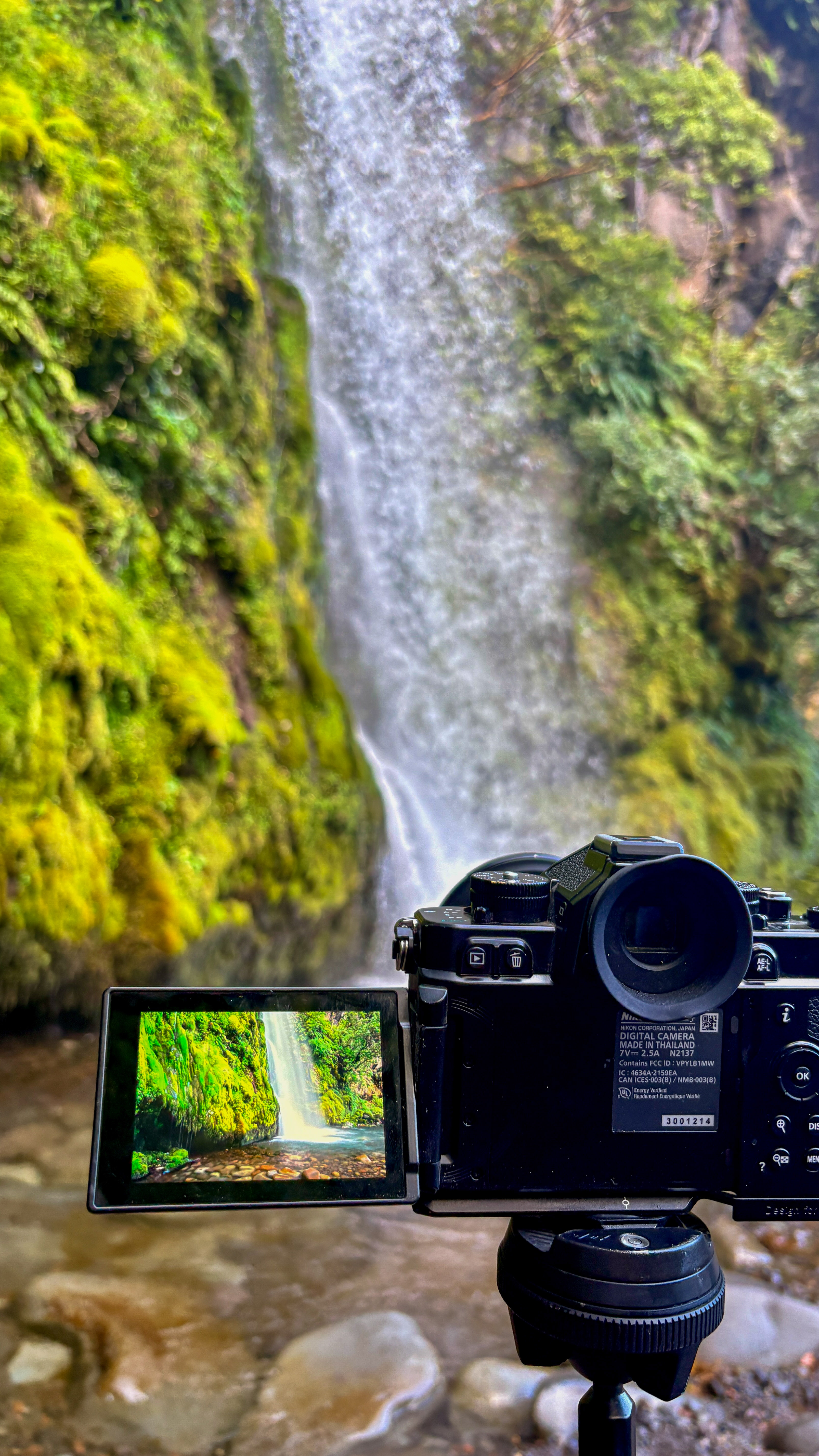
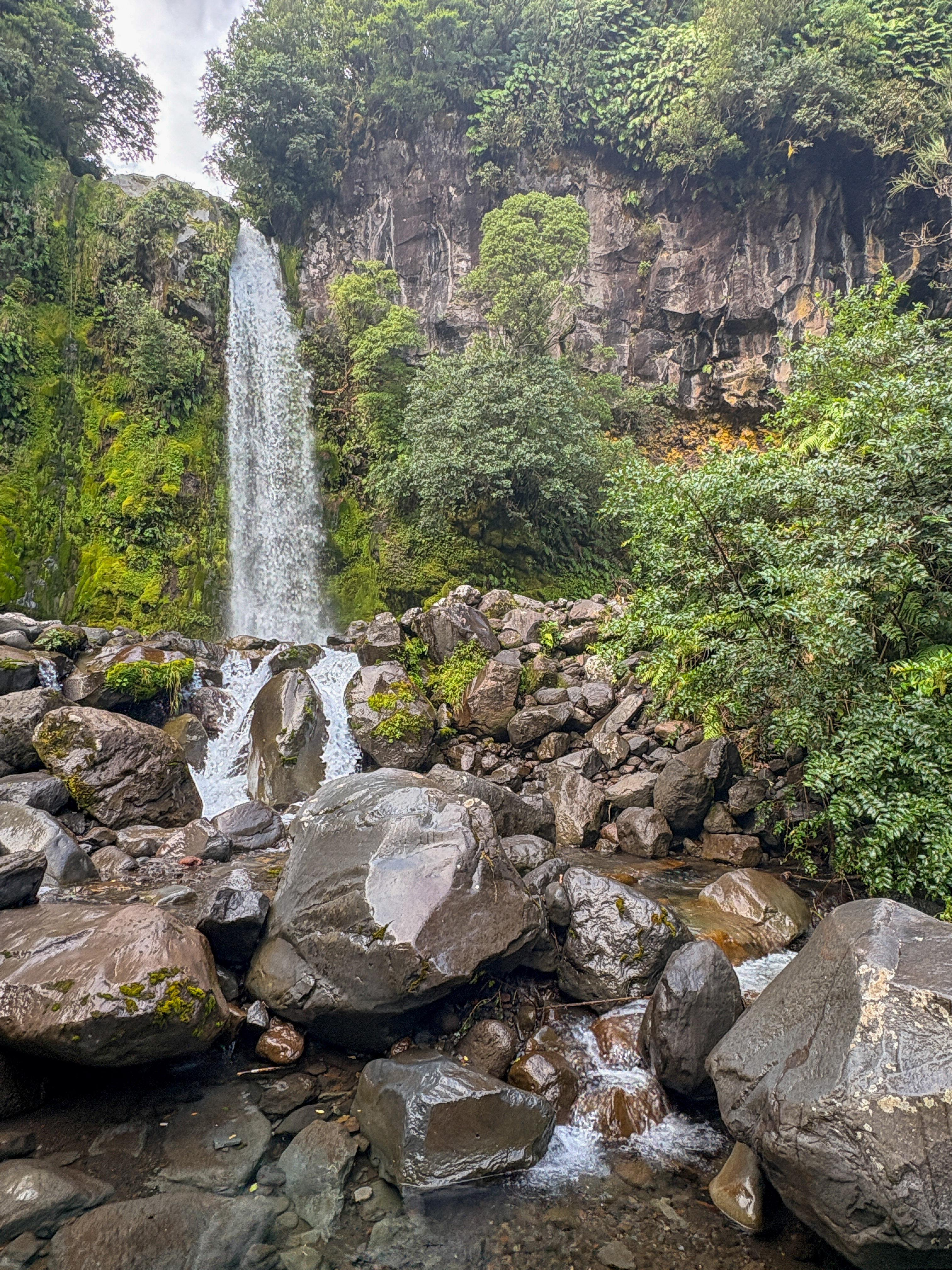
After leaving Pukeiti, I decided a nice drive around the mountain would be nice, and soon found myself looking at a brown side that pointed the way to Dawson Falls (#ibrakeforbrownsigns). I found myself enjoying a beautiful waterfall, and broke out my actual camera and tripod for the first time since early in the trip.
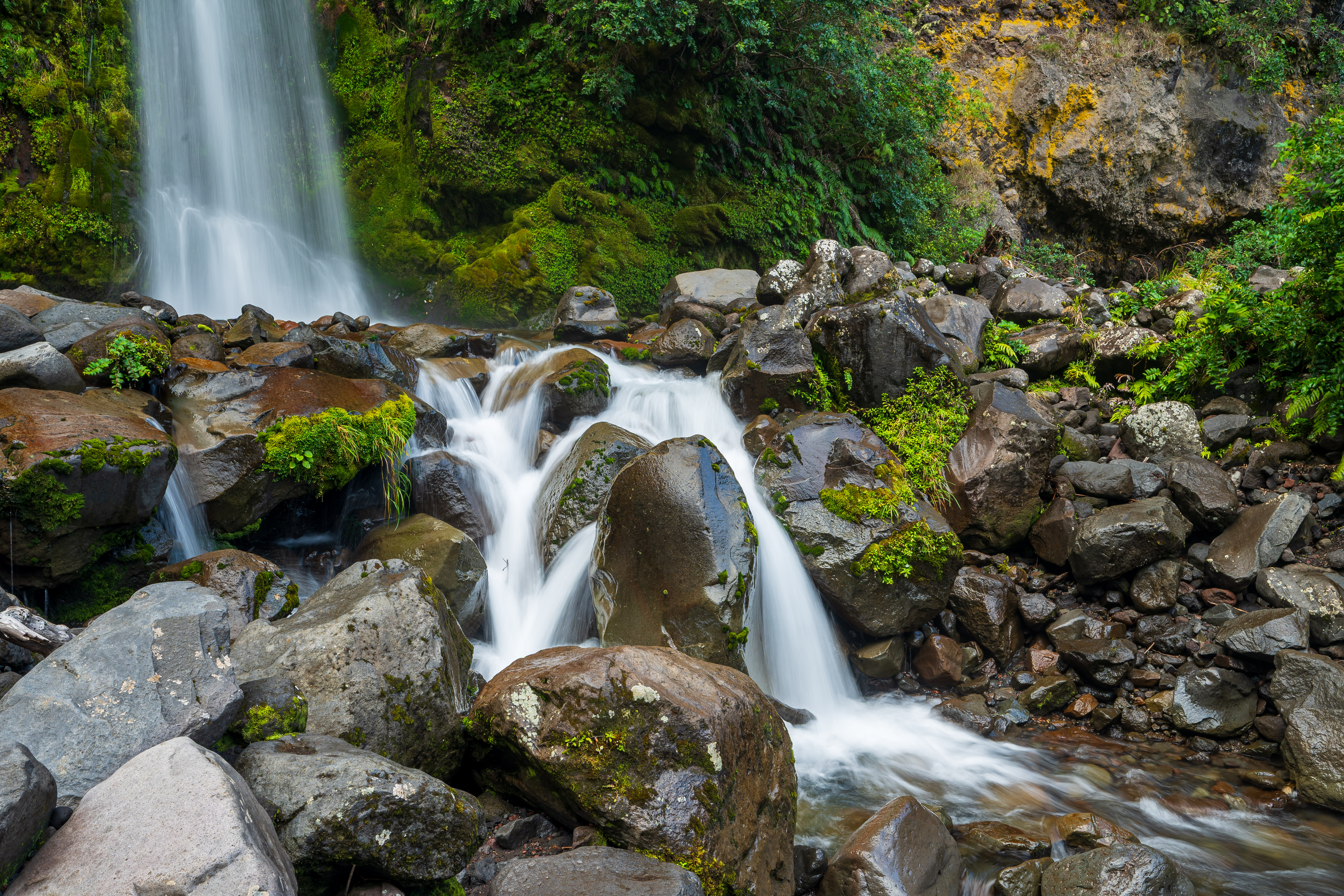
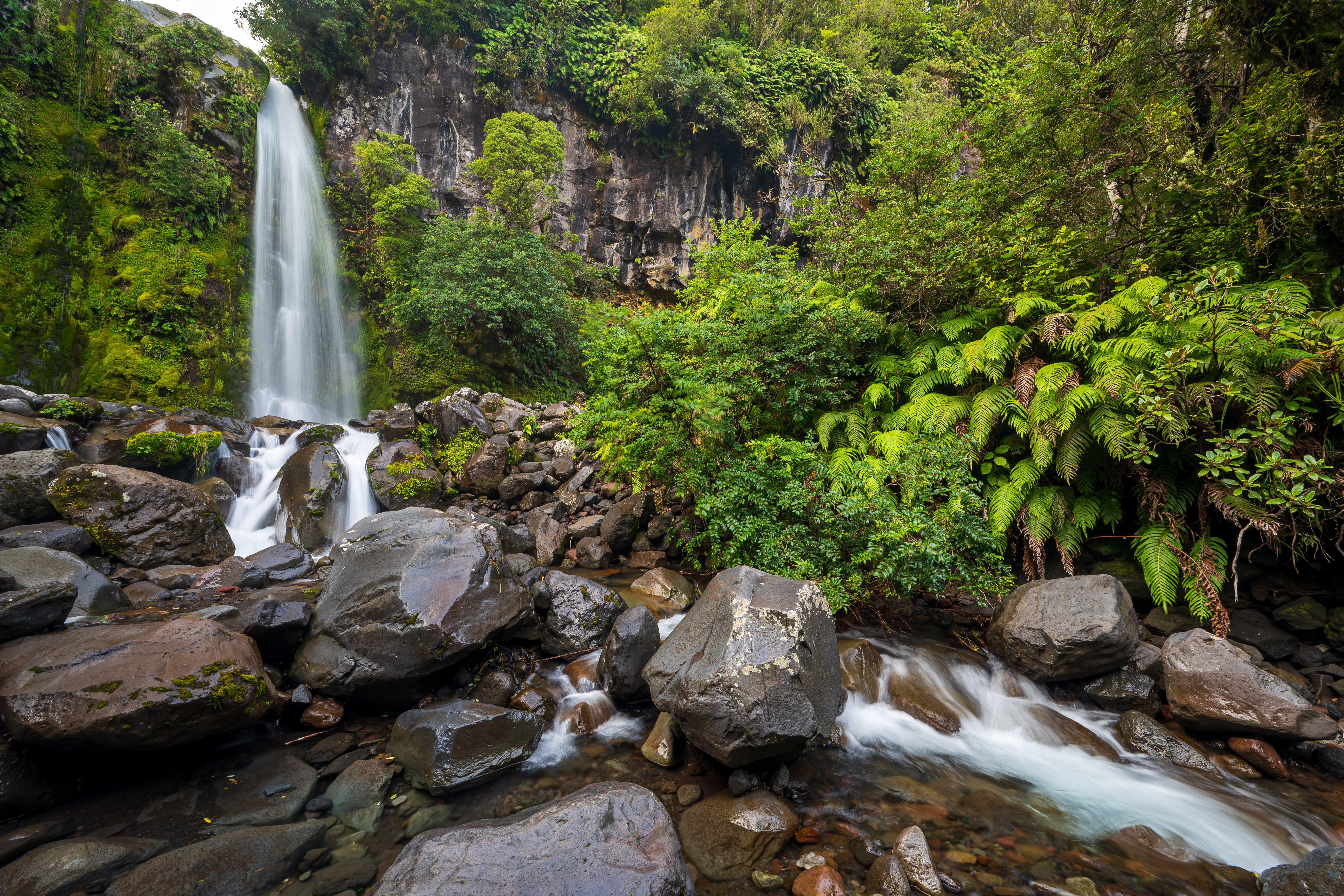
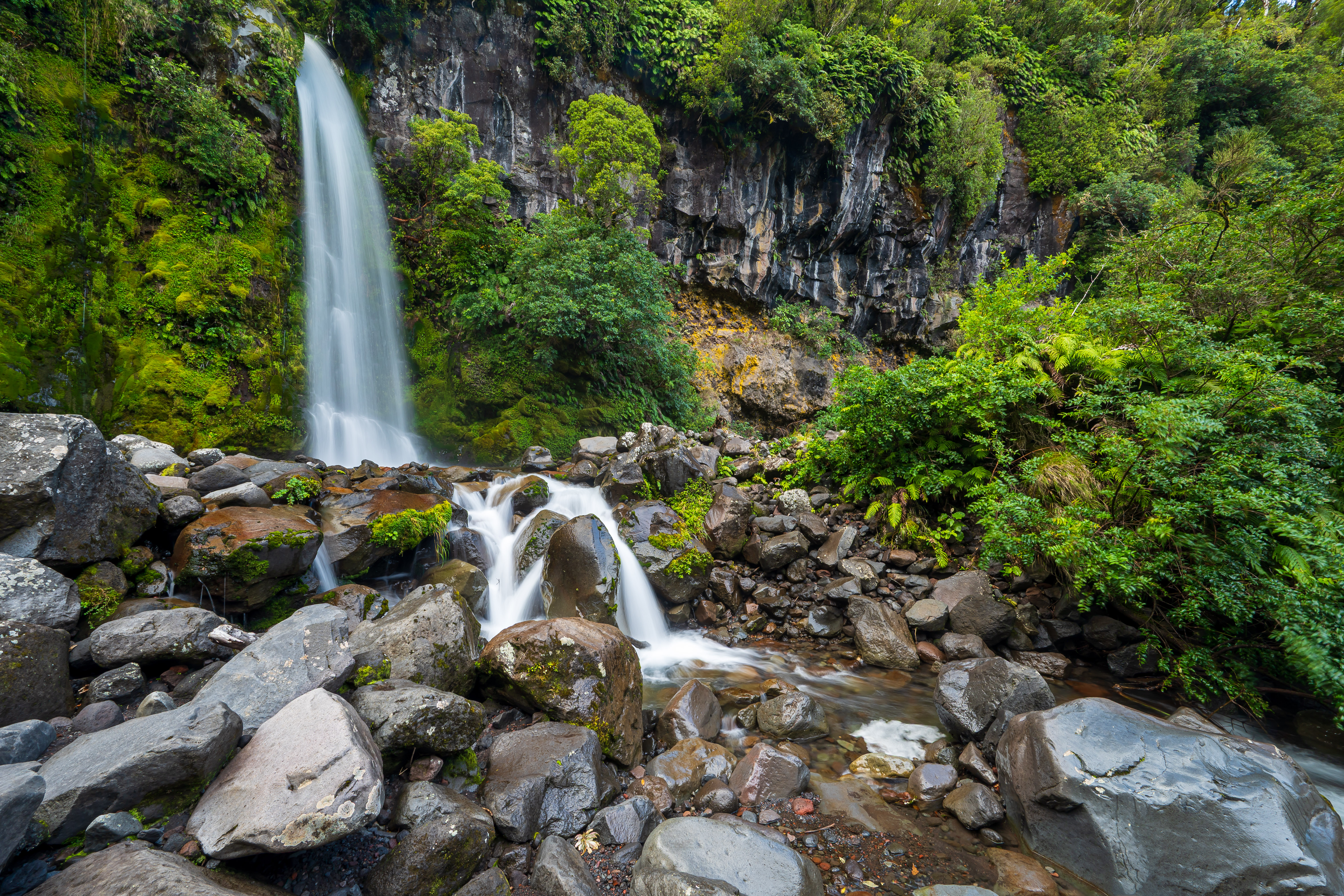
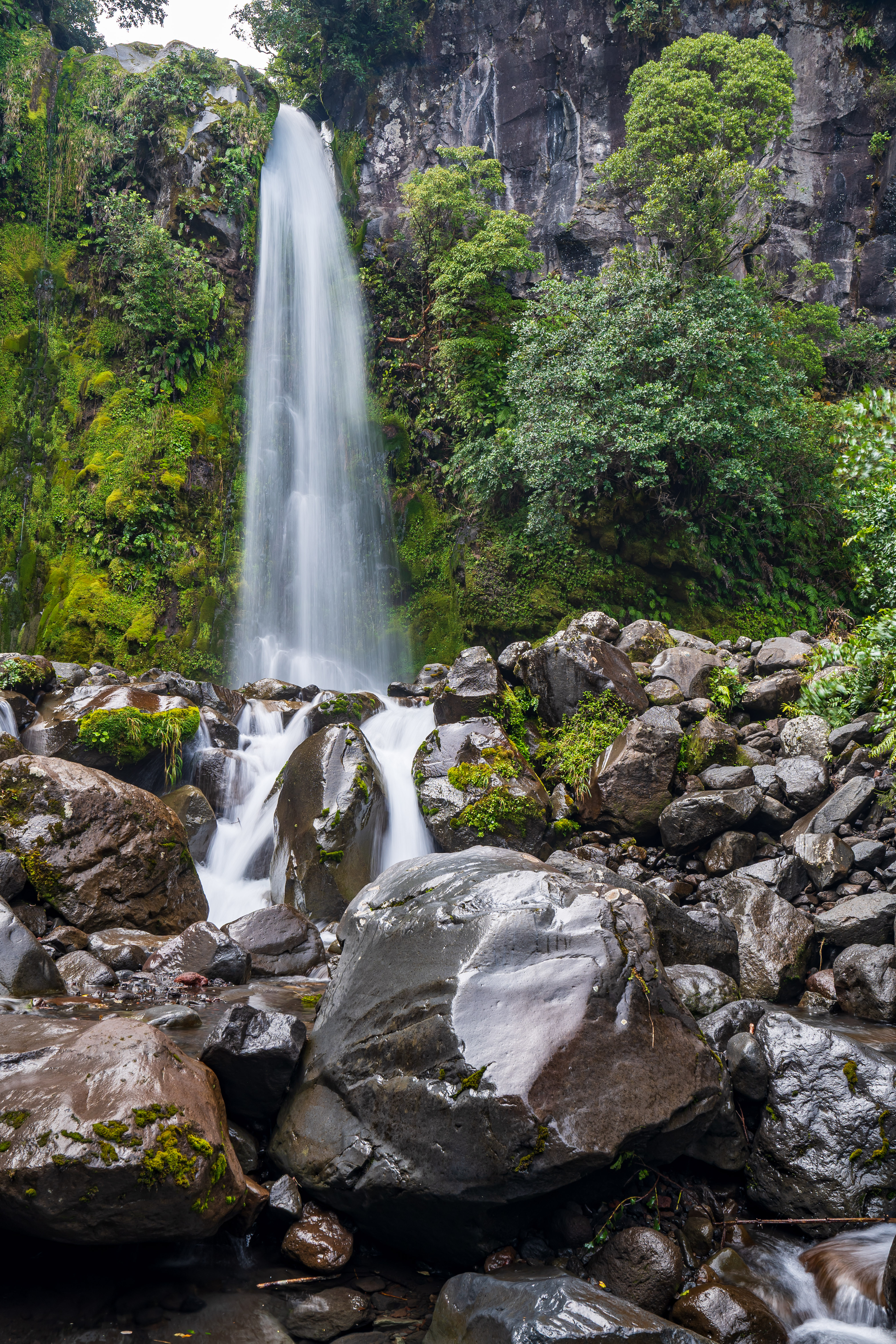
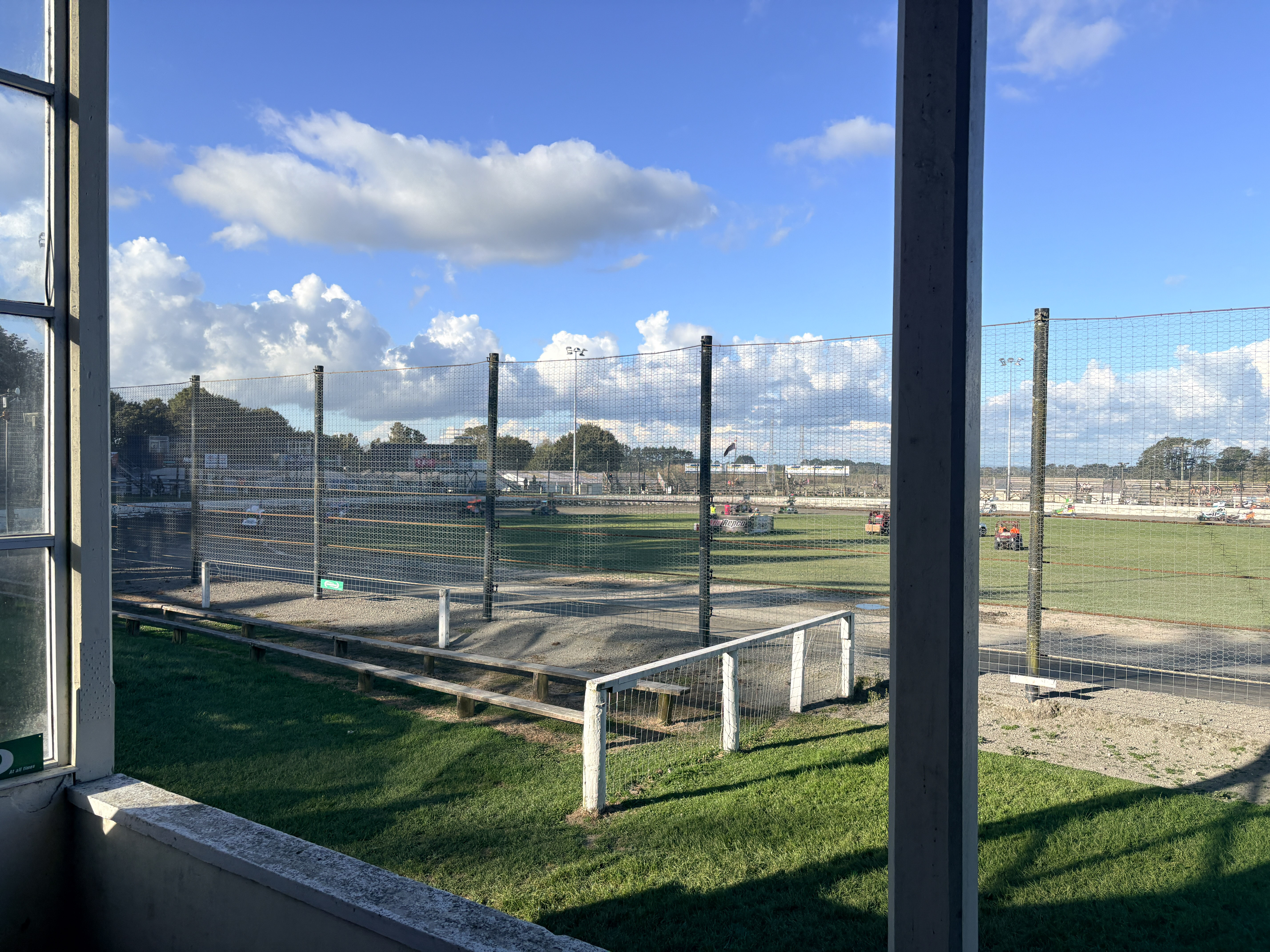
Continuing my way around the mountain, i found myself drawn to Stratford Speedway for some dirt track racing New Zealand style. And oh what a style it is! I did not take any good pictures and will link a video if I can. Rather than ever driver trying to do their personal best, which is the norm in America, in New Zealand you work with your friends. One person is going for the win while the other(s) in your group are trying to make sure no one else beats you. Strategic intentional wrecking is the norm, and all the cars have bump guards around the entire car so that no major damage happens. When they start the race, it is from a dead stop with all the cars in each row touching front to back. In one race, the NZ equivalent of Cal Naughton Jr. for one team must have been starting on pole, as when the race started, they did not even try to move. Everyone in that line had to bash each other until they could get around the roadblock. Meanwhile, that driver’s Ricky Bobby was already most of a lap ahead of that half of the field. Pretty wild!
https://photos.app.goo.gl/5gQ9MkuDyS4vNvbe6
https://photos.app.goo.gl/eGch9FtXsvzX8GYP6
Day 8 (March 1)
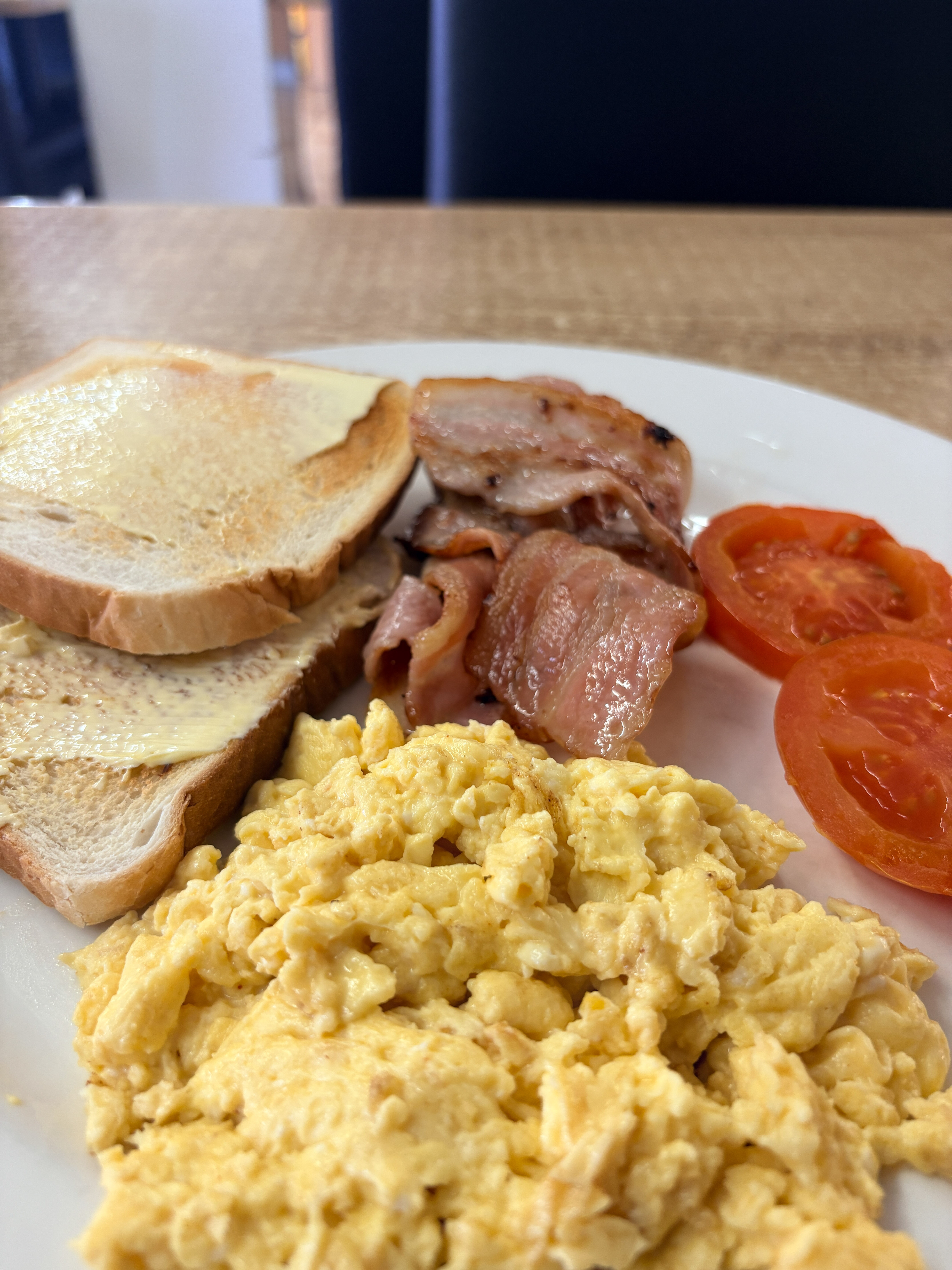
I said farewell to Taranaki this morning, and started a long travel day to Tongario, another of New Zealand’s most striking peaks. My hopes were high when I ordered my bacon extra crispy and it seemed that was understood. It was well done by New Zealand standards, but still raw to my American palate.
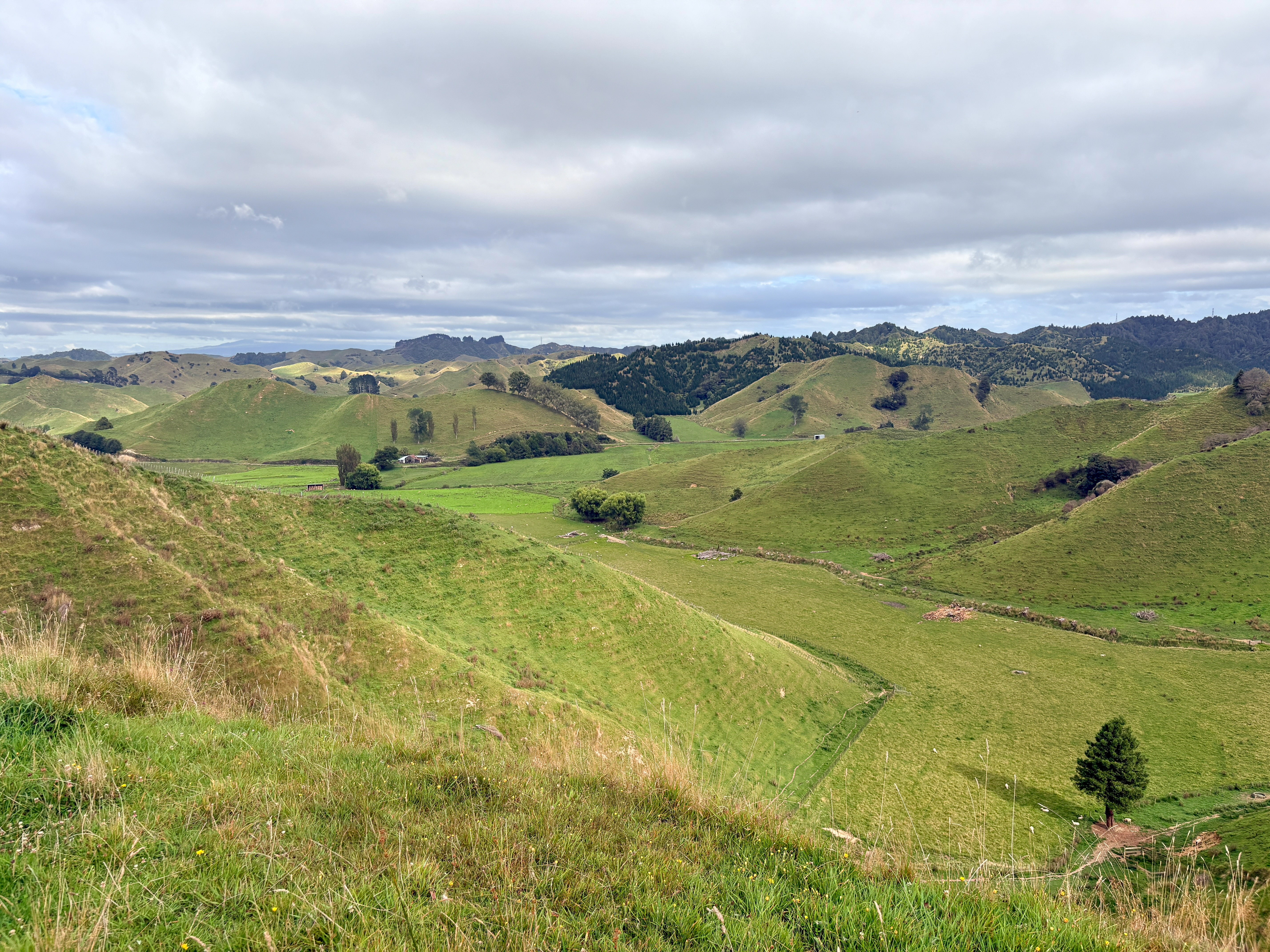
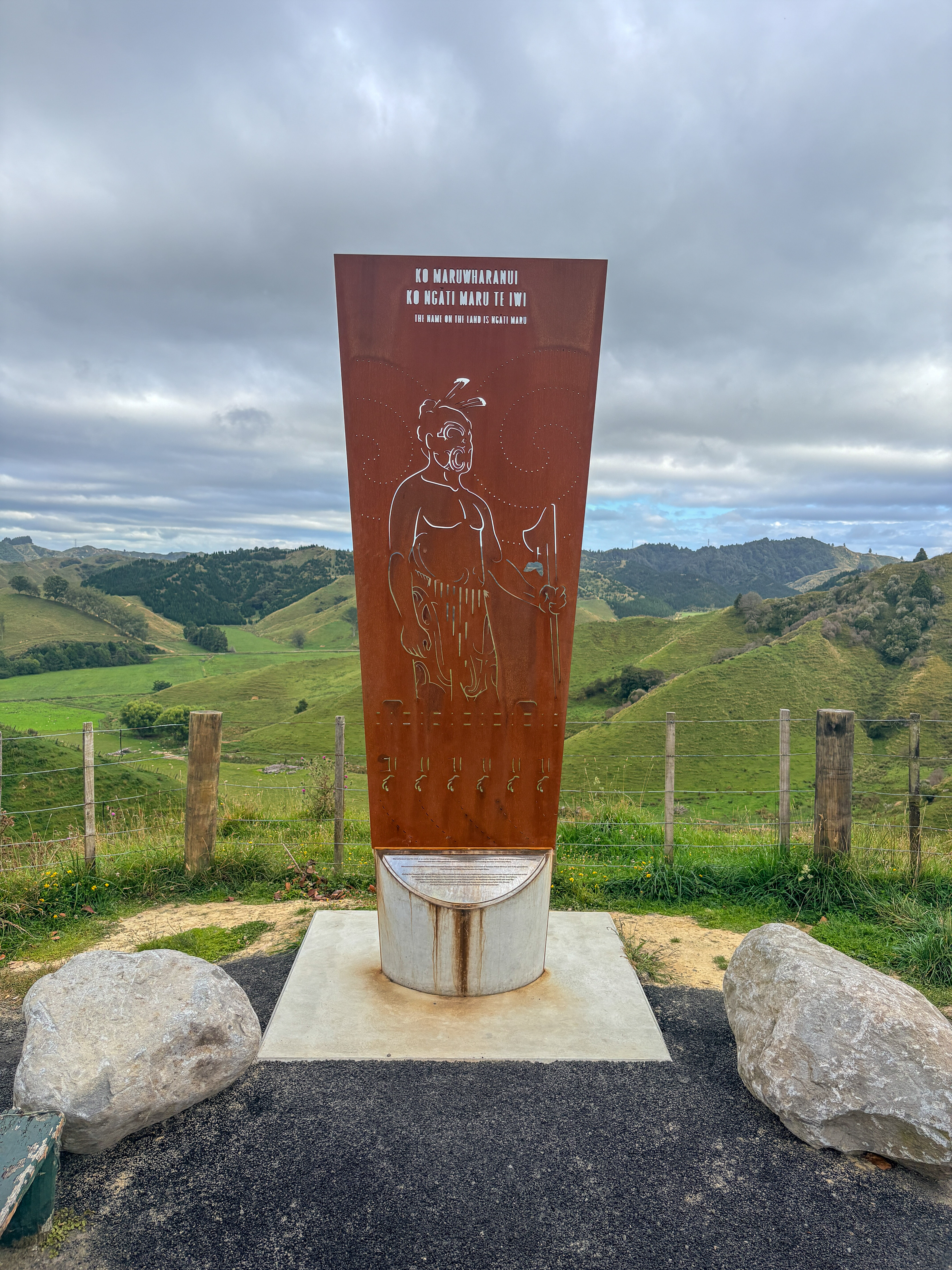
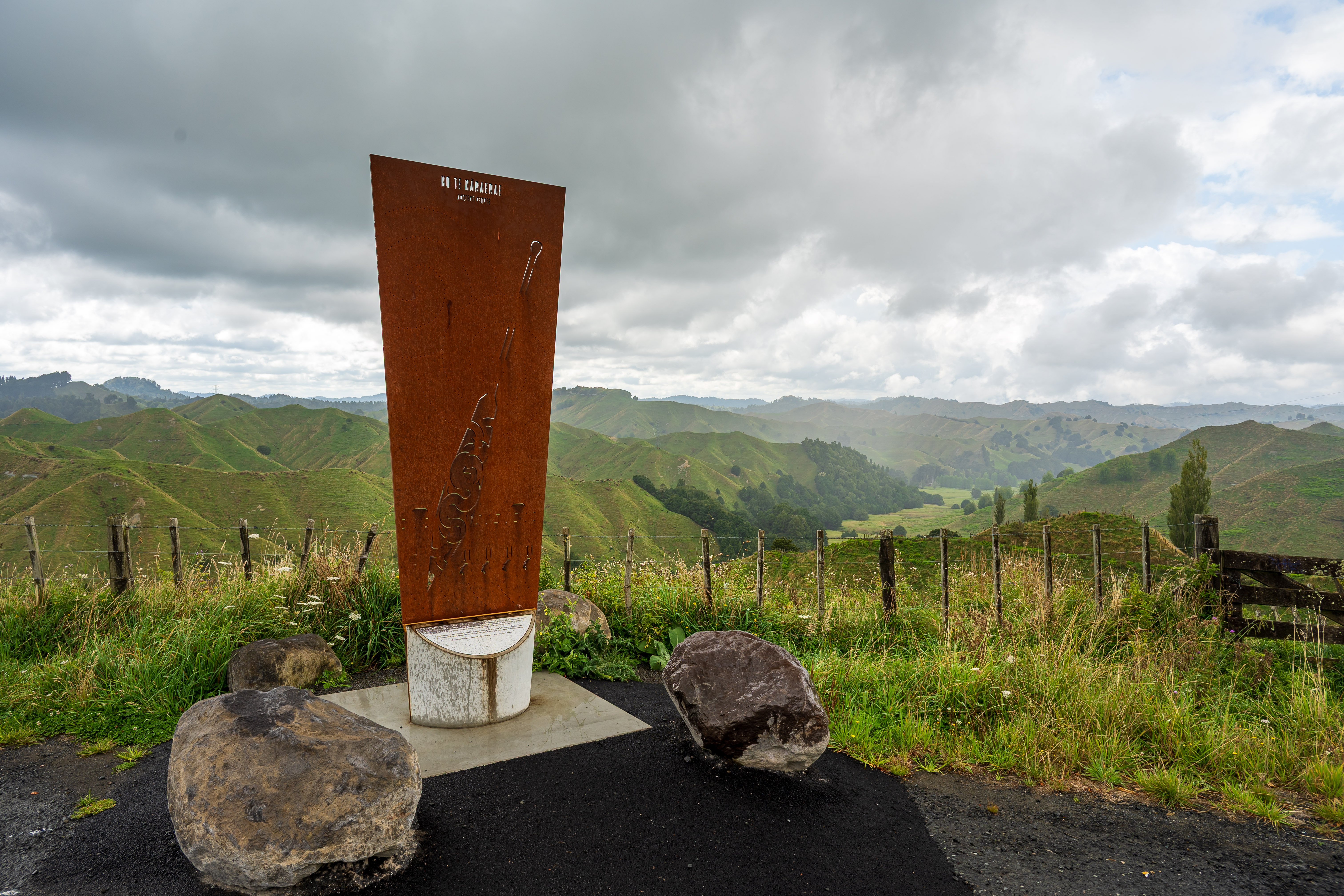
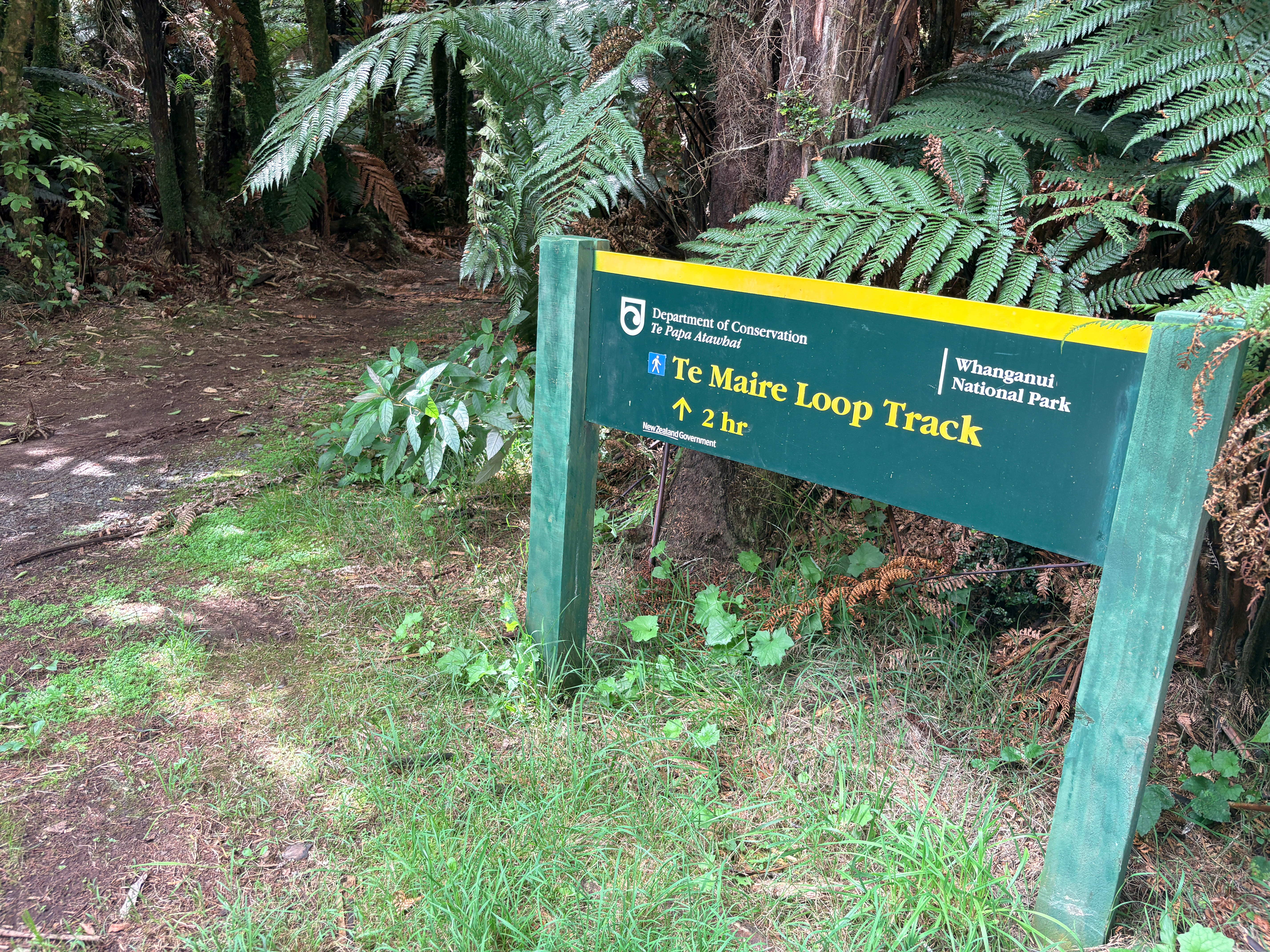
The drive was beautiful, as I tried to stay on roads less travelled. I got a glimpse of the Whanganui River, and lamented my decision to skip the Great Walk paddle of the river that I had originally planned. I found a trail that led barely into Whanganui National Park, but was turned back by a stream crossing. I could have hiked back for a change of footwear, and chose instead to just continue my drive.
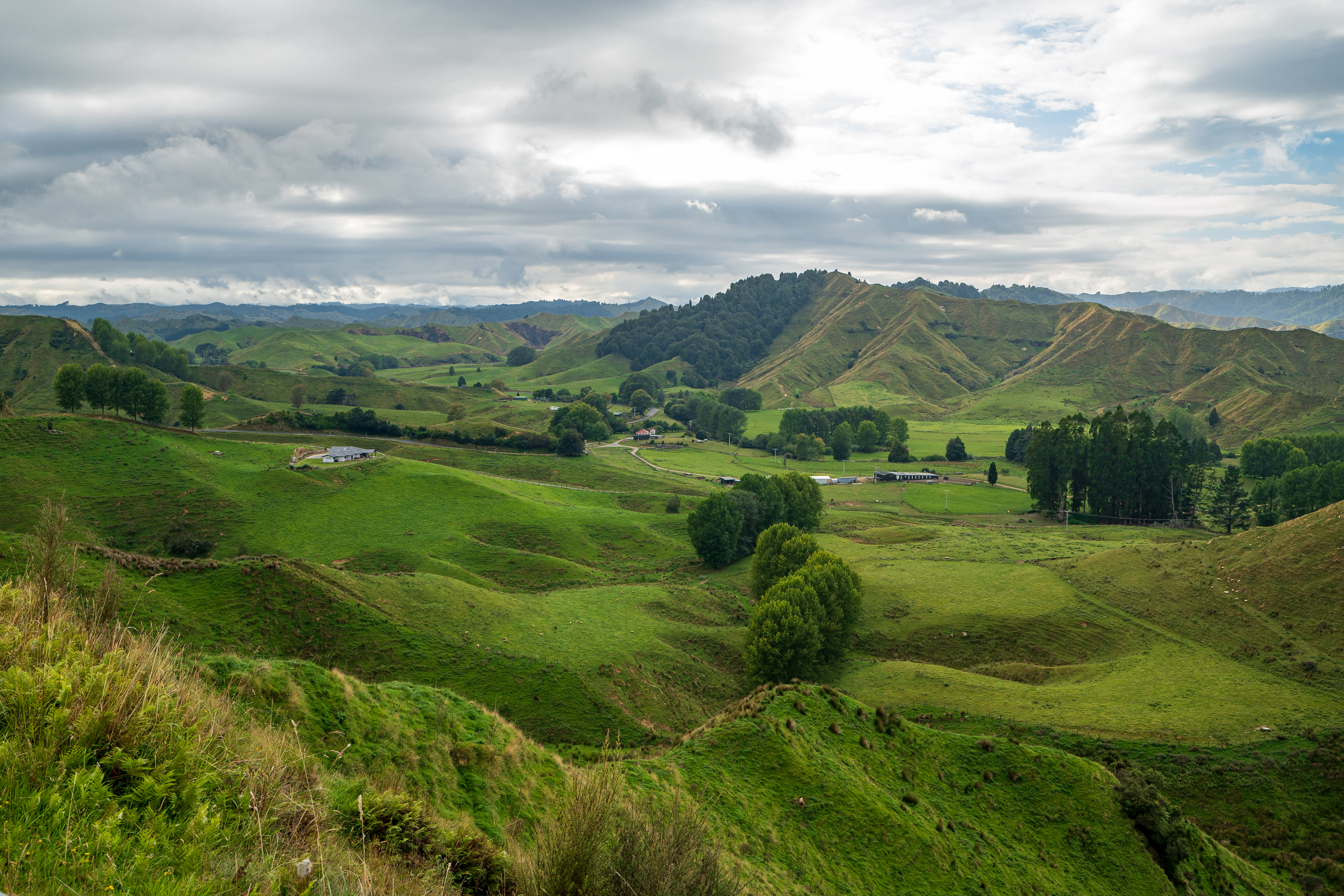
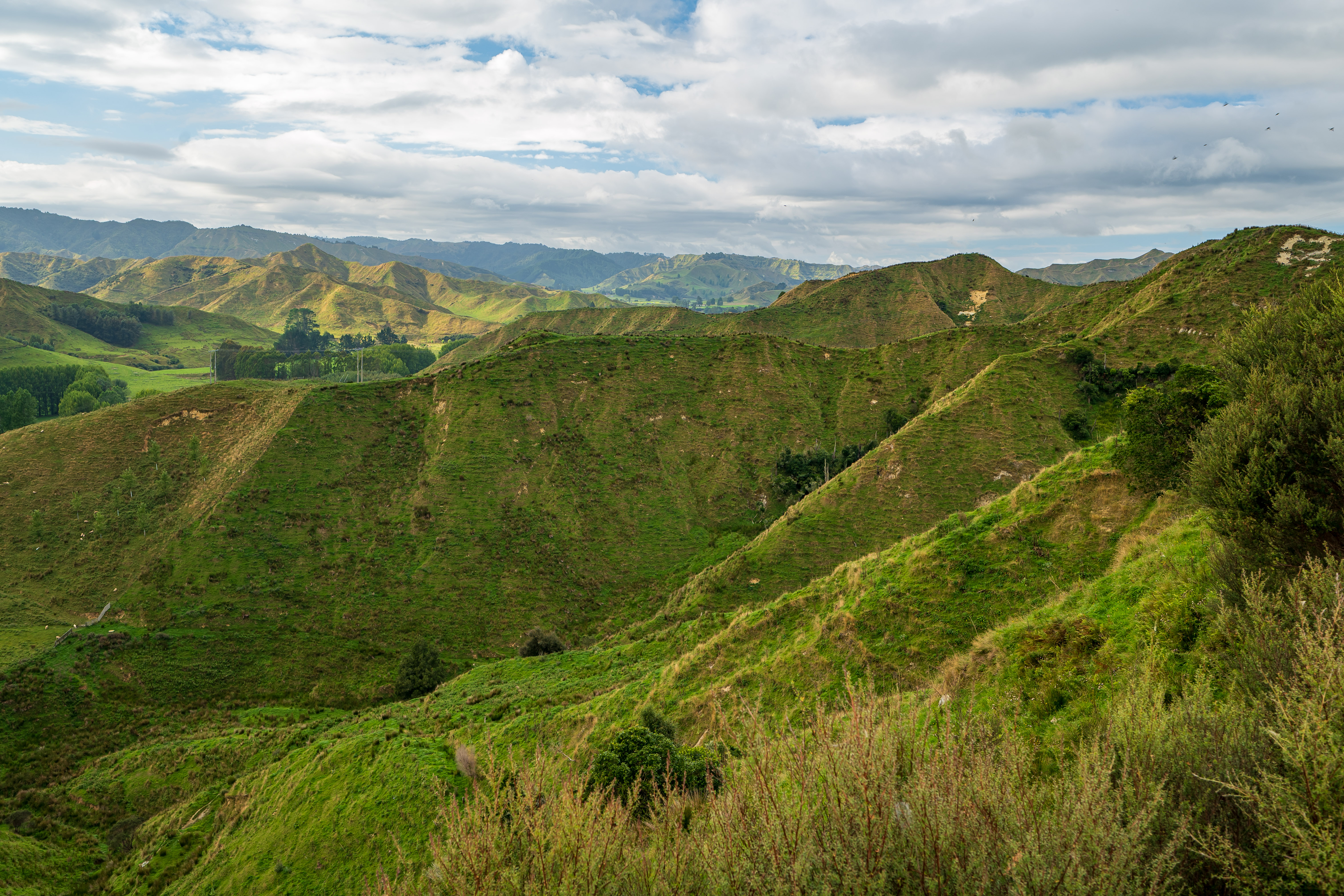
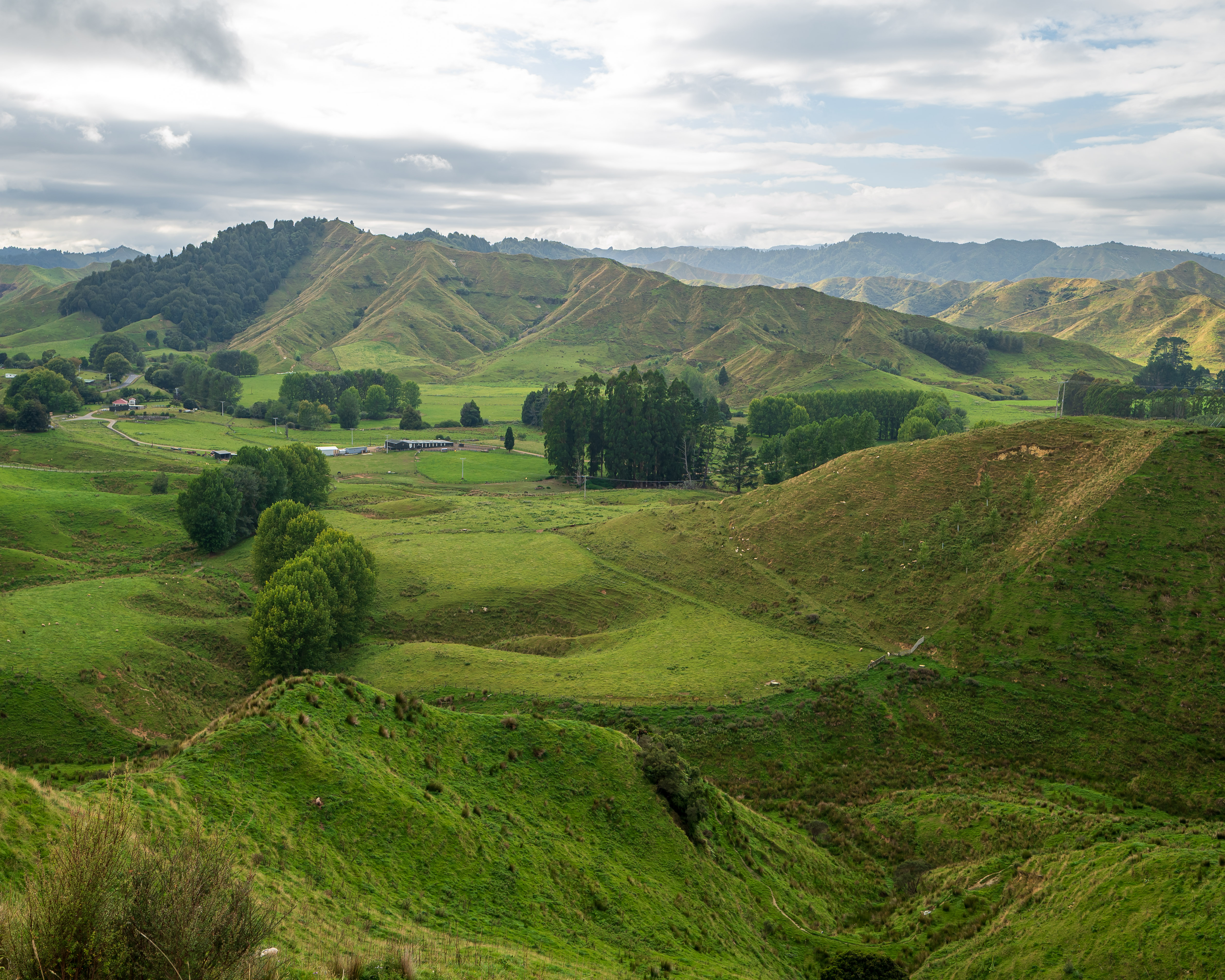
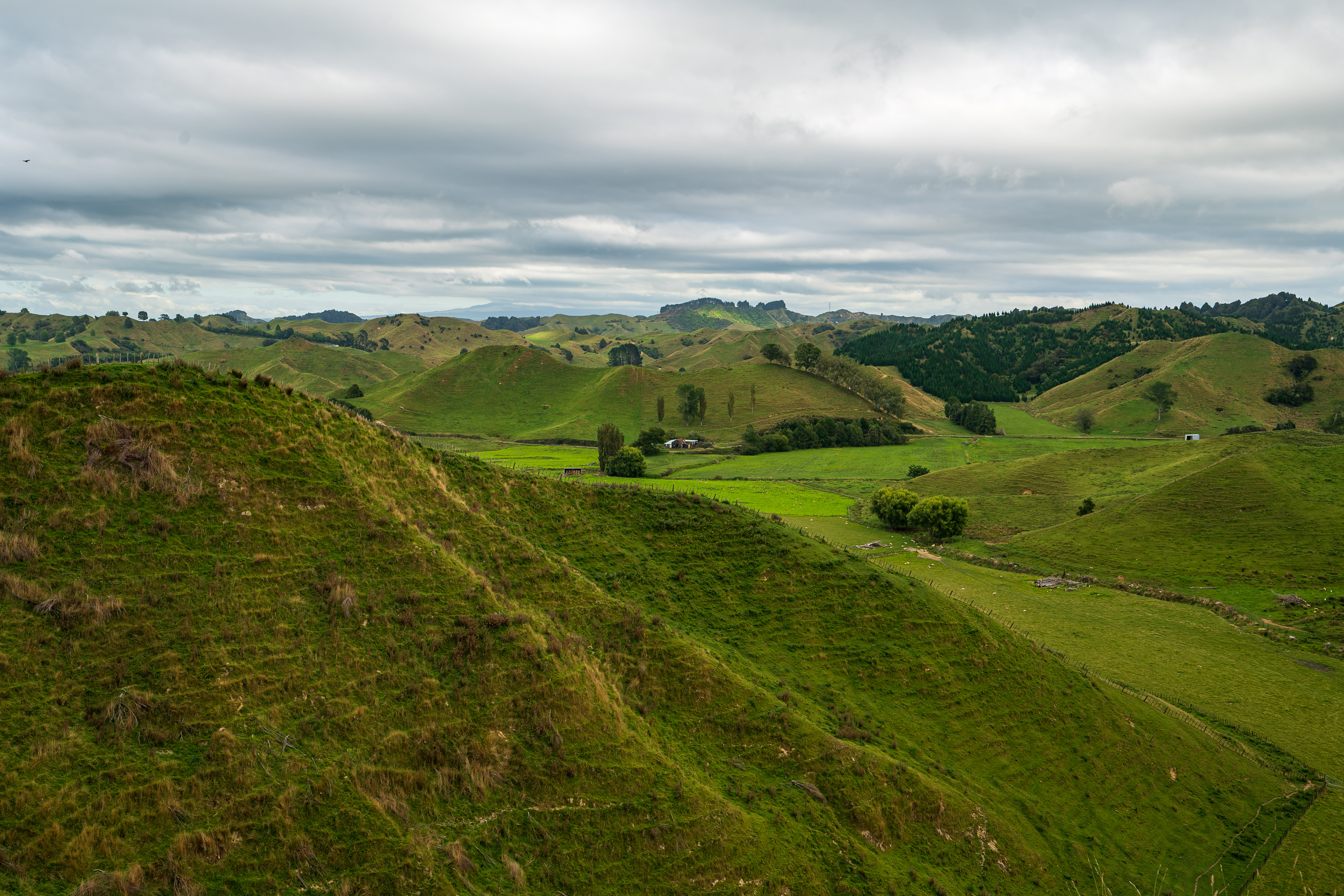
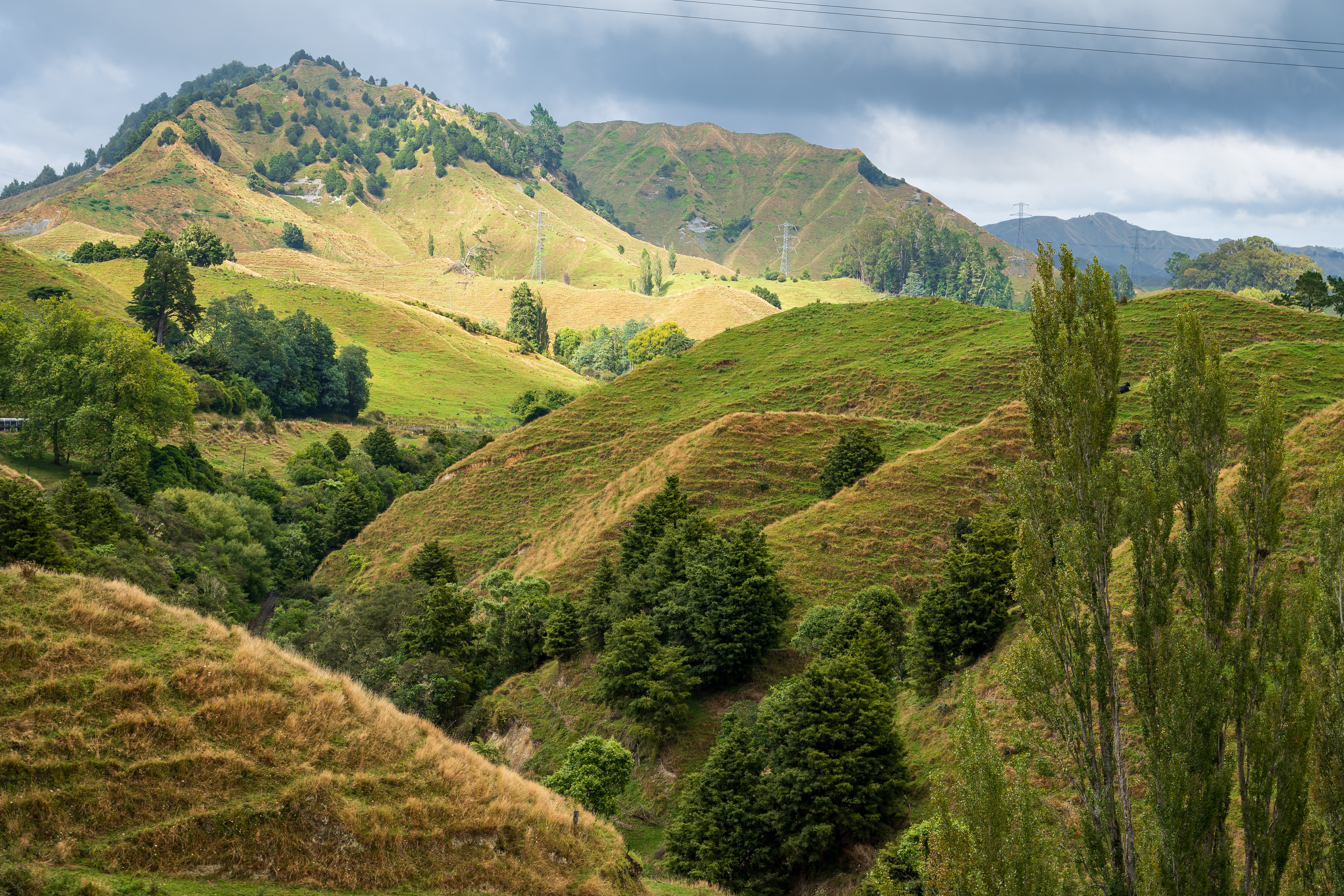
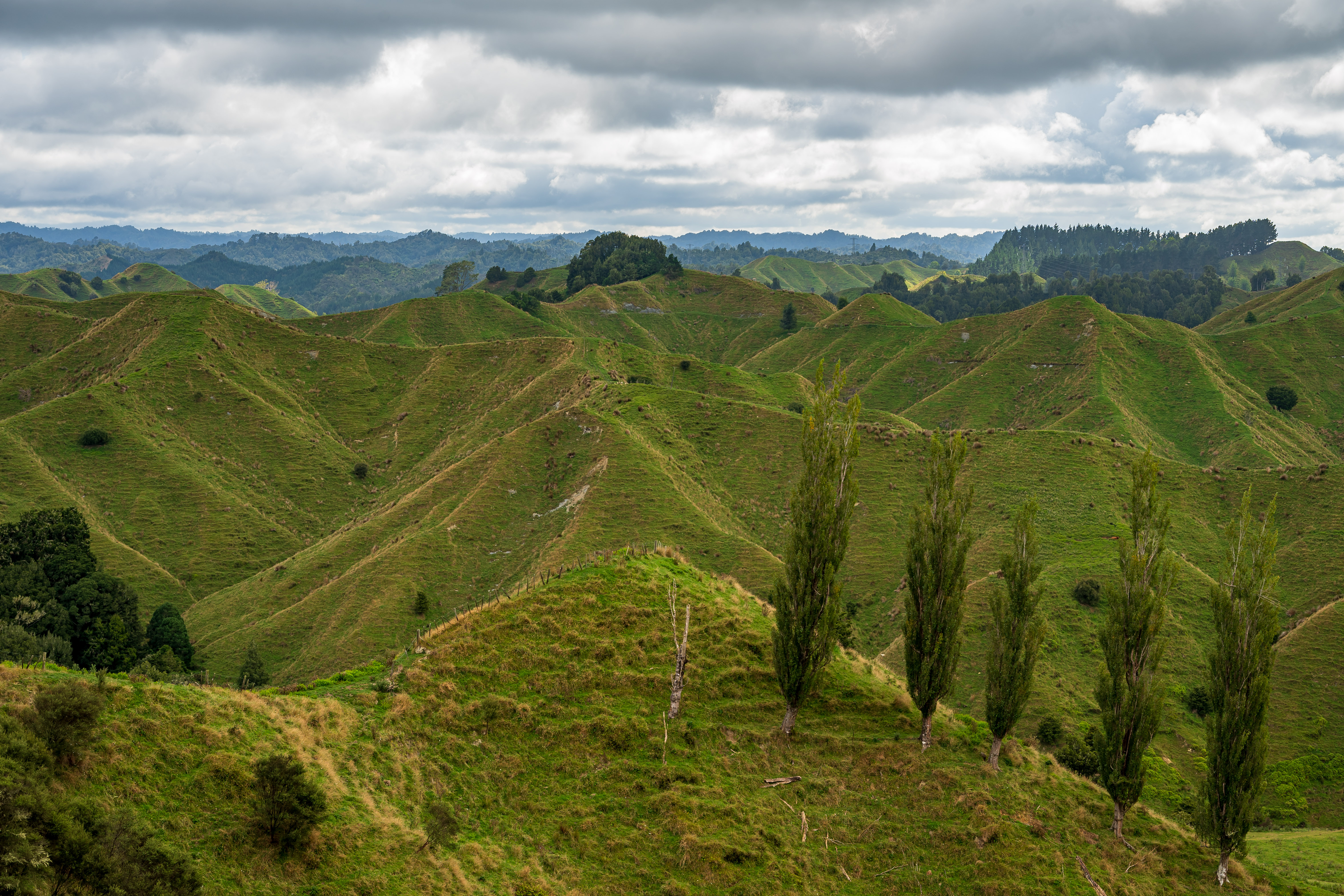
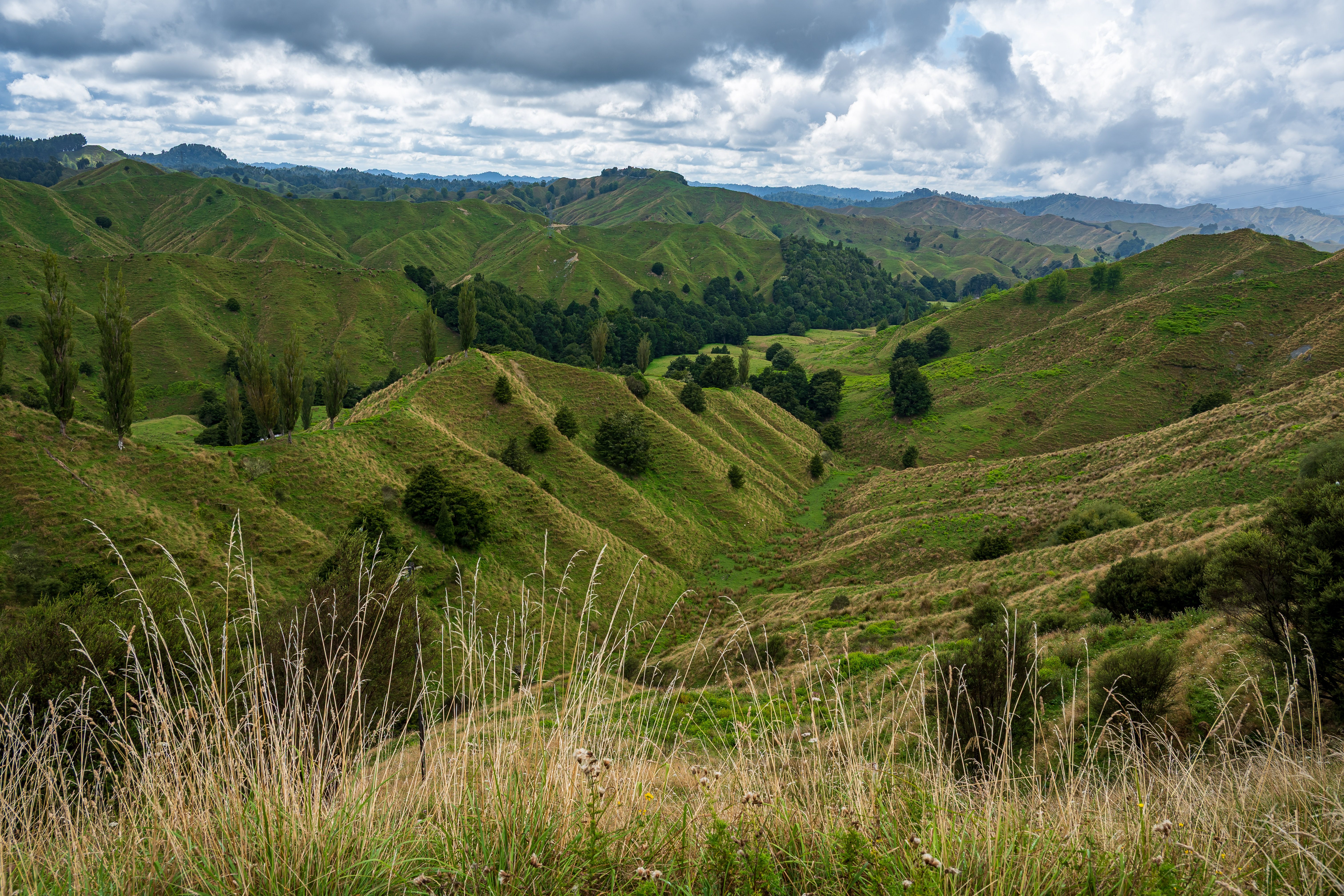
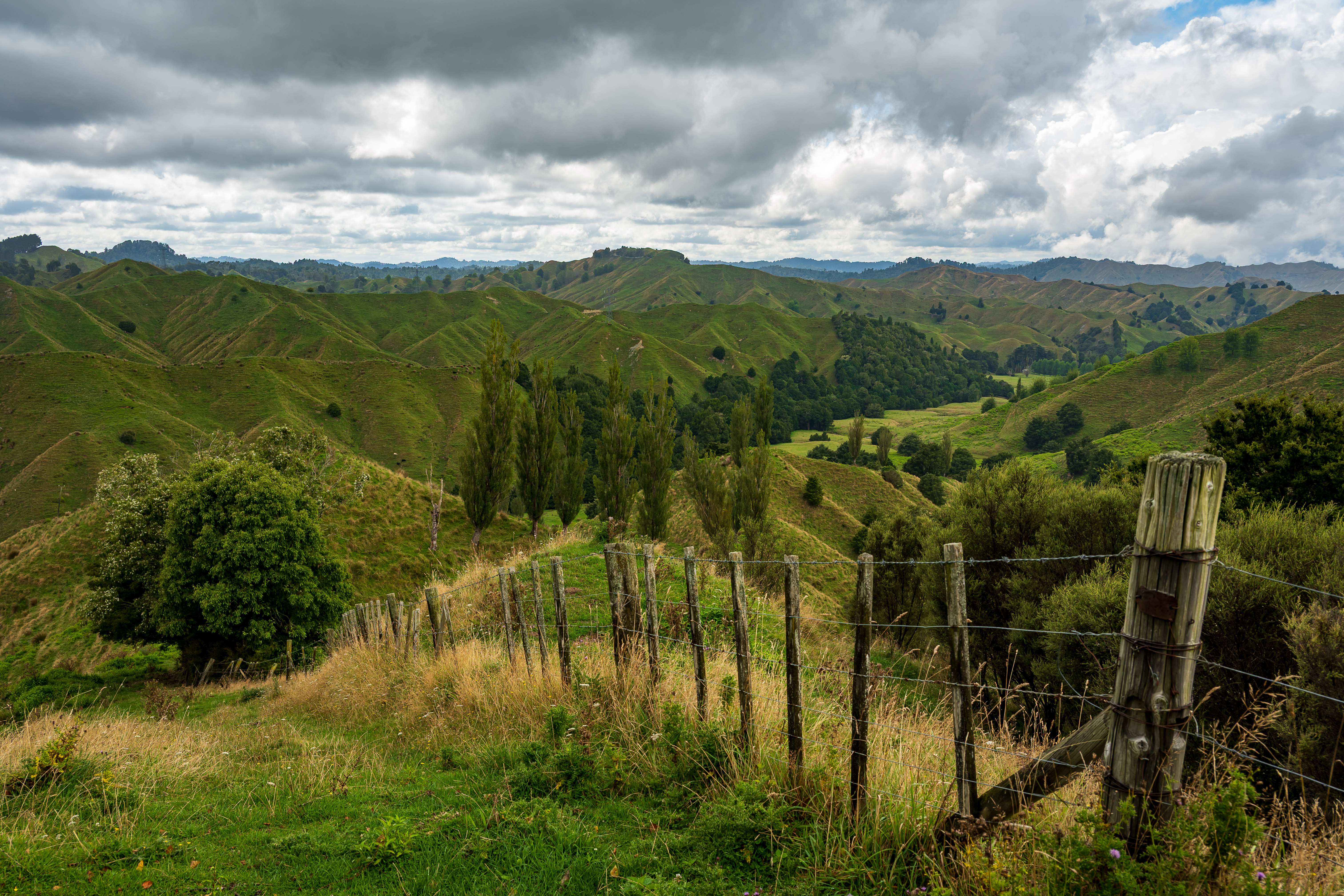
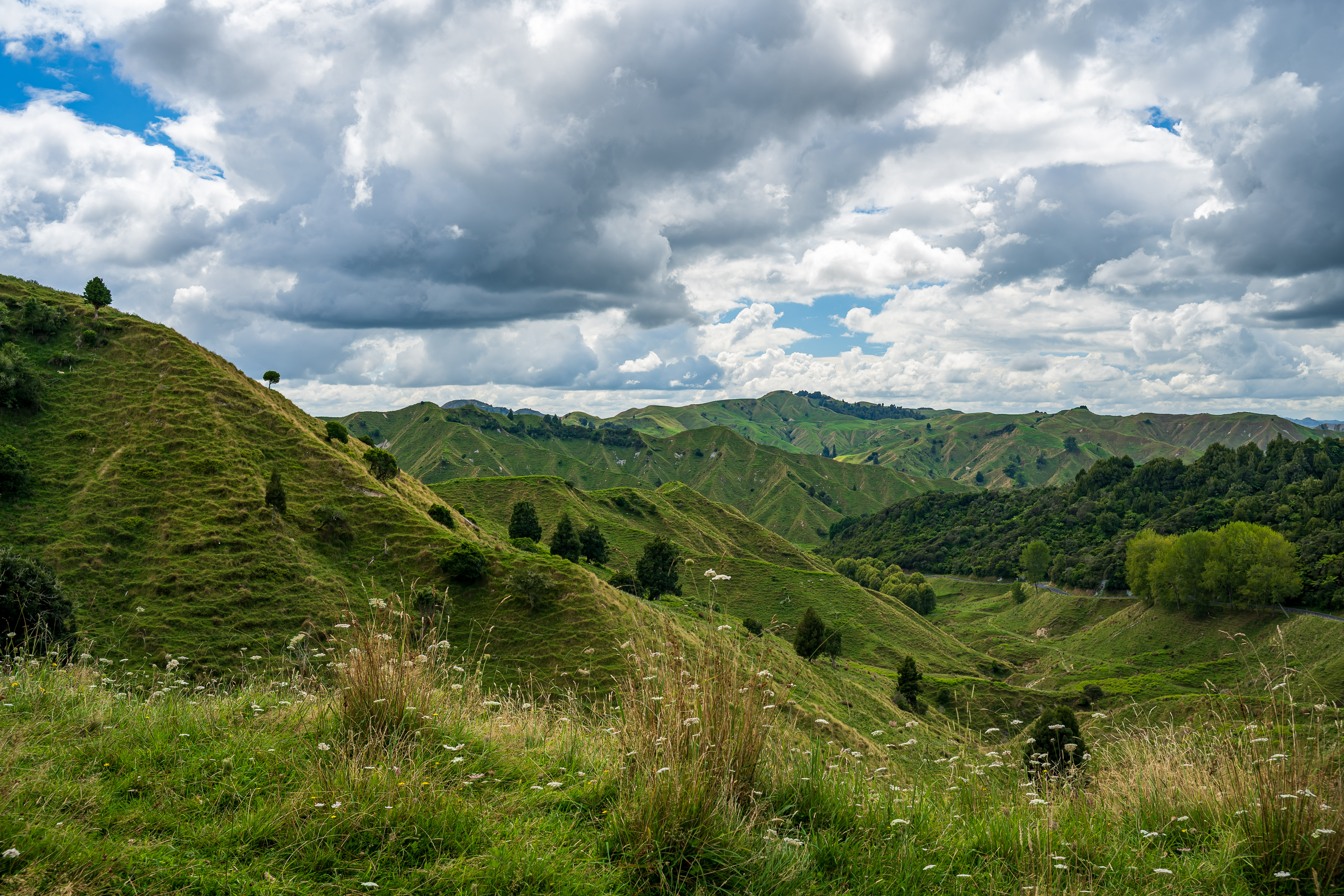
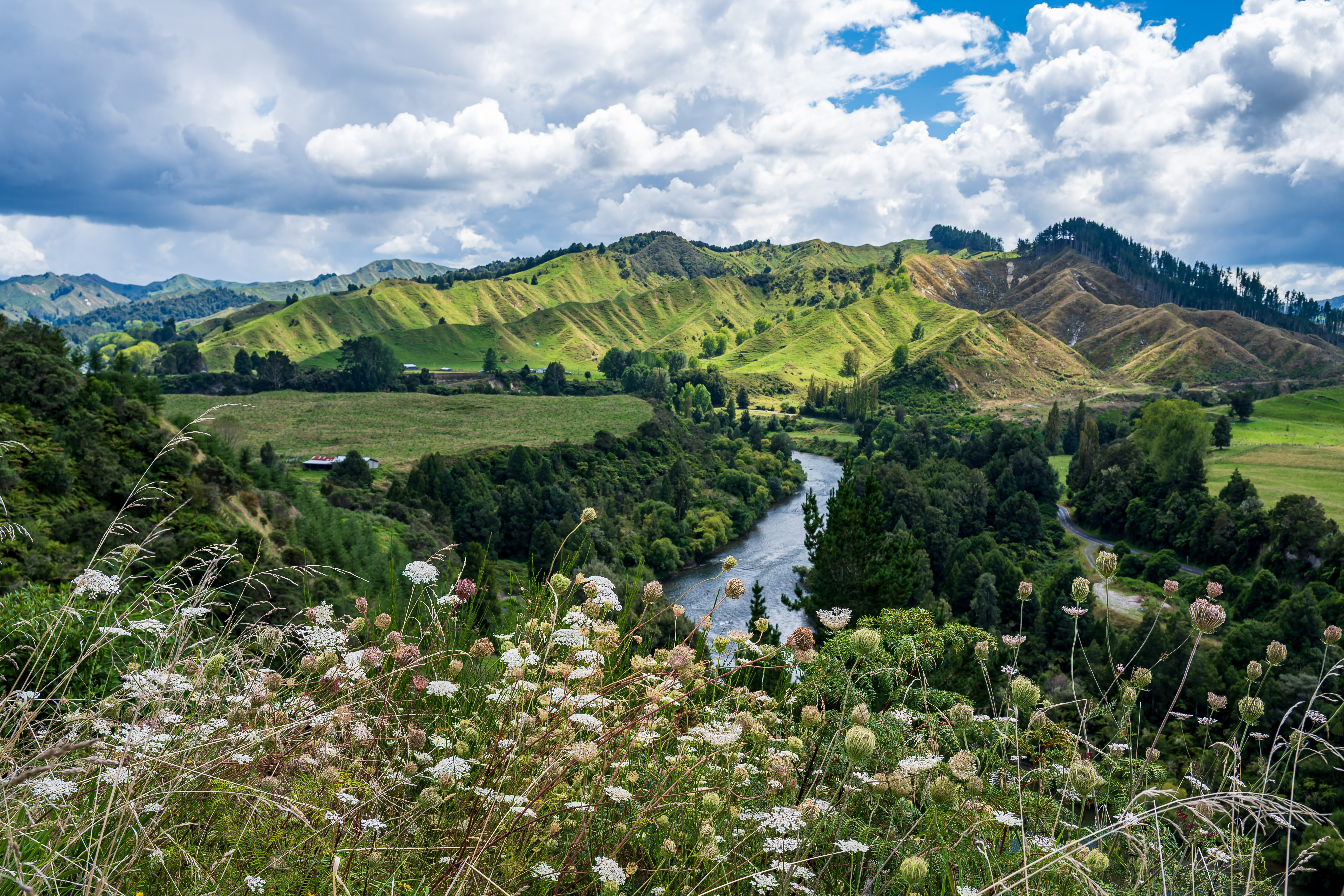
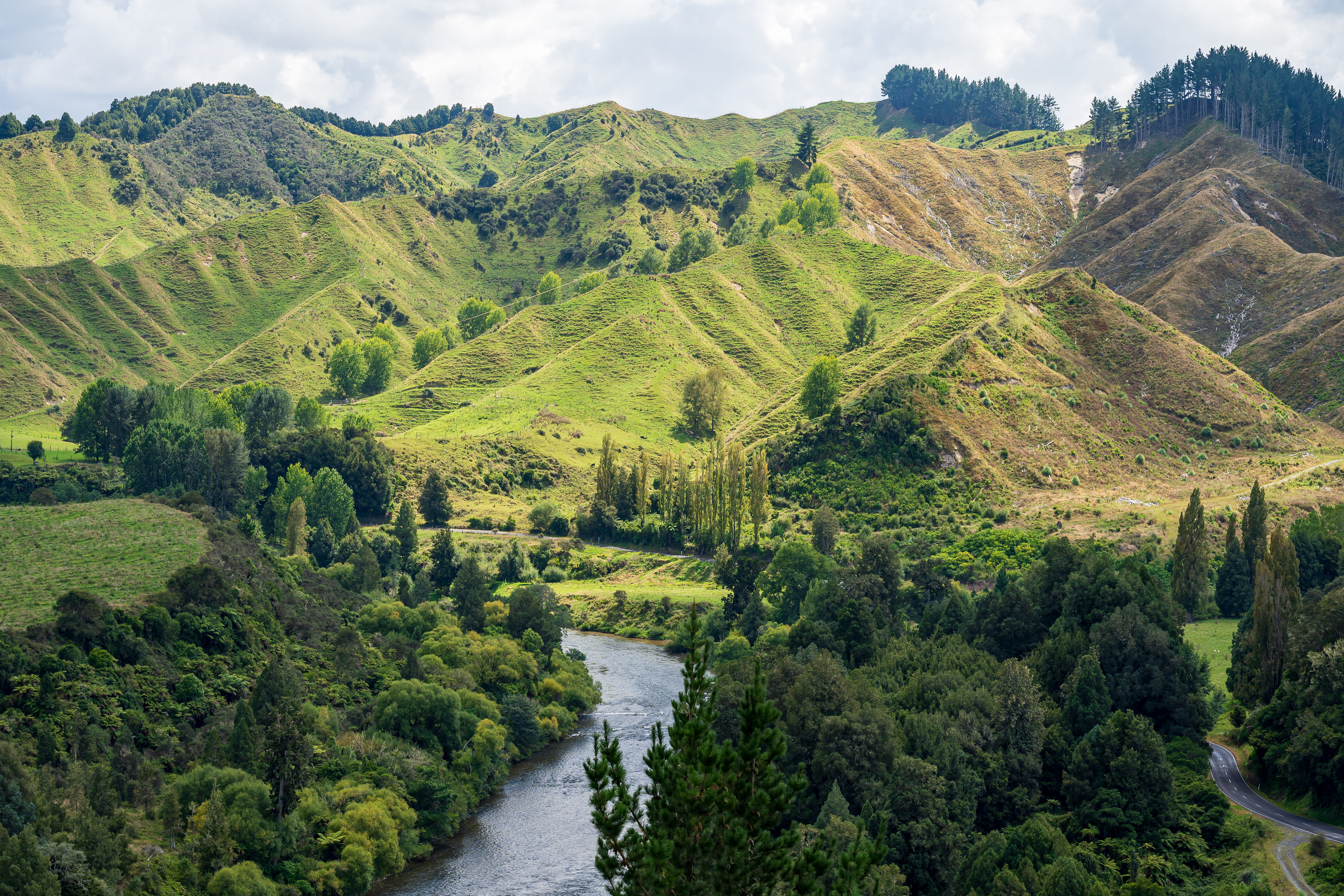
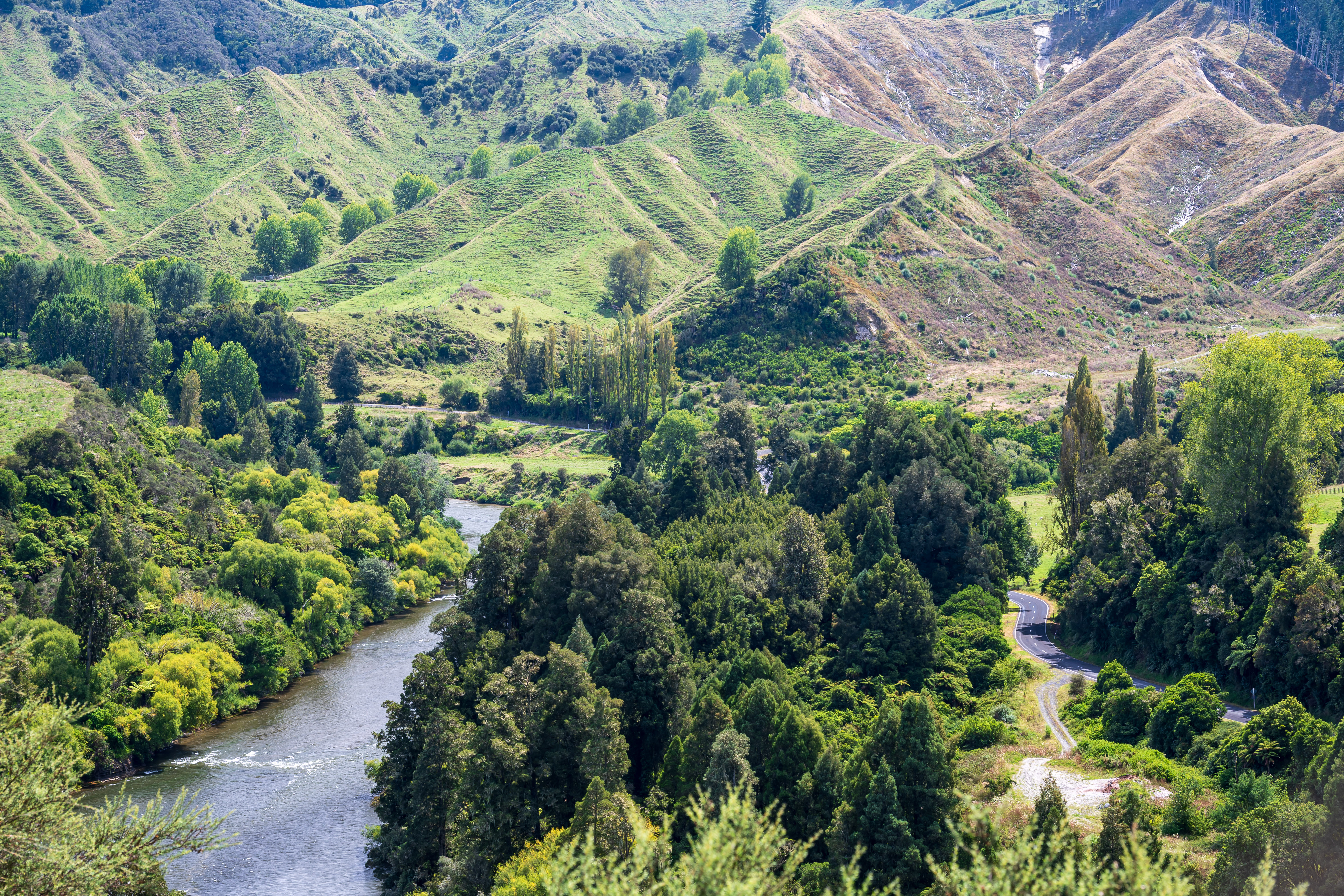
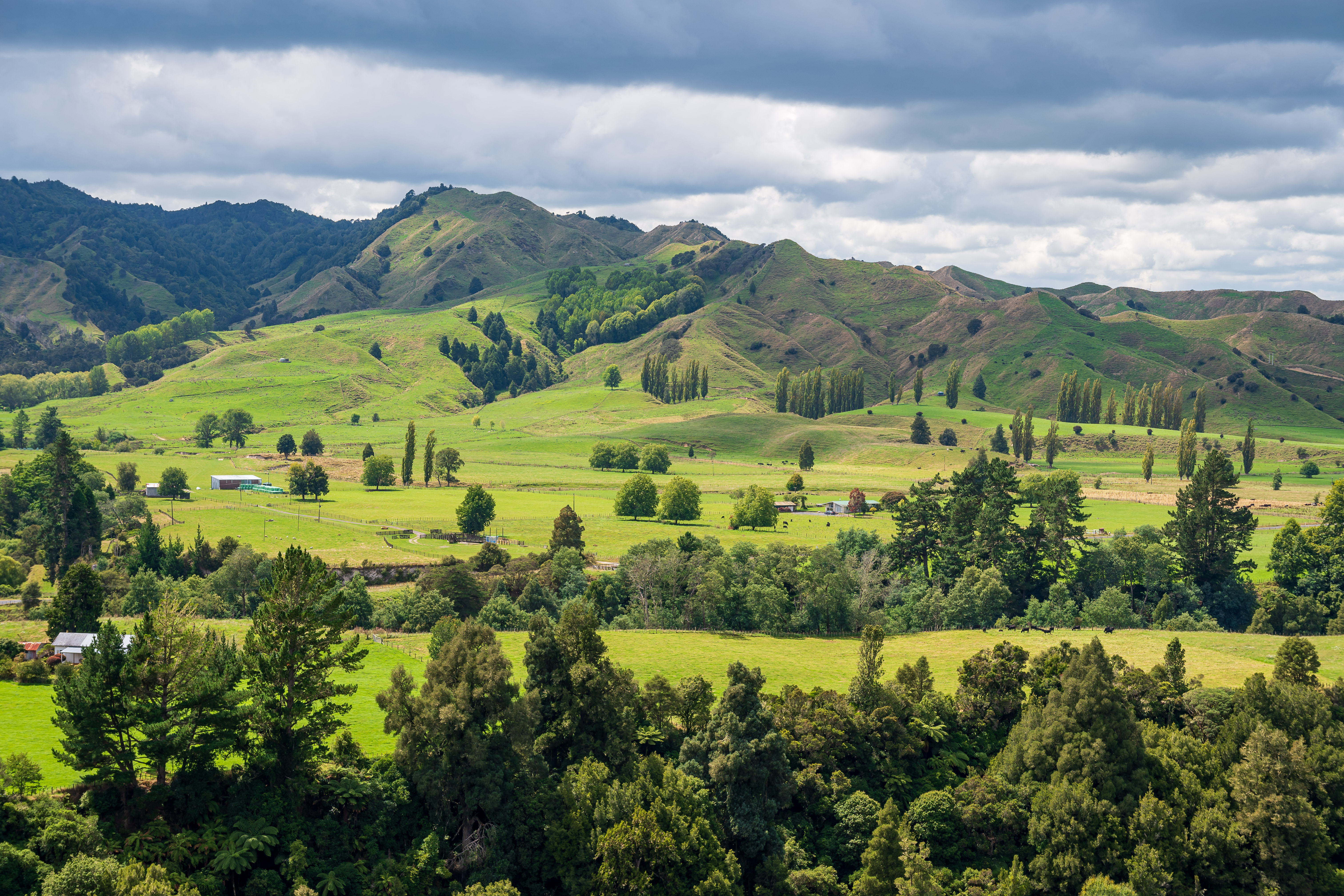
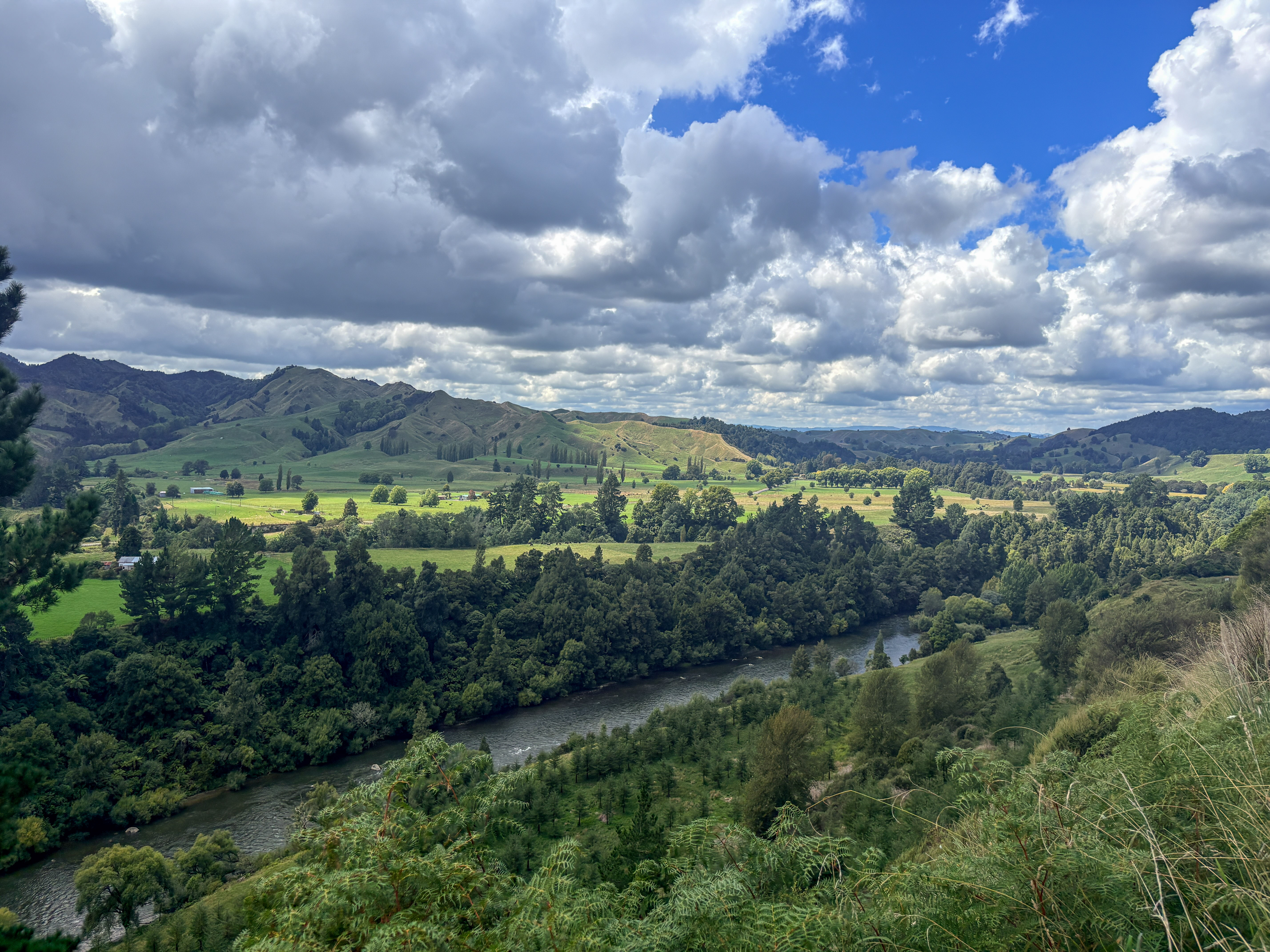
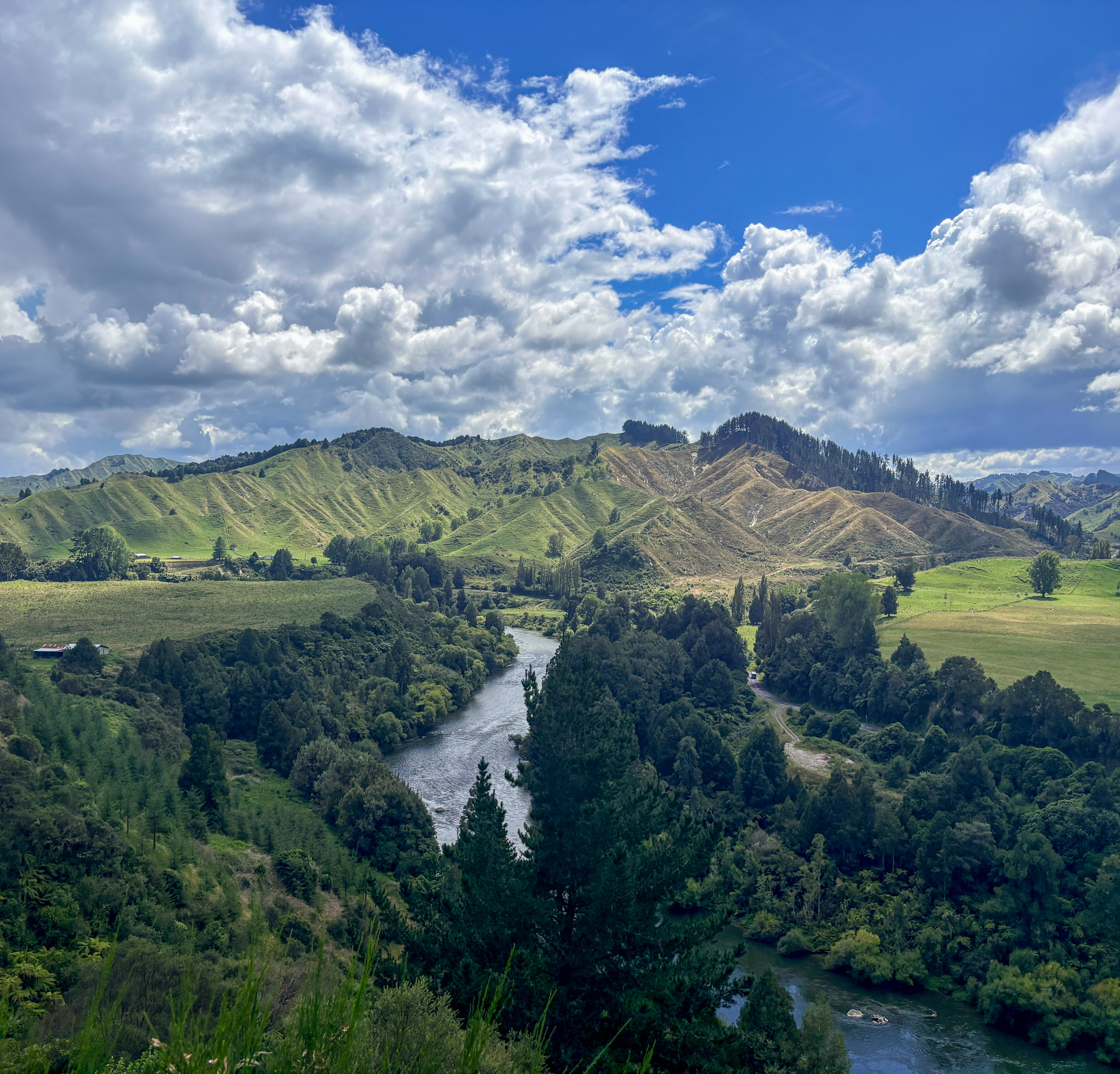
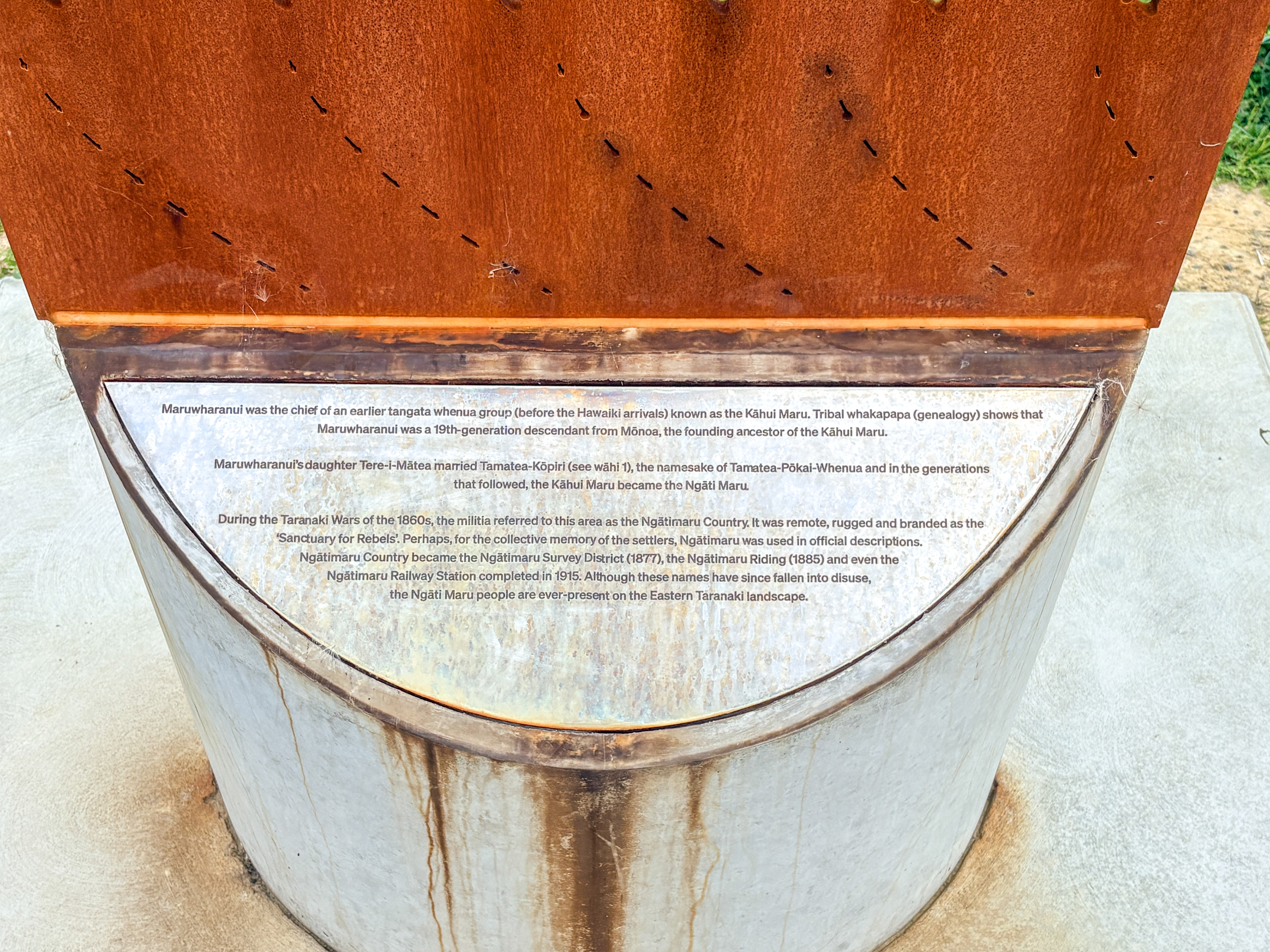
I lingered at the McDonald’s in Taumarunui and caught up on things back home (work). McDonald’s is a very consistent place to find wifi while in New Zealand so it was not my first or last stop at the golden arches. From there, I powered on to the Disovery Lodge Tongariro, where we had stayed on our last trio in 2025. I had the swimming pool picnic tables and much of the campground to myself briefly, and then a busload of college students rolled in to set-up camp. The weather was quite cold for summer, and it was also rainy and windy. I was obvious they did not expect such conditions and this moved all their sleeping gear to the common area. Eventually, they were given cabins and I must admit I was tempted to ask for one as well. When one travels to New Zealand in their summer, you do not expect it to get down to freezing during a driving rain. No pics of any of that, but I did go hide out from the weather at Schnapps Bar and enjoyed the same great Thai chicken curry that I had enjoyed the prior year, this time while watching a Michigan women’s basketball game.
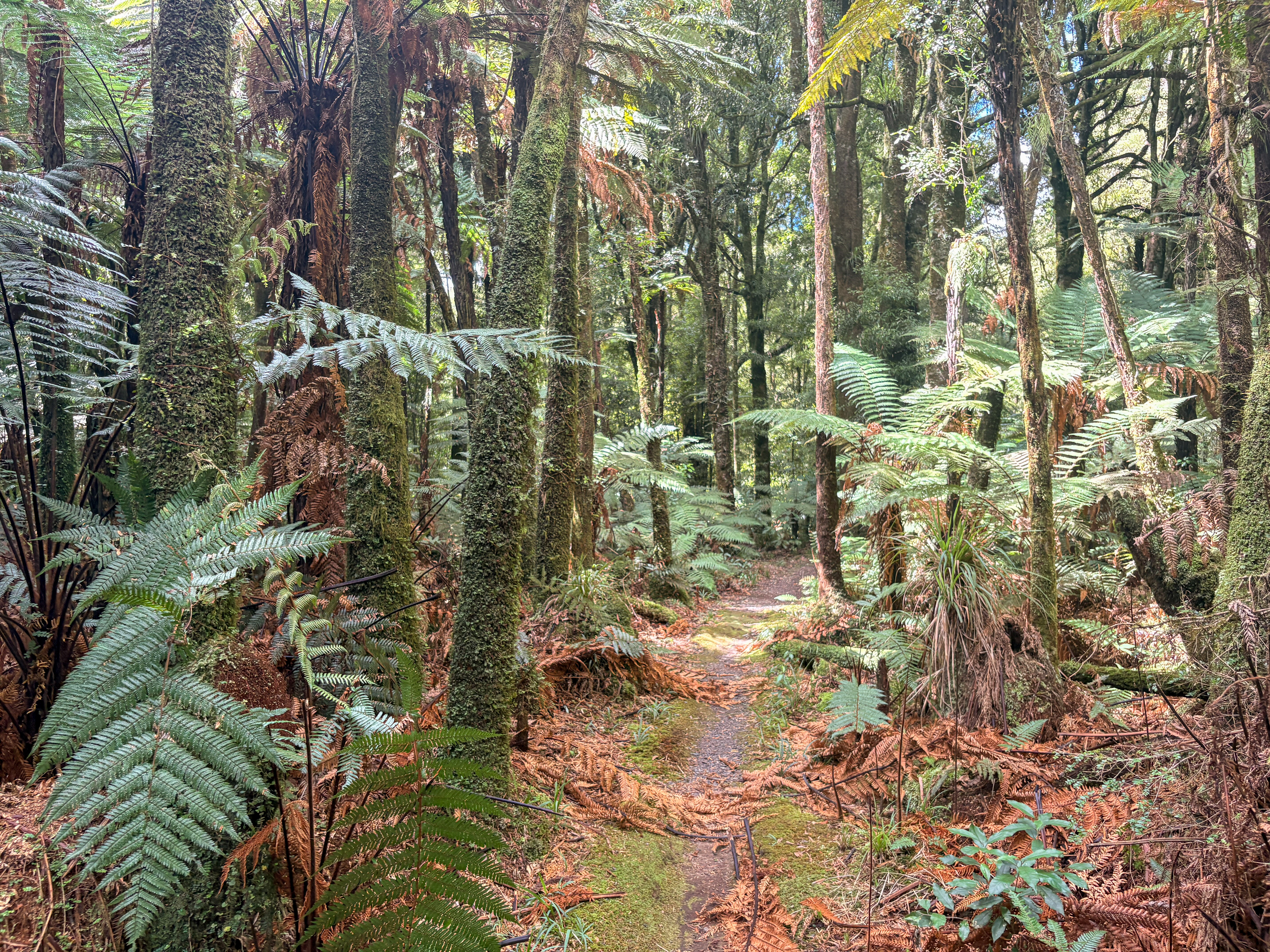
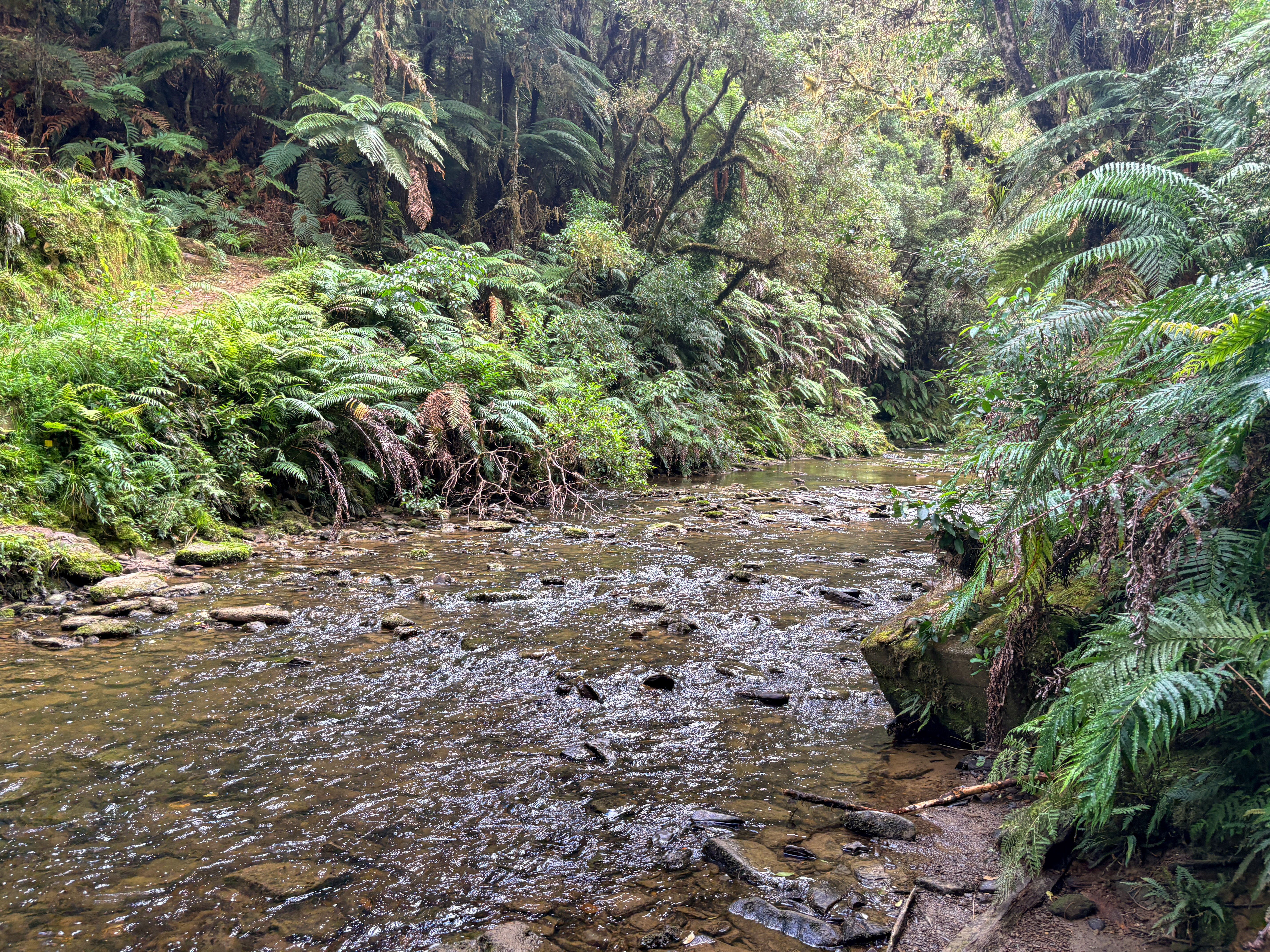

Frozen in Tongariro
Day 9 (March 2)
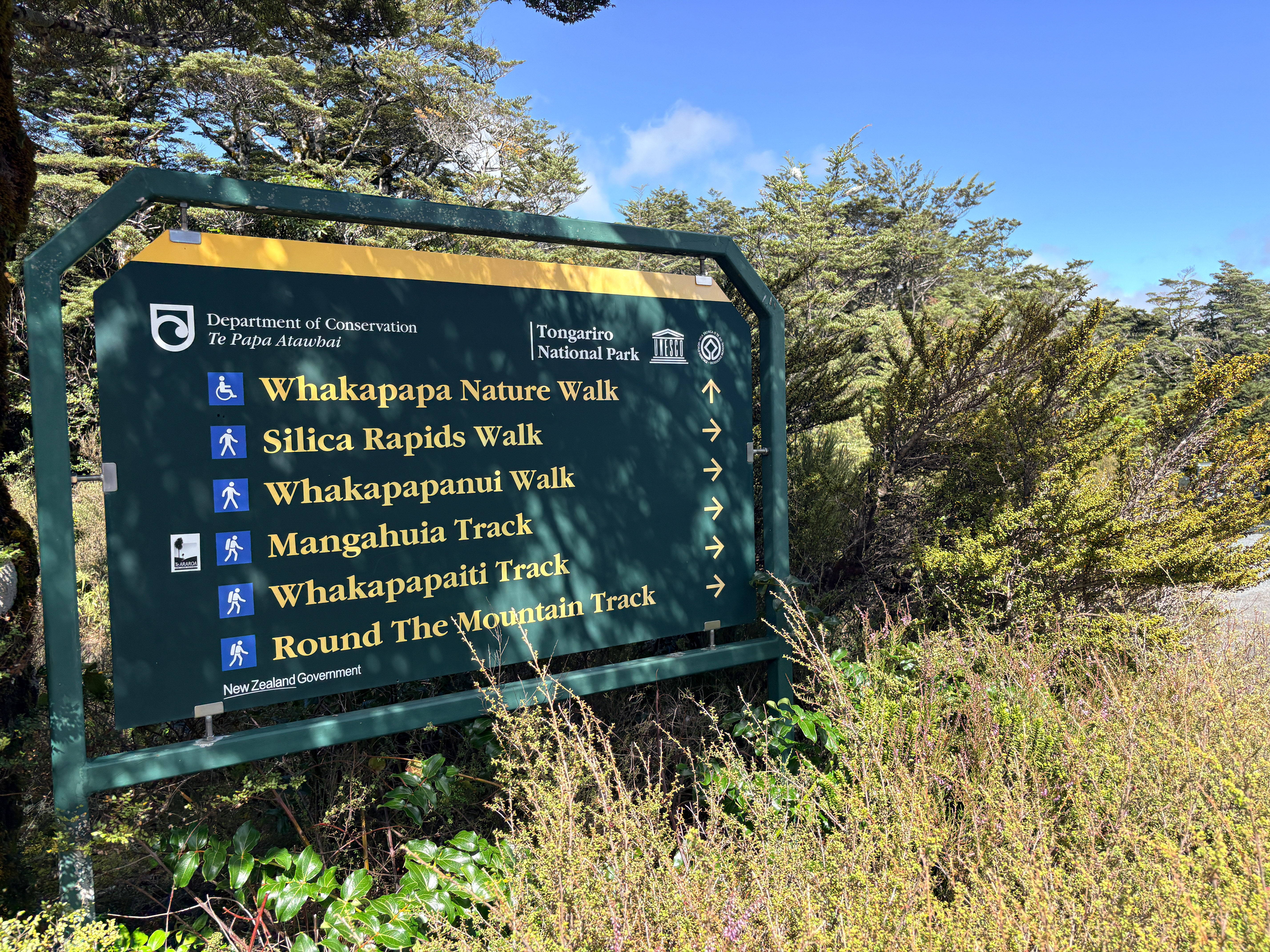
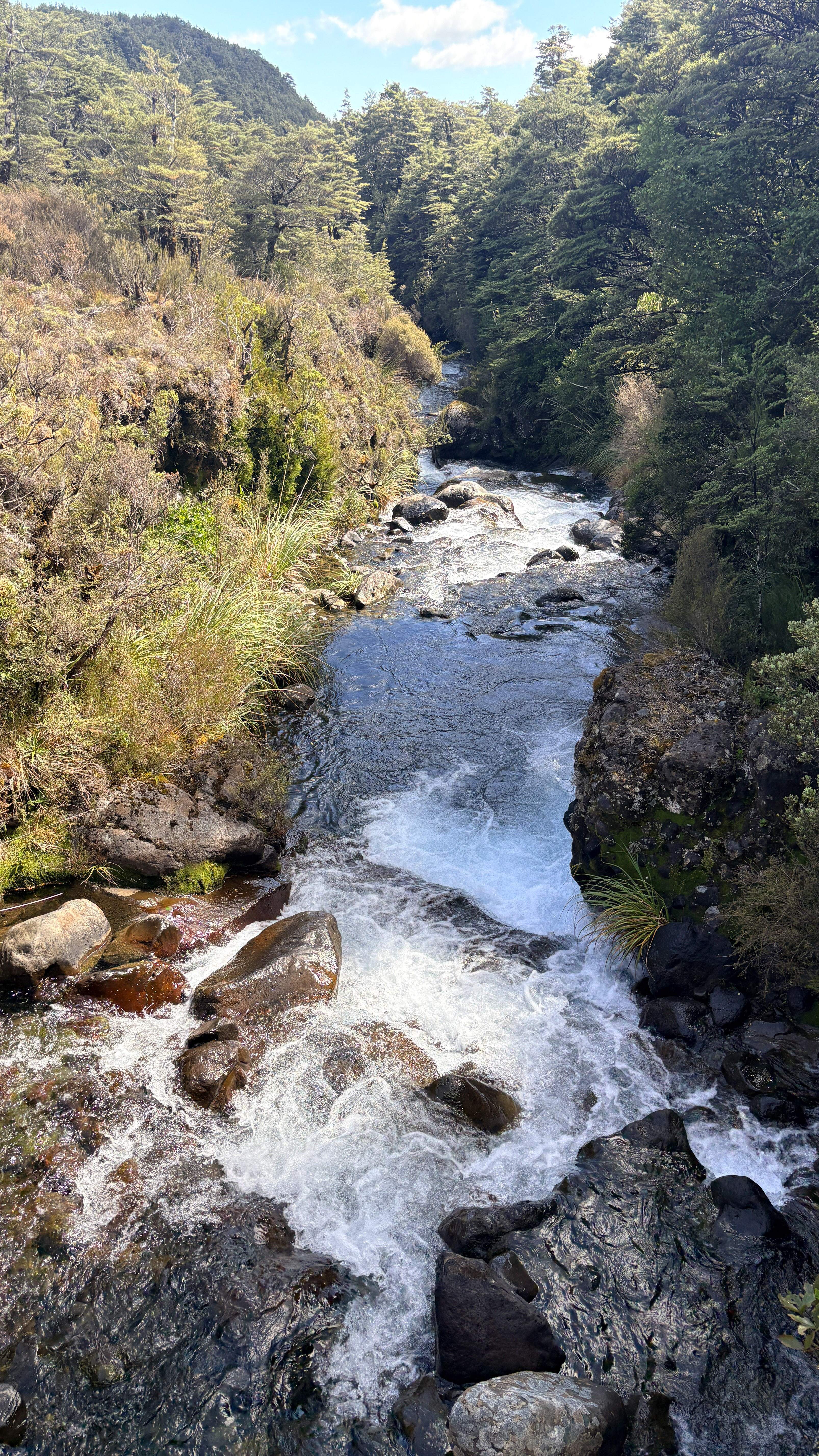
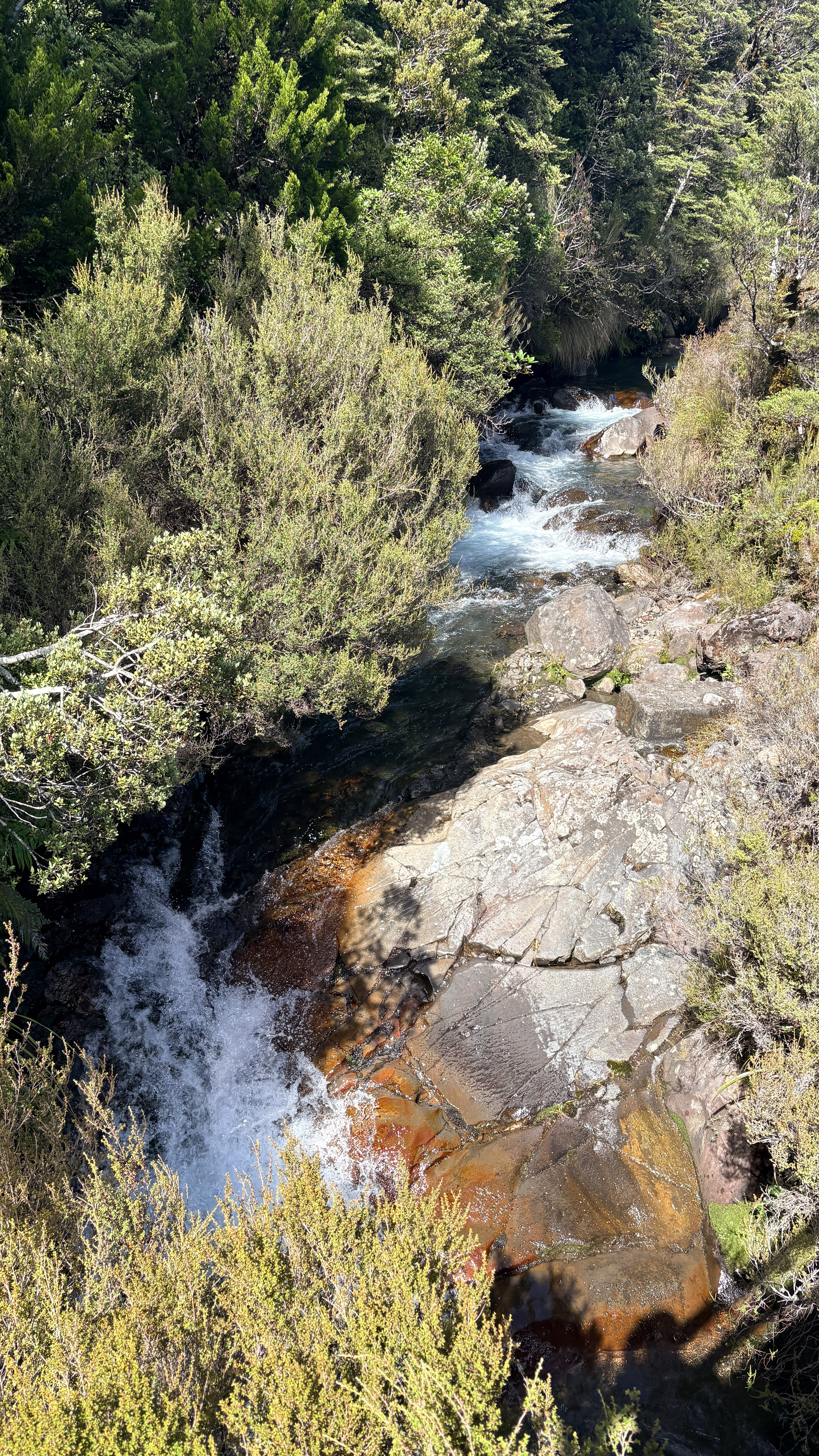
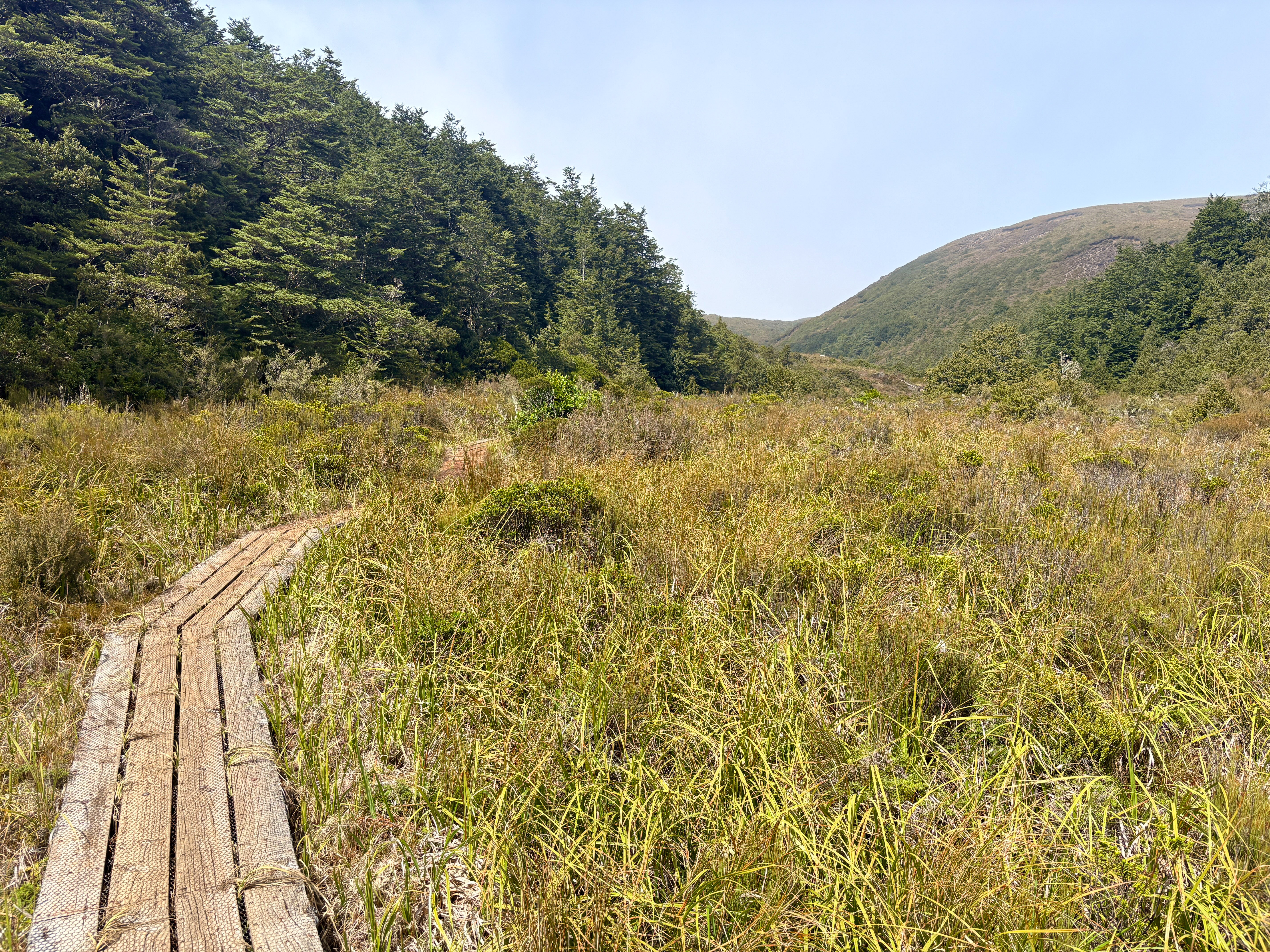
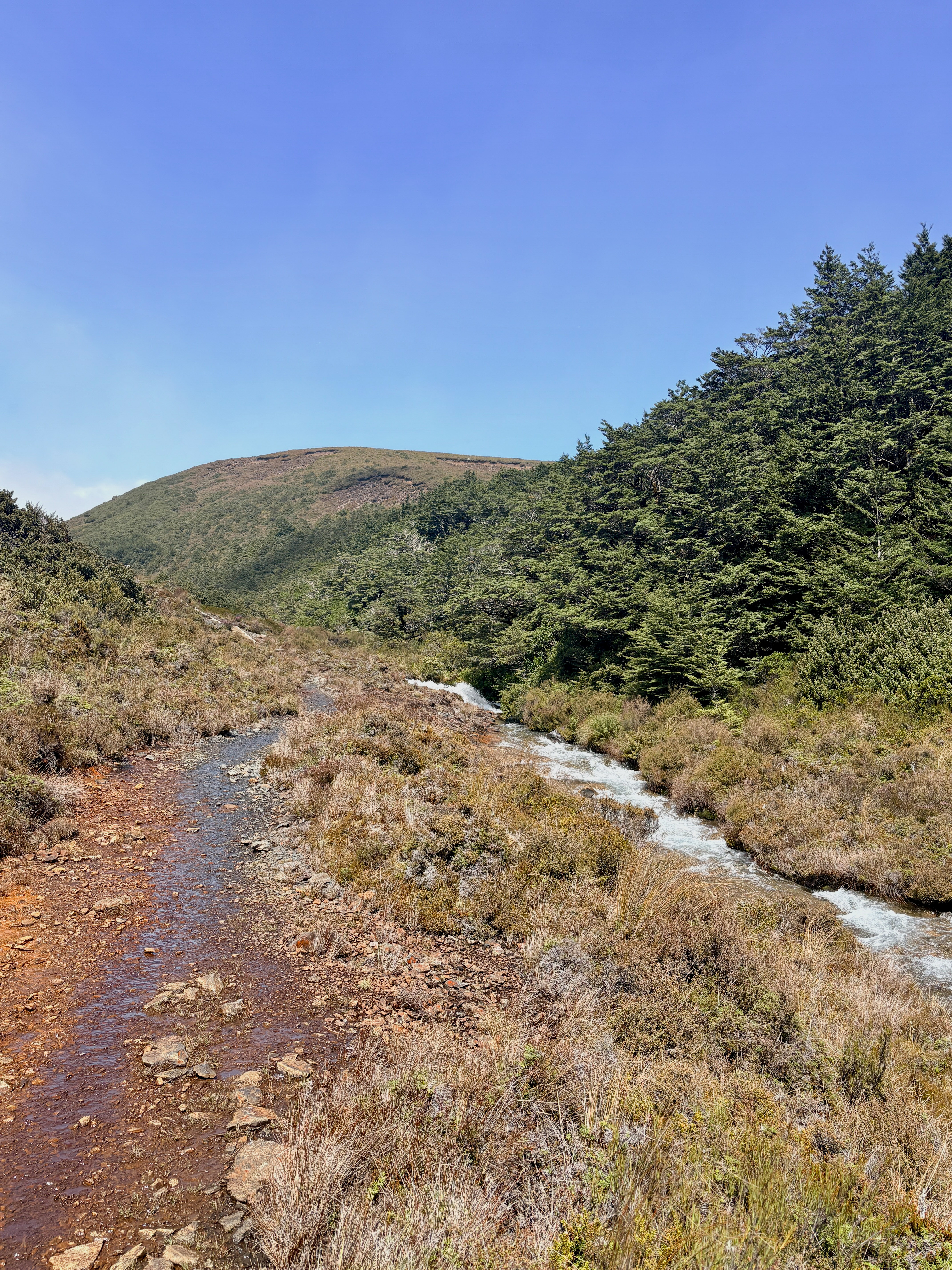
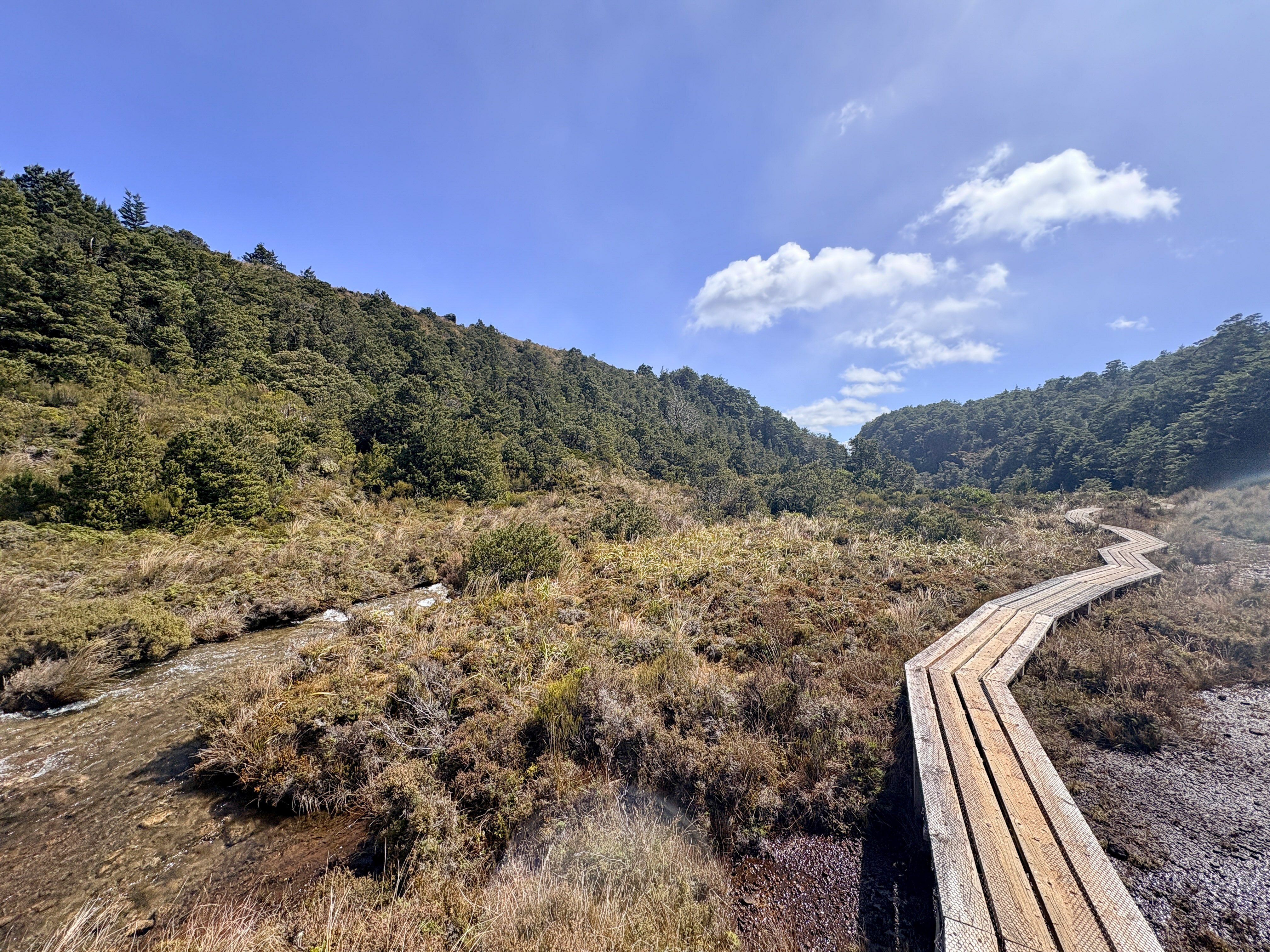
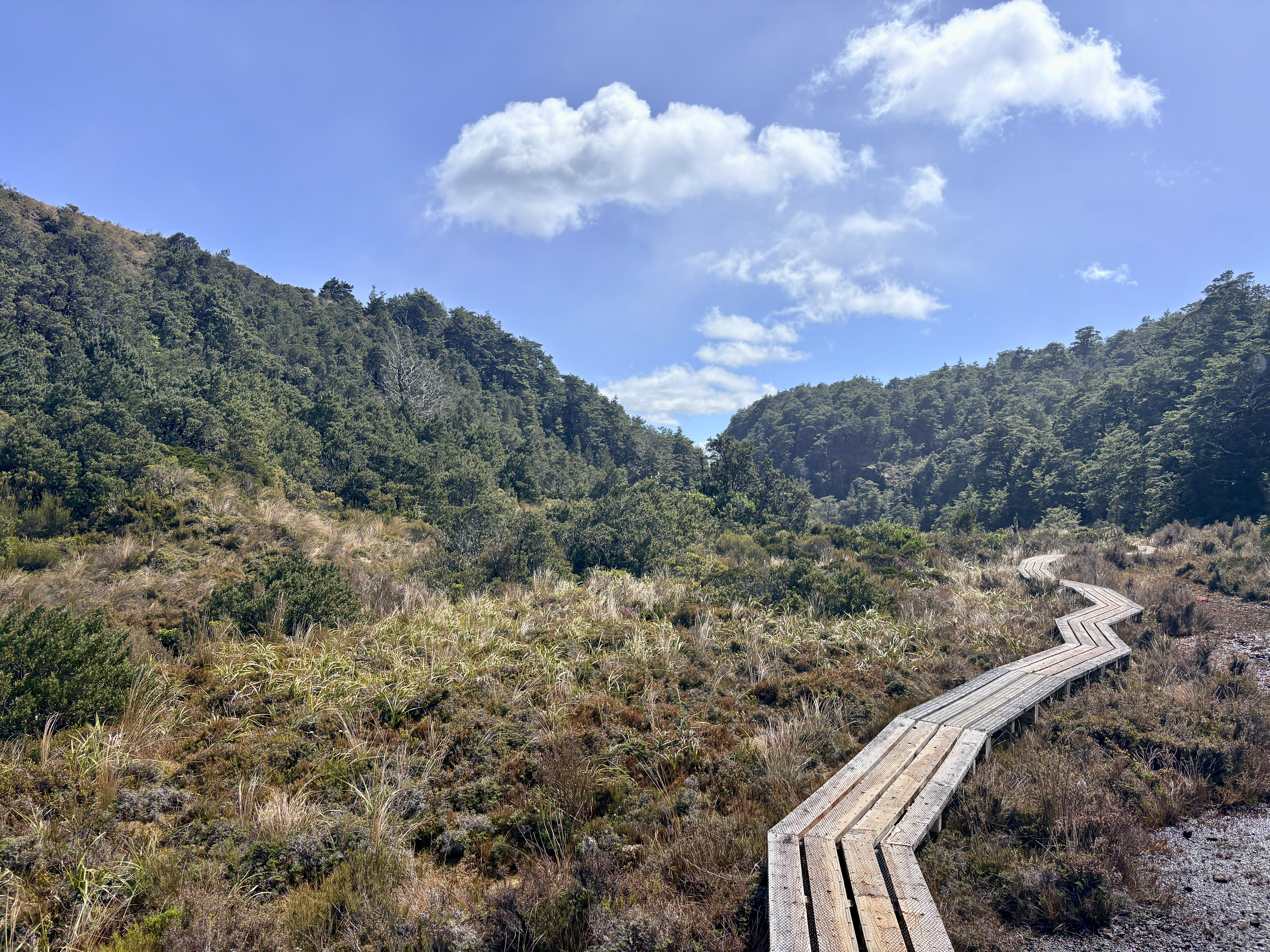
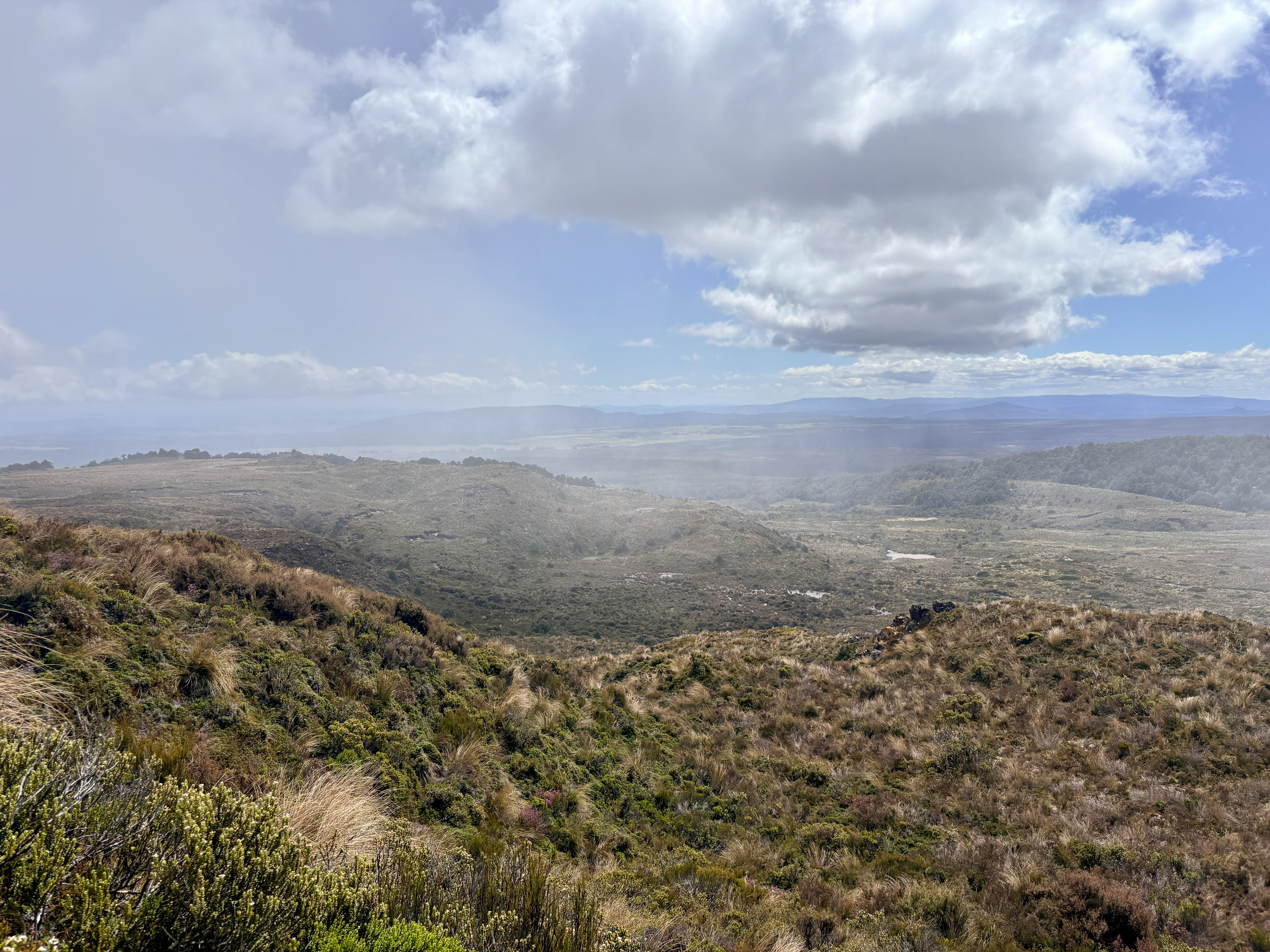
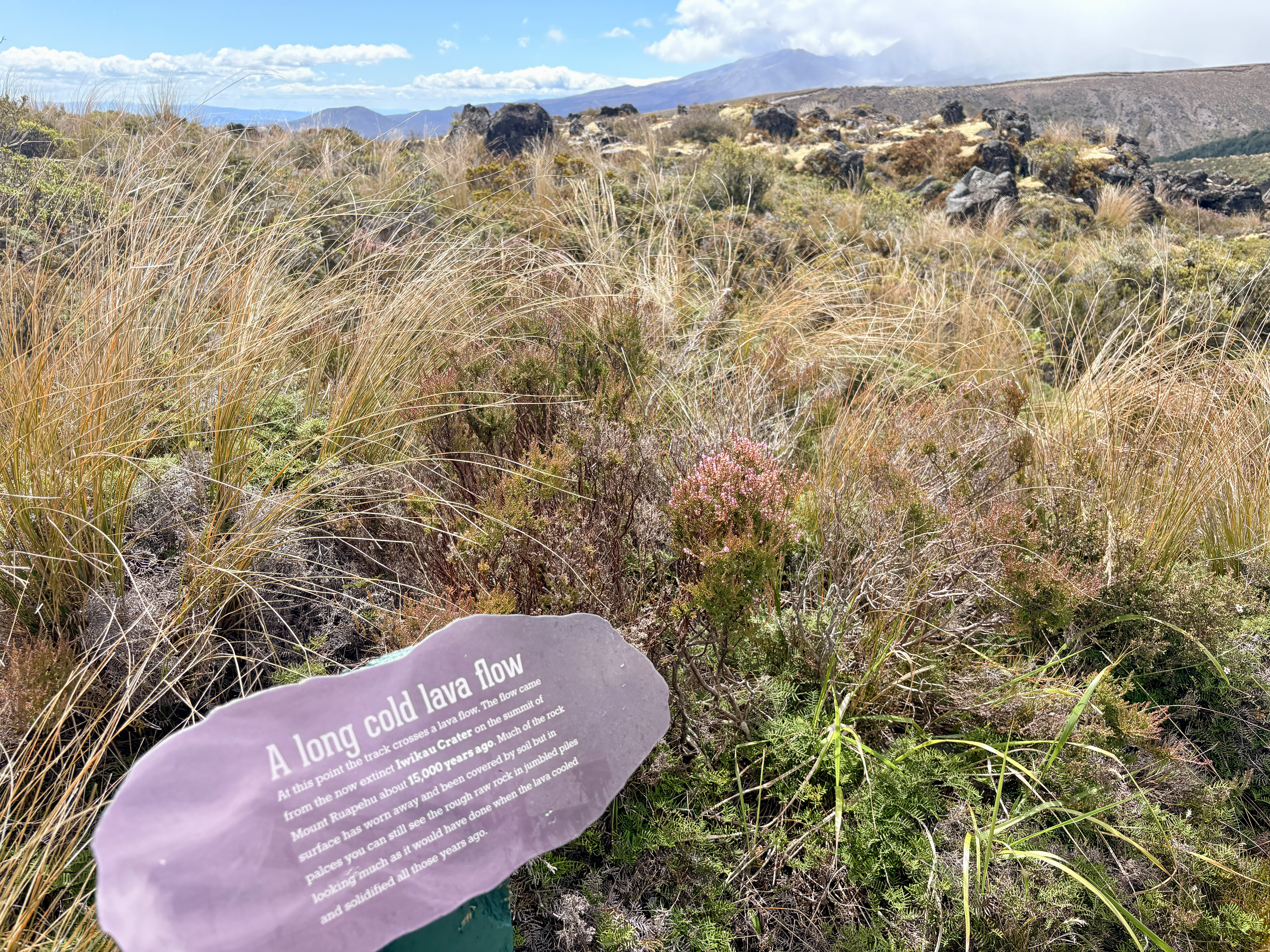
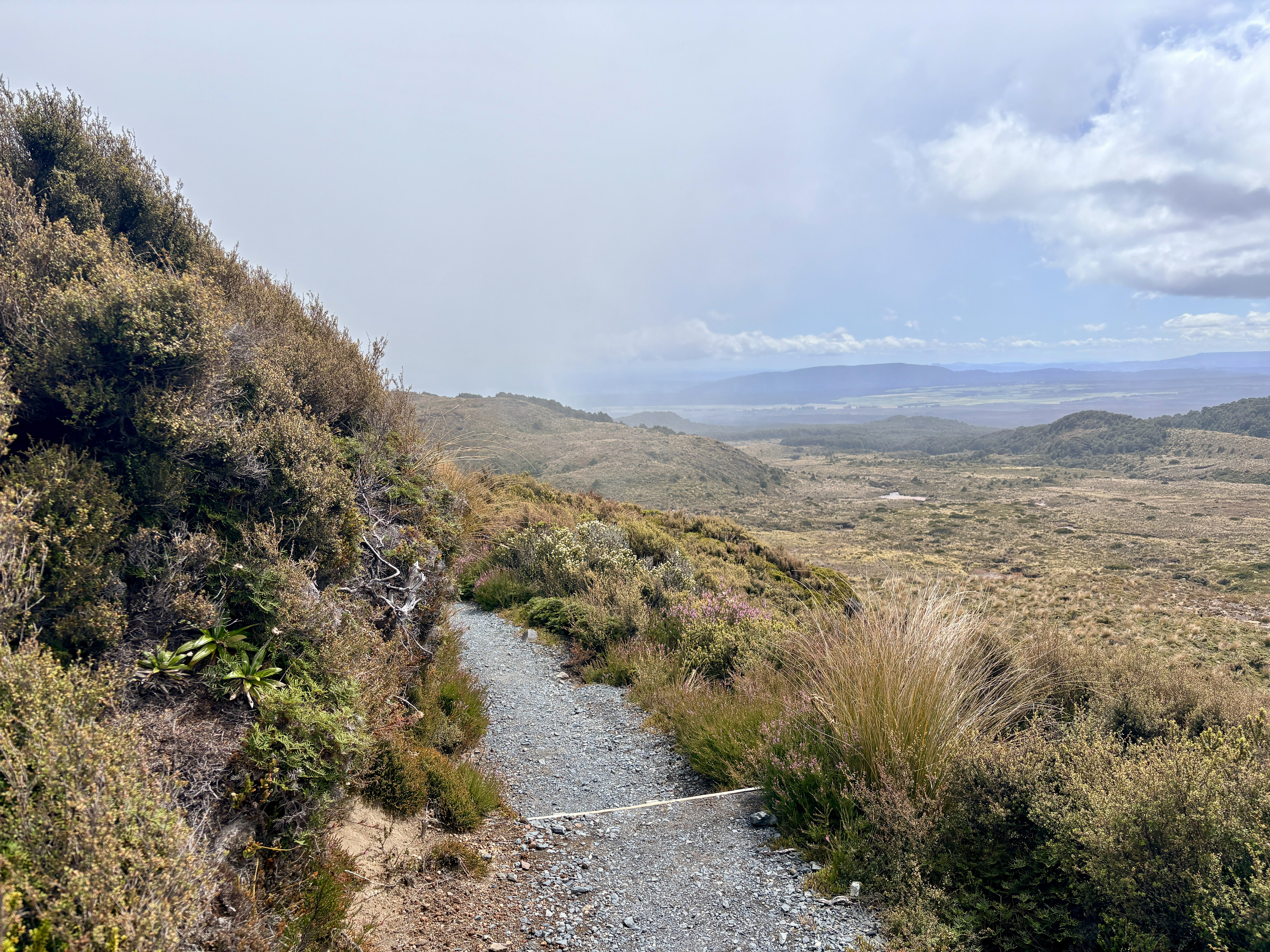
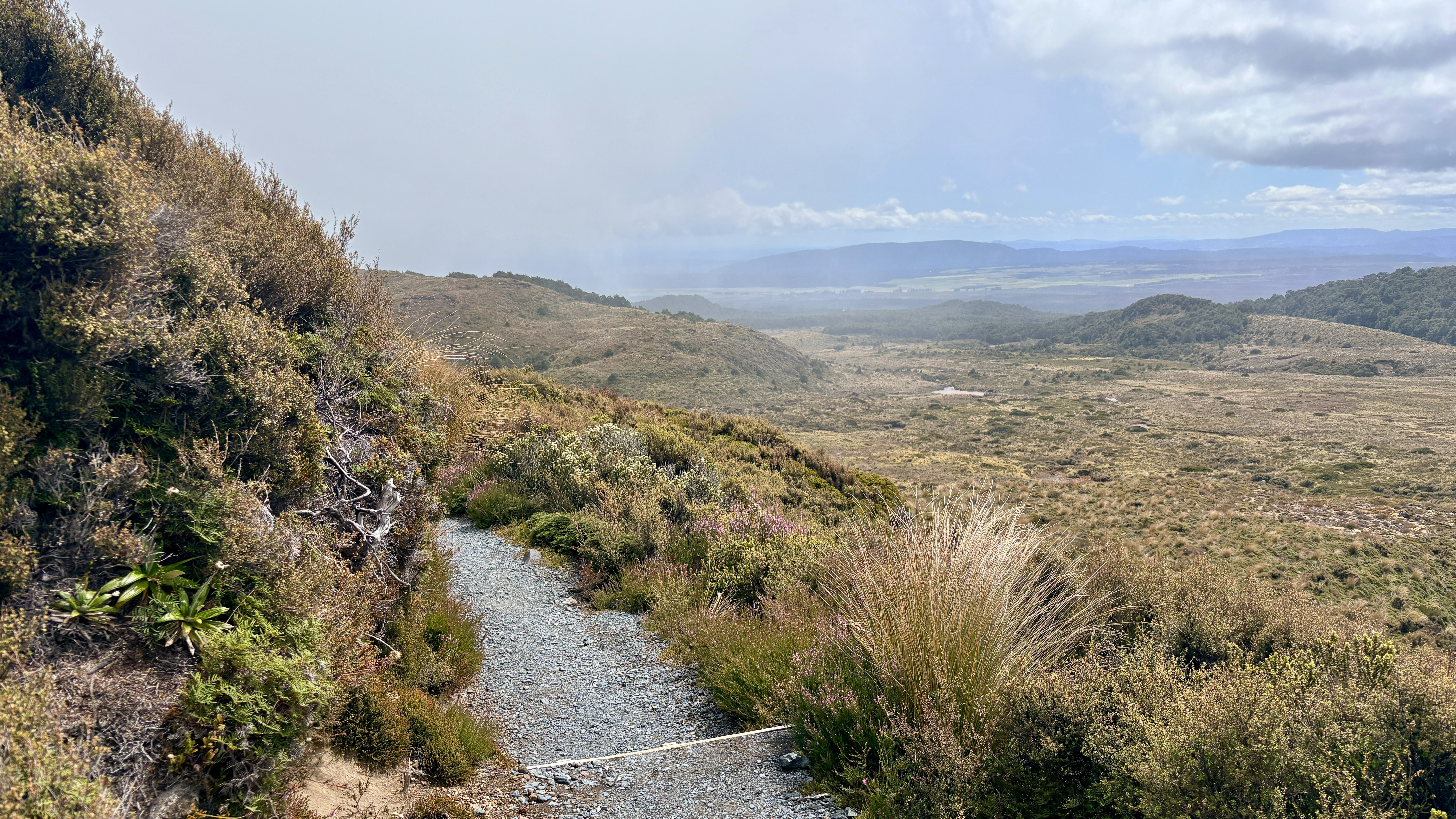
The morning brought persistent cold and windy weather, but at least the rain had departed. I dropped by the national park office, then made way way around the Silica Rapids Loop. This five mile hike with a modrate amount of elevation gain provided inspiring views and plenty of interprative learnings.
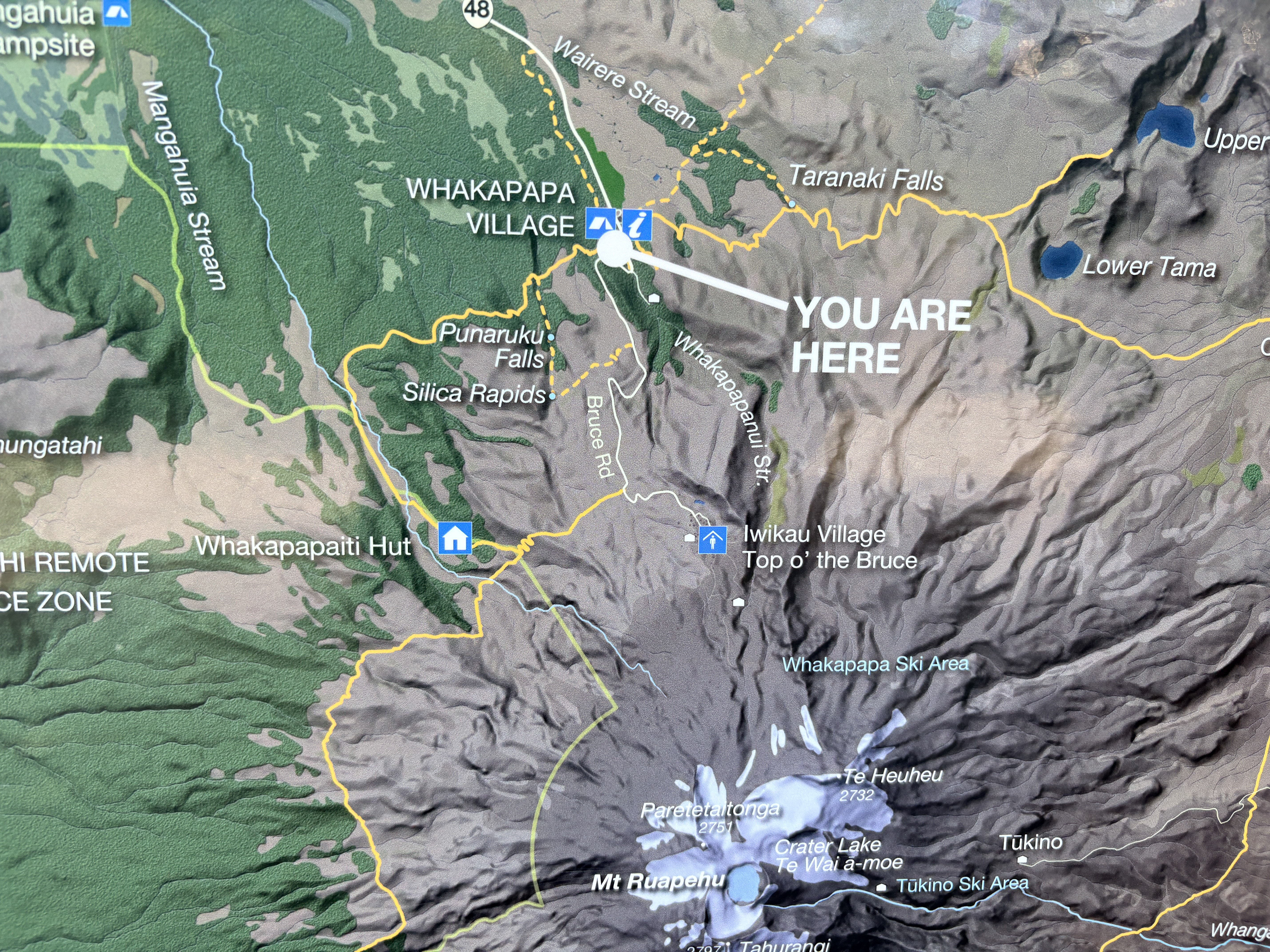
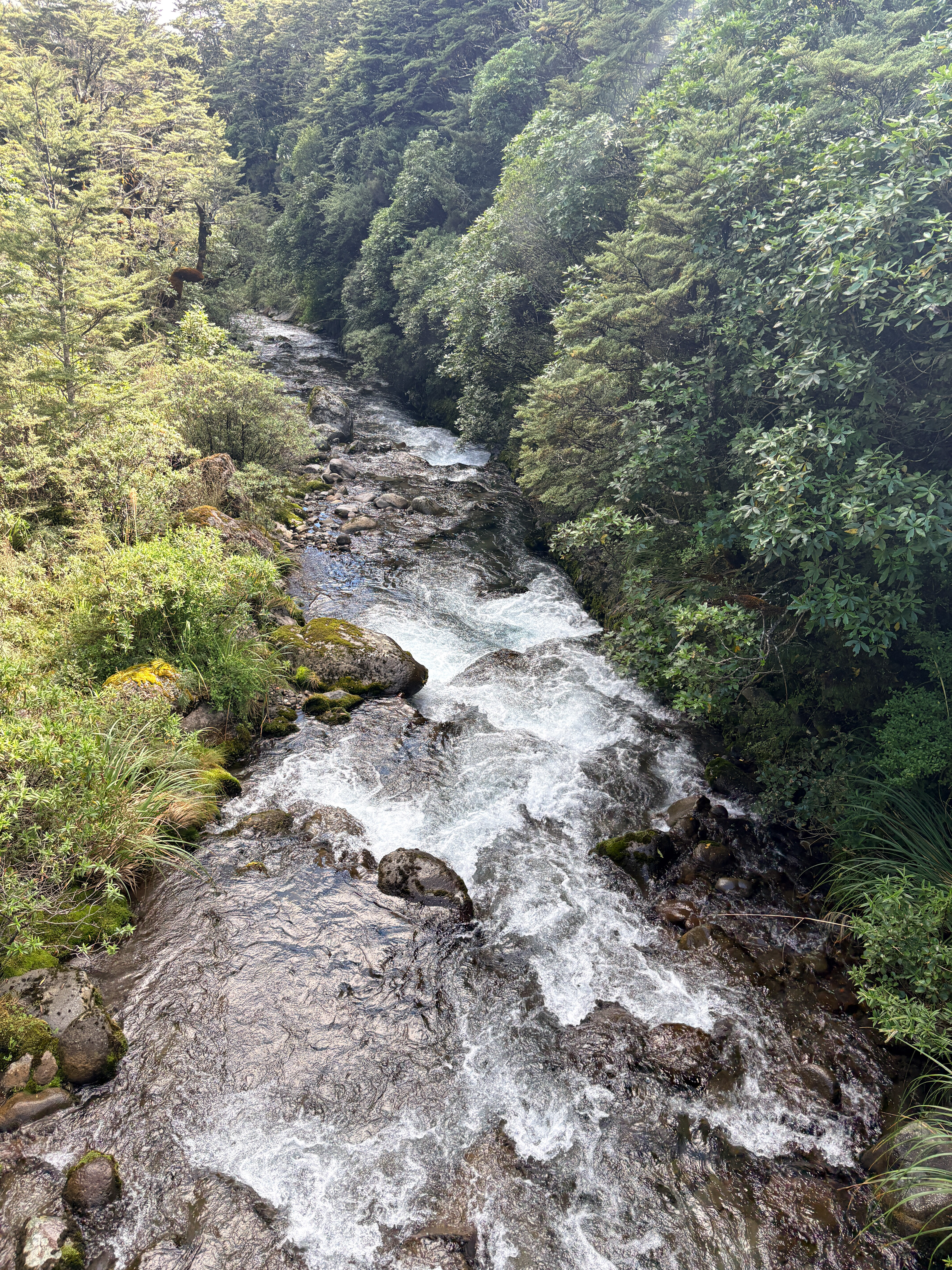
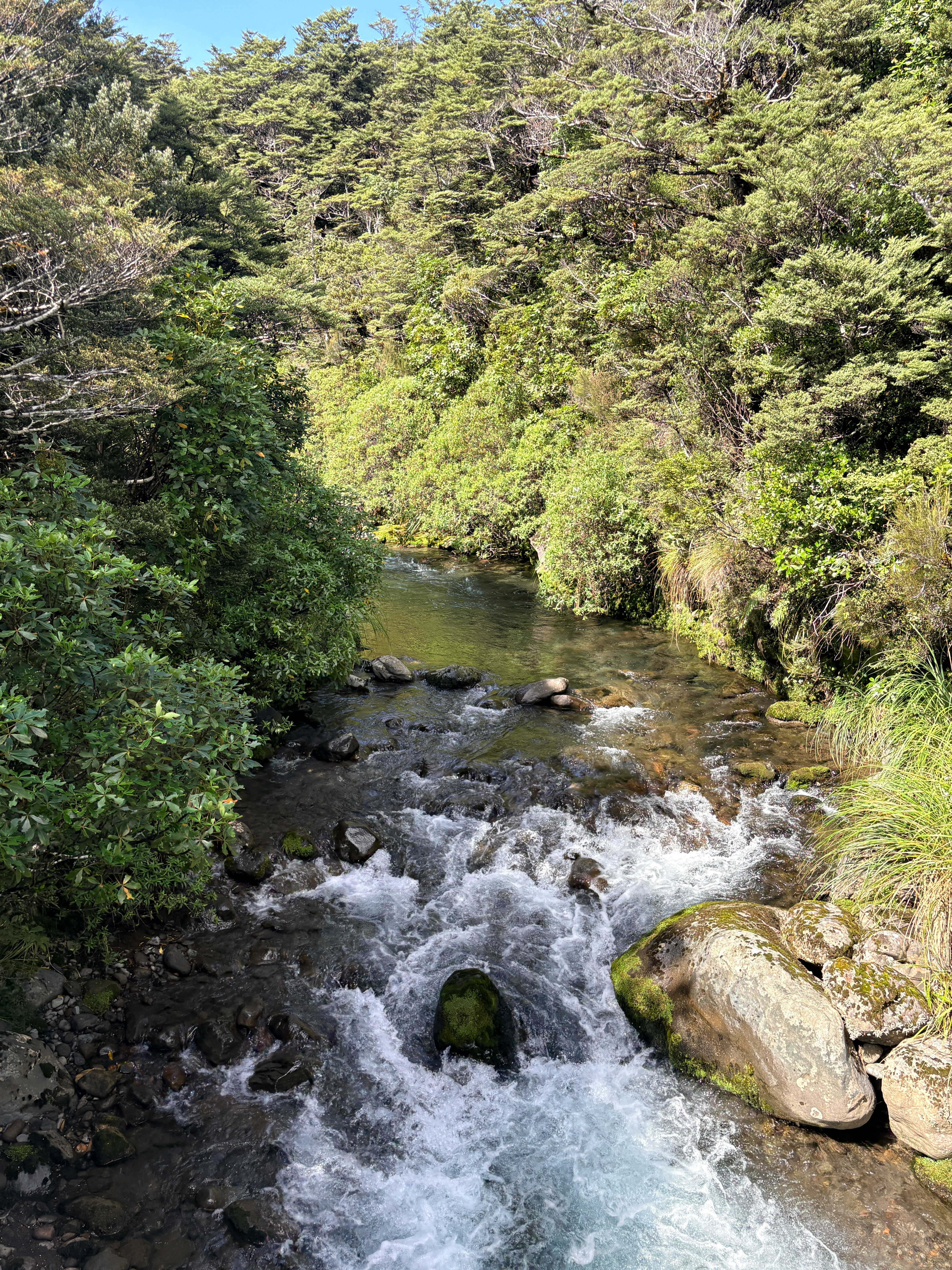
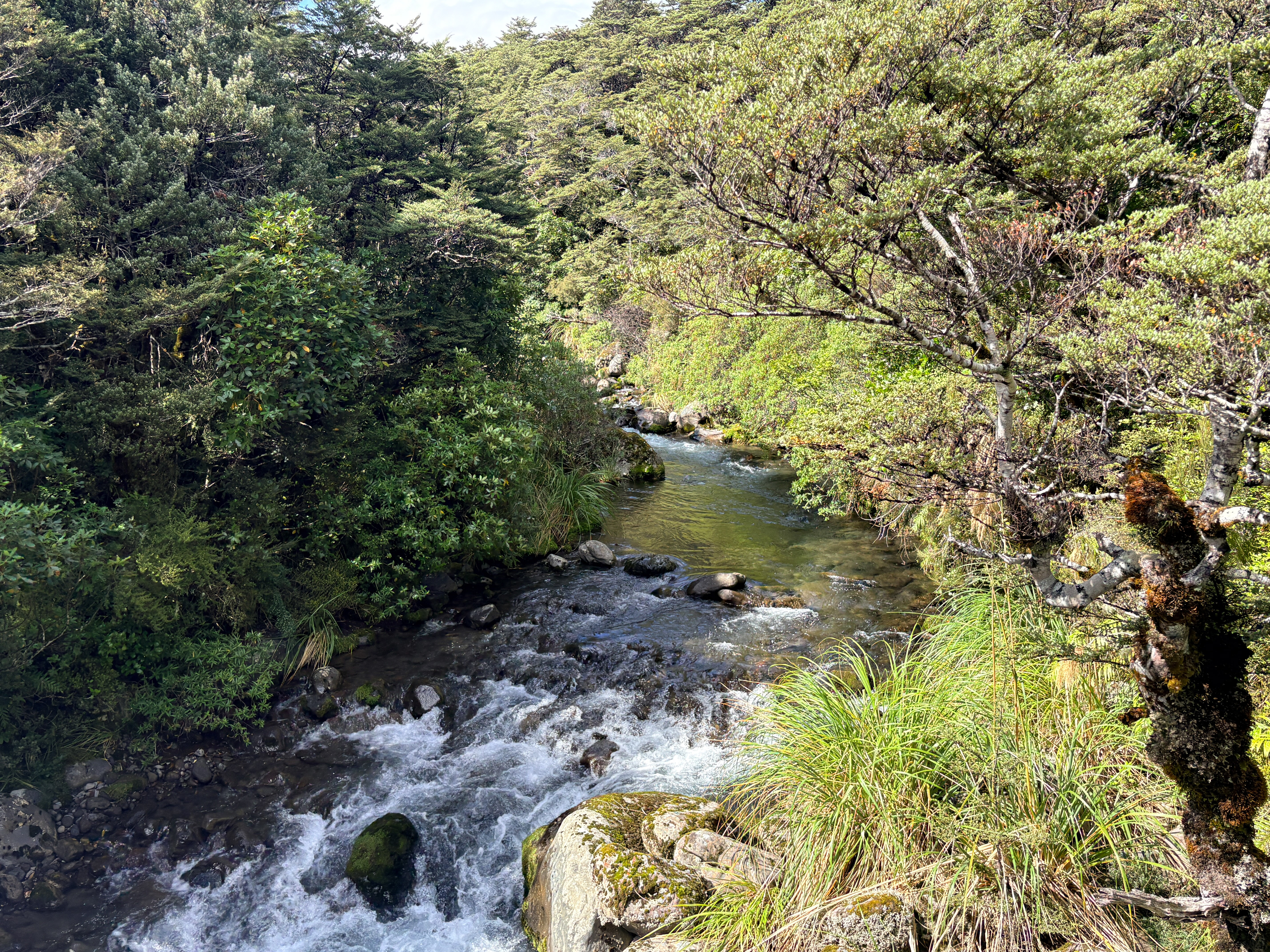
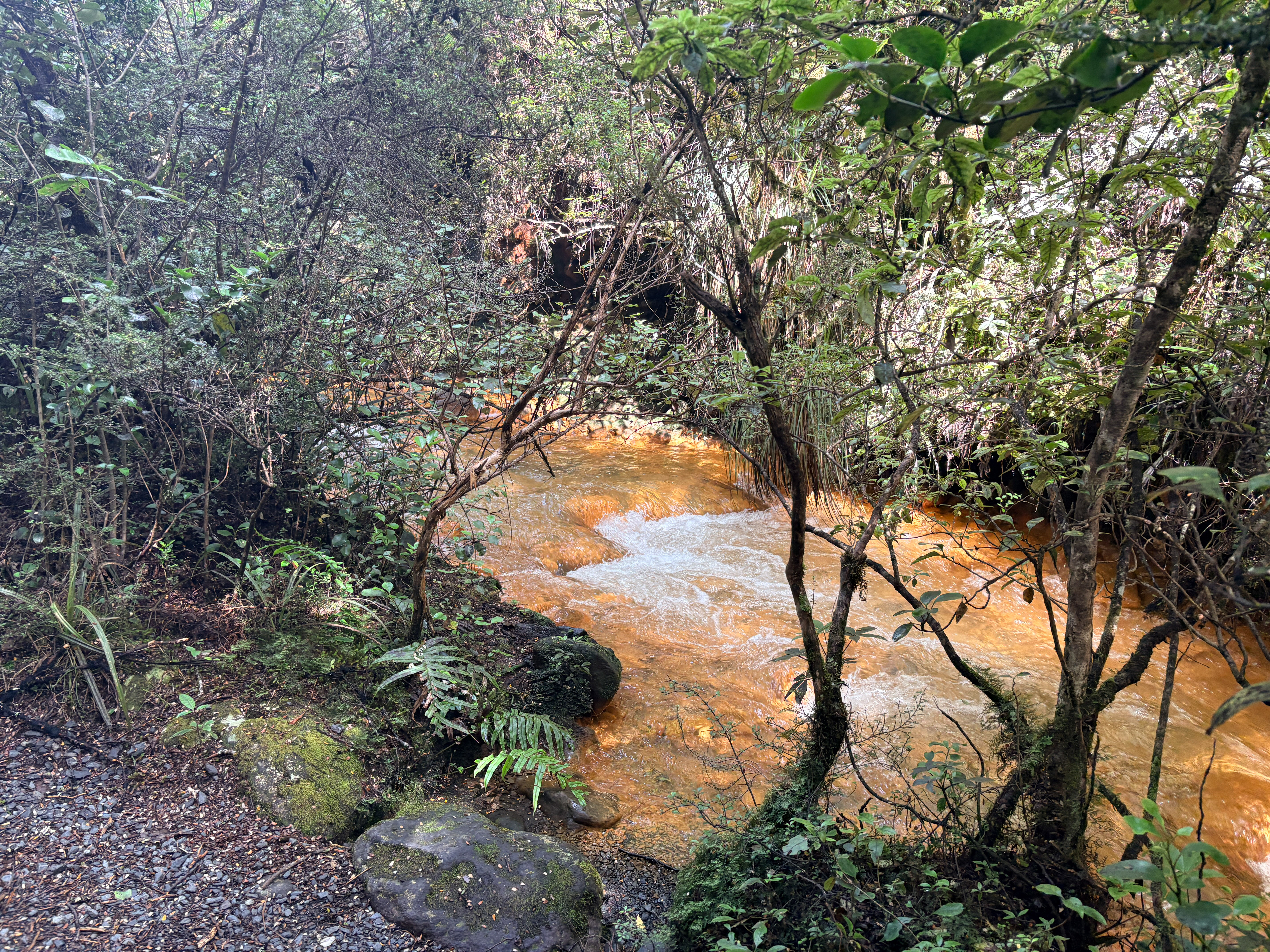
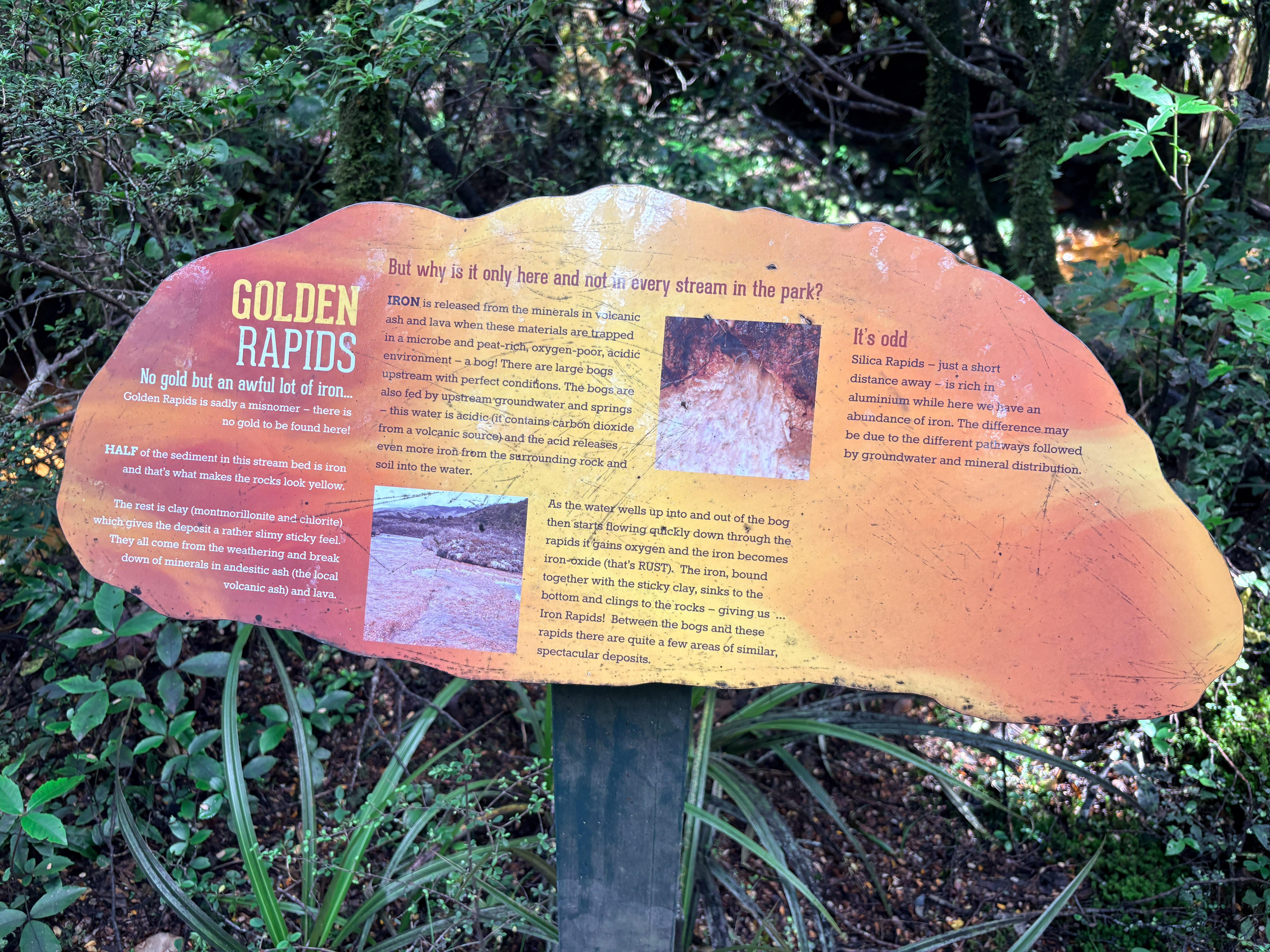
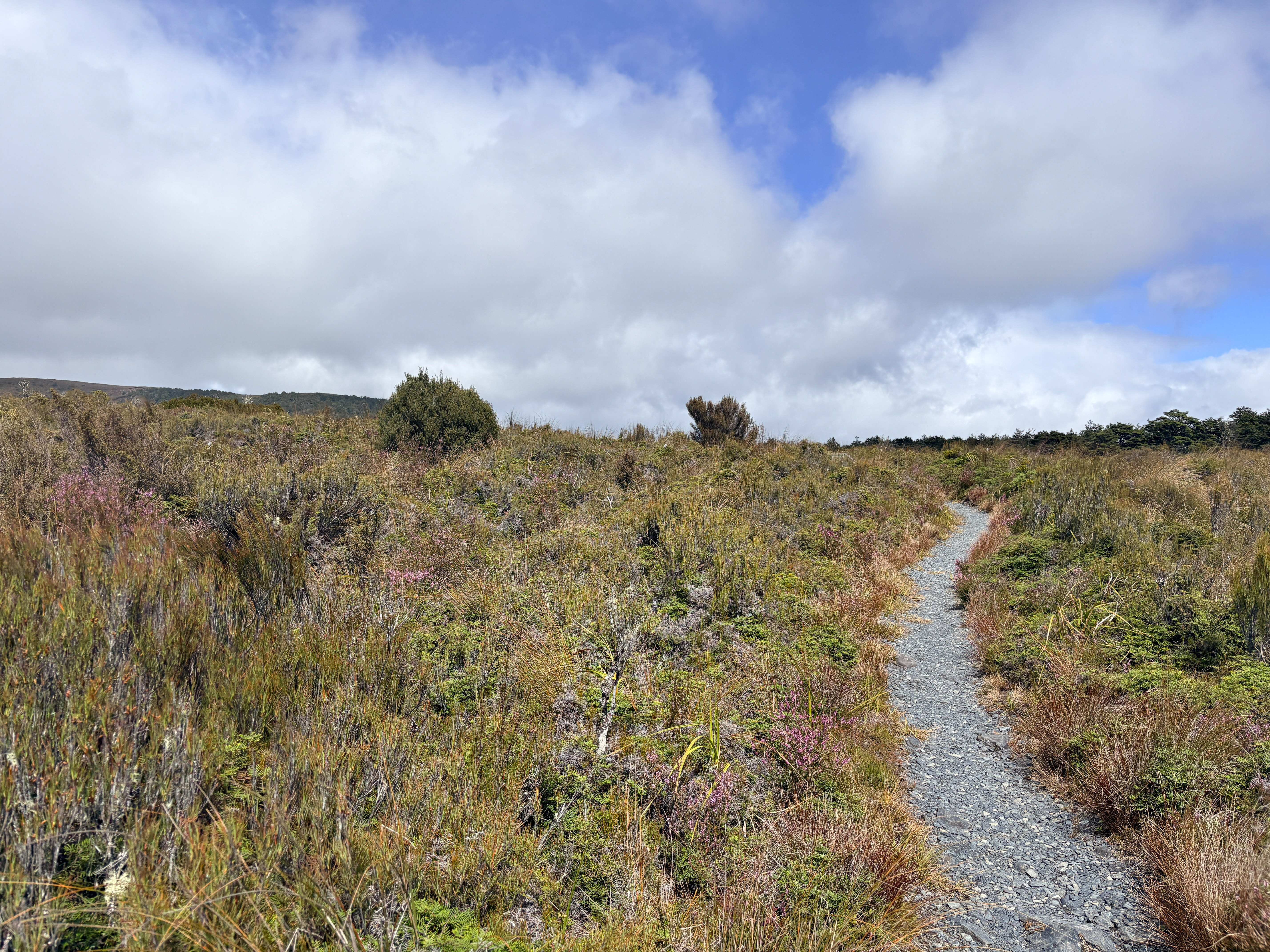
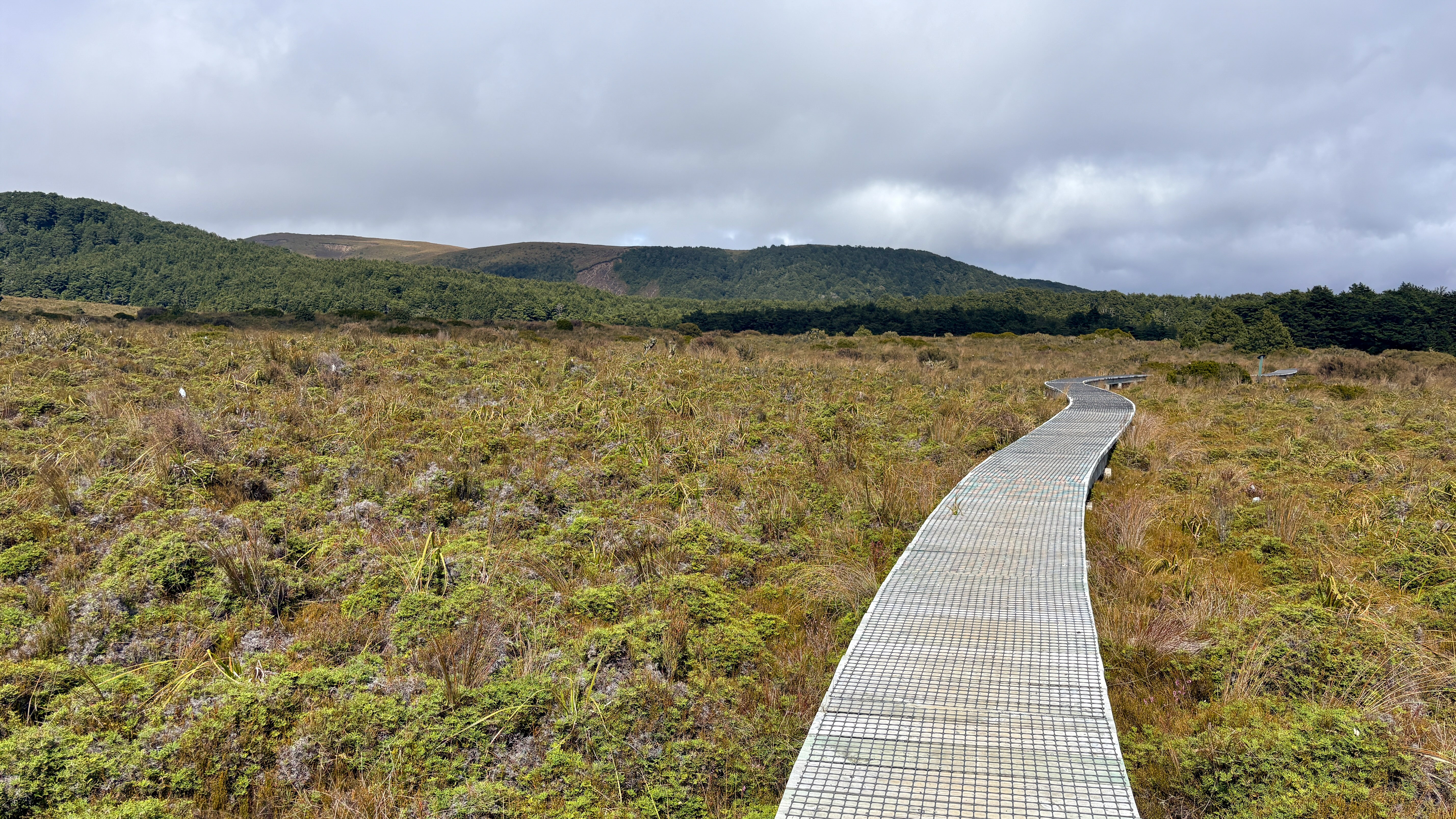
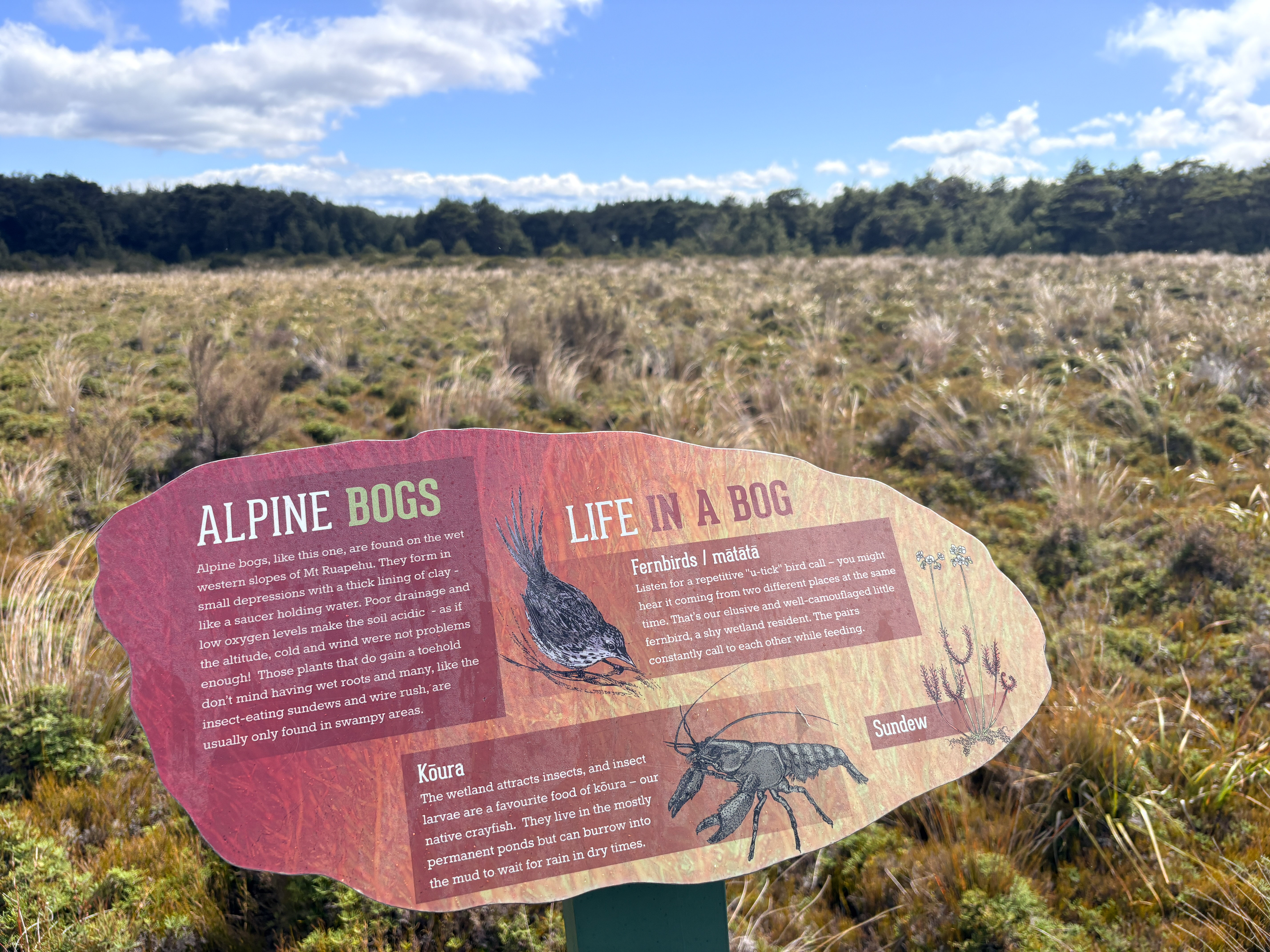
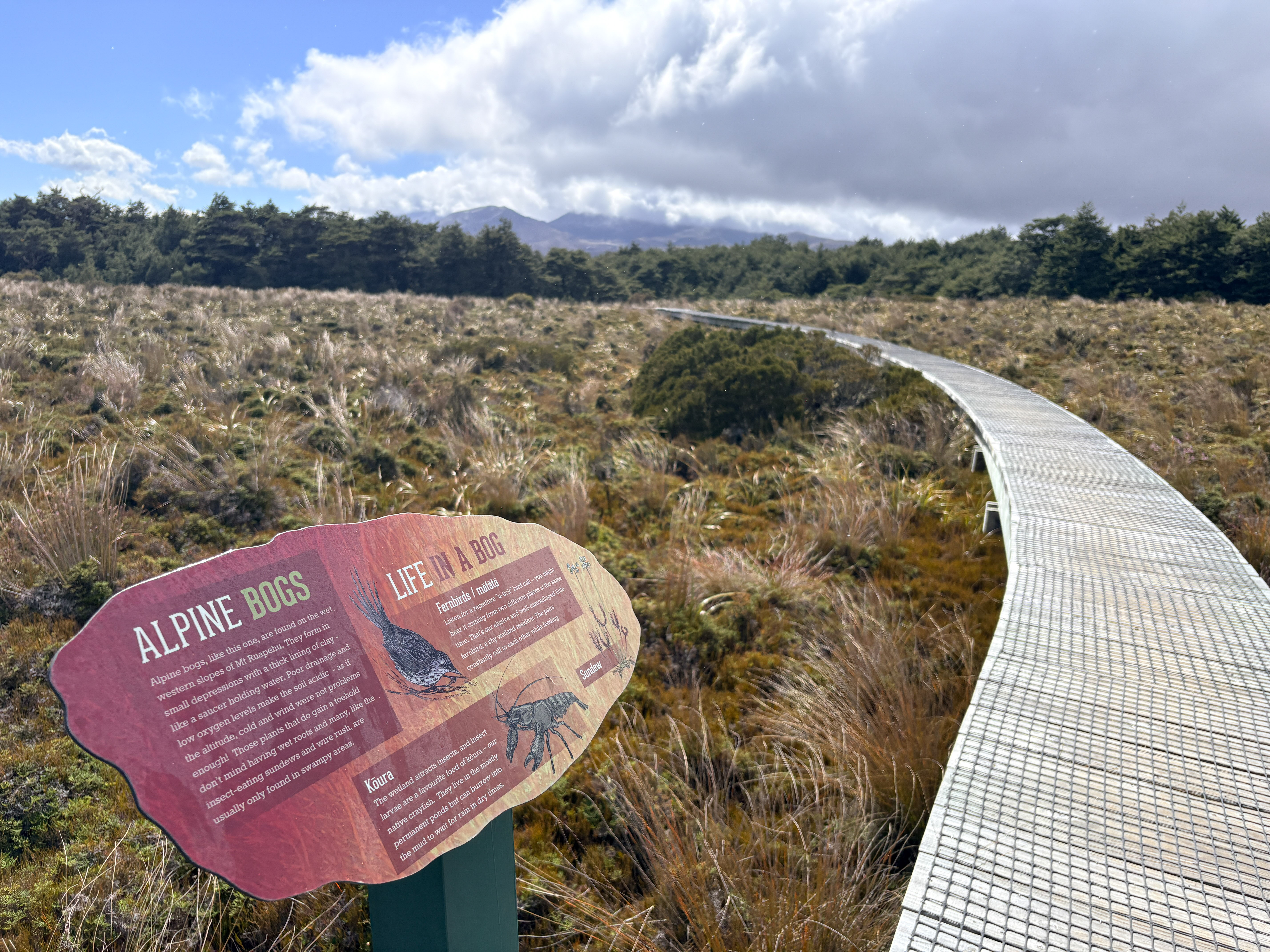
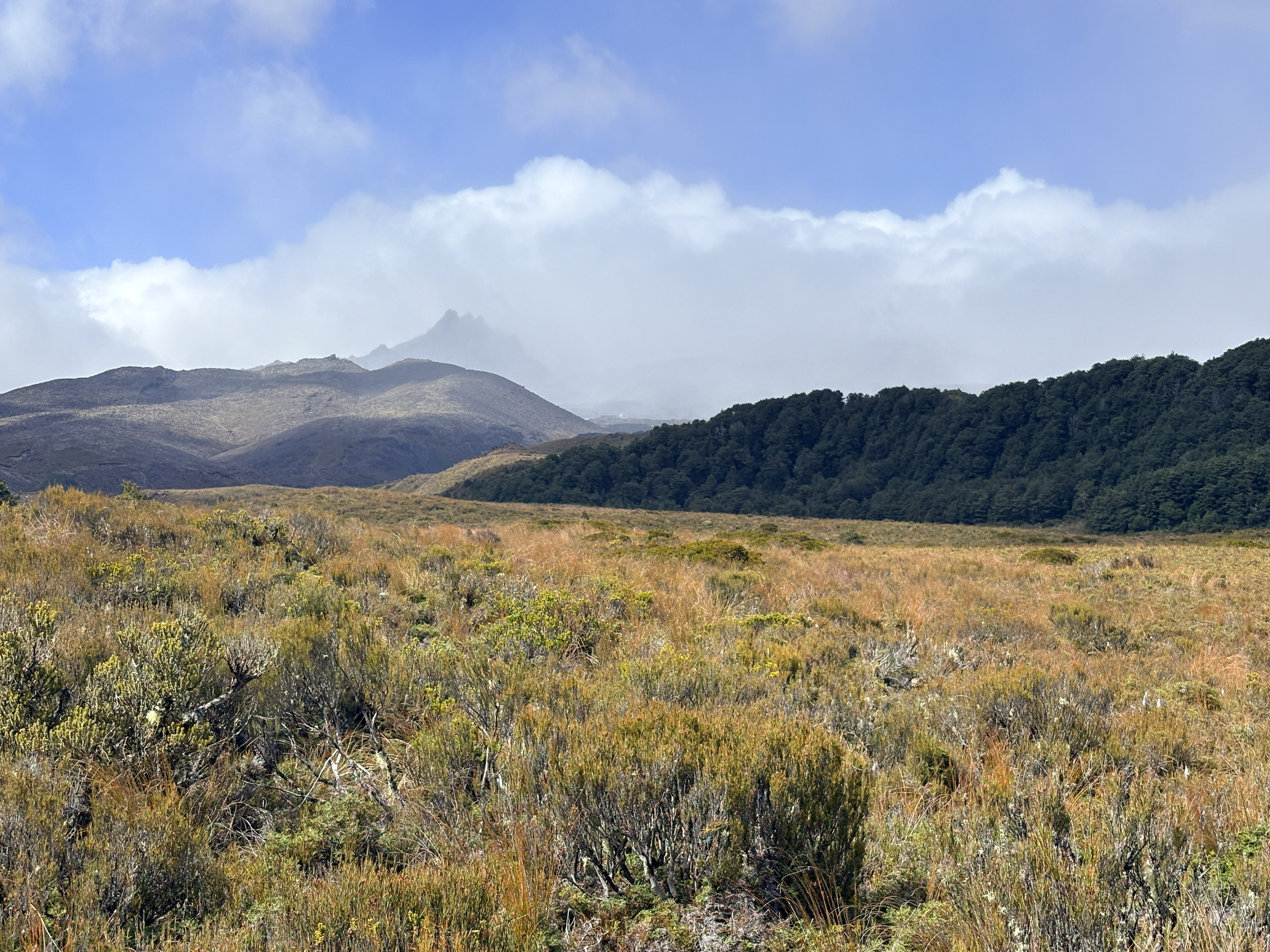
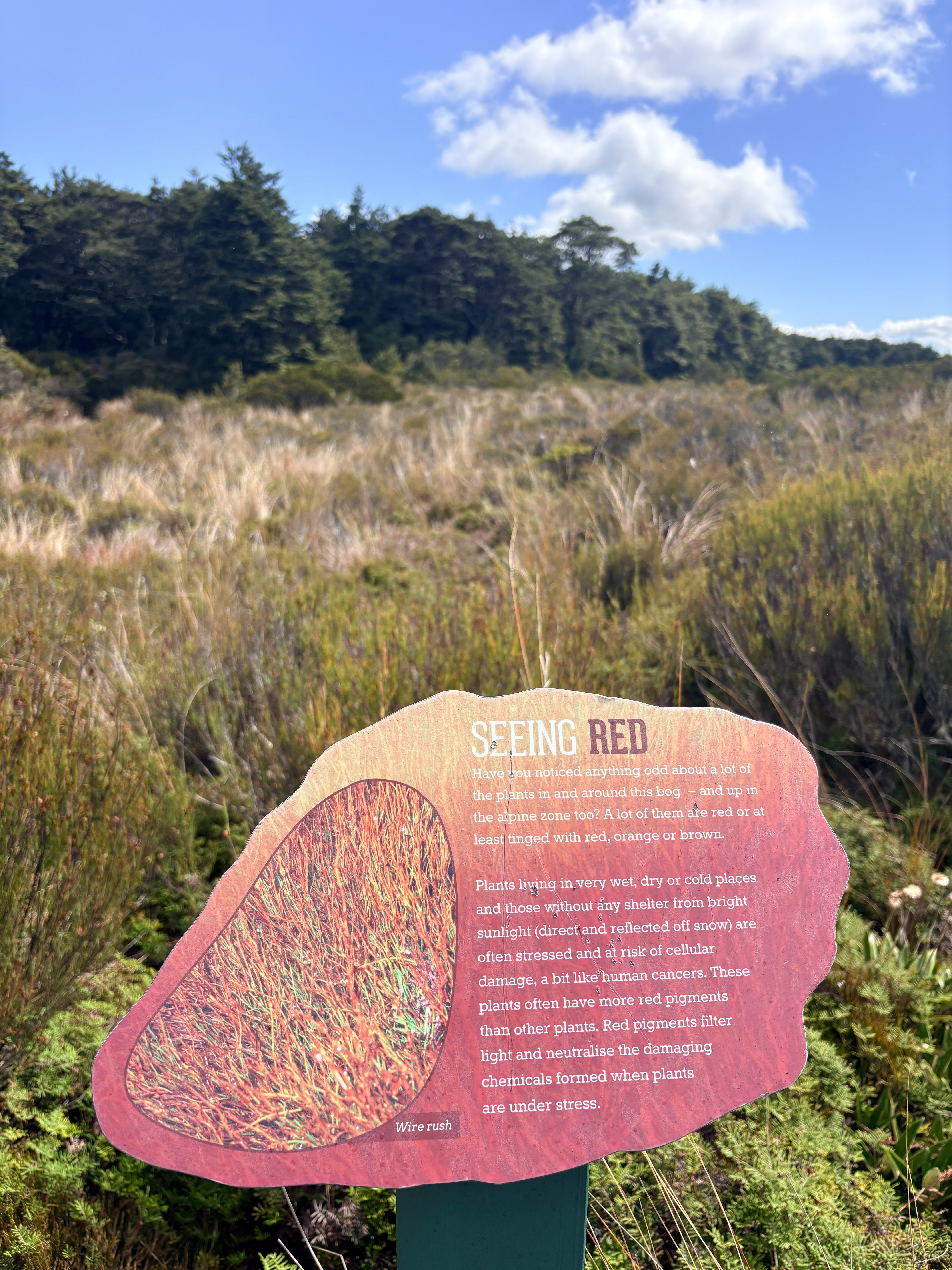
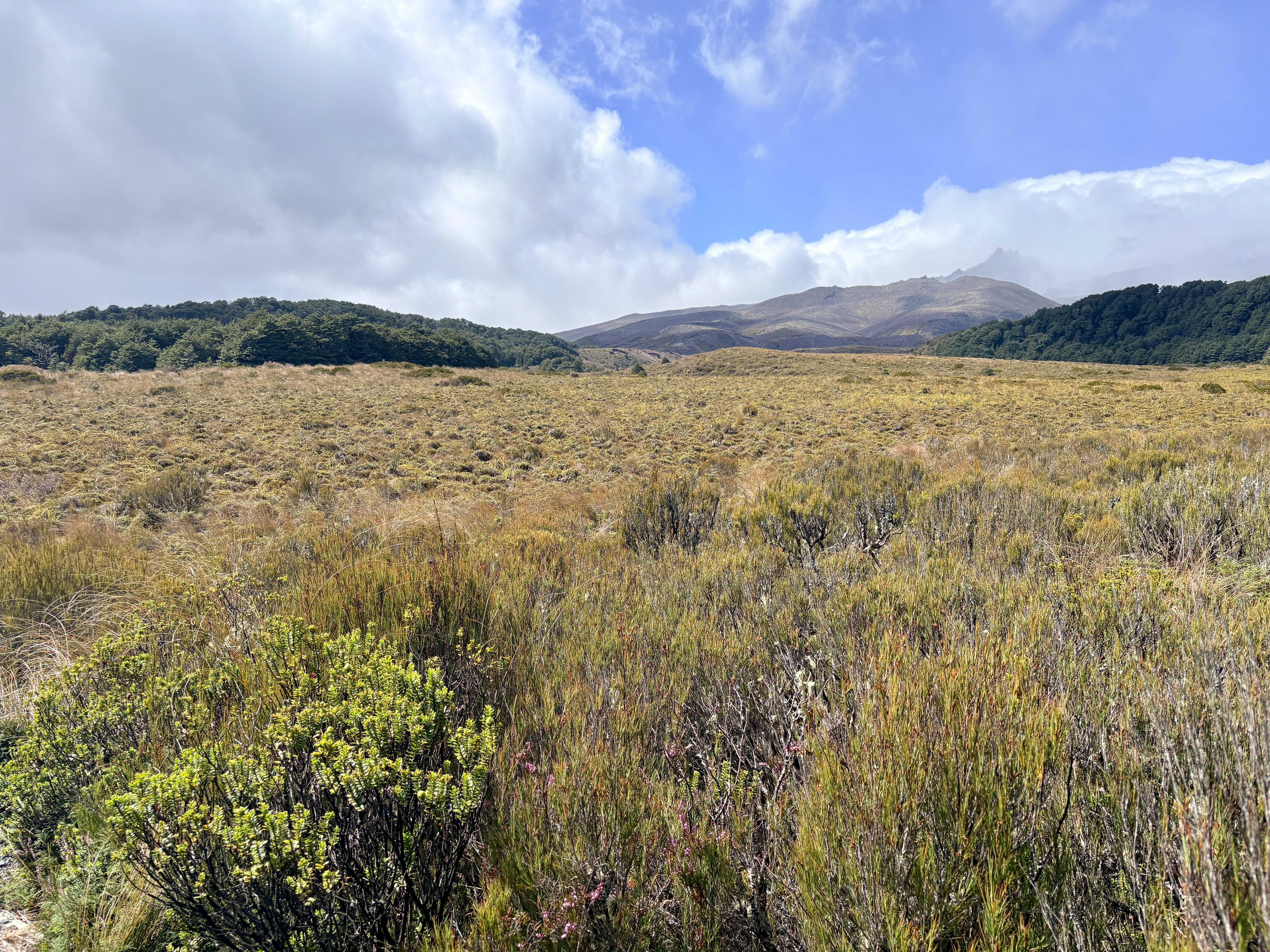
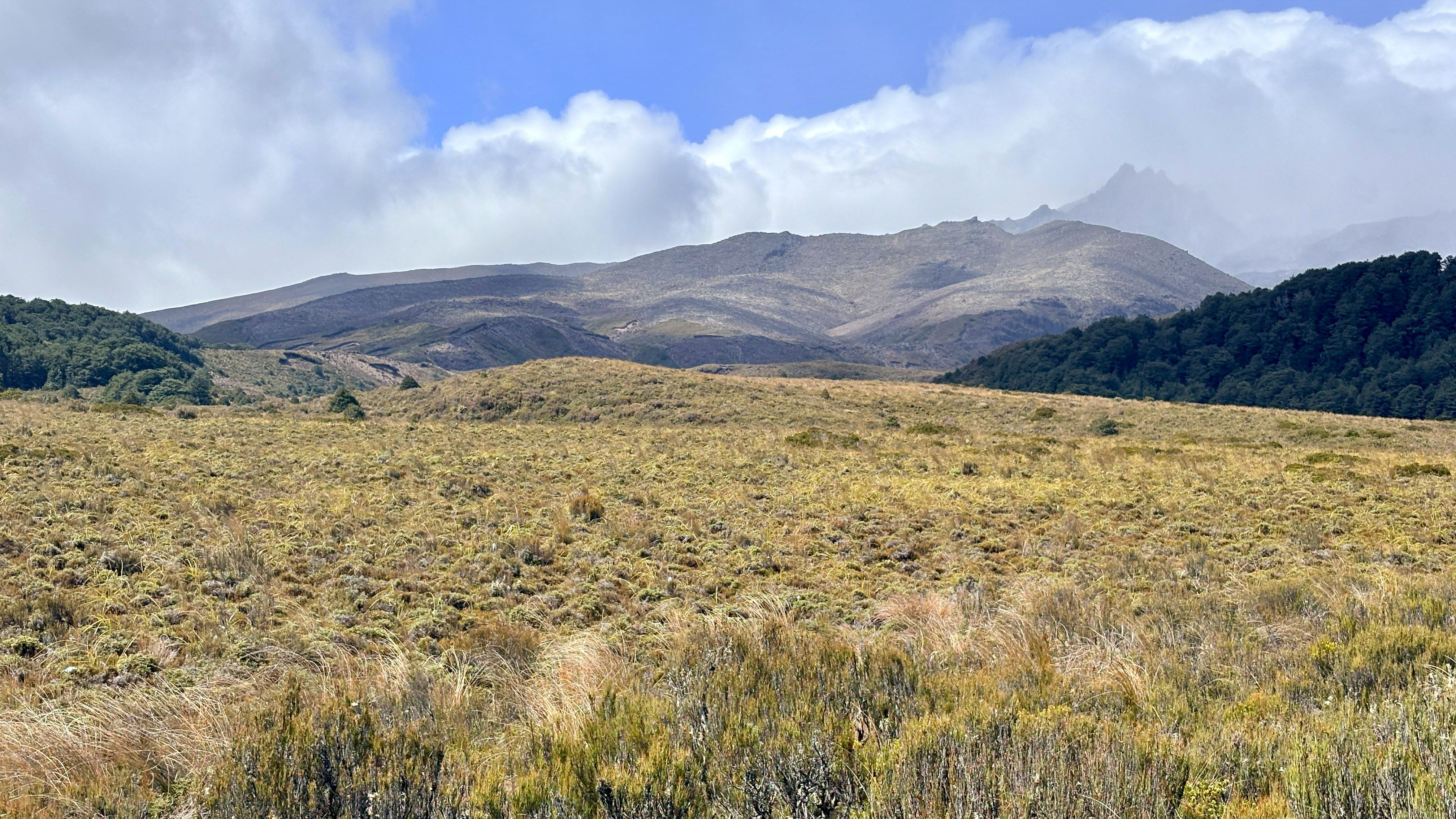
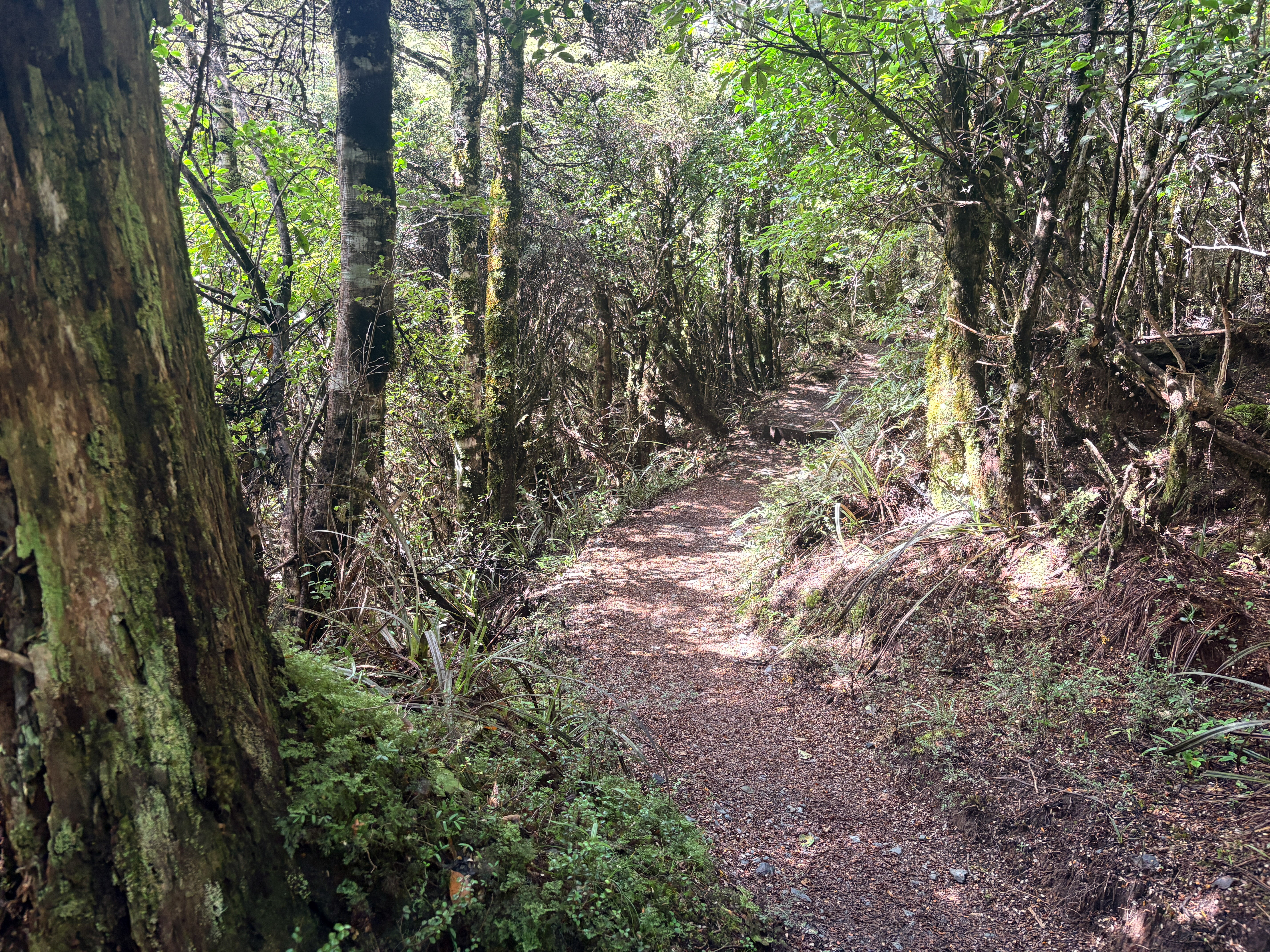
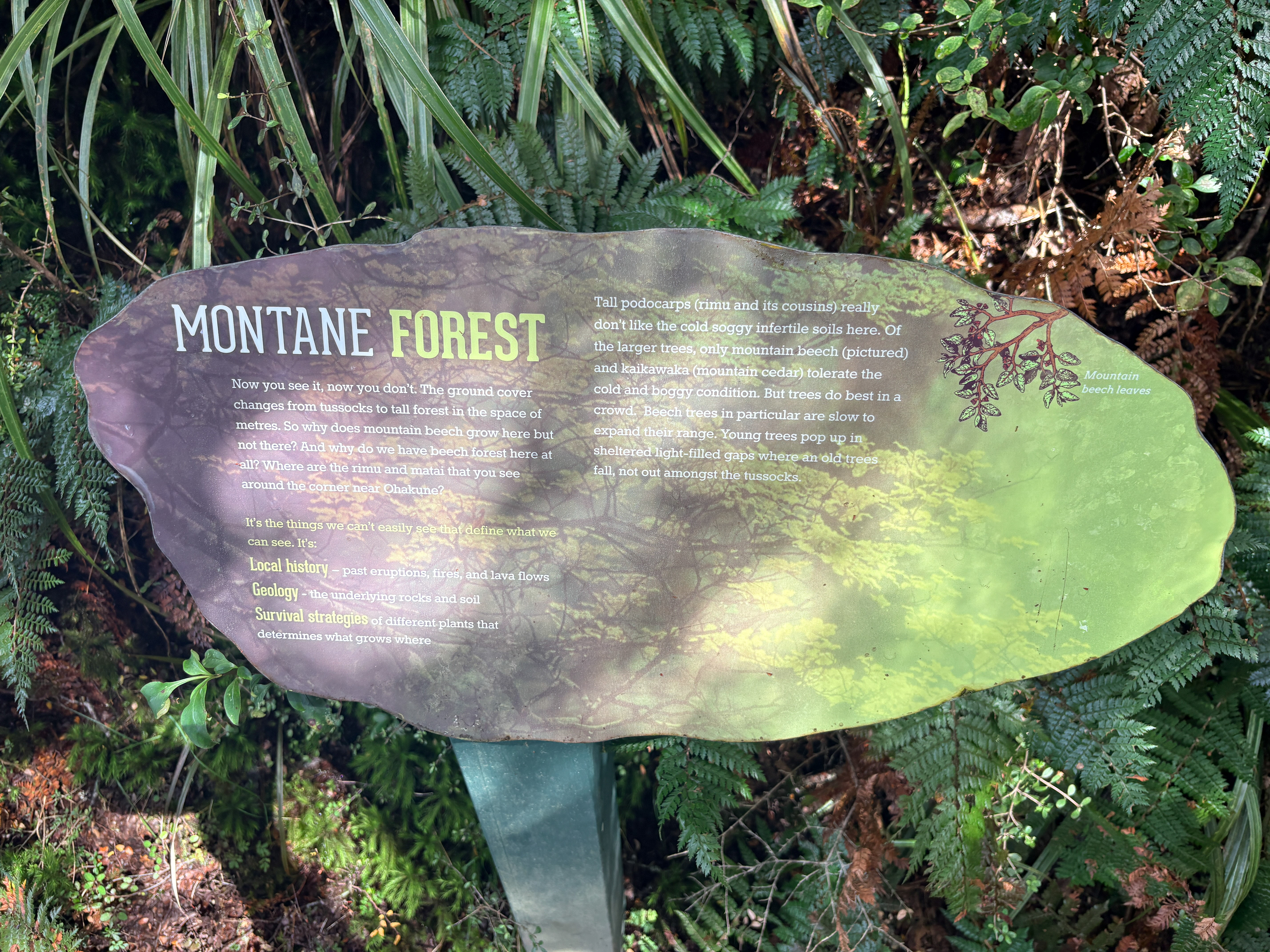
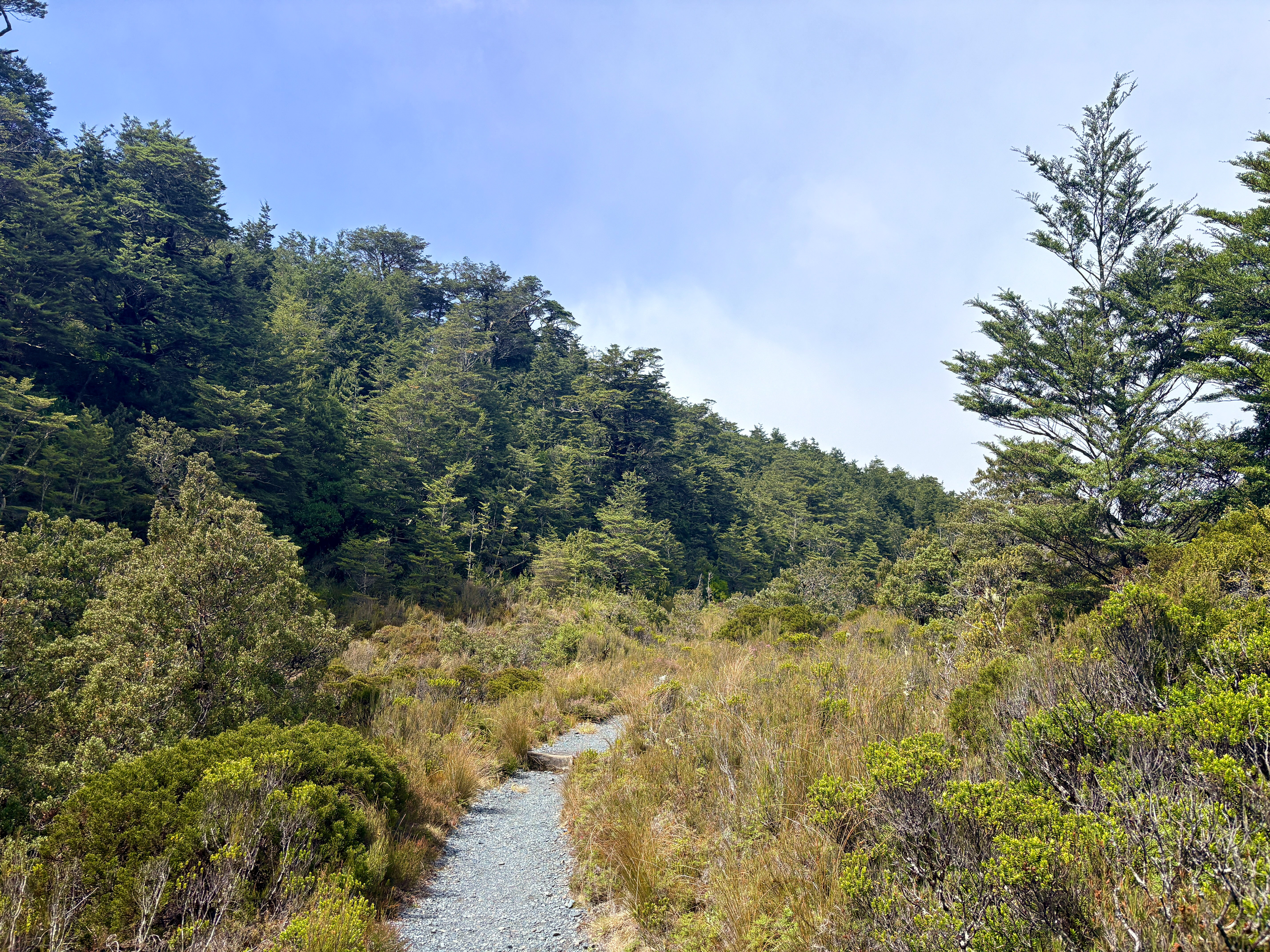
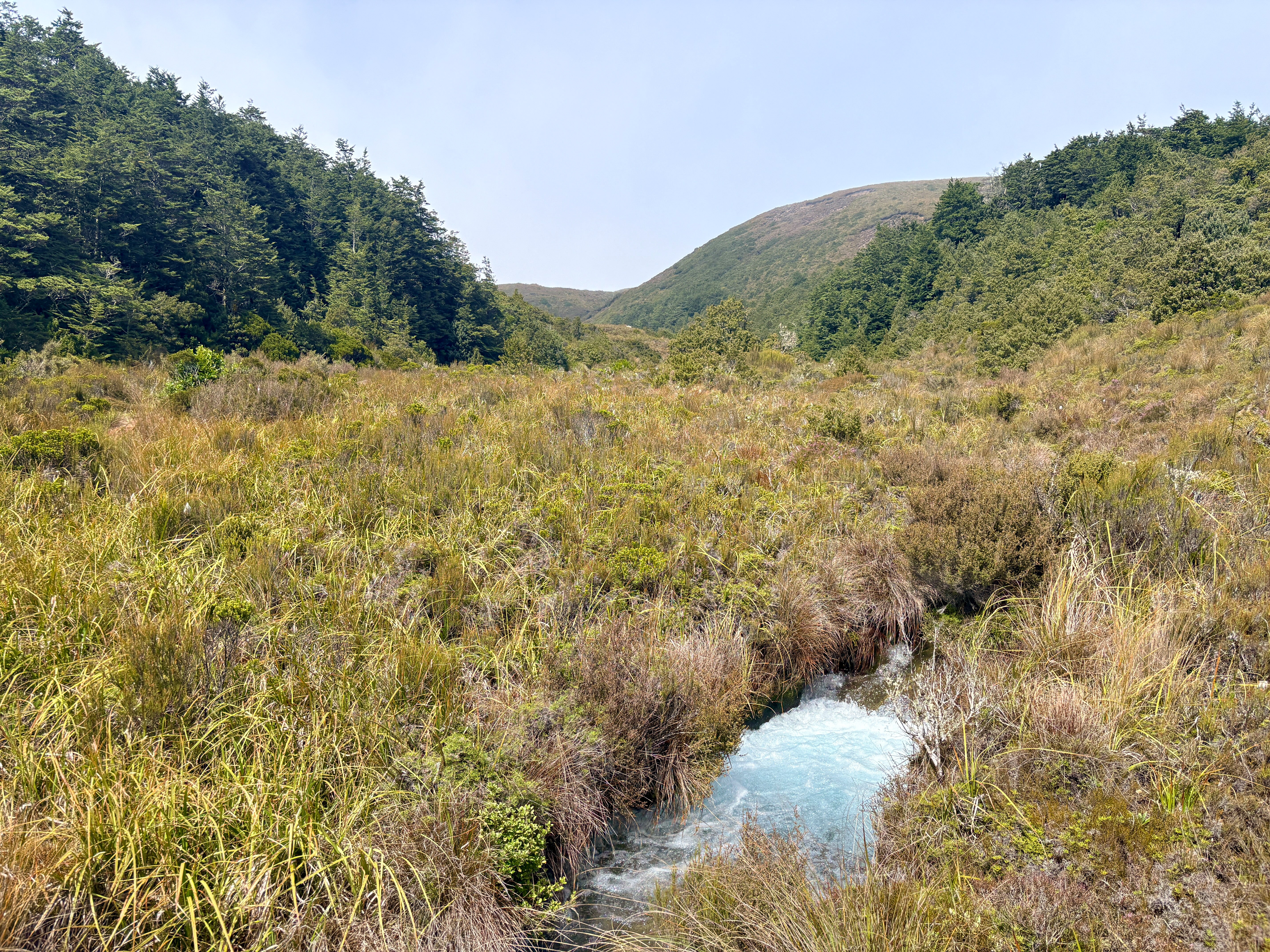
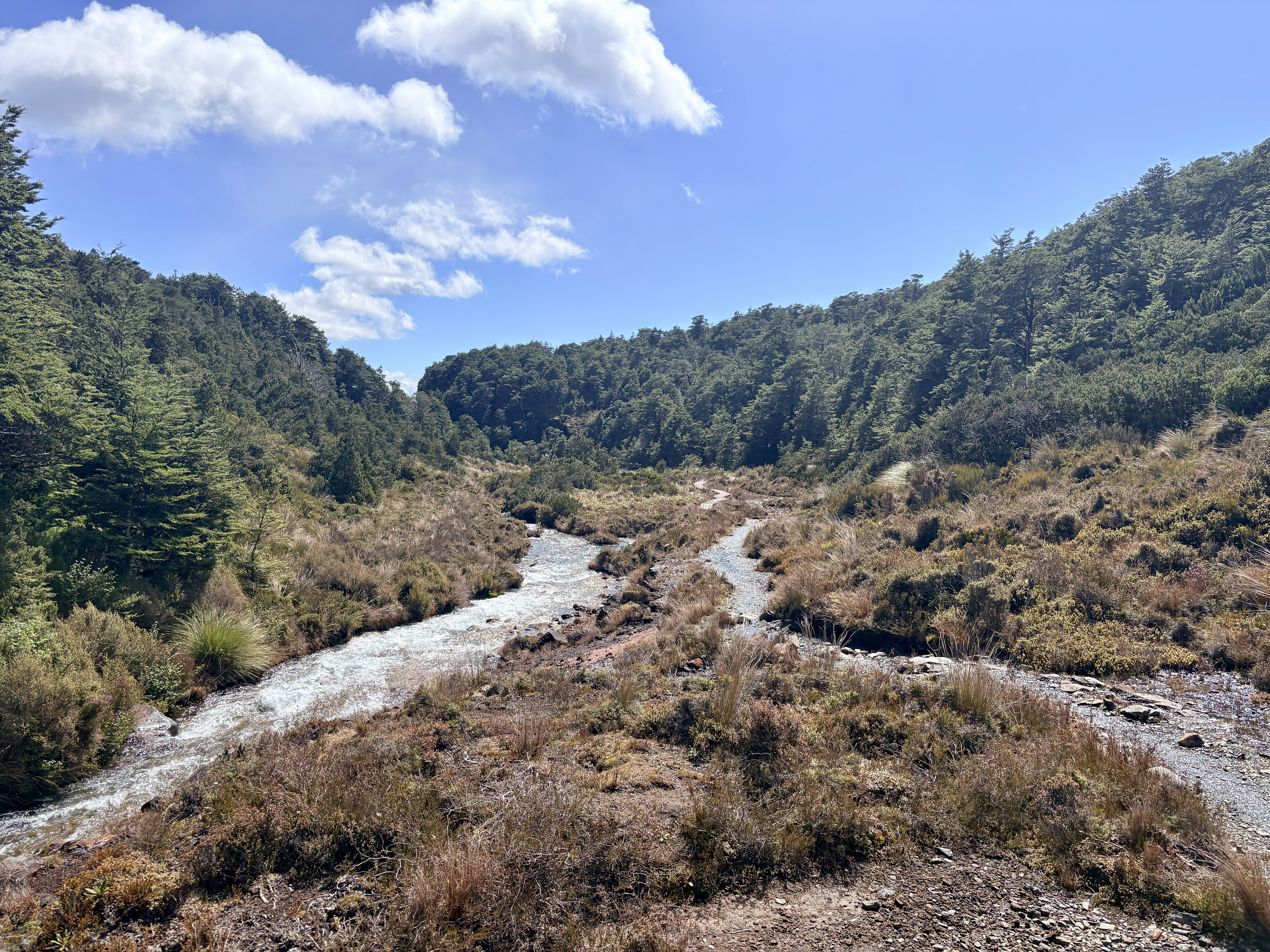
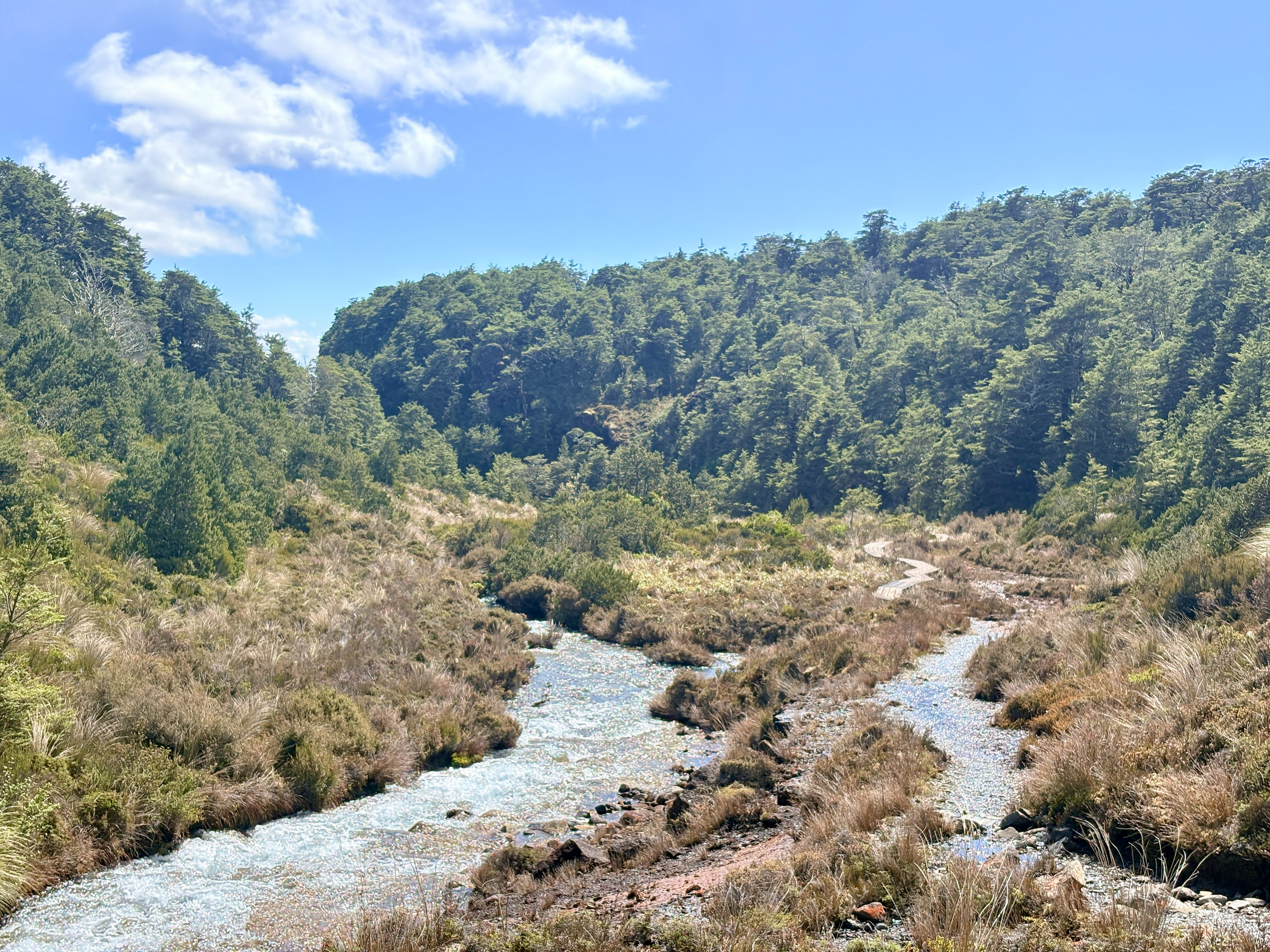
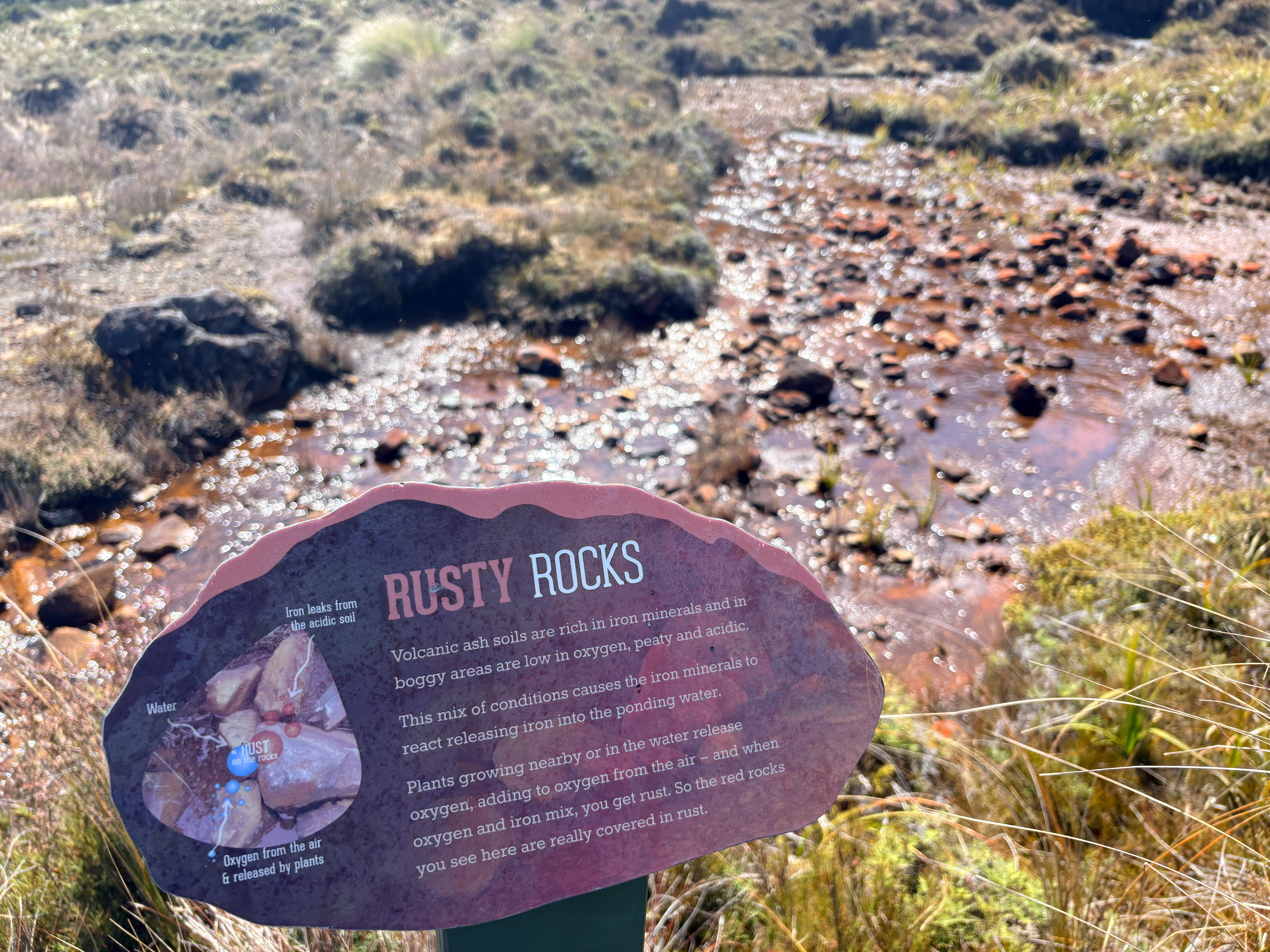
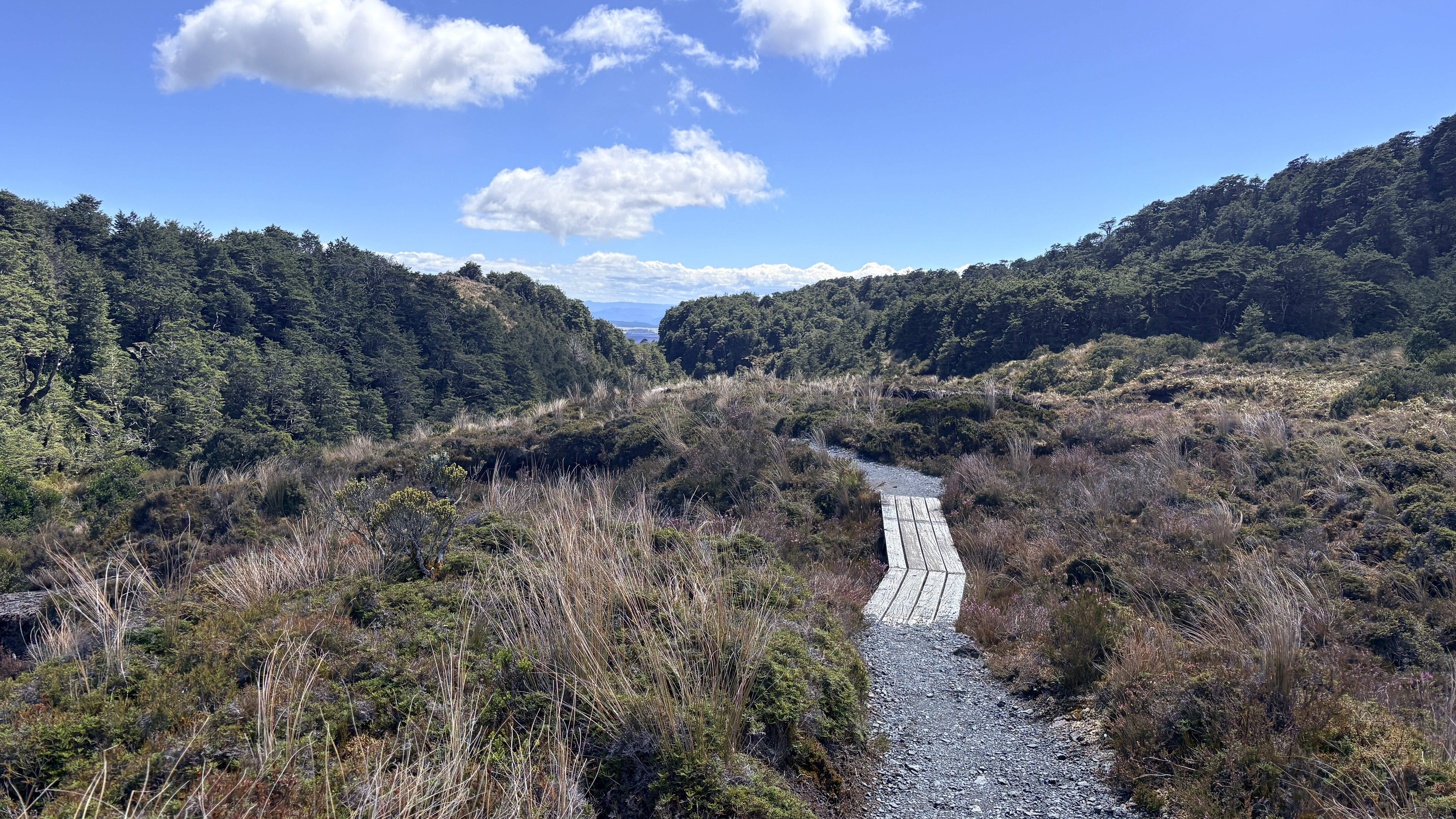
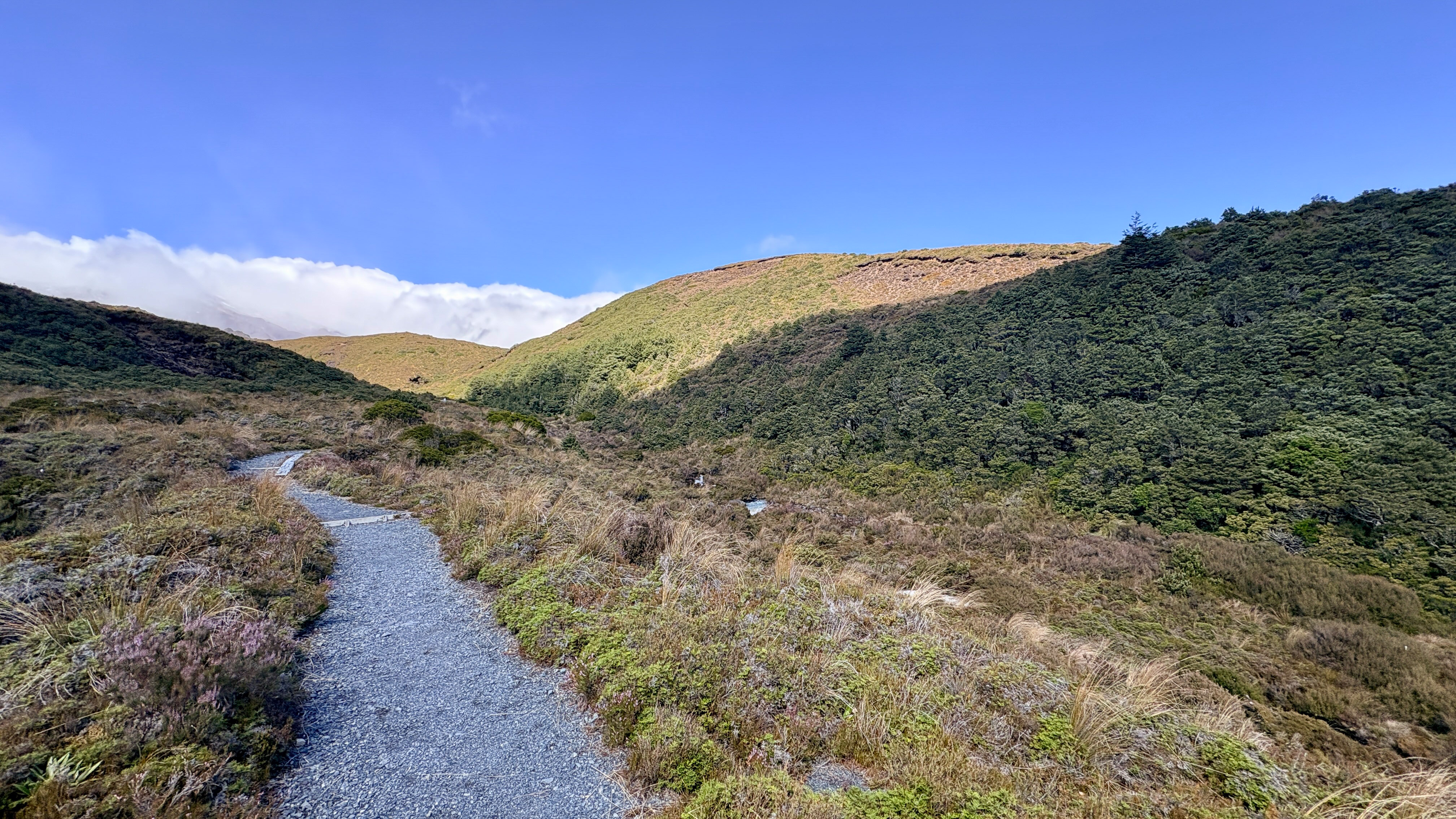
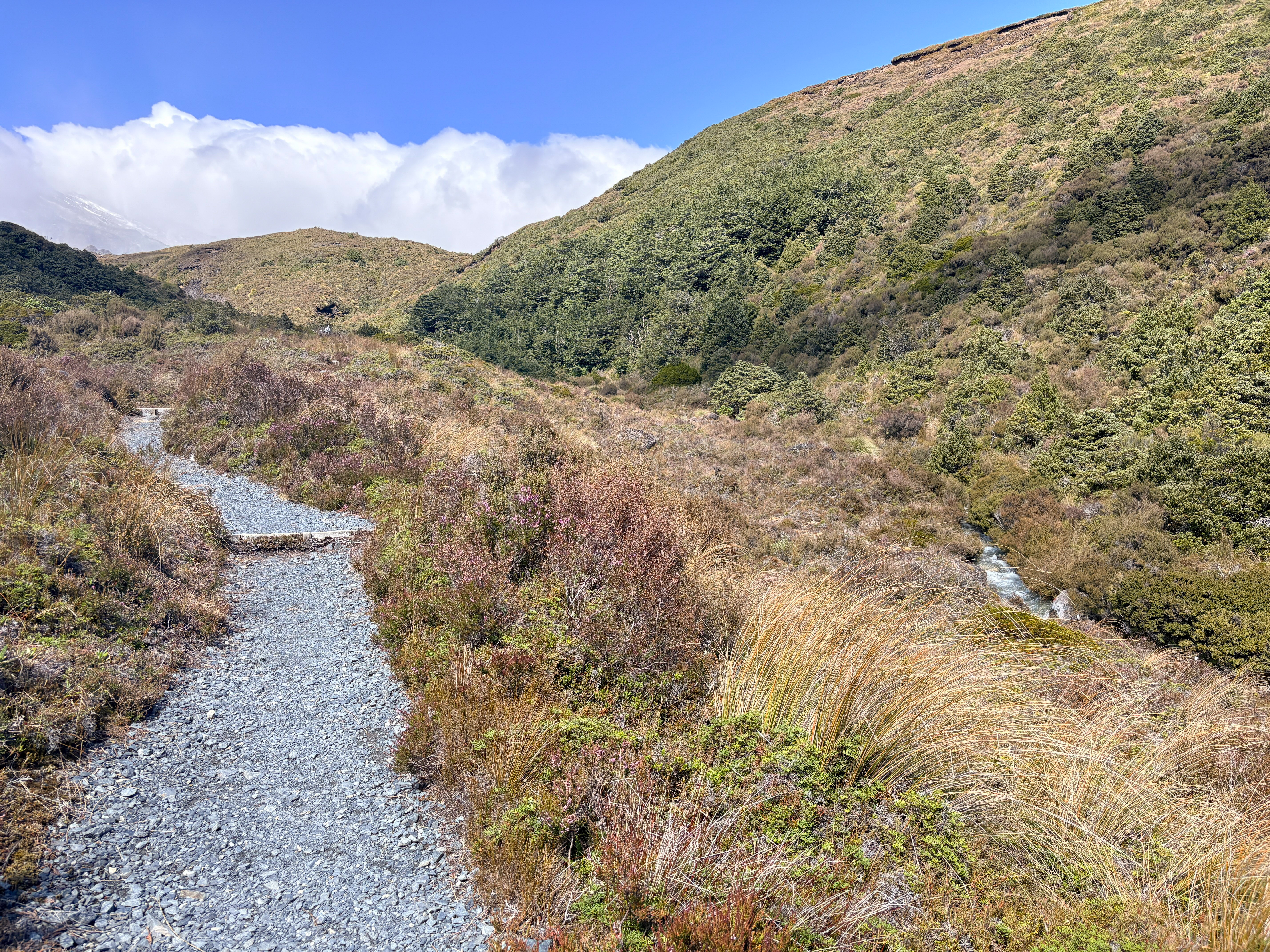
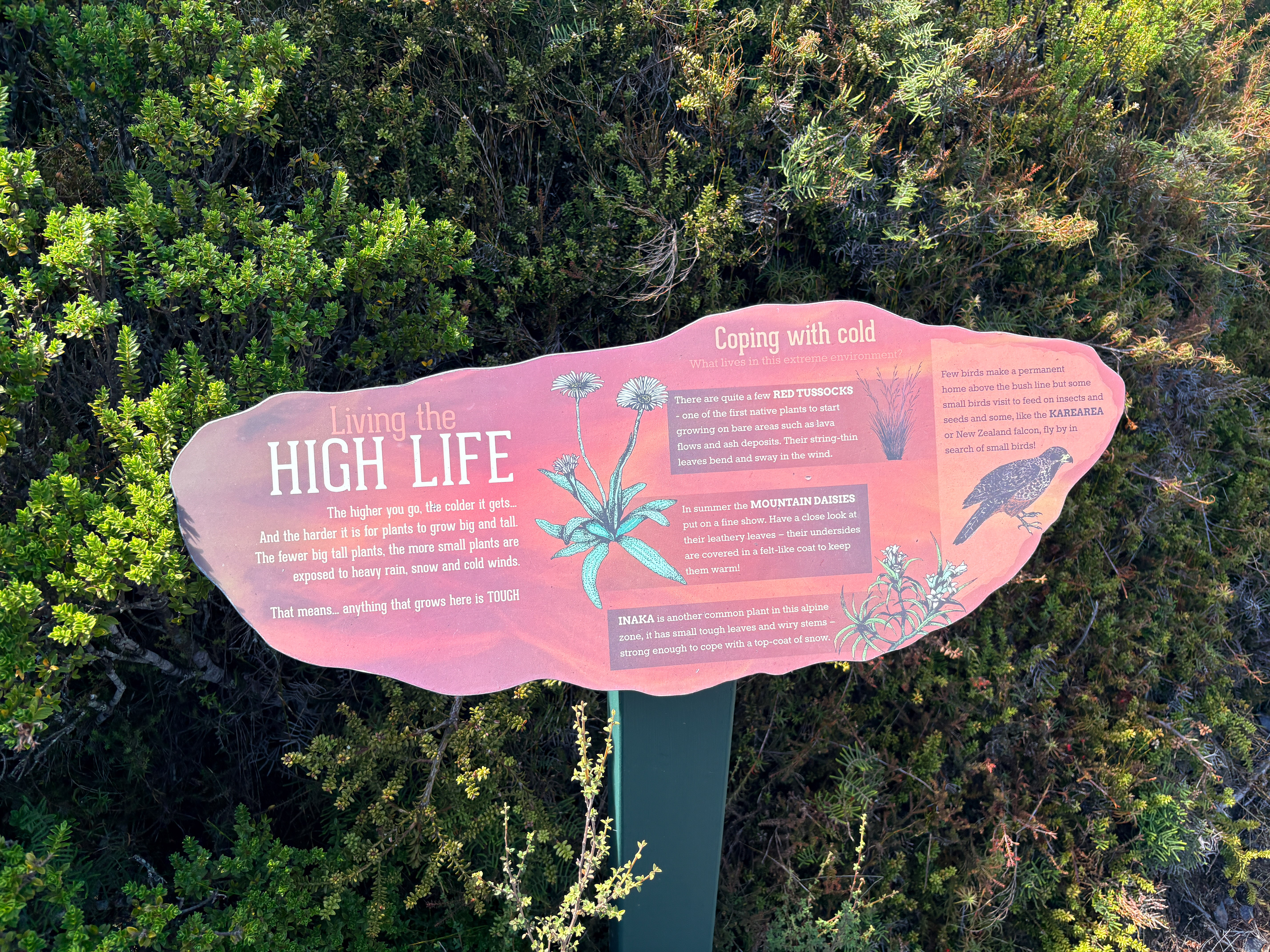
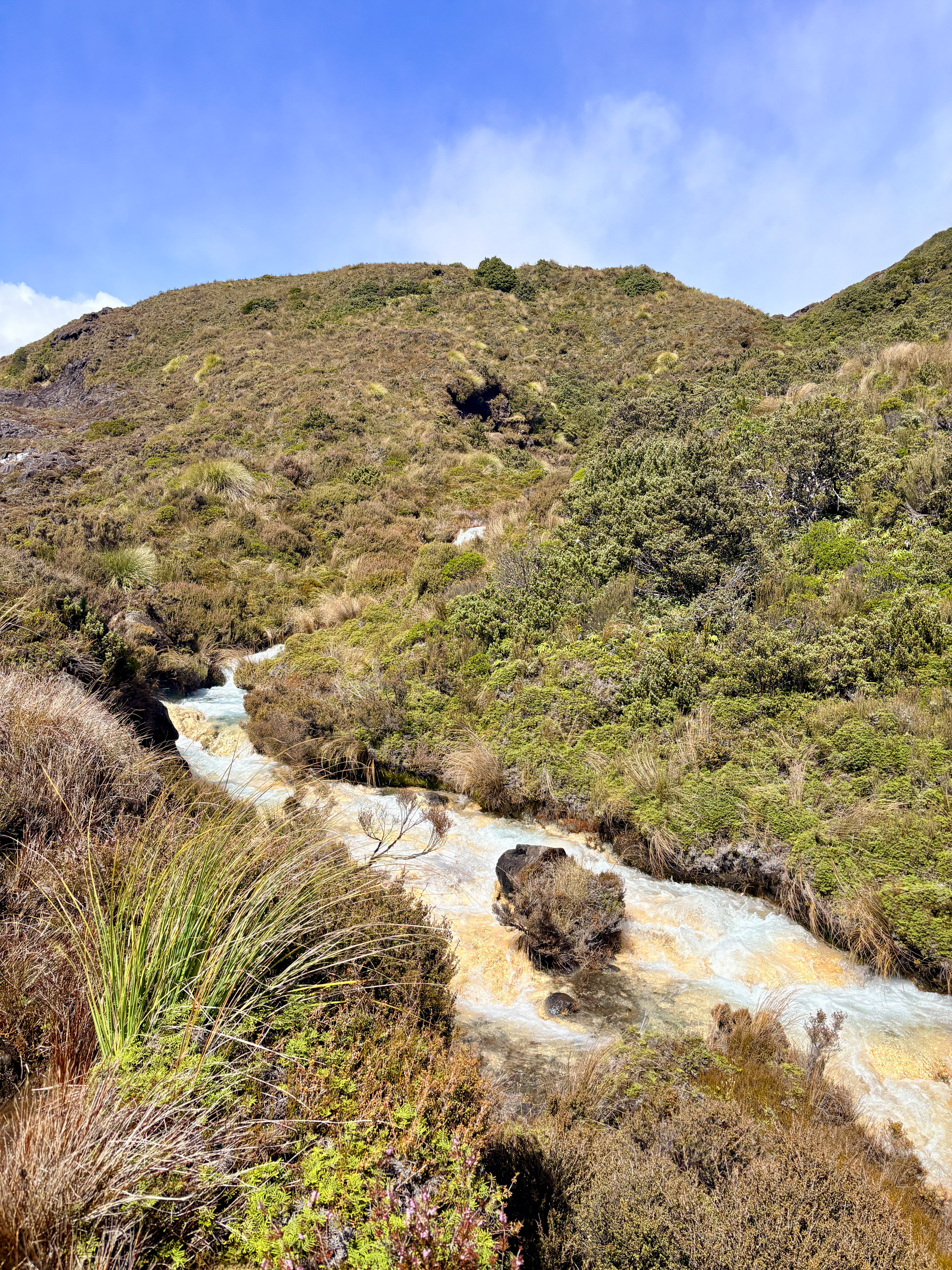
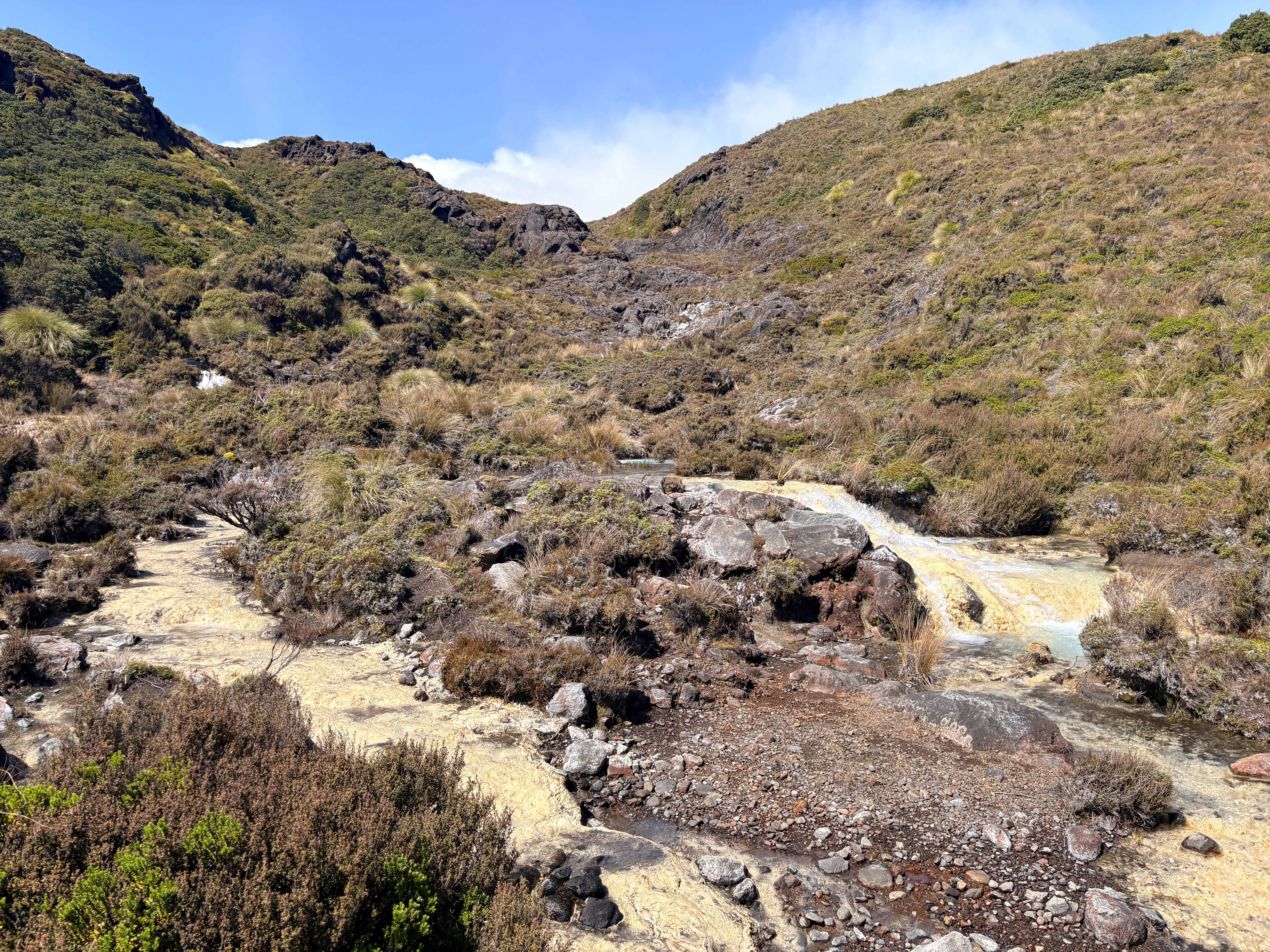
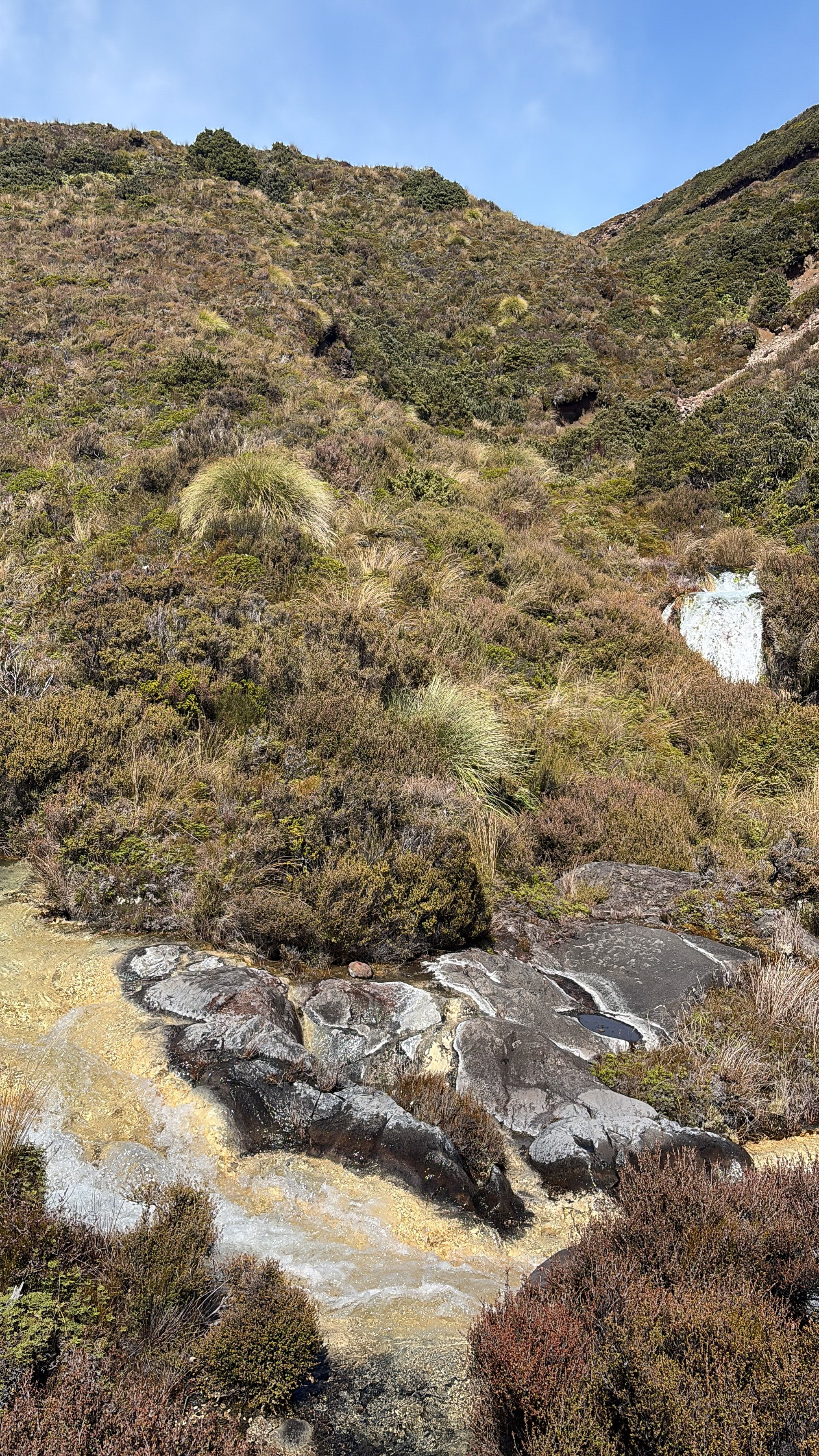
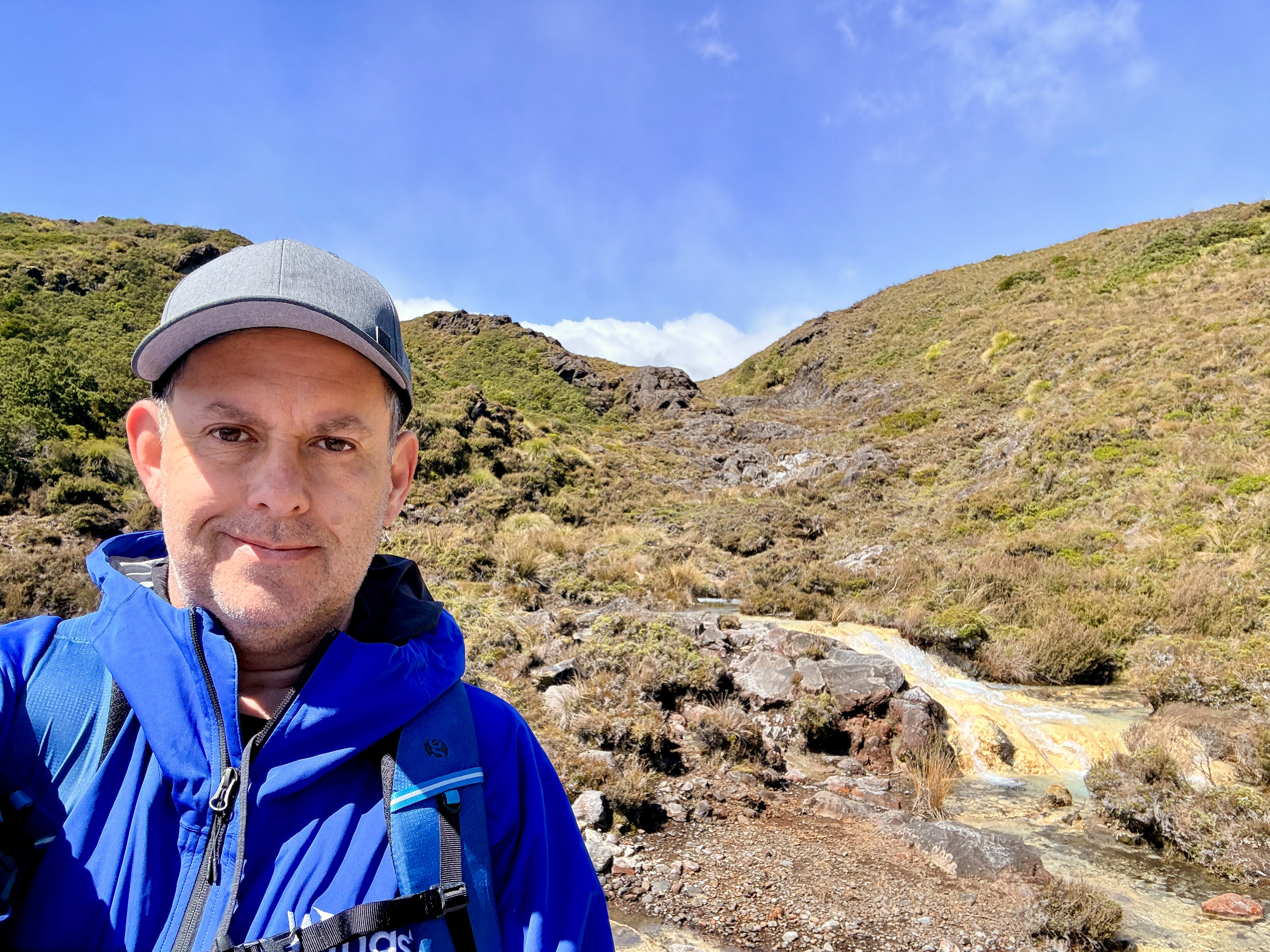
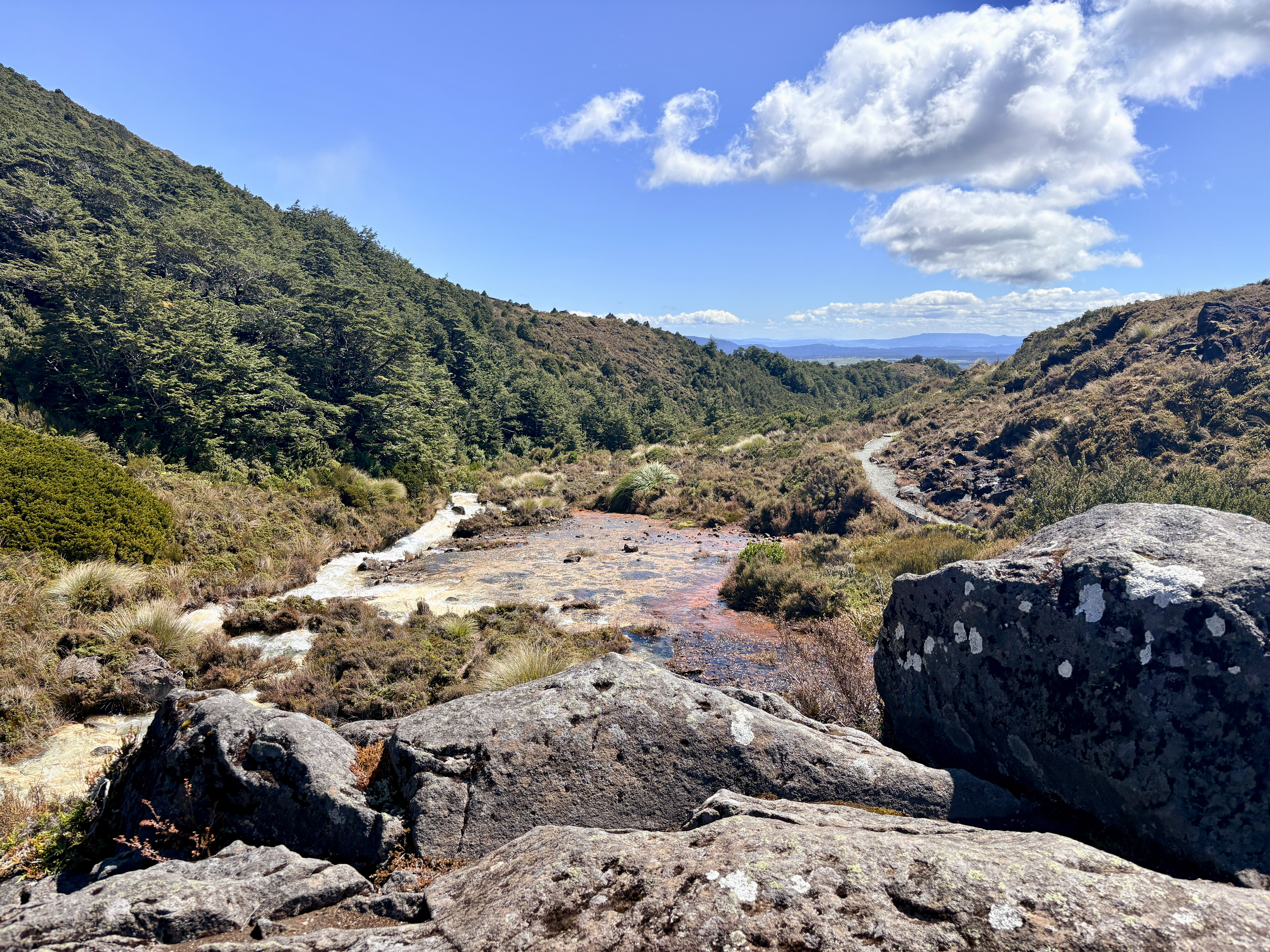
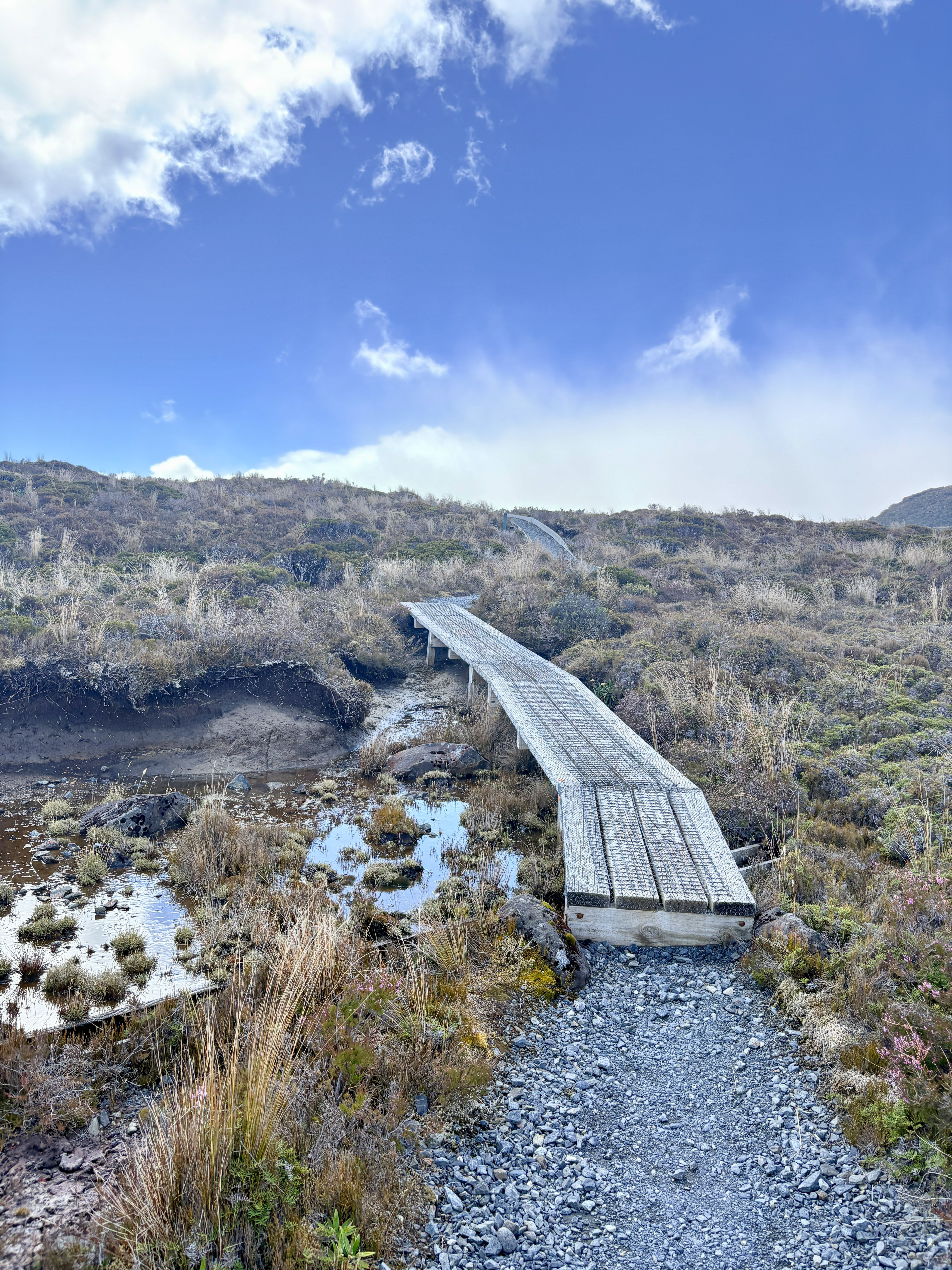
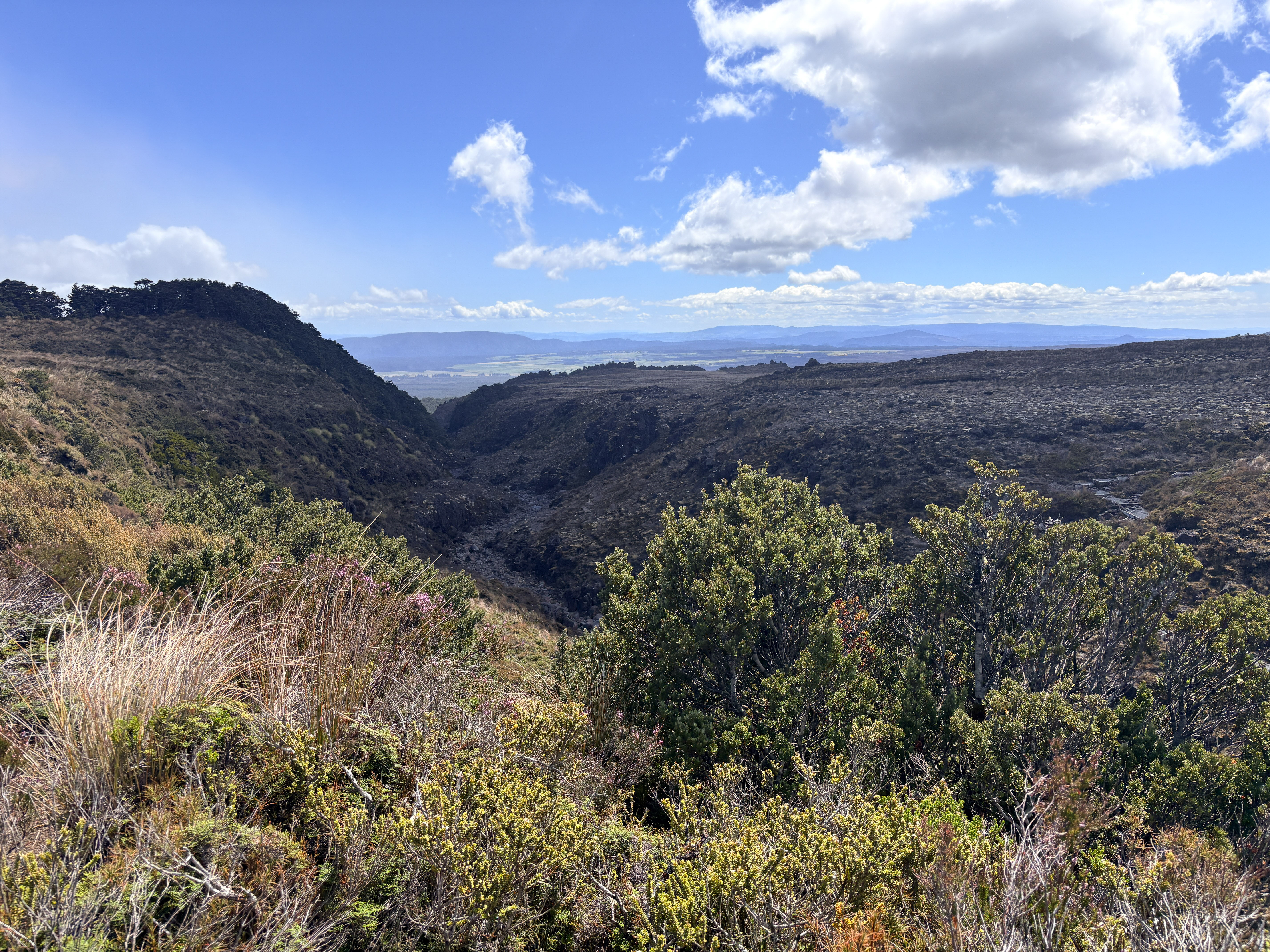
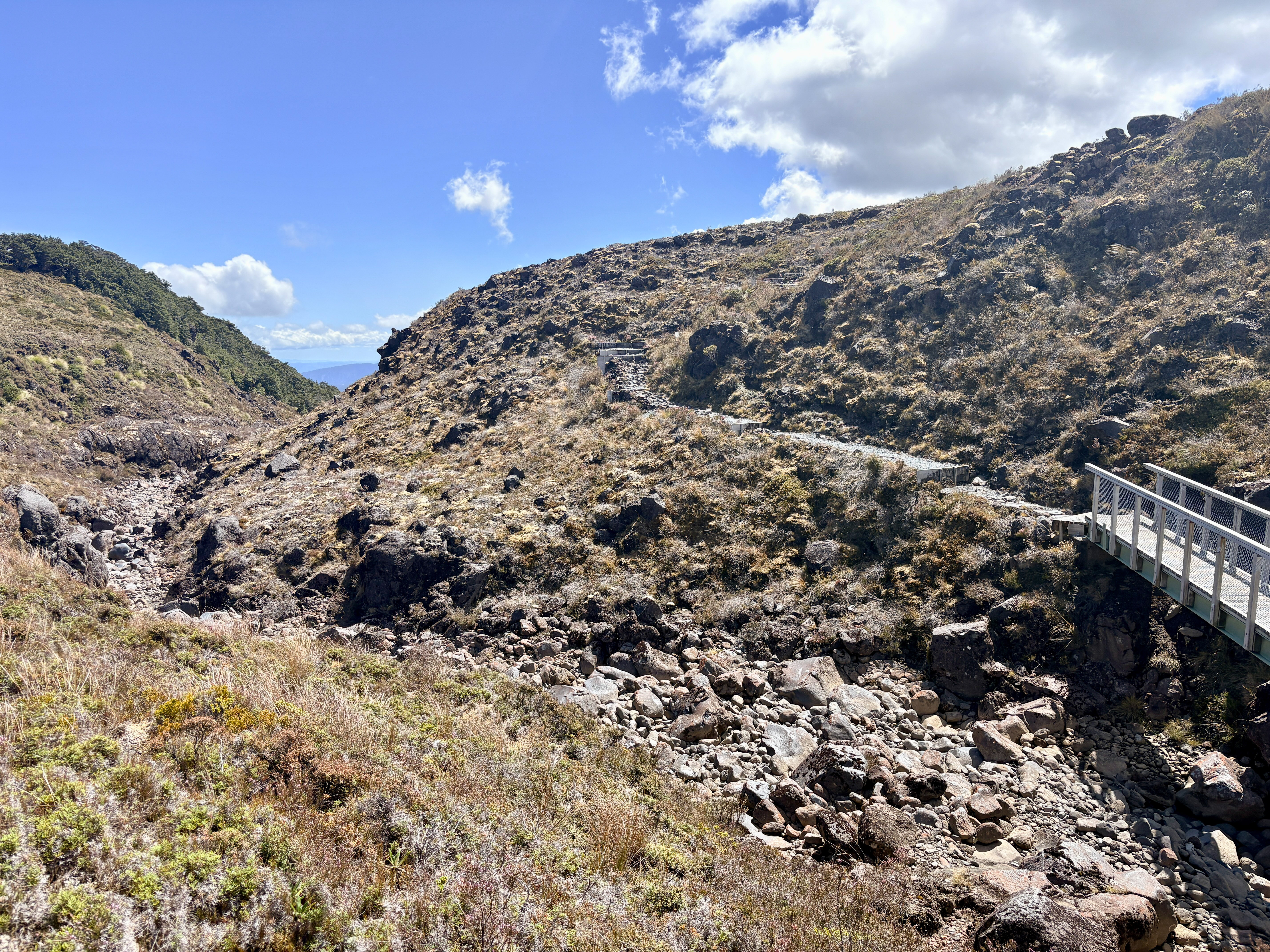
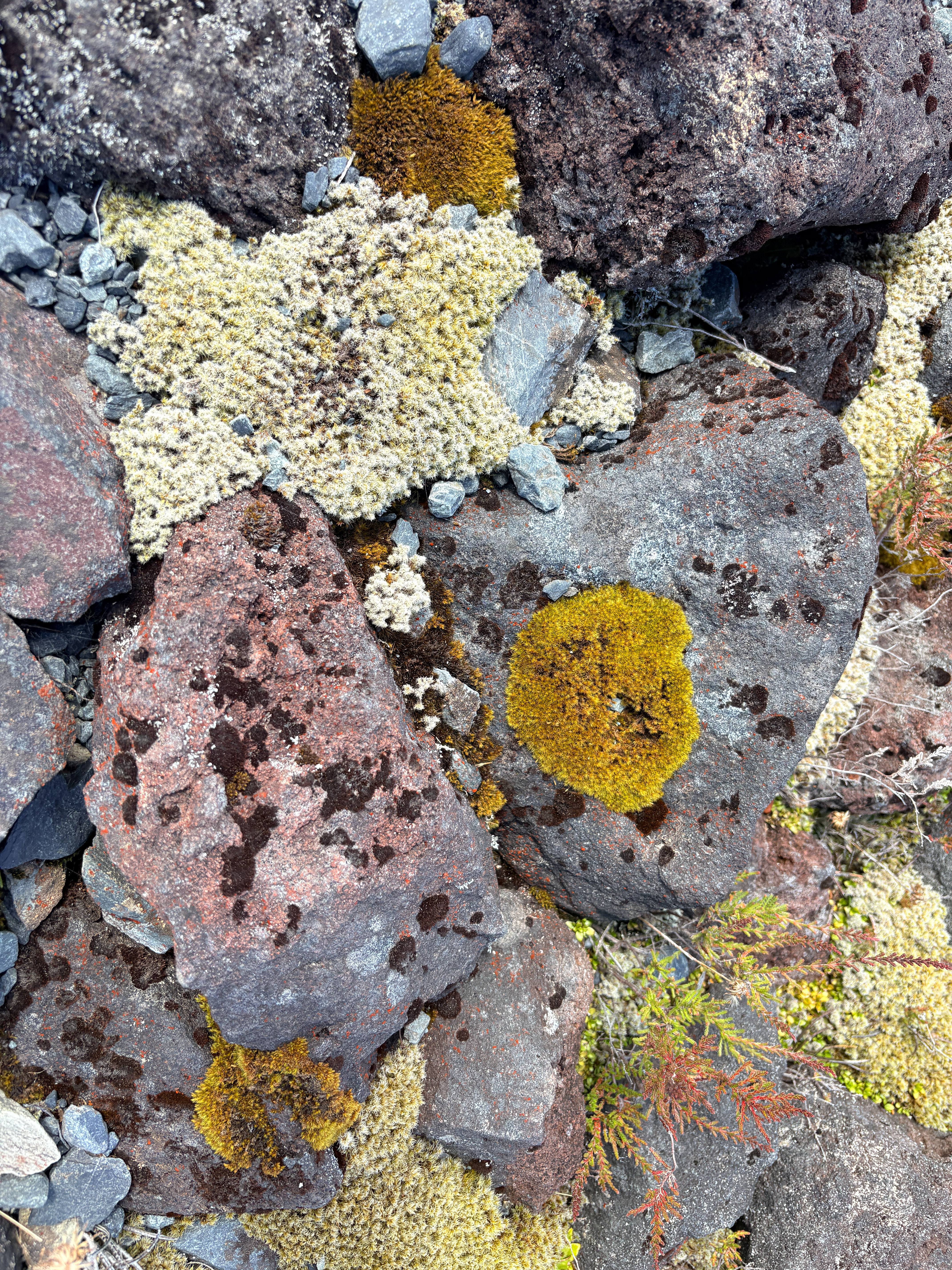
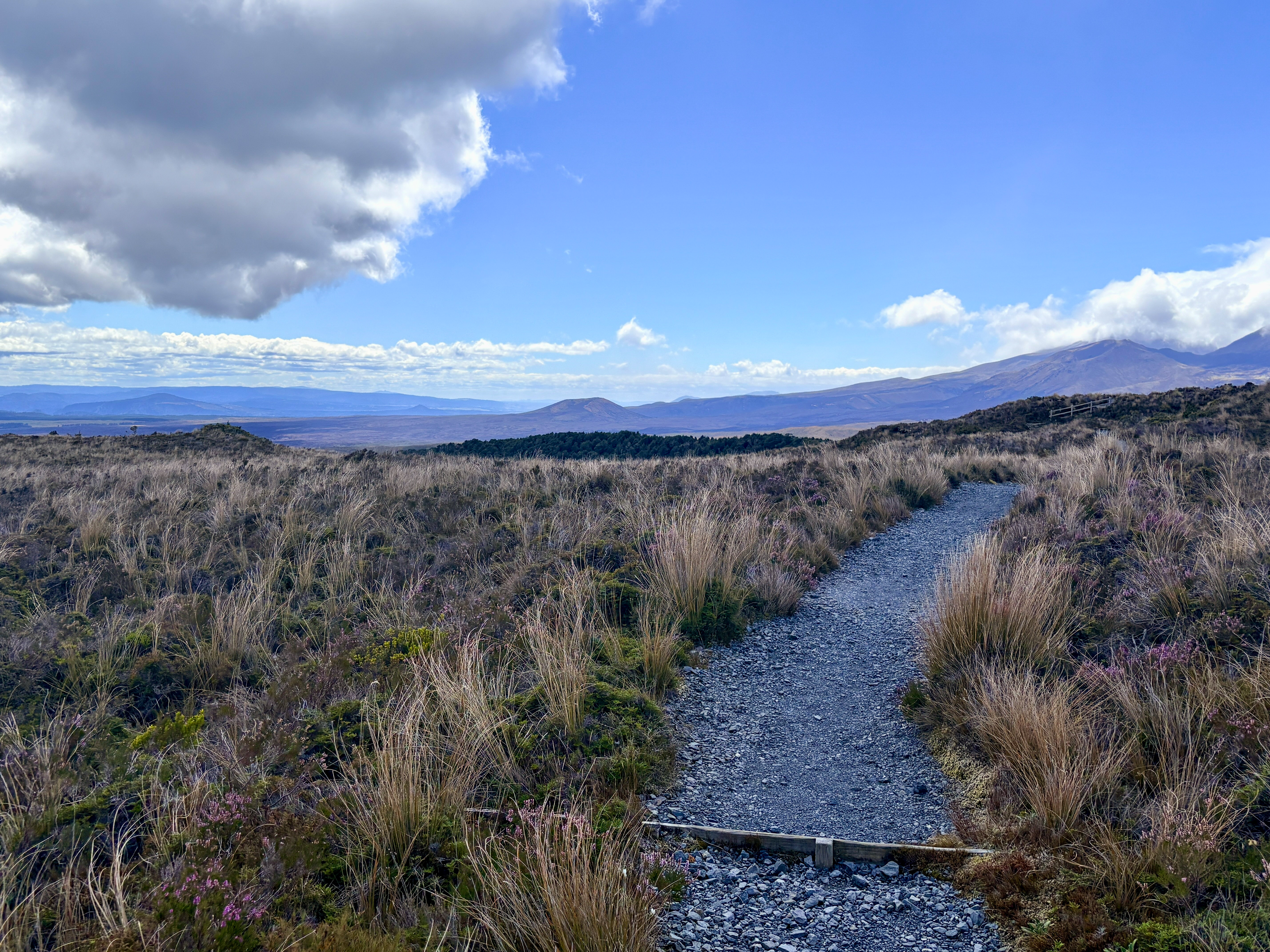
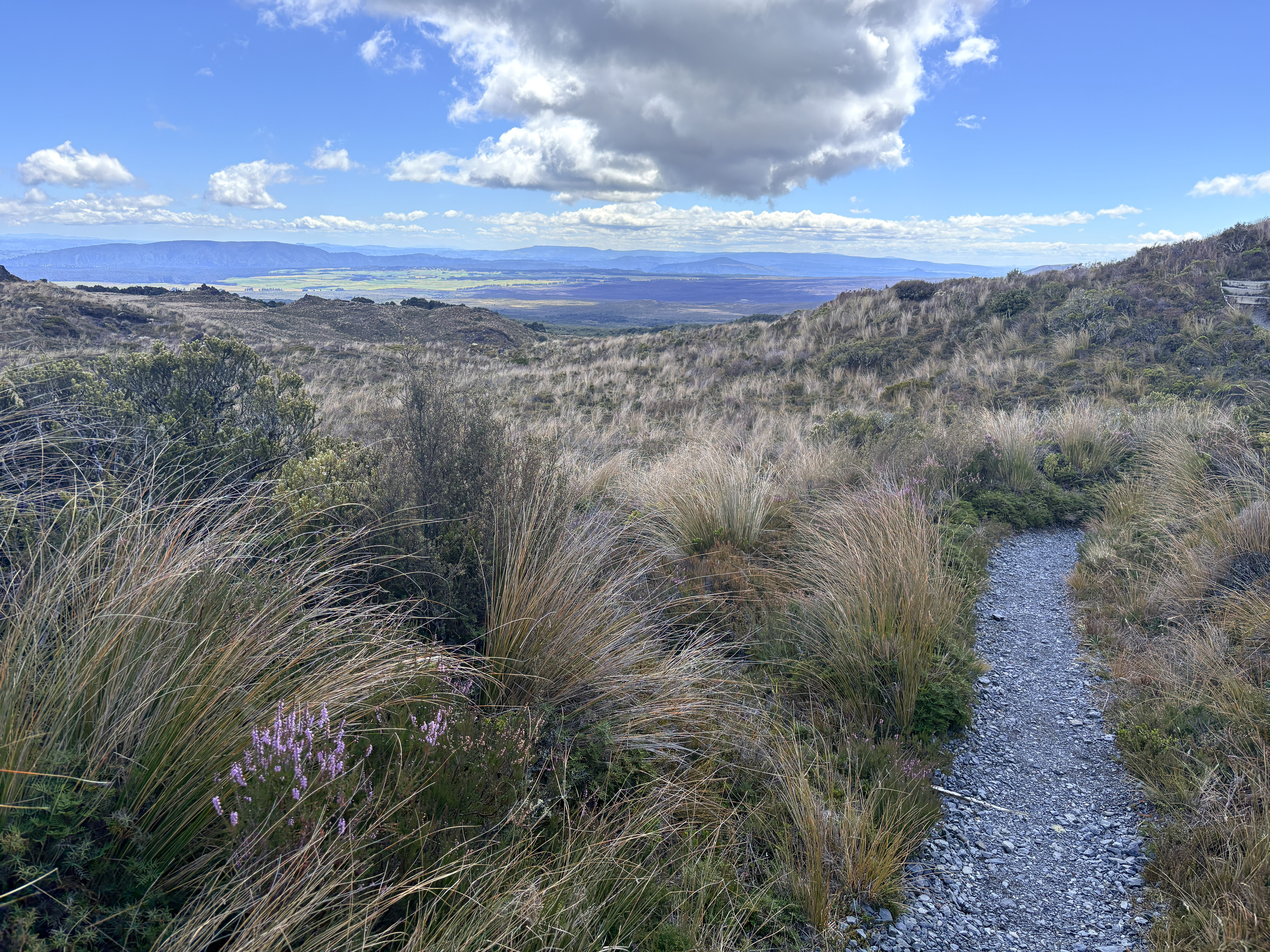
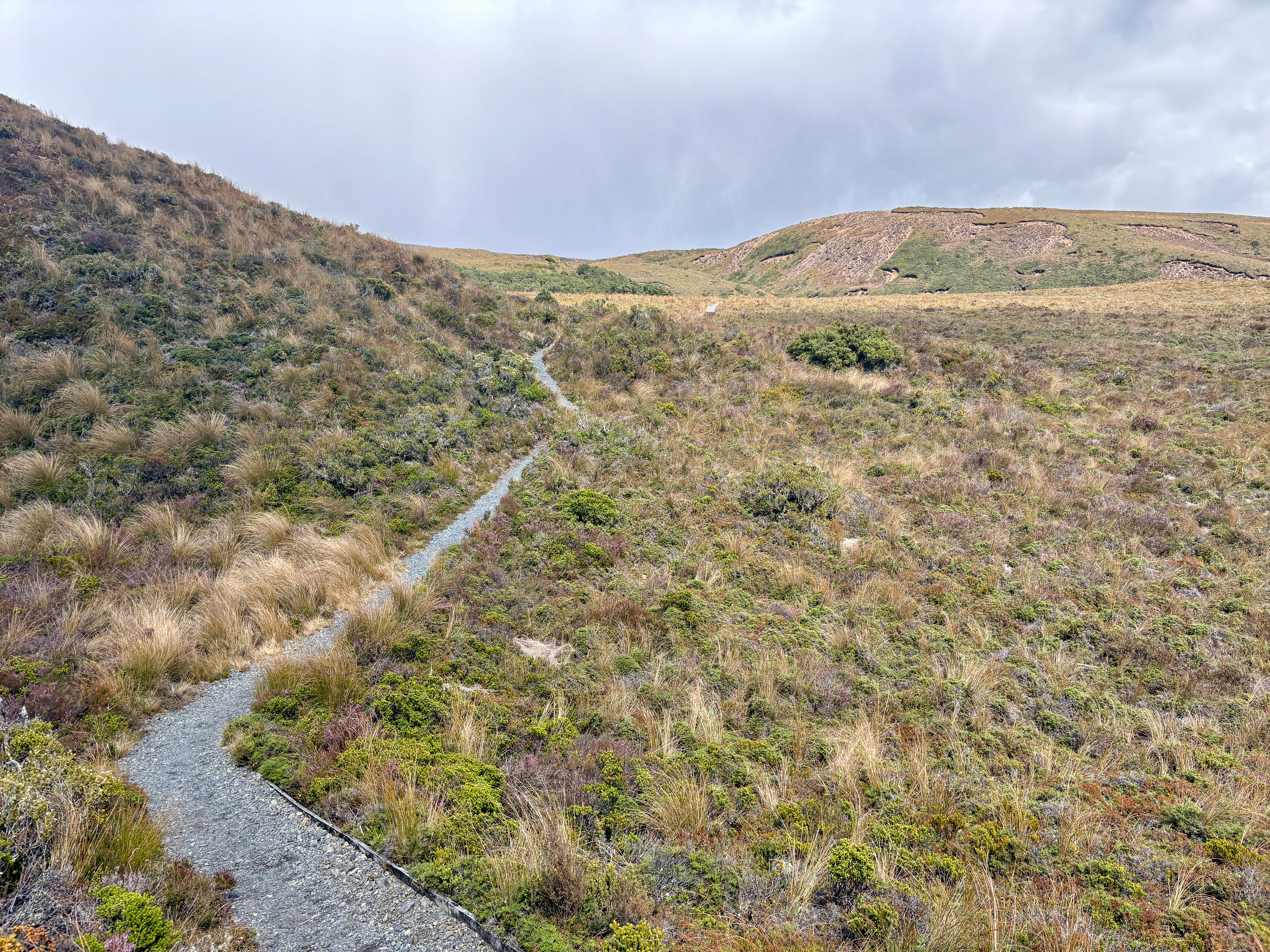
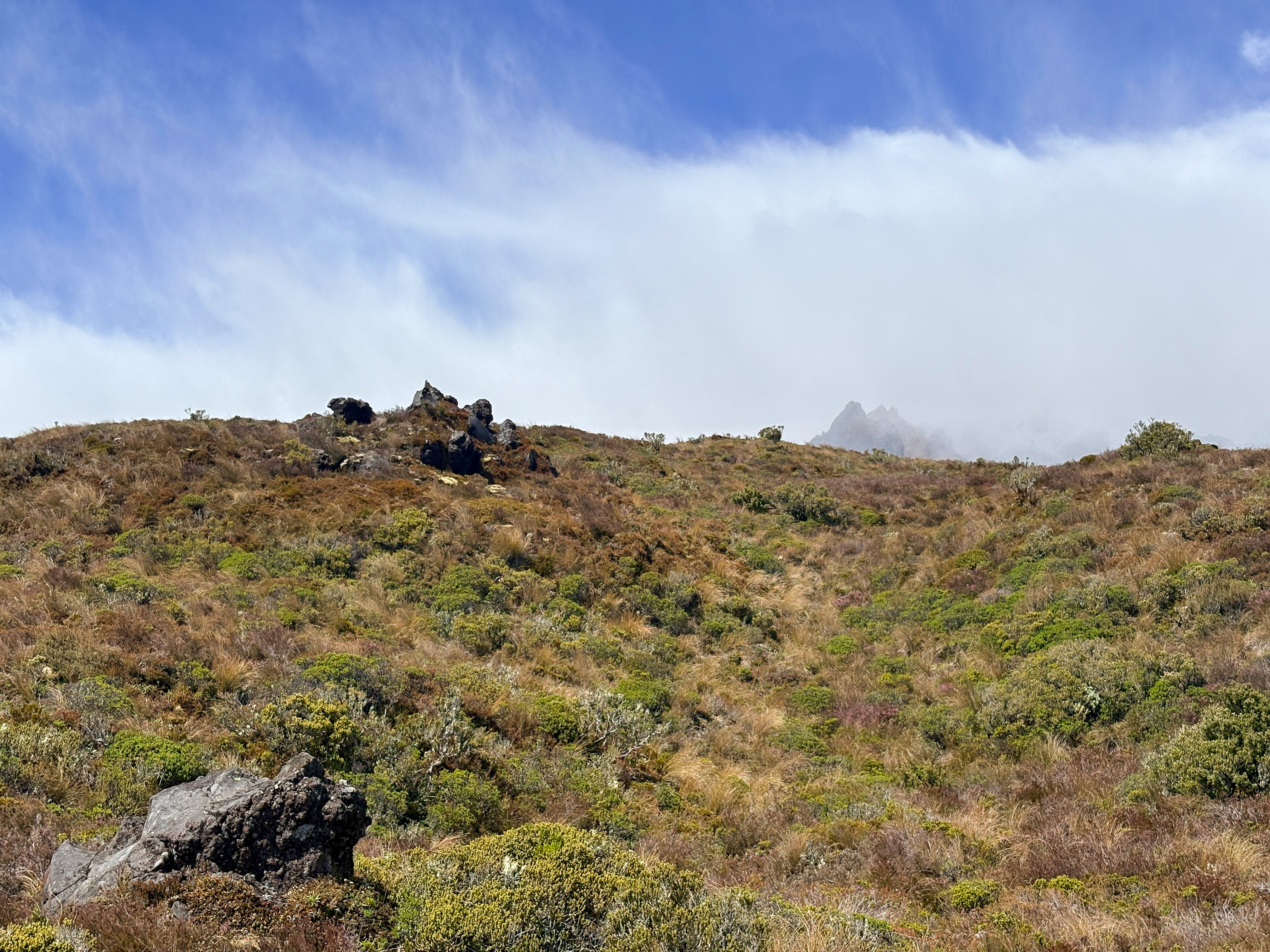
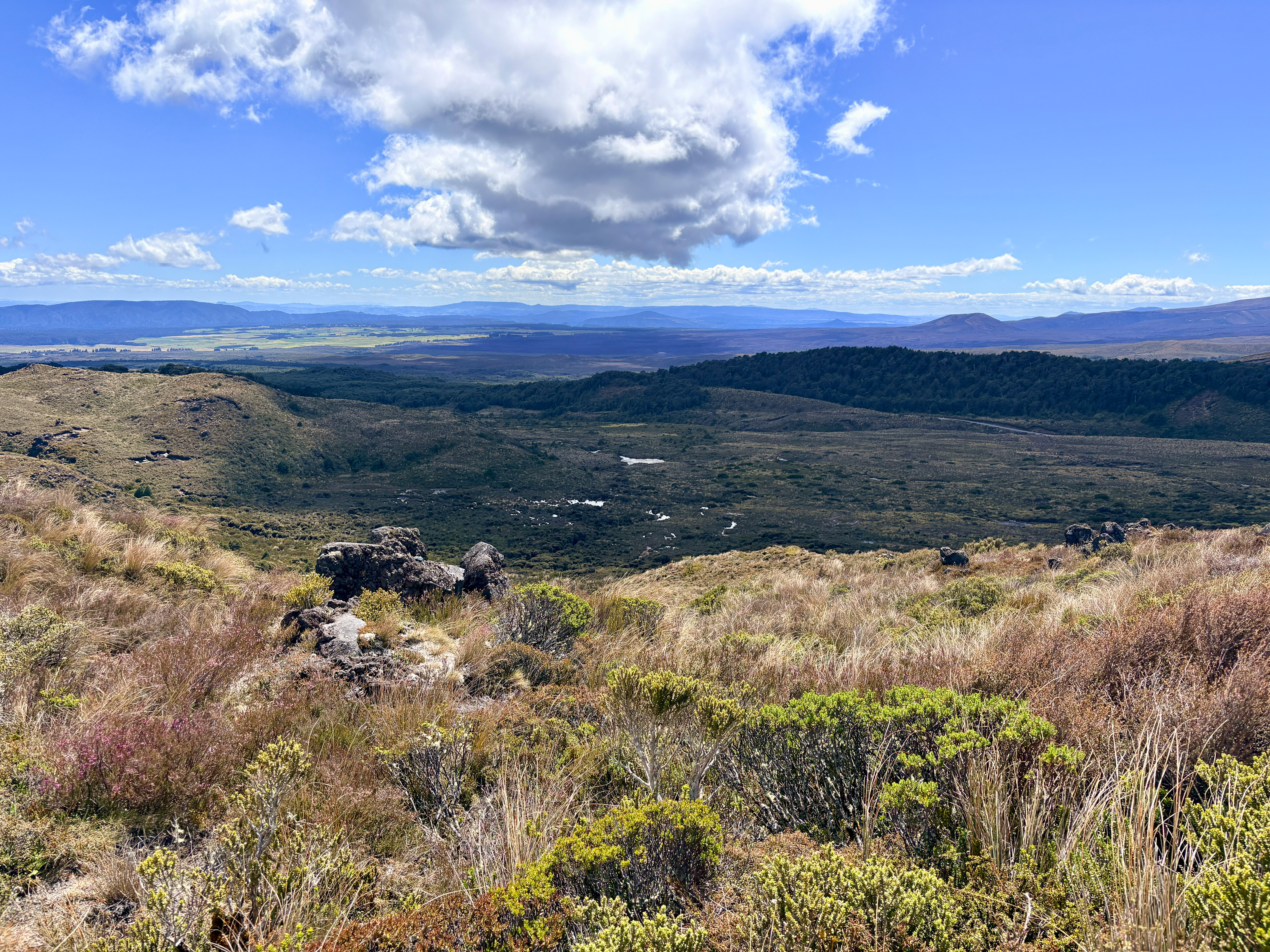
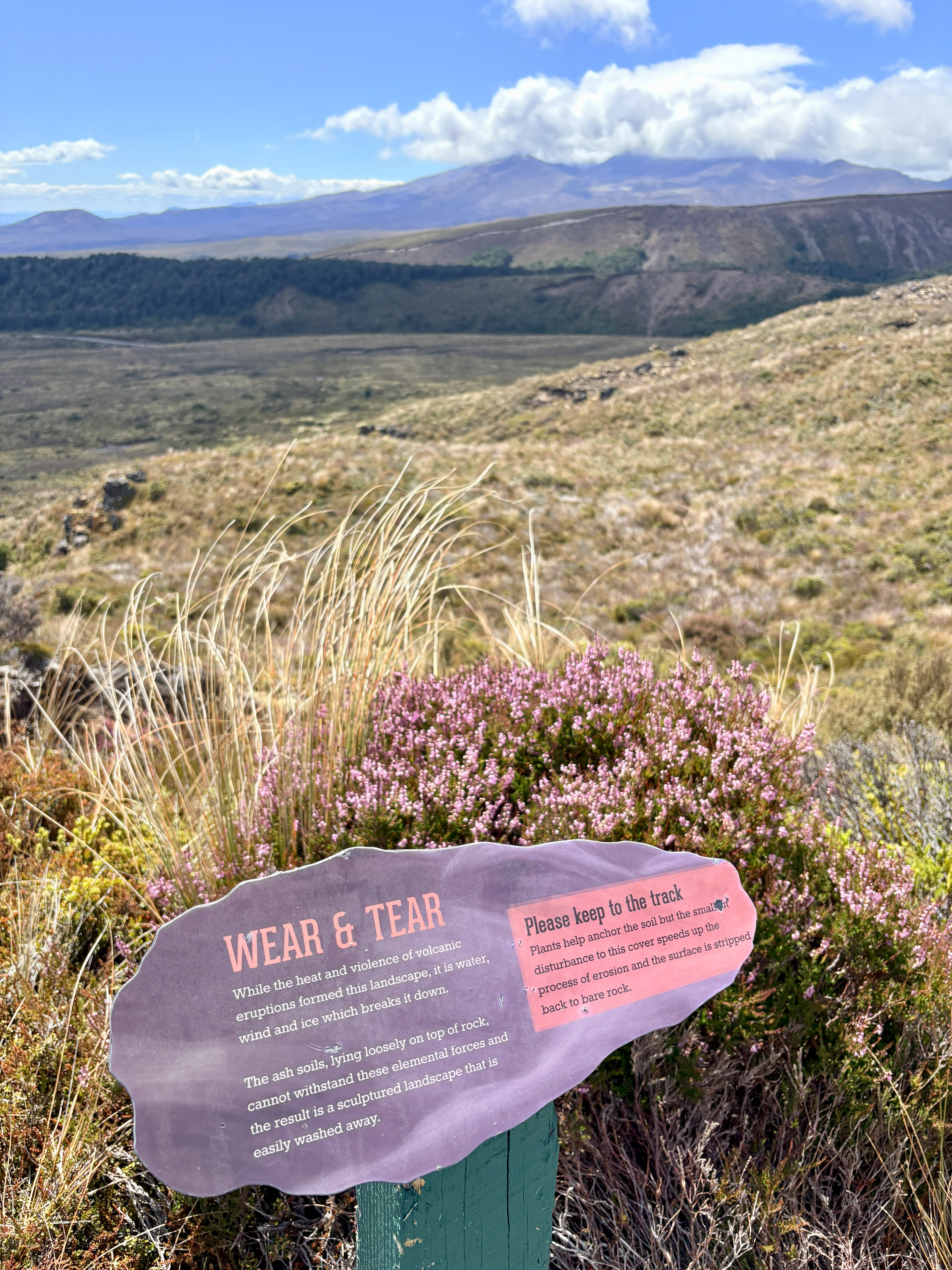
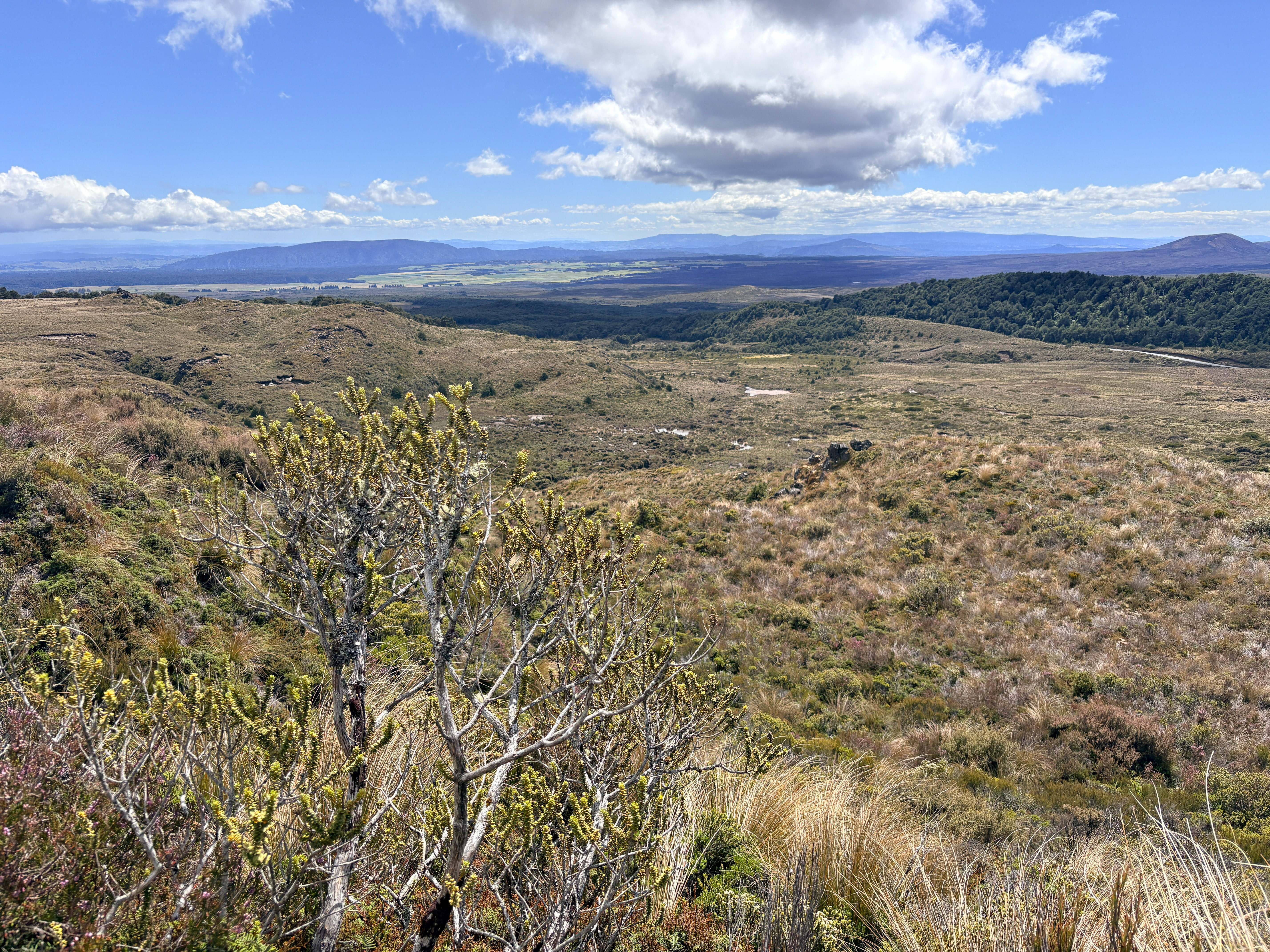
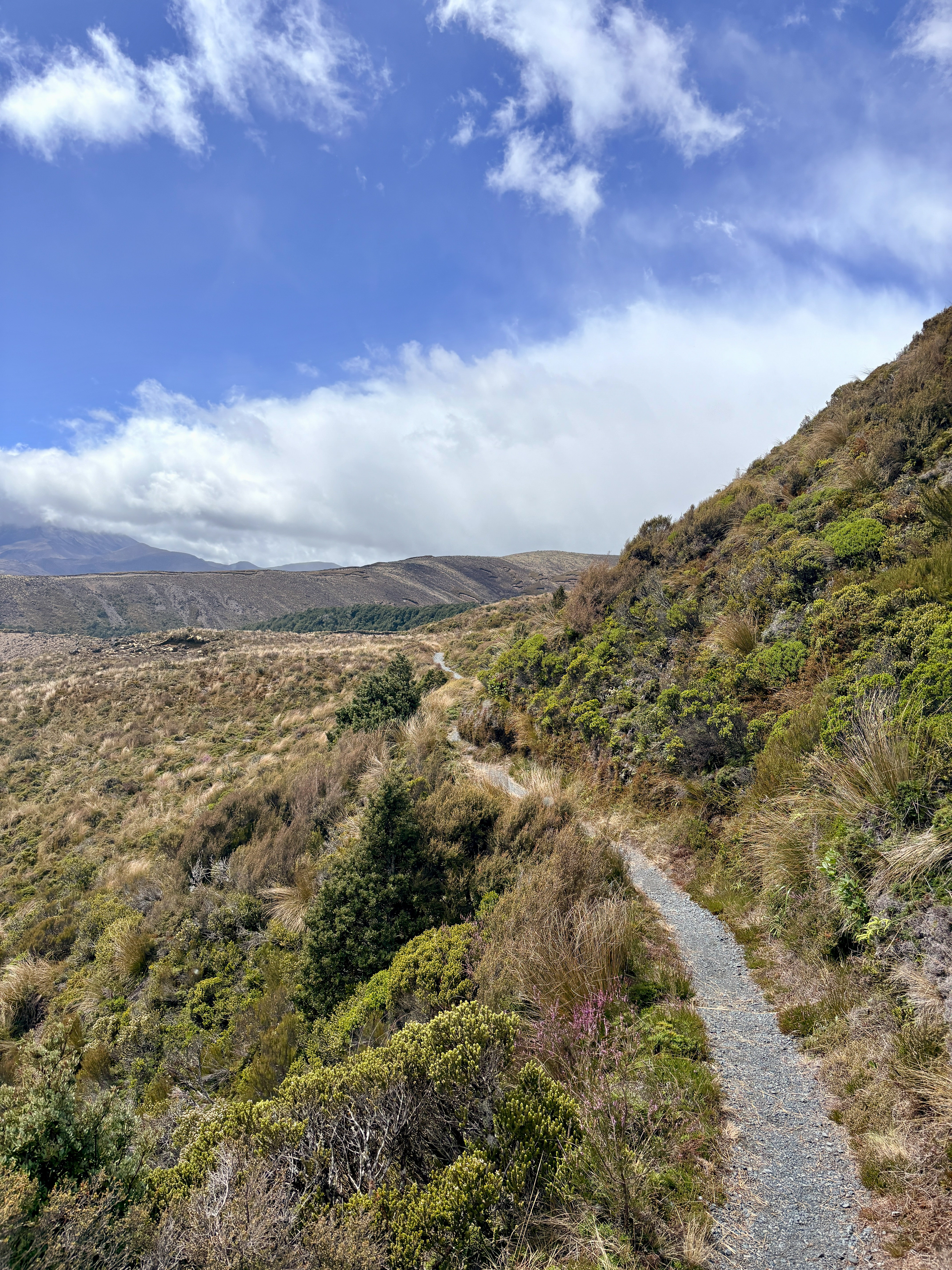
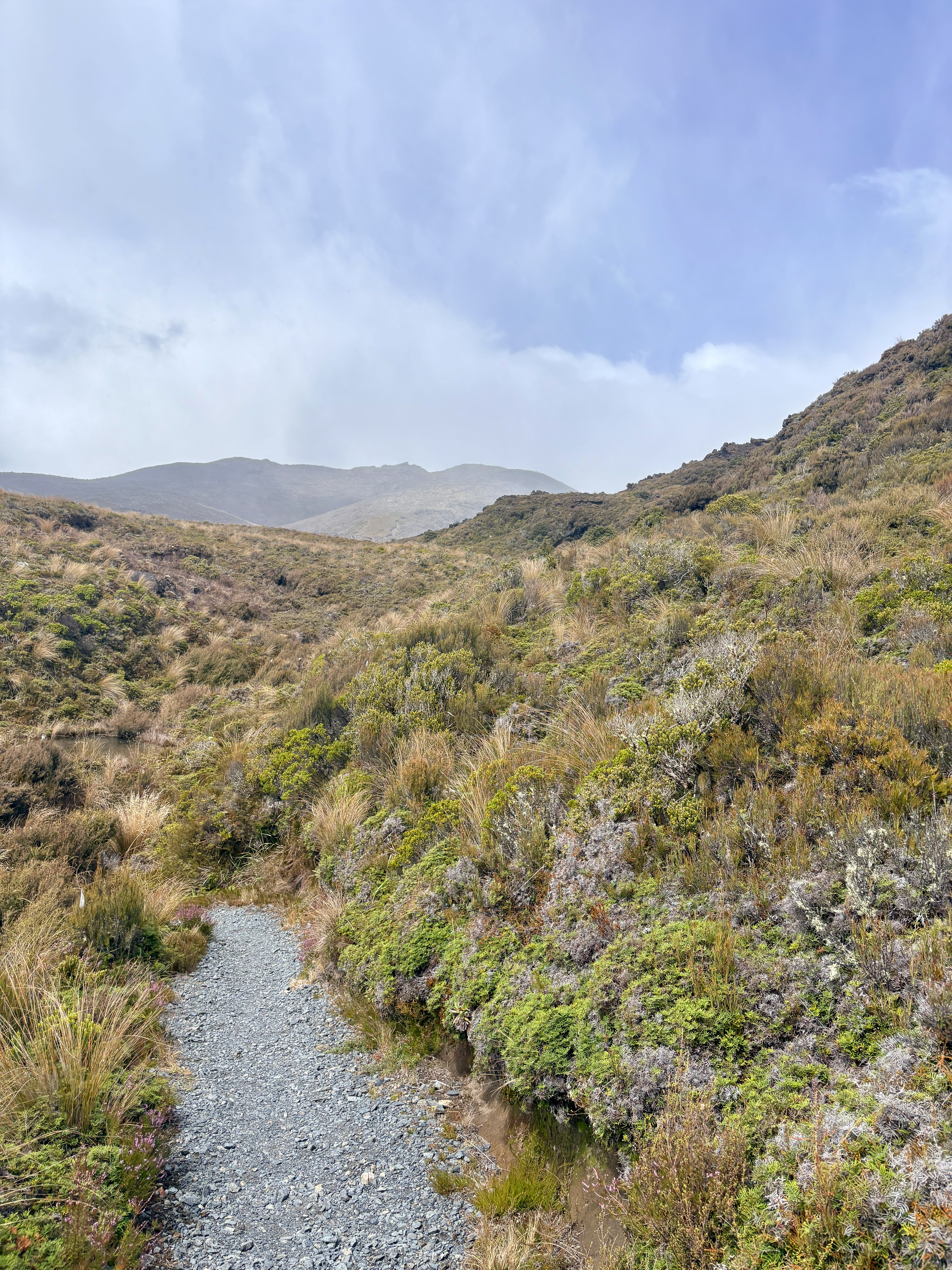
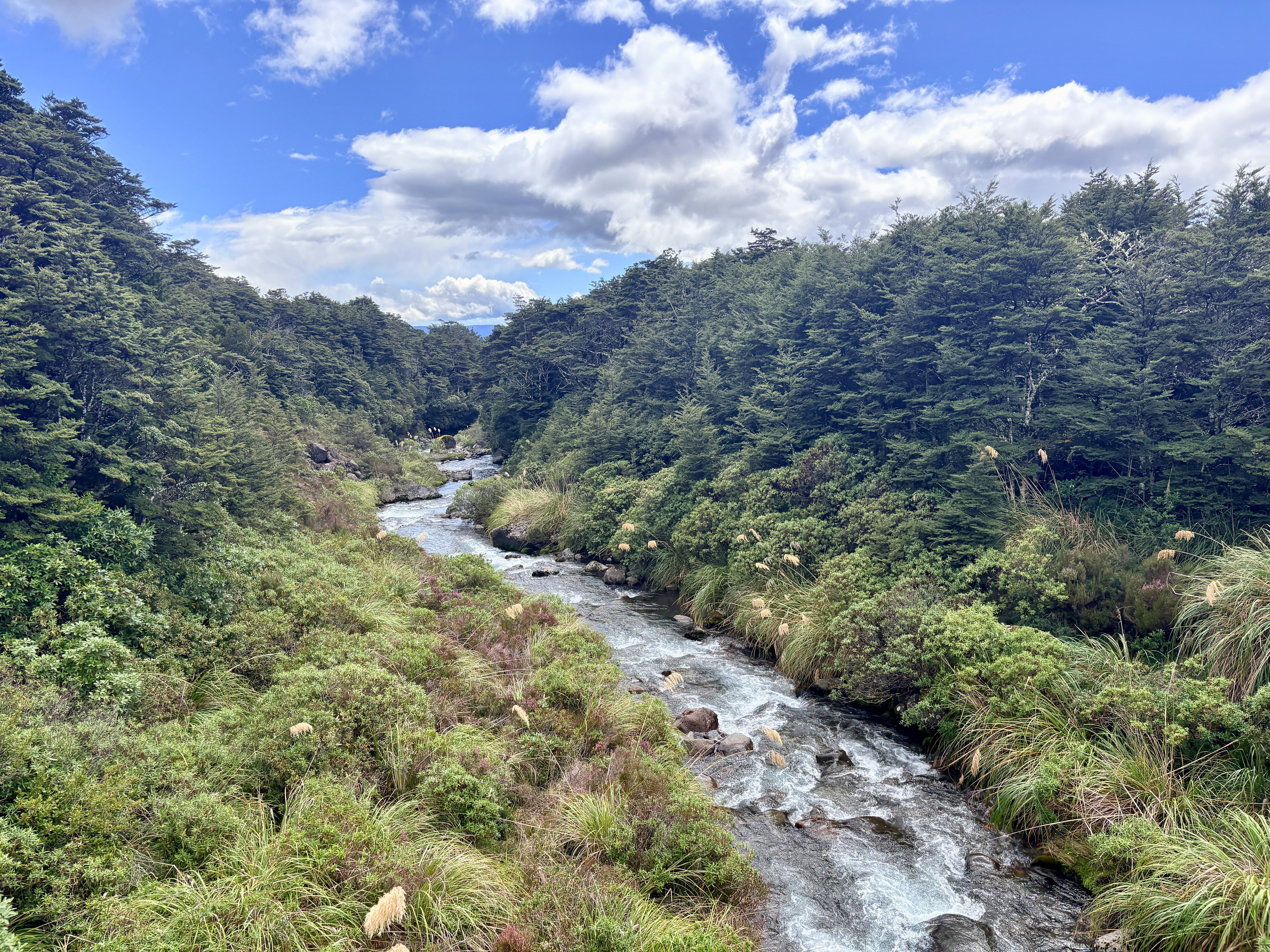
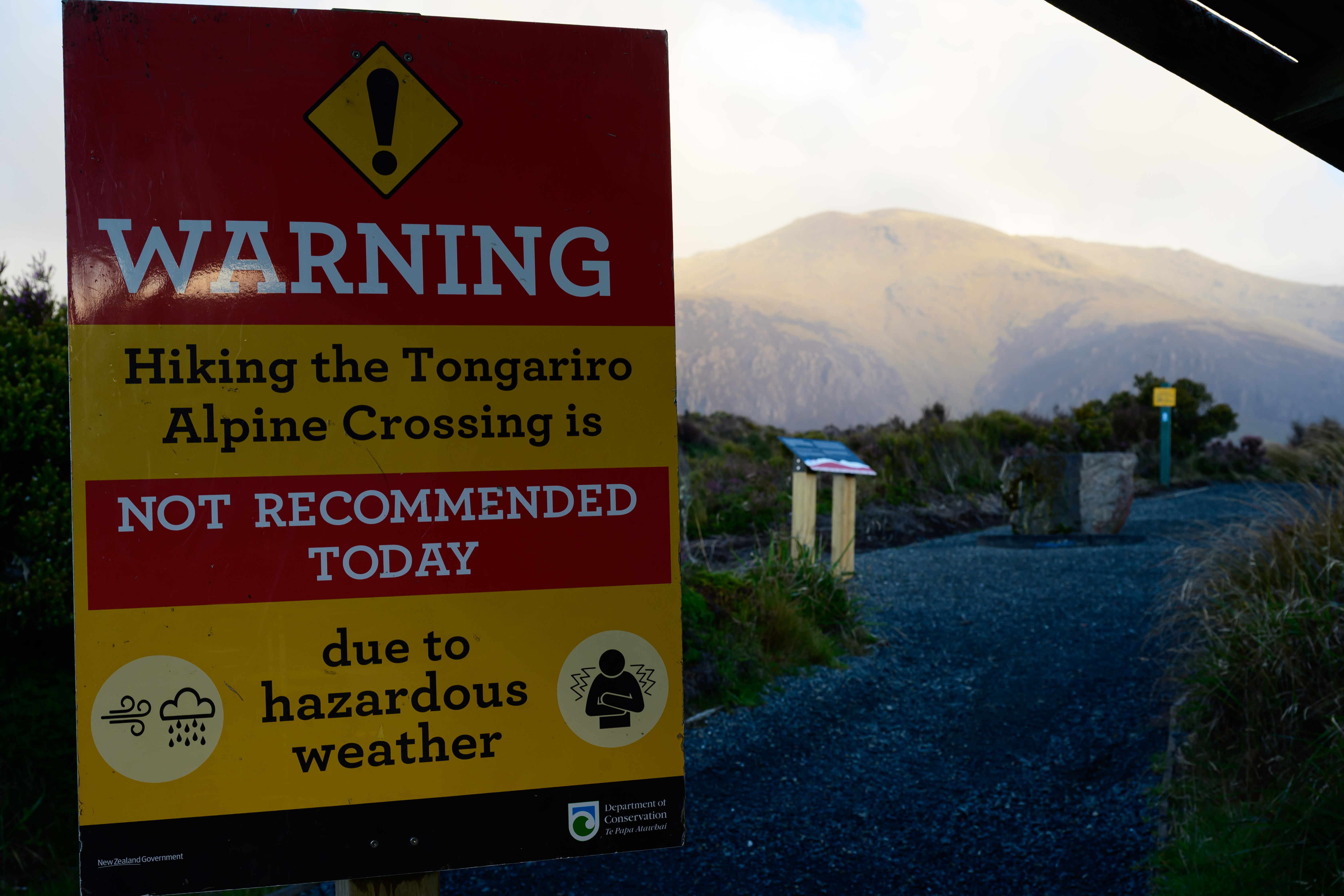
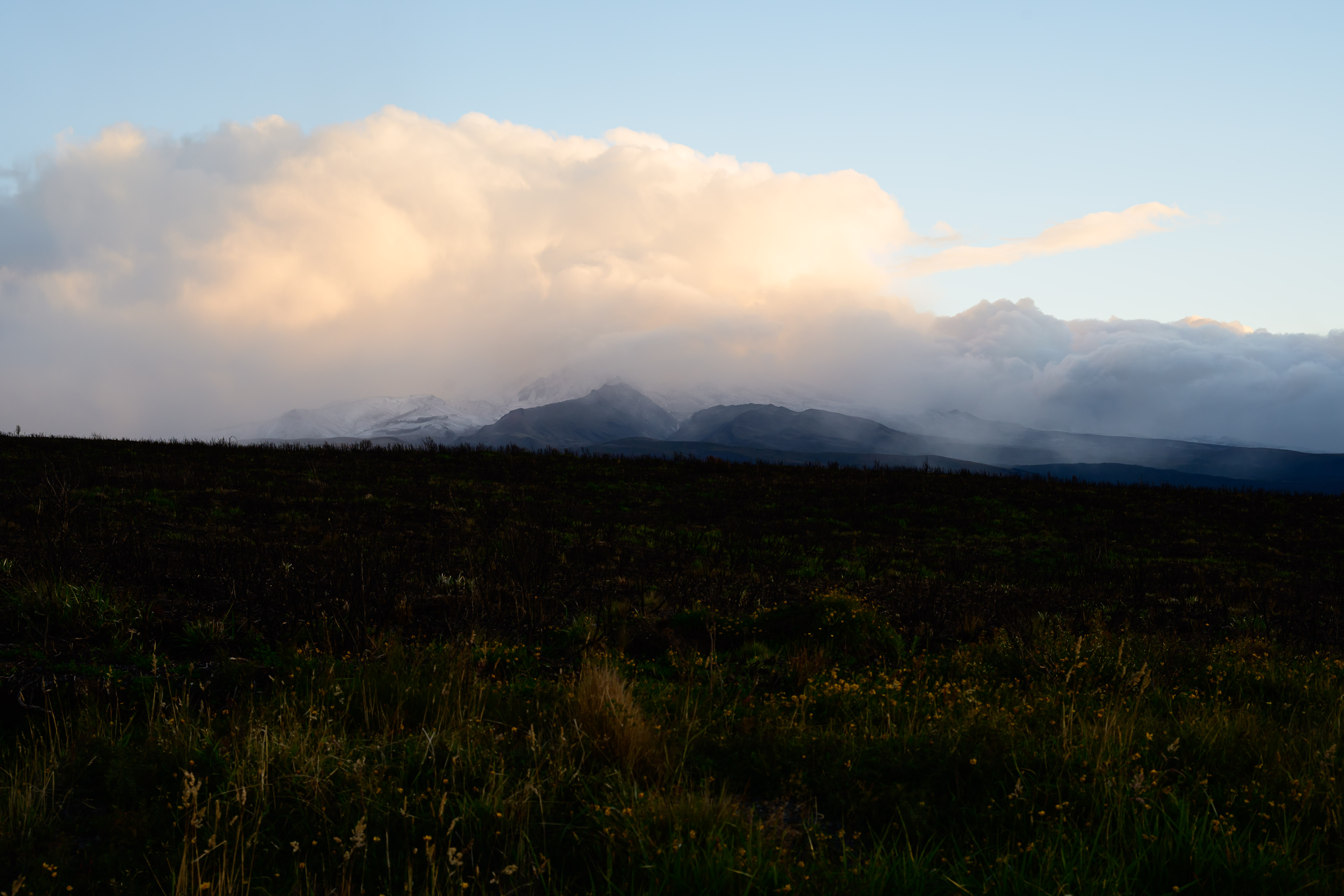
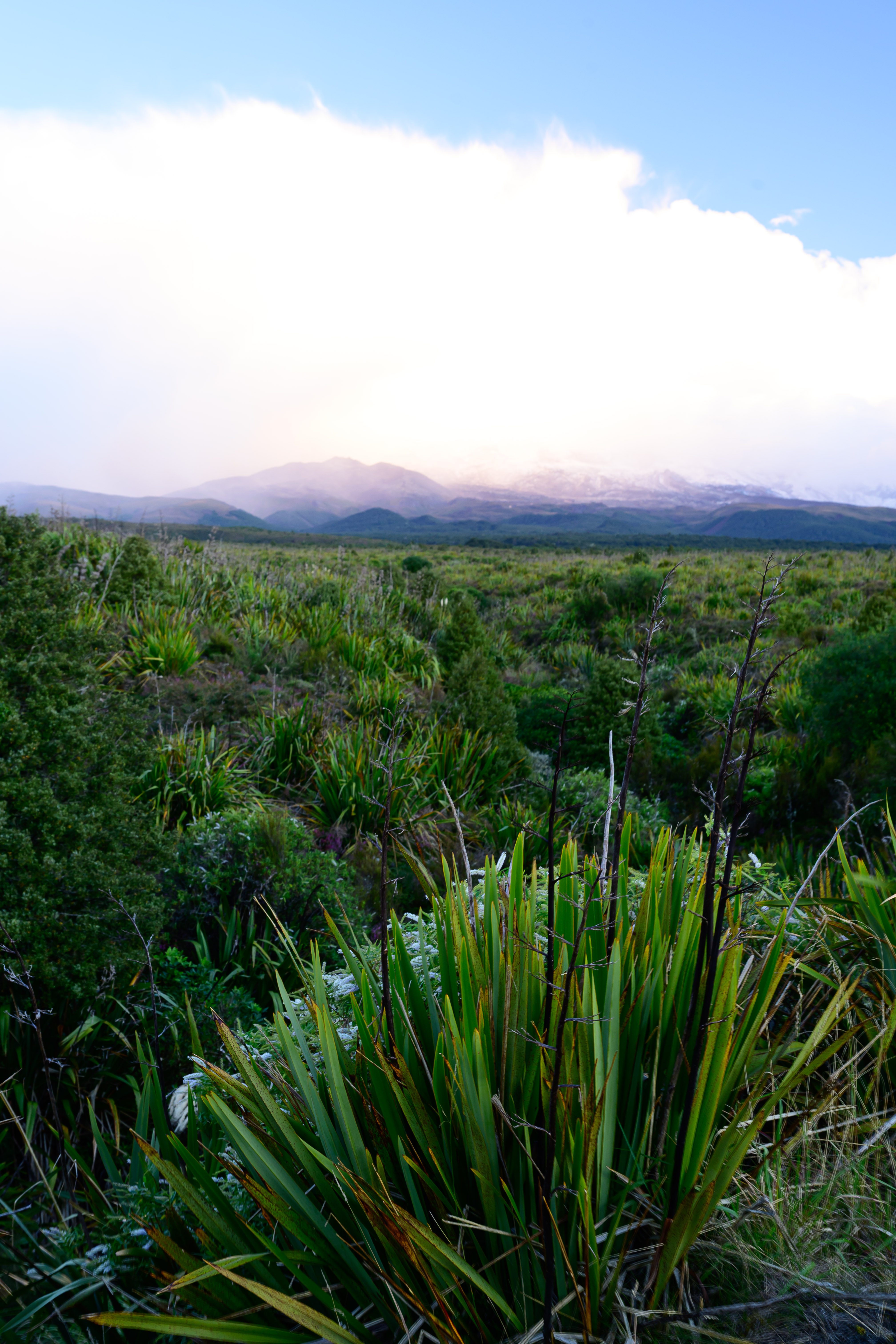
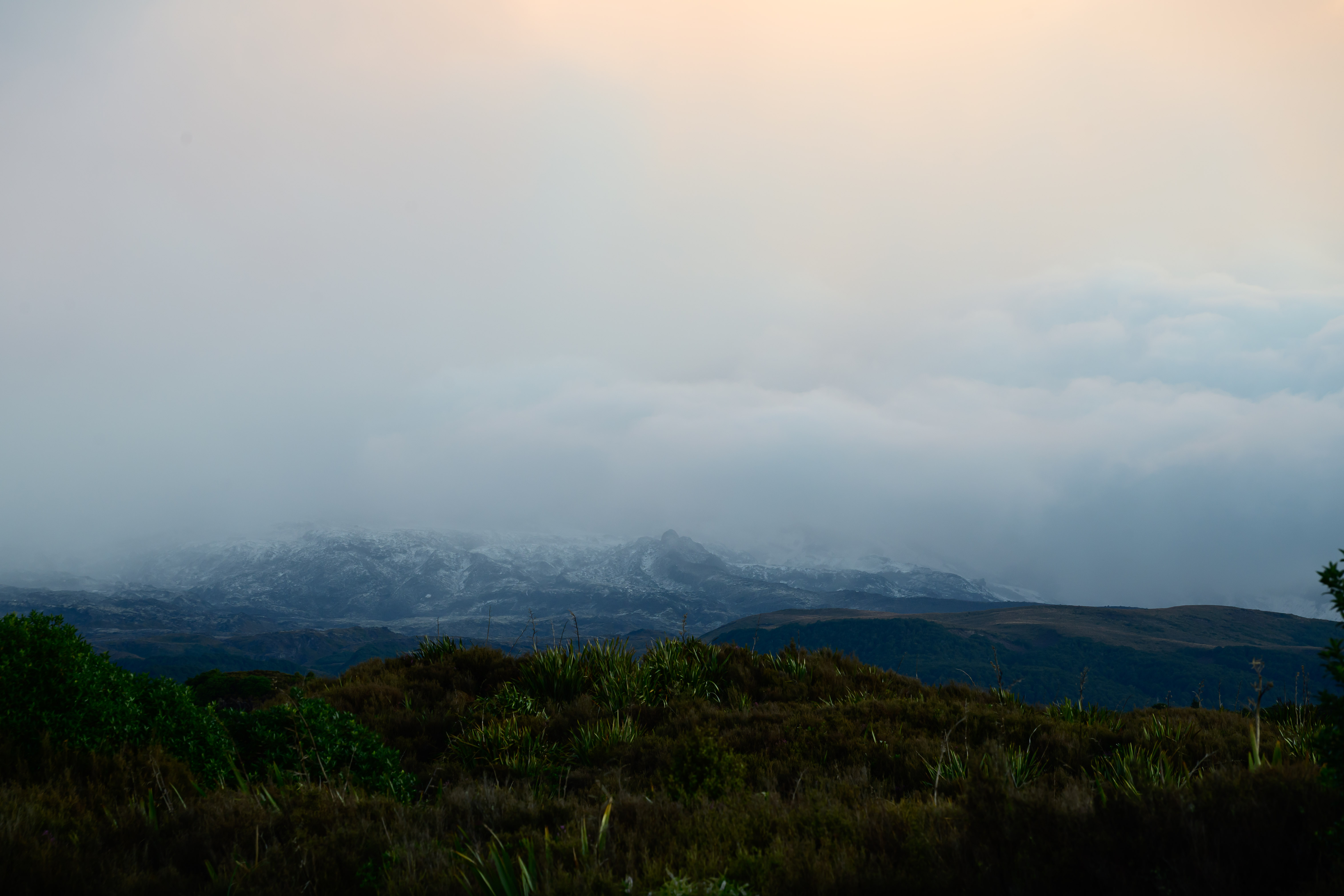
I ended the day taking a drive to look at the start of the Tongariro Alpine Crossing. This bucket list hike was what brought me back to Tongariro this year. Cold and wind were not in the plan. Nor was active snow falling on the mountain or a trail closure. With that, I made the call to cut one day of my stay in the area and snuggled into one last cold night in the area. I would later learn that wind chills the next day on the hike were well below zero and that the only company that took hikers to the trail had their park service concession agreement suspended. The mountain wanted to be left alone.
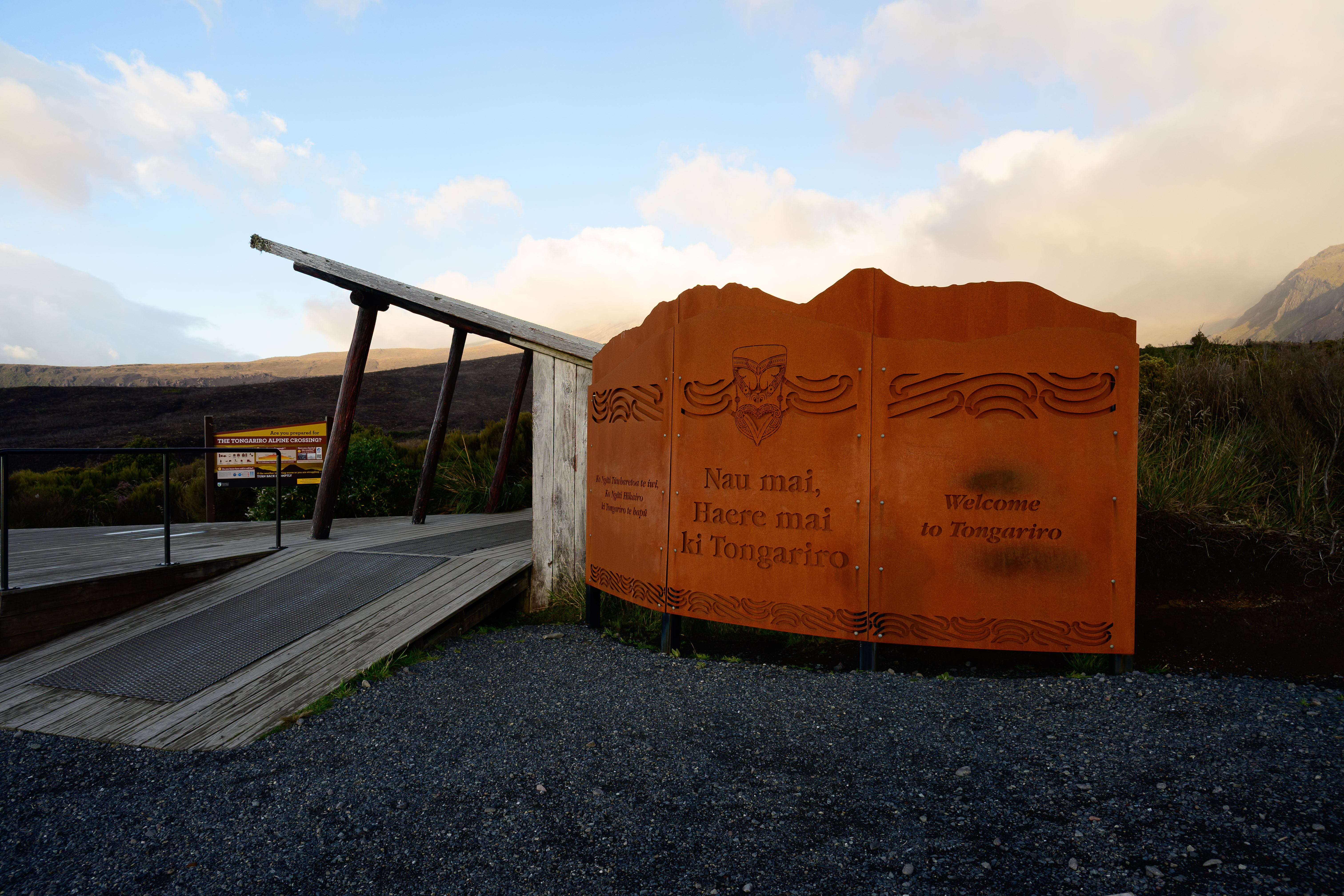
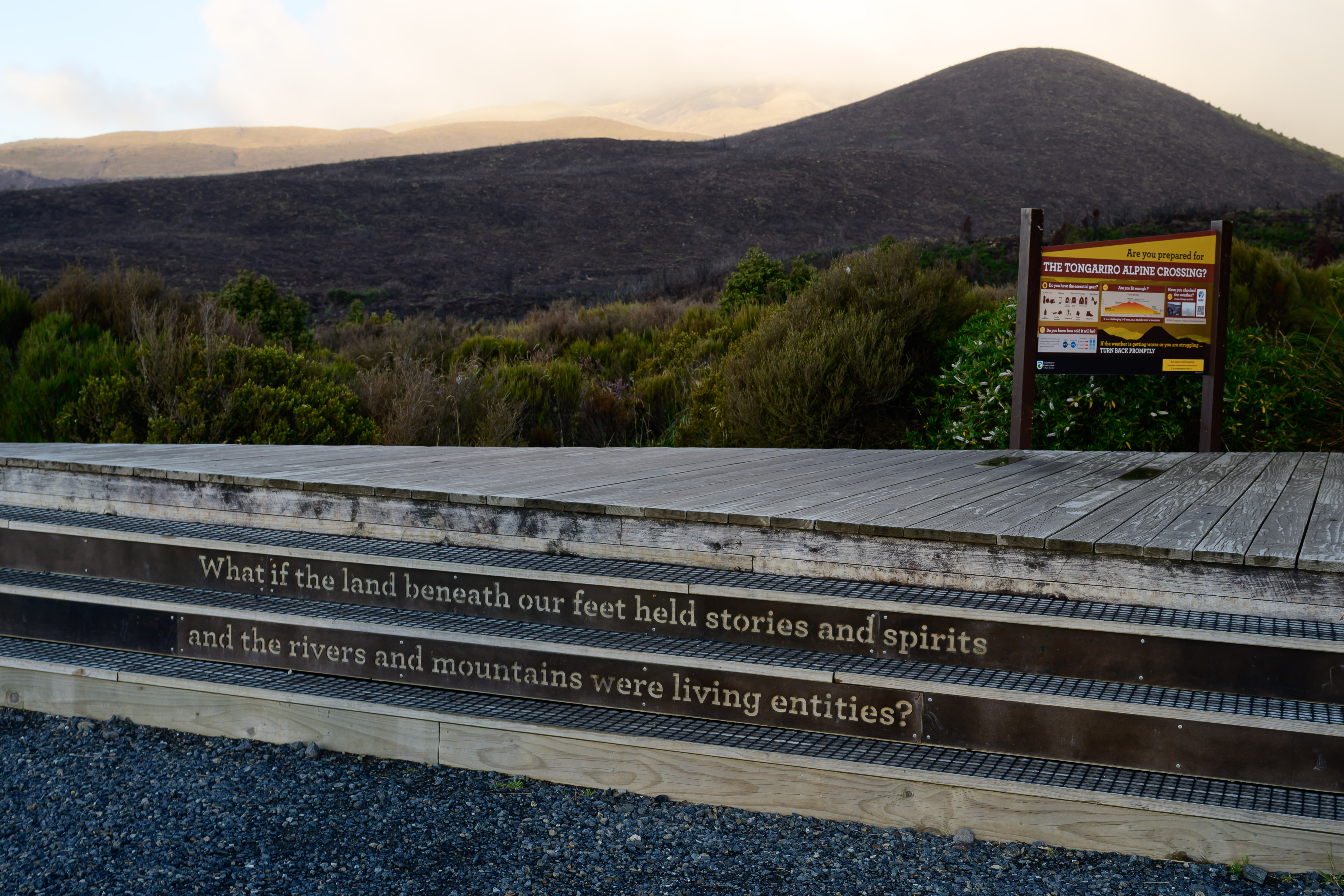
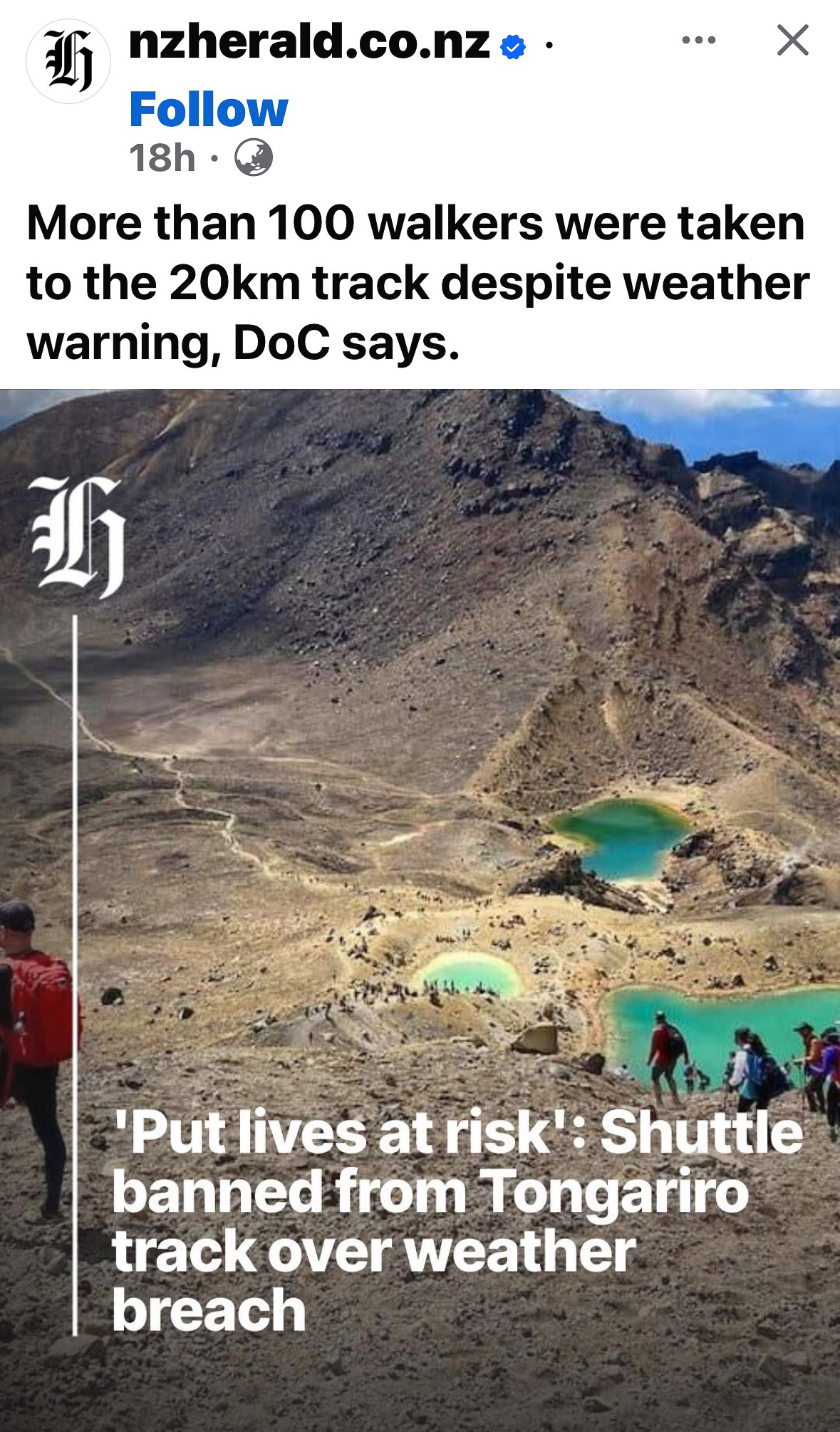
Day 10 (March 3)
The next morning found me at McDonald’s working again, rather than on an epic hike. Those college kids? Well that hike had been the focus of their trip, and they stalked me to the same backup plan.
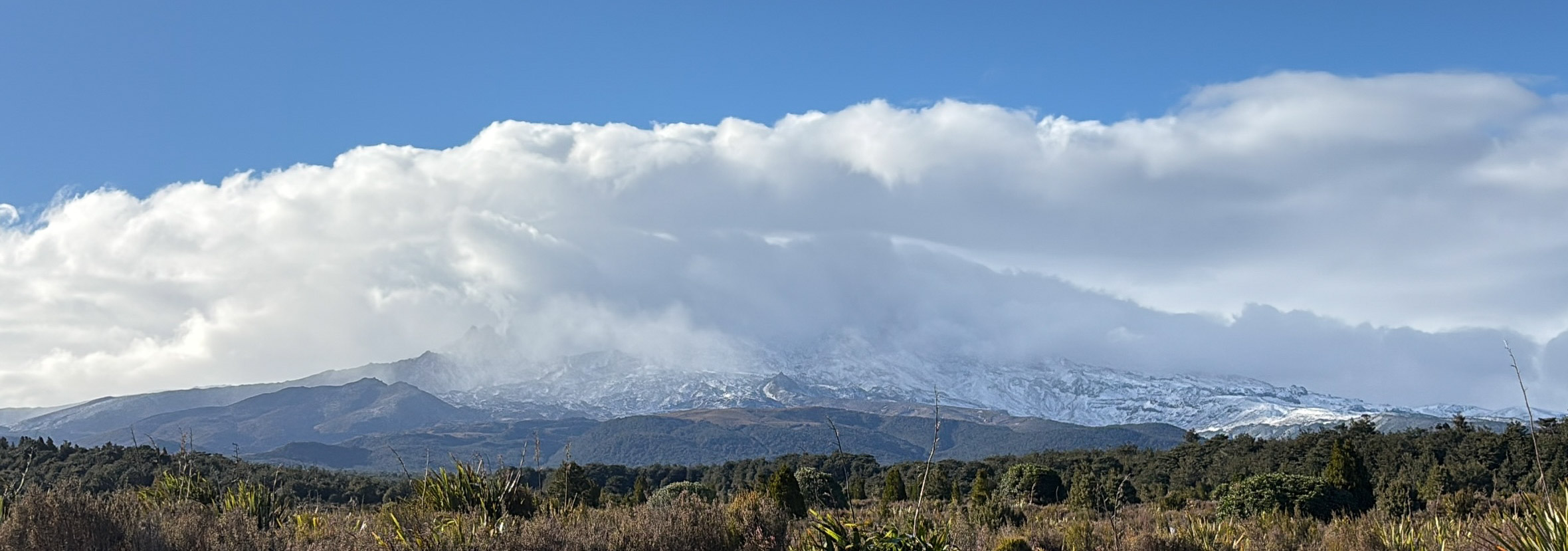
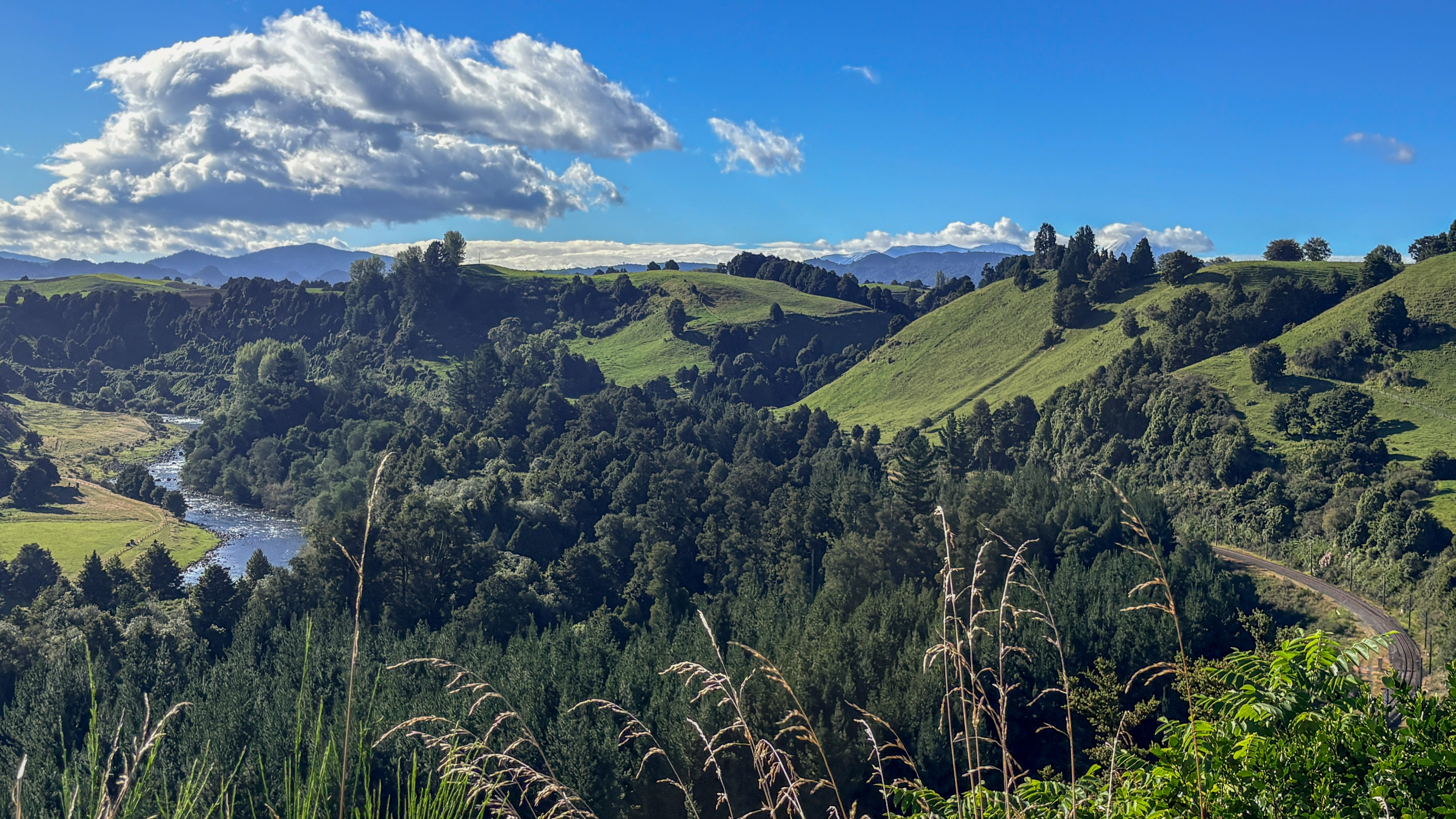
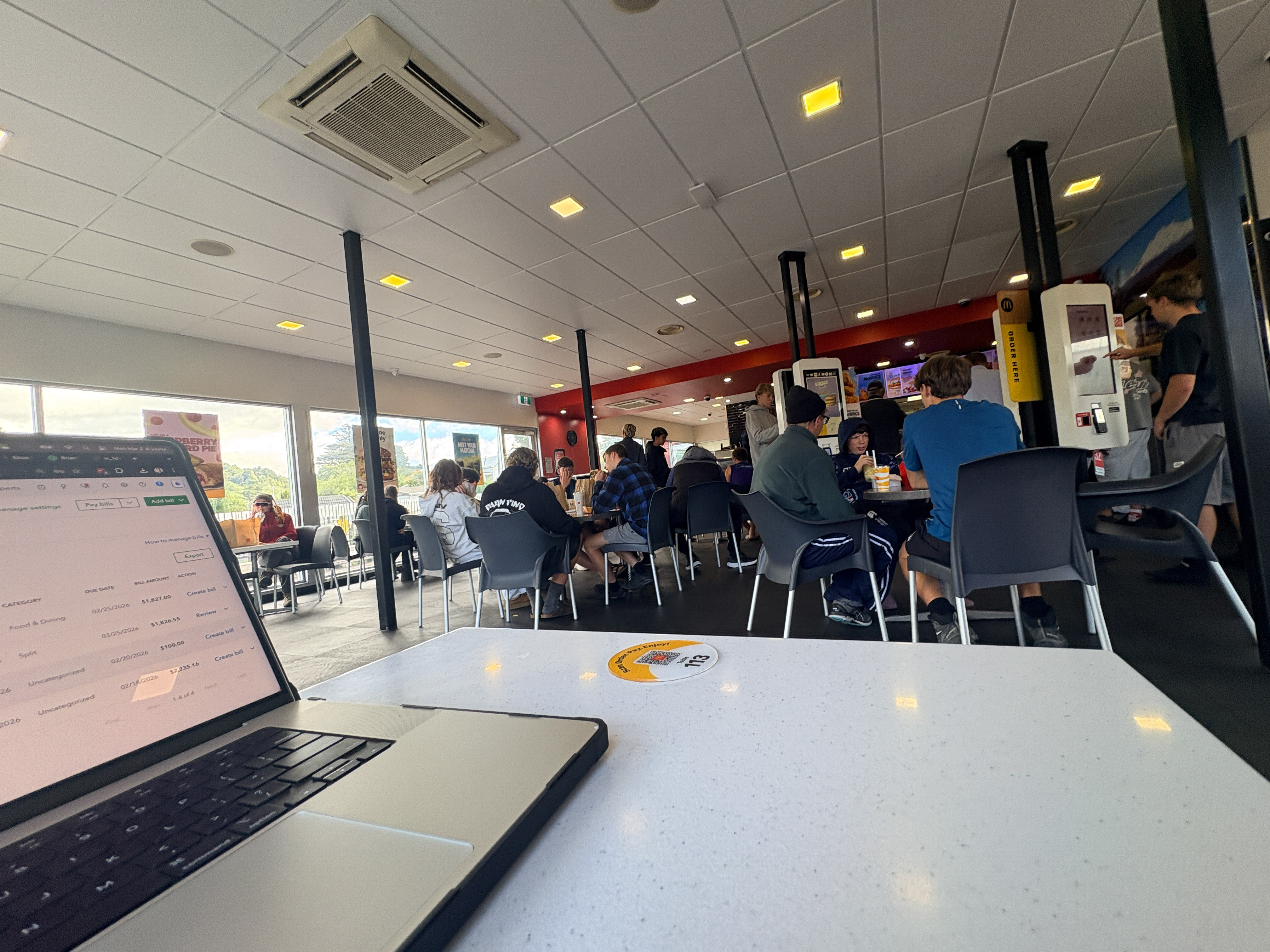
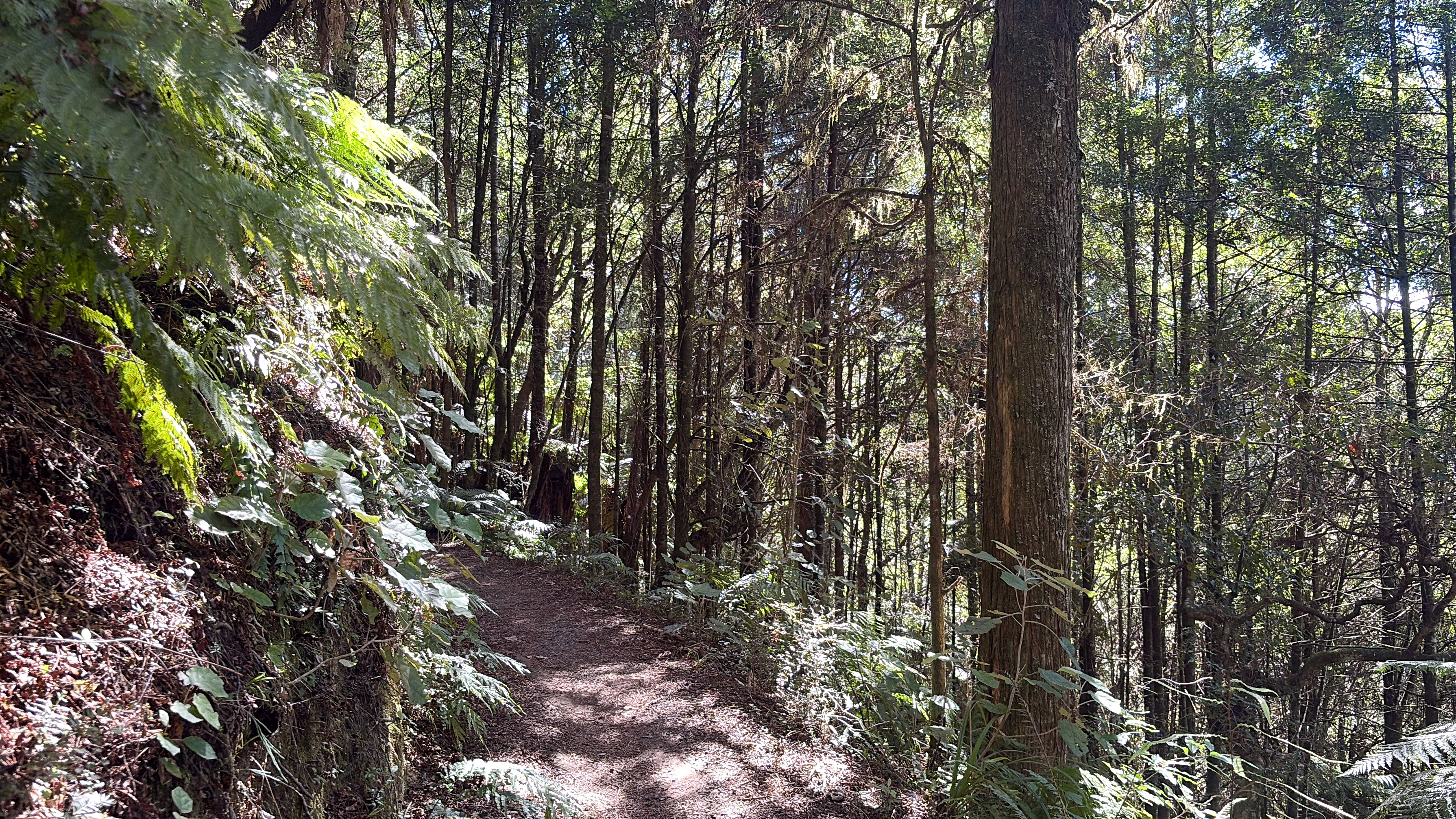
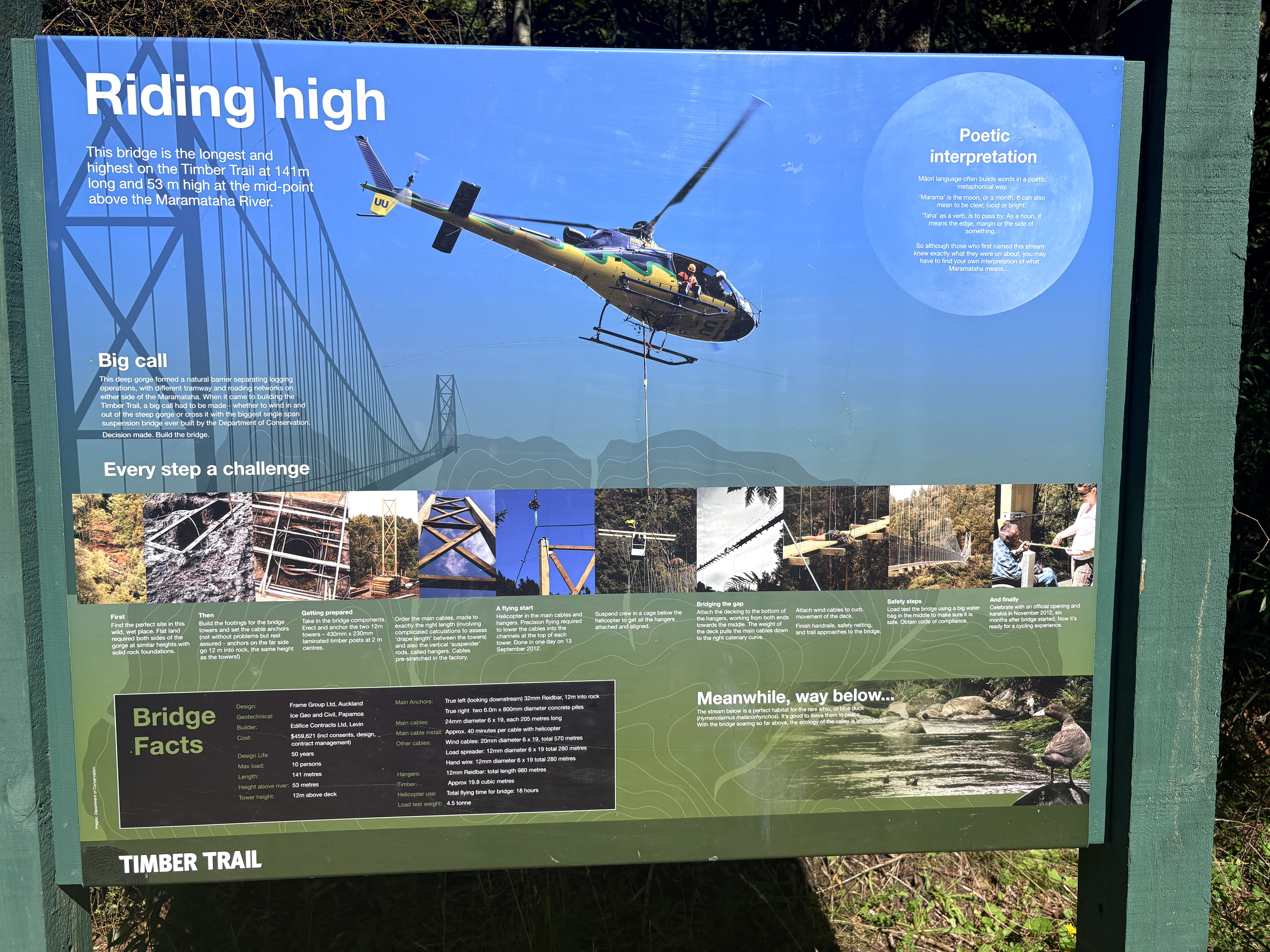
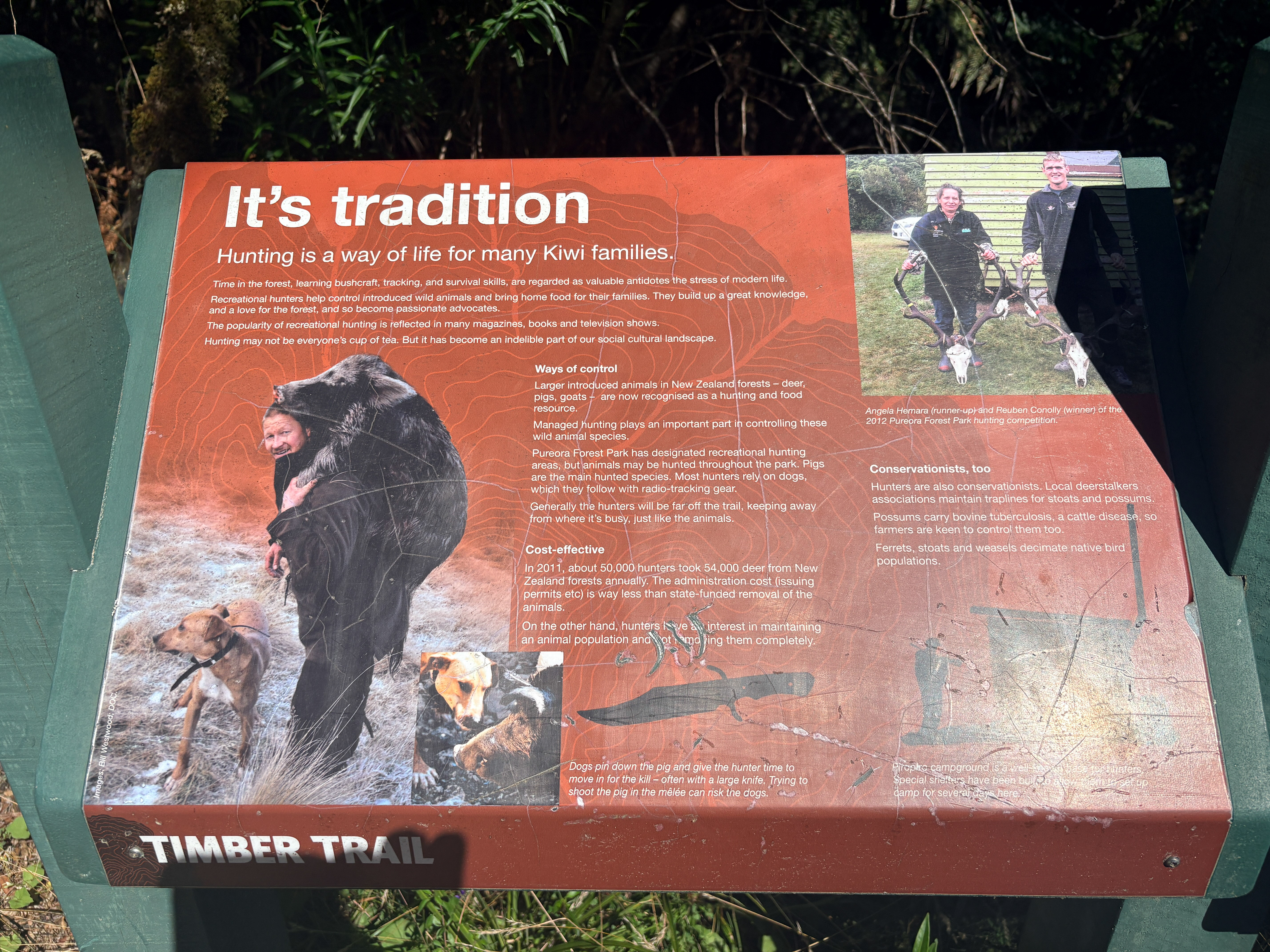
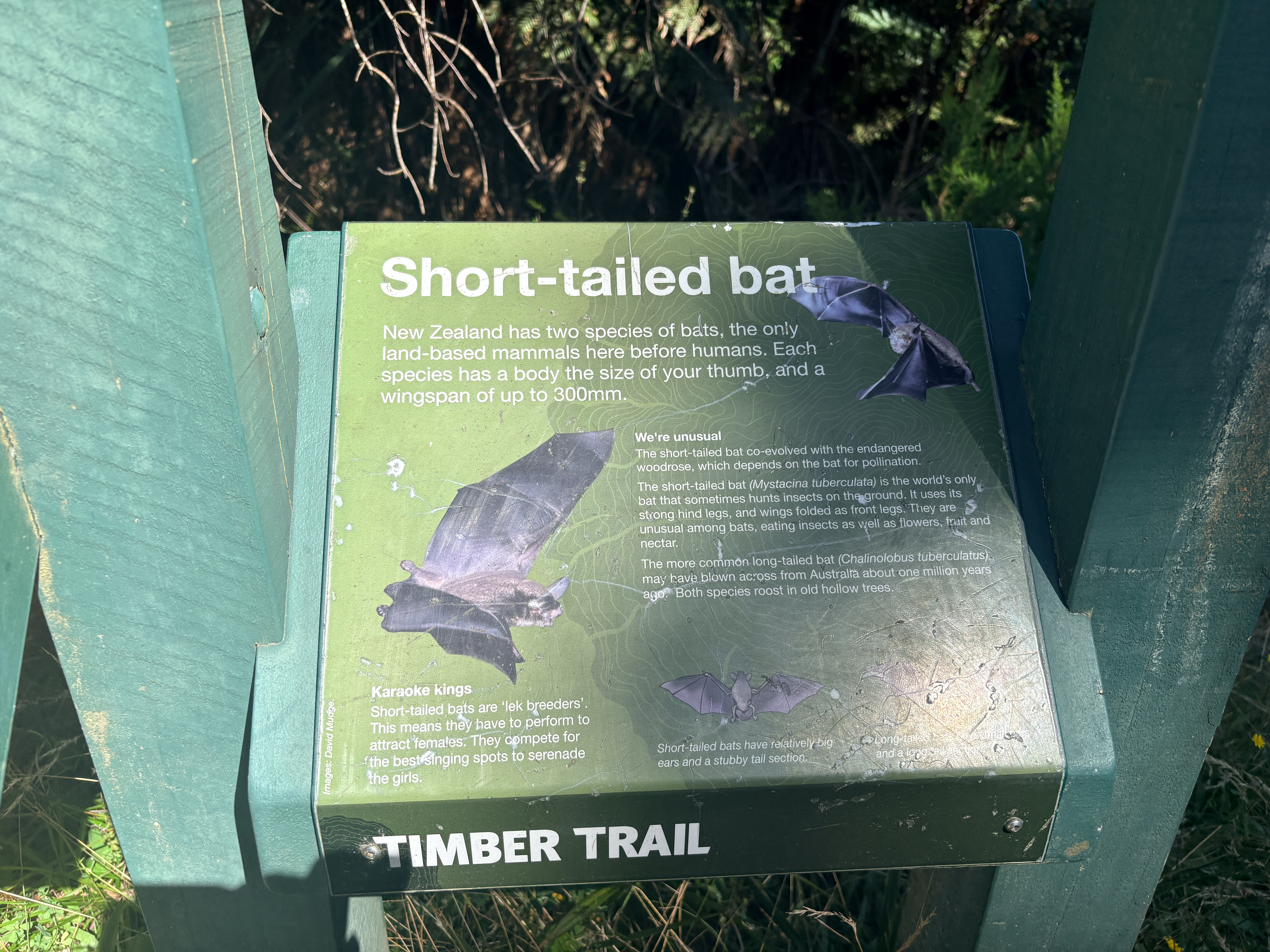
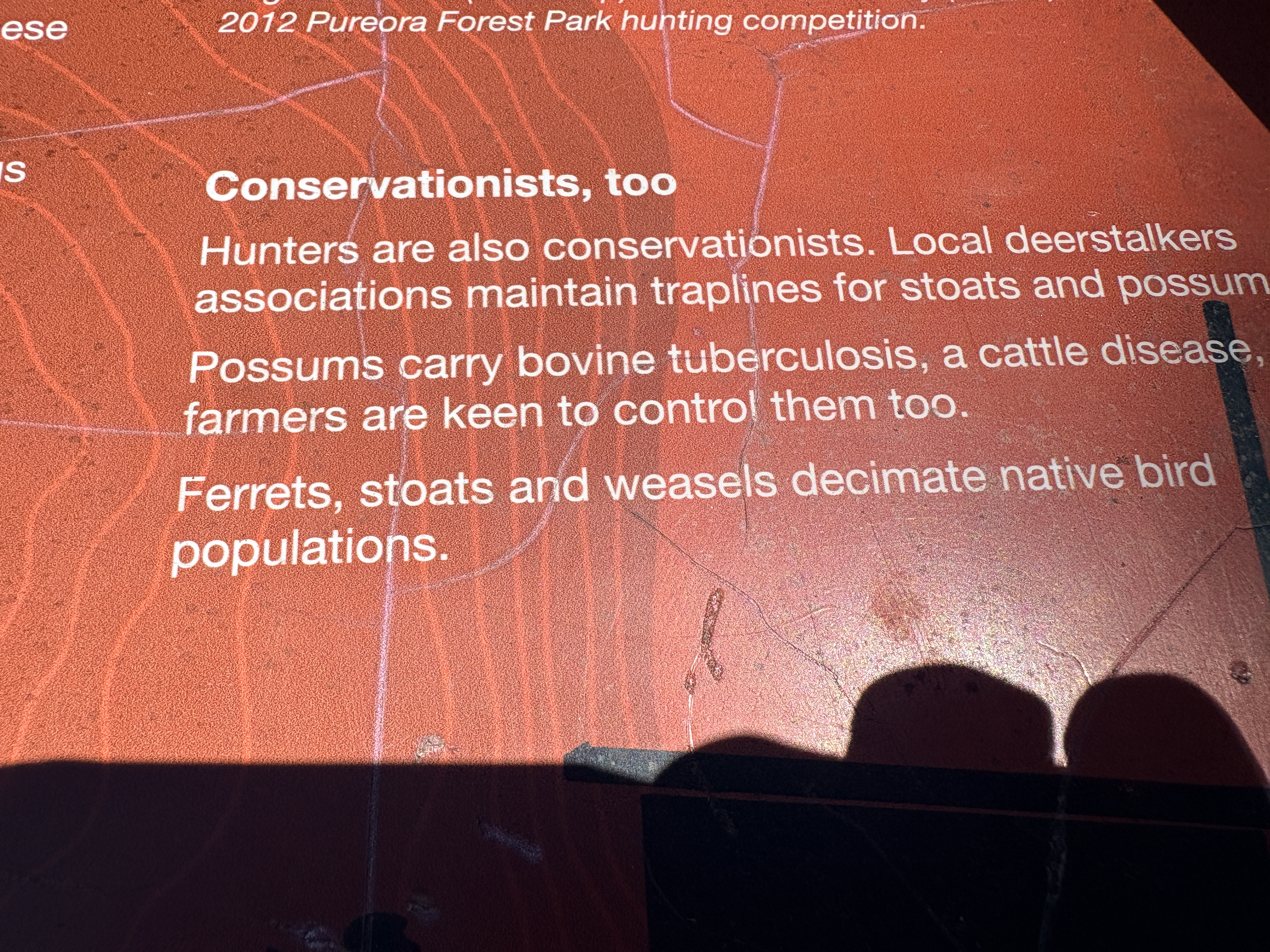
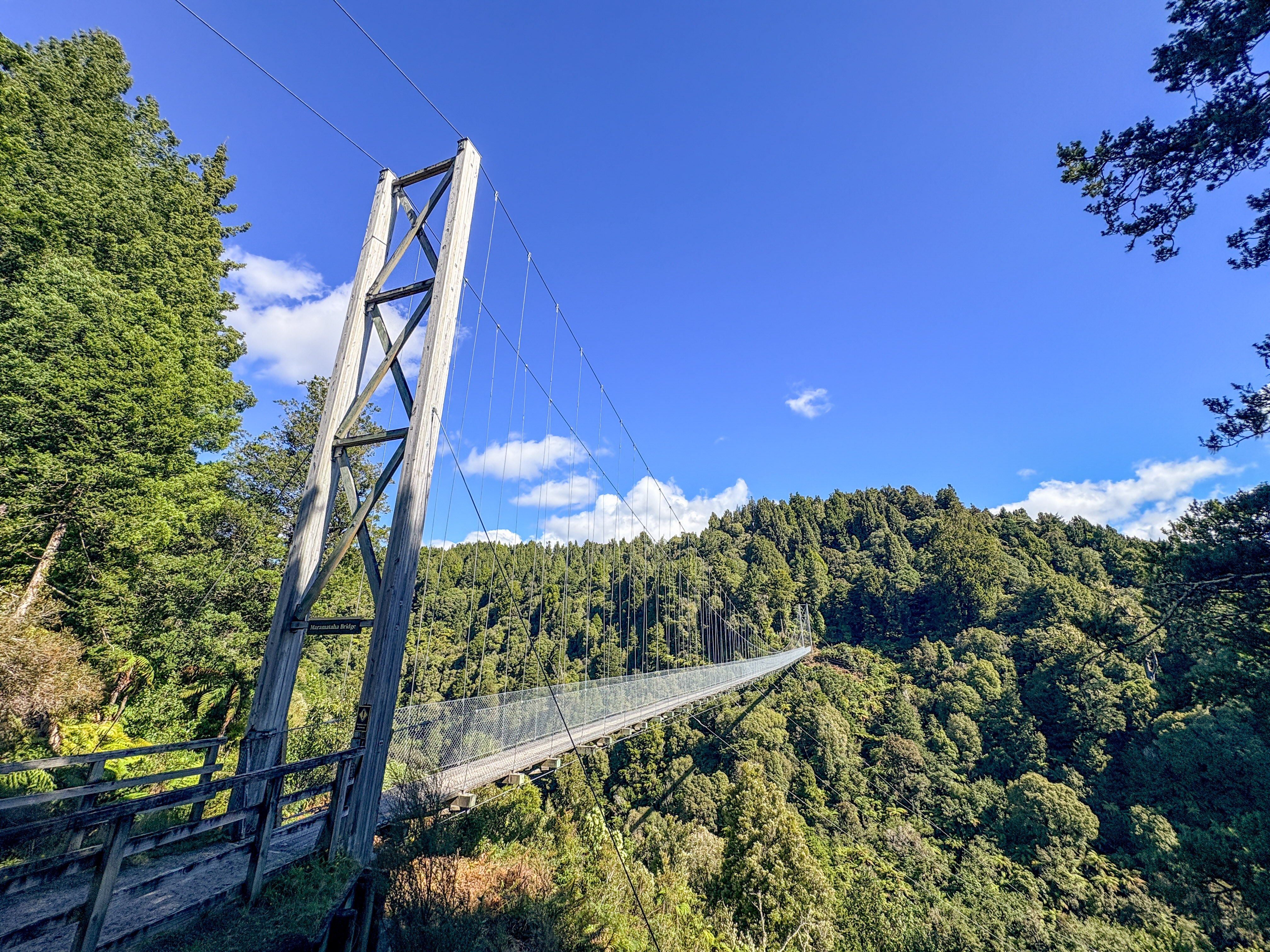
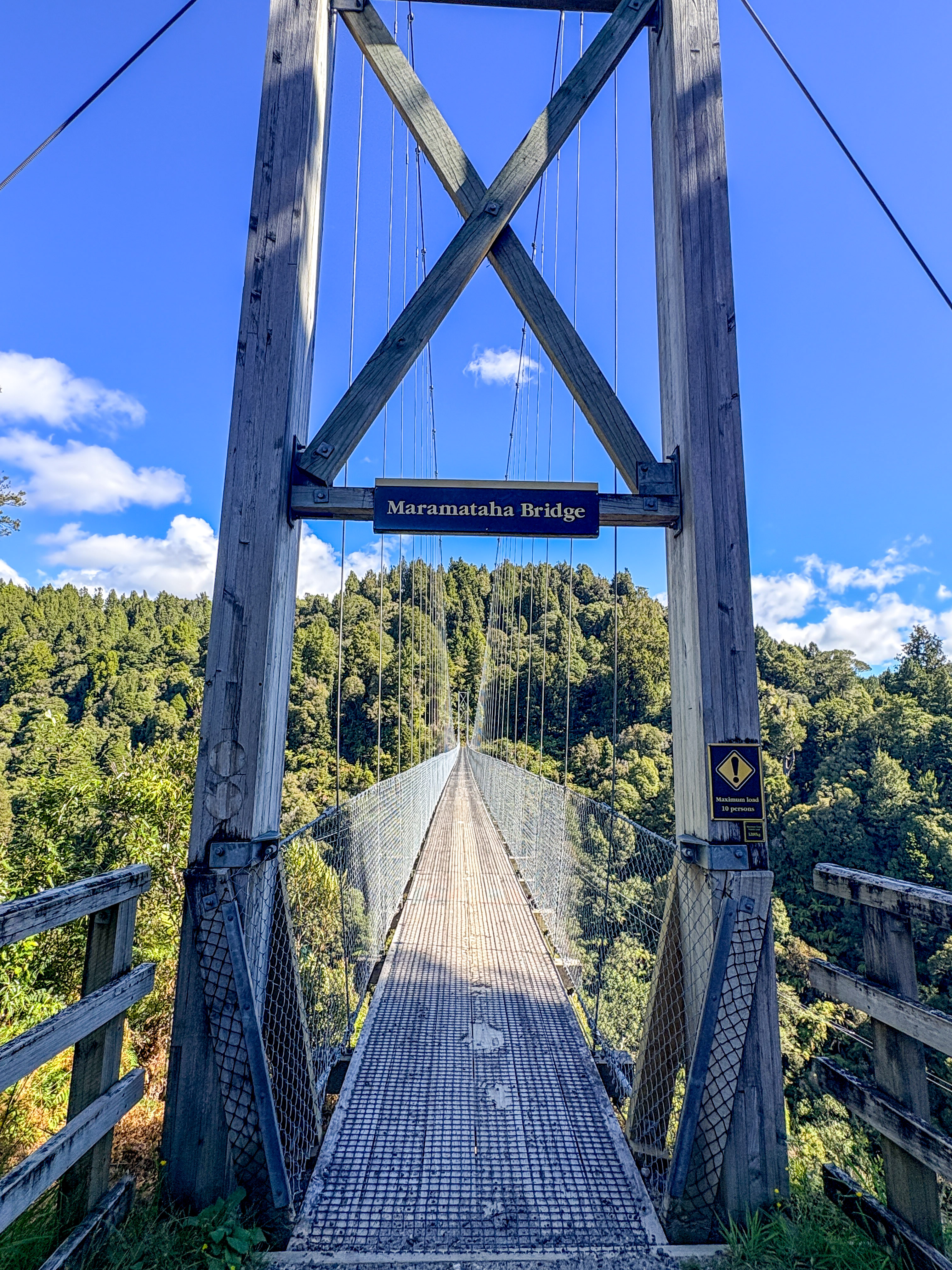
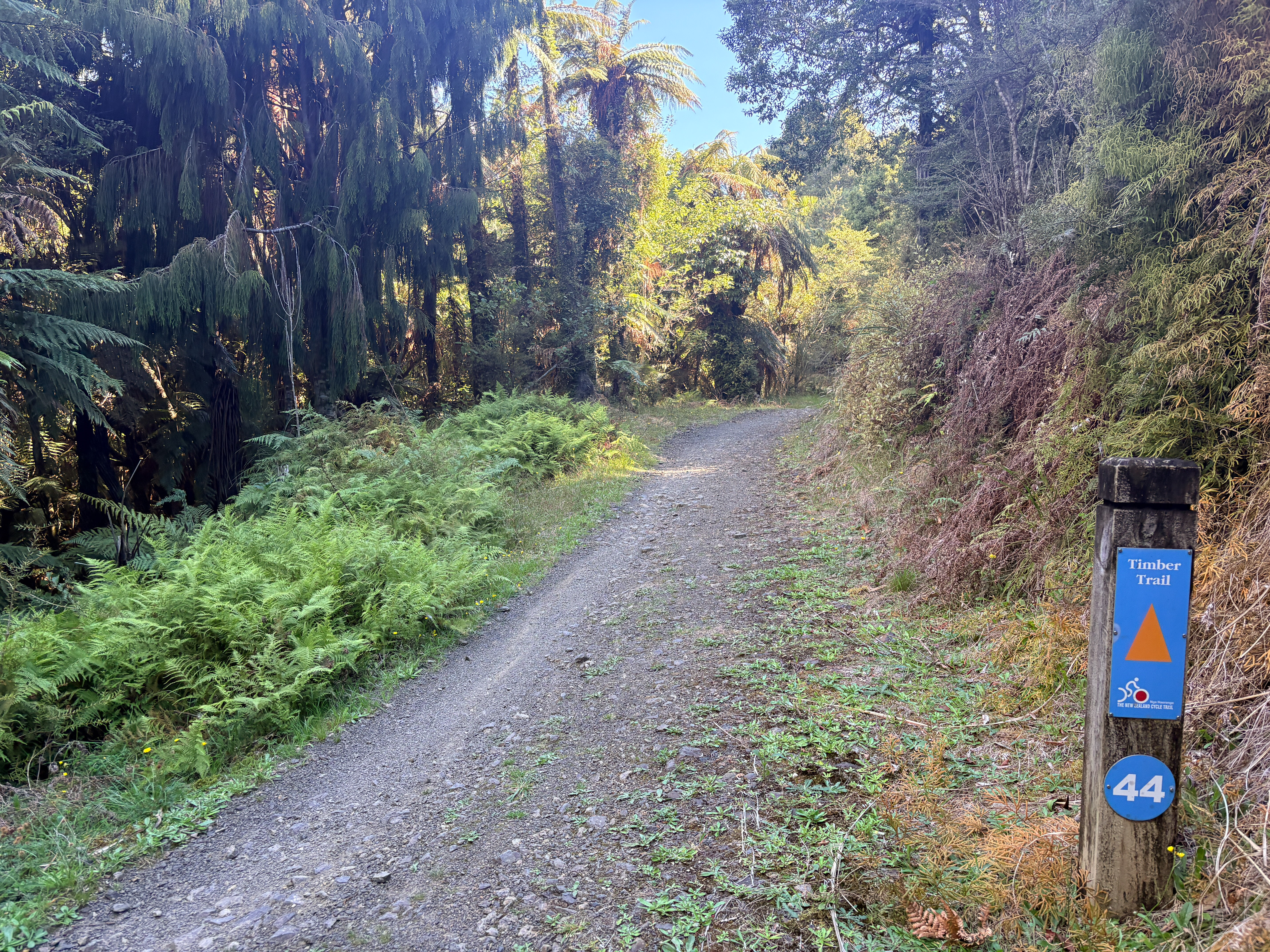
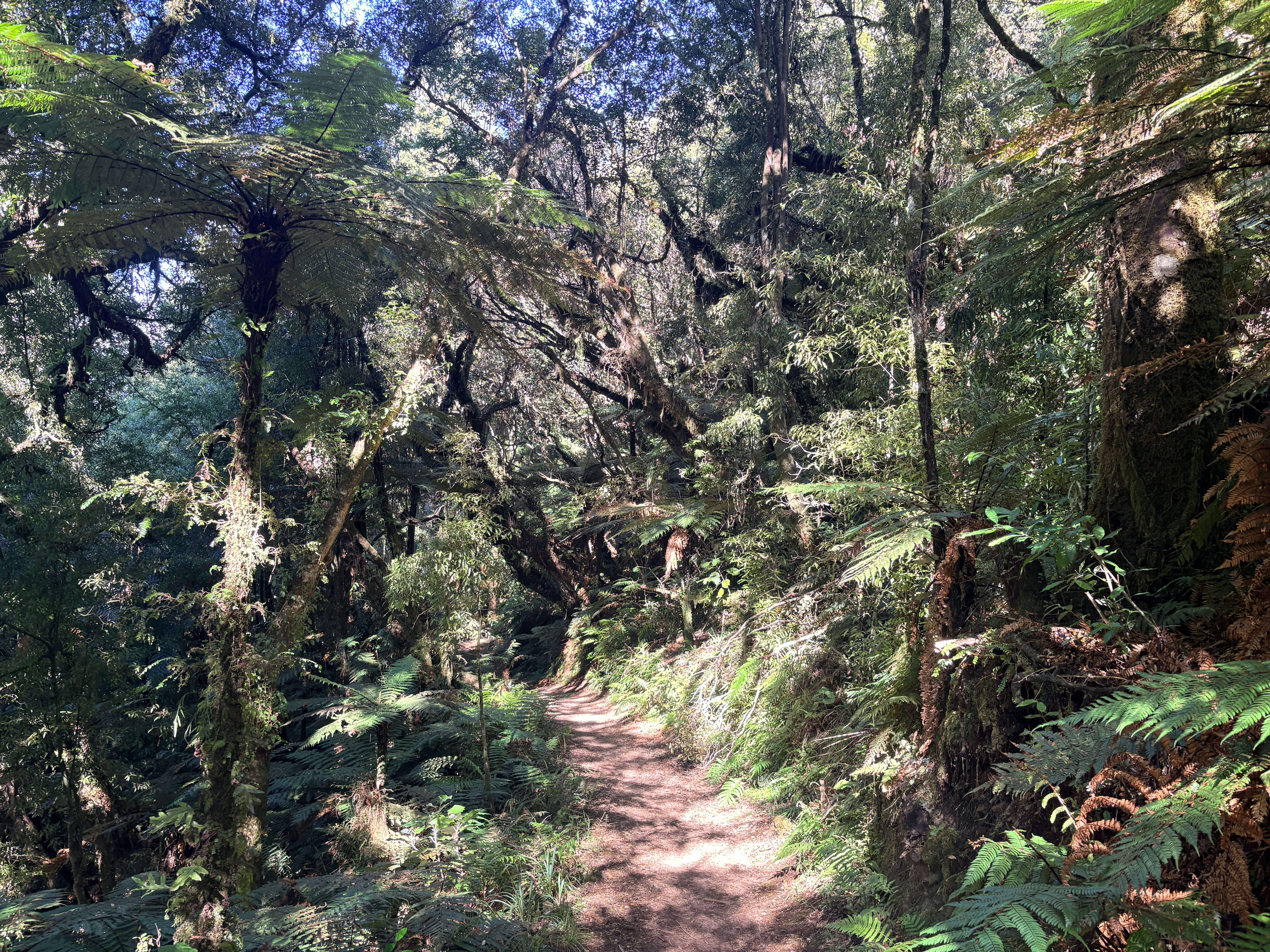
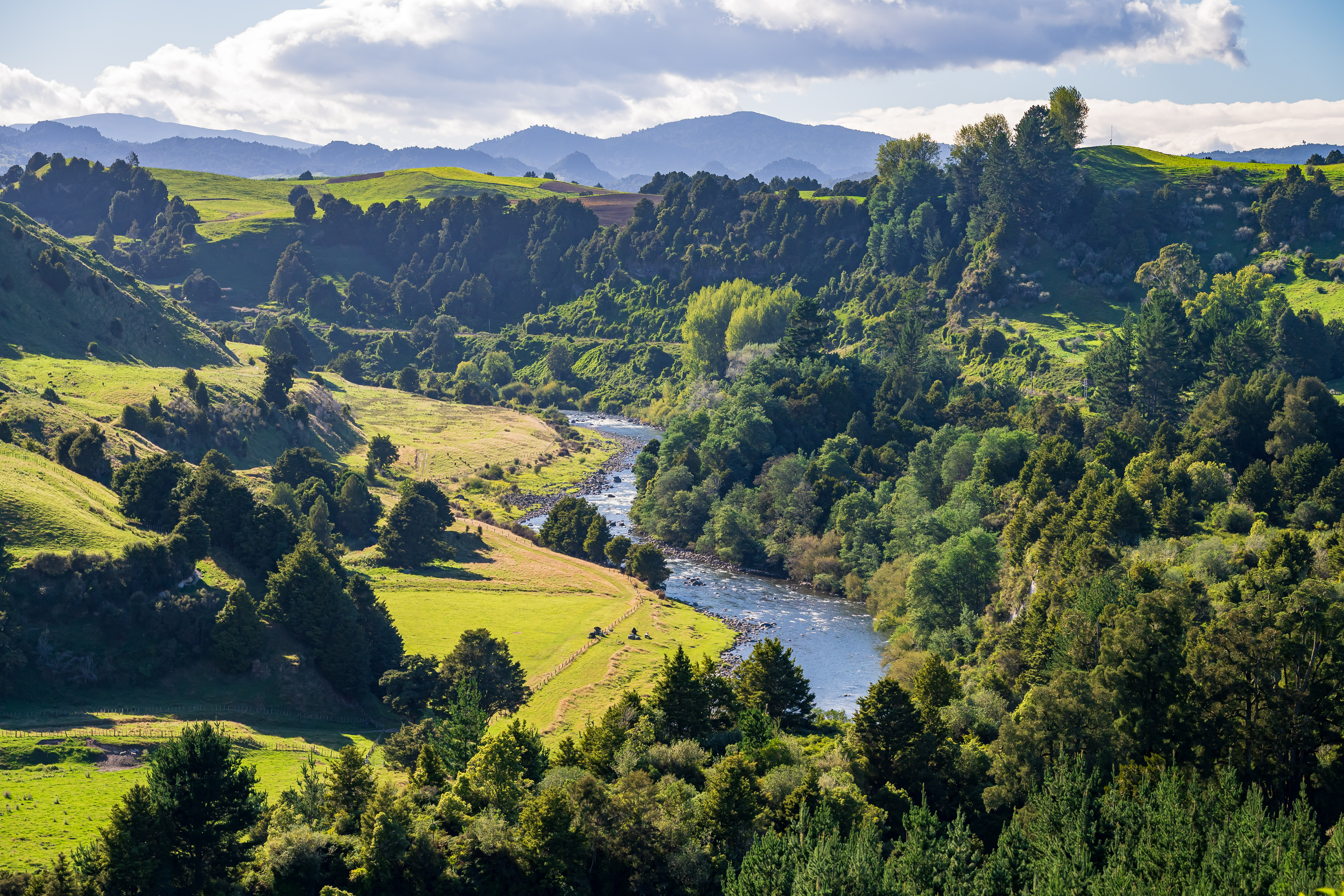
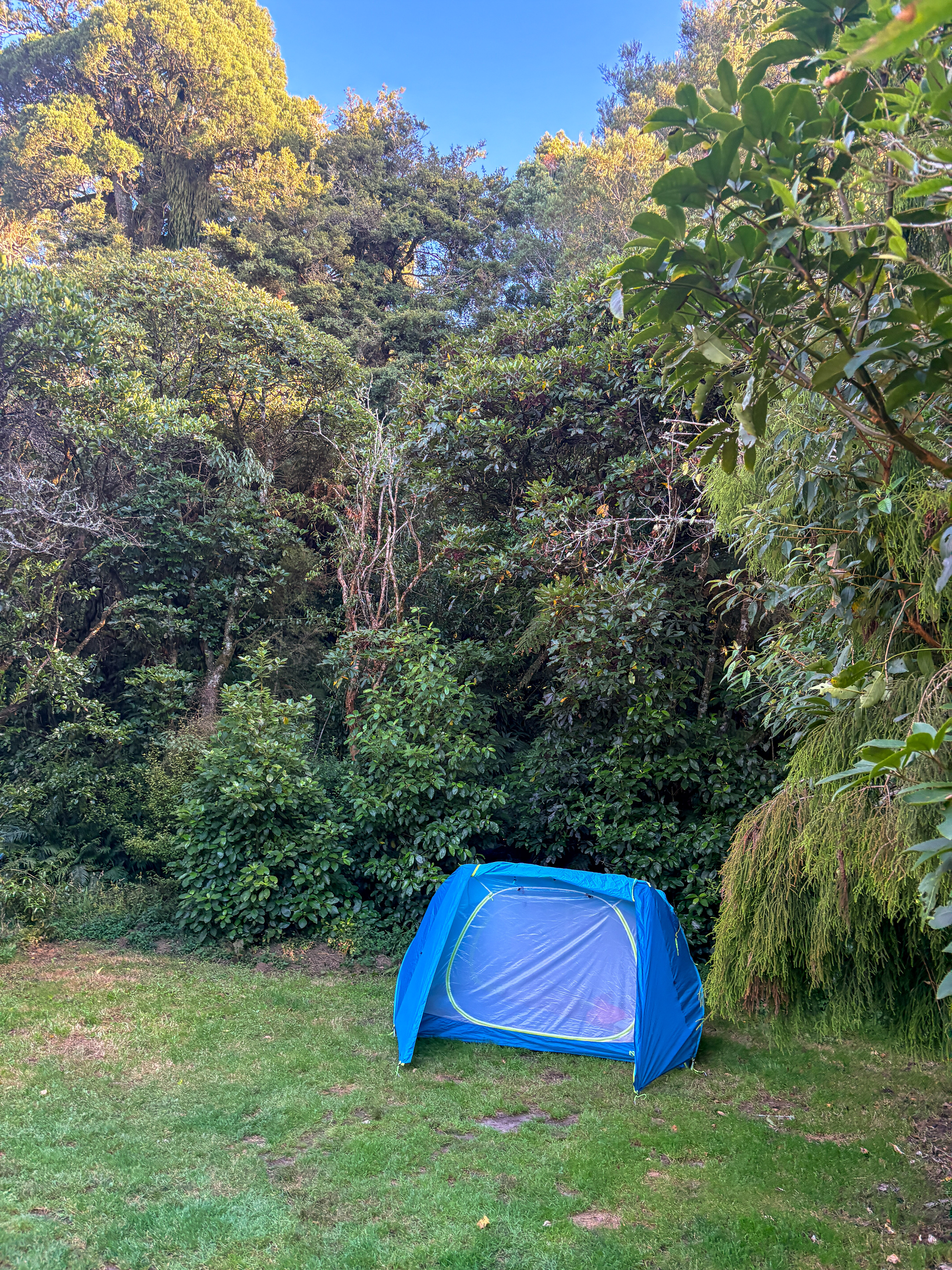
In addition to working, I was having an internal debate about what to do next. The big landscapes of the mountains, while usually my jam, were not hitting the way they usually did. My soul craved to be back amongst the Kauri trees. ChatGTP thought I might enjoy the Pureora Forest Park, a seldom visited park not too far away. I gave it a shot. The only real trail there was a long linear trail that would take days to hike. Not a rail trail, but not a winding source of awe either. It did have its good points, such as the view at Maramataha Bridge. The camping at Piropiro, while remote, was just an open field. No trees mixed in, just a field cut into the forest. I was in a funk and that did not extract me from it.
A Return to Coromandel
Day 11 (March 4)
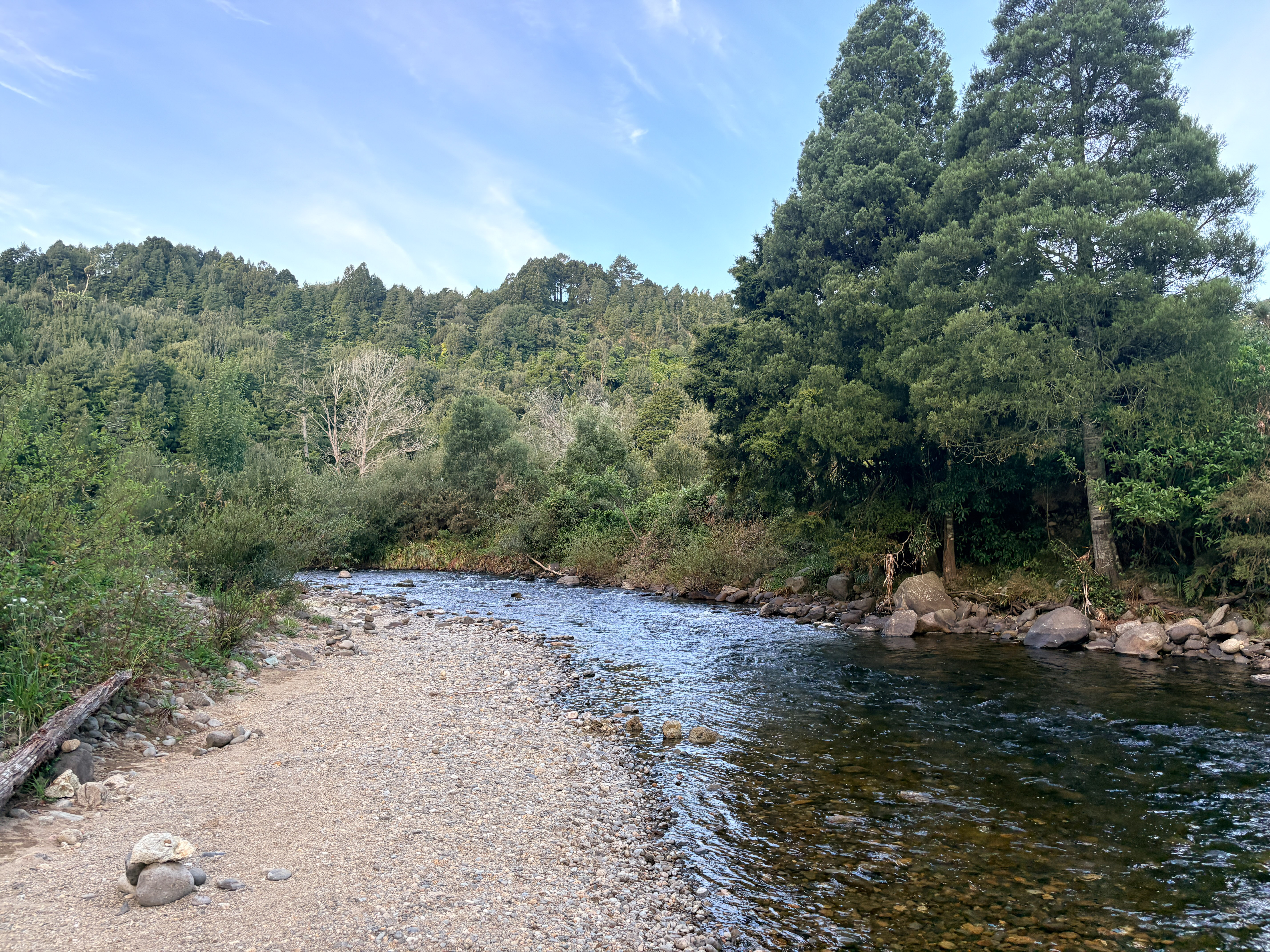
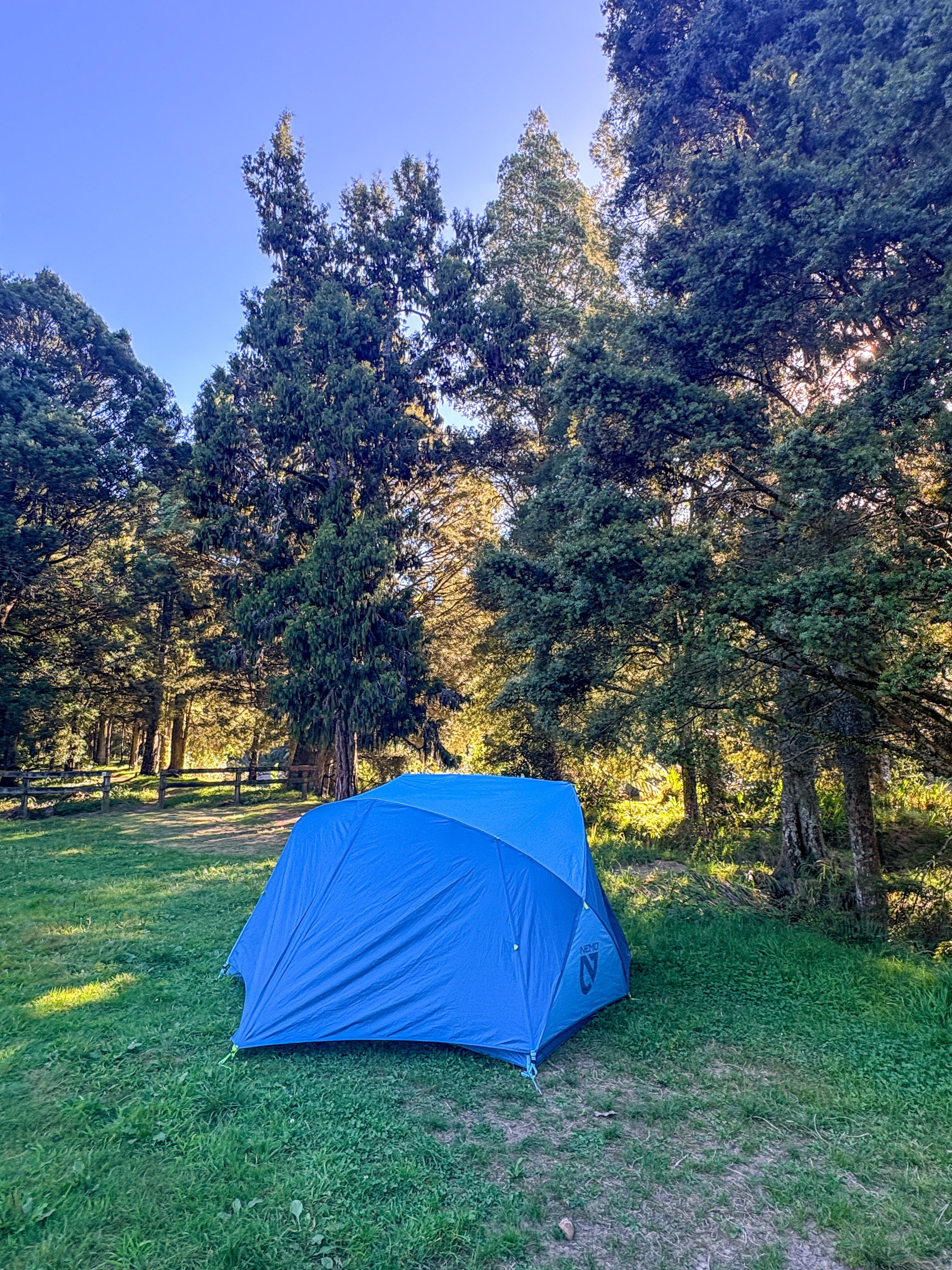
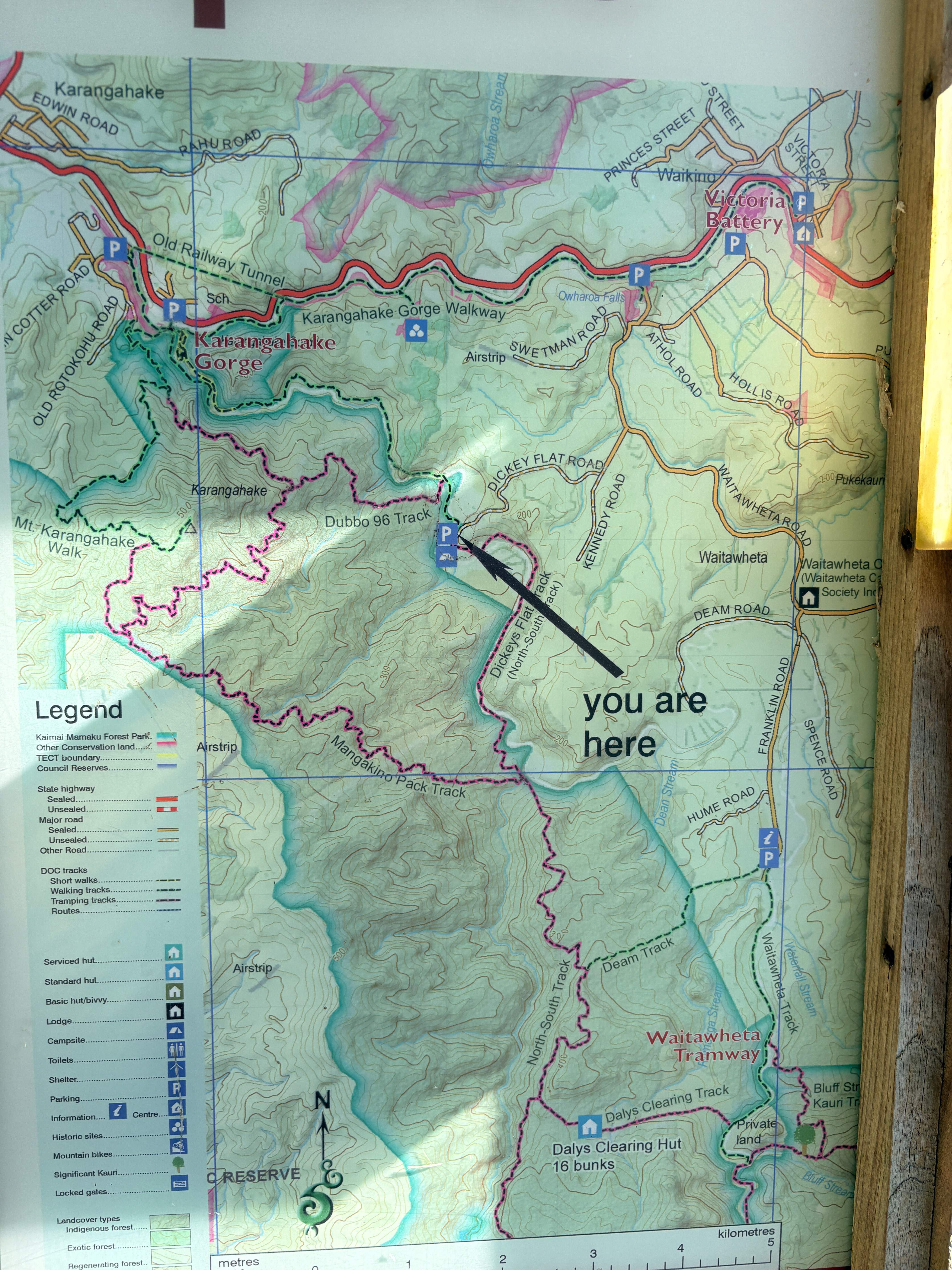
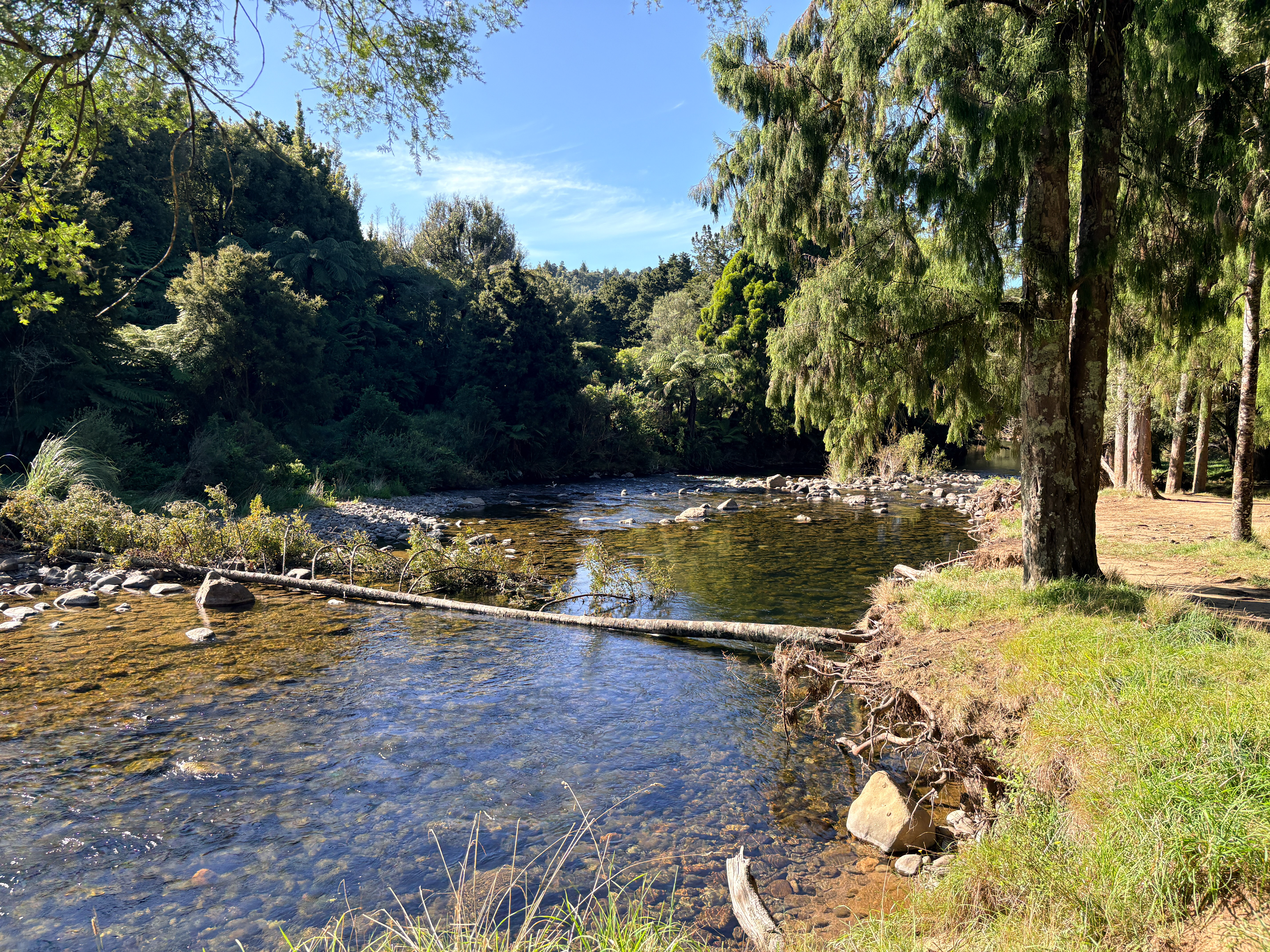
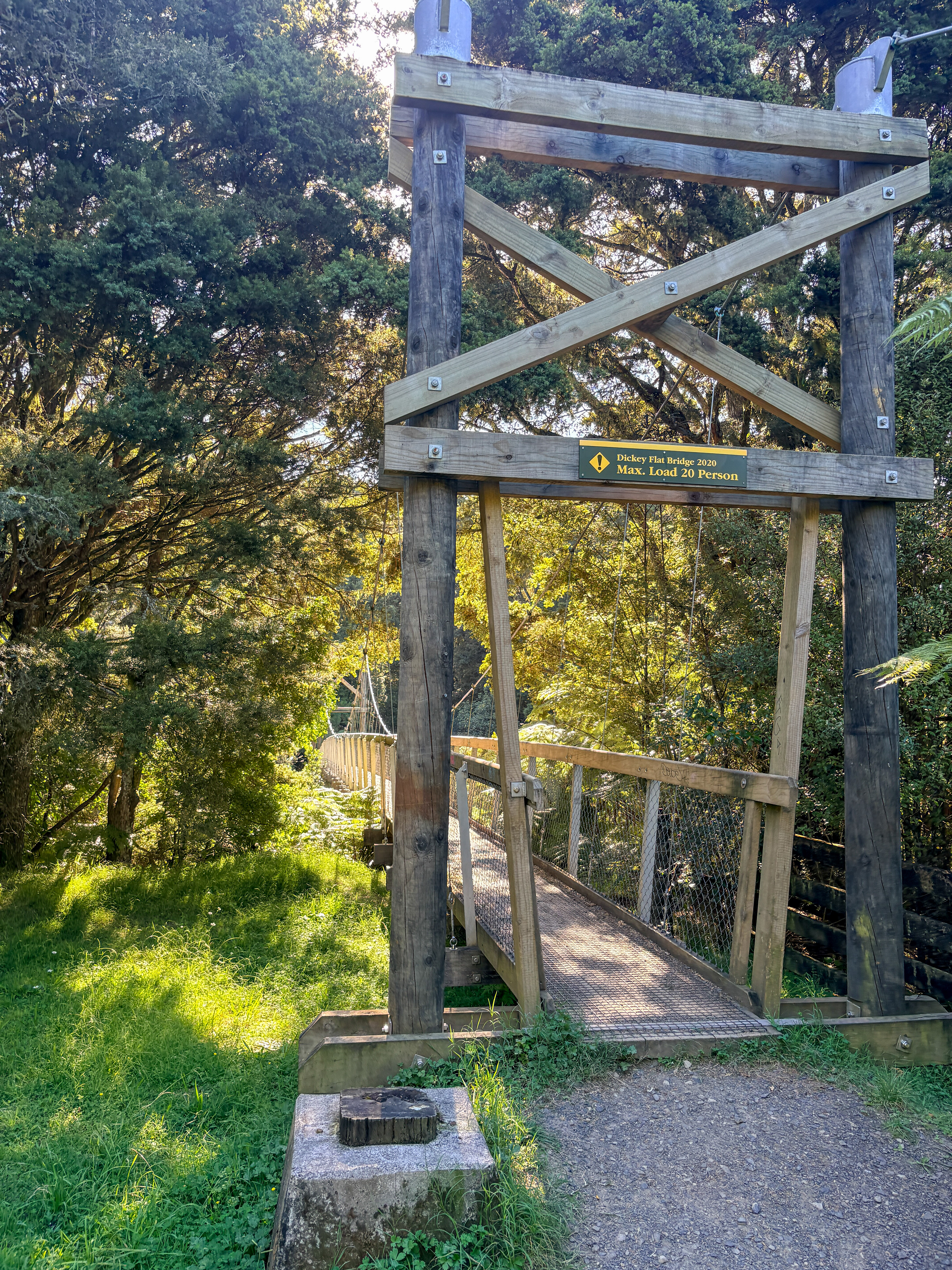
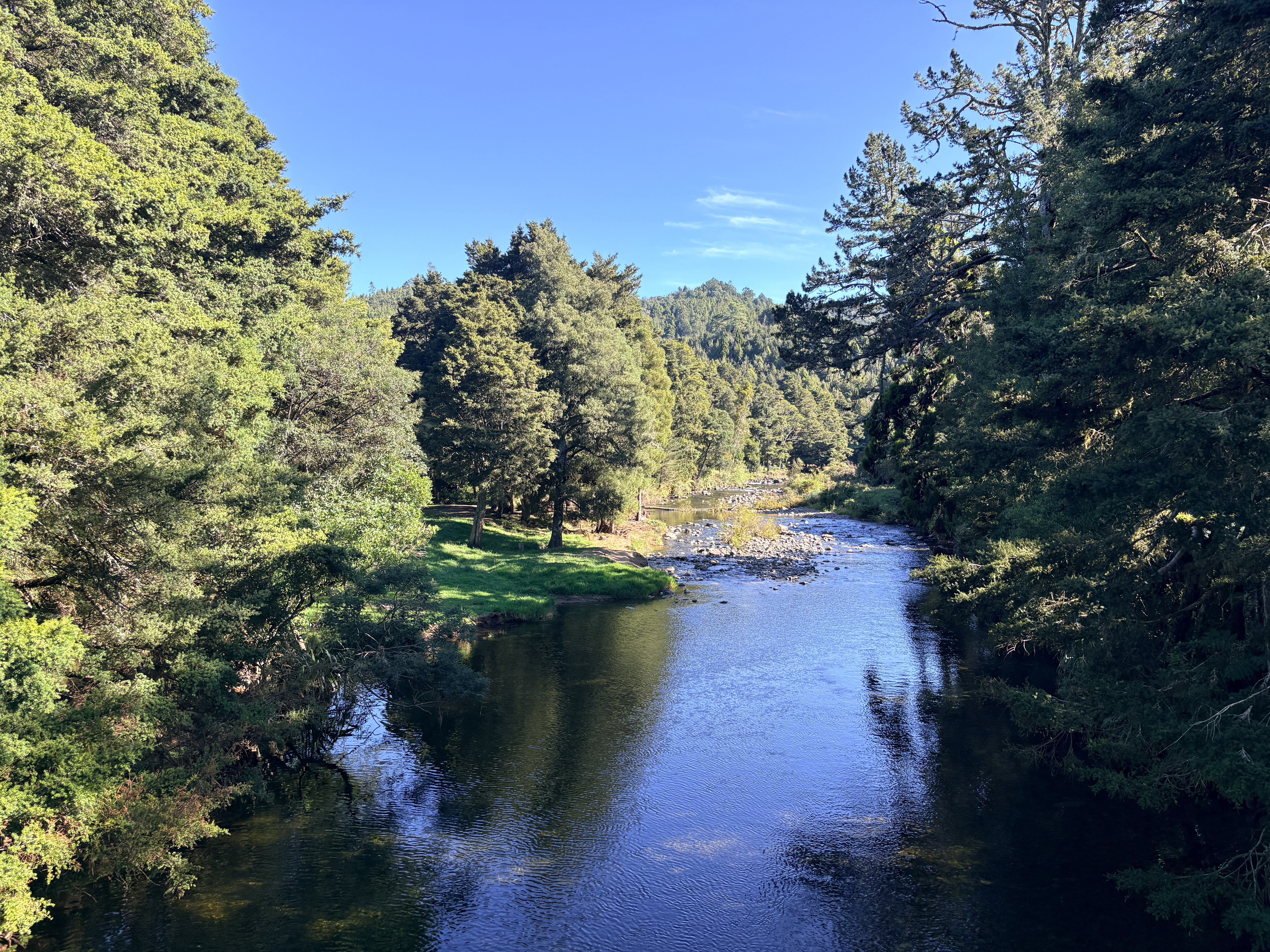
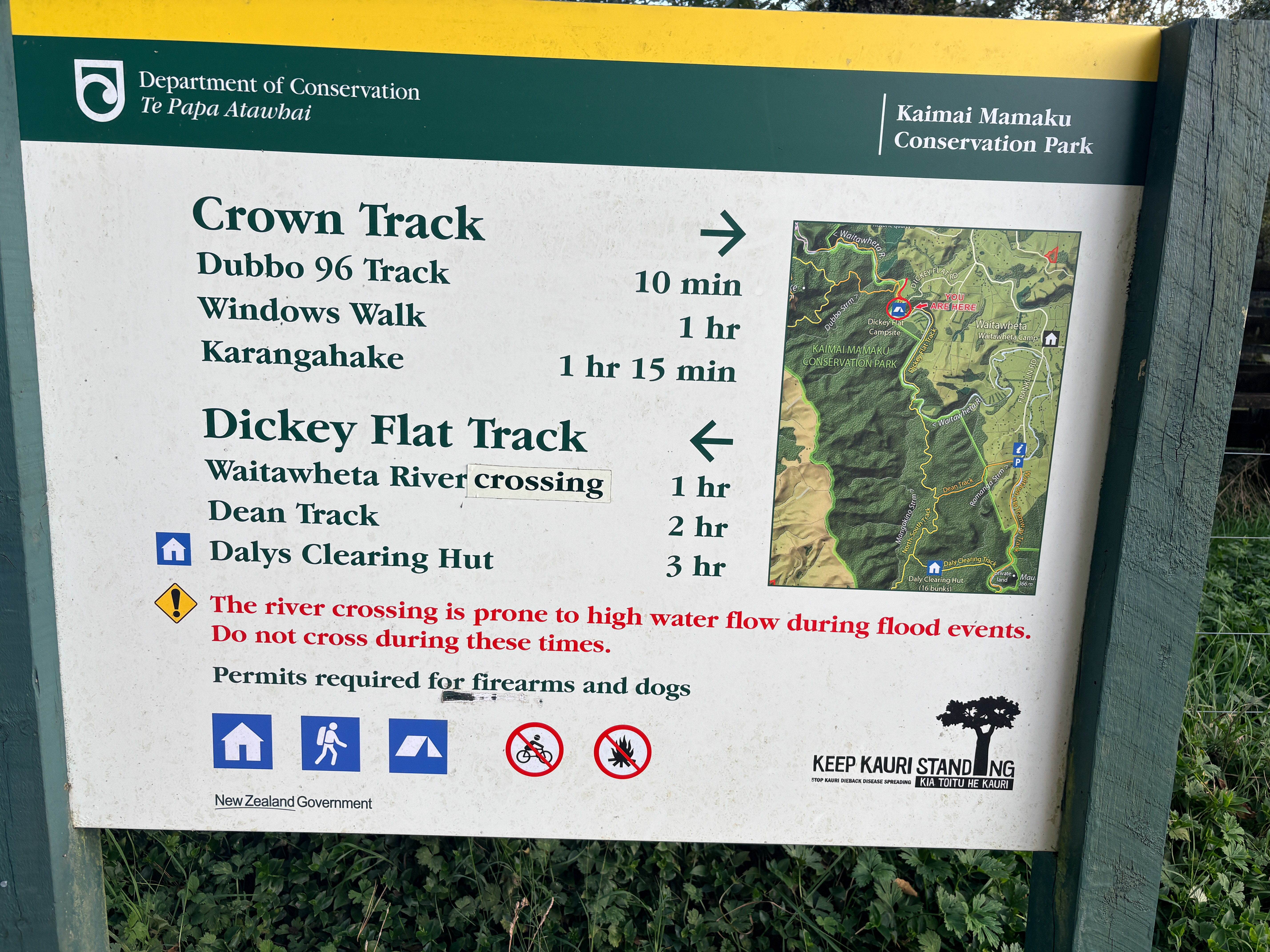
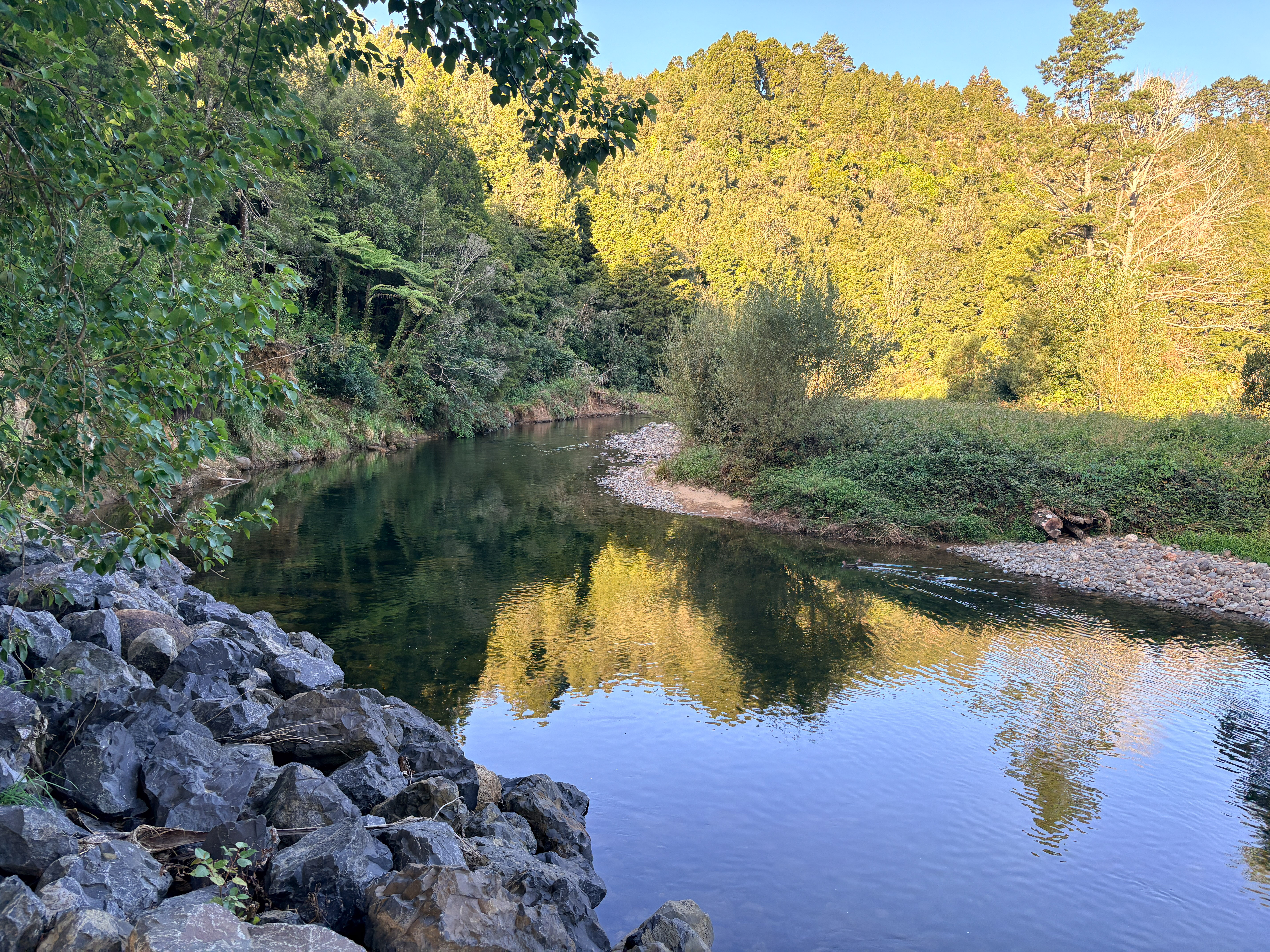
I made the decision overnight to break my funk by going somewhere that really clicked last year, the Coromandel Peninsula. First up though – laundry in Putāruru. Rather than power through another long drive, I stopped partway in the Karangahake Gorge area, camping at Dickey Flats DOC. Dickey Flats is in a great location along water and adjacent to a great trail system. The only downside is it is a bit close to civilization and it was my first time seeing graffiti in my travels in New Zealand. It looks like the campsite gets a weekend party crowd, and I missed that so all was good.
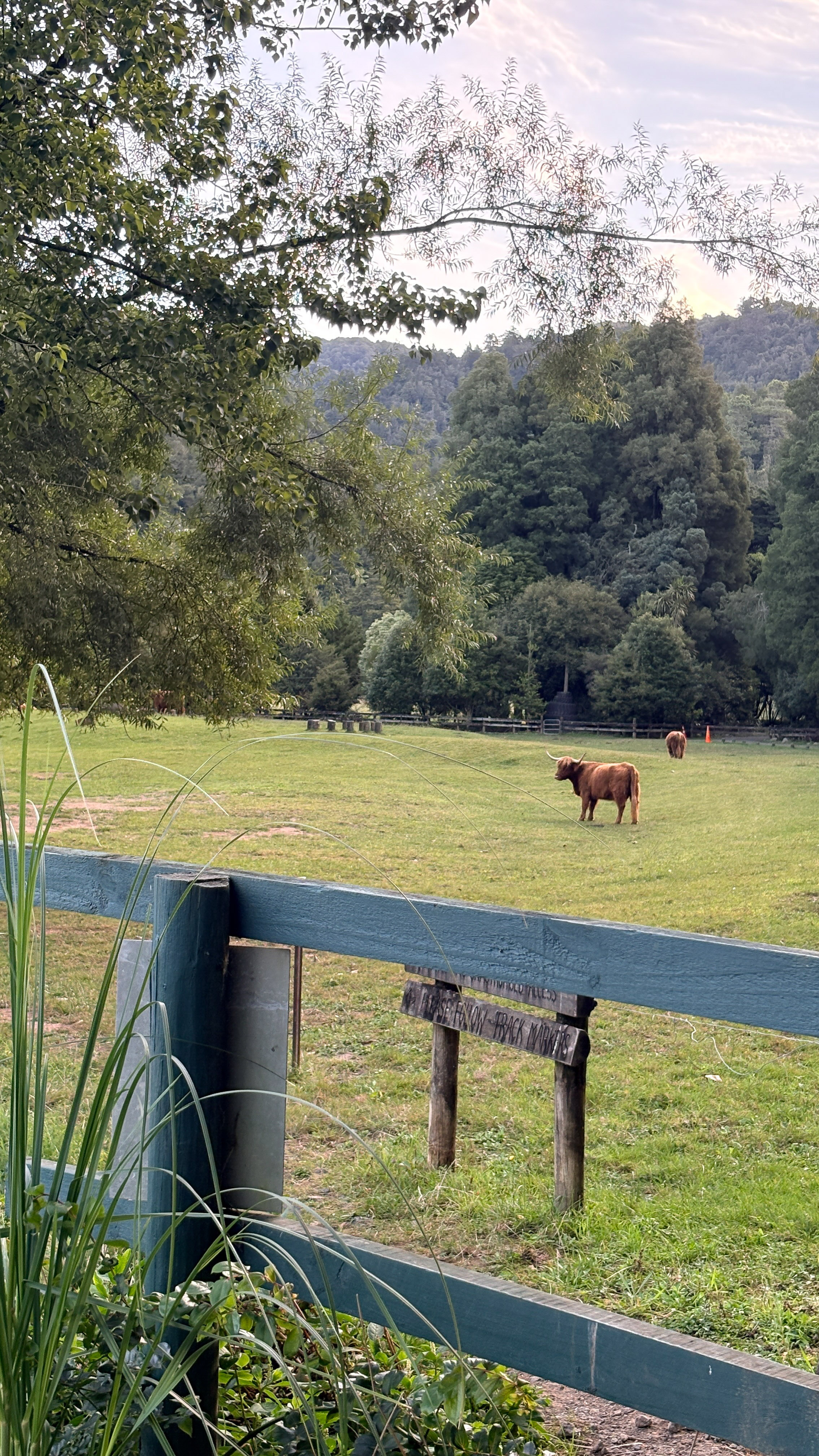
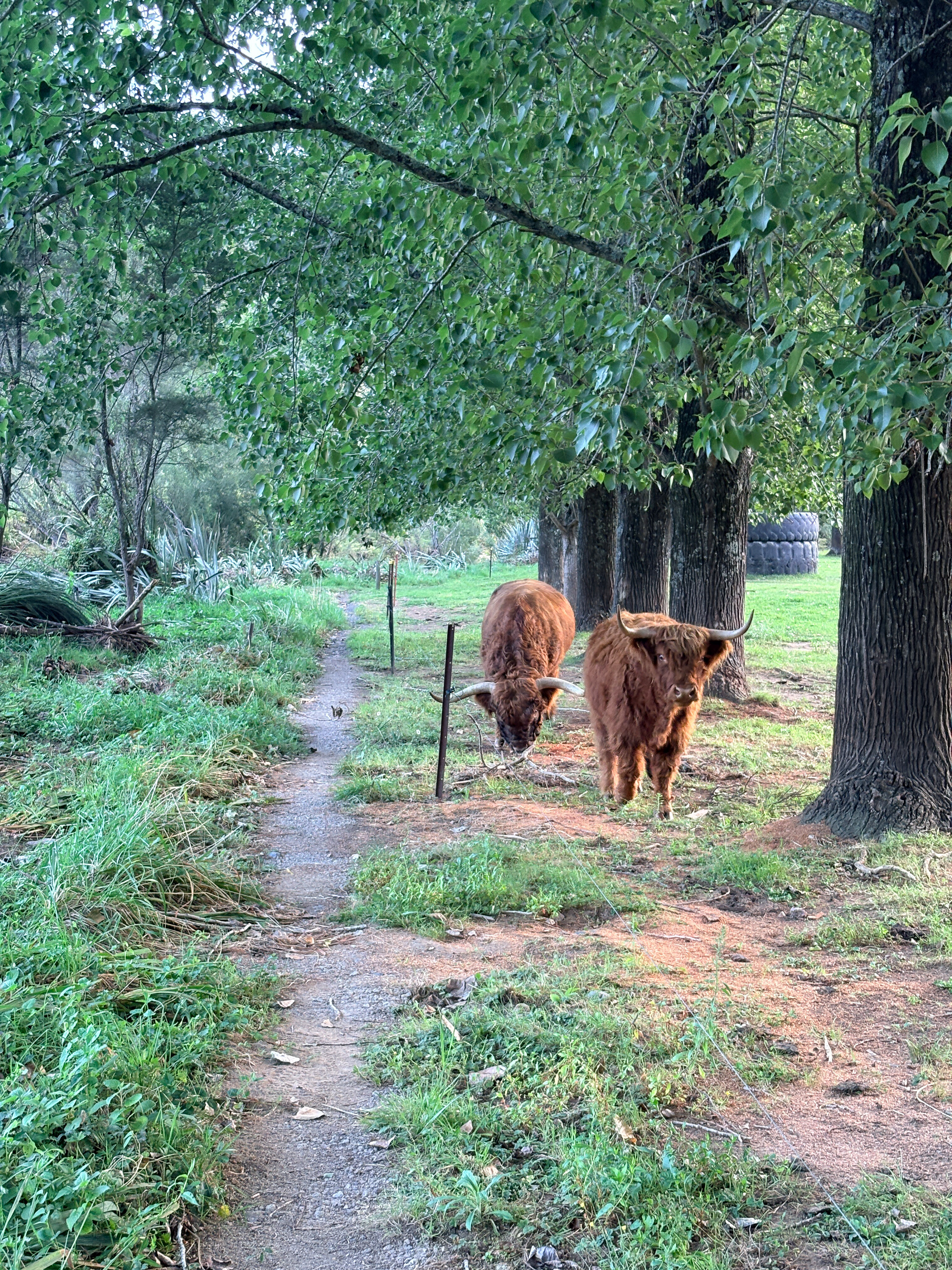
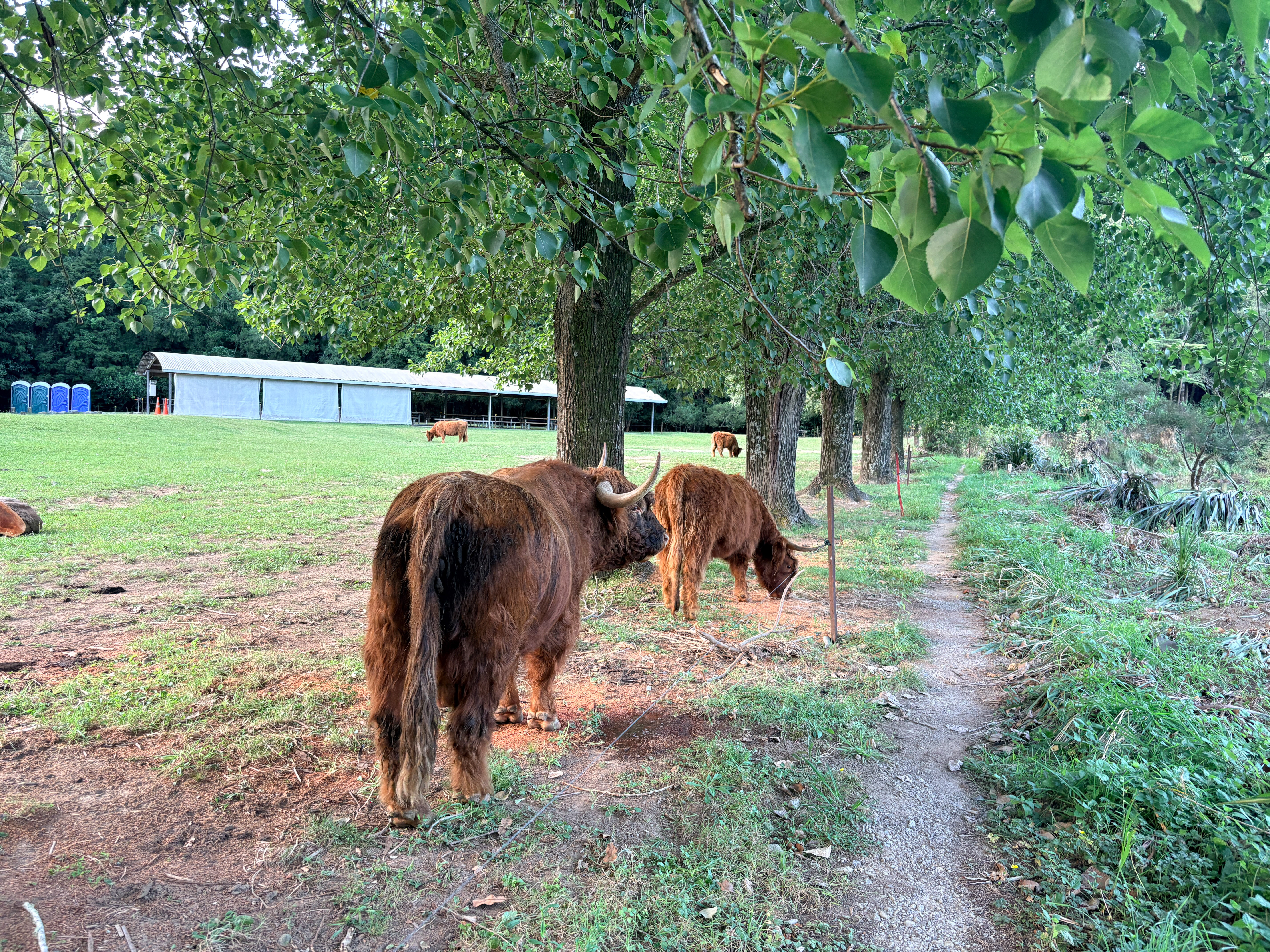
From the campsite, I hiked some of the trails along the river, said hello to some bulls at a farm the trail edged, and called it a night.

Day 12 ( March 5)
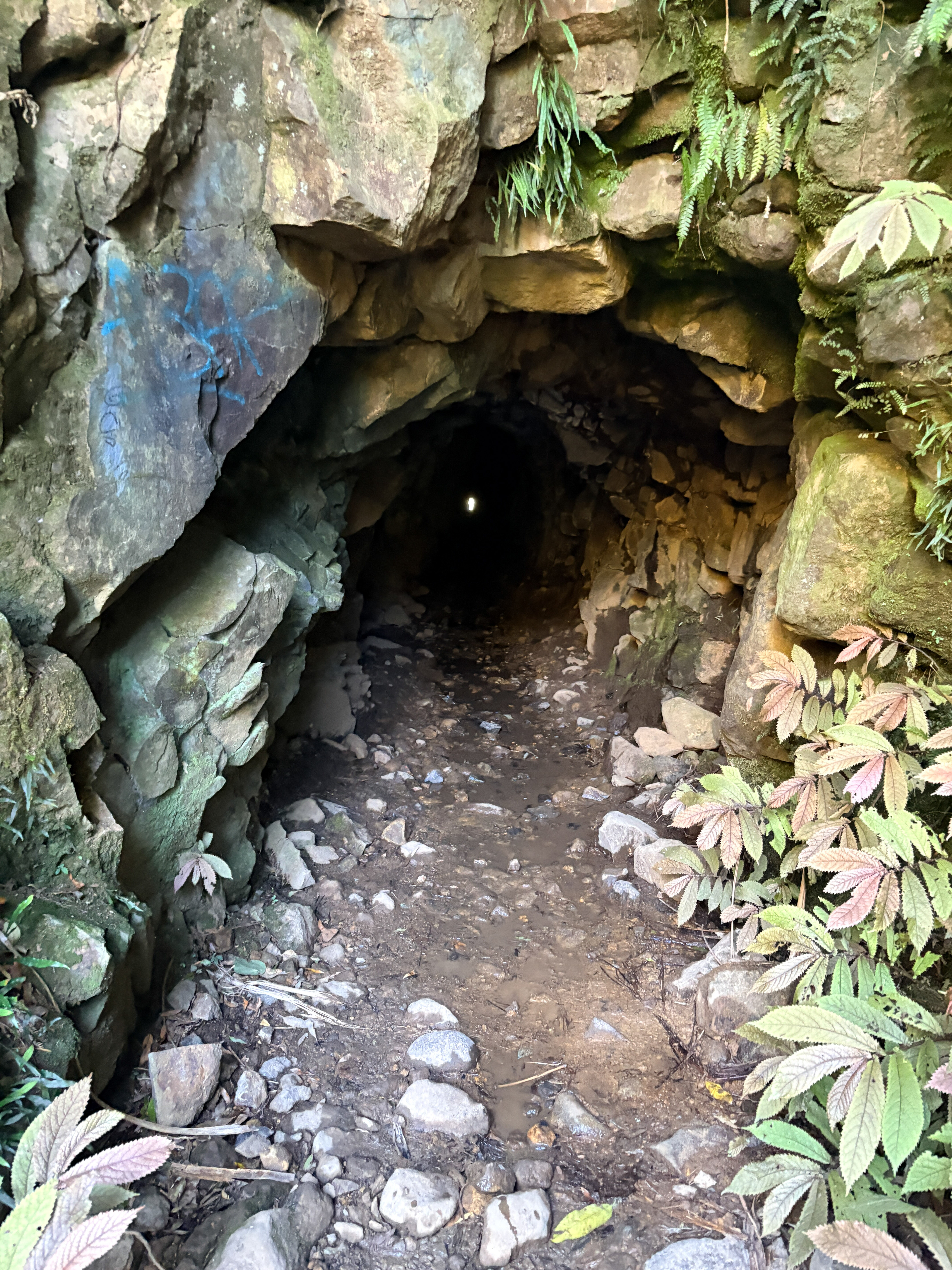
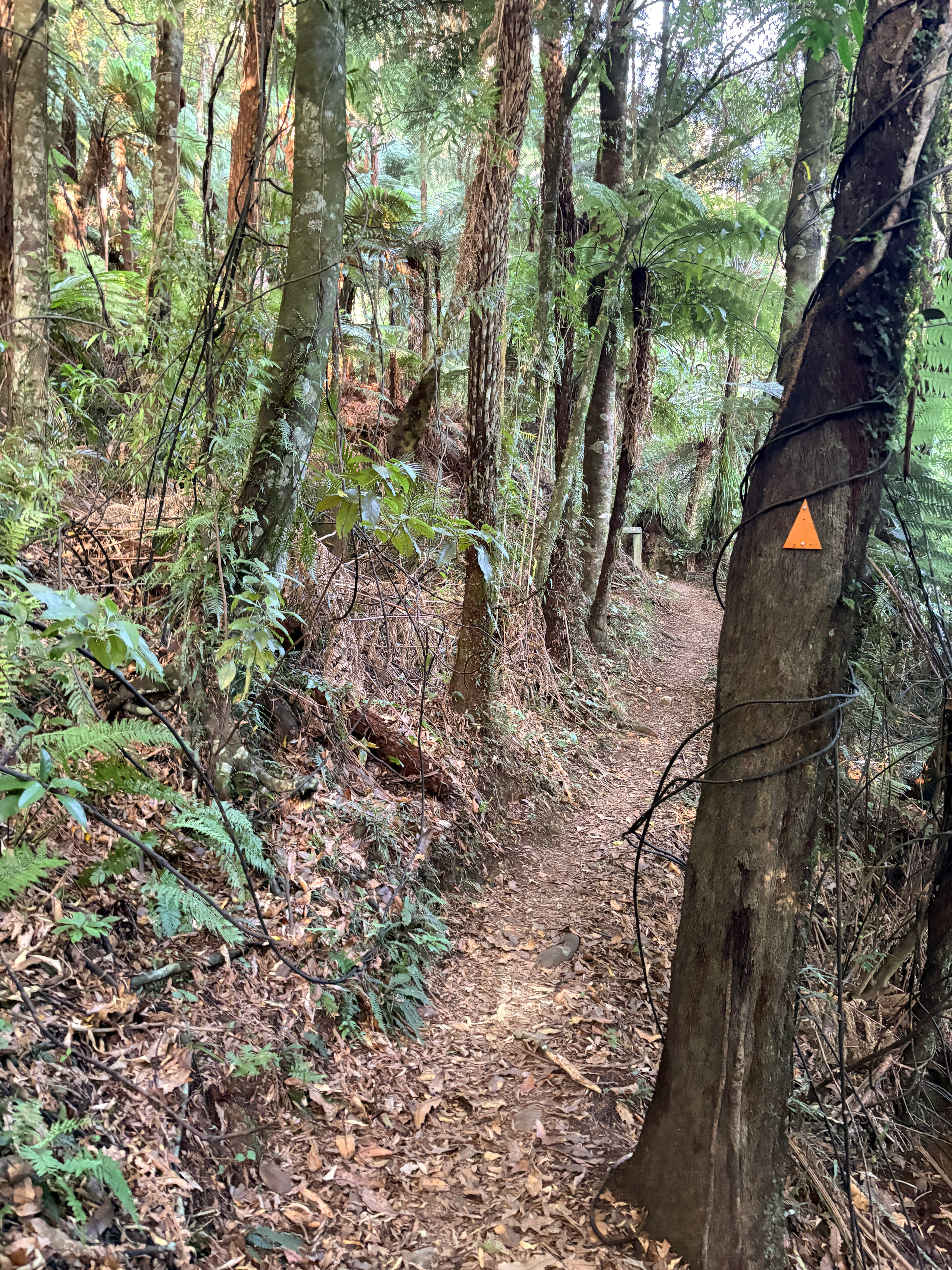
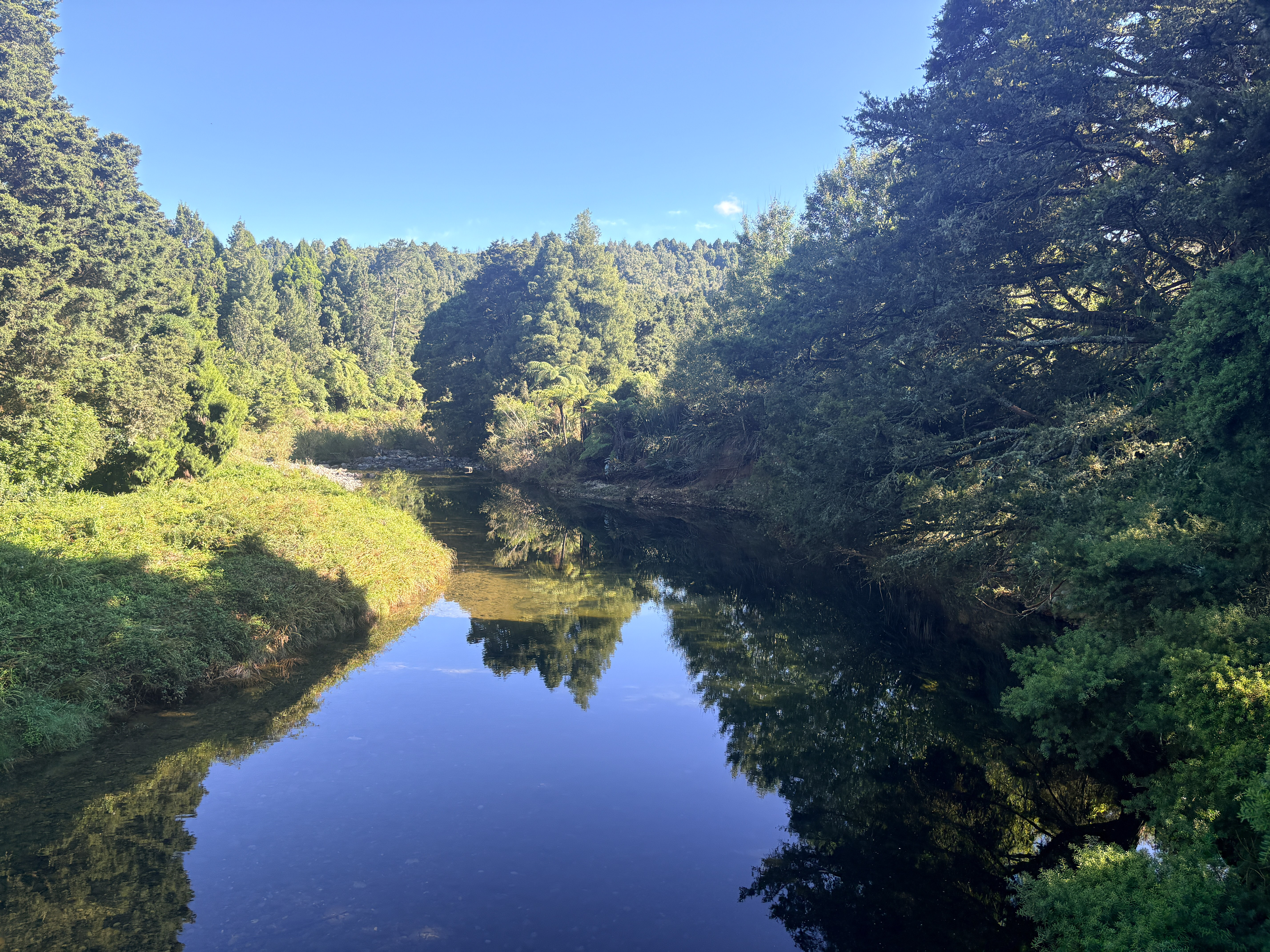
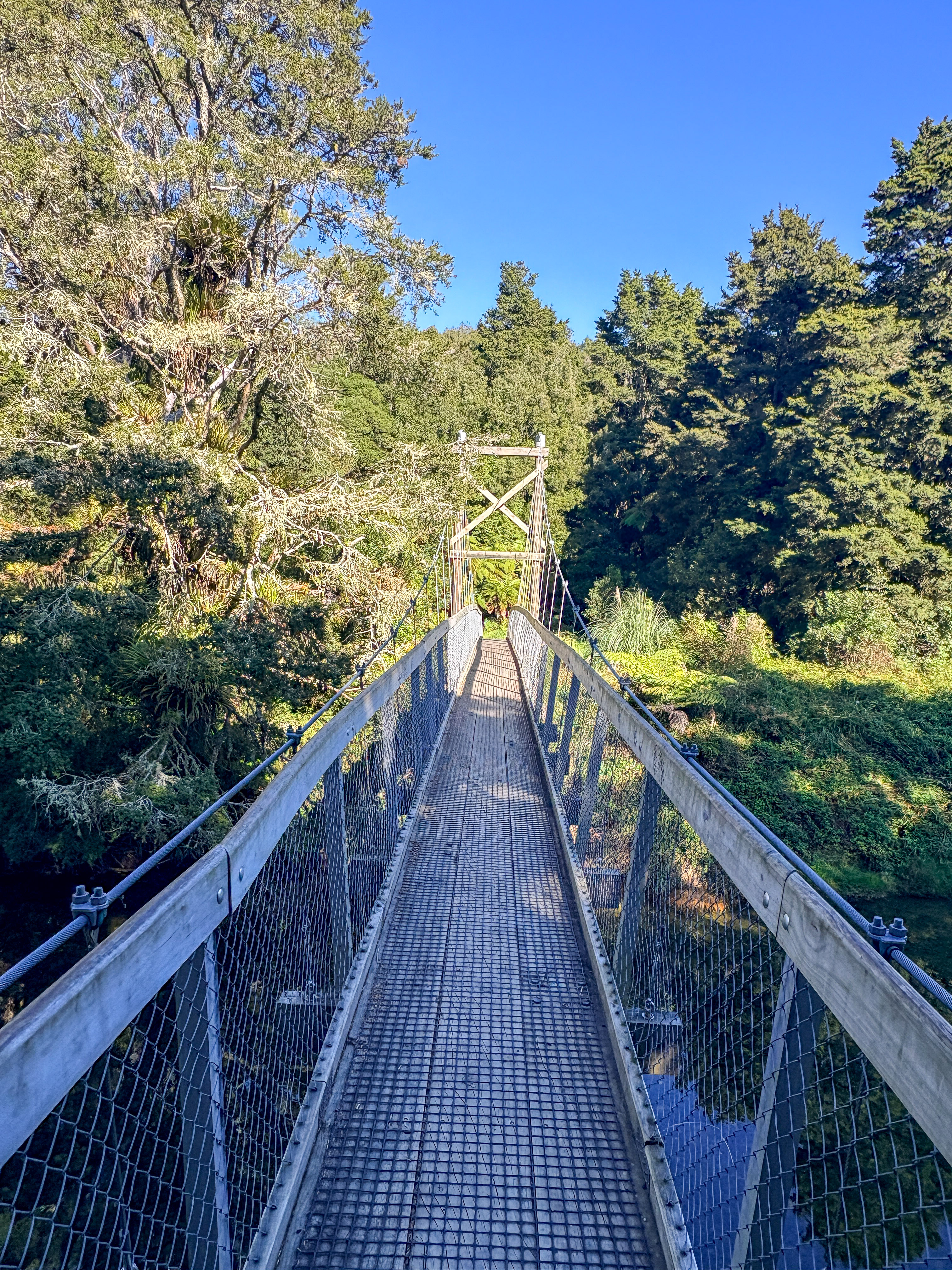
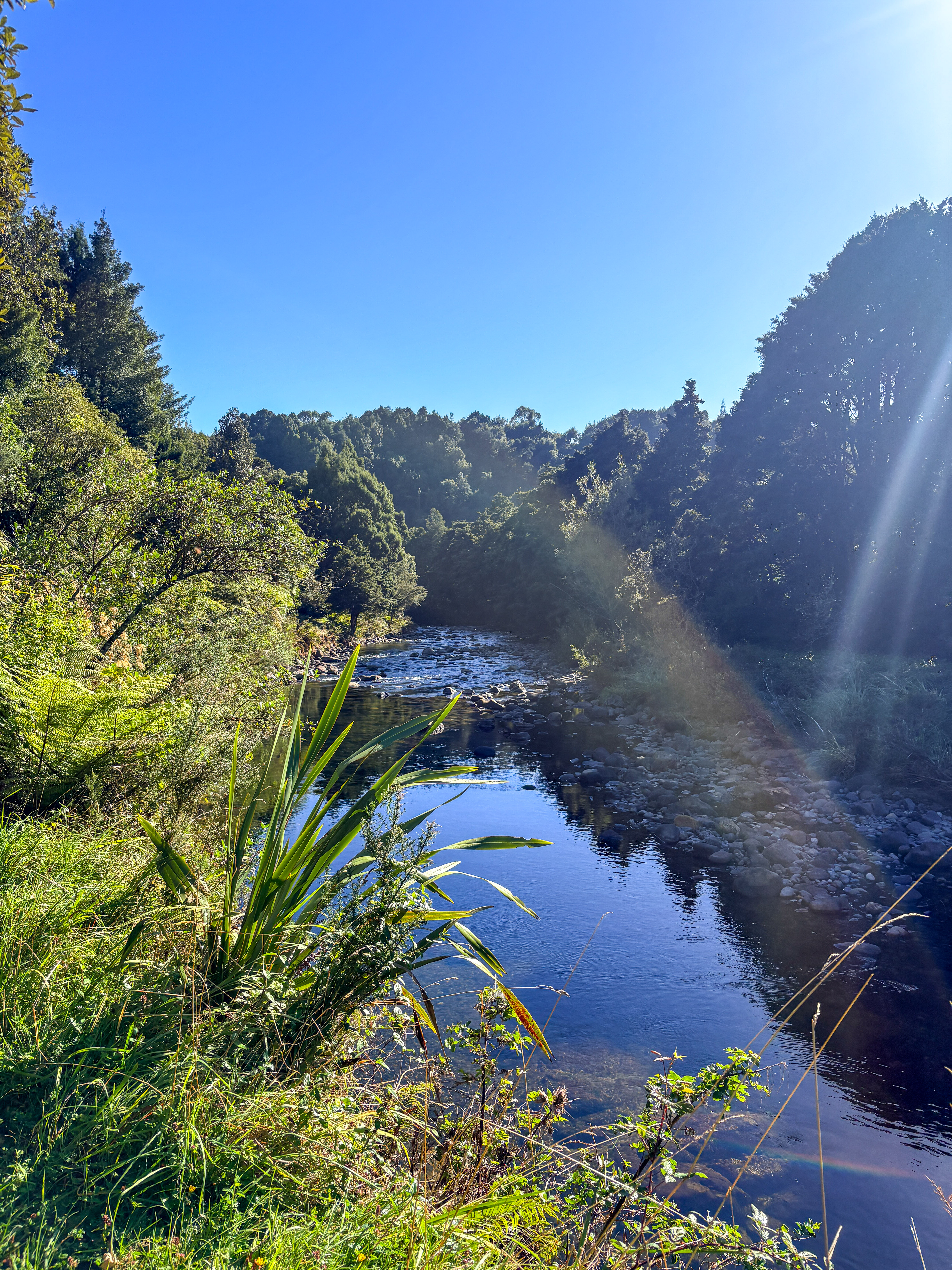
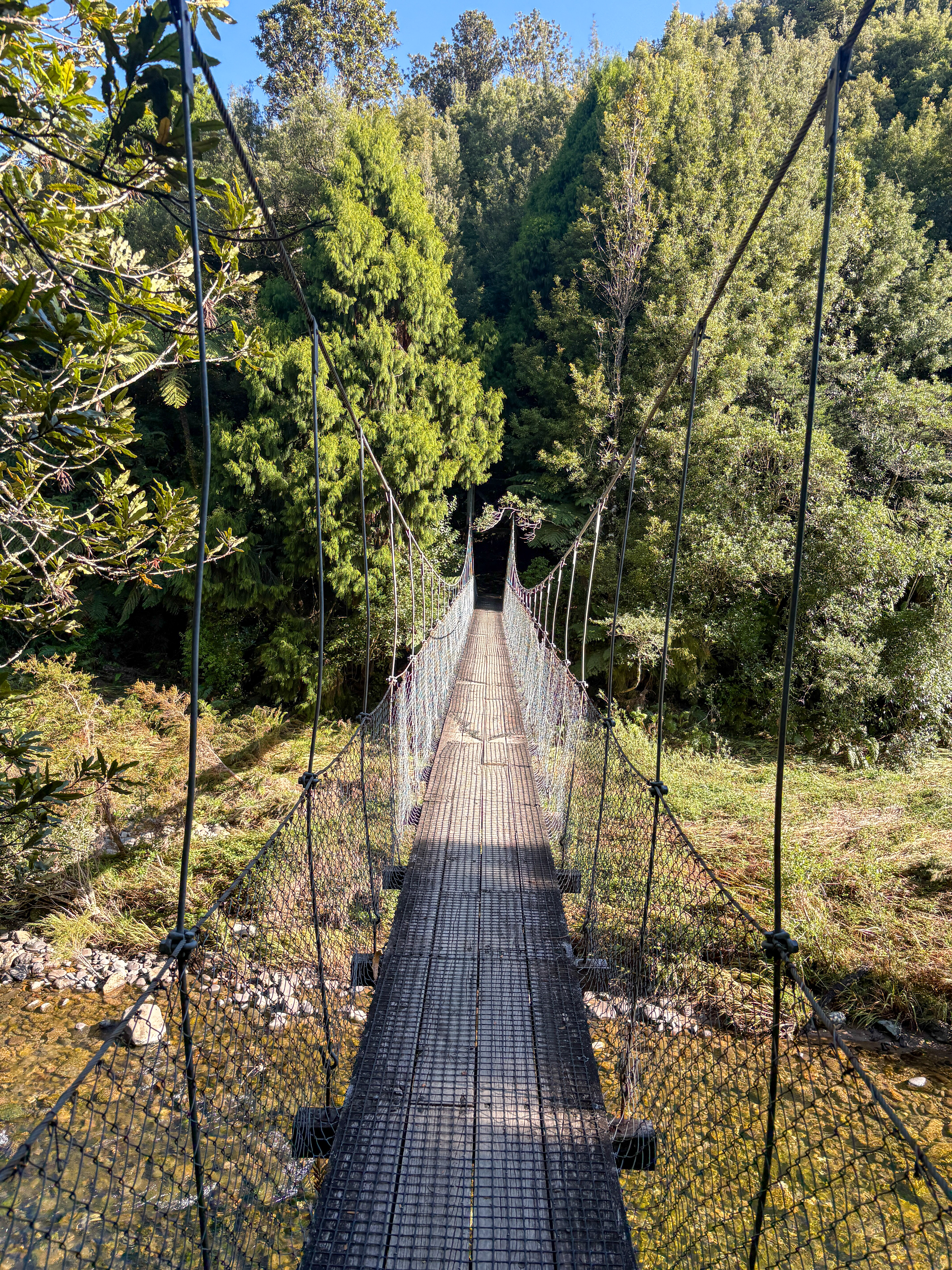
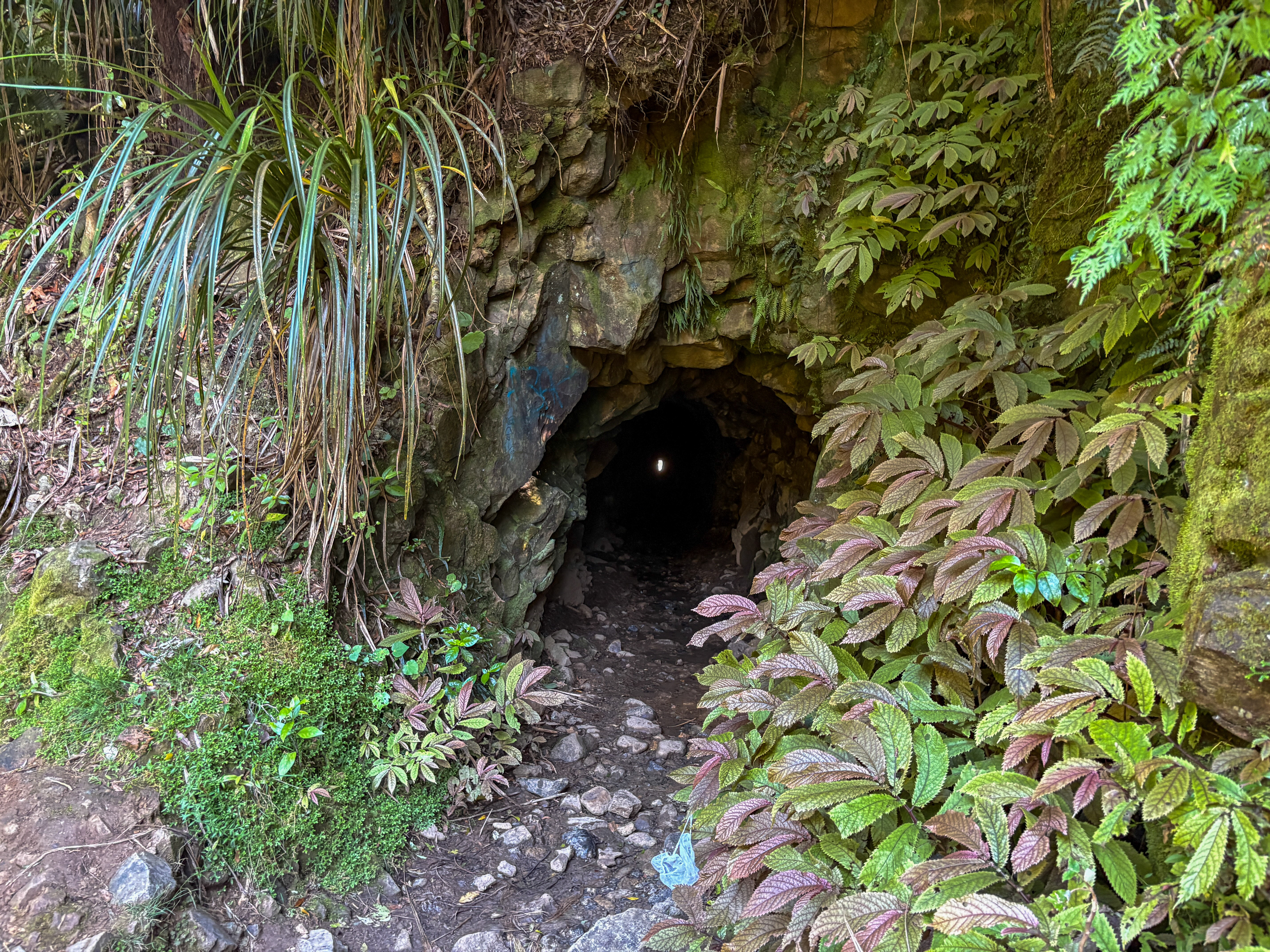
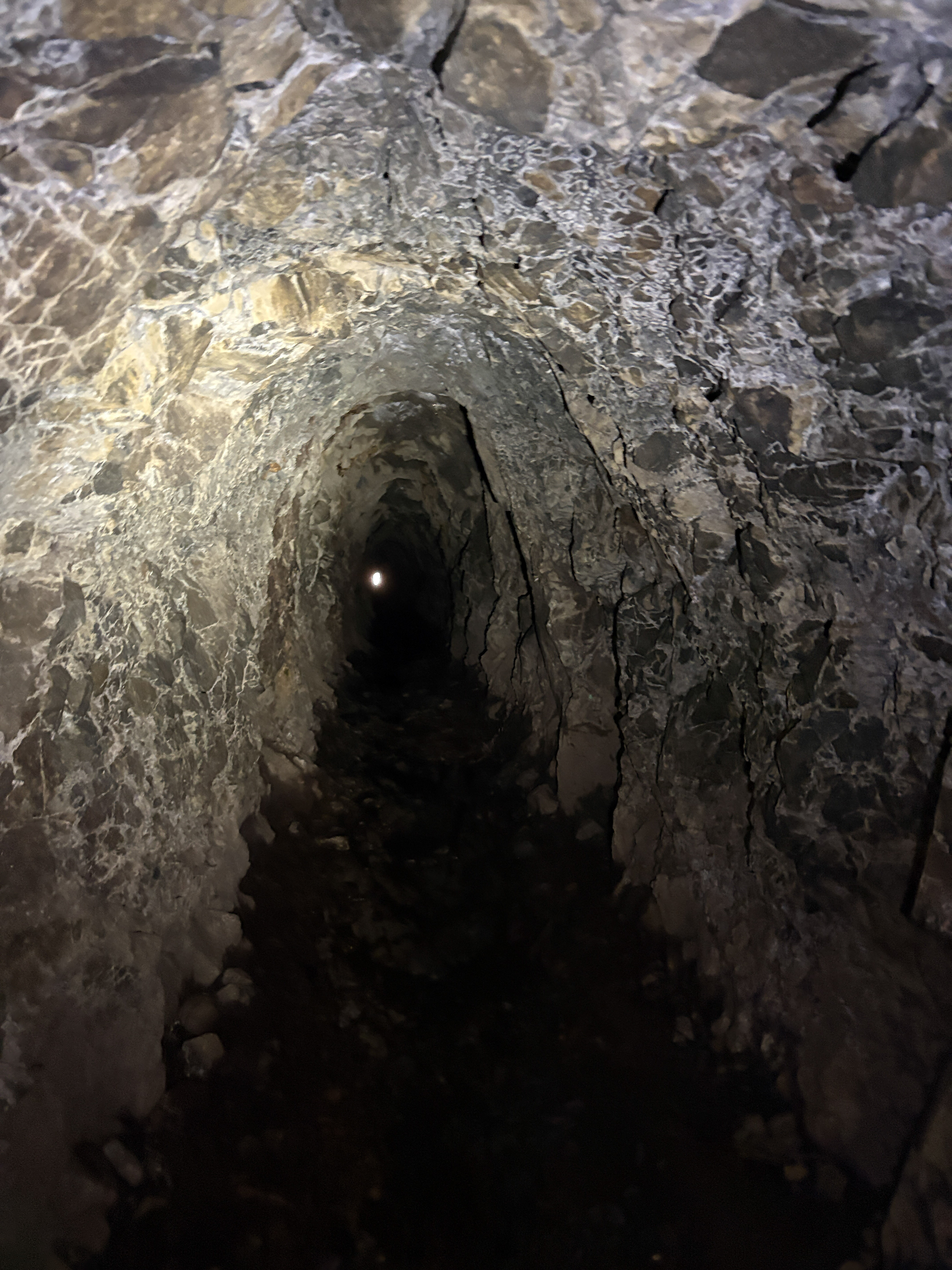
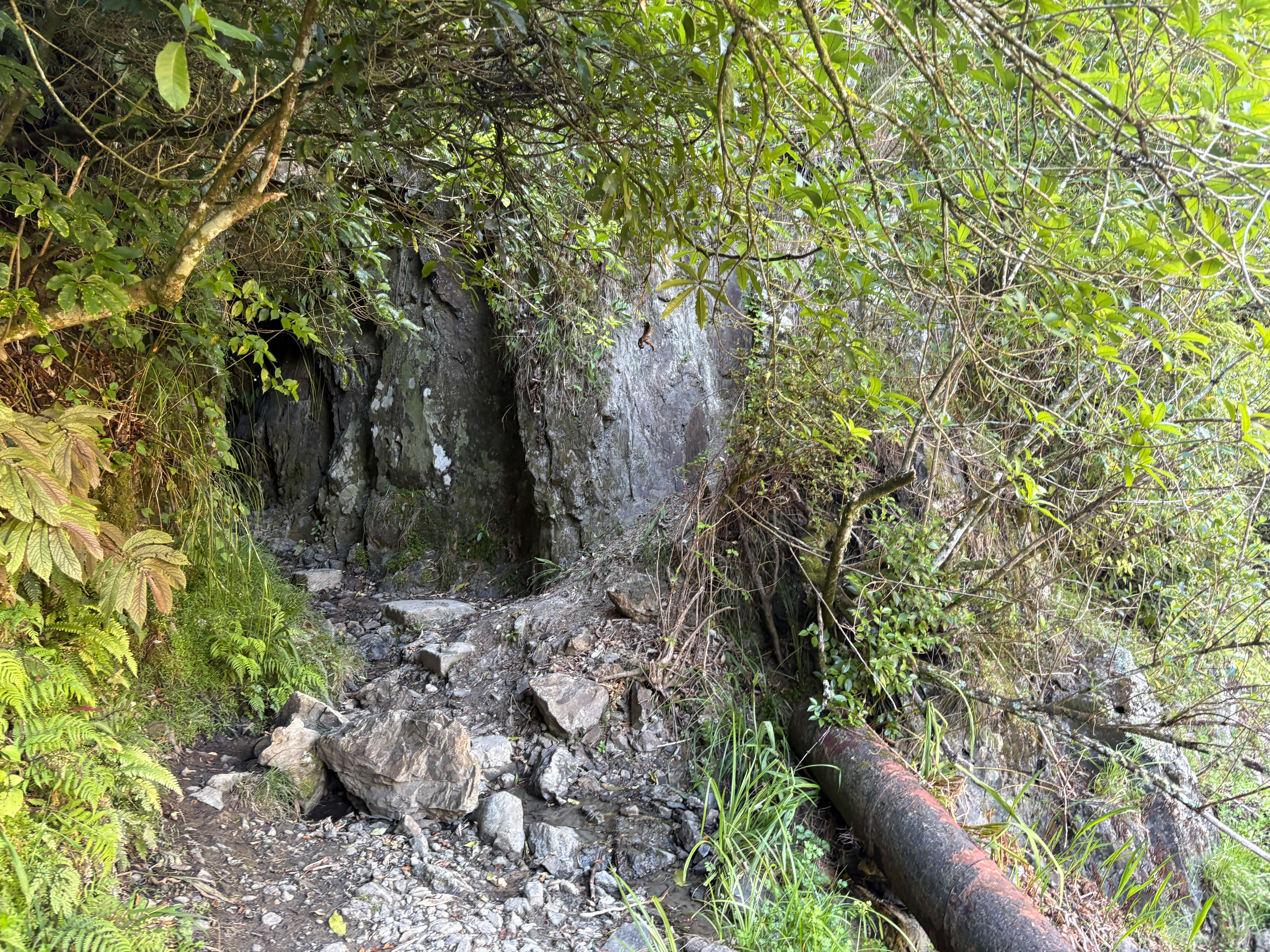
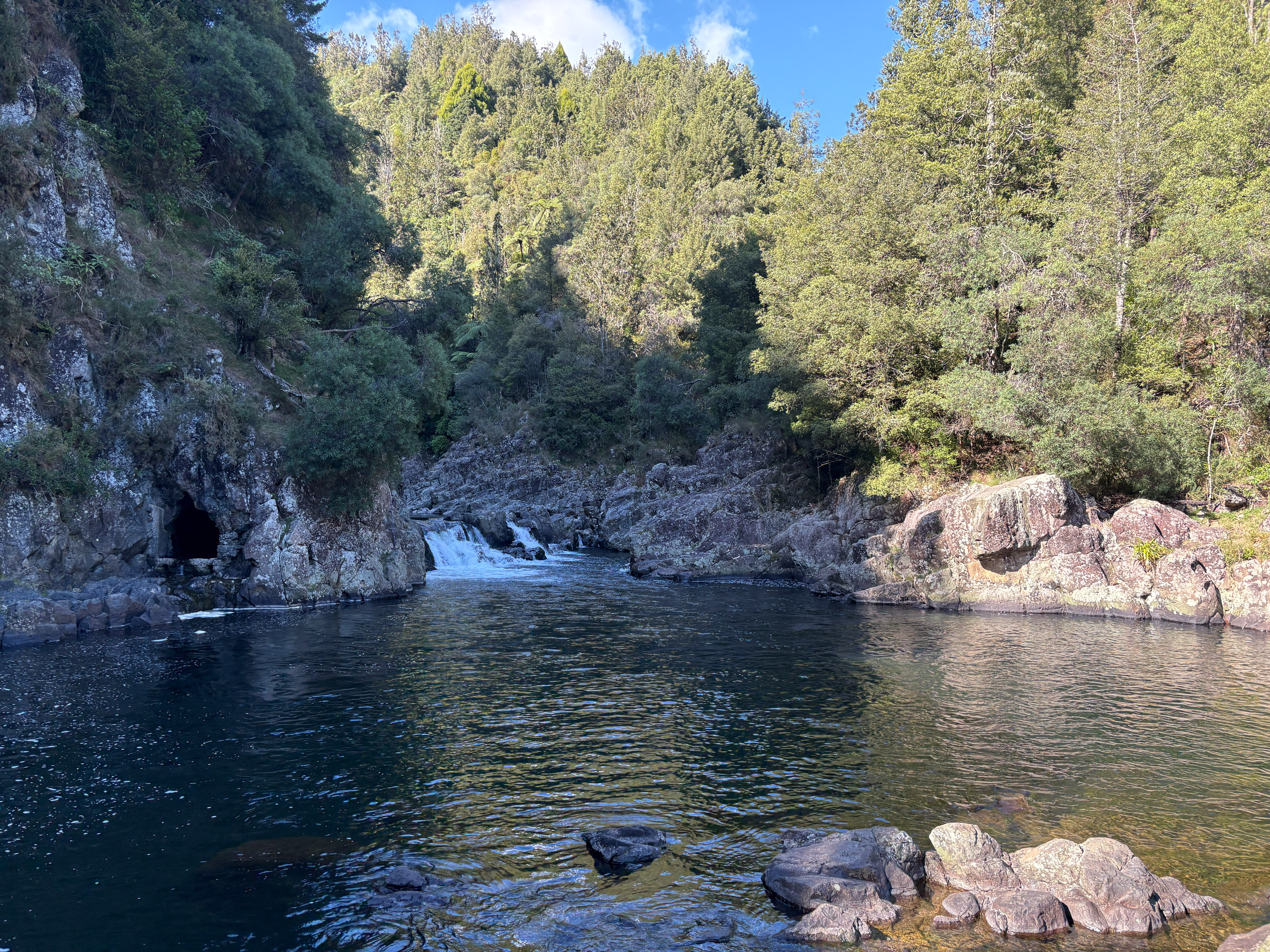
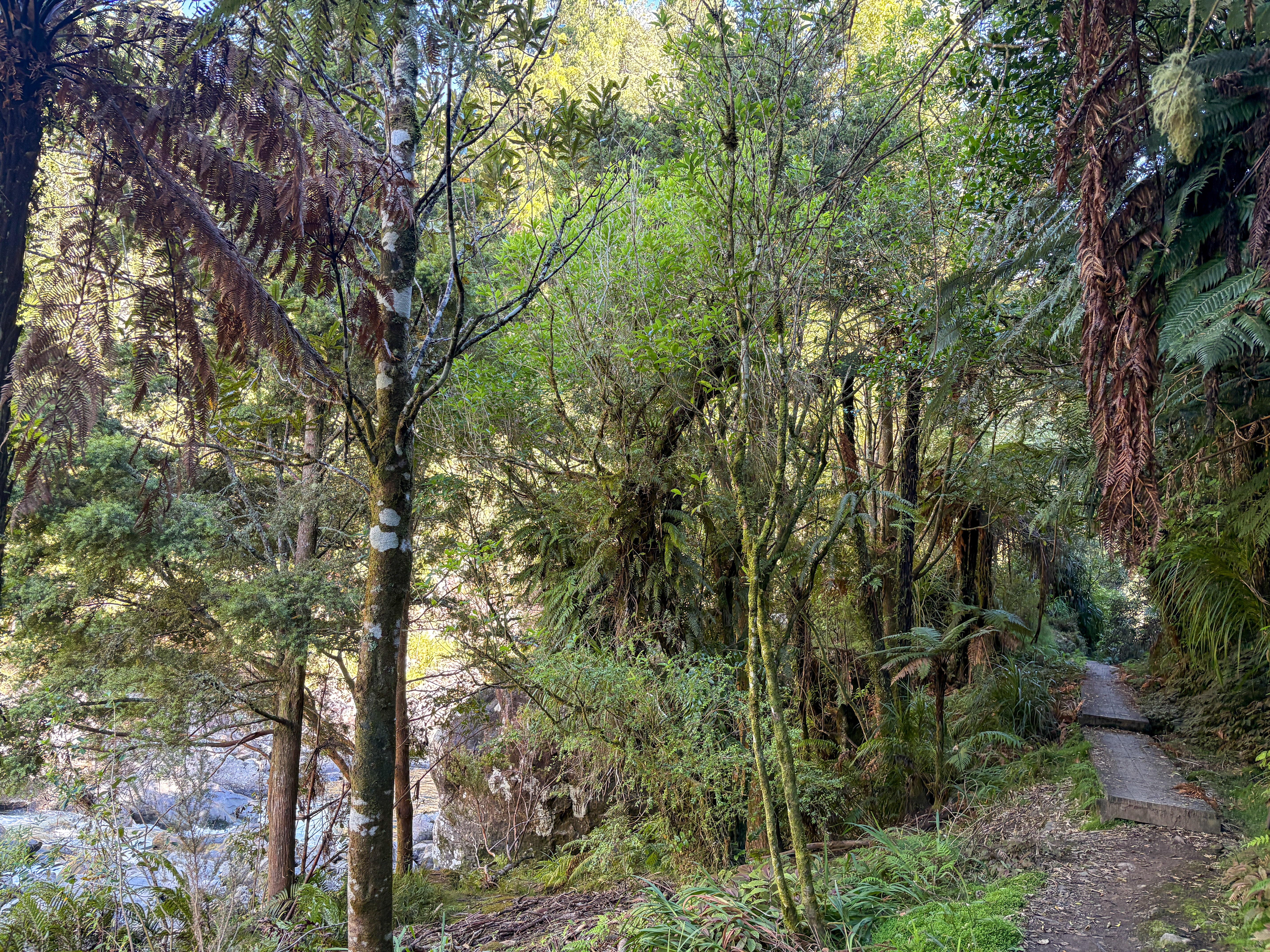
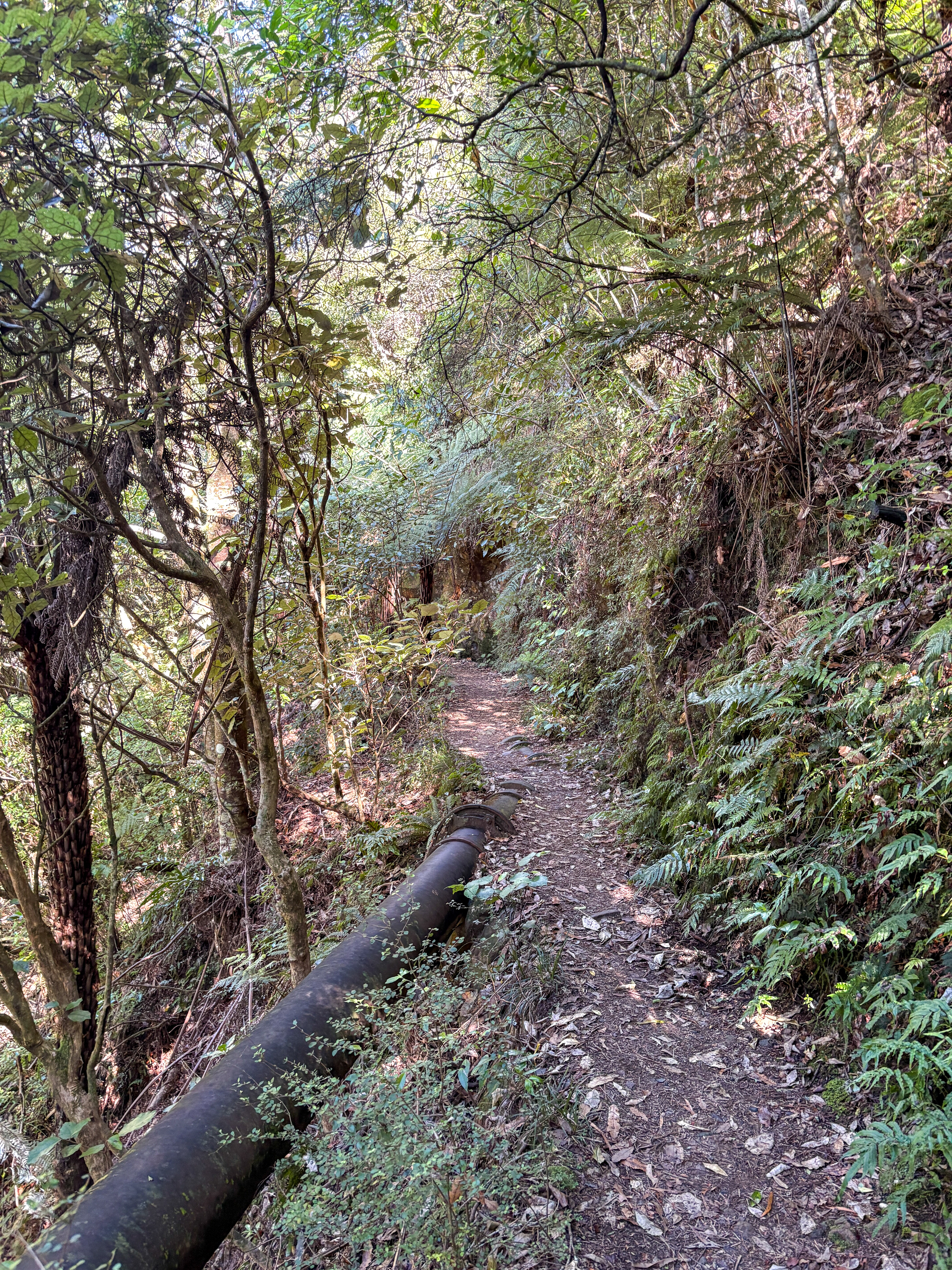
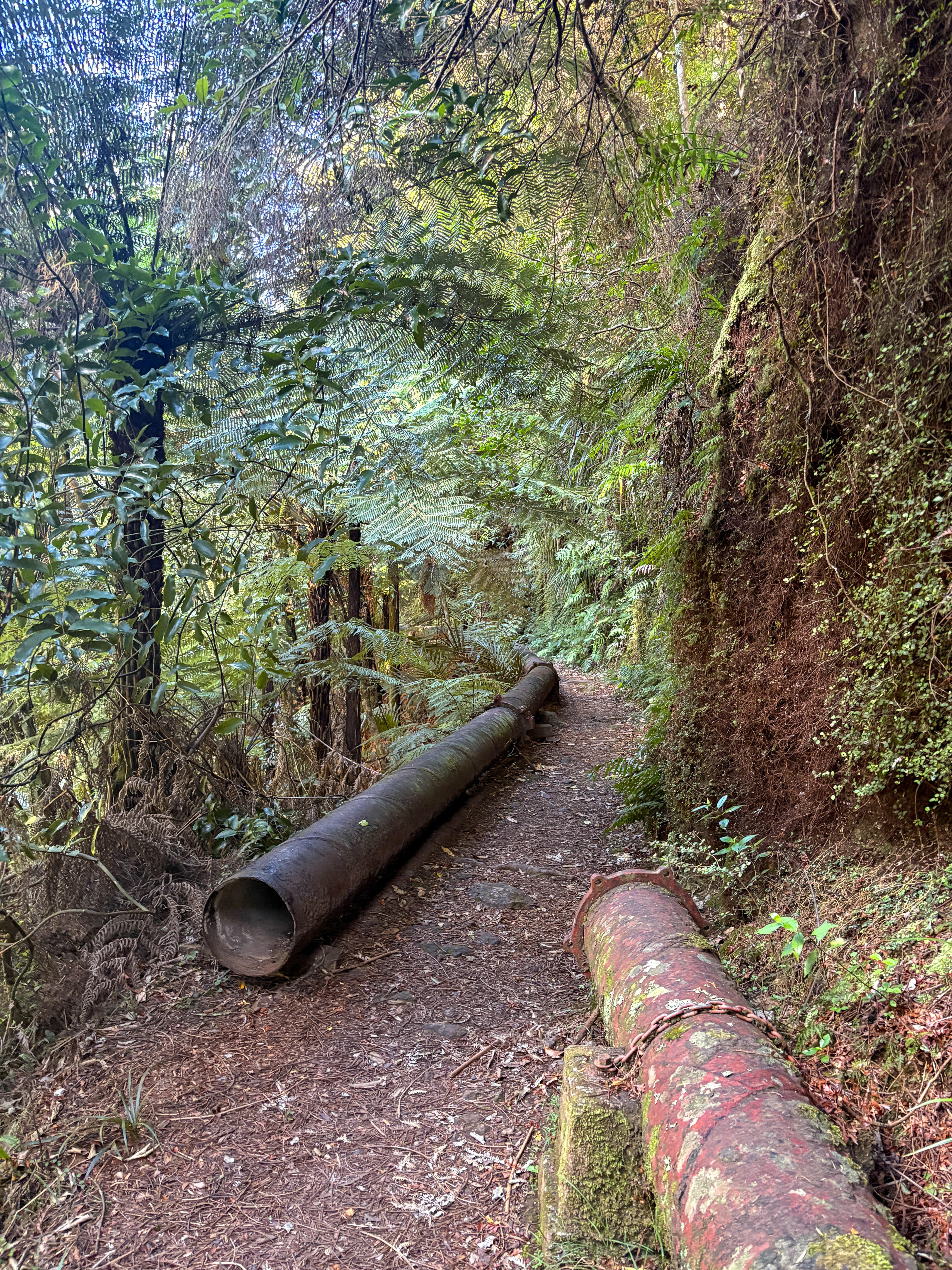
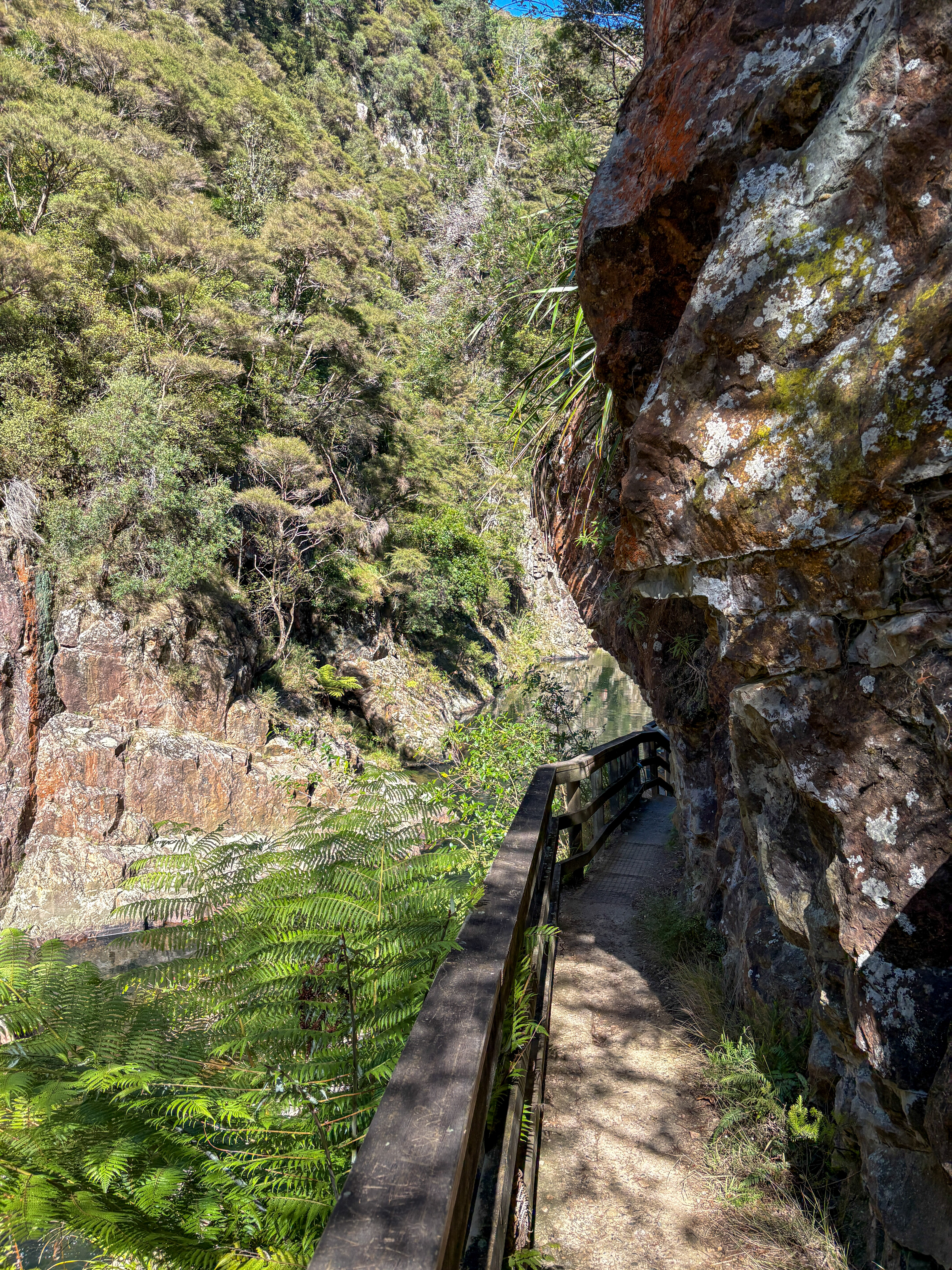
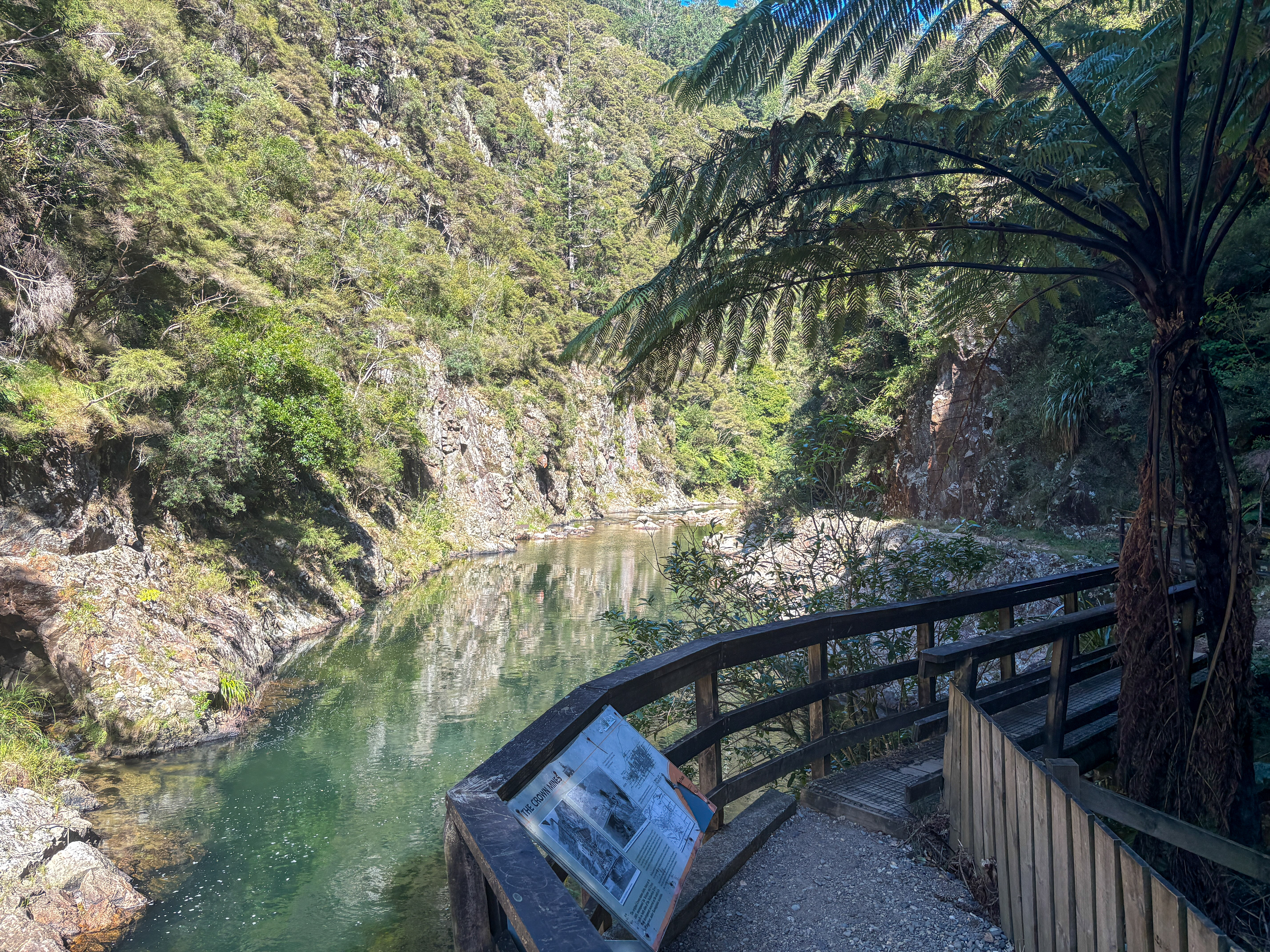
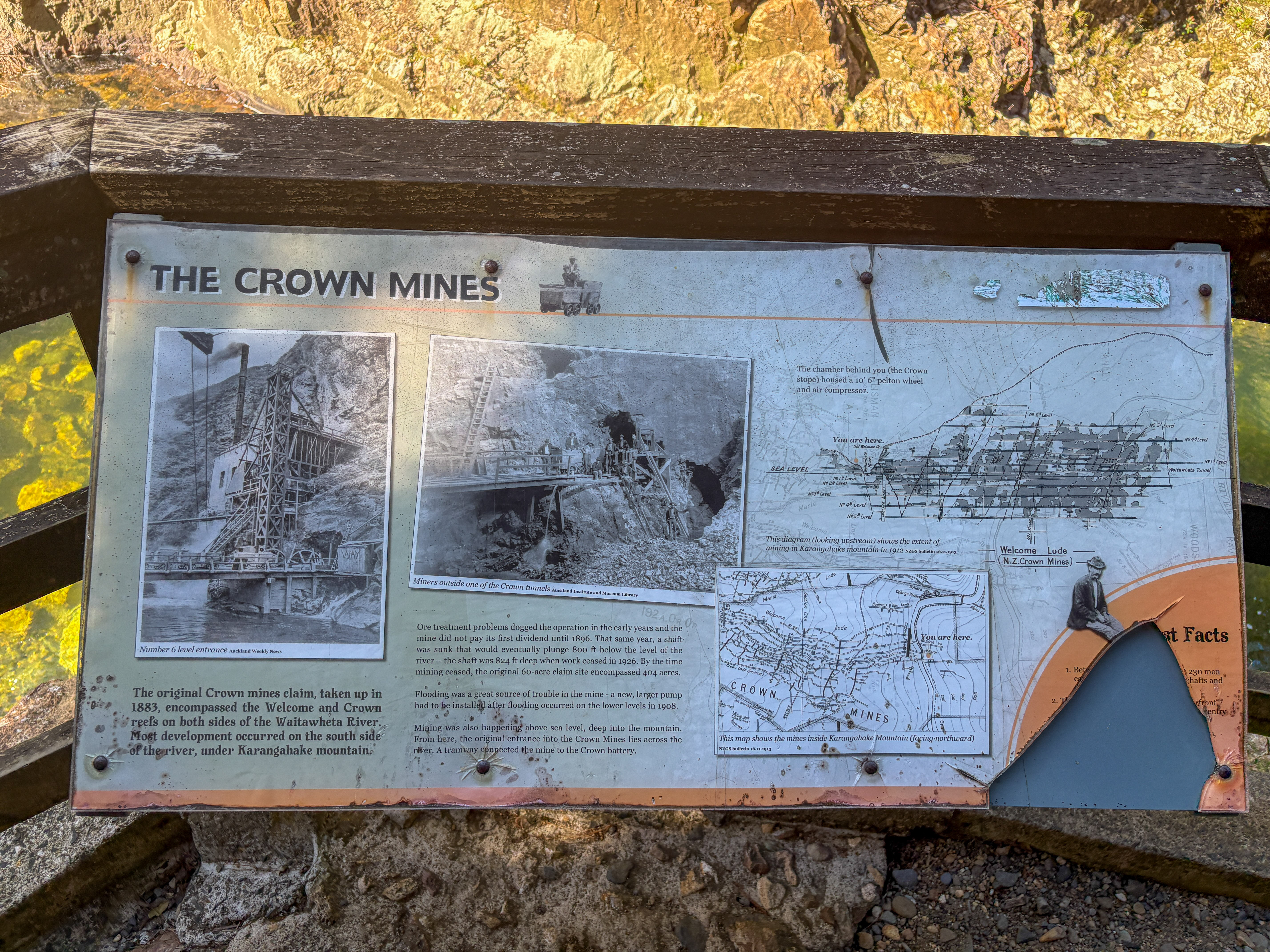
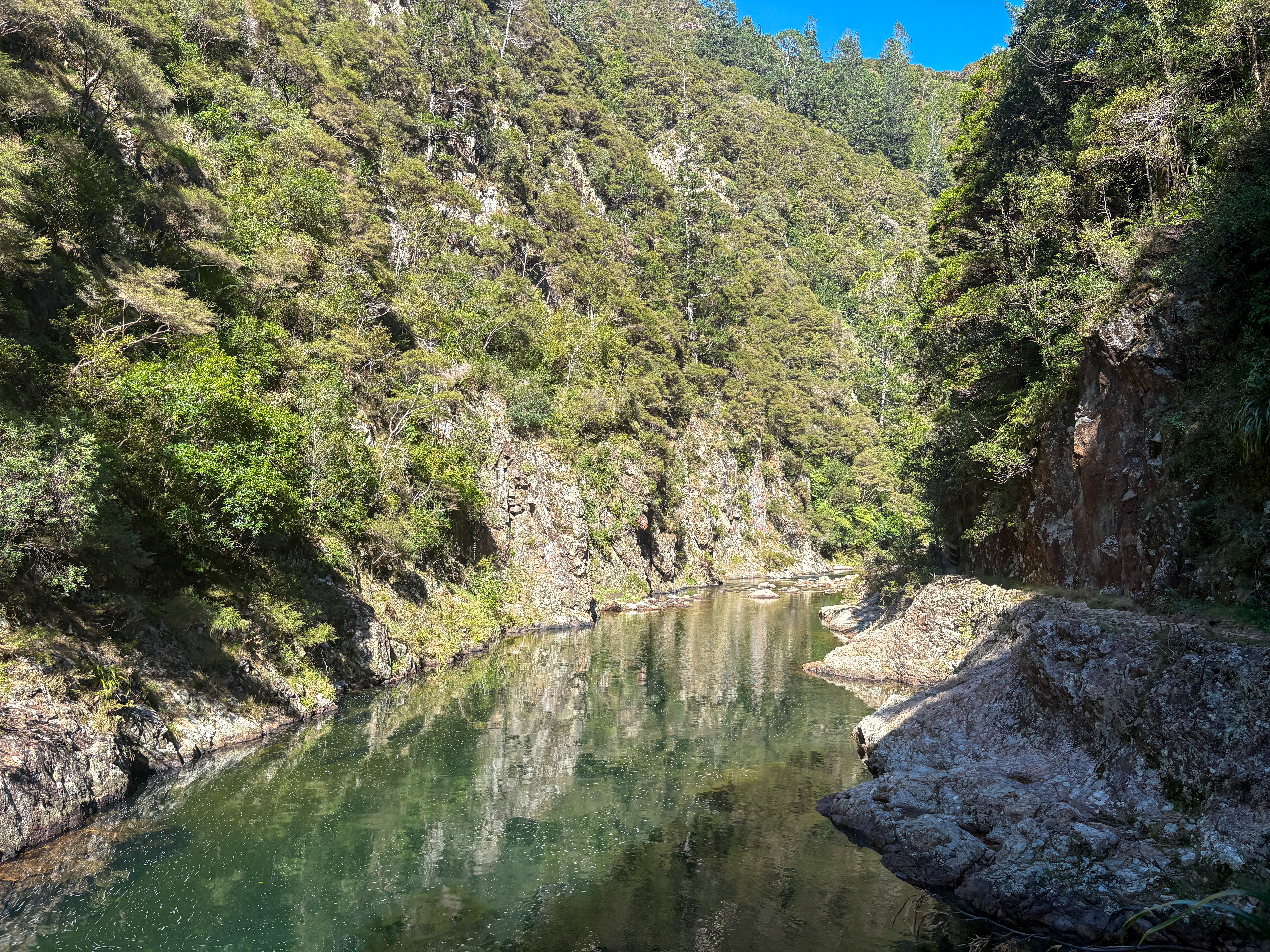
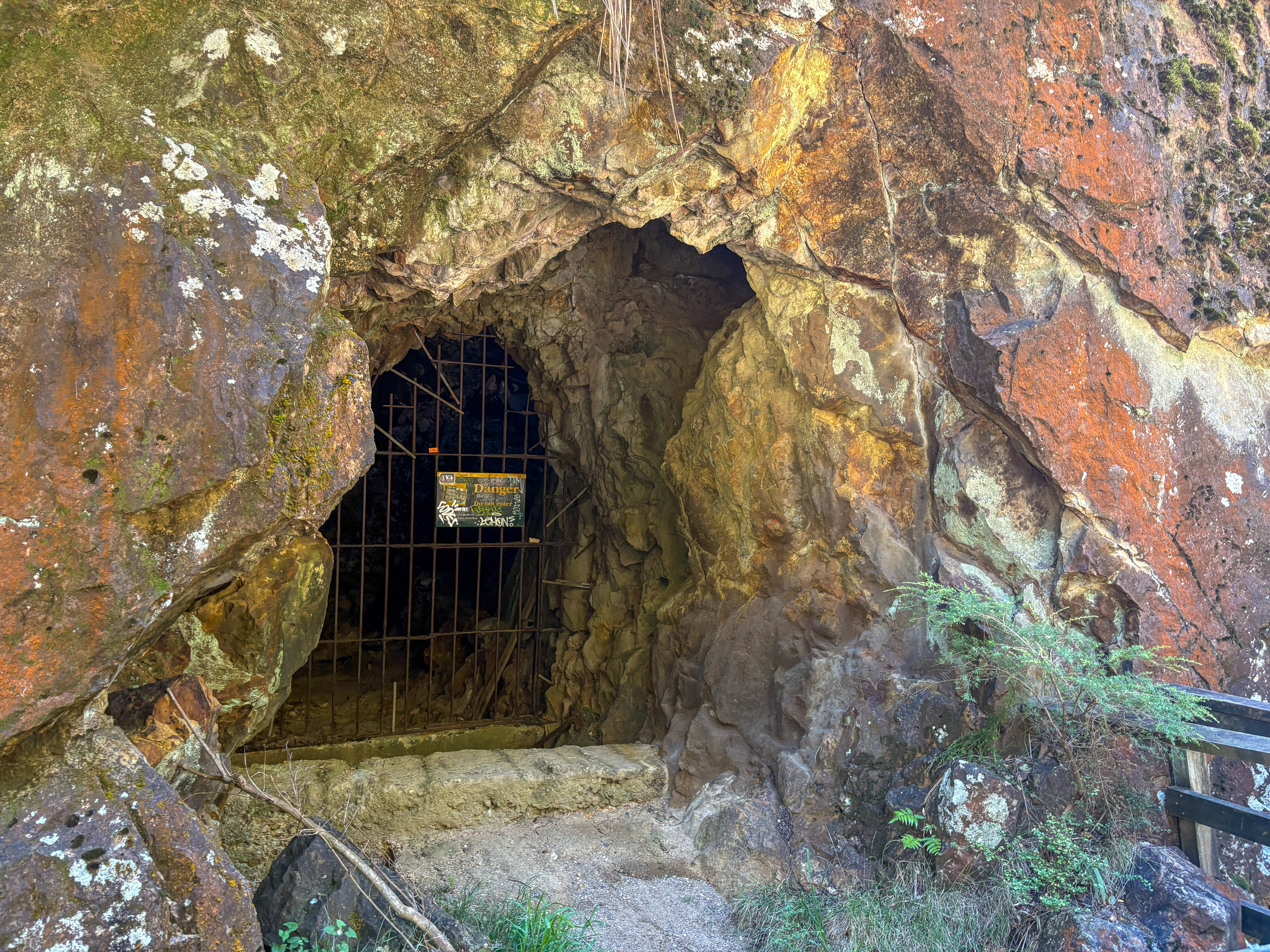
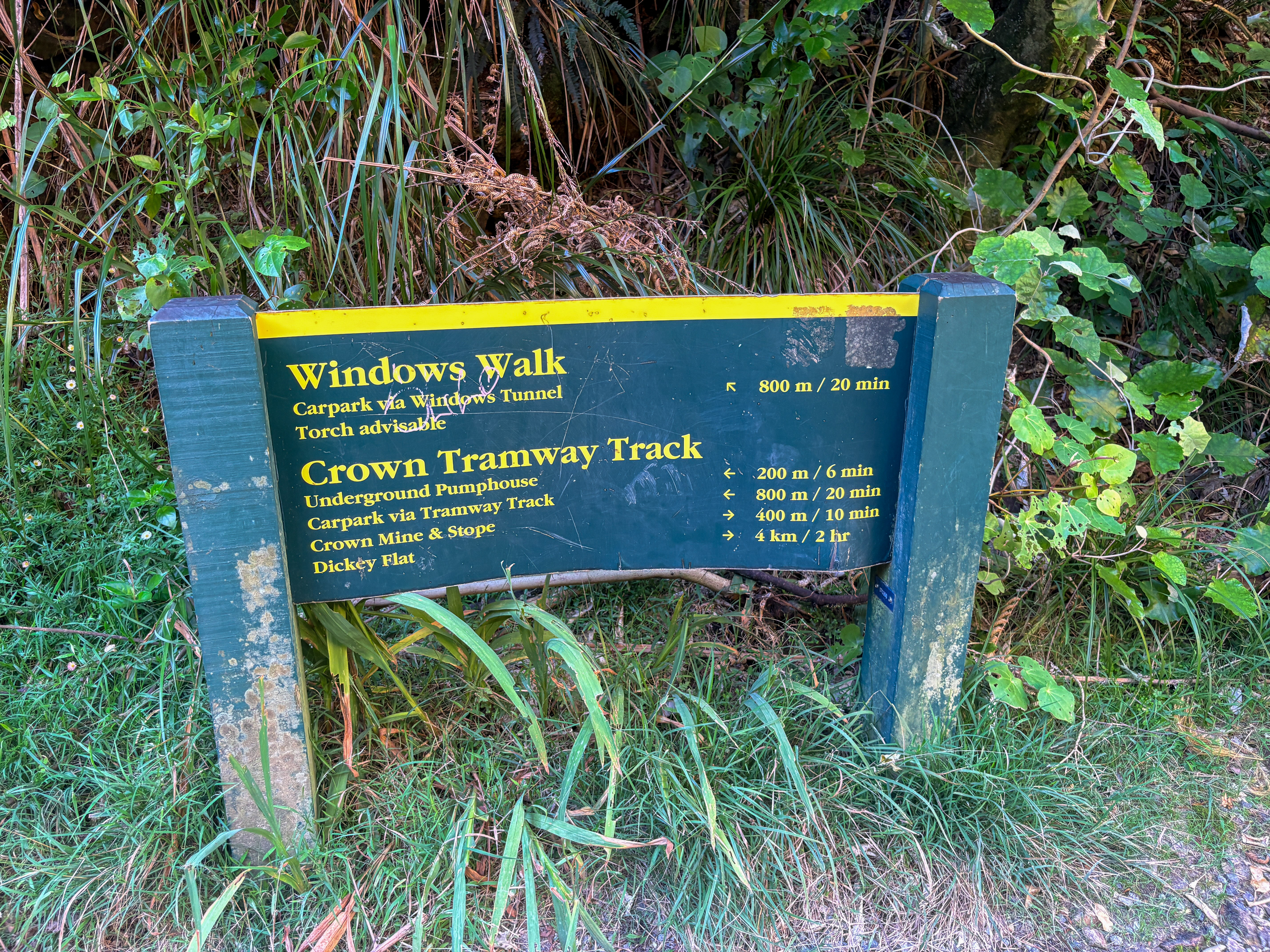
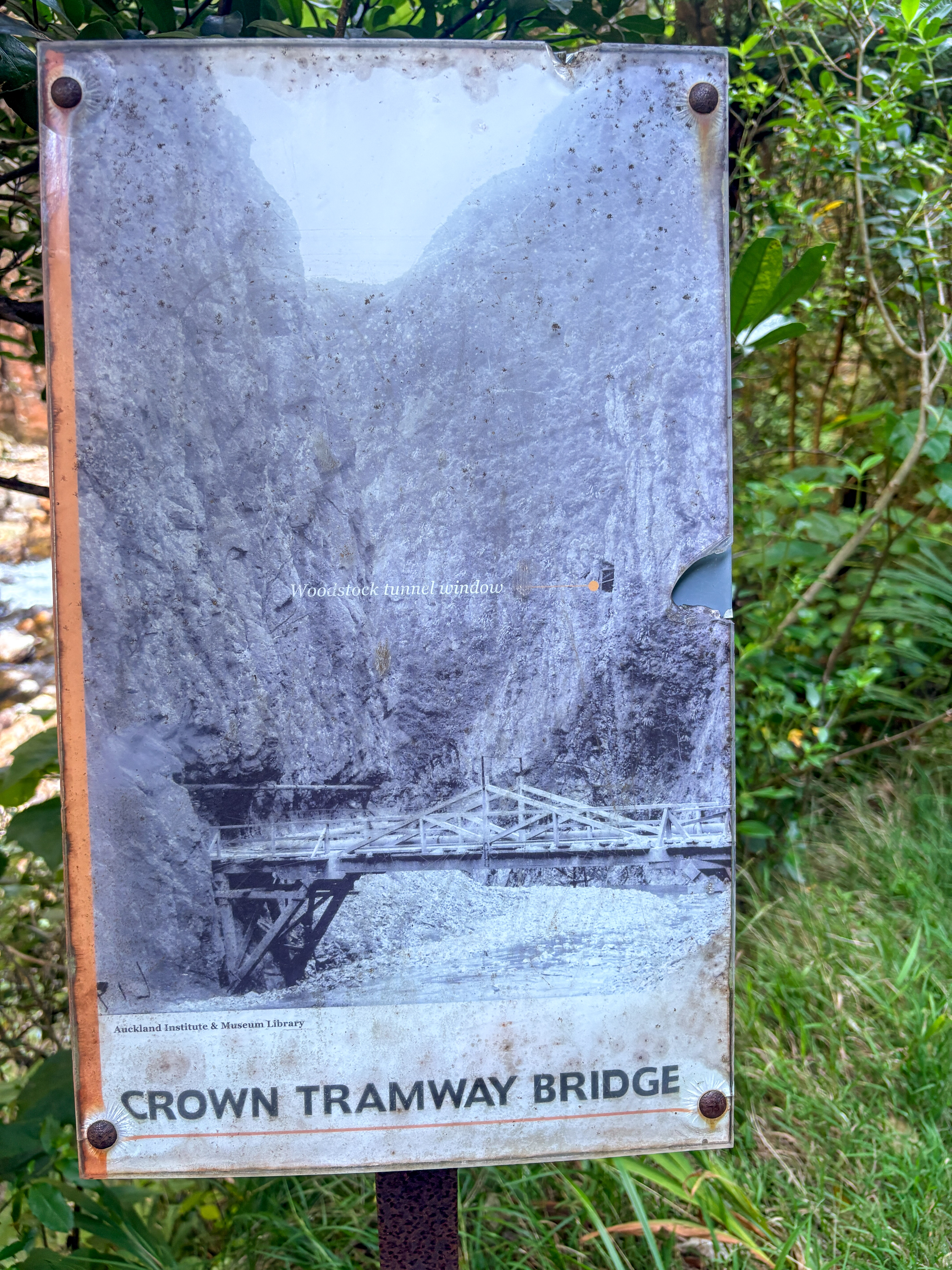
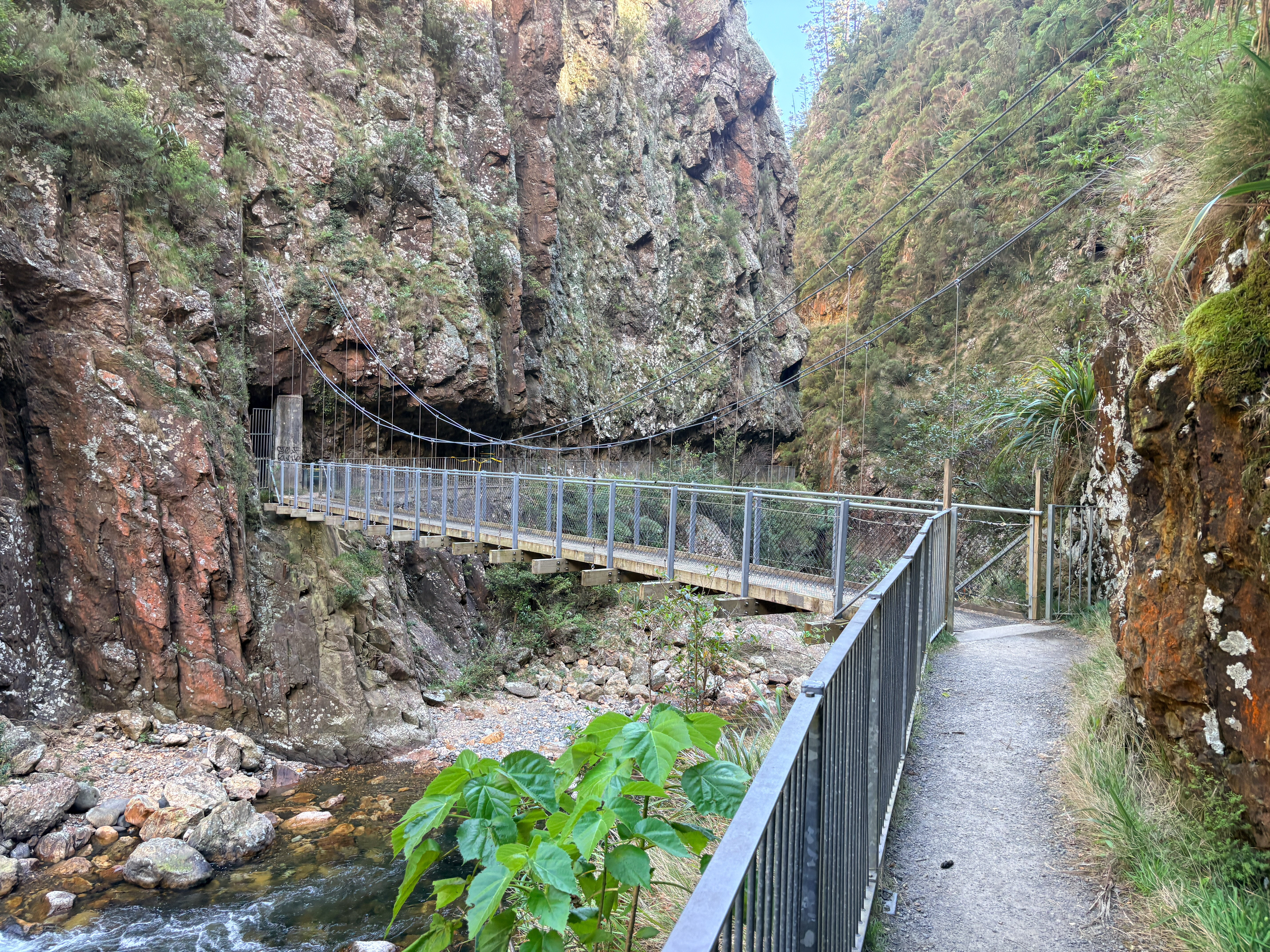
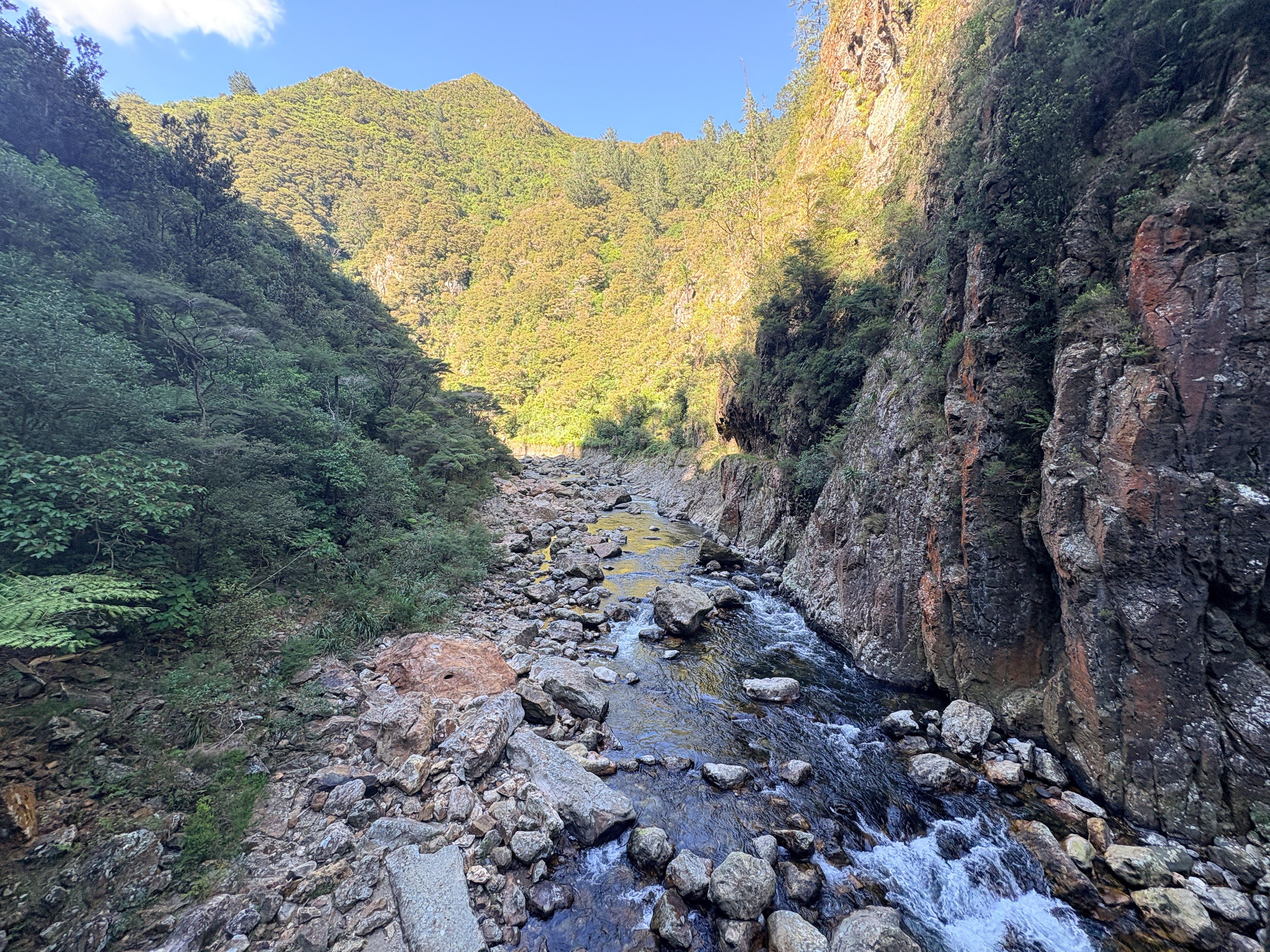
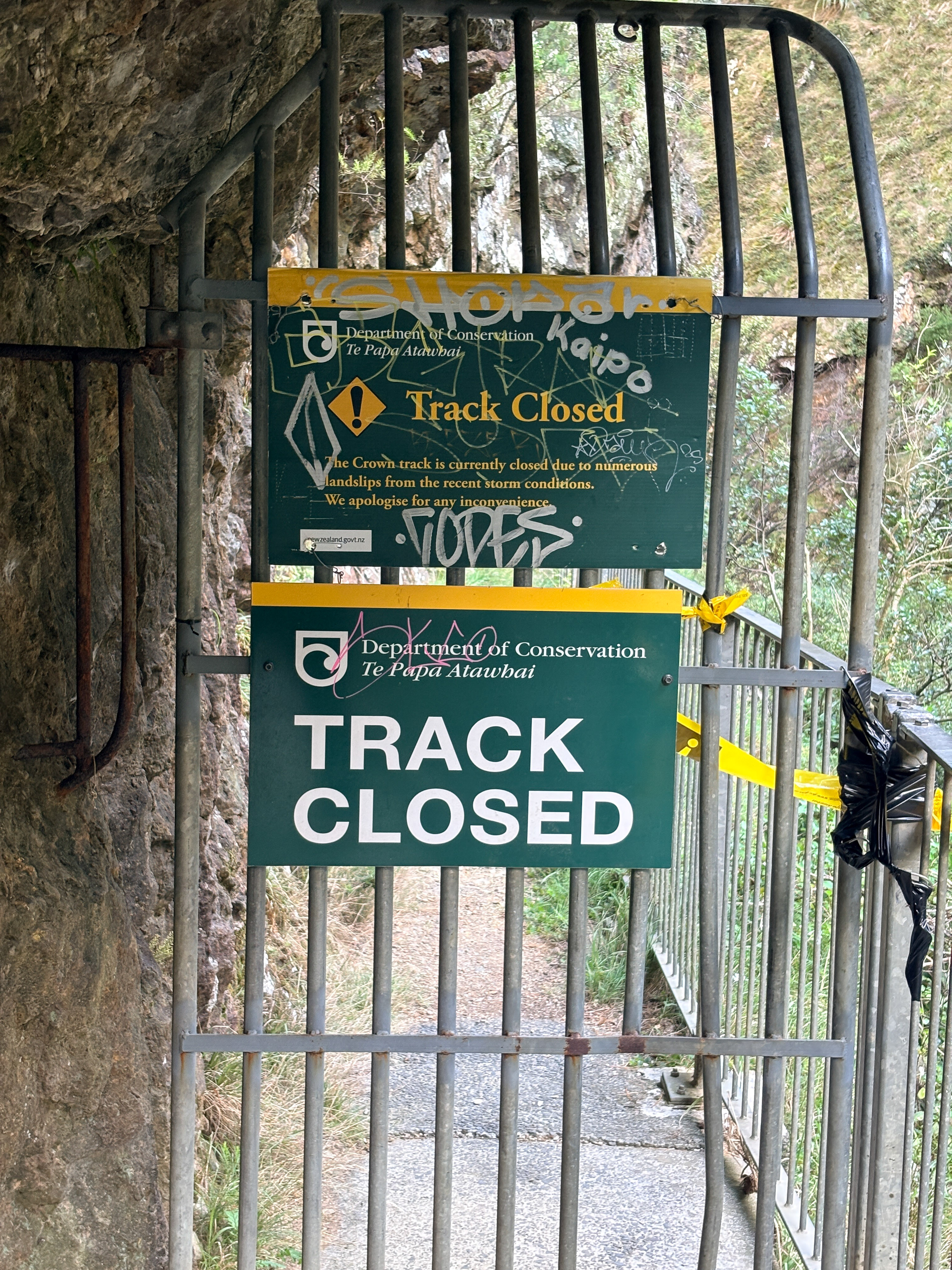
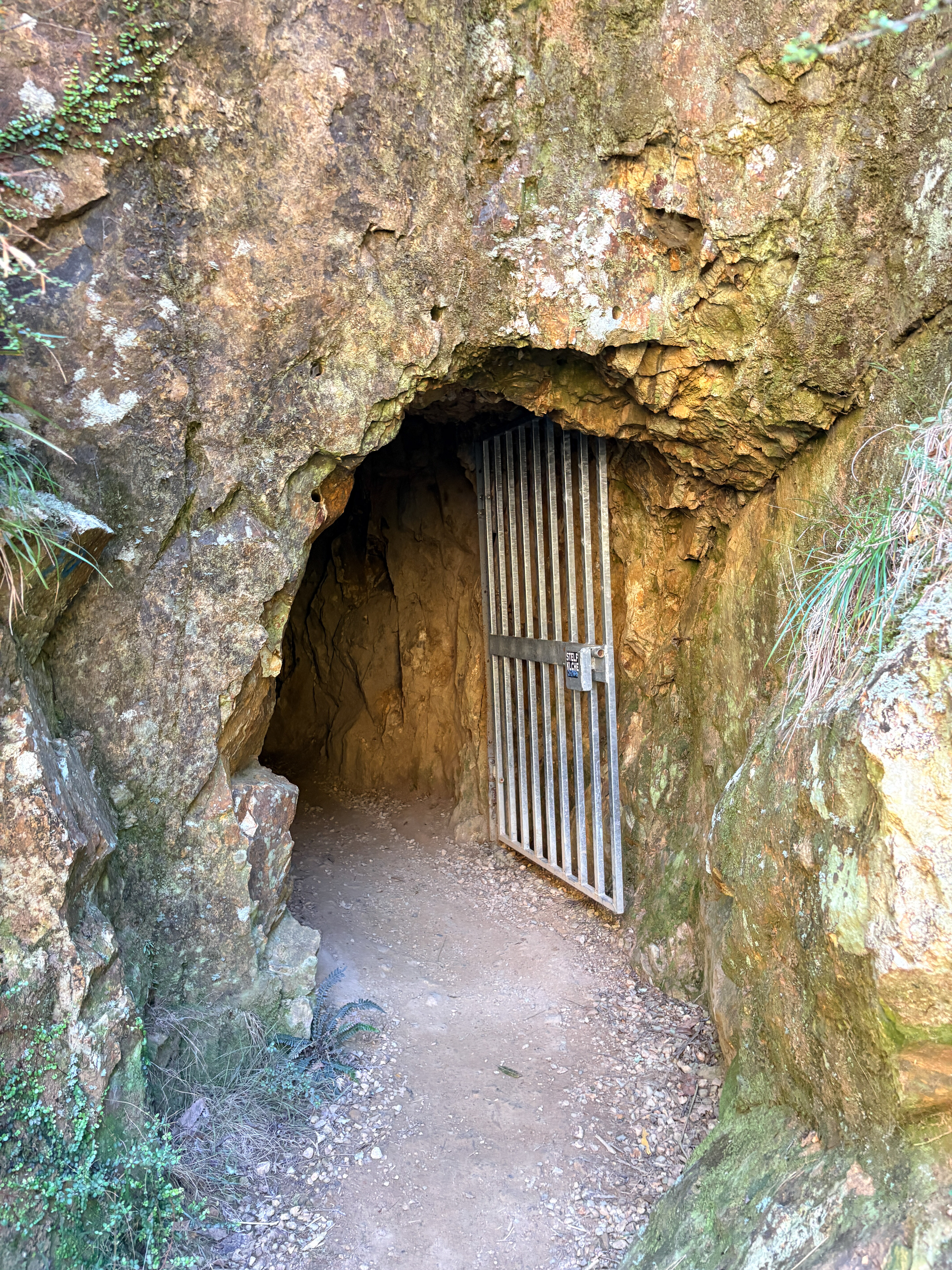
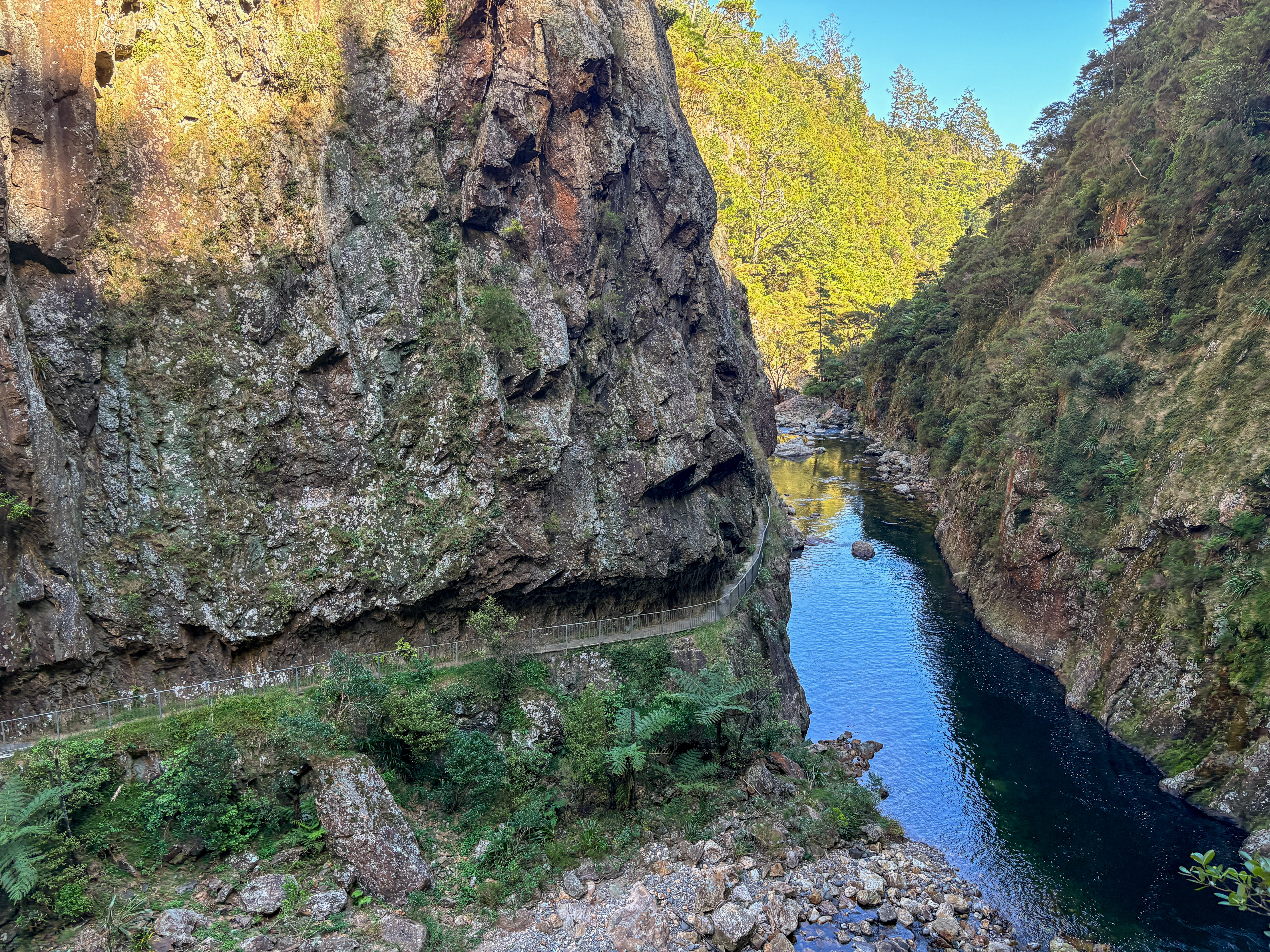
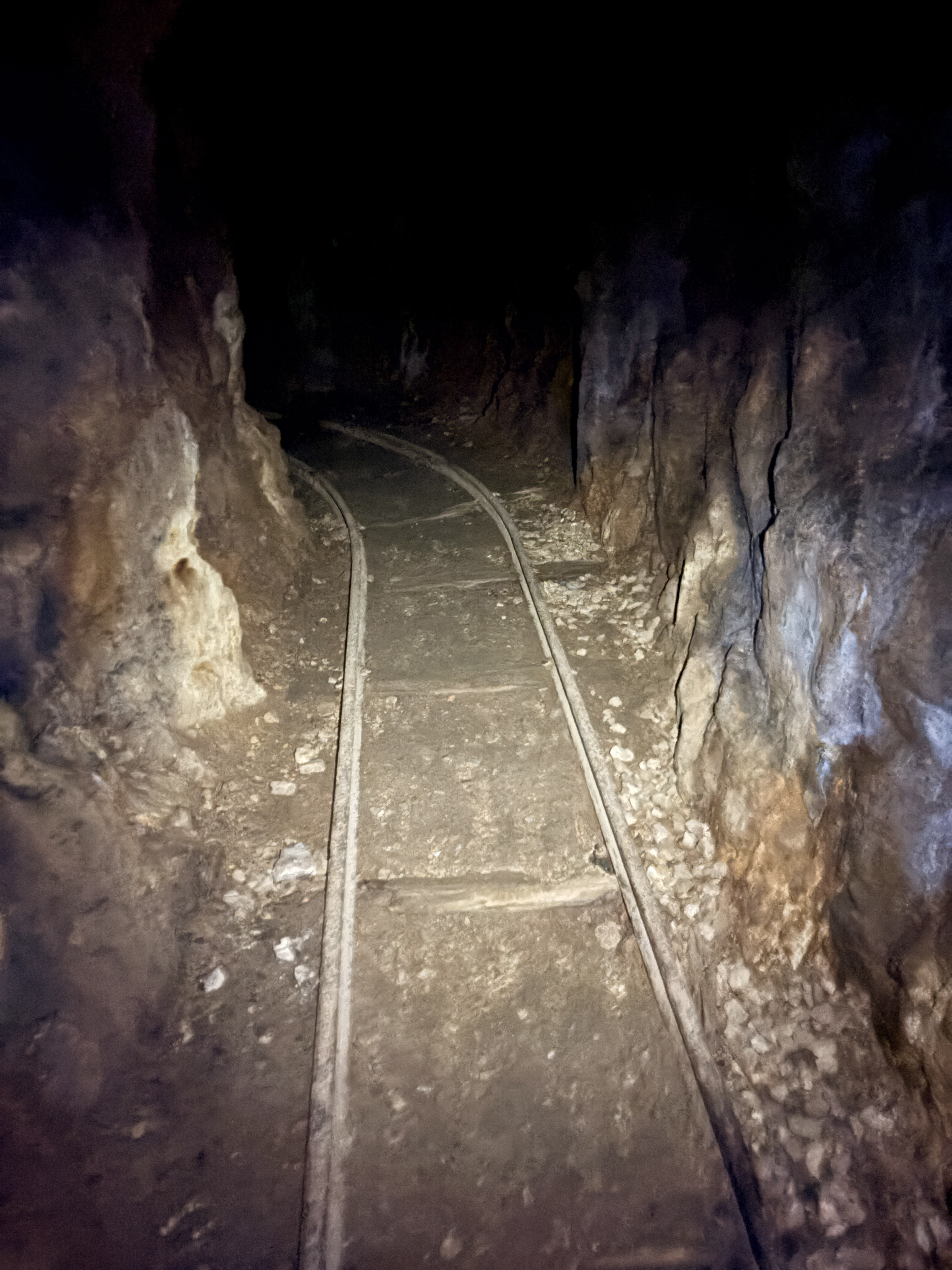
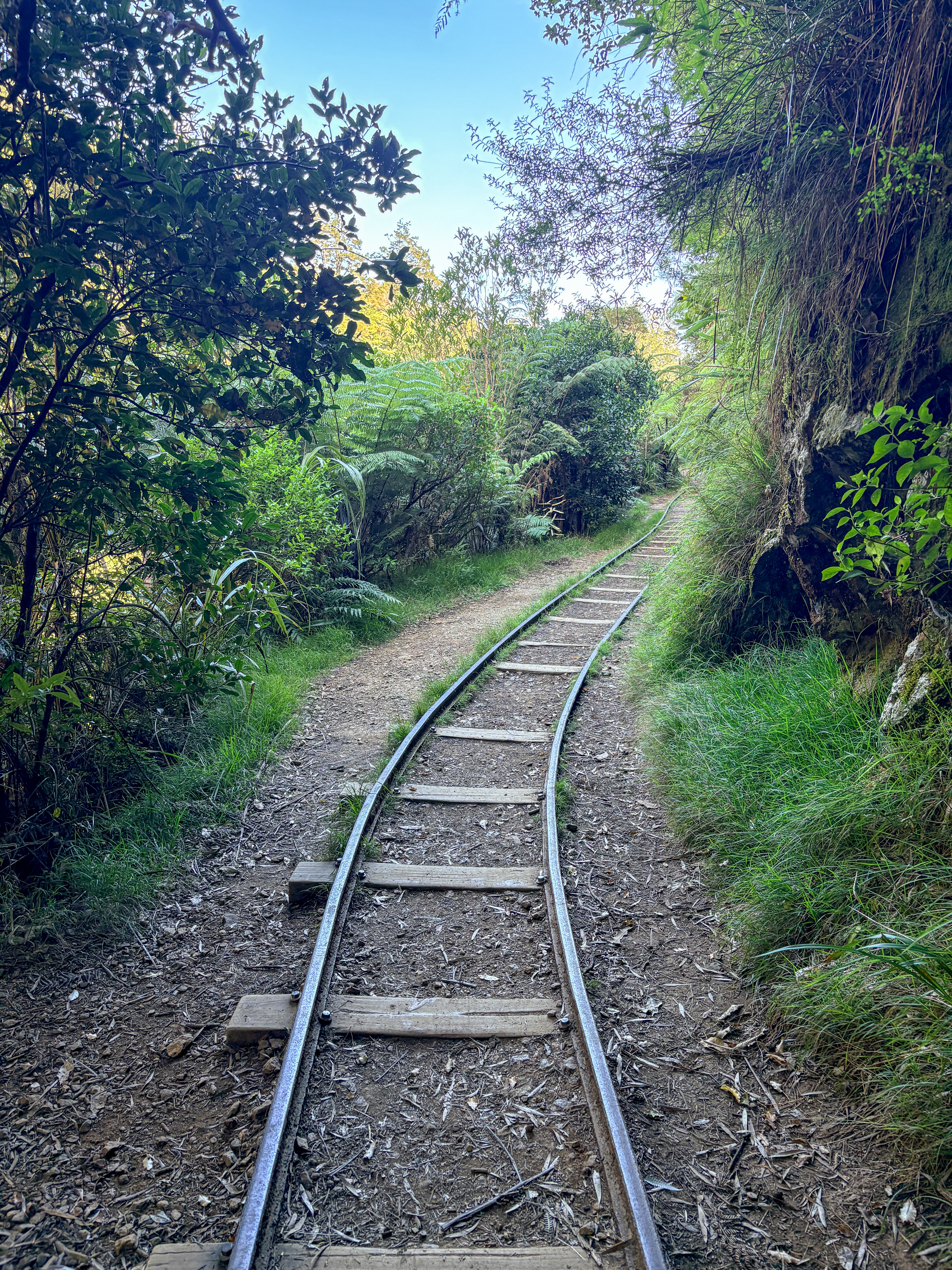
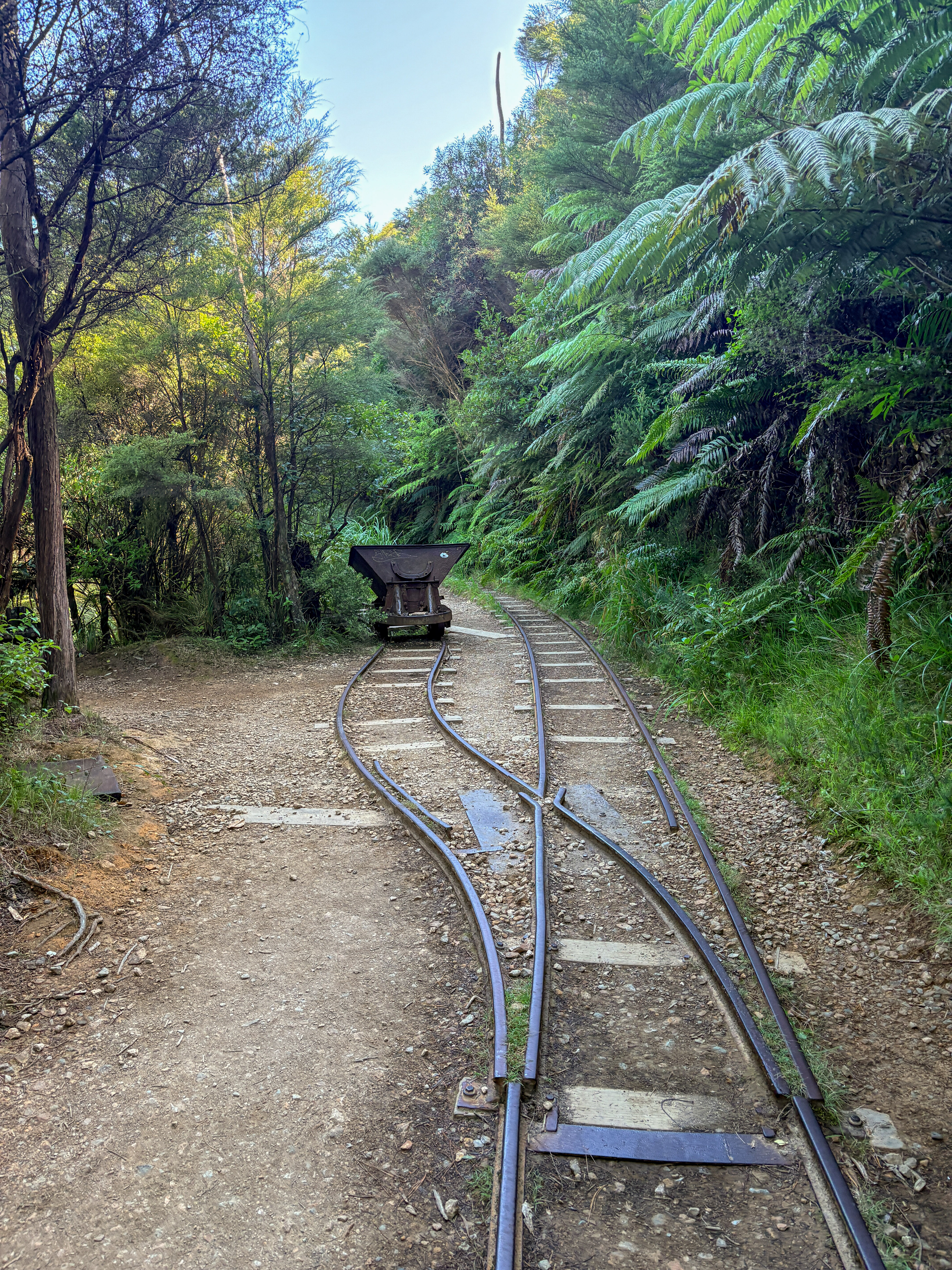
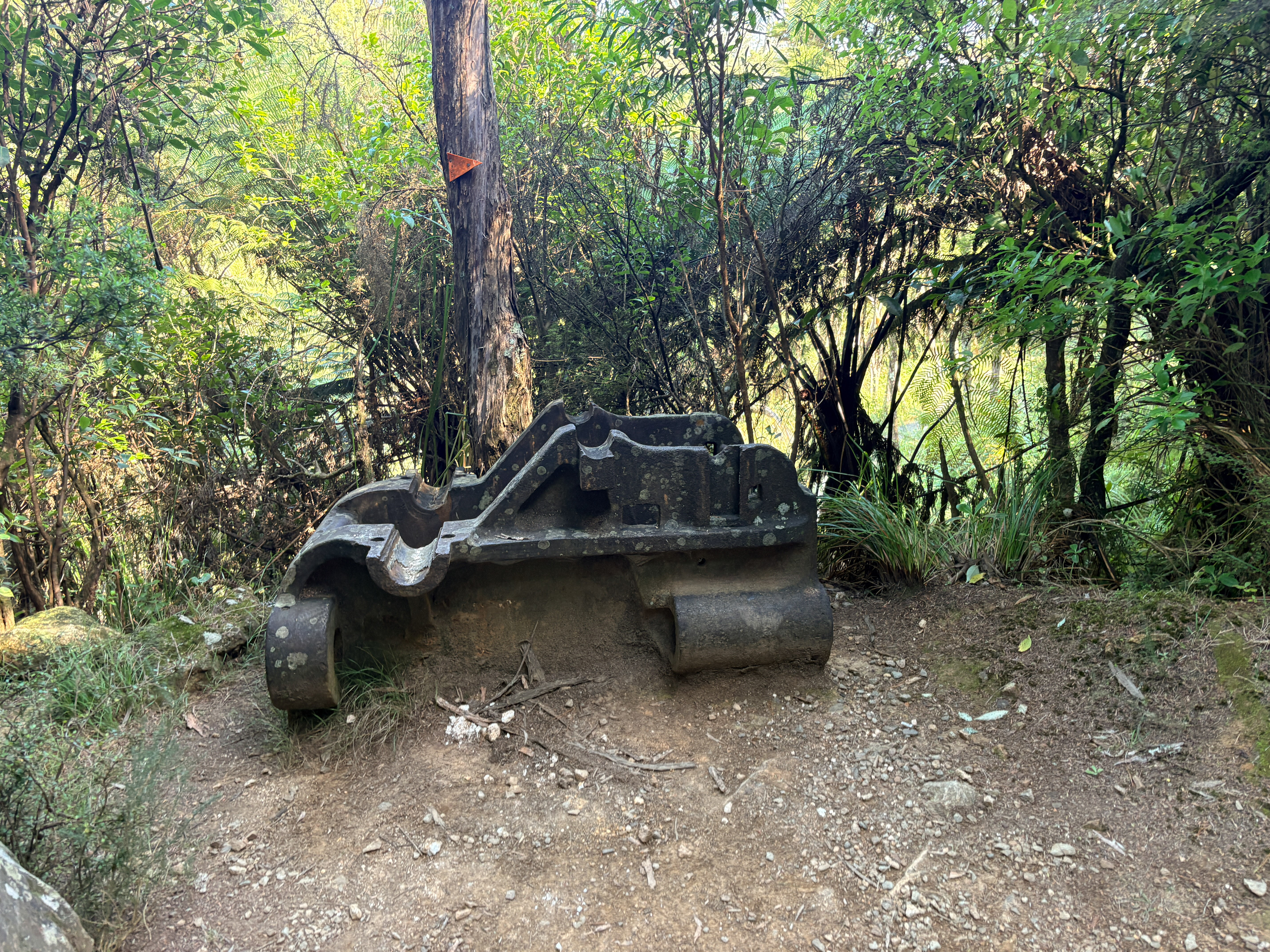
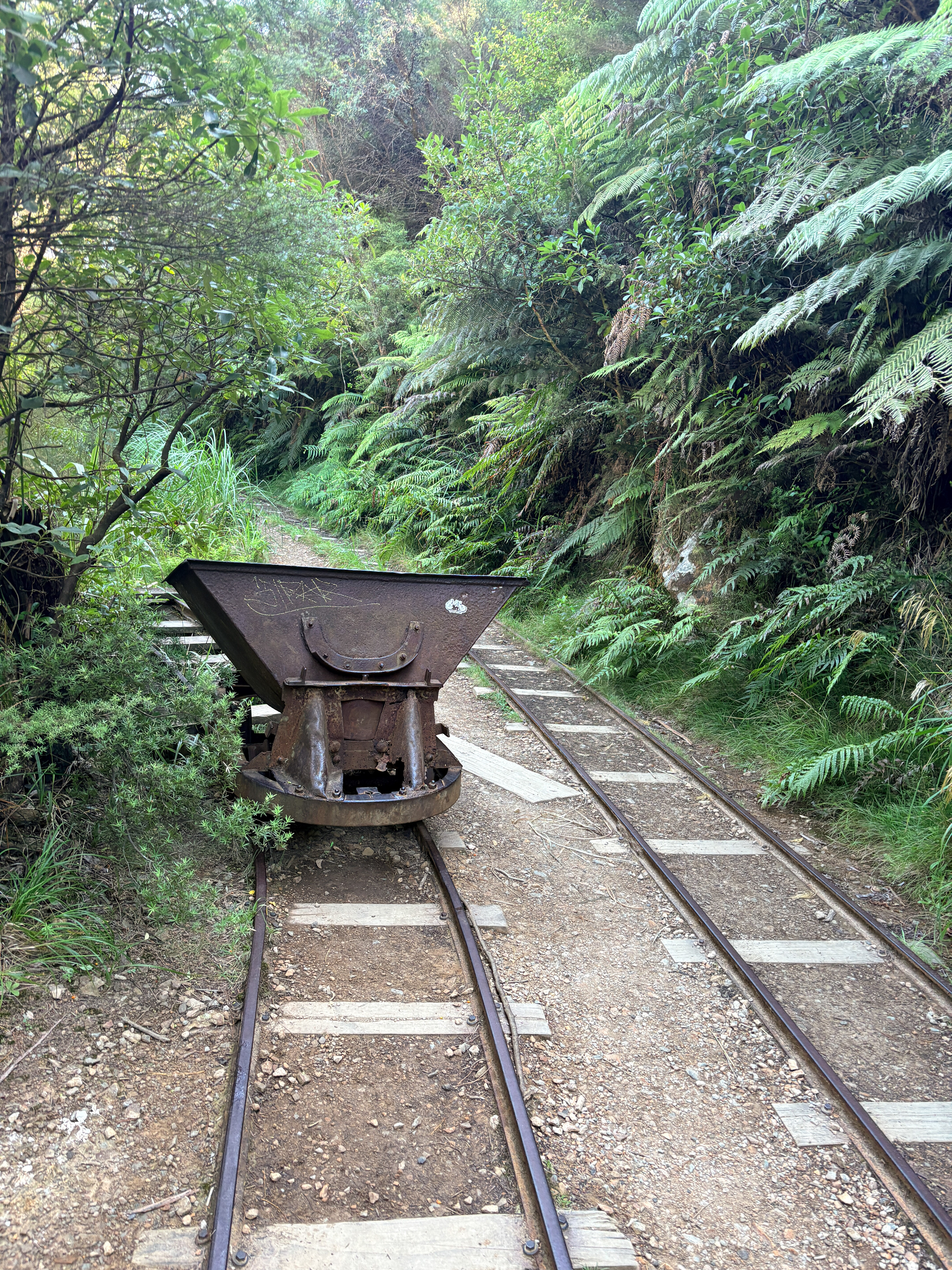
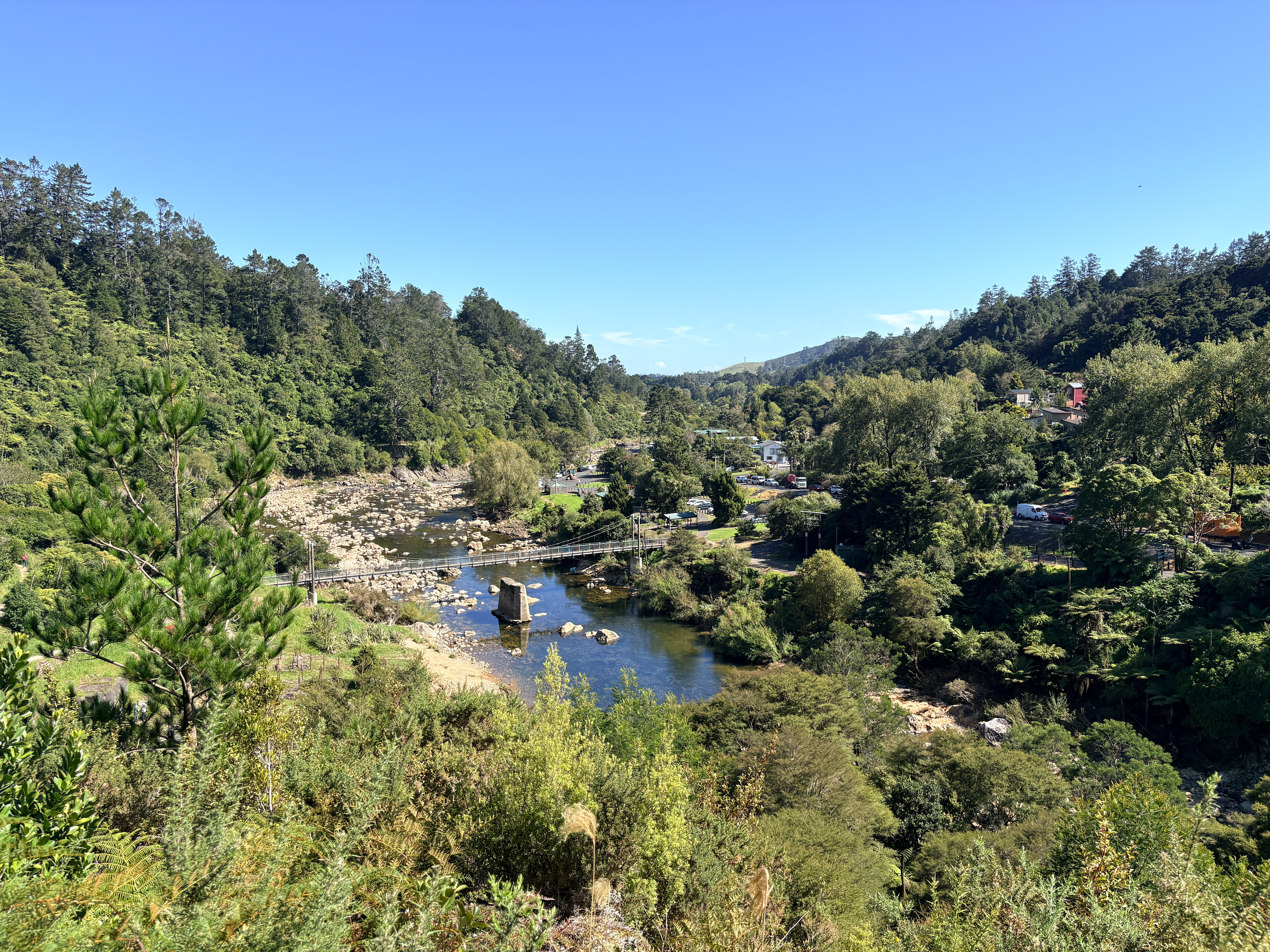
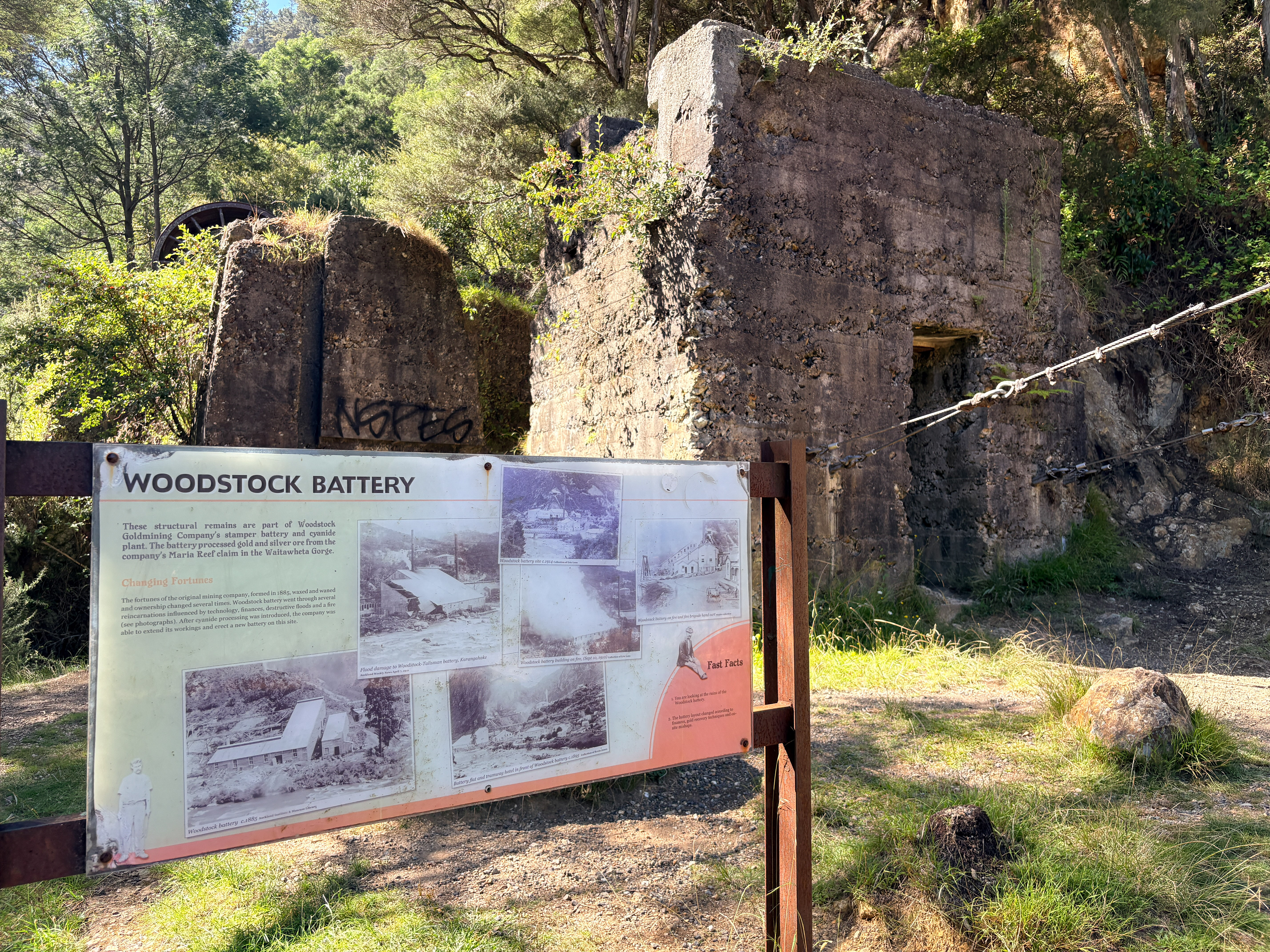
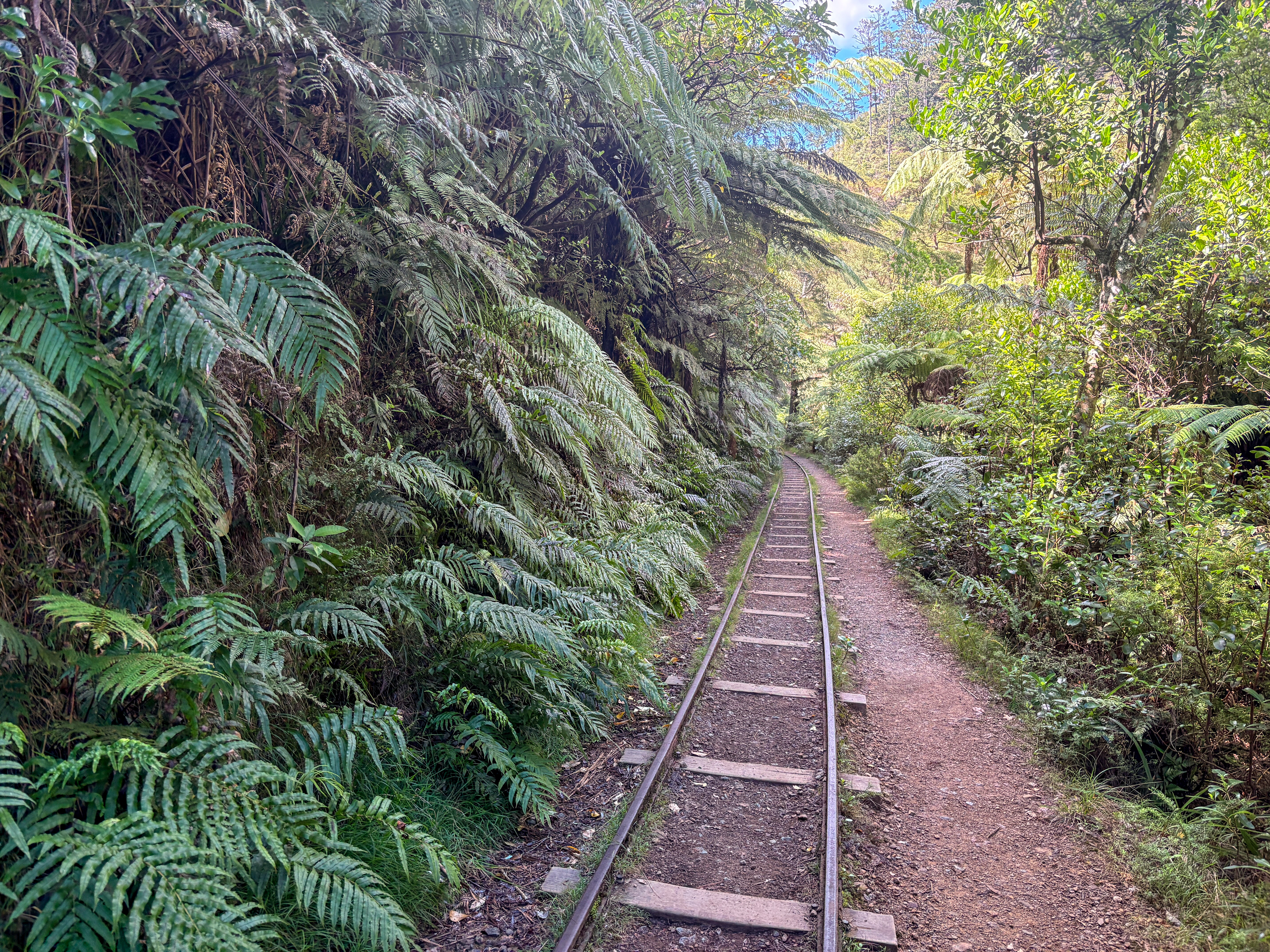
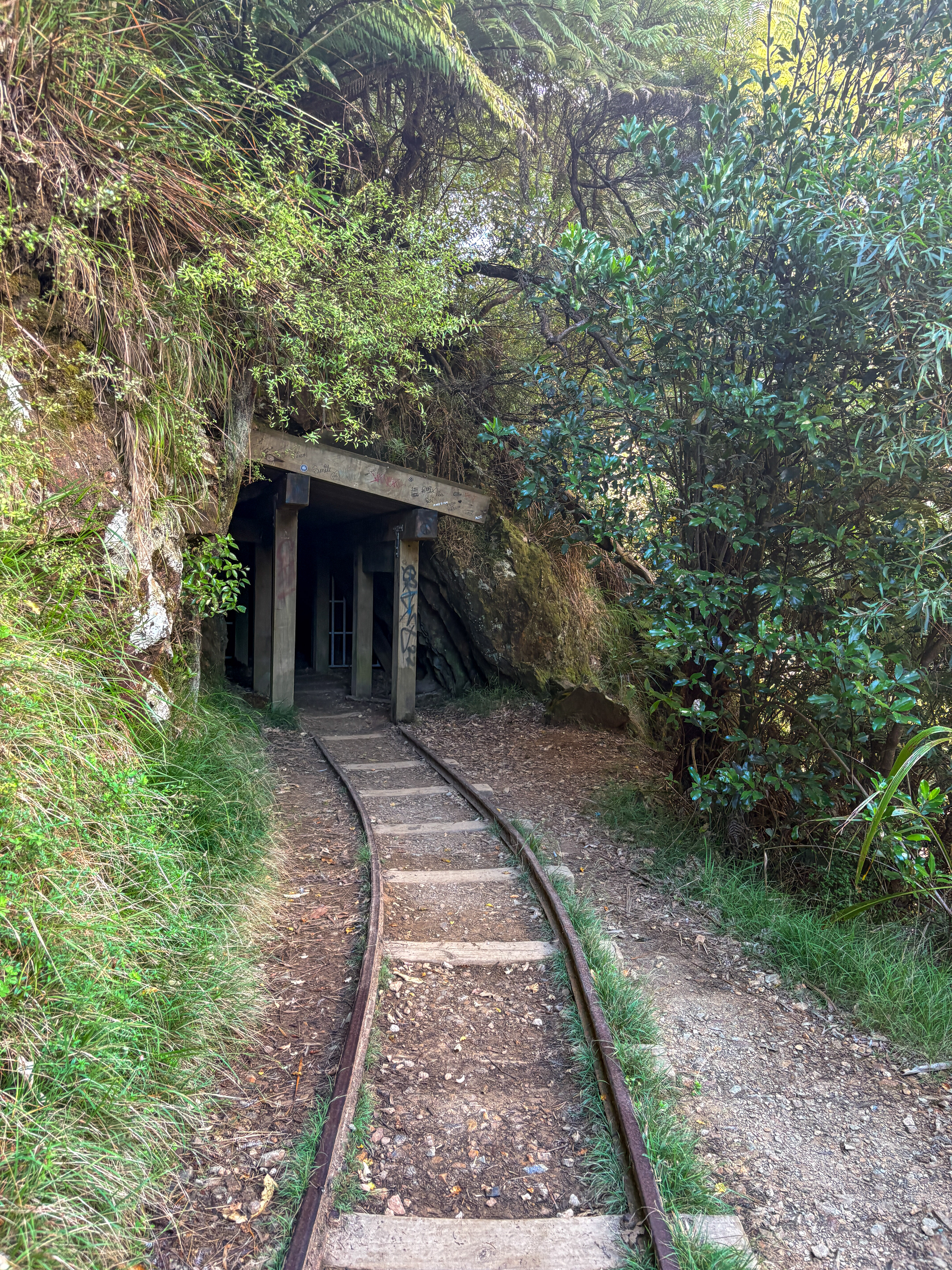
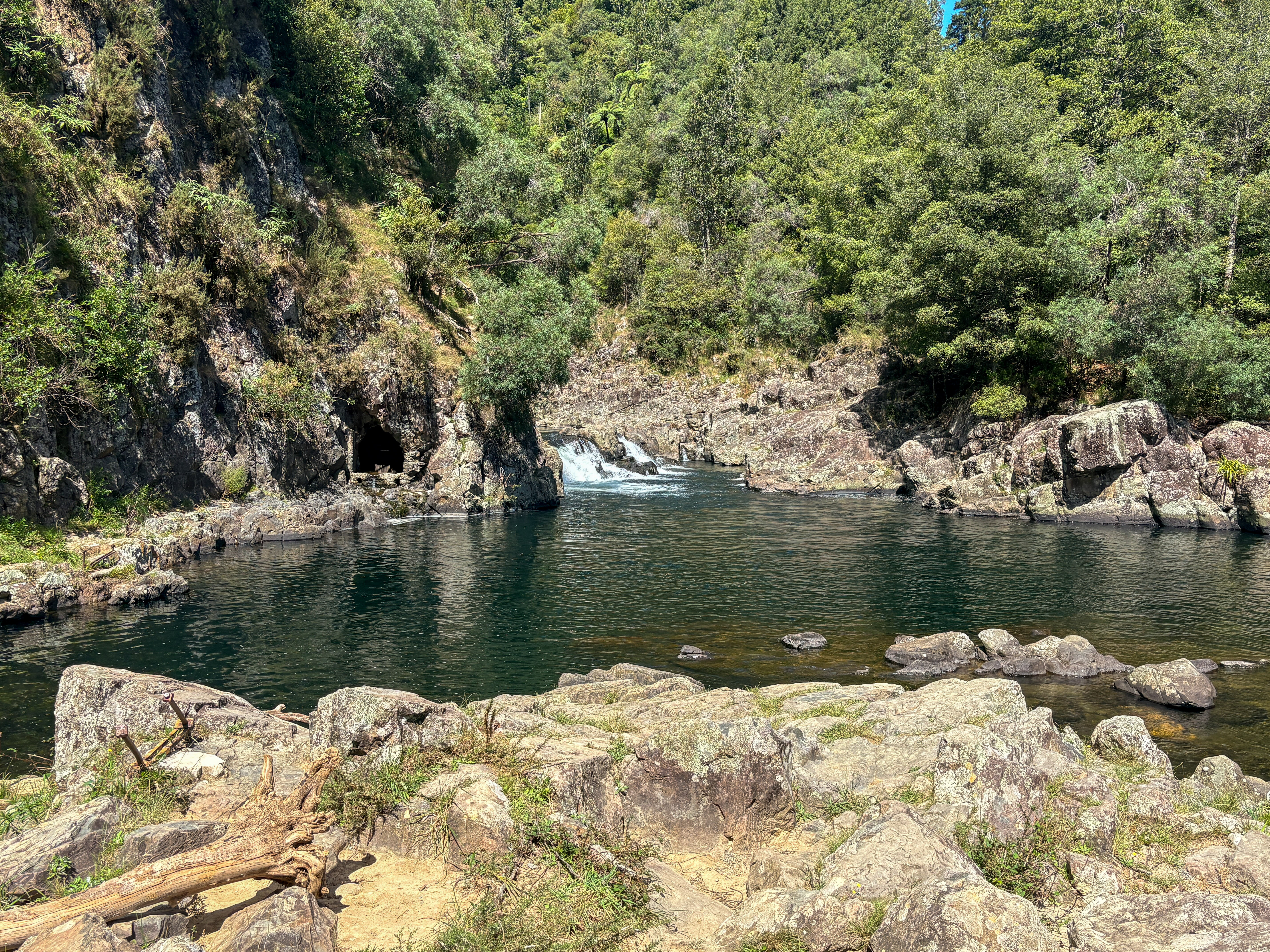
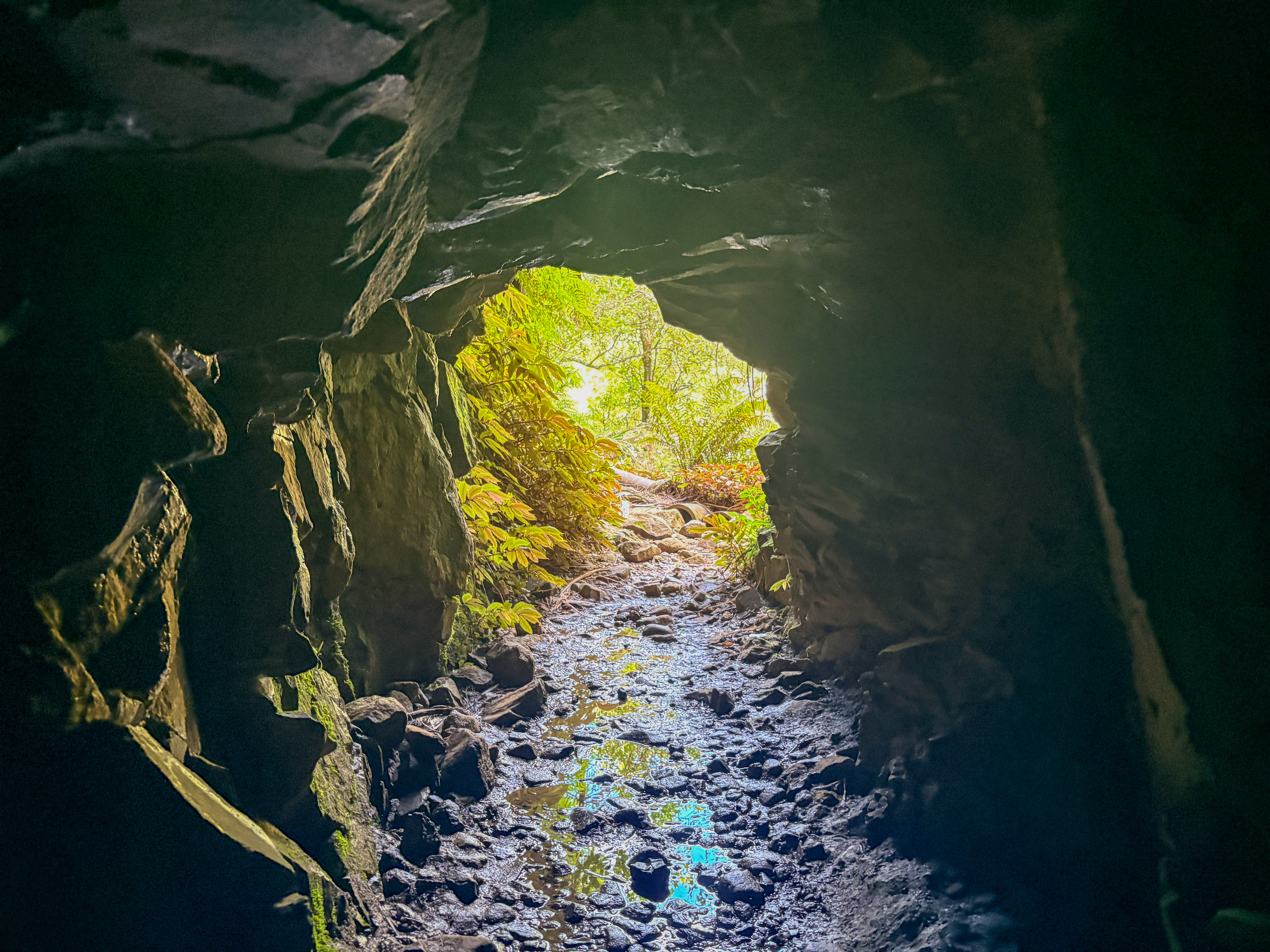
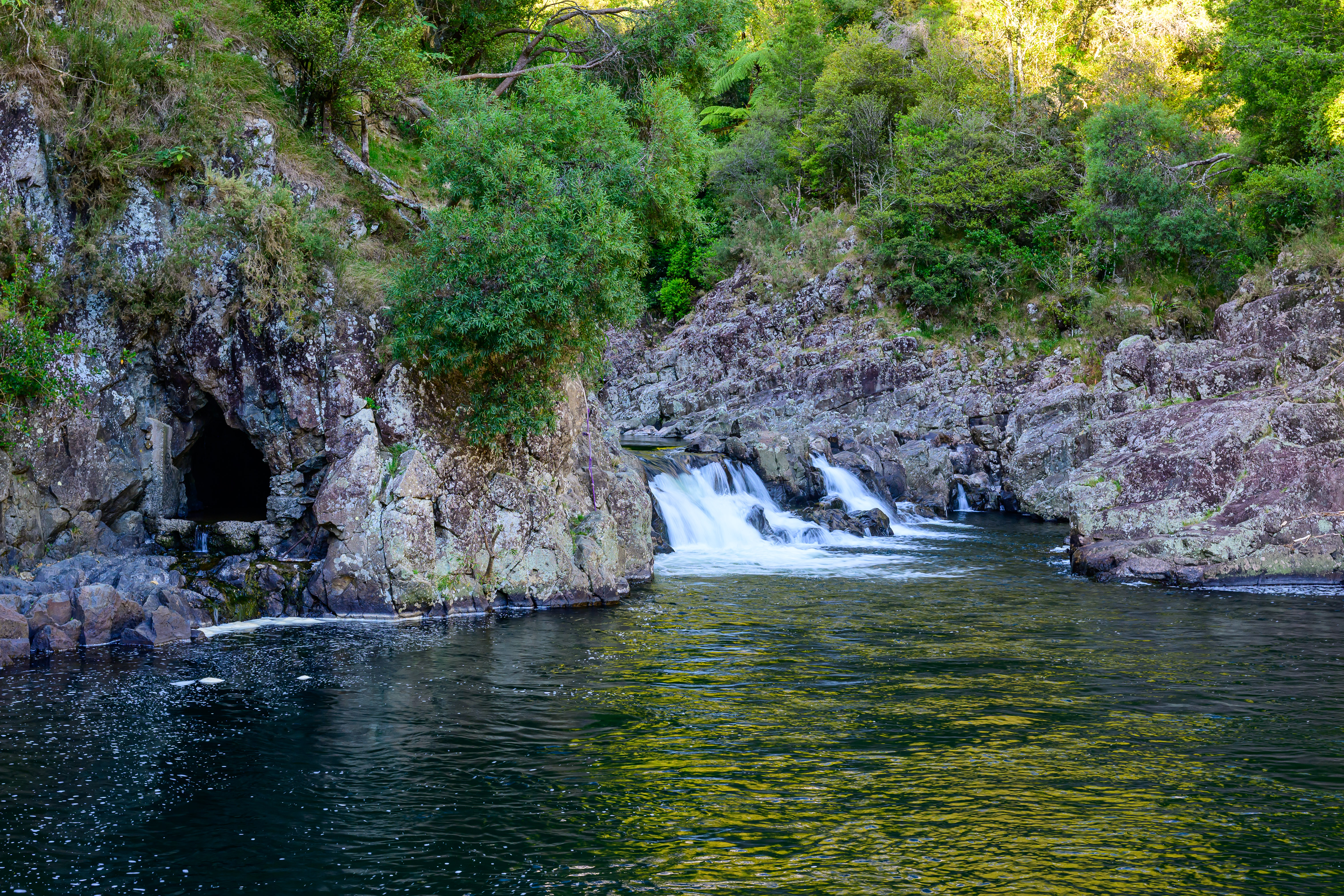
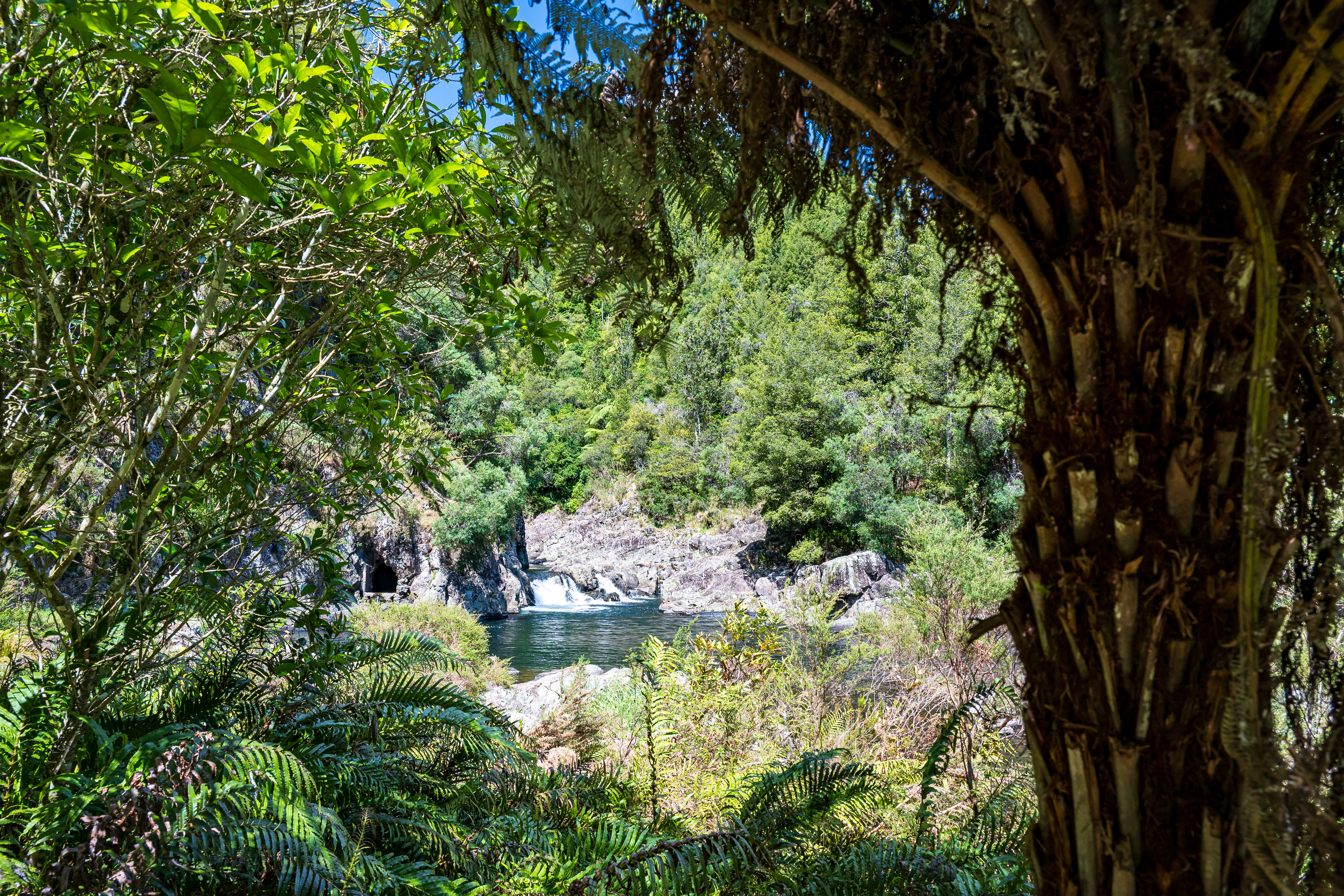
Camping next to a great trail system along a beautiful gorge has its advantages. The primary being the ability to leave my car parked for a day while I explored the trails along the Karangahake Gorge, including those that explored the areas along the Crown Mines.
Day 13 (March 6)
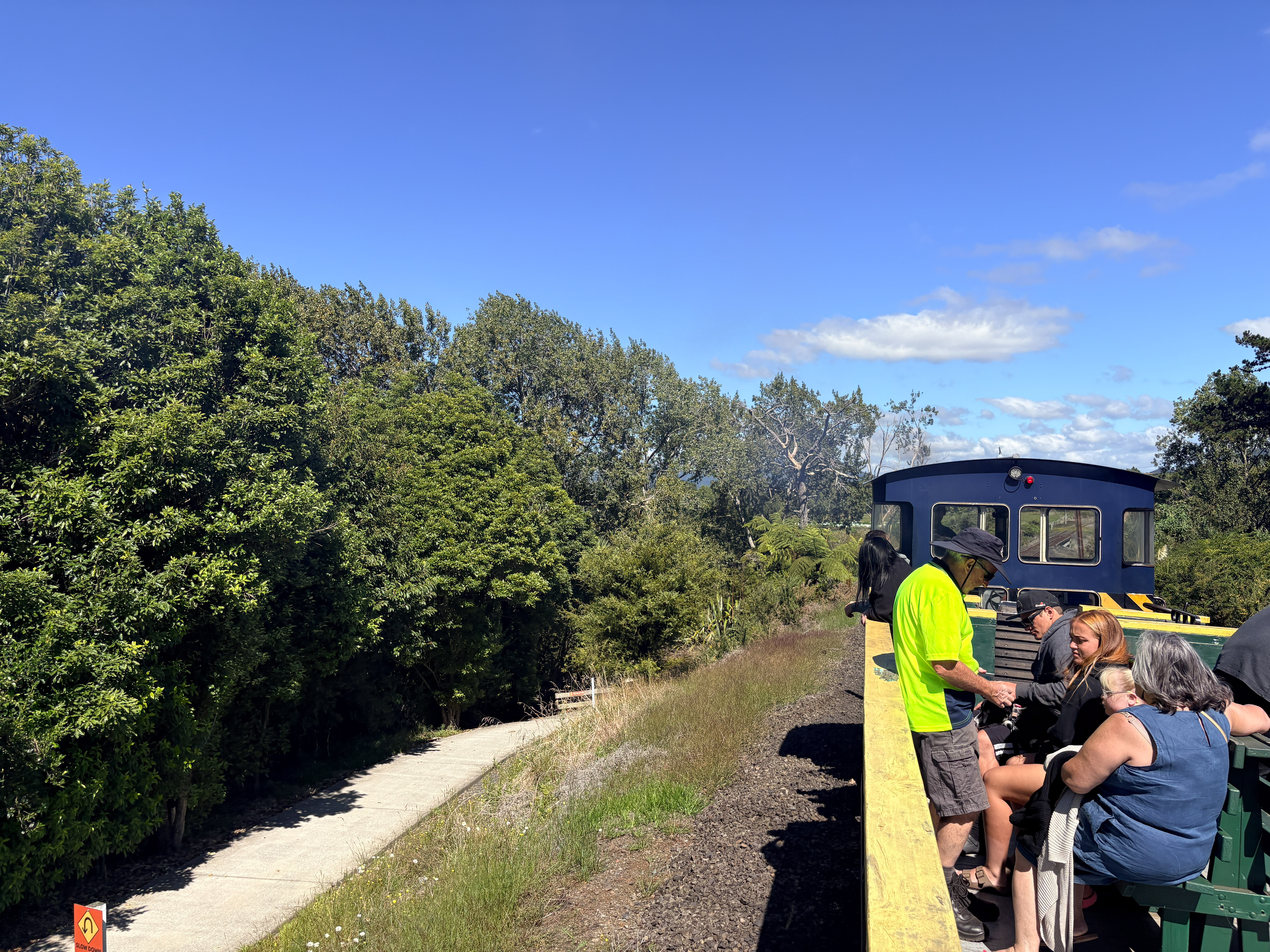
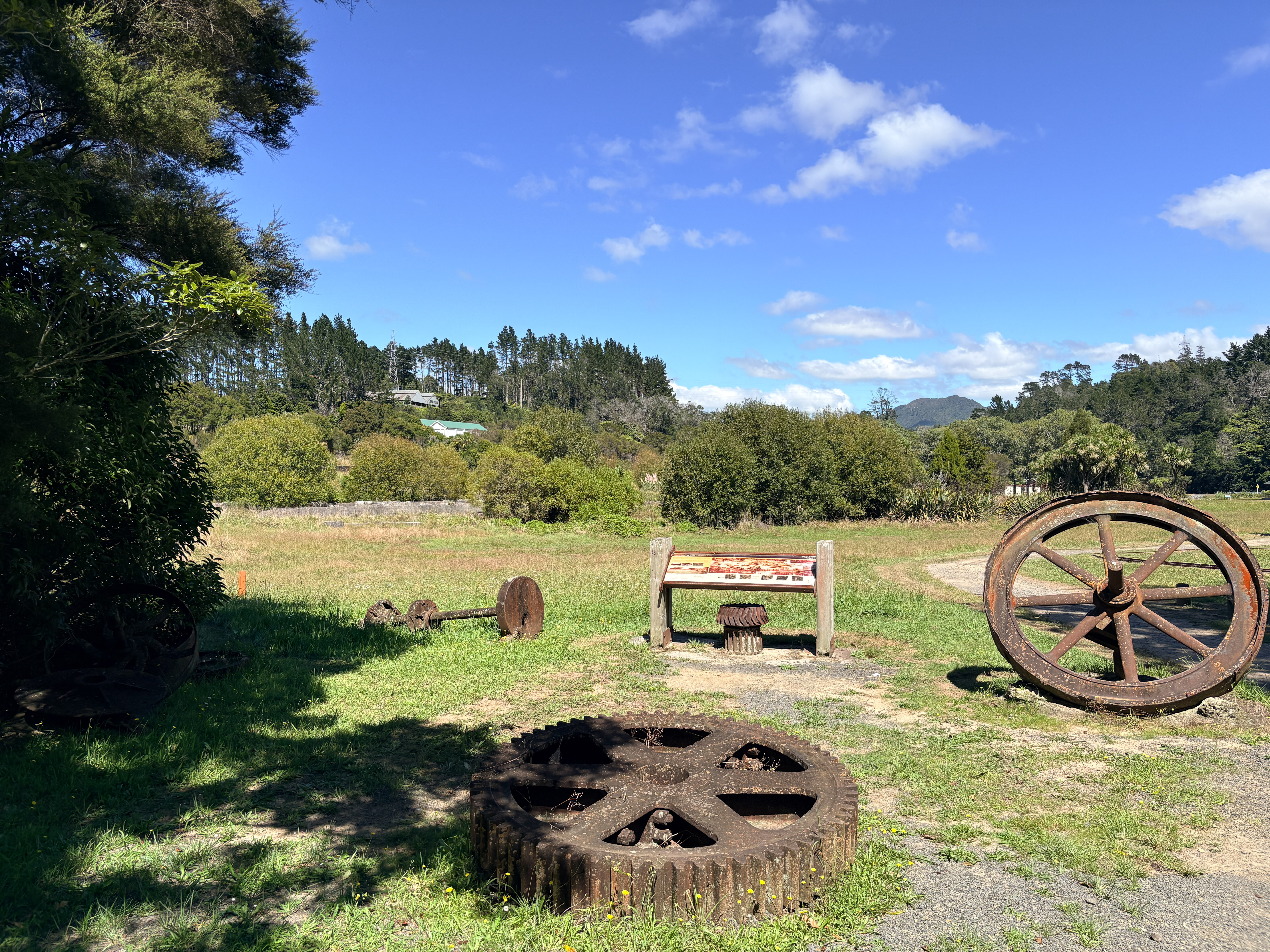
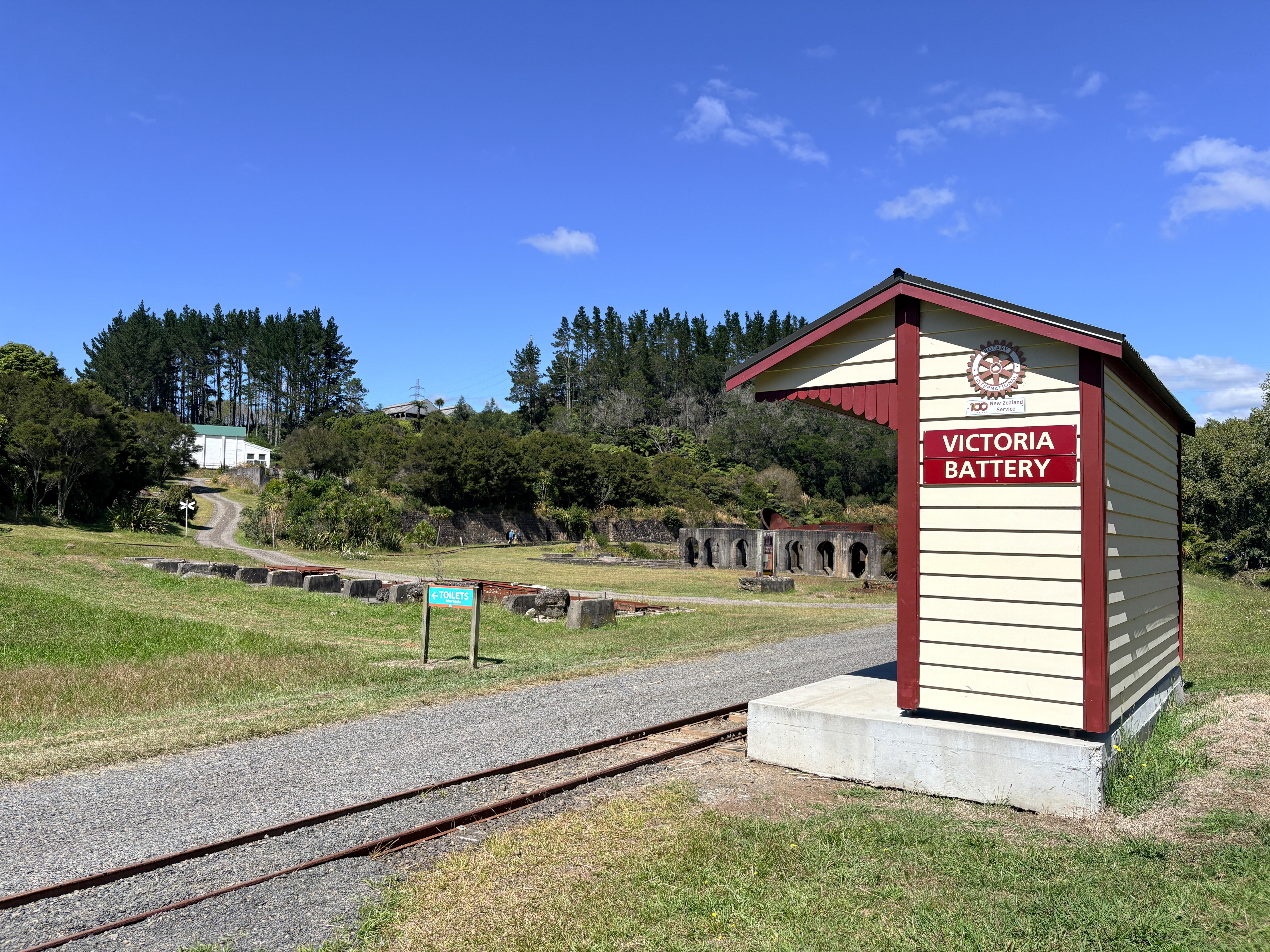
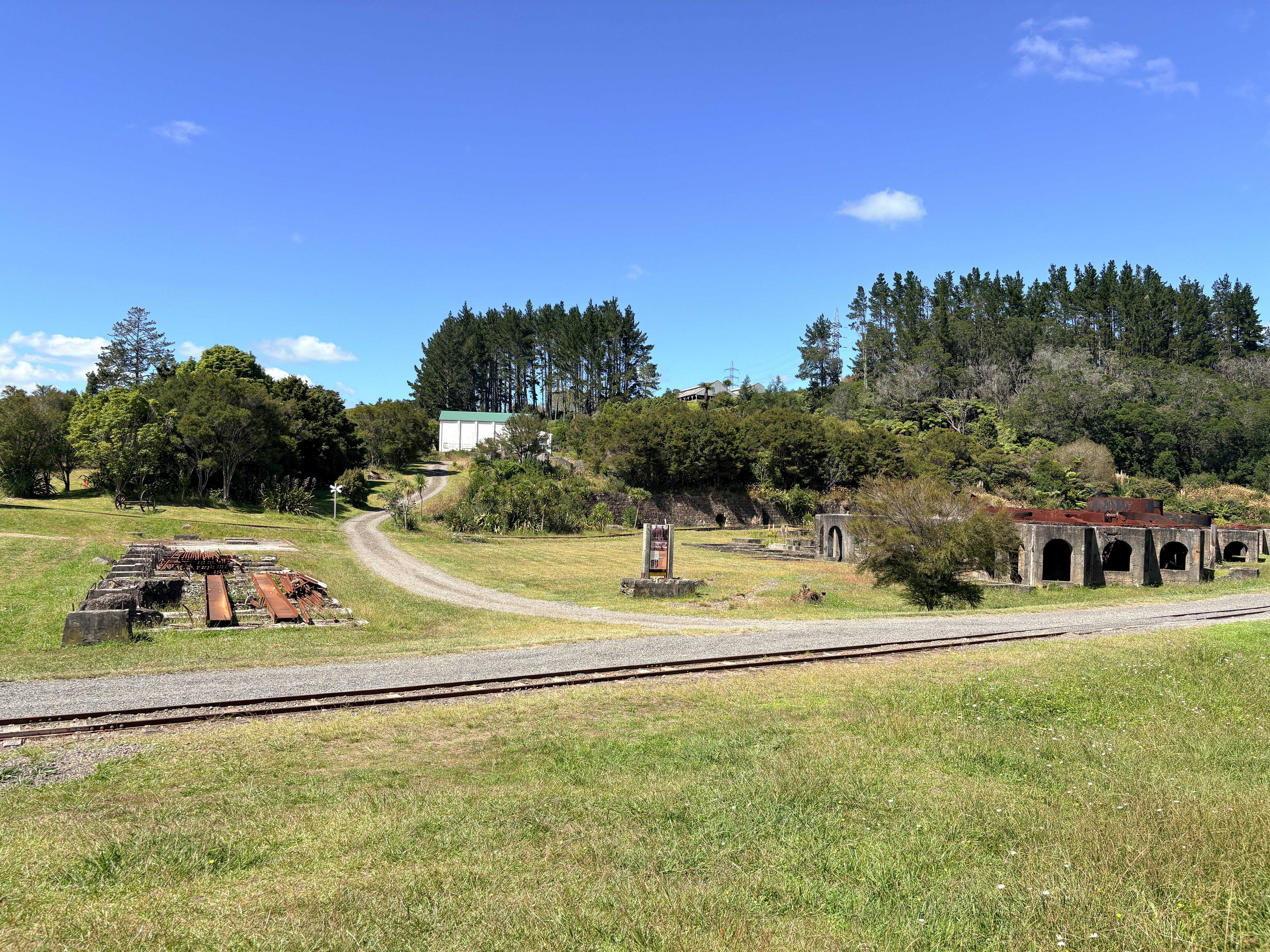
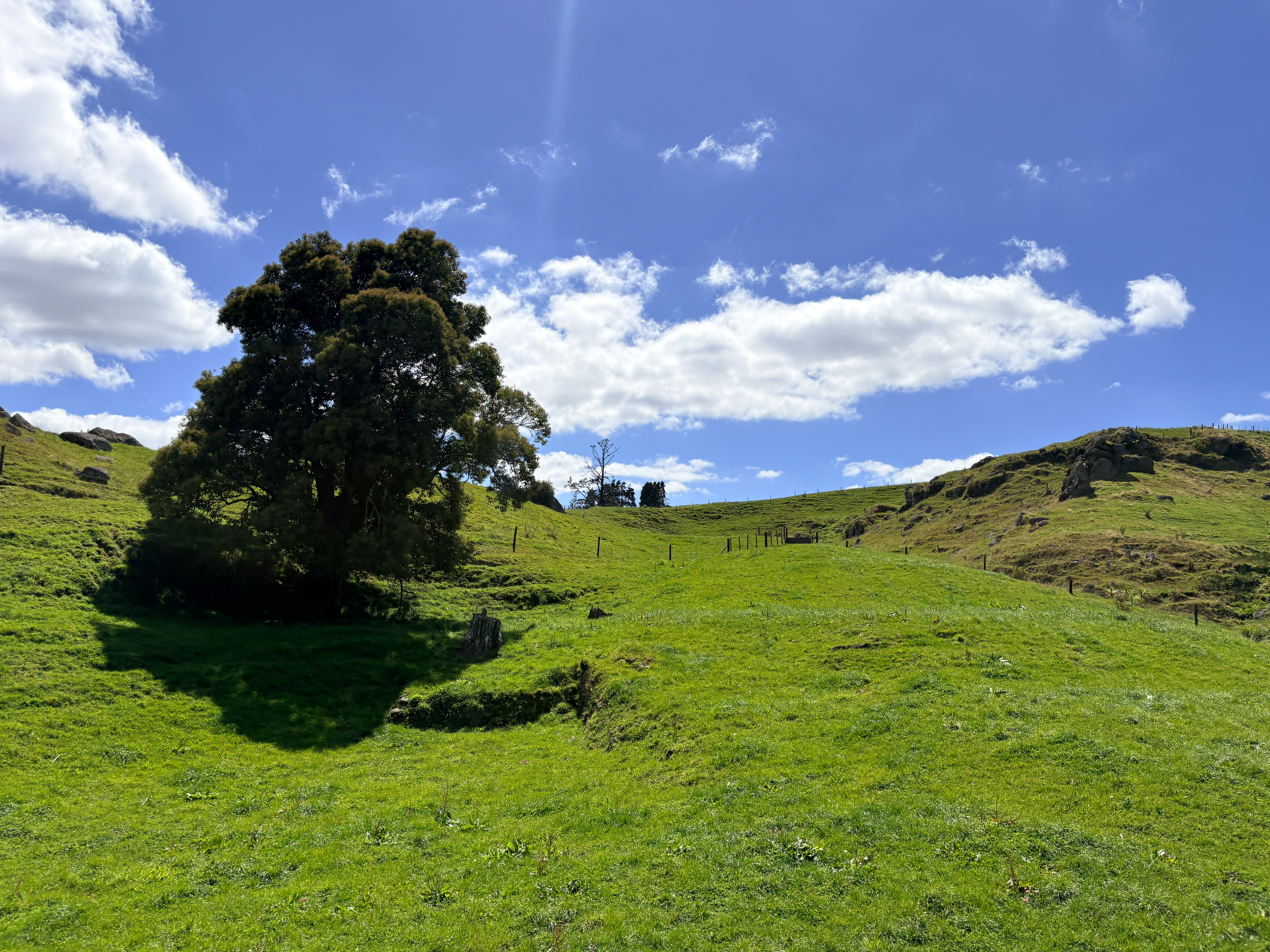
Today’s highlight was a ride on the Goldfields Railway in Waihi, and a quick hike at its turnaround point. From Waihi, it was on to the Coromandel Shelly Beach TOP 10 Holiday Park. This park had a nice camping area, and nice cabin facilities as well. I slept on the ground as usual, but I enjoyed access to showers and the internet, along with the views of the coast. It was also a conscious decision to camp around more people. 15 days (including travel days) of introversion away from home was almost enough to get me to talk to strangers. Not quite, but being around people helped my energy levels oddly enough.
Day 14 (March 7)
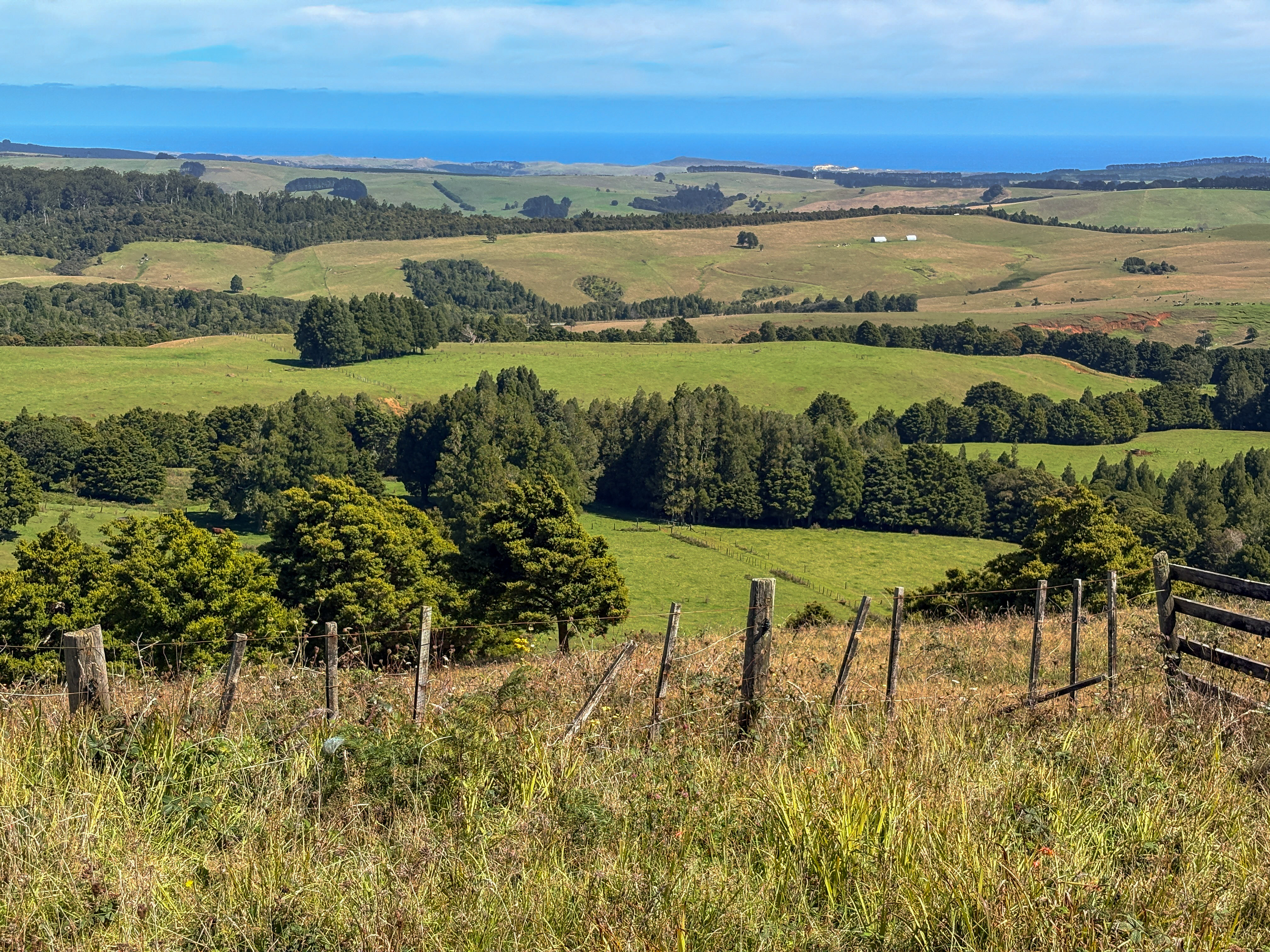
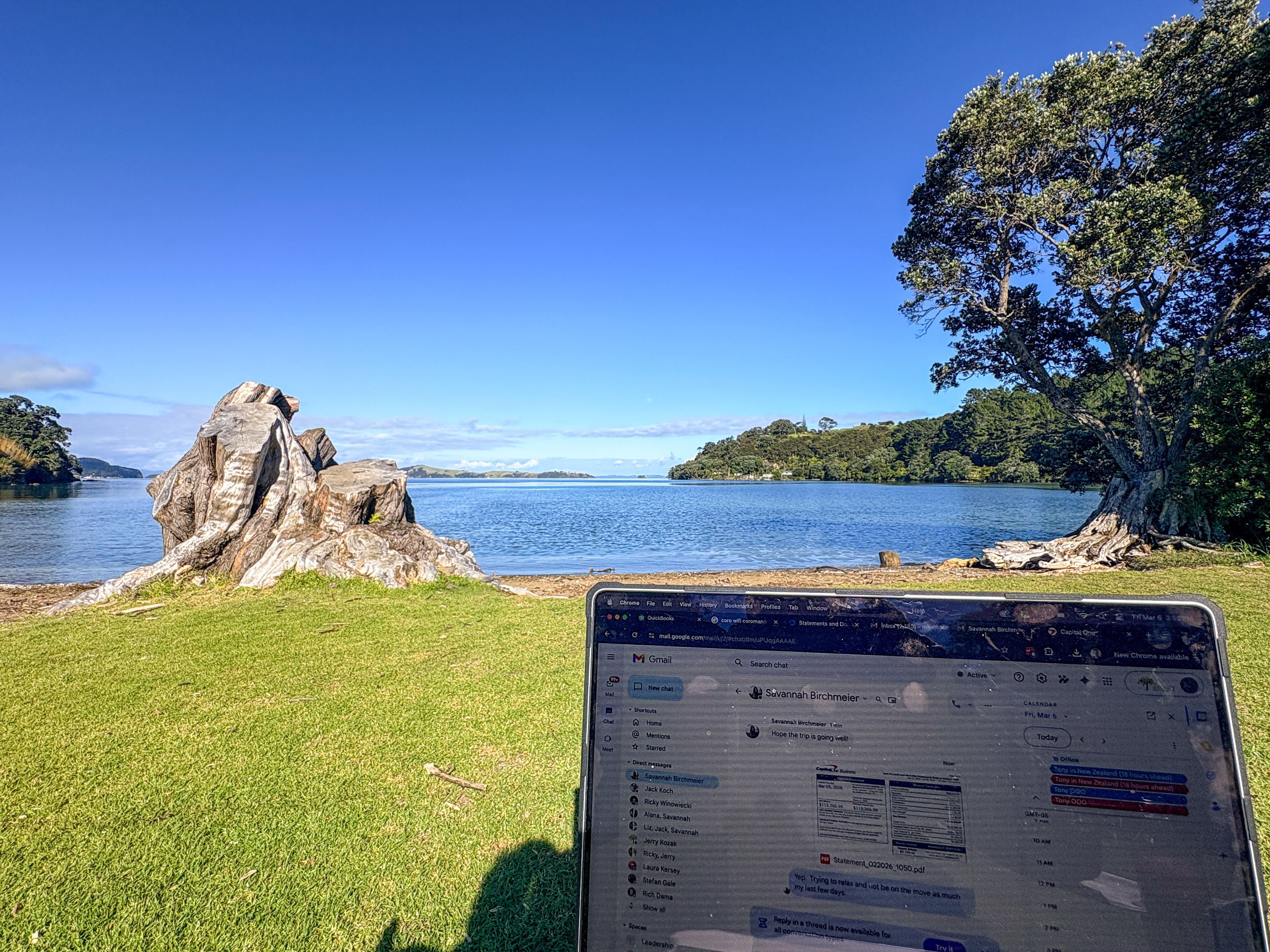
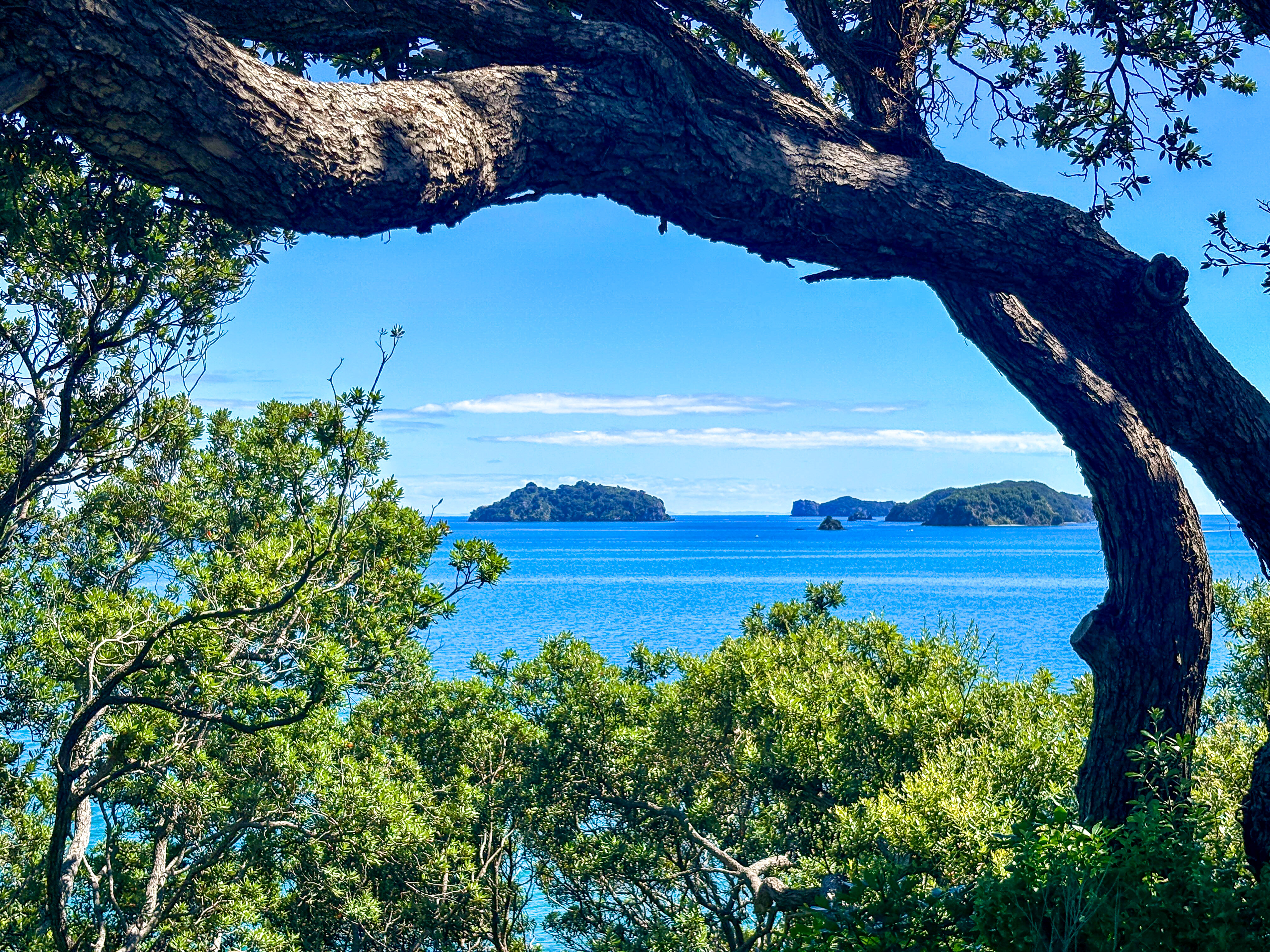
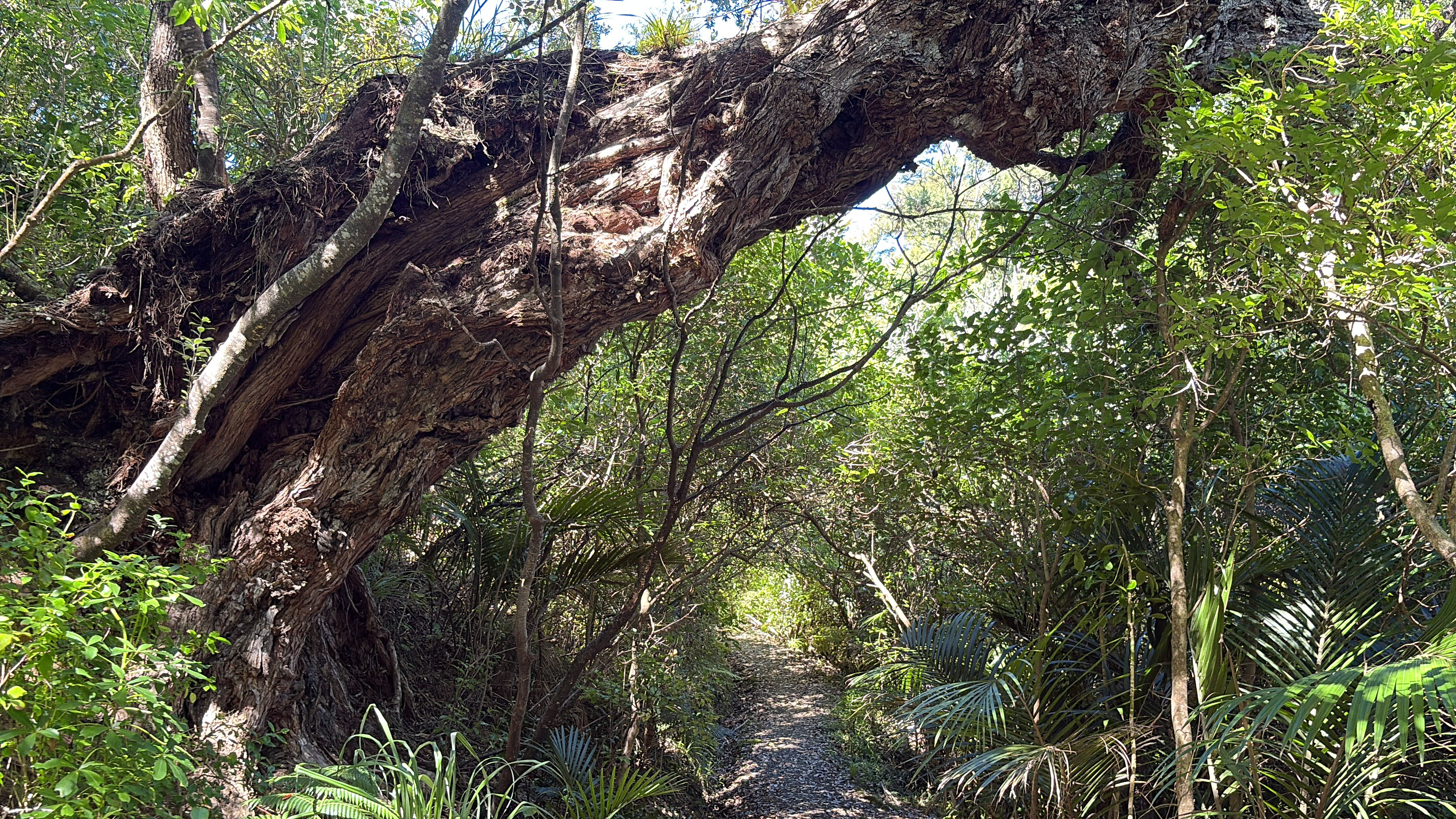
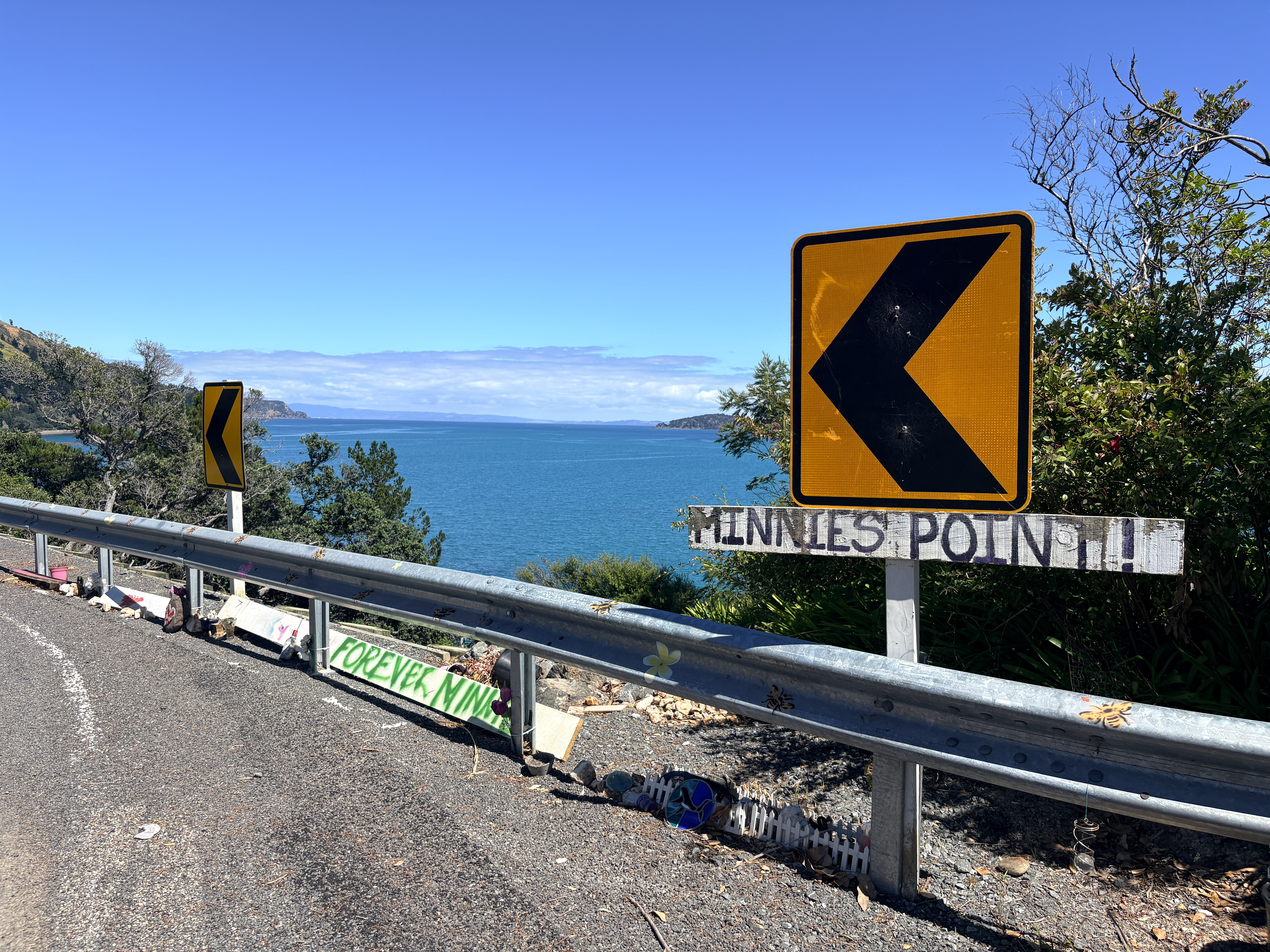
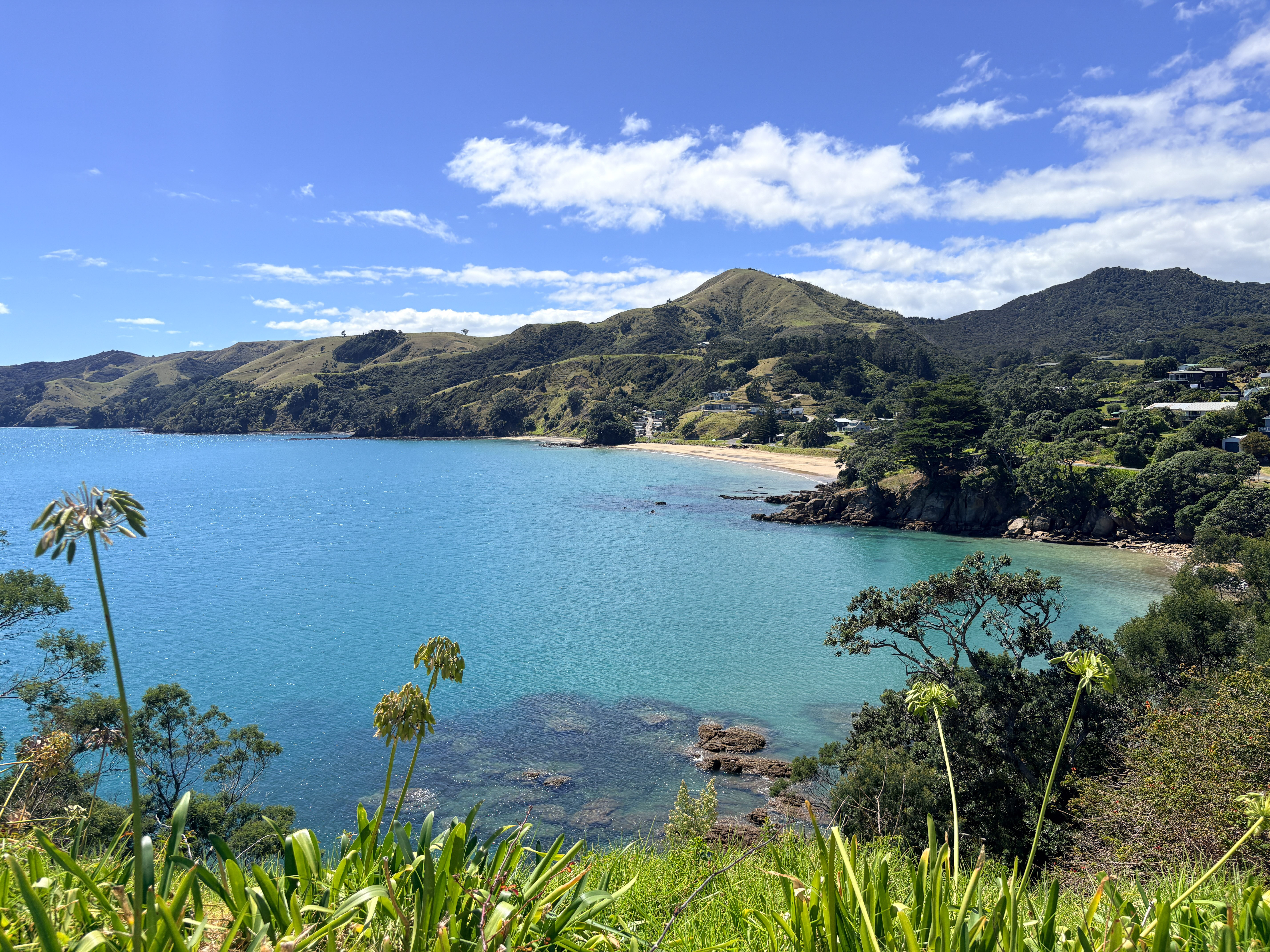
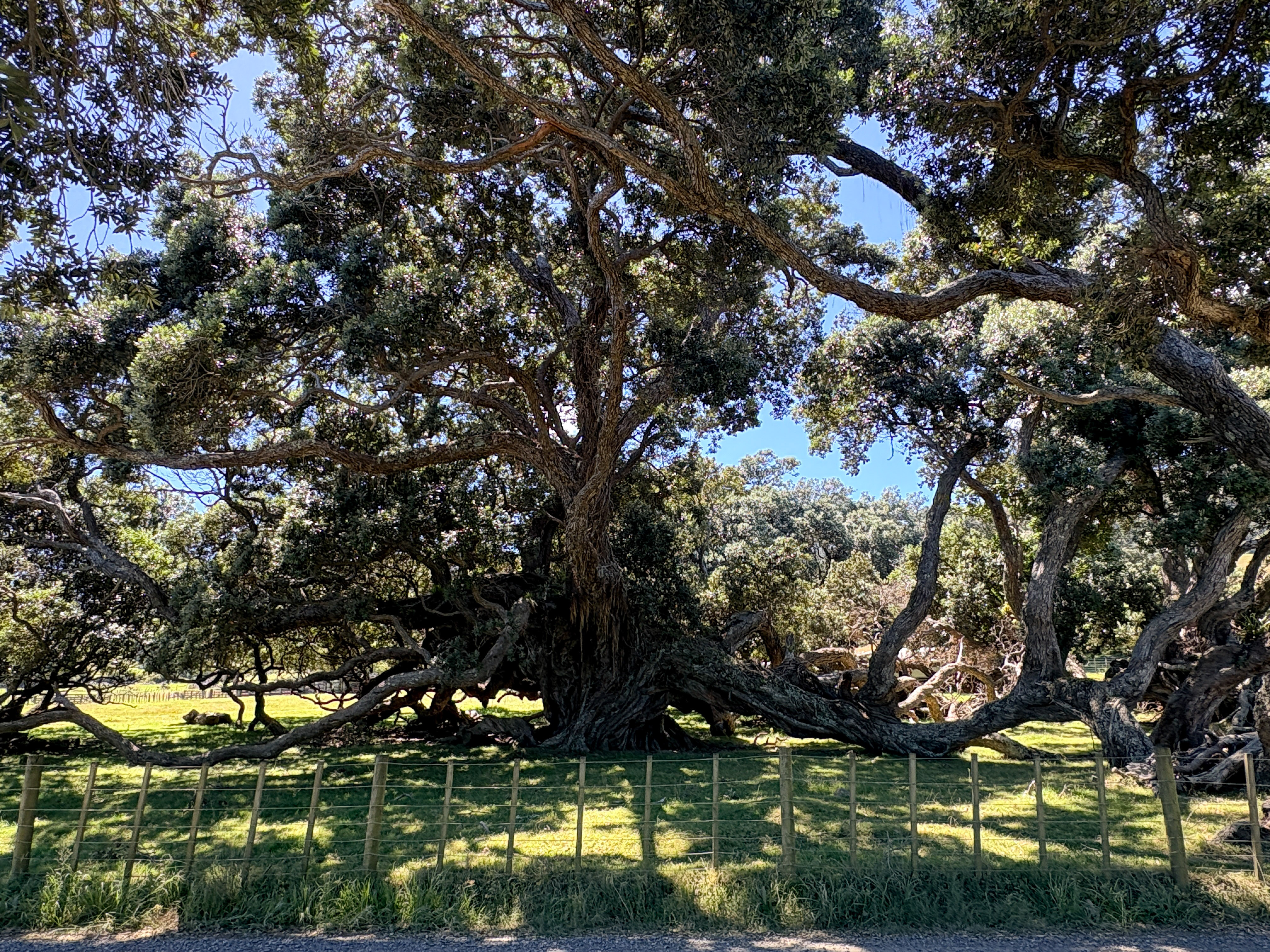
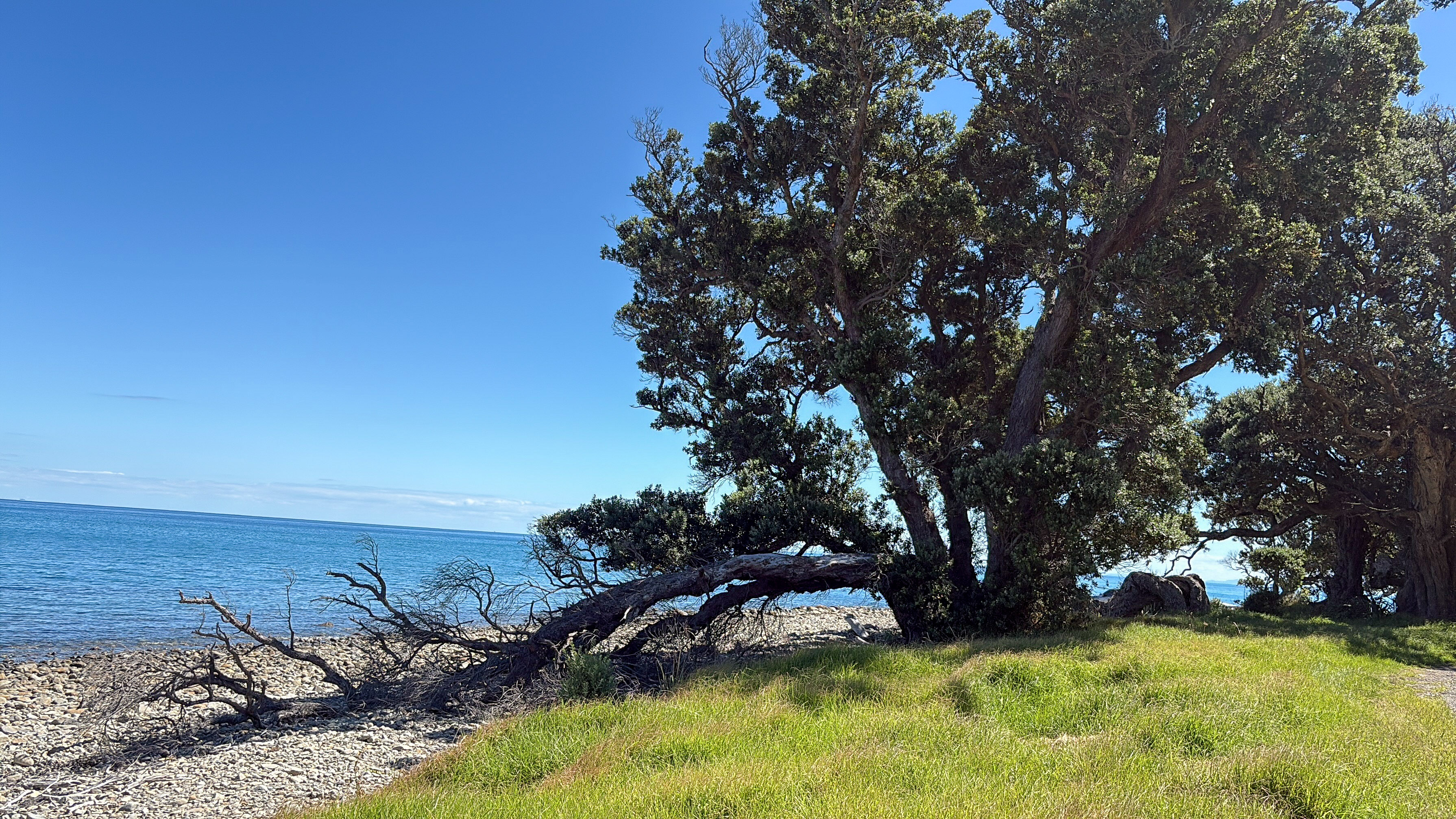
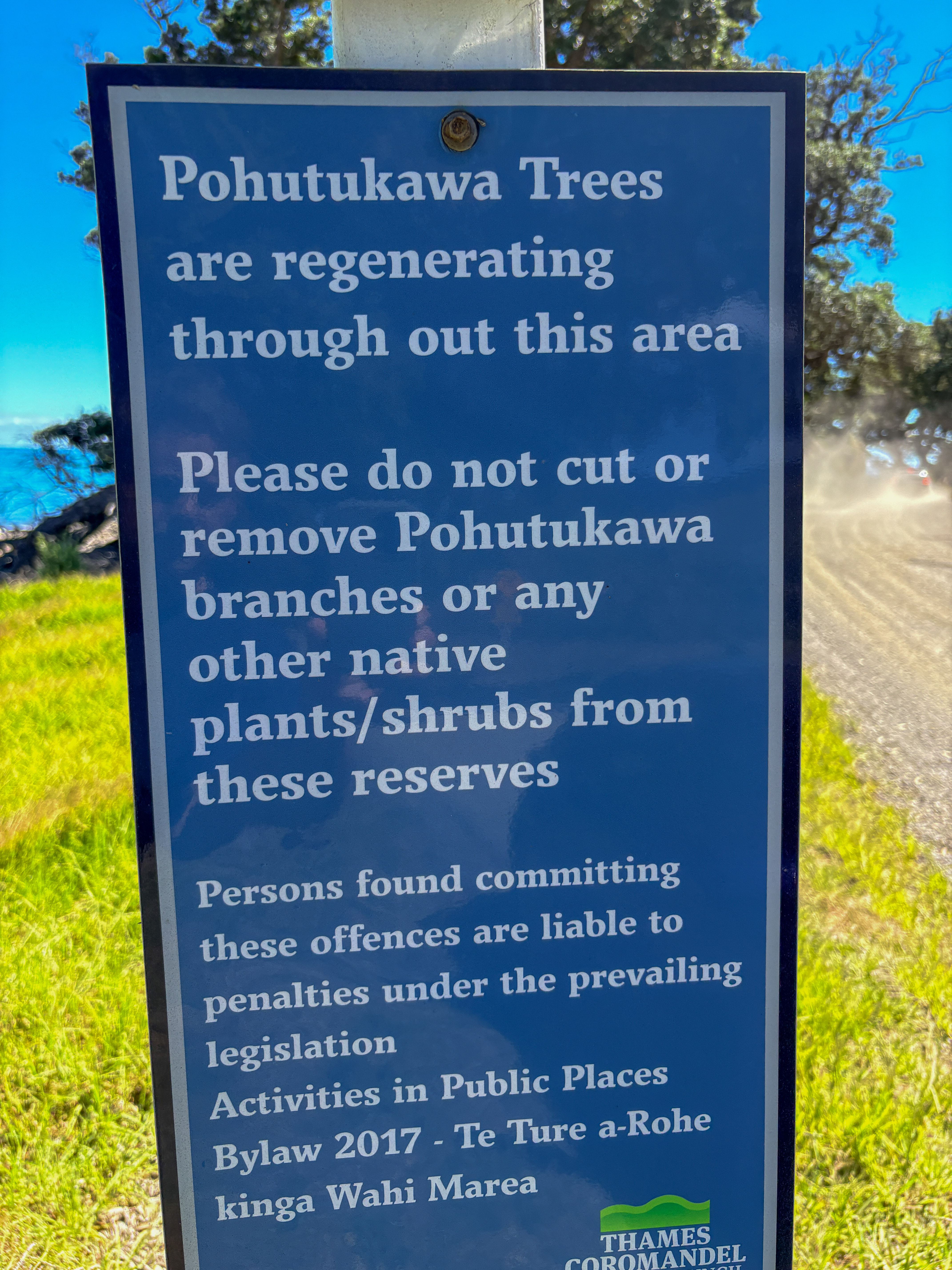
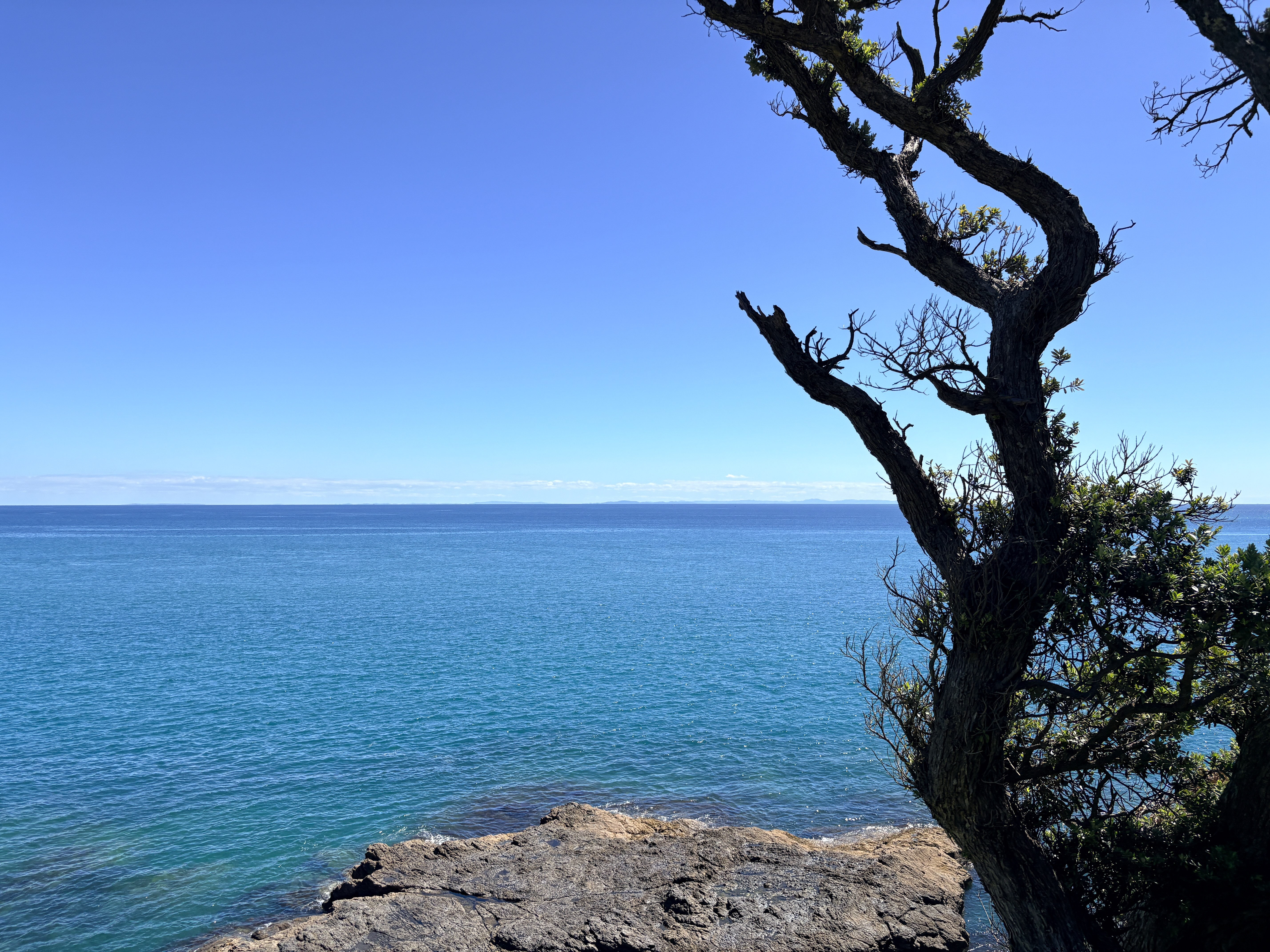
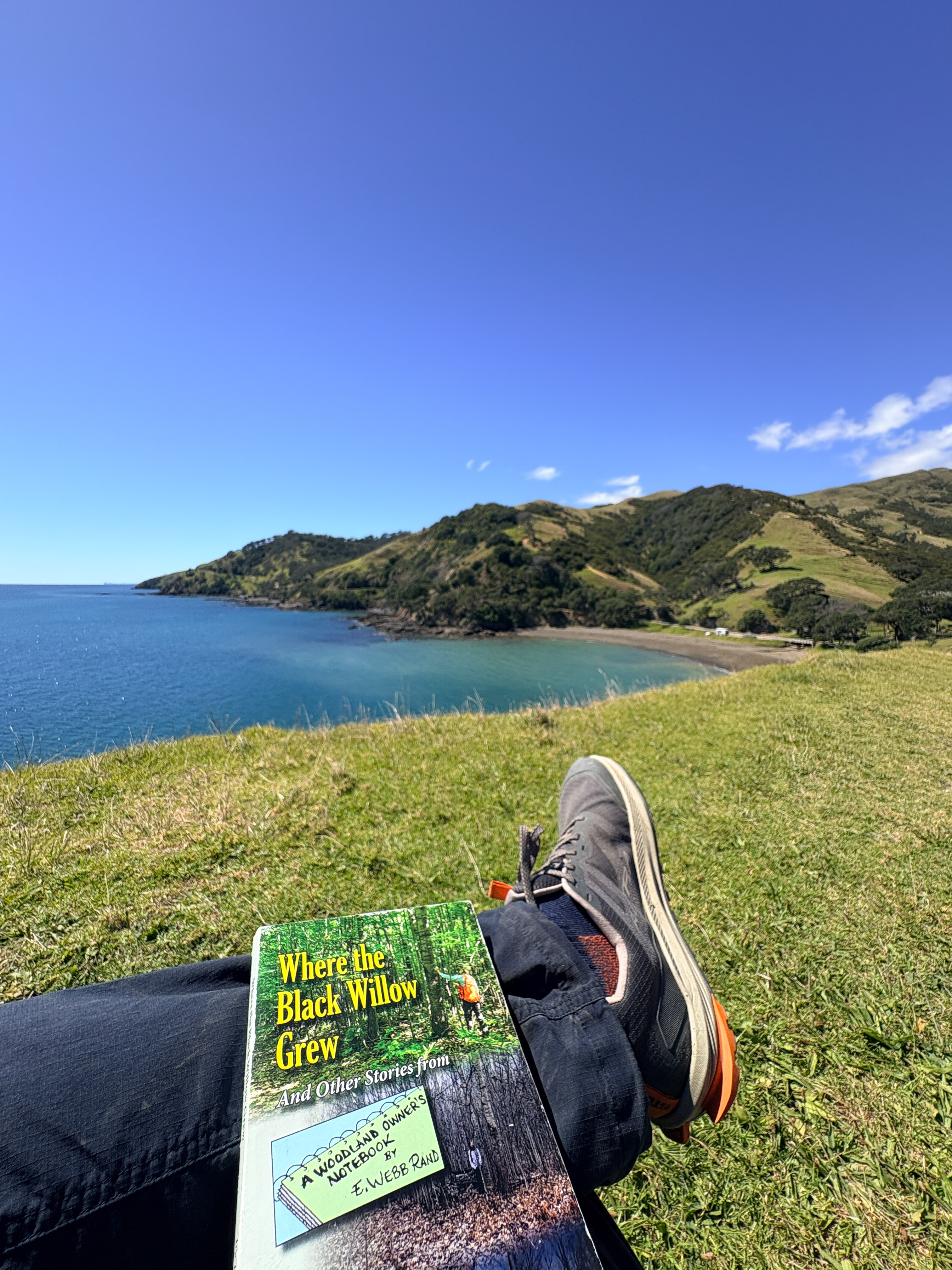
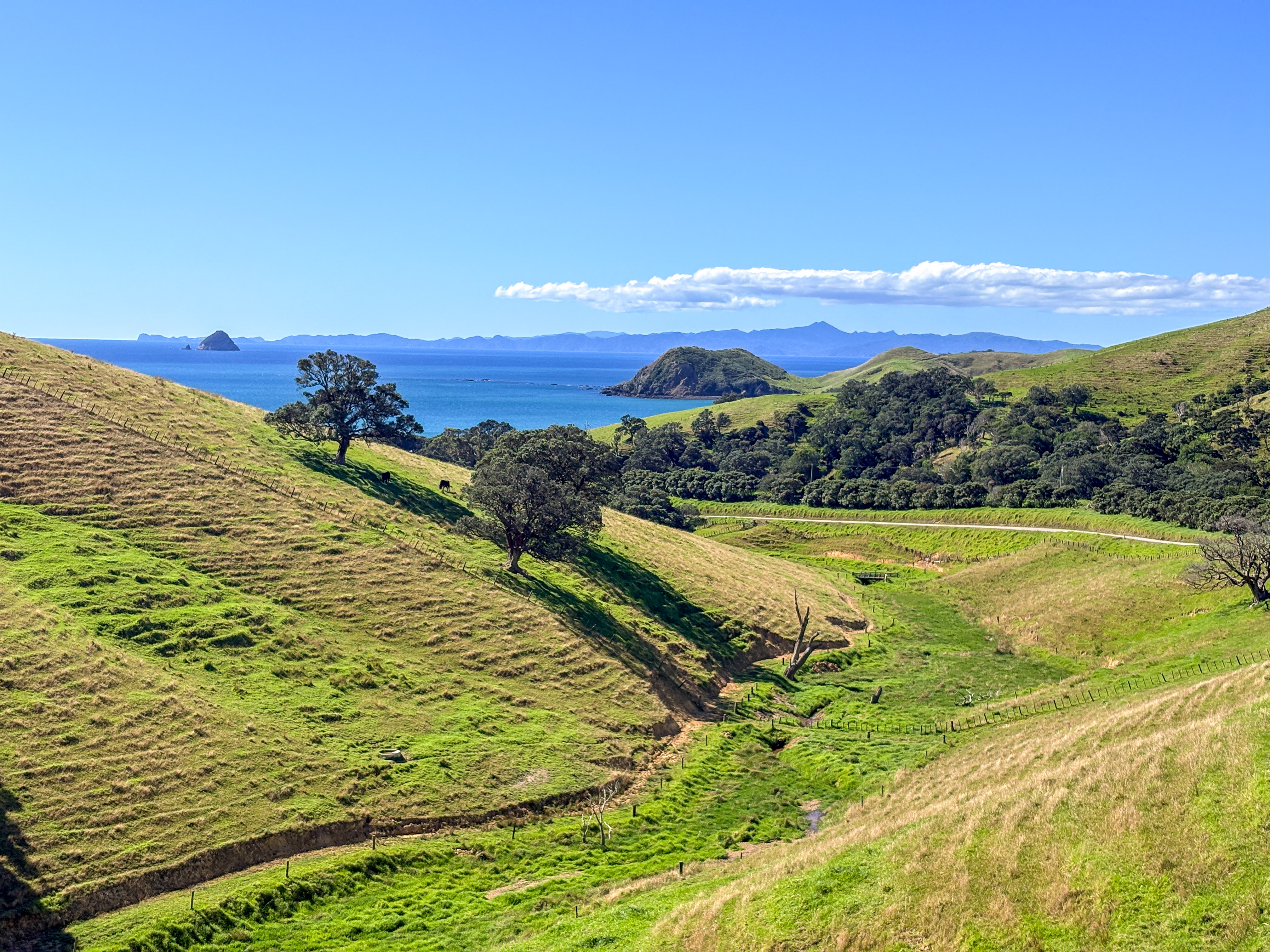
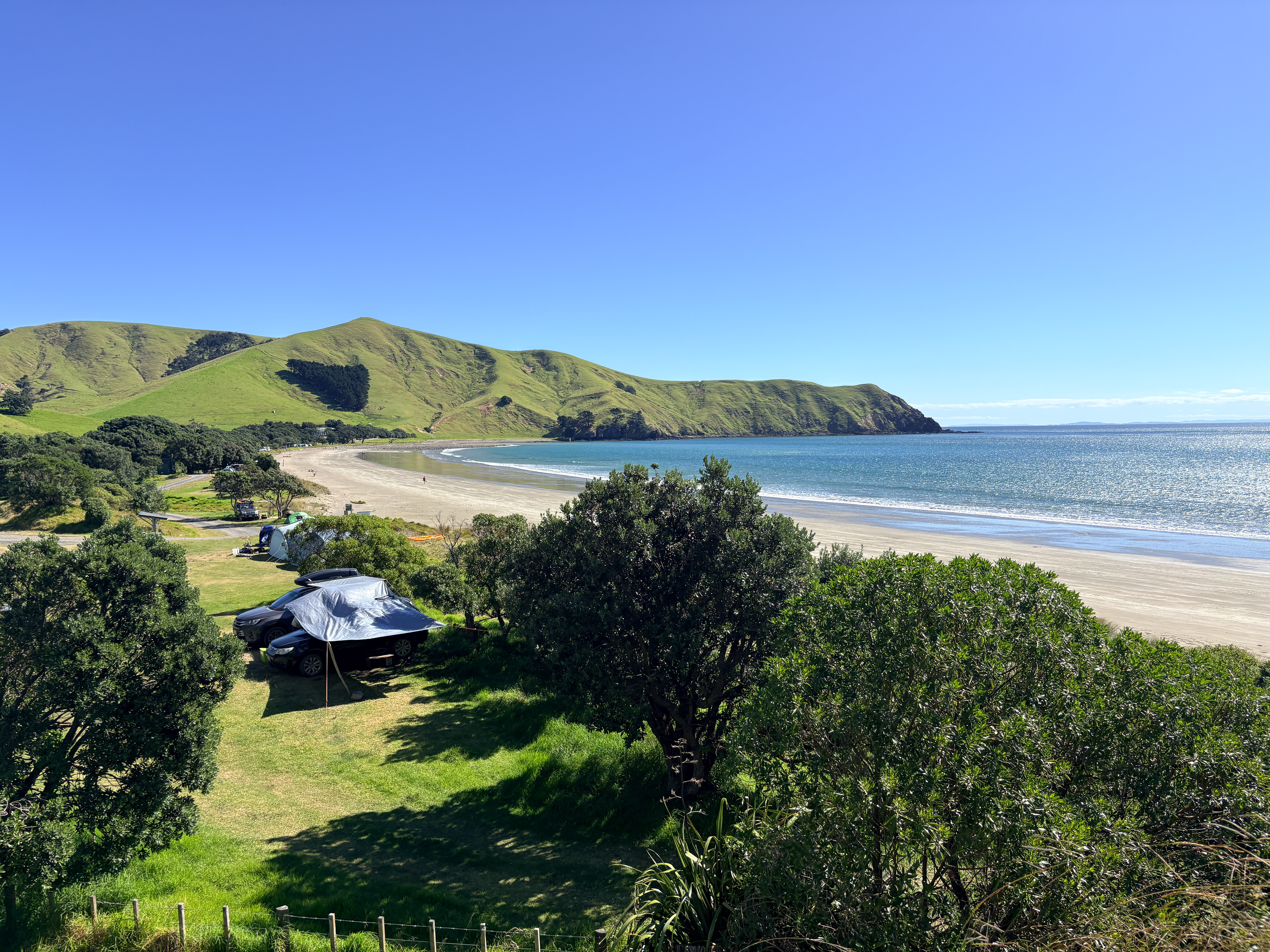
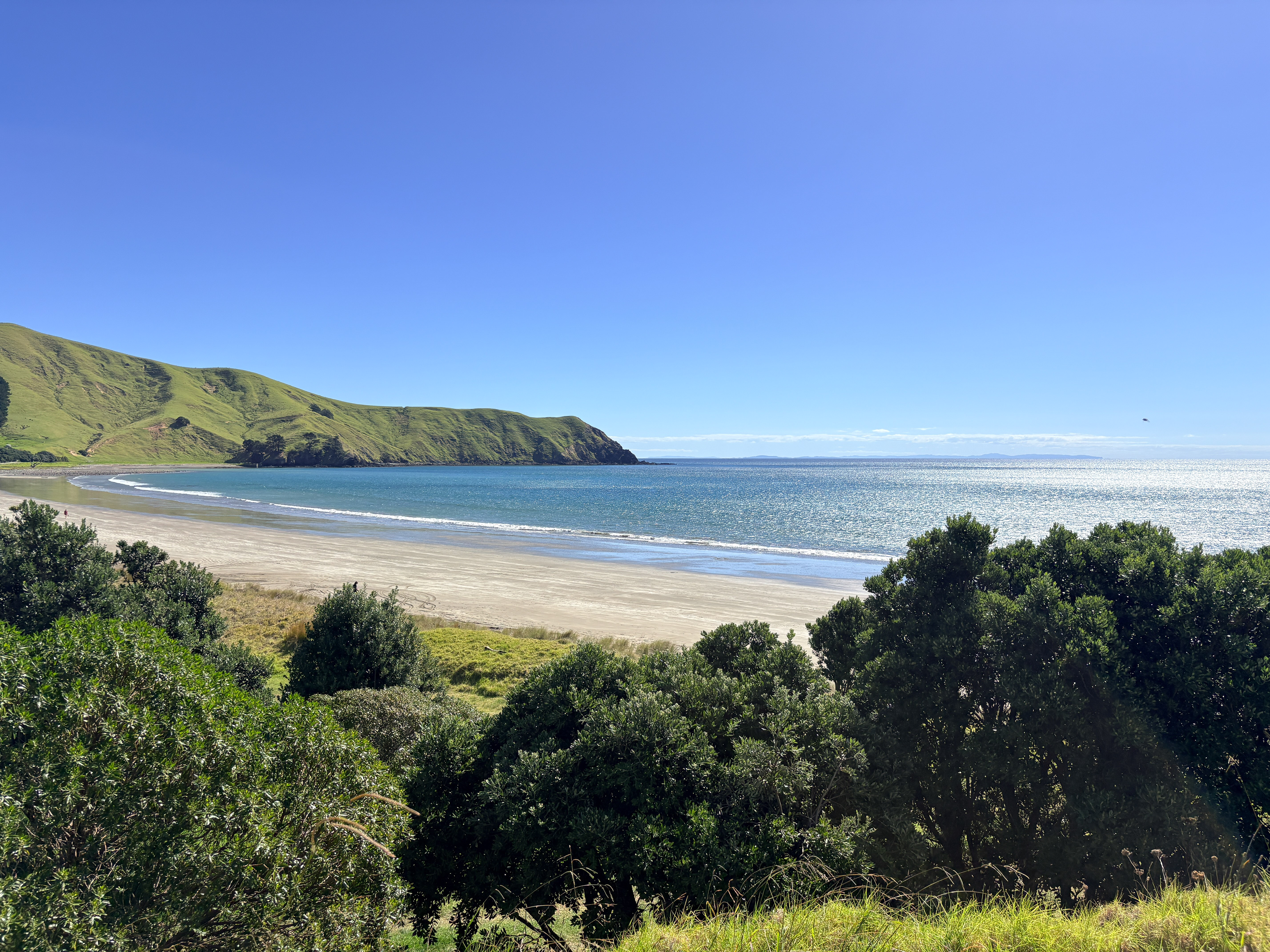
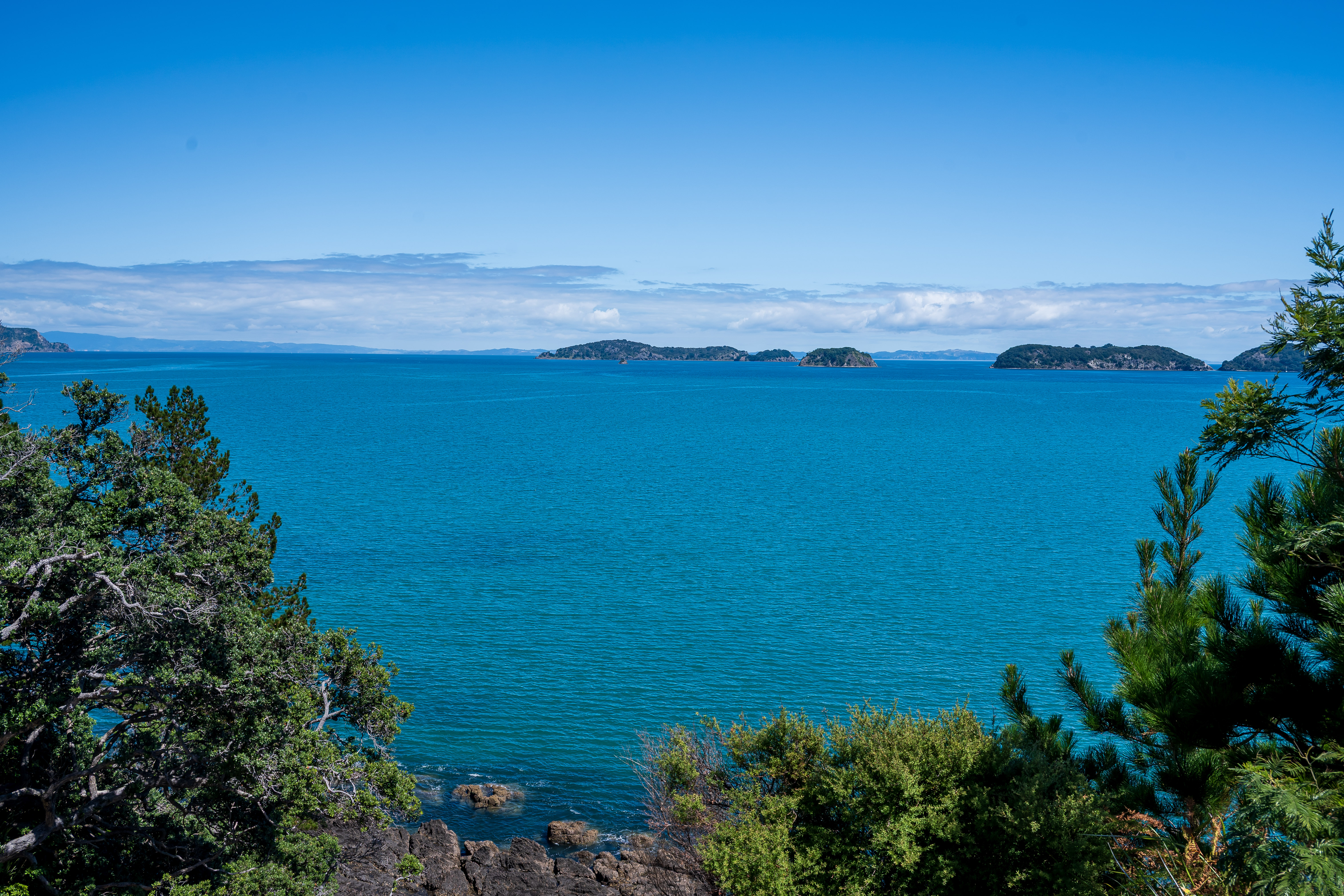
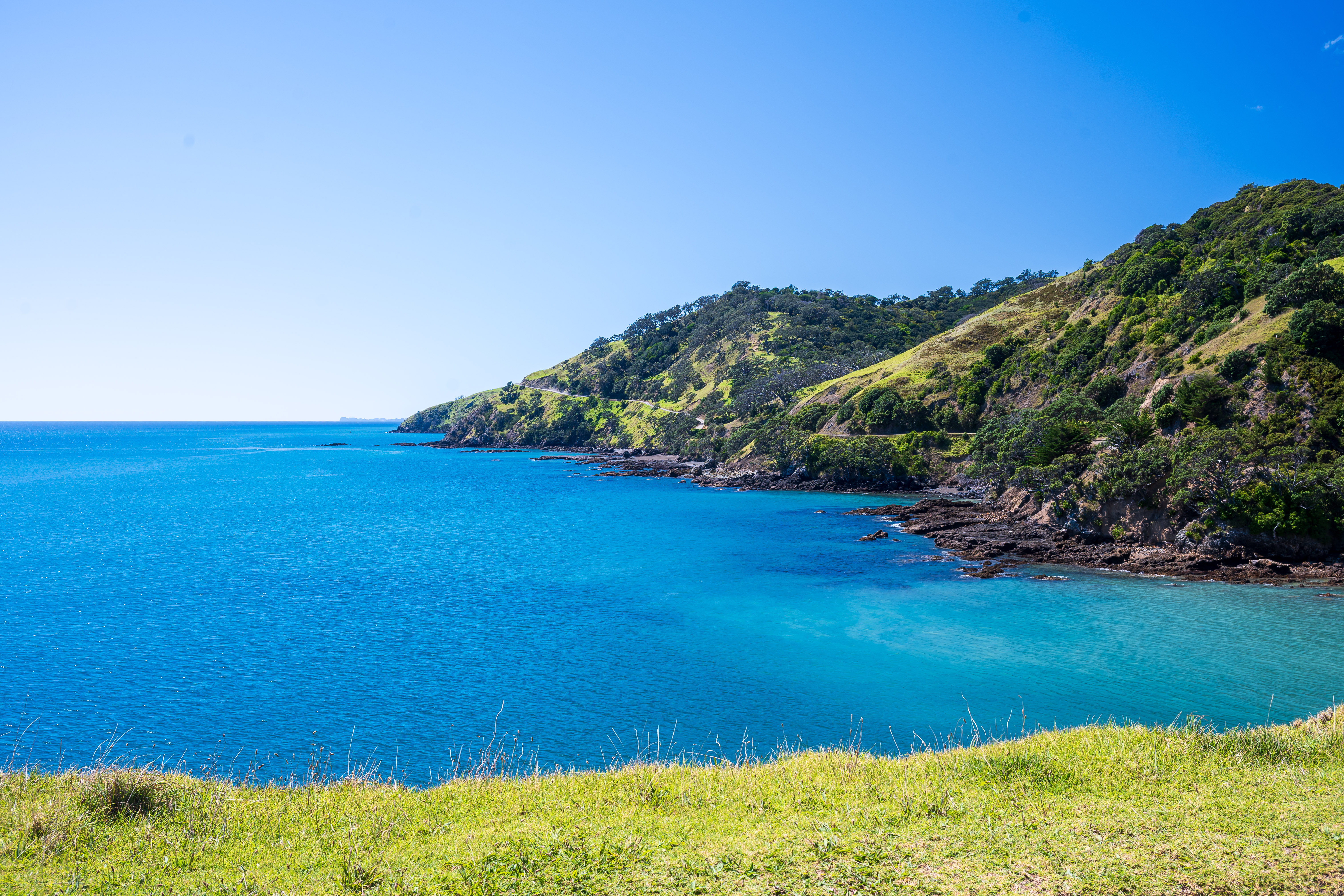
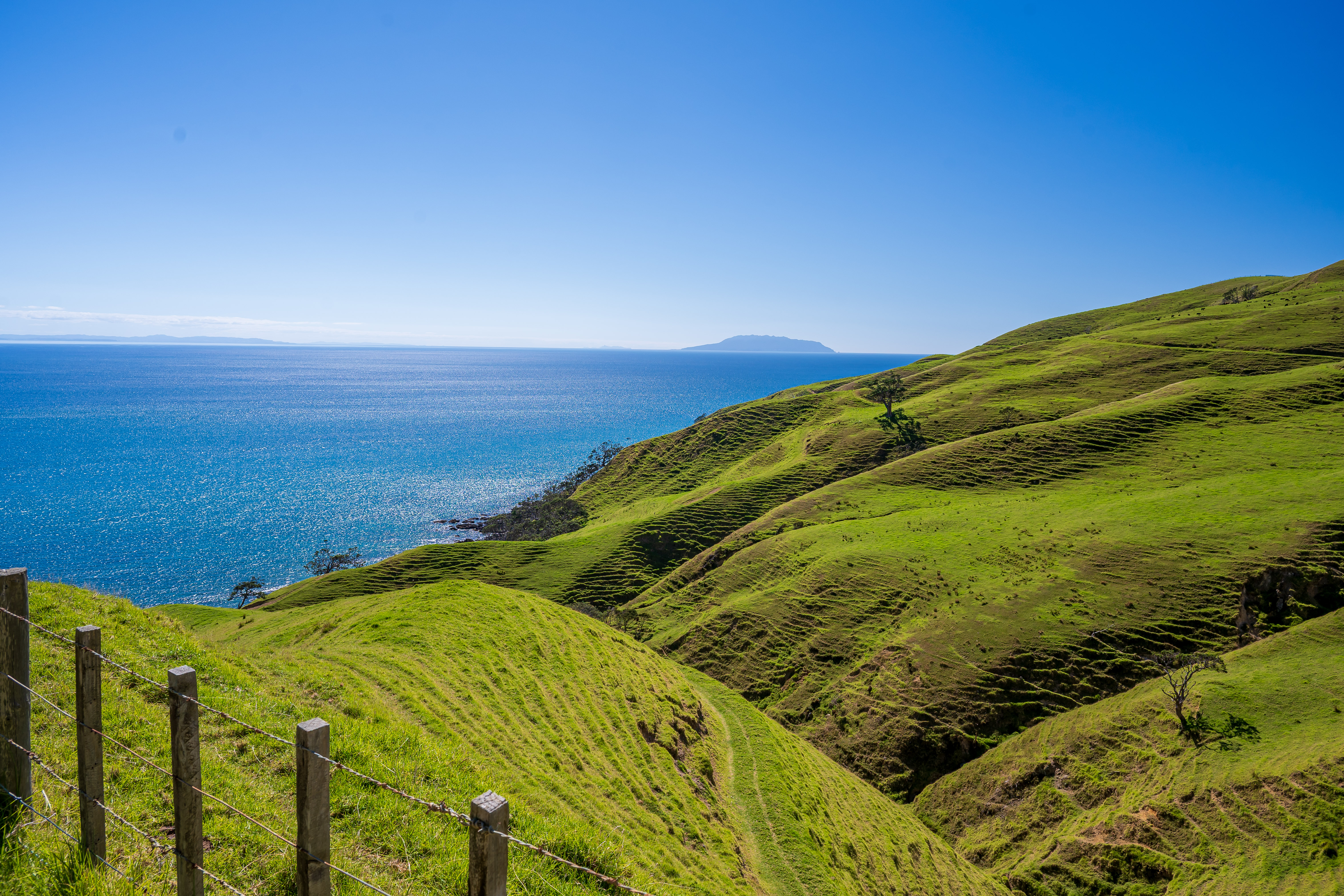
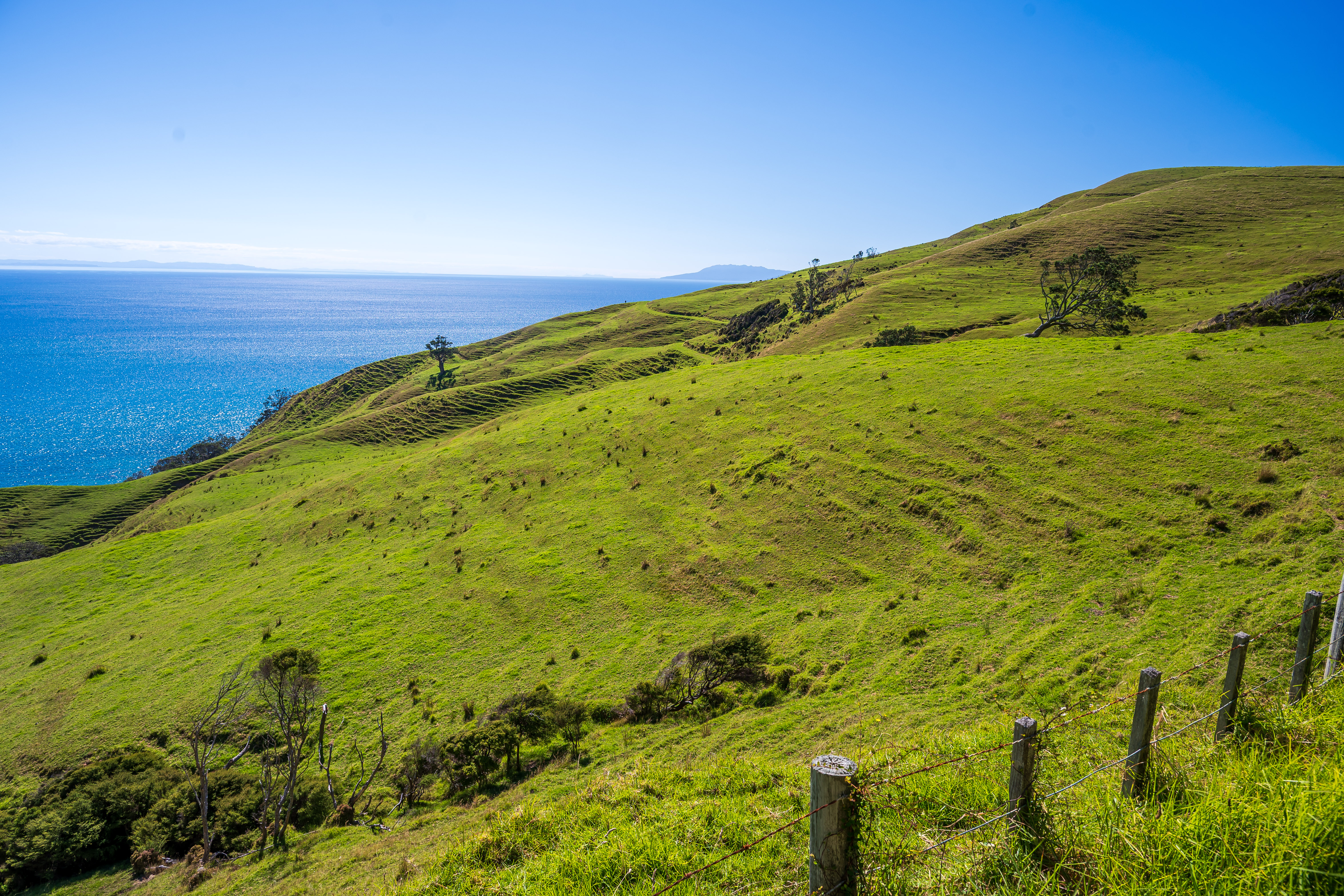
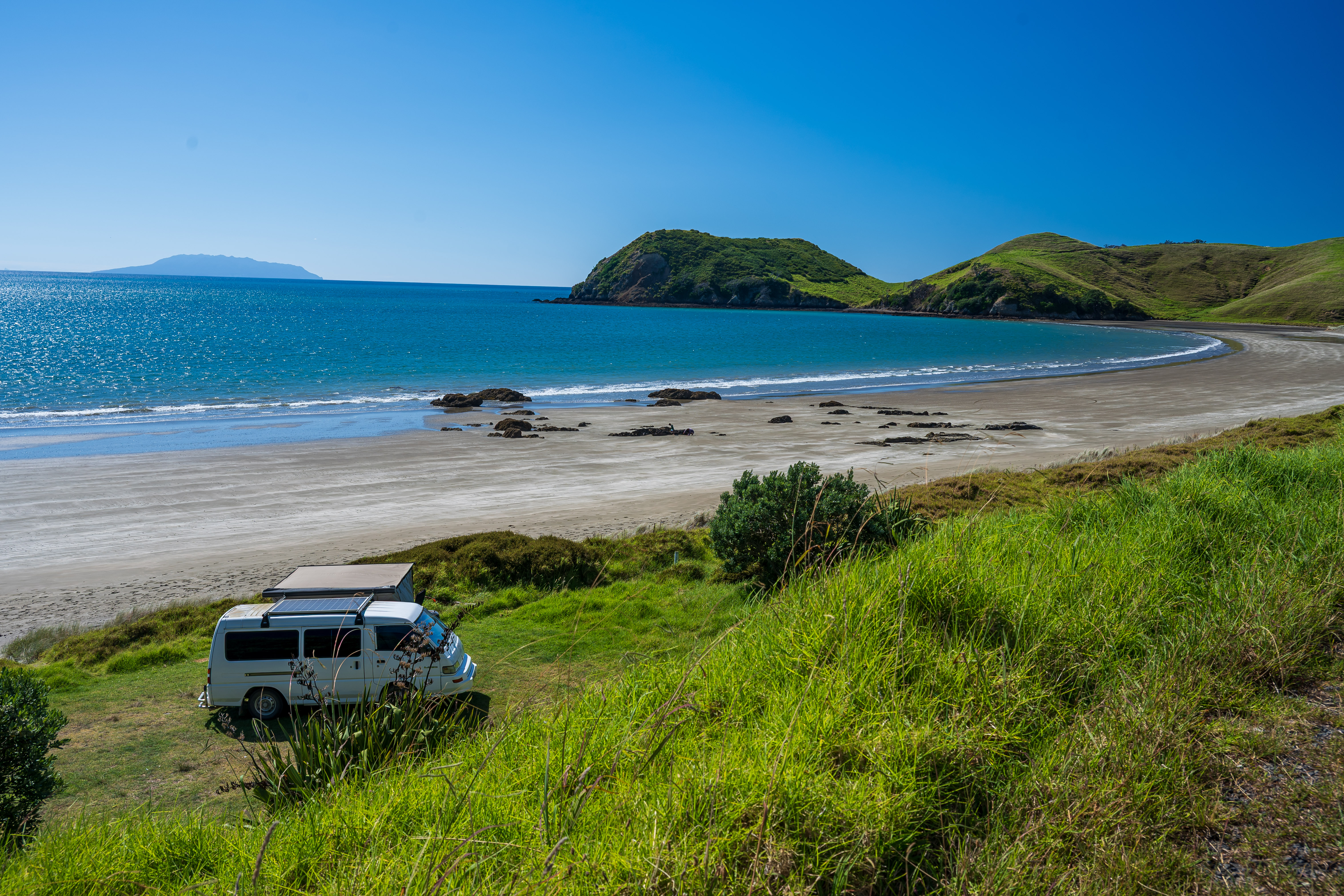
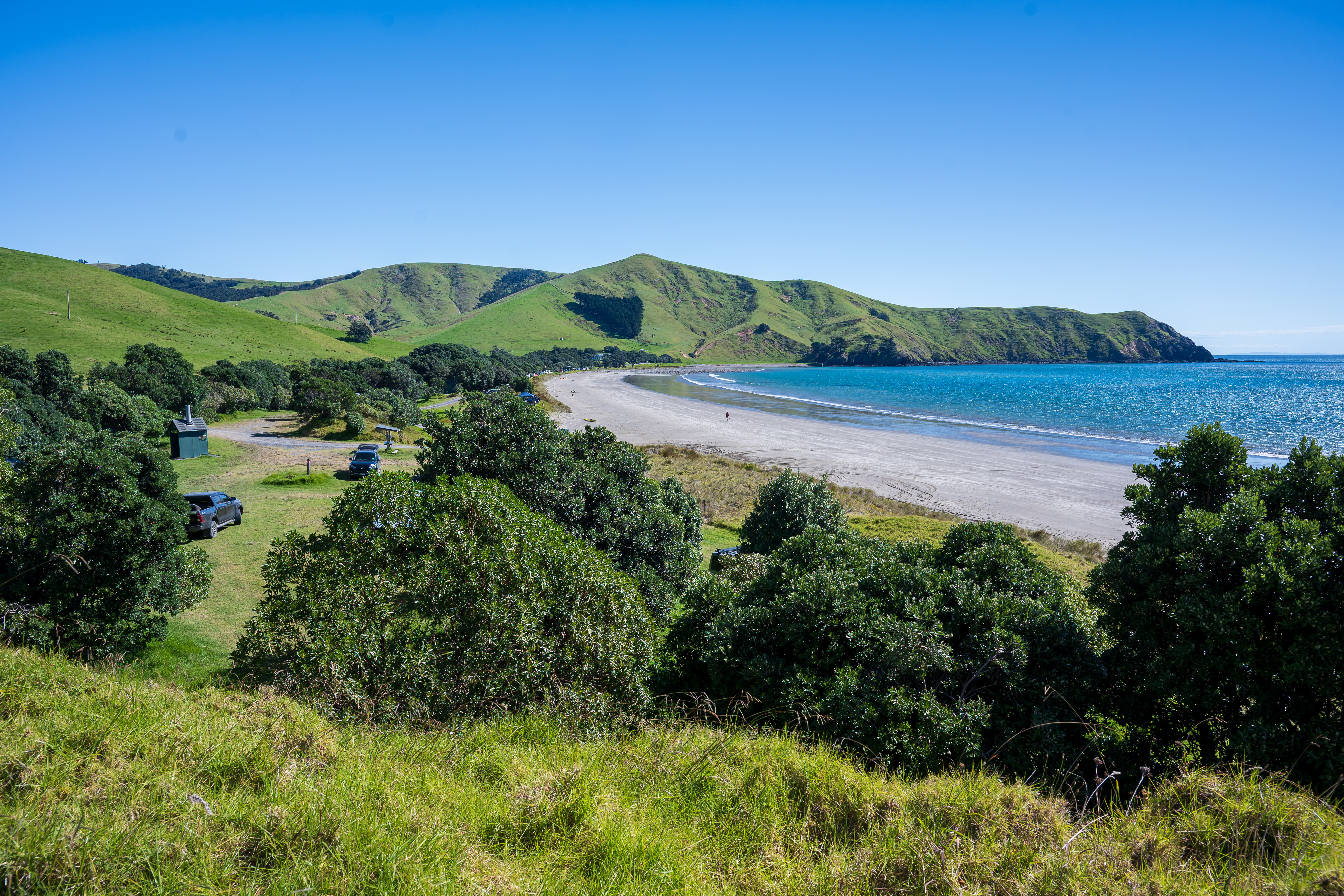
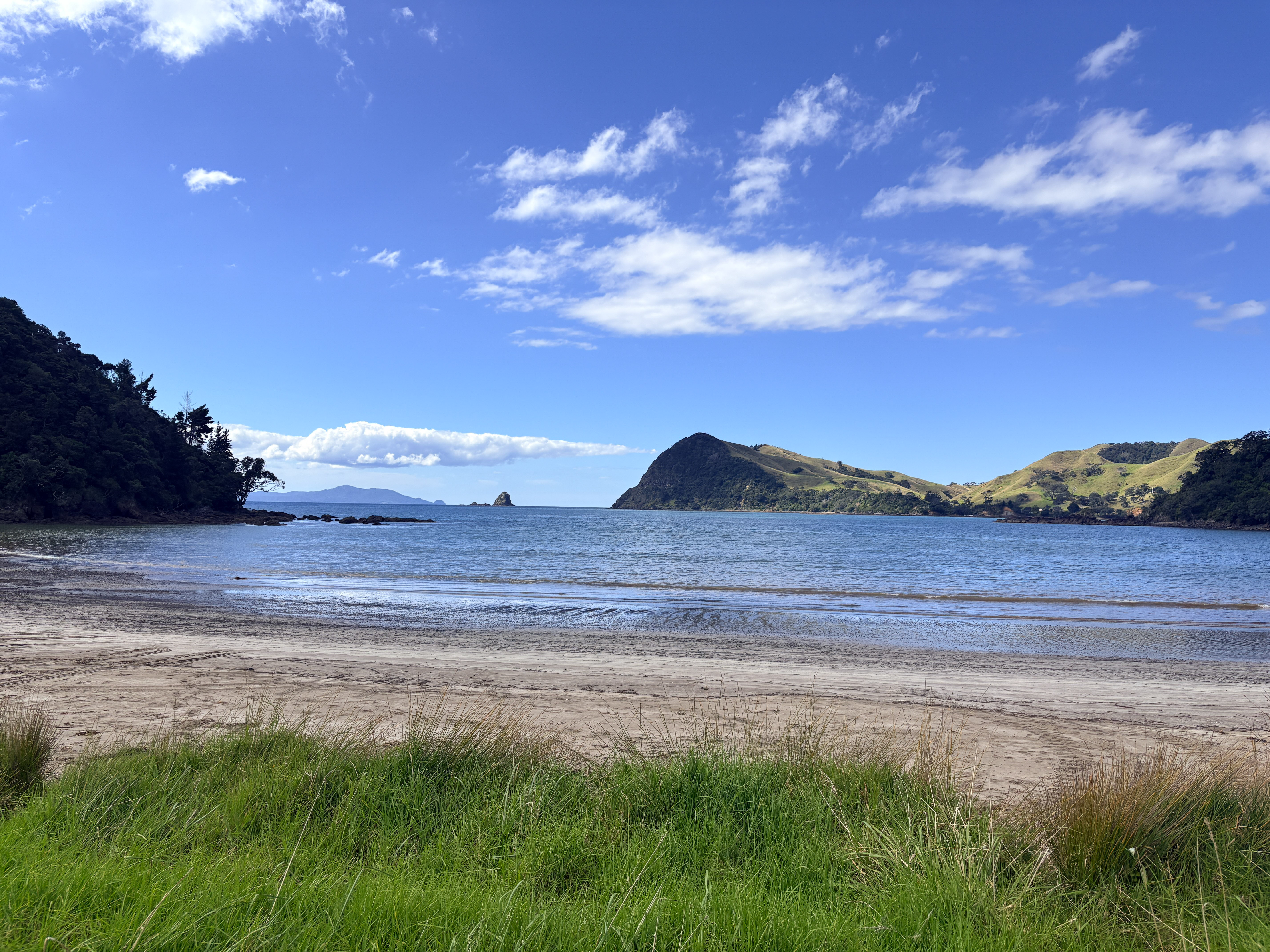
With Coromandel as a basecamp, I explored northwest along the coast to Port Jackson. This stretch was very much my speed and on my future list of places to camp. Gorgeous open views mixed with pockets of ancient trees. Relaxation at camp was also on the agenda.
Day 15 (March 8)
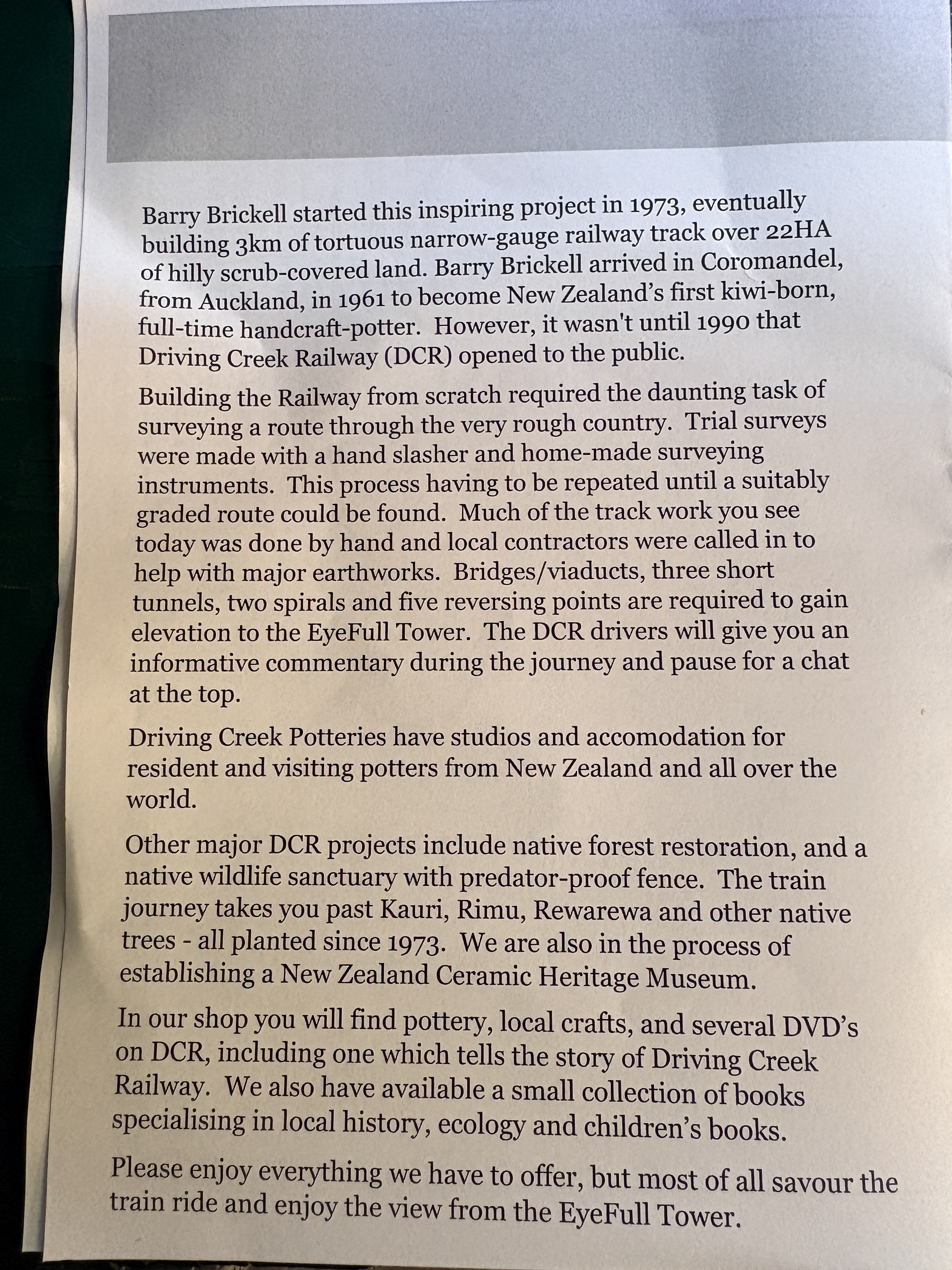
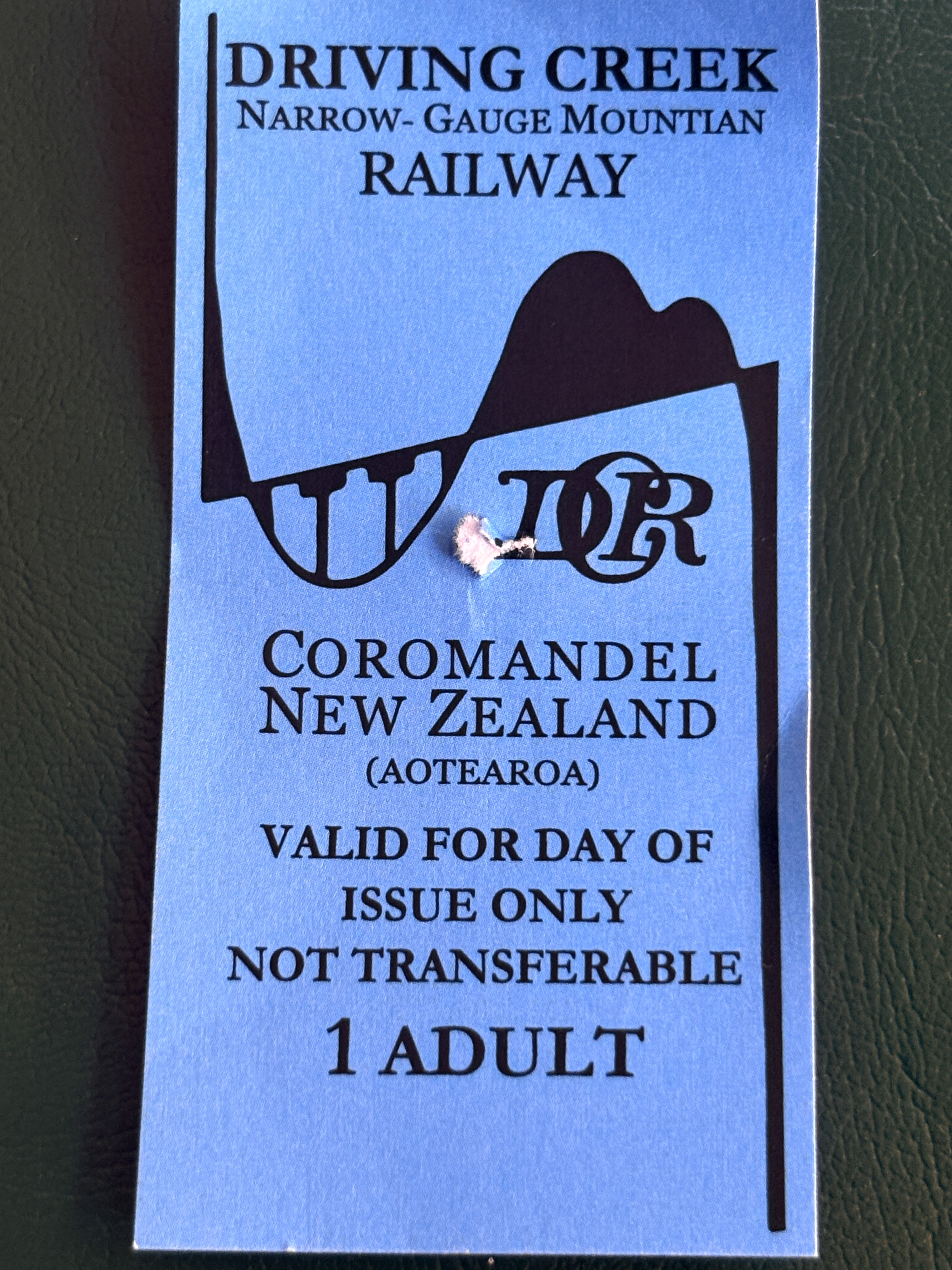
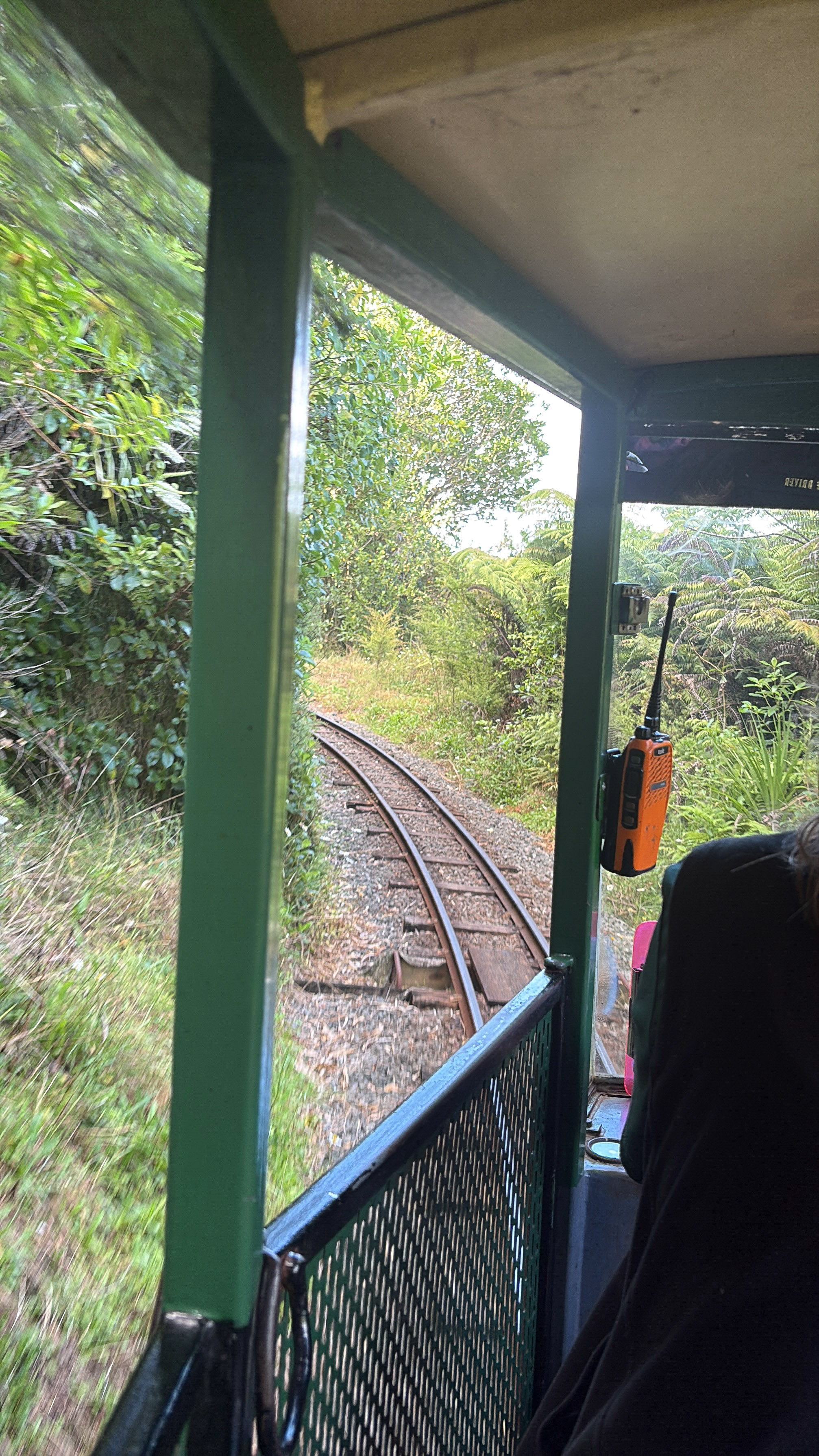
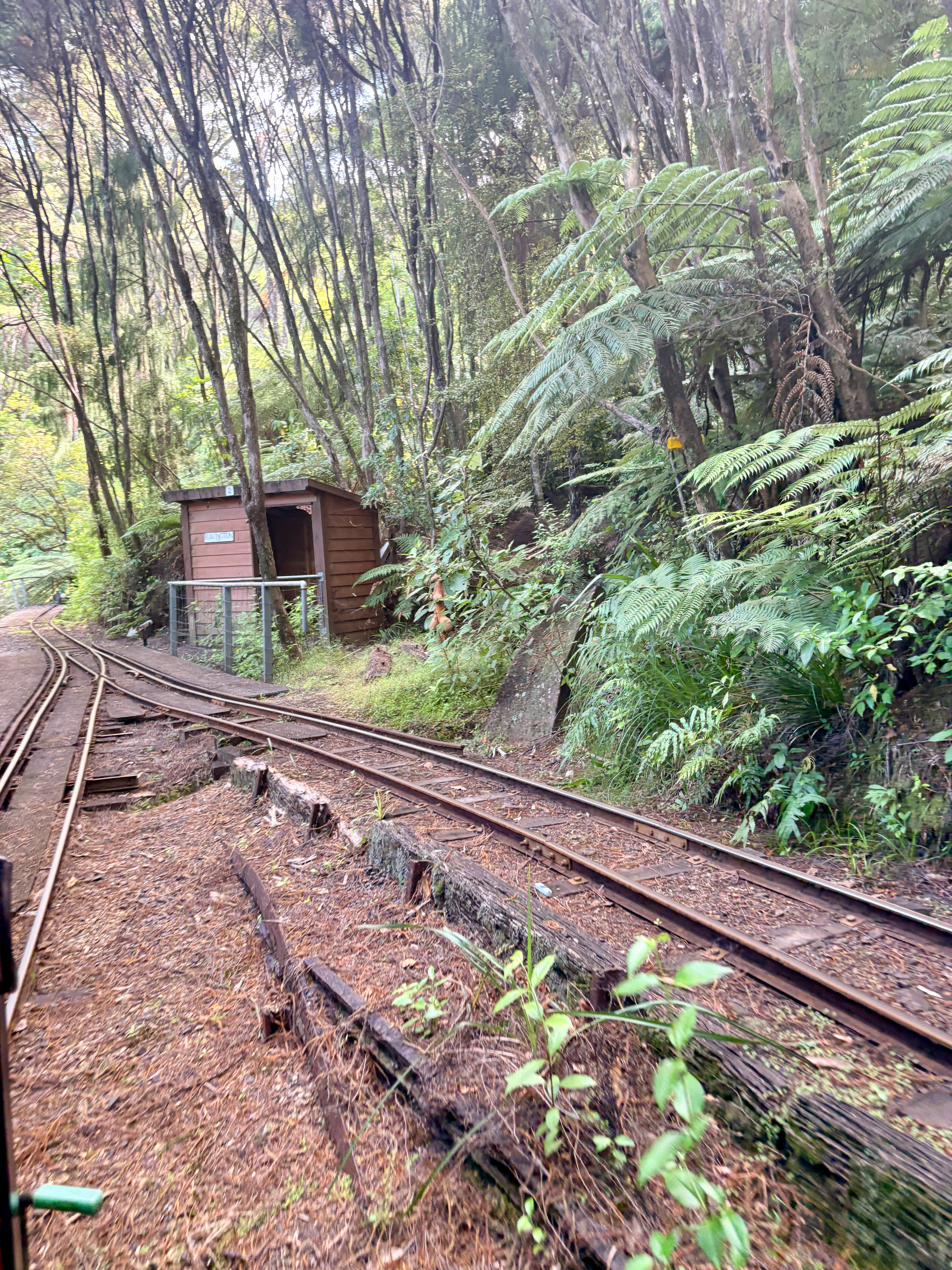
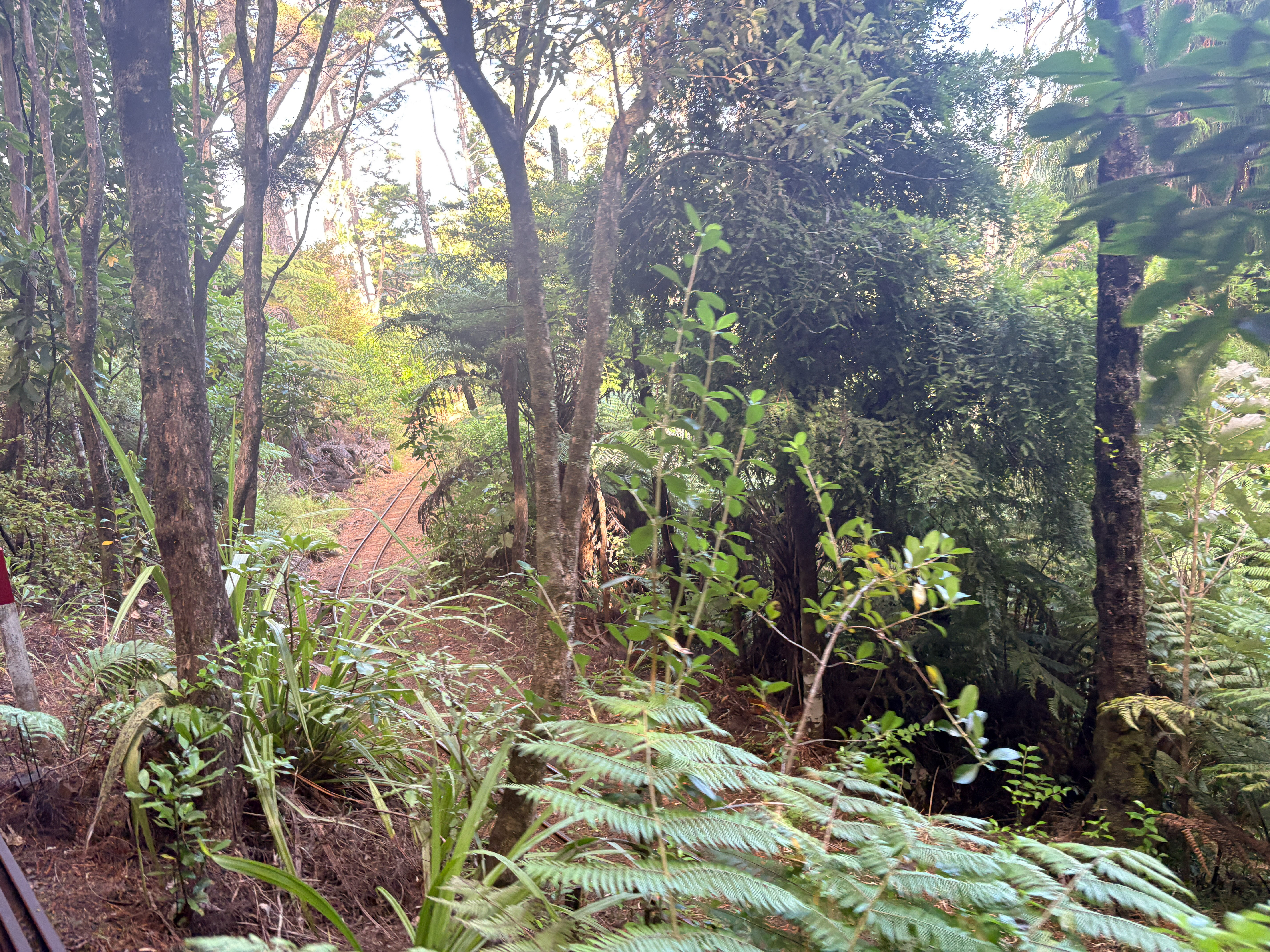
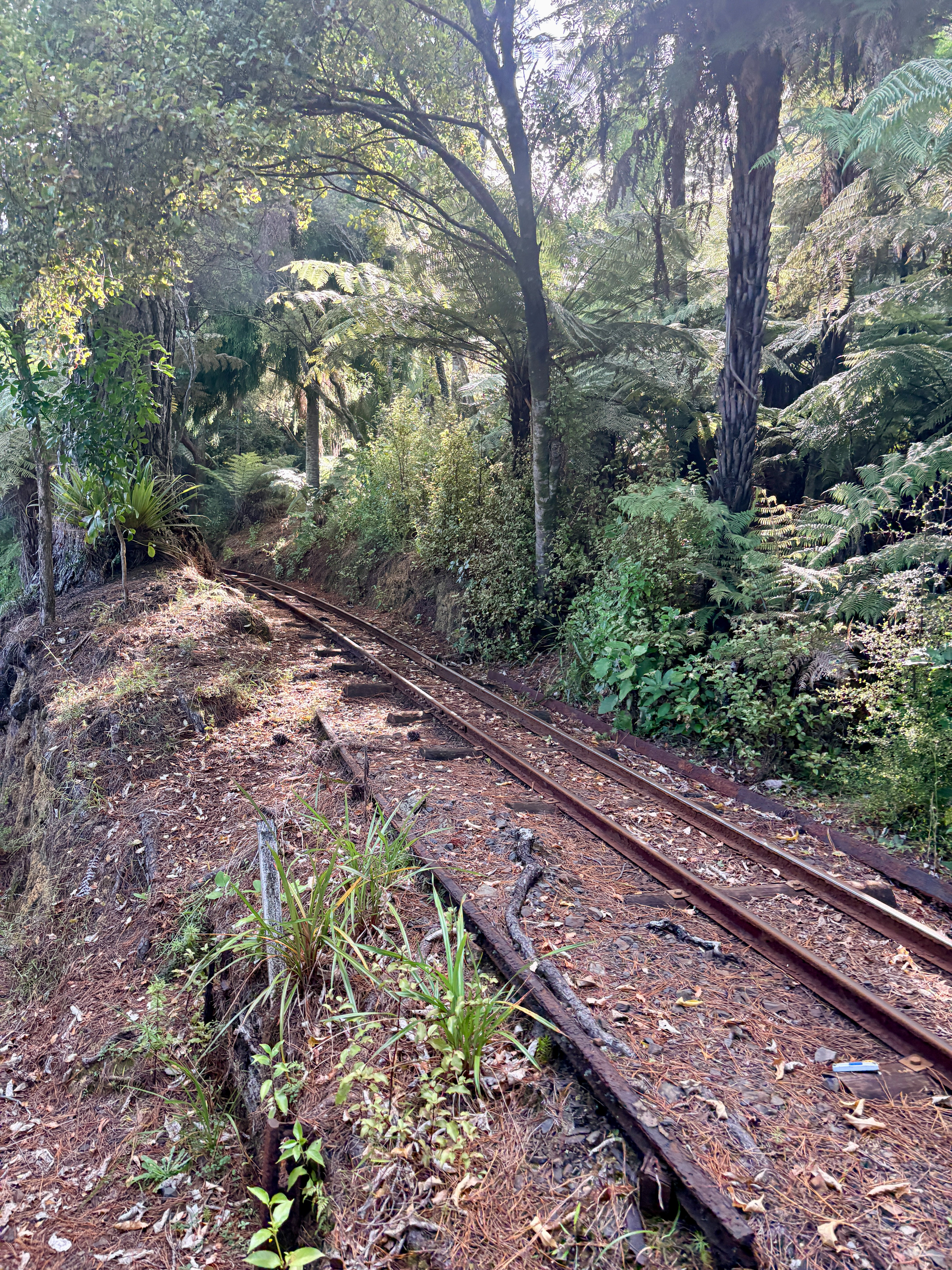
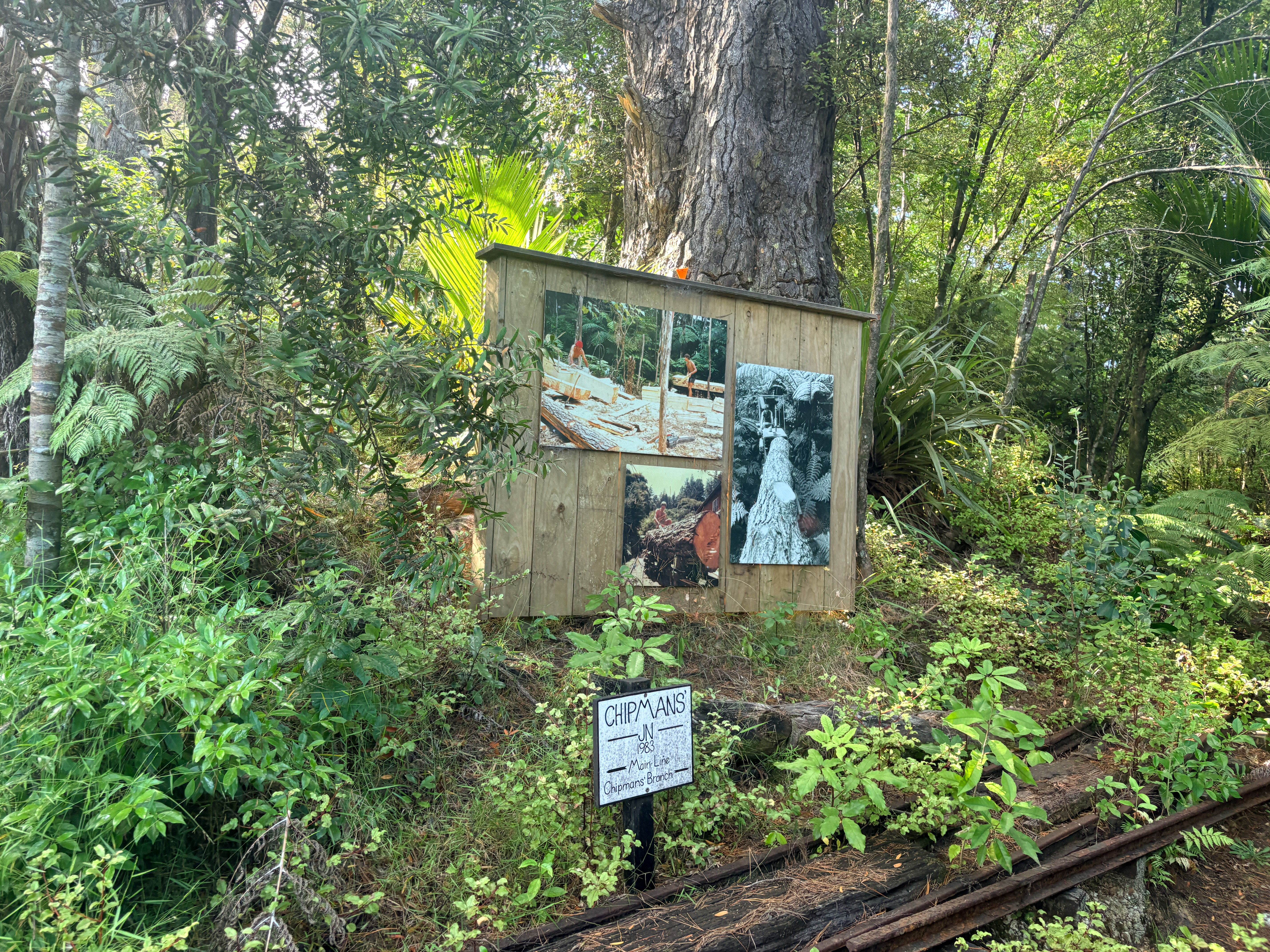
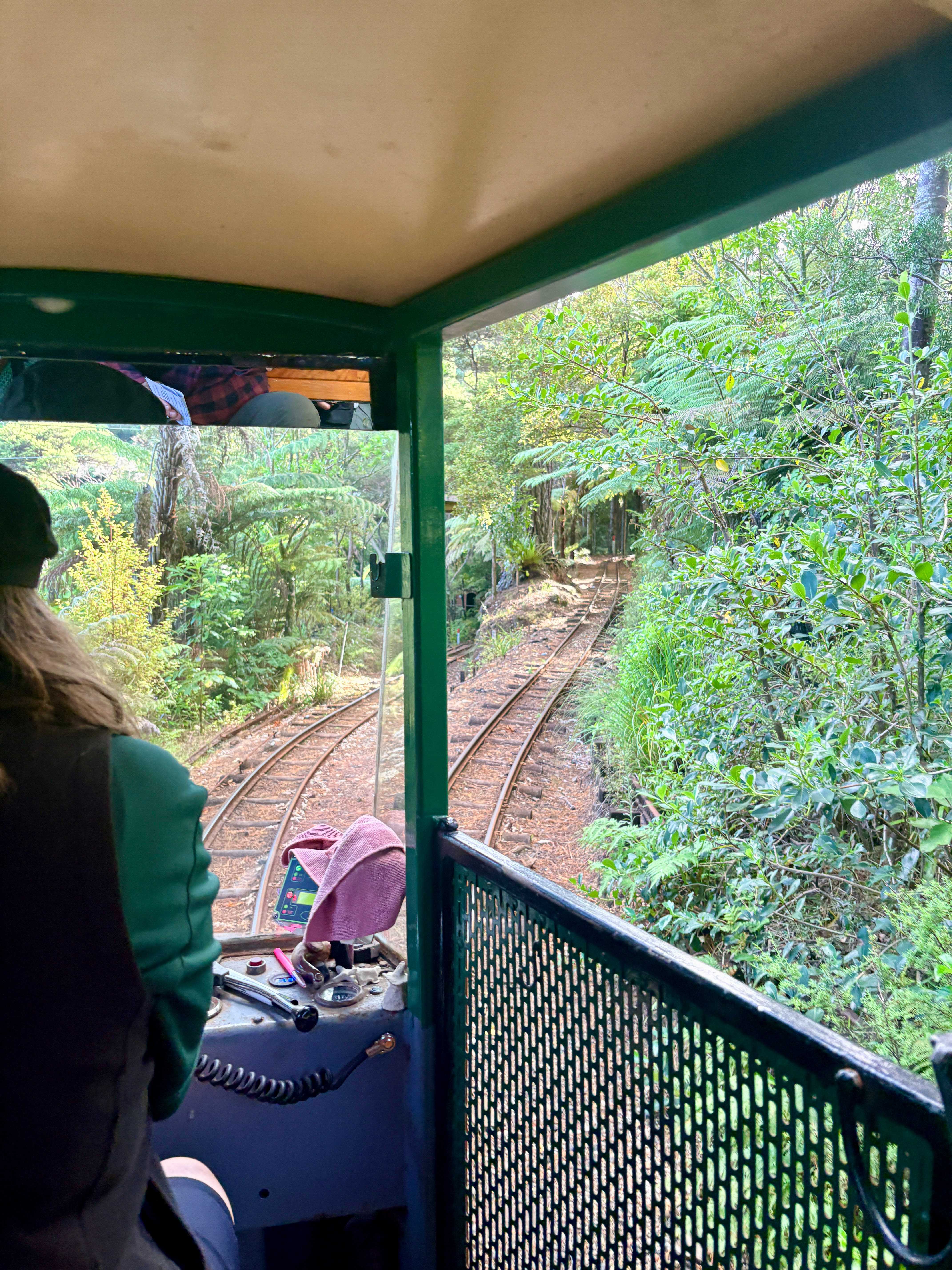
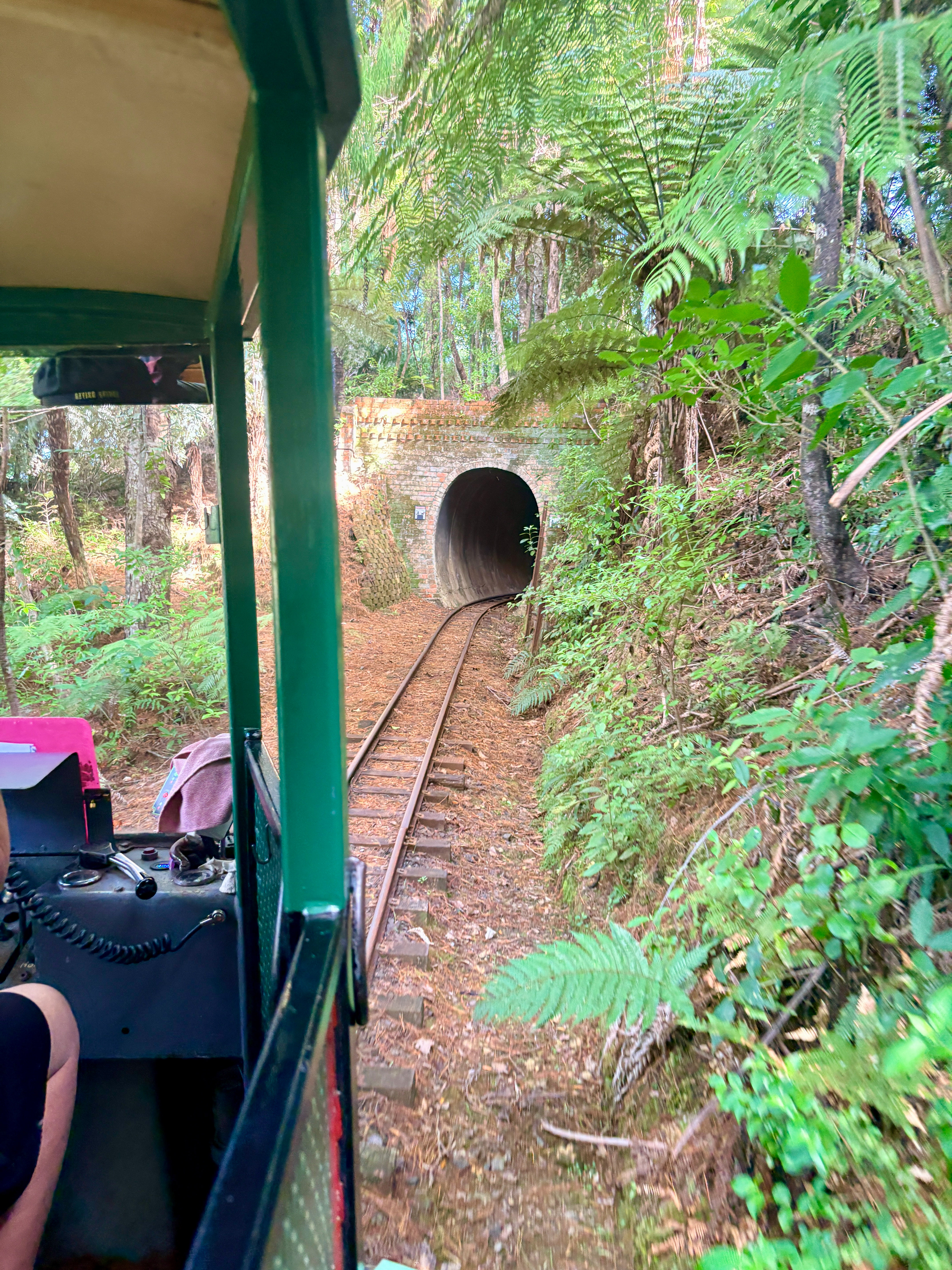
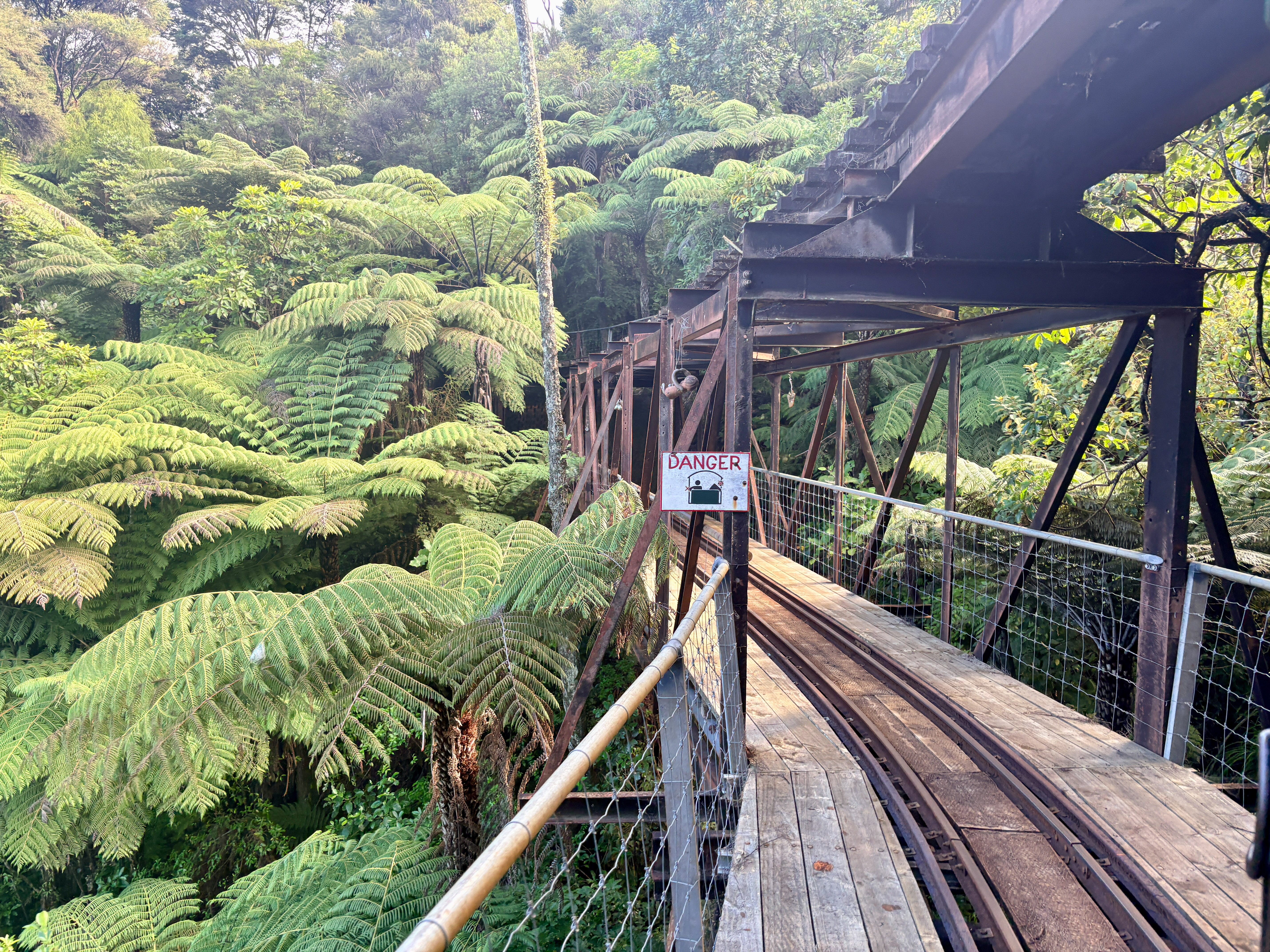
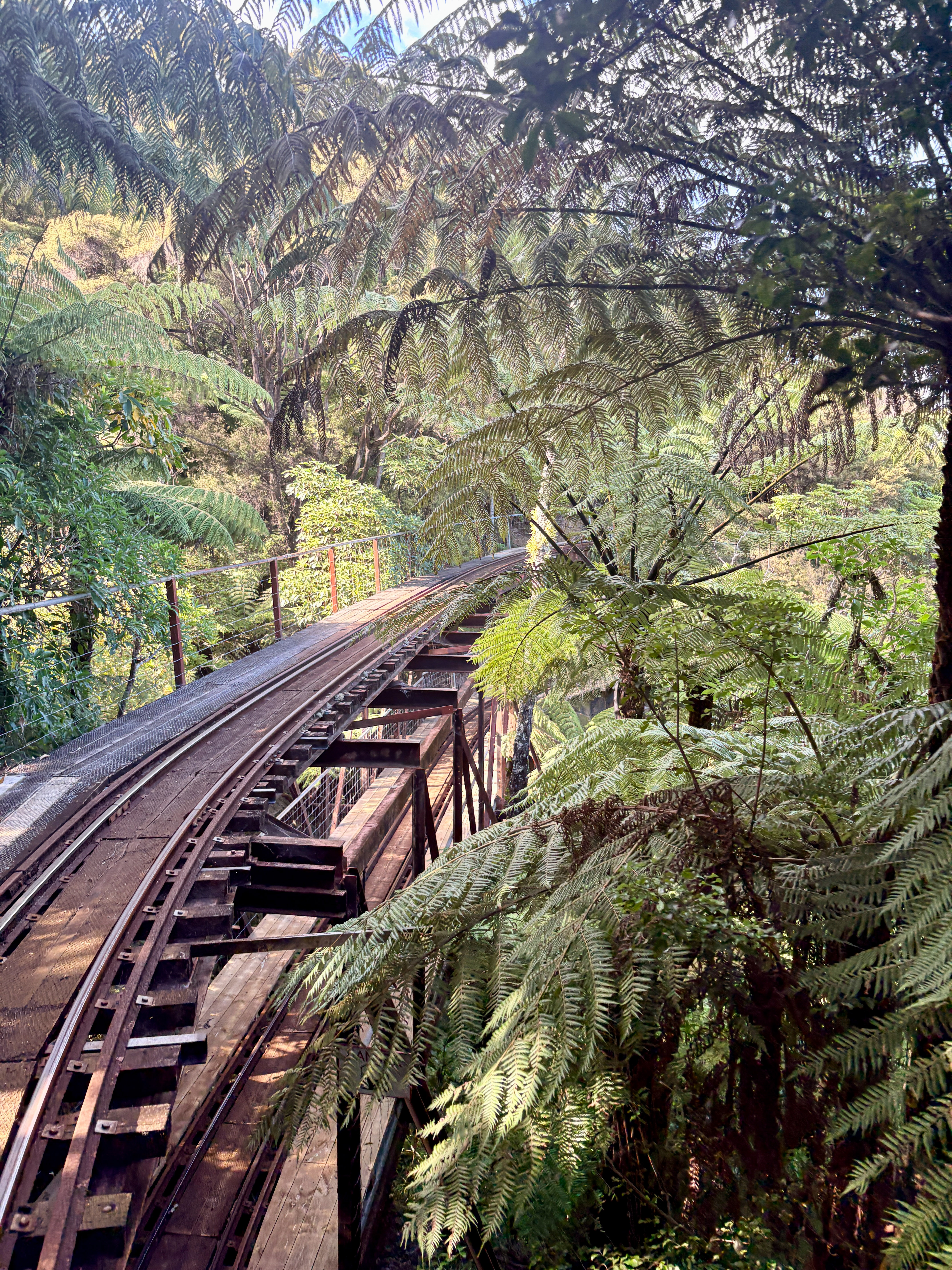
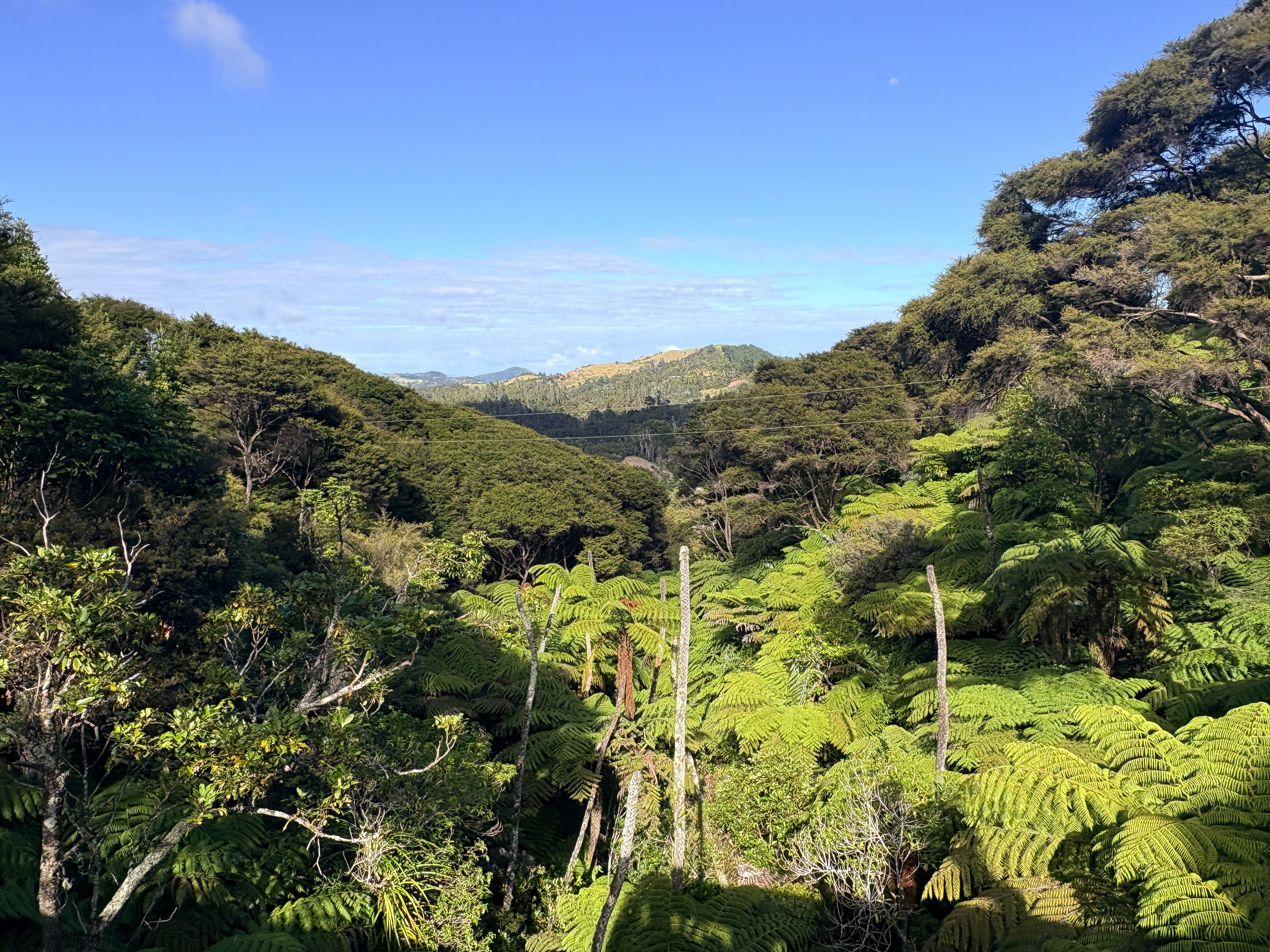
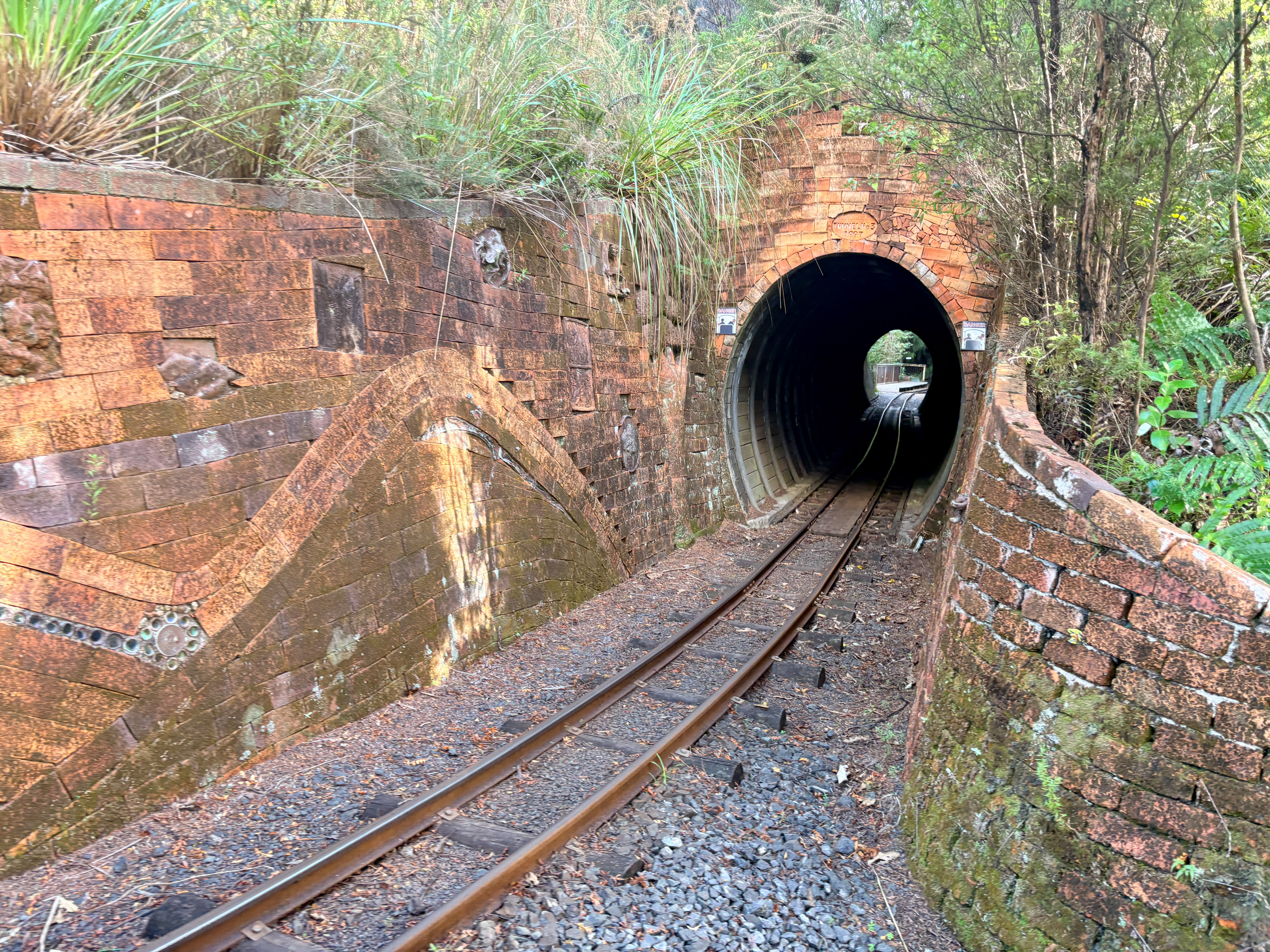
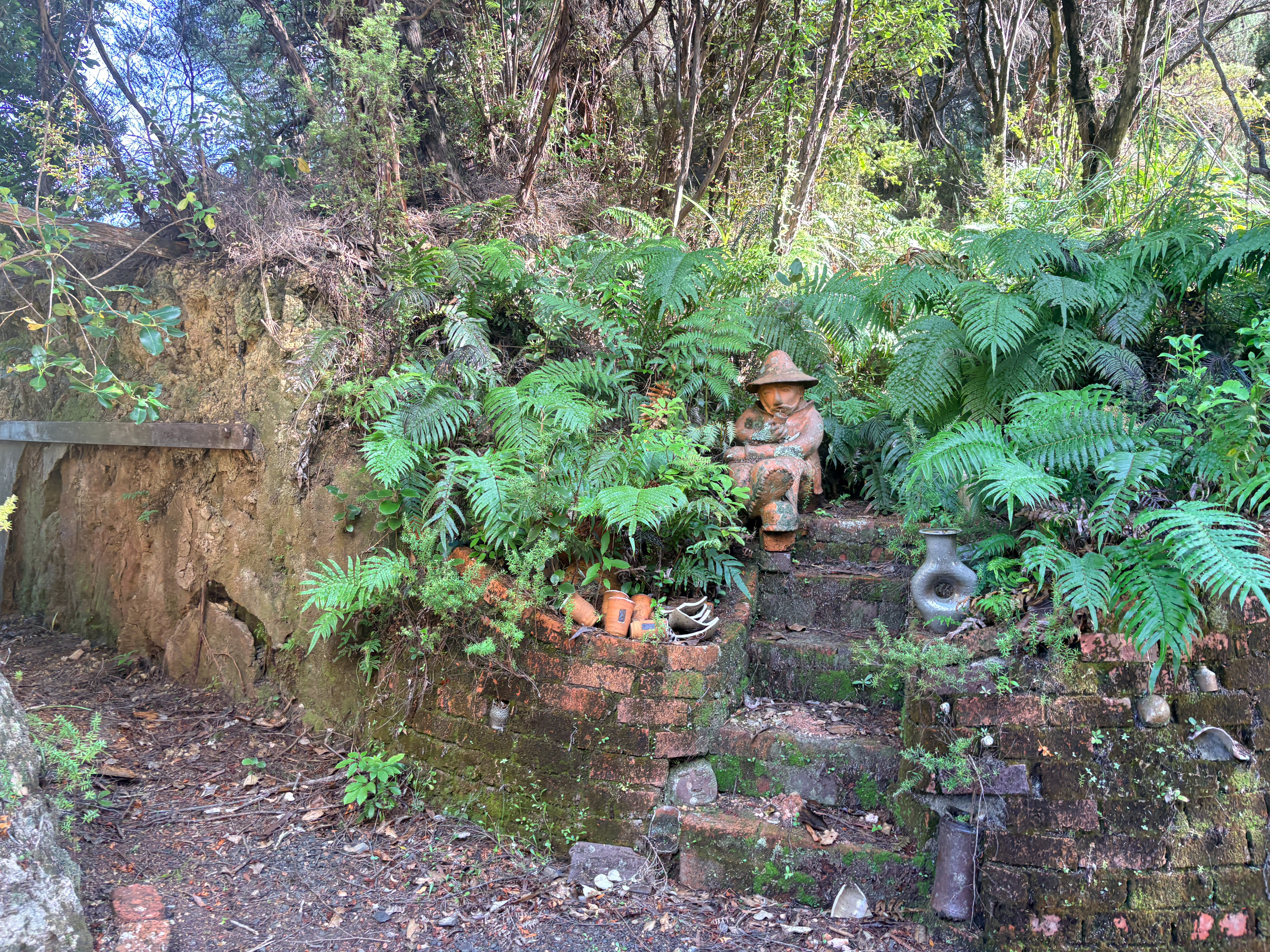
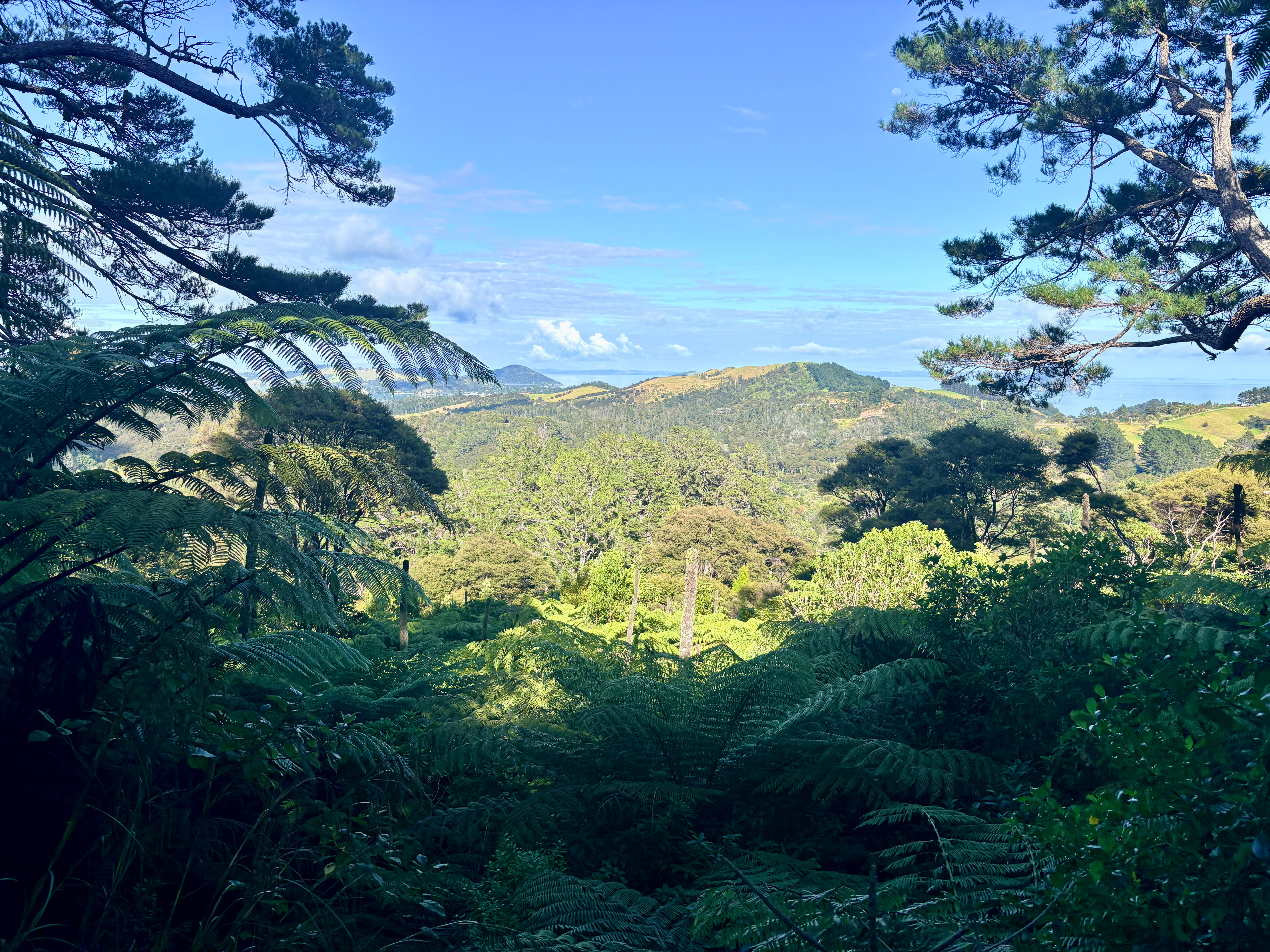
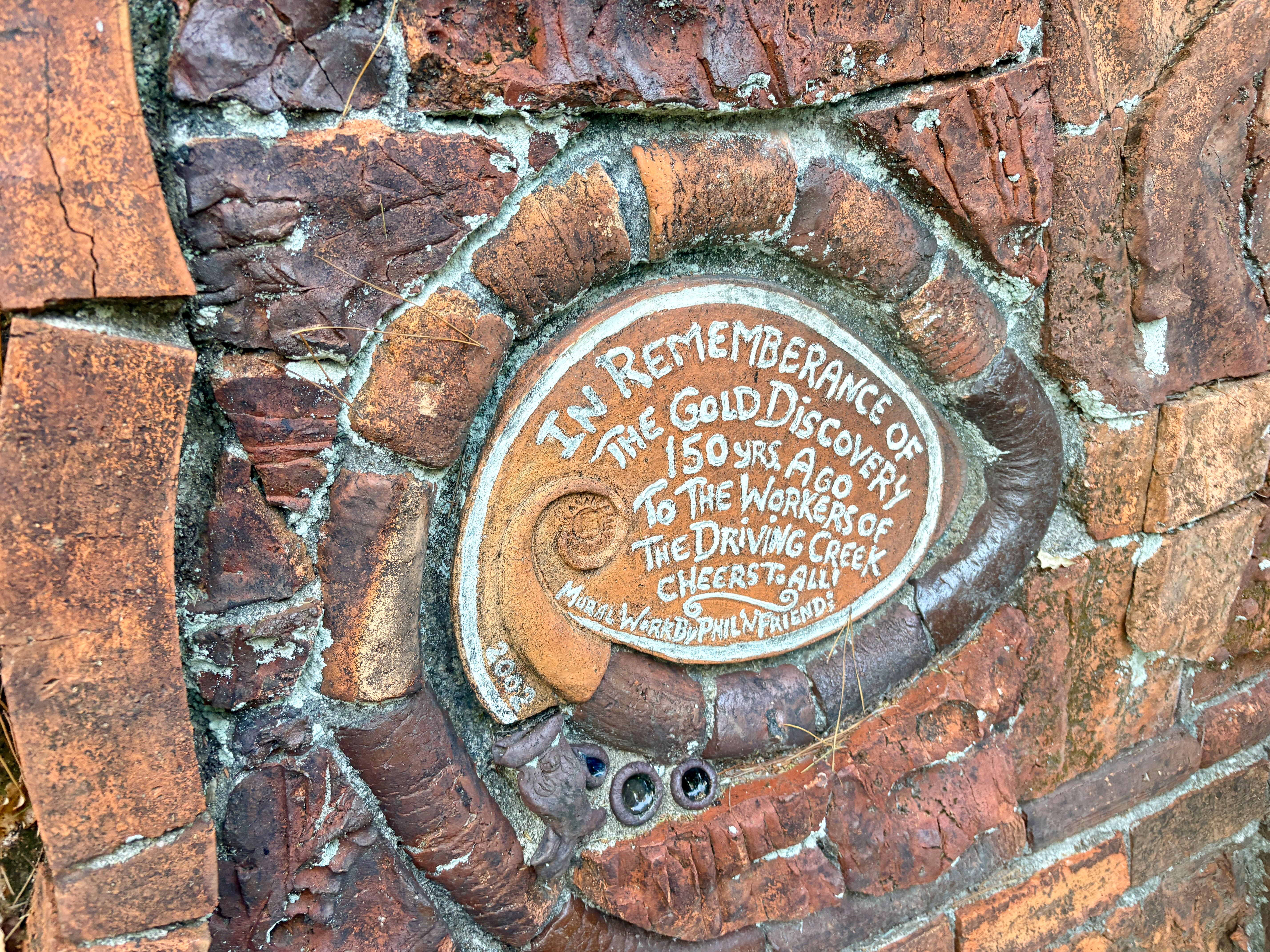
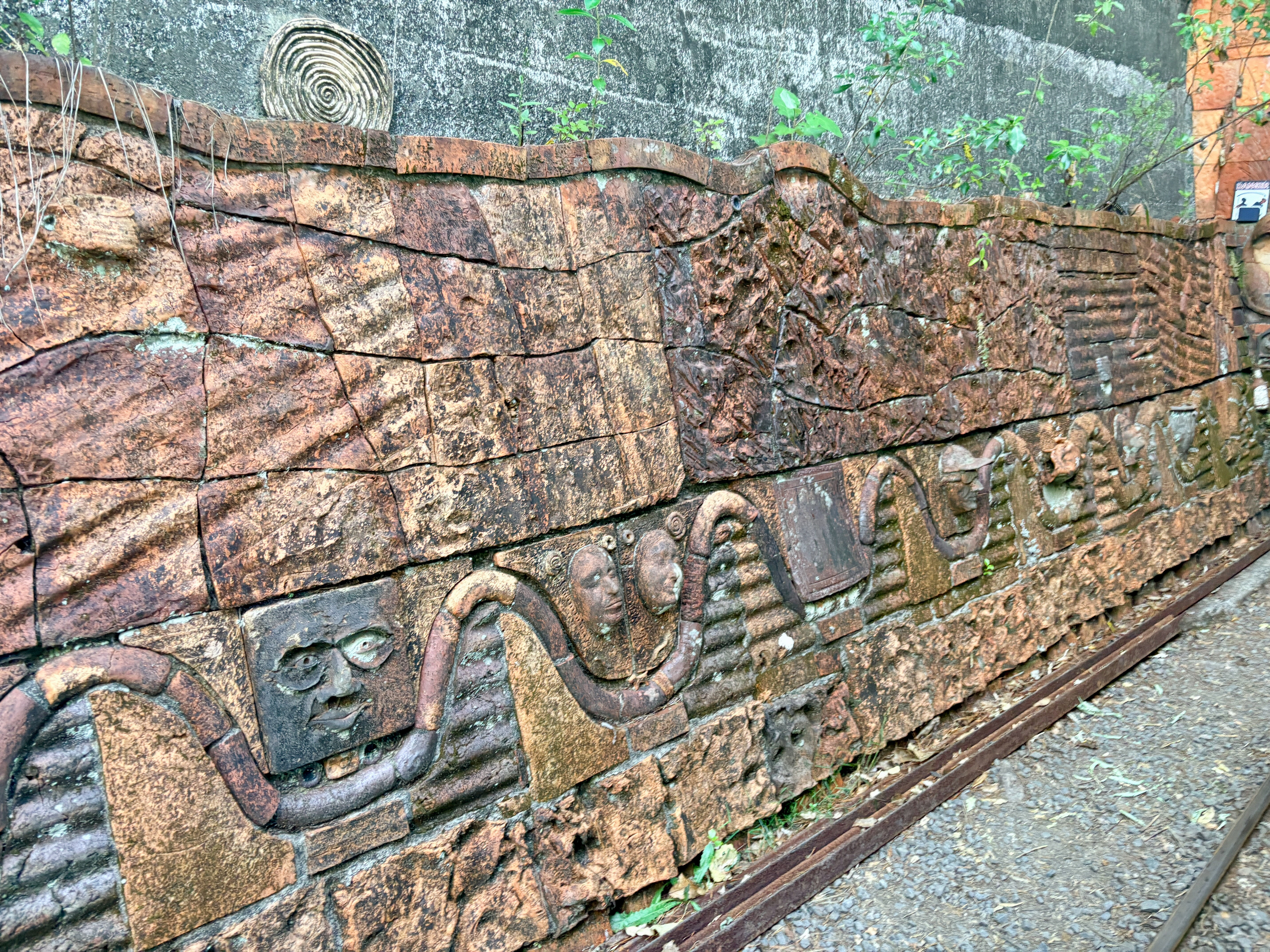
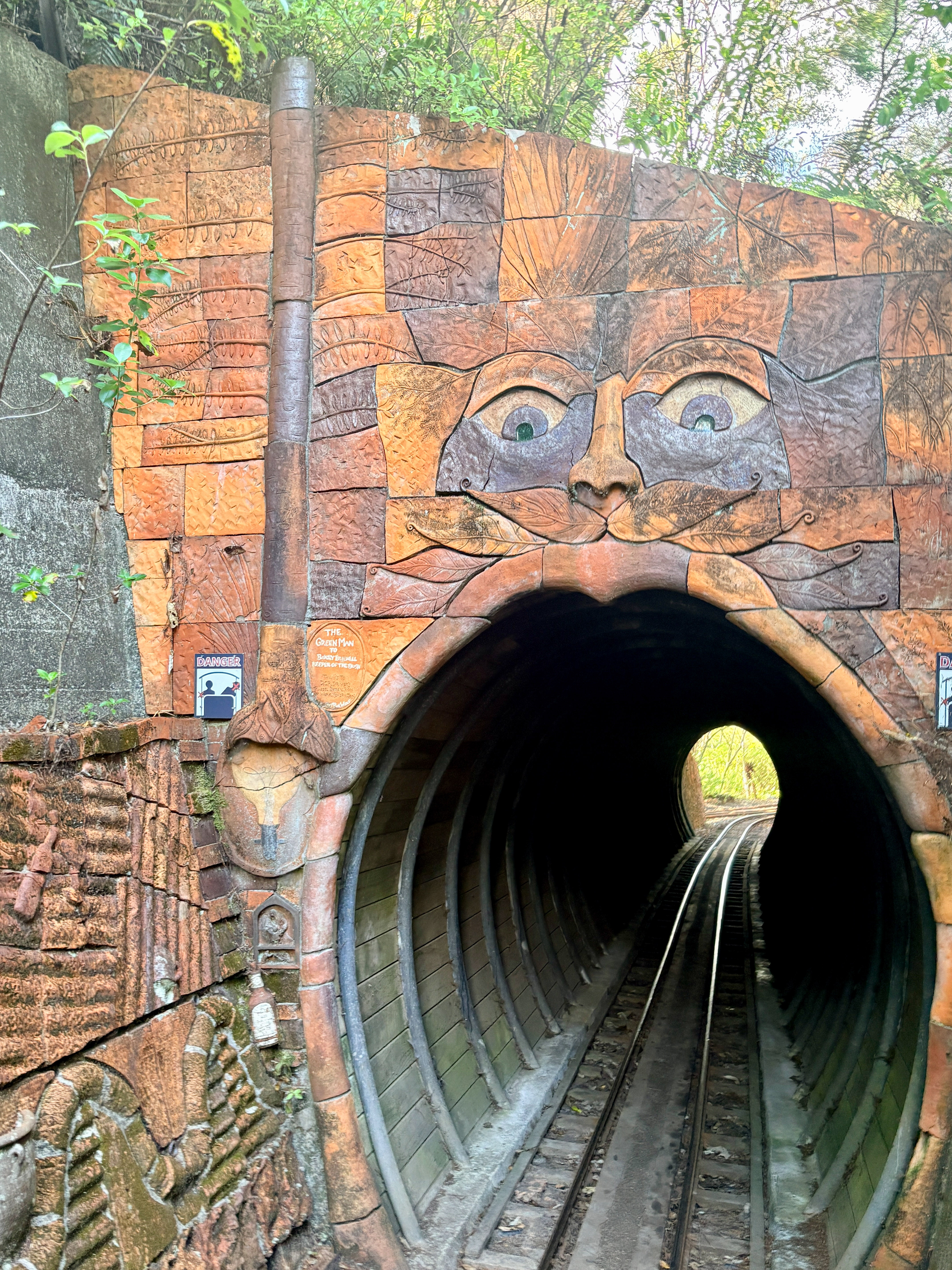
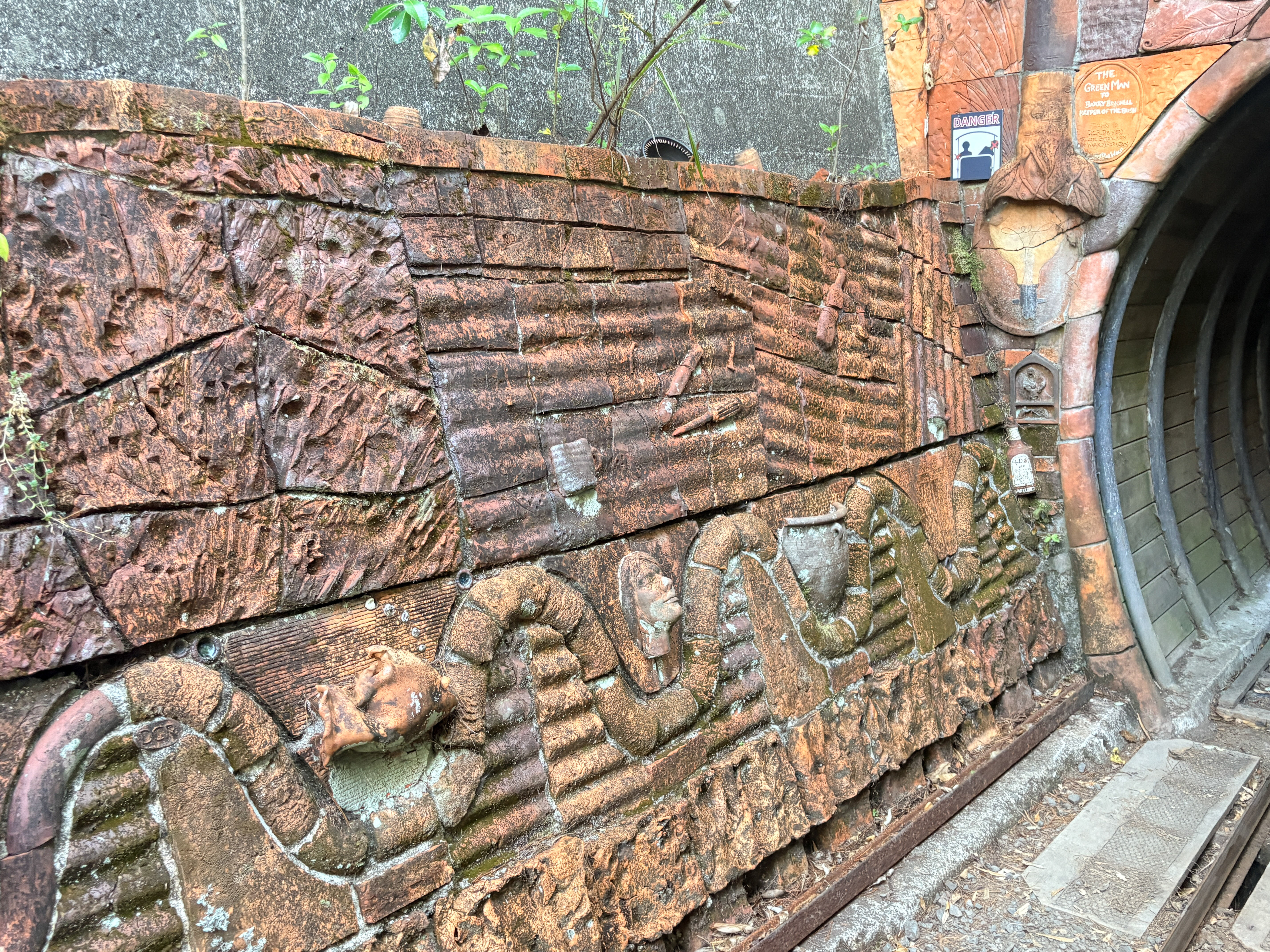
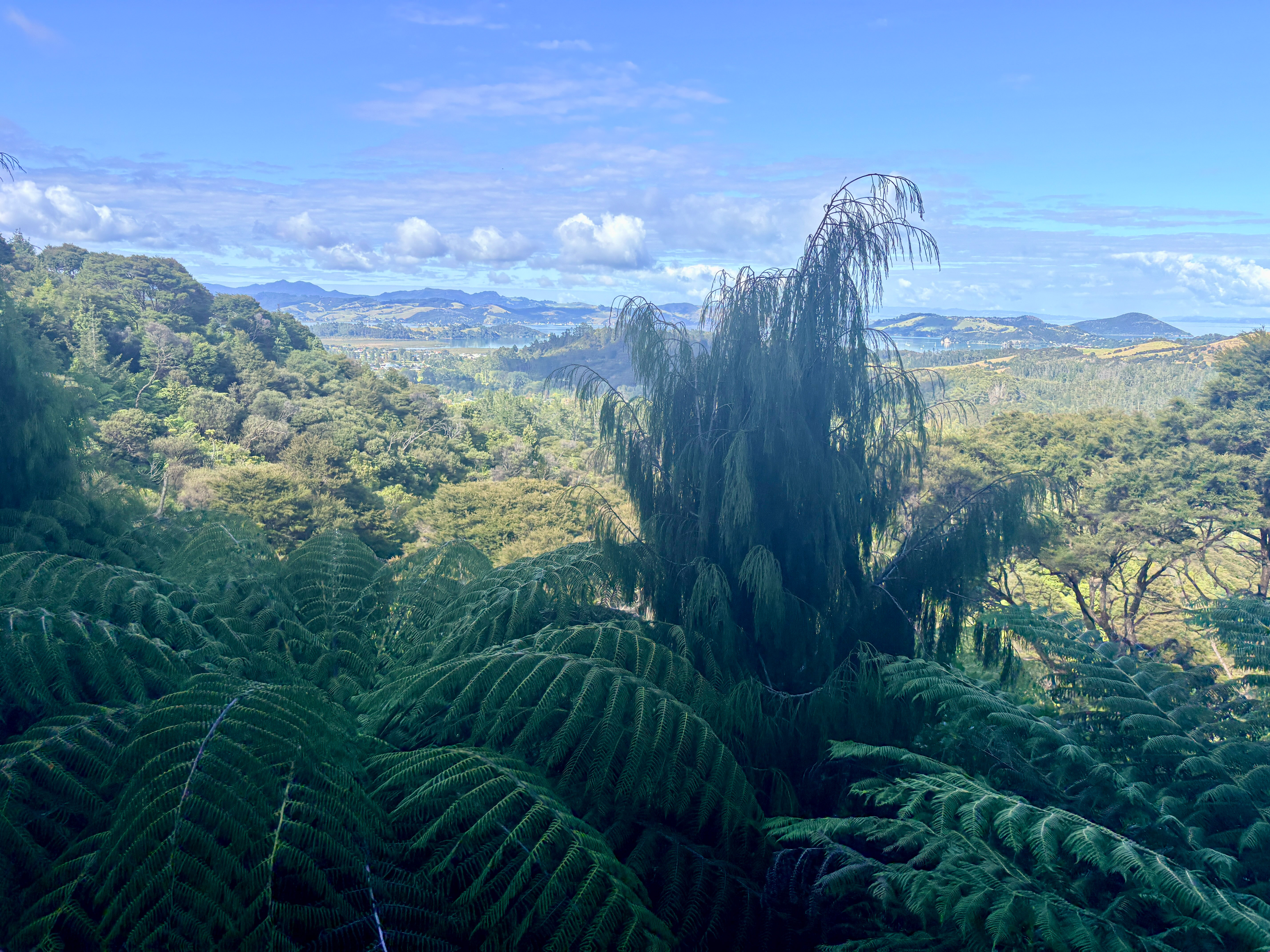
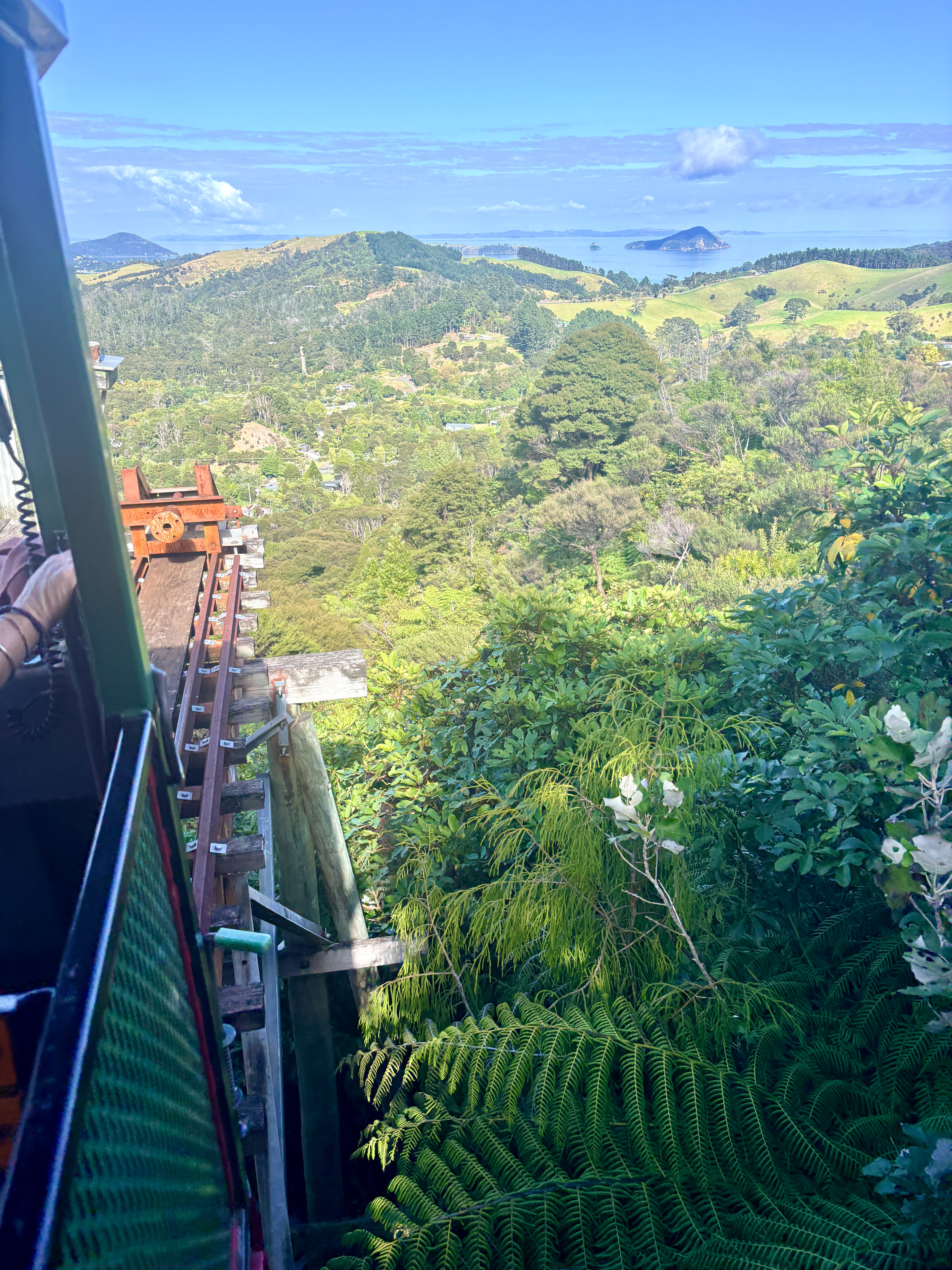
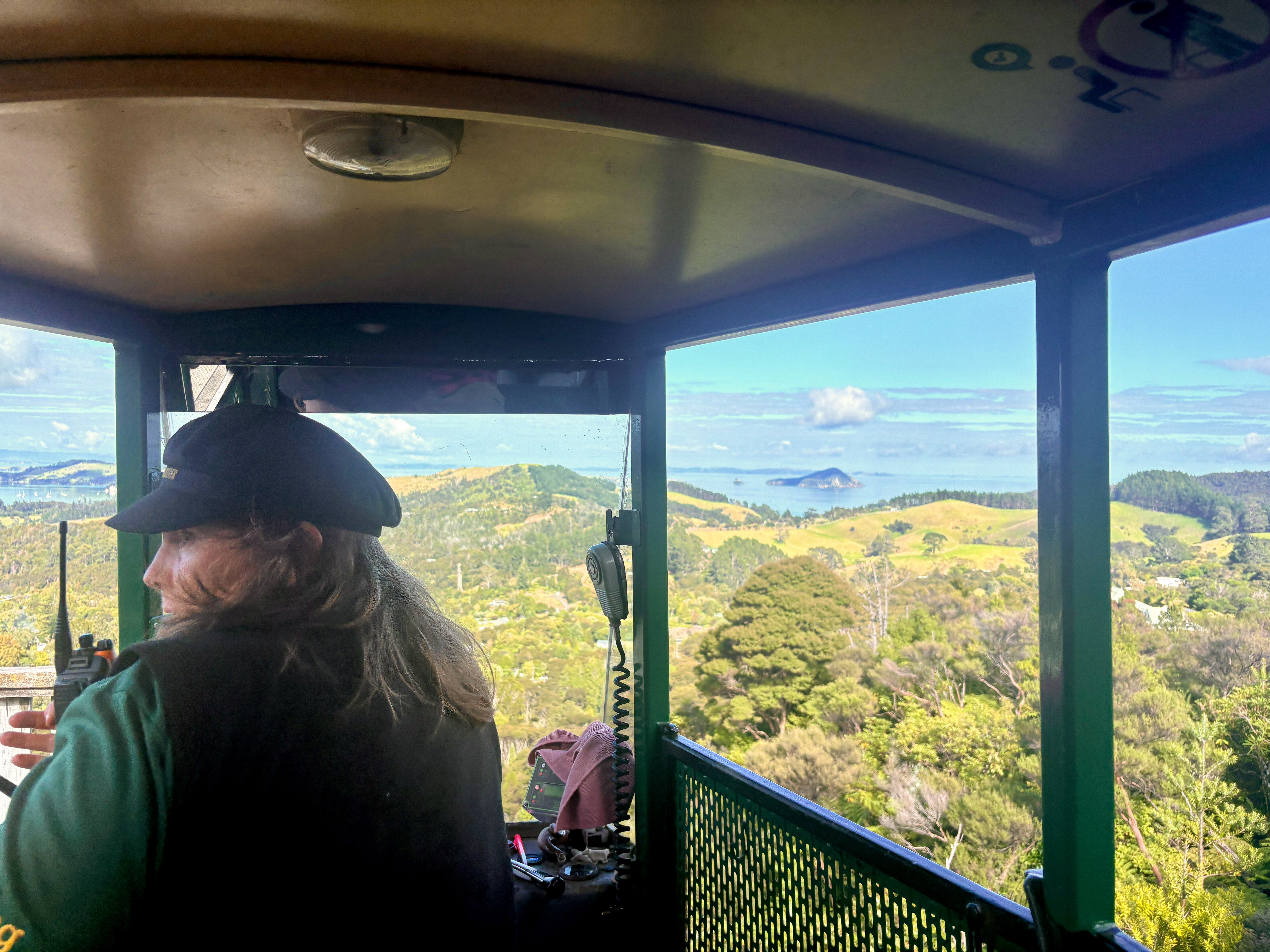
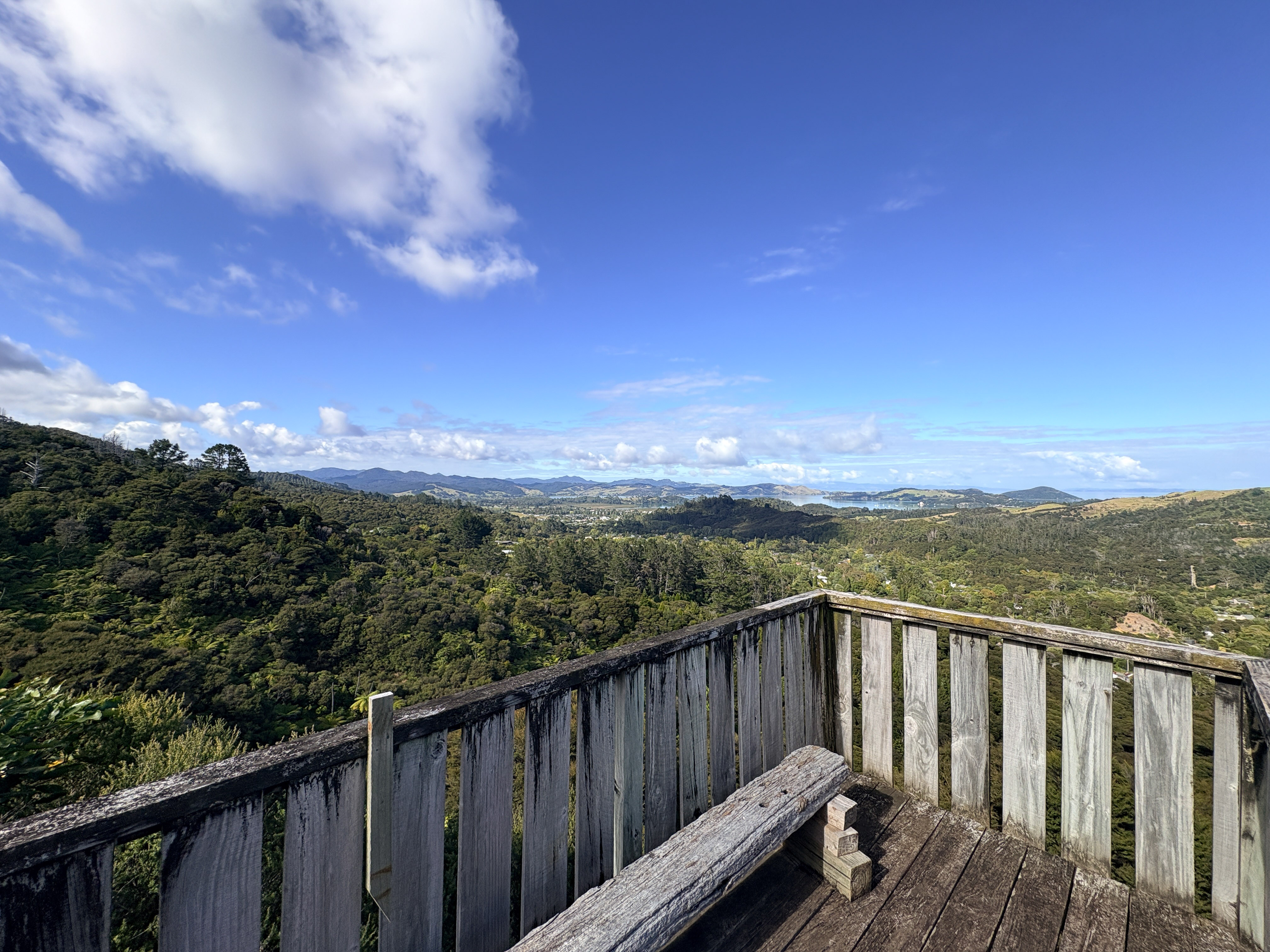
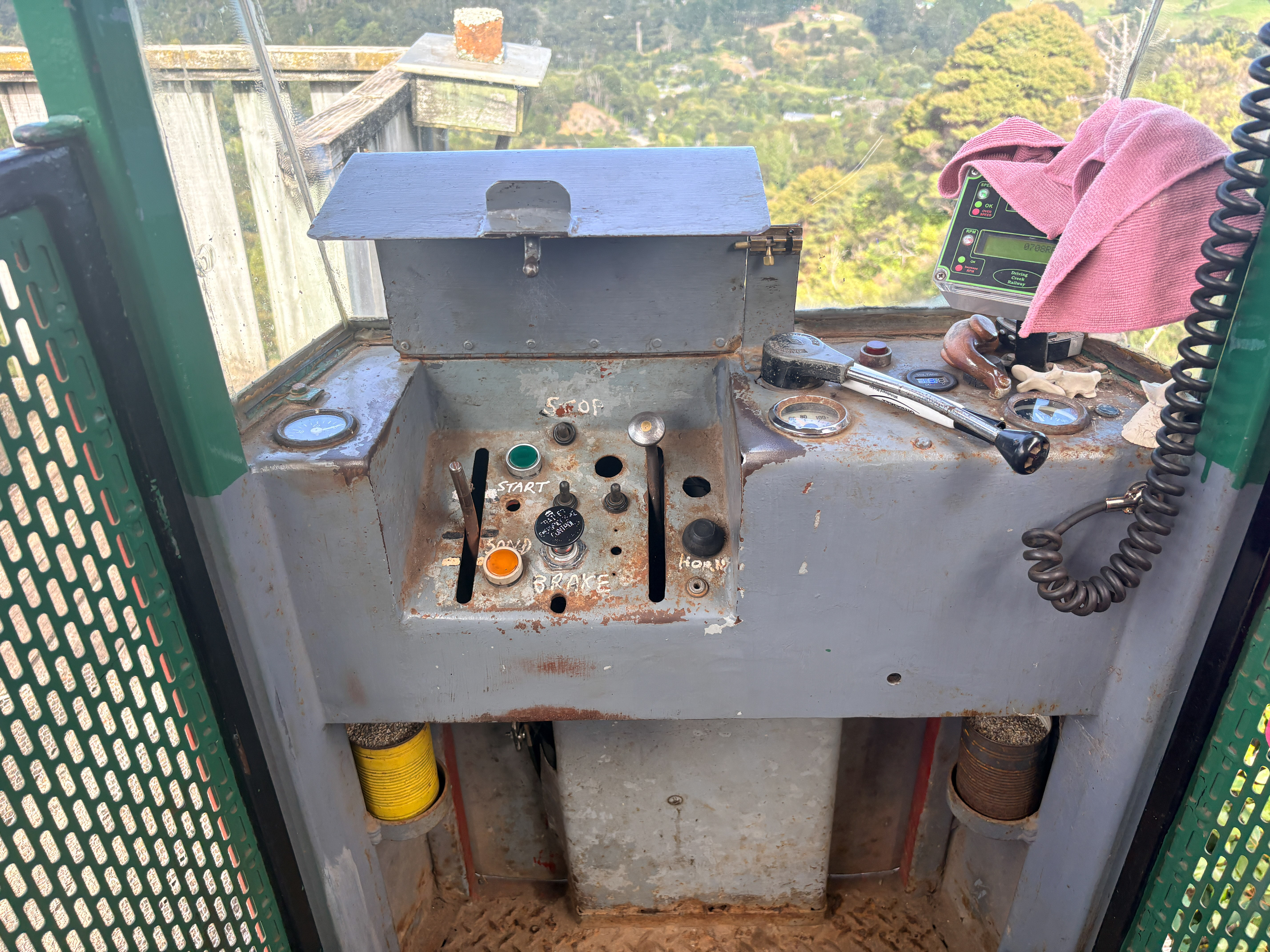
My youth around old machinery drew me to yet another railway. Though the Driving Creek Railway is not a hundred years old, its story is interesting. Created by the owner of the property, a prominent potter, all of the rail was laid by he and his friends along routes and over bridges he engineered, while all of the engines and cars were homemade as well.
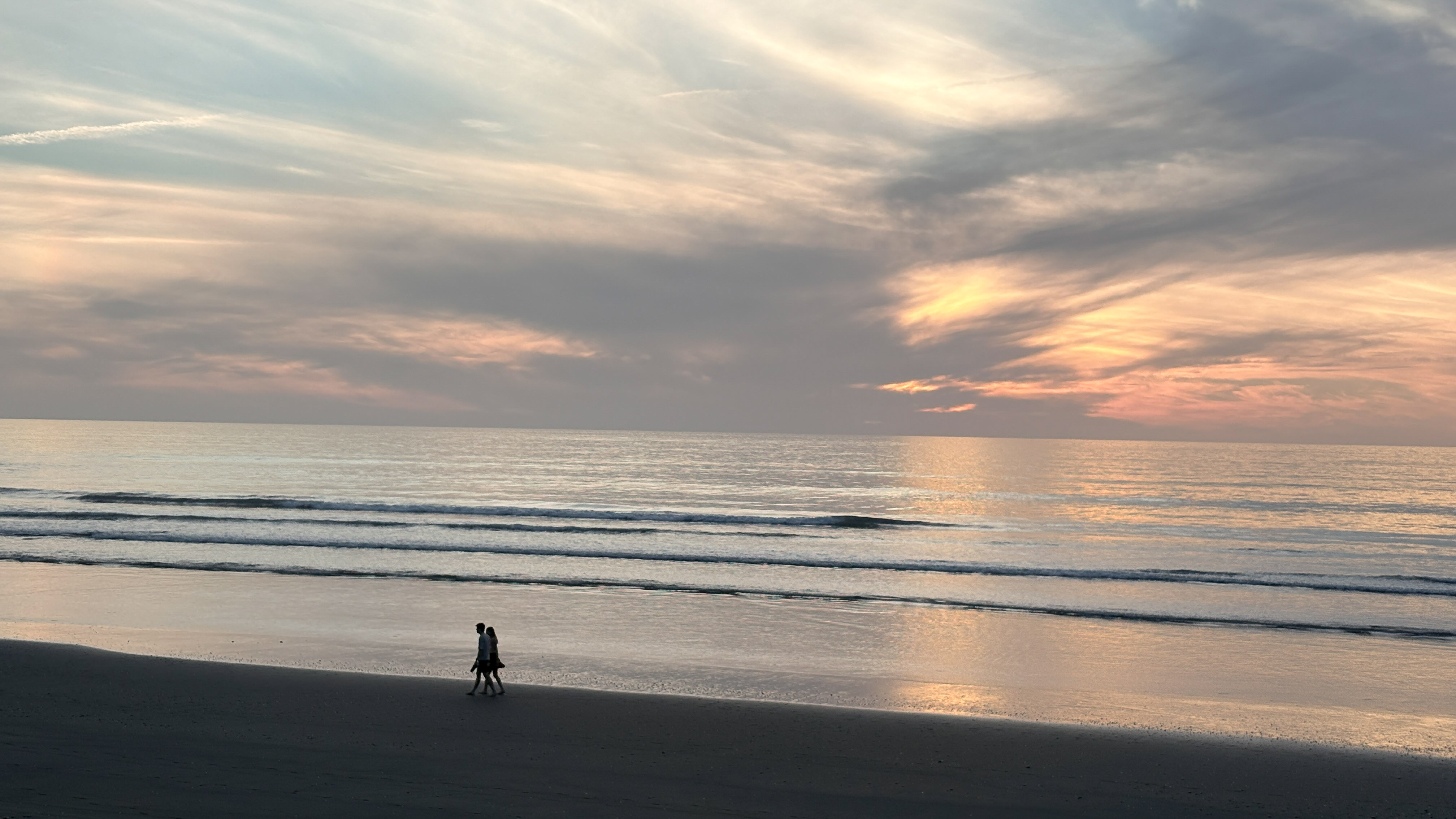
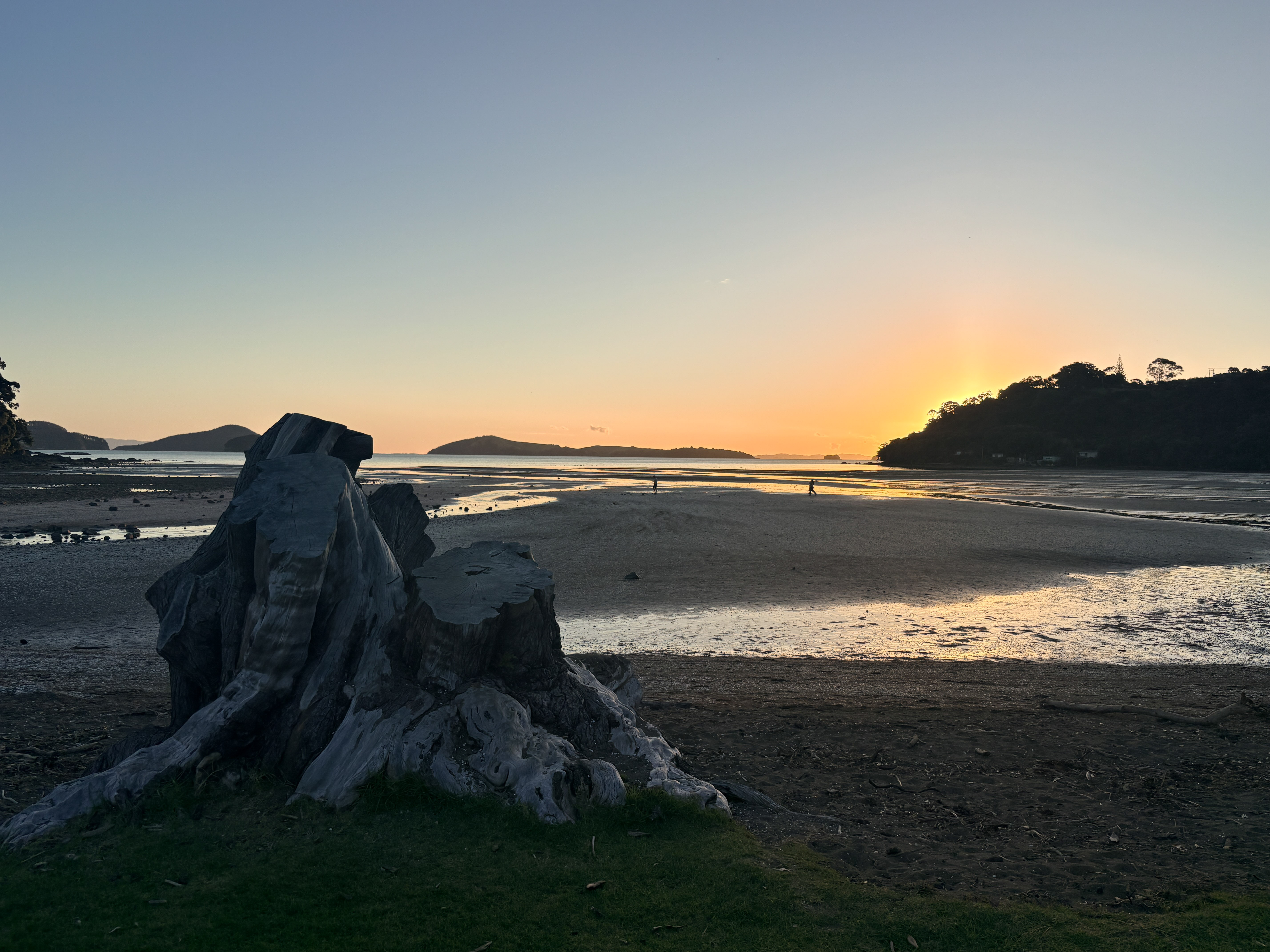
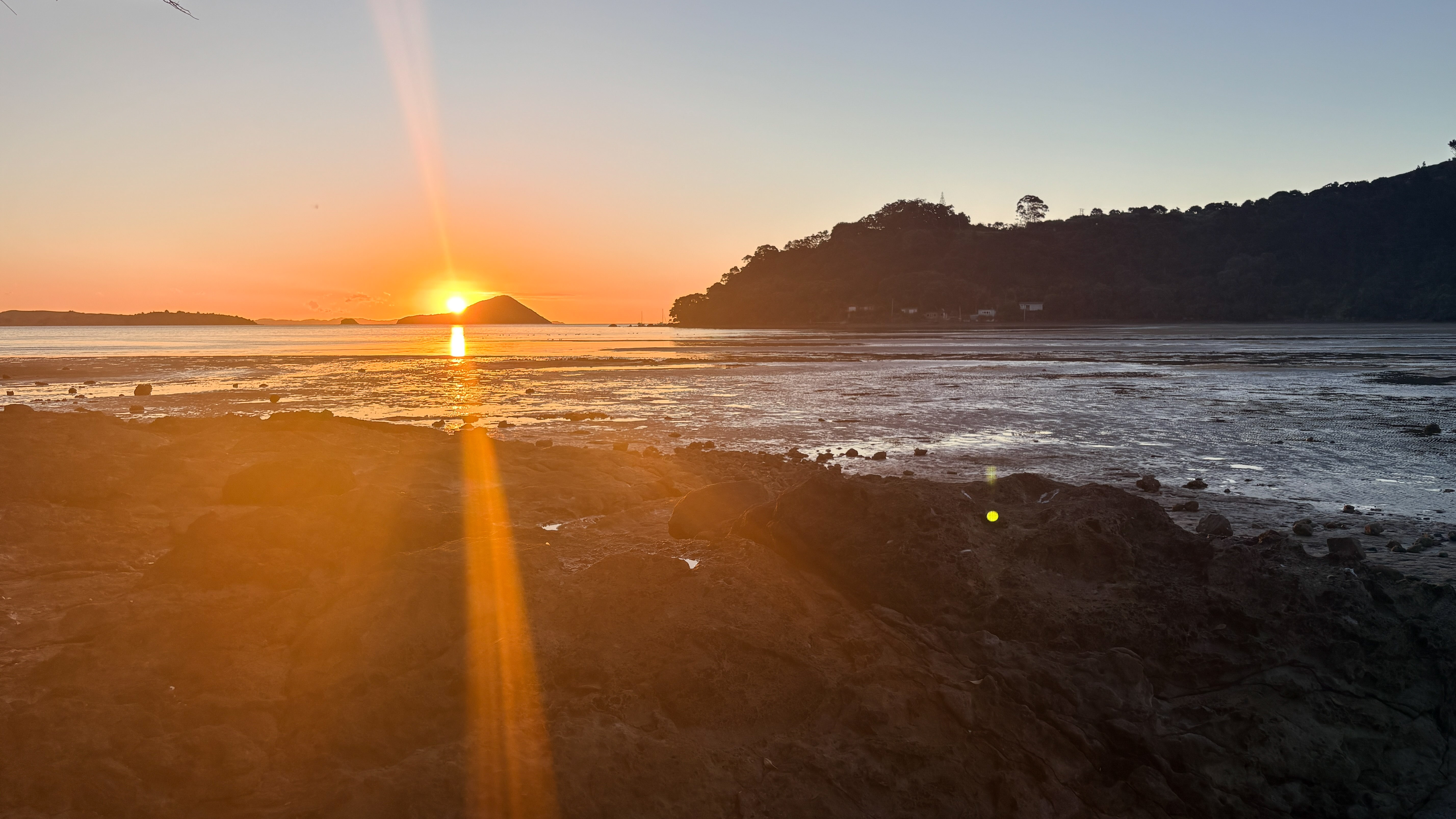
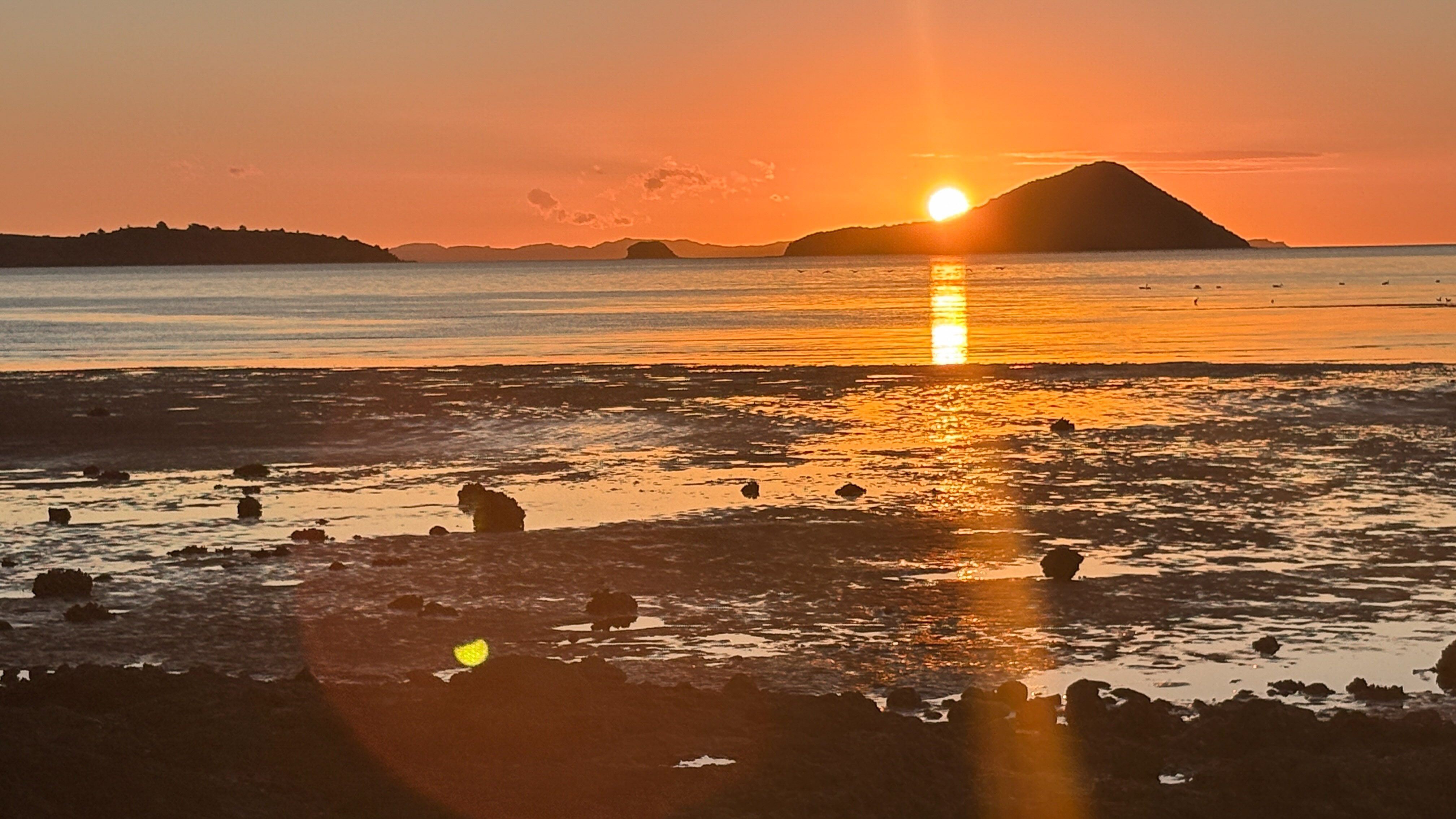
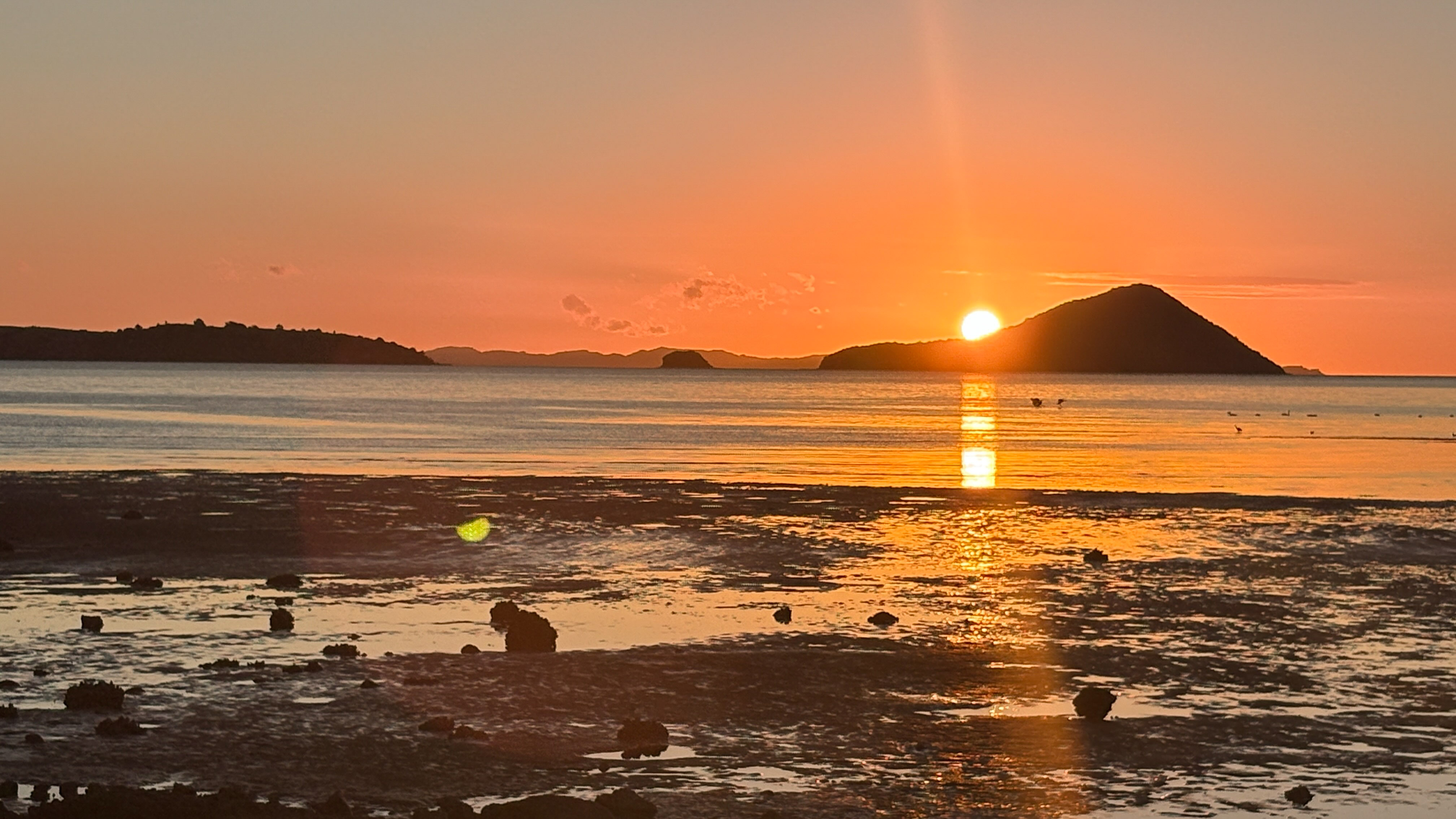
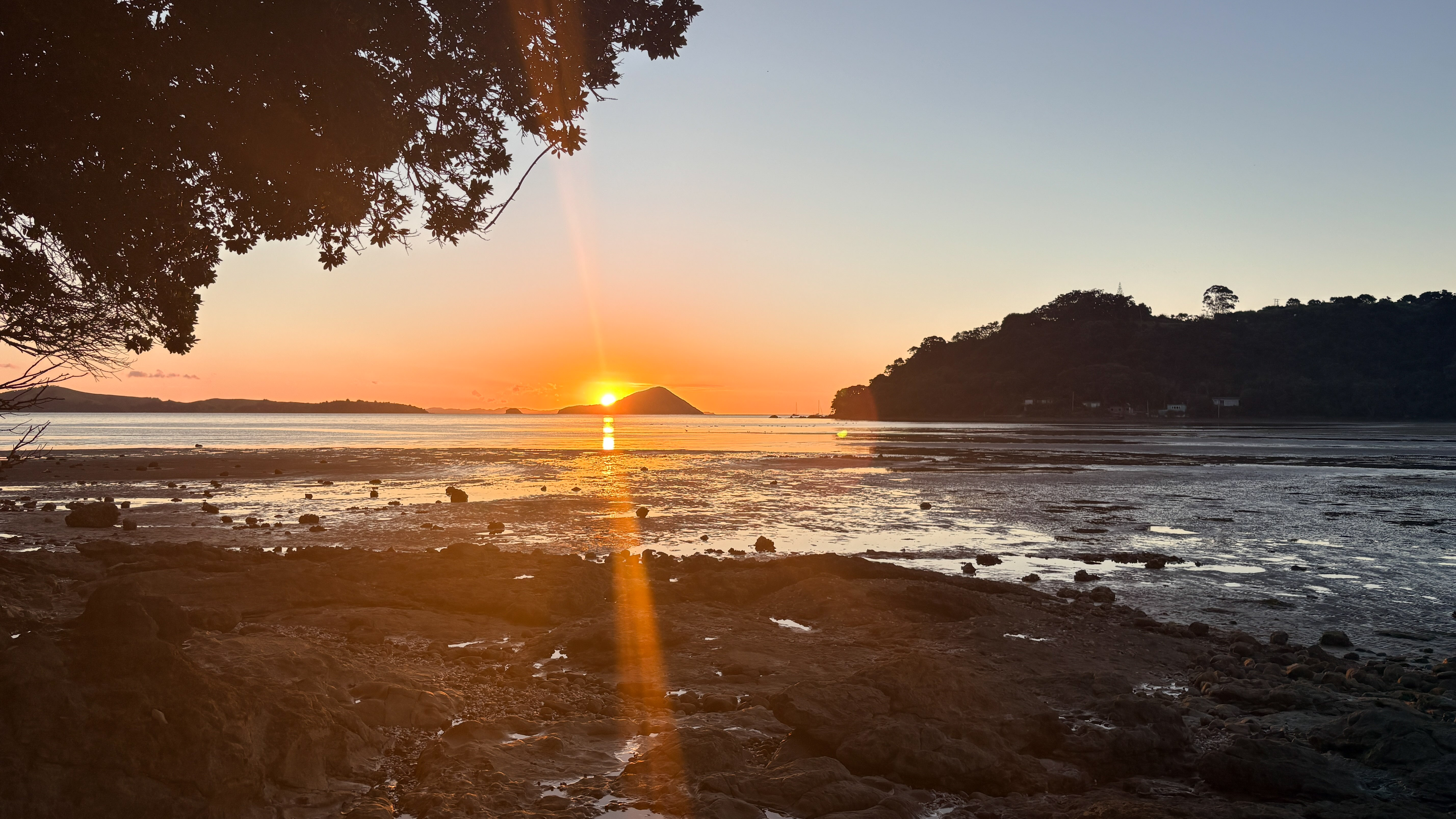
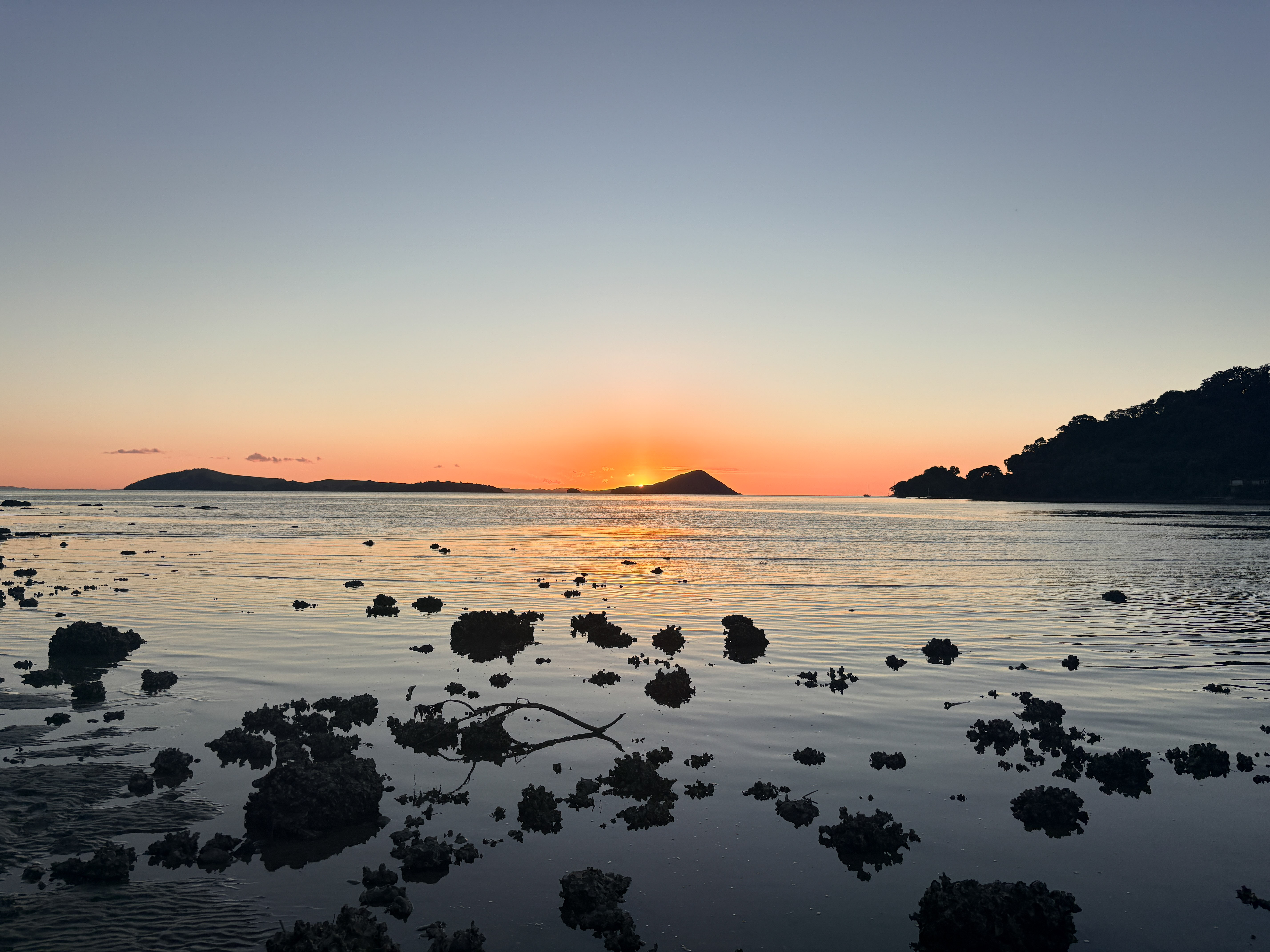
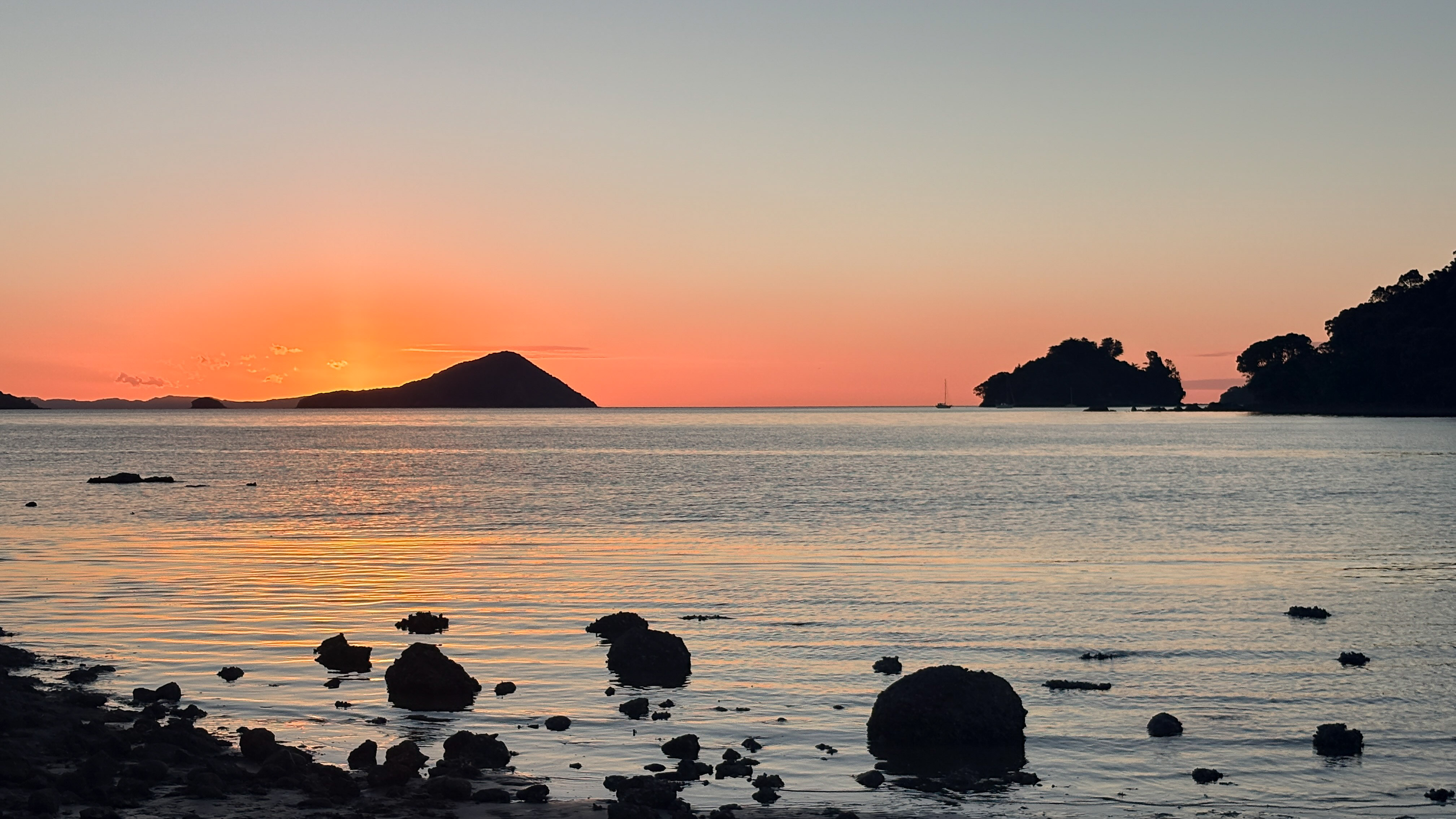
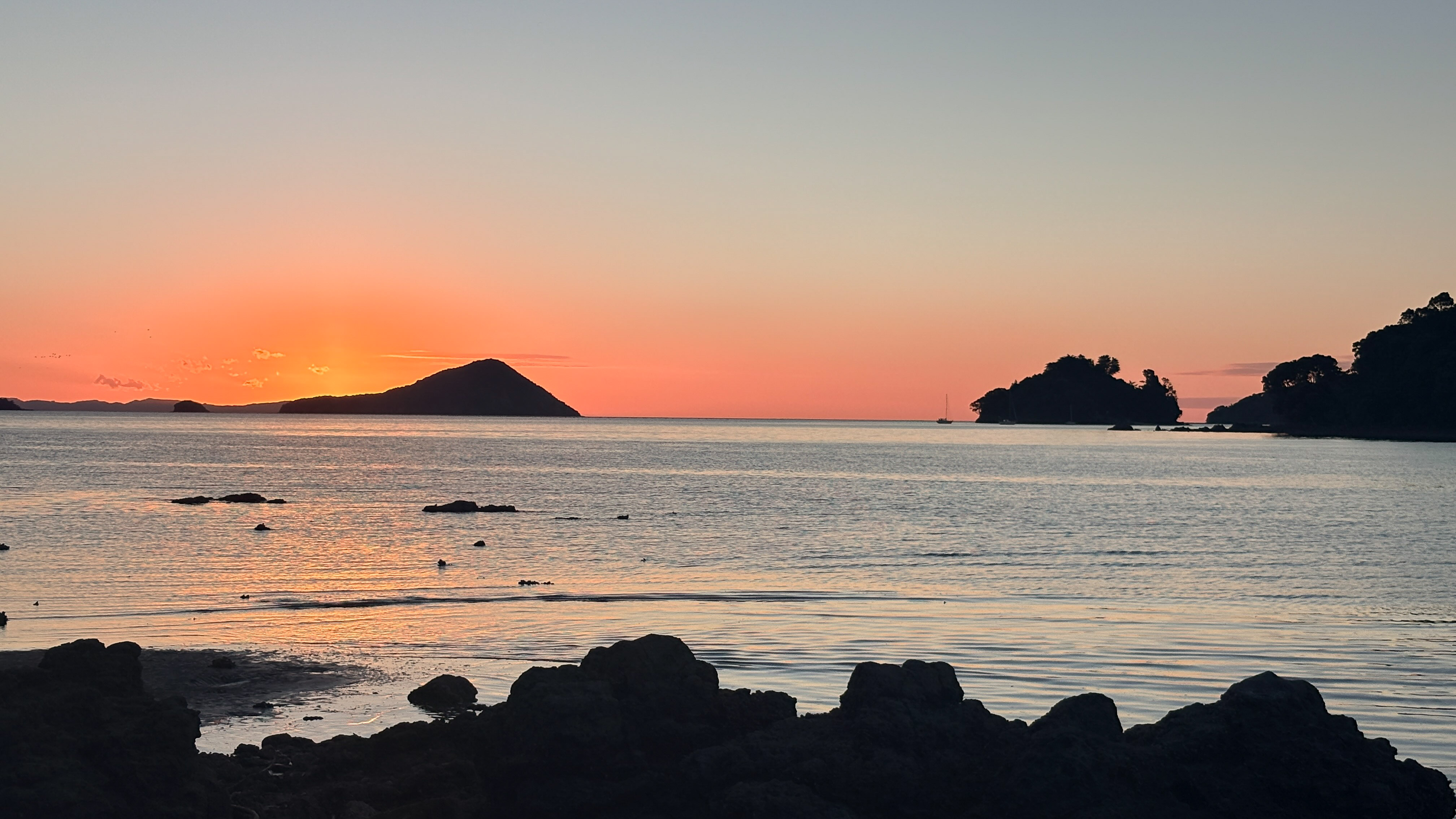
That evening, I followed the sun and the tide out to sea, walking on sands that are often underwater to chase the fading light.
Day 16 (March 9-10)
Properly back in a great state of mind, the trip ended with a drive back to Auckland and 24 hours of travel home.
My 2027 trip to the South Island is already booked!

